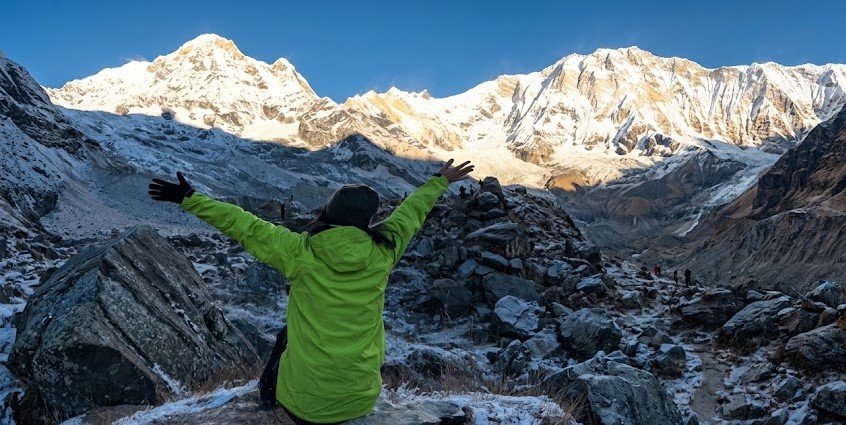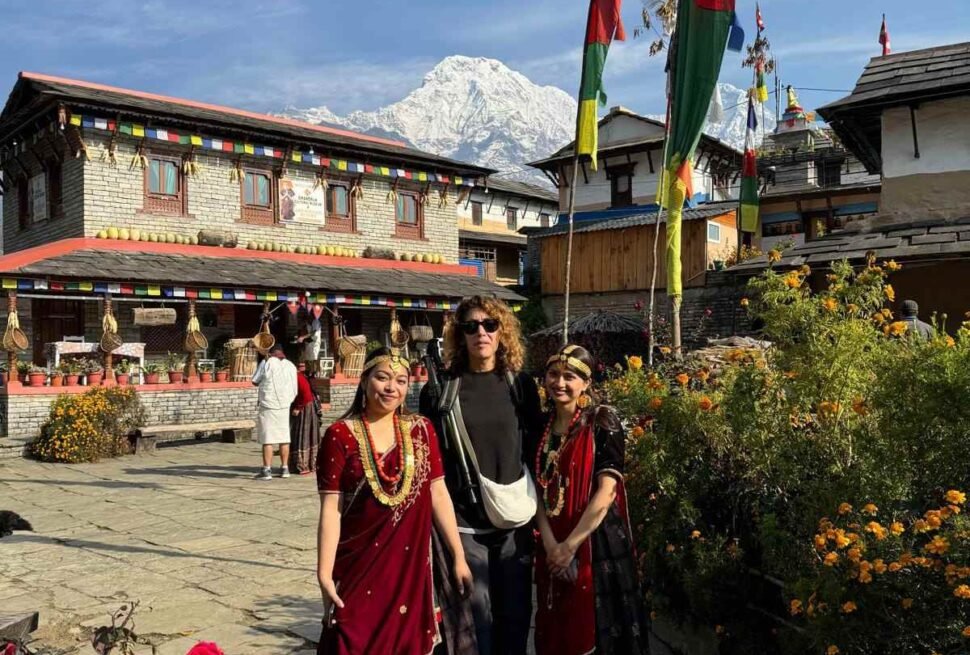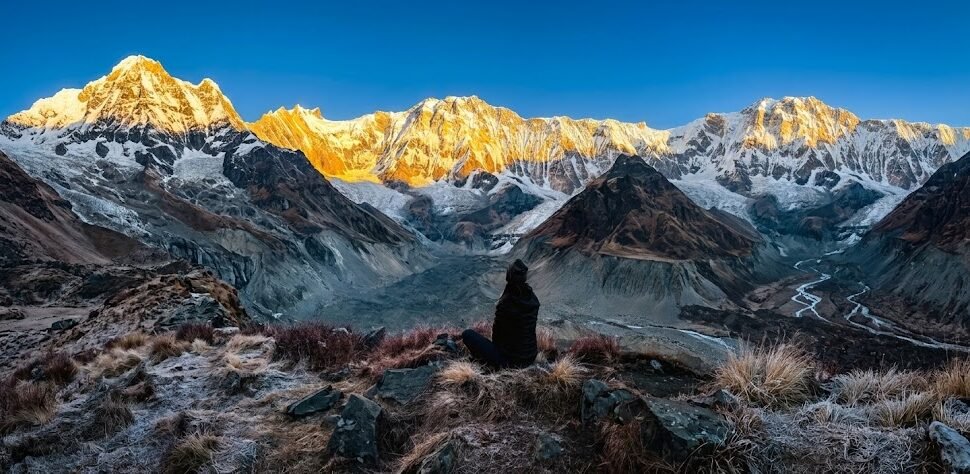
Before booking the Annapurna Base Camp Trek, many trekkers spend a lot of time checking photos, prices, and itineraries. But they often miss the small details that matter more during the actual trek.
This is where many problems start.
Some people choose the cheapest package and later find out that meals, permits, porter, or transport are not included. Some book through a foreign agency or online platform and pay more than they need to. Some arrive in Nepal without proper gear. Some keep no buffer day after the trek. Some depend only on cards and forget to carry enough cash for the mountains.
These mistakes may seem small before the trip, but they can cause stress, extra costs, and discomfort on the trail.
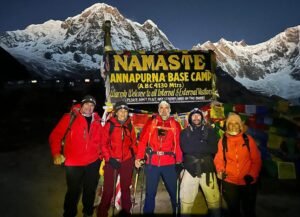
The Annapurna Base Camp Trek is not only about reaching base camp. It also includes long walking days, many stone steps, changing weather, basic mountain lodges, shared toilets, limited Wi-Fi, and extra costs for things like hot showers, charging, and drinks.
This guide explains the most common mistakes when booking the Annapurna Base Camp Trek and how to avoid them. Read this before you confirm your package, pay money, or book your flight to Nepal.
Quick Trek Overview
| Detail | Information |
|---|---|
| Trek Name | Annapurna Base Camp Trek |
| Duration | 7 to 12 days depending on itinerary |
| Highest Point | Annapurna Base Camp at 4,130 metres |
| Trek Type | Open trekking area |
| Best Season | March to May and September to November |
| Difficulty | Moderate to Challenging |
| Permits Required | 2 permits (ACAP and TIMS) |
| Starting Point | Nayapul or Siwai near Pokhara |
| Ending Point | Nayapul or Phedi |
| Operated By | Next Trip Nepal |
1. Not Reading the Trek Details Properly
This is the most common and most avoidable mistake. Many trekkers spend time looking at the price, the beautiful photos, and a short summary. They see “10 days” and move straight toward booking without reading the full details of what the package actually includes.
The Annapurna Base Camp Trek is not the same from one company to the next. The itinerary length, the level of accommodation, the guide-to-trekker ratio, what is included in the price, and what is not included can vary significantly between different operators.
What You Must Check Before Booking
| What to Check | Why It Matters |
|---|---|
| Actual trekking days vs total package days | Some companies count arrival and departure days as trekking days |
| Licensed guide included or just a leader | A licensed guide has government registration and first aid training |
| Porter included or charged separately | Carrying a heavy bag at 3,500m altitude is exhausting |
| Which permits are included | ACAP and TIMS are mandatory and add to the total cost |
| Transport type from Pokhara to trailhead | Private vehicle vs local bus is a big difference in comfort and time |
| Meals included at which stages | Most packages cover breakfast and dinner only |
| Tea house grade or lodge type | Standard tea houses vs comfortable lodges vary greatly |
| Cancellation and refund terms | Critical if your travel plans change at the last moment |
| Emergency support availability | Know what happens if something goes wrong above 3,000 metres |
Permits Required for the Annapurna Base Camp Trek
| Permit Name | Cost | Where Required |
|---|---|---|
| Annapurna Conservation Area Permit (ACAP) | NPR 3,000 (approximately USD 22) | Entire Annapurna Conservation Area |
| TIMS Card (Trekkers Information Management System) | NPR 2,000 (approximately USD 15) | All trekking areas in Nepal |
Both permits can be arranged in Pokhara or Kathmandu. At Next Trip Nepal, we arrange both permits for you as part of the package.
A low price can look very attractive at first, but if permits, guide, or porter are not included, the actual cost can be much higher than expected. Always read the full details before you confirm your booking. For a day-by-day route breakdown with permits and current costs, see our Annapurna Base Camp Trek guide for 2026.
2. Booking Through a Foreign Agency Without Knowing Who Actually Operates the Trek
This mistake surprises many trekkers when they discover it upon arrival in Nepal.
Many travellers book the Annapurna Base Camp Trek through a travel agency in their home country, a large European adventure company, or an international booking website. It feels more familiar and trustworthy because the communication is in your own language and you can pay in your own currency.
But in most cases, that foreign agency does not operate the trek themselves. They take your booking and payment, then contact a local trekking company in Nepal to arrange everything on the ground.
The local company in Nepal arranges the guide, the porter, the permits, the transport from Pokhara to the trailhead, the tea houses, the meals, and all the day-to-day logistics during the trek.
Booking Option Comparison
| Booking Method | Price | Communication | Local Knowledge | Flexibility |
|---|---|---|---|---|
| Direct local company | Best value | Direct and fast | Very high | High |
| Foreign travel agency | 20% to 40% higher | Indirect via middleman | Lower | Lower |
| Online travel platform | 25% to 40% higher | Platform support only | Varies | Low |
This arrangement means you are paying an extra layer of cost. The foreign agency adds their profit margin, their operational costs, and their currency conversion on top of the local price. You often pay 20% to 40% more than the actual cost of the trek in Nepal.
There is also a practical communication gap. If conditions change, if the trail is affected by weather, if you need to modify your schedule, a foreign agency cannot solve it quickly. They contact the Nepal company, wait for a reply, and then get back to you. If you book directly with the local company, you speak to the people managing your trek directly.
At Next Trip Nepal, we operate every aspect of the Annapurna Base Camp Trek ourselves. Our guides are based in Nepal. We know the Annapurna region deeply. When you book directly with us, you pay the local price, communicate directly with our team, and get real support from people who know the trail personally.
Want to book the Annapurna Base Camp Trek directly with a local Nepal expert?
3. Paying the Full Amount Before Arriving in Nepal
This is a financial risk that many trekkers overlook until it becomes a real problem.
Some trekking companies ask for 100% payment at the time of booking, sometimes months before the departure date. This can create serious complications if anything unexpected happens before you travel.
Life changes without warning. A family emergency can change travel plans completely. A health issue can prevent travel. A workplace emergency can delay departure. Flight cancellations, visa delays, or government travel advisories can all disrupt a carefully planned trip.
When any of these things happen after you have already paid the full amount to a company in Nepal, getting your money back can be a long and complicated process.
Risks of Full Advance Payment
| Situation | Risk Without Flexible Payment Policy |
|---|---|
| Illness before travel | May lose a significant portion of the total payment |
| Flight cancellation | Rebooking fees plus potential loss of full trek payment |
| Family emergency | Complex international refund process with bank charges |
| Visa rejection | Very difficult to recover full payment from abroad |
| Travel advisory or political situation | Refund timeline can stretch into months |
International bank transfers take time and cost money on both sides. Exchange rate differences mean you often receive less than you paid. Banks on both sides charge fees. The paperwork required for a full refund can be slow. And if the company does not have a clearly written refund policy, disputes become very difficult to resolve from another country.
At Next Trip Nepal, we offer flexible booking and payment options. A reasonable deposit secures your trek booking, and the remaining balance can be settled on your arrival in Pokhara or Kathmandu. This protects you financially and reduces risk for both sides.
Always ask any trekking company about their payment schedule, deposit amount, refund policy for different cancellation scenarios, and whether they provide a written booking confirmation with clear terms.
4. Booking Through Online Travel Platforms Without Comparing Direct Prices
In recent years, many large international travel platforms have expanded into adventure trekking. The Annapurna Base Camp Trek is now listed on dozens of global booking websites alongside hotels, flights, and city tours.
These platforms look convenient. You search, compare, click, and pay. For simple activities like day tours or museum visits, this can work well. But for a multi-day mountain trek in Nepal, booking through a large online platform often costs significantly more than booking directly.
Online platforms charge commission from every booking. This commission typically ranges from 20% to 35% of the total booking amount. To cover this cost, the trekking company listed on the platform must either raise the price for platform customers or reduce what the package includes.
In both cases, you pay more or get less.
What to Compare Before You Book
| Comparison Point | Why It Matters |
|---|---|
| Full price vs what is actually included | A cheaper headline price sometimes means fewer real services |
| Guide licensing and Annapurna experience | Not all platforms verify guide qualifications properly |
| Permit arrangement process | ACAP and TIMS must be arranged correctly and in advance |
| Cancellation and refund terms | Platform terms often differ from the local company terms |
| Emergency support details | Who exactly do you contact if something goes wrong at 4,000 metres |
| Direct communication availability | Can you speak to the actual guide or Nepal team before you travel |
Before booking through any platform, spend 30 minutes reaching out to two or three local trekking companies in Nepal directly. Contact them by email or WhatsApp and ask for their full itinerary, what is included, guide qualifications, permit handling, cancellation policy, and current price.
In most cases, direct booking with a reliable local company like Next Trip Nepal gives you a better price, more flexibility, clearer communication, and stronger local support throughout your journey.
5. Buying International Flights at the Last Minute
International flights to Nepal can vary enormously in price depending on when you book. Booking early, typically five to seven months in advance, often gives you significantly better prices, more comfortable routes, better layover times, and more flexibility to change if needed.
Last minute international flight bookings can cost two to three times more than early bookings, especially during the peak trekking seasons when demand is highest.
Best Seasons for the Annapurna Base Camp Trek
| Season | Months | Weather | Popularity | Flight Booking Advice |
|---|---|---|---|---|
| Spring | March to May | Clear skies, rhododendrons blooming | Very high | Book 5 to 7 months early |
| Autumn | September to November | Excellent visibility, stable weather | Very high | Book 5 to 7 months early |
| Winter | December to February | Cold but clear, less crowded | Low | Book 2 to 3 months early |
| Monsoon | June to August | Heavy rain and leeches on the trail | Very low | Not recommended for most trekkers |
There is also another very important point about flight timing. Do not arrive in Pokhara or Kathmandu on the same day your trek begins. This is a mistake that creates unnecessary pressure and risk.
International flights experience delays regularly. Connecting flights can cause missed connections. Jet lag after long international travel is real and can affect your energy and decision-making on the first day. Baggage handling at Tribhuvan International Airport in Kathmandu can be slow.
What Needs to Happen Before Your Trek Starts
| Task | Time Required |
|---|---|
| Rest and recovery after long international flight | Half day to full day |
| Trek briefing with your guide | 1 to 2 hours |
| Permit collection (ACAP and TIMS) in Pokhara | 1 to 2 hours |
| Gear check and repacking | 1 hour |
| Meeting your guide and porter | 30 to 60 minutes |
| SIM card purchase and setup if needed | 30 minutes |
| Last minute gear purchase in Pokhara | 1 to 3 hours |
Arriving at least one full day before the trek starts is important. Arriving two days early is even better, especially for those who are new to Nepal or who are sensitive to time zone changes.
6. Not Packing Properly Before the Trek
Some trekkers arrive in Nepal with only city clothes and plan to buy all trekking gear in Pokhara or Kathmandu. While it is true that both cities have well-stocked trekking gear shops, buying everything at the last moment before a trek creates unnecessary stress and financial pressure.
Pokhara’s Lakeside area has many trekking gear shops selling original and replica brand products. You can find down jackets, sleeping bags, trekking poles, rain jackets, and most essential items. The quality varies widely, and prices for good quality items are not always lower than in your home country.
More importantly, the Annapurna Base Camp Trek takes you to altitudes where temperature, rain, and trail conditions demand proper gear. A rain jacket that fails in the Annapurna Sanctuary at 4,130 metres, or boots that give you blisters above Chhomrong, cannot be replaced once you are on the trail.
Essential Gear Checklist for the Annapurna Base Camp Trek
| Gear Item | Why You Need It | Available from Next Trip Nepal |
|---|---|---|
| Down jacket | Temperatures drop significantly above 3,000m especially at night | Yes, on request |
| Sleeping bag (rated to minus 10) | Tea house blankets are often thin at high altitude | Yes, on request |
| Waterproof trekking boots (well broken in) | The trail has steep, muddy, and rocky sections | No |
| Waterproof rain jacket | Rain is common on the Annapurna trail even outside monsoon | No |
| Warm base layers and fleece | Temperature drops quickly after sunset at altitude | No |
| Trekking poles | Reduces knee strain especially on the steep descent from ABC | Yes, on request |
| Headlamp with spare batteries | Early morning Poon Hill sunrise and dark tea house evenings | No |
| Power bank (large capacity) | Charging is available at tea houses but often costs extra | No |
| Reusable water bottle | Staying hydrated is essential and buying plastic bottles adds up | No |
| Sunscreen (high SPF) and sunglasses | UV exposure at altitude is intense, snow reflection adds risk | No |
| Gaiters | Useful in snow above Machapuchare Base Camp in winter and early spring | No |
| Personal medical kit | See Mistake 13 for the full list | No |
At Next Trip Nepal, we provide sleeping bags, down jackets, trekking poles, and detailed trail maps on request depending on your chosen package. This can simplify your preparation and reduce what you need to bring from home.
7. Only Looking at the Beautiful Views and Ignoring the Real Challenges
Instagram, YouTube, and travel blogs are full of stunning content from the Annapurna Base Camp Trek. You see images of the Annapurna Sanctuary bathed in golden sunrise light, rhododendron forests blooming in pink and red, and the fish tail peak of Machhapuchhre rising dramatically above the clouds.
These images are real. The Annapurna Base Camp Trek is genuinely one of the most beautiful treks in the world. But the photographs only capture the best moments. They do not show the six-hour walking days, the knee pain on steep descents, the cold mornings, or the basic facilities at higher altitude tea houses.
What to Expect: The Beauty and the Challenge
| The Beautiful Part | The Real Challenge |
|---|---|
| Rhododendron forests in full bloom during spring | Long walking days of 5 to 8 hours on steep trails |
| Views of Annapurna I, Machhapuchhre, and Hiunchuli | Cold rooms with limited heating above 3,000m |
| Peaceful Gurung villages and ancient culture | Basic toilet facilities at higher tea houses |
| Sunrise from Poon Hill at 3,210m | Heavy rainfall possible even outside monsoon season |
| The dramatic Annapurna Sanctuary at 4,130m | Altitude effects including headaches and fatigue |
| Modi Khola river valley scenery | Very steep uphill sections above Chhomrong |
| Diverse wildlife and birdlife | Limited connectivity and no ATMs above Chhomrong |
| Peaceful and reflective mountain atmosphere | Snow and ice possible above 3,500m in winter months |
Understanding these realities before you book does not make the trek less attractive. It makes your preparation more effective and your experience more enjoyable. Trekkers who are mentally prepared for the challenges enjoy the journey far more than those who expected only the beautiful moments.
The Annapurna Base Camp Trek is a genuine Himalayan mountain adventure. That is what makes it unforgettable.
8. Not Keeping Buffer Days in Your Schedule
This is one of the most costly and most preventable mistakes.
Many trekkers plan their trip with exactly the right number of days and book their return international flight for the day immediately after the planned last trekking day. In the Annapurna region, this is a significant risk.
Mountain conditions are unpredictable. Weather, trail conditions, and health can all cause delays that are entirely beyond your control.
Common Causes of Trek Delays on the Annapurna Base Camp Trek
| Cause of Delay | Typical Duration | Predictable |
|---|---|---|
| Heavy rainfall making trails slippery and dangerous | 1 to 2 days | No |
| Snowfall above 3,500m blocking the trail to ABC | 1 to 3 days | No |
| Altitude sickness requiring rest at Chhomrong or Dovan | 1 to 2 days | No |
| Avalanche risk closing the trail near Deurali or ABC | 1 to 3 days | No |
| Flash floods affecting lower trail sections | Half to 1 day | No |
| Team member illness requiring slower pace | 1 to 2 days | No |
| Landslide on road from Pokhara to trailhead | Half to 1 day | No |
If you have booked your return international flight for the day after your planned last day of trekking and any one of these delays occurs, you face a very expensive and stressful situation.
Rebooking international flights at short notice from Nepal is possible but expensive. Depending on your airline and ticket type, the rebooking fee can be hundreds of dollars. Last minute flights on certain routes can cost significantly more.
Our strong recommendation to every trekker is to keep a minimum of two buffer days between your planned return to Pokhara or Kathmandu and your international departure flight.
If your trek ends smoothly on schedule, you have bonus time in Pokhara. You can enjoy a boat ride on Phewa Lake, visit the Peace Pagoda, explore the International Mountain Museum, eat at lakeside restaurants, or simply rest and recover before flying home.
Buffer days are the cheapest insurance you can buy against one of the most disruptive mistakes a trekker can make.
Have questions about planning your Annapurna Base Camp Trek dates or itinerary?
9. Not Carrying Enough Cash
This mistake catches trekkers off guard, especially those who are accustomed to cashless or card-based payments in their home countries.
In Pokhara and Kathmandu, international cards work at ATMs and are accepted at many hotels and restaurants. Once you leave Pokhara and begin trekking, however, the situation changes completely.
There are no ATMs along the Annapurna Base Camp Trek route. Tea houses and small shops operate entirely on cash. Mobile payment systems require internet connectivity that is not reliable above certain altitudes. Even in villages with some connectivity, electronic payments are not widely used.
Typical Cash Expenses on the Annapurna Base Camp Trek
| Expense | Estimated Cost in Nepali Rupees | Notes |
|---|---|---|
| Hot shower at tea house | 300 to 600 NPR | Higher at altitude |
| Wi-Fi per session | 300 to 500 NPR | Not available in all villages |
| Device charging per item | 200 to 400 NPR | Solar power at higher elevations |
| Bottled water (1 litre) | 150 to 500 NPR | Higher above 3,000m |
| Hot lemon tea or coffee | 150 to 300 NPR | Per cup |
| Soft drinks | 200 to 500 NPR | Higher at altitude |
| Snacks and energy bars | 150 to 400 NPR | Per item |
| Tips for guide (recommended) | USD 10 to USD 15 per day | Paid at end of trek in cash |
| Tips for porter (recommended) | USD 7 to USD 10 per day | Paid at end of trek in cash |
| Emergency extra expenses | Variable | Always carry a buffer |
We recommend withdrawing enough Nepali rupees in Pokhara before you start the trek. A rough estimate for personal expenses beyond your included package is NPR 2,000 to NPR 3,000 per day, but this varies depending on your habits and how many extras you purchase.
Carry some US dollars or other major international currency as a backup in case of unexpected situations. Do not depend entirely on your credit or debit card once you leave Pokhara.
10. Buying the Wrong SIM Card Without Knowing the Network Coverage
When you arrive at Tribhuvan International Airport in Kathmandu or at the Pokhara airport, you will see SIM card counters for Nepal’s two main mobile operators: Nepal Telecom (NTC) and Ncell. Both offer tourist SIM packages with data.
Many trekkers buy whatever looks cheapest or most convenient without asking about coverage on their specific route.
Mobile Network Coverage on the Annapurna Base Camp Trek
| Village or Area | Altitude | NTC Coverage | Ncell Coverage |
|---|---|---|---|
| Nayapul | 1,070m | Good | Good |
| Tikhedhunga | 1,540m | Good | Good |
| Ghorepani | 2,860m | Moderate | Moderate |
| Poon Hill | 3,210m | Moderate | Moderate |
| Chhomrong | 2,170m | Good | Moderate |
| Sinuwa | 2,360m | Moderate | Weak |
| Dovan | 2,580m | Weak | Weak |
| Himalaya village | 2,920m | Weak | Very weak |
| Deurali | 3,230m | Very weak | Very weak |
| Machapuchare Base Camp | 3,700m | Very weak | None |
| Annapurna Base Camp | 4,130m | Very weak | None |
Both NTC and Ncell have reasonable coverage in the lower sections of the Annapurna Base Camp Trek. Coverage weakens significantly above Chhomrong and becomes very unreliable above 3,000 metres. Above Deurali, you should expect little to no connectivity.
Before buying a SIM card, ask your guide or the team at Next Trip Nepal which network performs best on the current trail conditions. Network infrastructure in Nepal is improving steadily, so current advice from a local expert is more reliable than general online information.
Download offline maps before you leave Pokhara. Apps like Maps.me work well with downloaded Annapurna region maps and do not require connectivity to function. Let your family or close contacts at home know which days you expect to be out of contact.
11. Taking Random Taxis Without Checking Safer Transport Options
Arriving at Tribhuvan International Airport in Kathmandu or at Pokhara Airport after a long international journey is tiring. Many trekkers walk out of the arrivals area and get into the first available taxi without checking the price or verifying the driver.
This is understandable but carries unnecessary risks. Overcharging visitors who do not know local rates is not uncommon at some taxi stands. Luggage placed in a taxi boot without supervision can occasionally go missing. Without any record of the journey, resolving a problem afterwards is very difficult.
Transport Options at the Airport
| Option | Safety Level | Price | Convenience |
|---|---|---|---|
| Next Trip Nepal arranged pickup | Very high | Small fixed cost | Very easy, driver waits for you |
| Hotel arranged pickup in advance | High | Small fixed cost | Easy |
| Prepaid taxi counter inside airport | High | Fixed fare receipt | Easy |
| Ride-sharing app (available in Kathmandu) | Moderate | Usually fair | Moderate |
| Negotiated taxi outside arrivals | Lower | Uncertain | Quick but risky |
At Next Trip Nepal, we arrange airport pickup from both Kathmandu and Pokhara airports for all our trekkers. Our driver will be waiting in the arrivals area with a card showing your name or our company name. This is the easiest and most stress-free way to start your Nepal trip.
If you prefer to arrange your own transport, always use the prepaid taxi counter inside the terminal building rather than negotiating with drivers outside. You receive a fixed price receipt before boarding, which prevents overcharging and gives you a record of the journey.
12. Relying Too Much on AI Tools for Final Trek Planning
This is a newer mistake that is growing in frequency as artificial intelligence tools become more widely used.
AI planning tools can be genuinely helpful in the early stages of researching the Annapurna Base Camp Trek. They can give you a general overview of the route, produce a sample itinerary, suggest gear lists, explain the permits required, and help you draft questions to ask a trekking company. Used as a starting point, AI is a useful research tool.
The mistake occurs when trekkers treat AI-generated information as final, accurate, and fully current.
What AI Cannot Know vs What a Local Expert Knows
| Topic | AI Information | Next Trip Nepal Local Expert |
|---|---|---|
| Current permit fees and rules | May be outdated by months or years | Updated in real time |
| Trail closure due to weather or repair | Not real-time | Known and communicated quickly |
| Tea house availability and quality | Generic historical data | Specific and seasonal knowledge |
| Current weather patterns and forecasts | Historical data only | Current local knowledge |
| New trekking regulations | May not reflect recent changes | Always current |
| Guide availability and qualifications | Cannot verify | Direct team knowledge |
| Avalanche risk areas and timing | Cannot assess | Local mountain experience |
| Emergency protocols and contacts | Generic only | Real local emergency contacts |
AI tools are trained on data up to a fixed point in time. The Annapurna region changes seasonally. Permit rules are updated by the Nepal government. Trail sections are sometimes rerouted due to landslides. Tea house availability shifts with demand. Emergency contacts and support services evolve.
None of this current, localised, real-world information is reliably available through an AI tool.
Beyond outdated information, AI tools cannot give you the personalised advice of someone who has walked the Annapurna Base Camp route in March, in October, with first-time trekkers, with experienced hikers, and who knows exactly which section is most challenging for which fitness level.
Always finalise your plans with a real local expert. At Next Trip Nepal, you can reach our team by WhatsApp or email before your trip. We are happy to answer your questions, check current conditions, and give you honest local advice at no cost.
13. Not Preparing Personal Medicine Properly
Medical facilities along the Annapurna Base Camp Trek are very limited. There is a health post at Chhomrong, but above that point, proper medical facilities do not exist. The nearest hospital is in Pokhara, which can be one to two days of walking from the upper sections of the trail.
Emergency helicopter evacuation is possible in most parts of the route, but it requires good weather, a suitable landing area, and significant cost. Travel insurance that covers helicopter evacuation is strongly recommended for all trekkers.
The right approach is to prepare your personal medical kit thoroughly before you leave your home country.
Recommended Personal Medical Kit for the Annapurna Base Camp Trek
| Item | Purpose | Important Note |
|---|---|---|
| All regular prescription medicines | Daily health management | Pack more than enough, in original packaging |
| Antihistamines | Allergic reactions | Mountain and forest environments can trigger reactions |
| Oral rehydration salts | Hydration if ill | Very important at altitude and in hot lower sections |
| Anti-nausea tablets | Nausea from altitude or food changes | Common on first days at higher elevation |
| Diarrhoea medicine | Digestive issues from food and water changes | Very common in Nepal trekking |
| Ibuprofen or paracetamol | Headaches and muscle soreness | Altitude headaches are very common above 3,000m |
| Blister plasters and moleskin | Foot care | Prevention is better than treatment on long walking days |
| Antiseptic cream and bandages | Minor cuts and scrapes | The trail is rocky and roots cause trips |
| Cold and cough medicine | Respiratory symptoms | Dust on the lower trail and cold air at altitude cause this |
| Altitude medication (on medical advice only) | Acclimatisation support | Never take without a doctor’s recommendation |
Recognising Altitude Sickness on the Annapurna Base Camp Trek
| Symptom | Mild and Common | Serious and Requires Descent |
|---|---|---|
| Headache | Yes, manageable with paracetamol | Severe, not improving with medication |
| Fatigue | Yes, normal above 3,000m | Extreme weakness |
| Nausea | Mild, especially first evening at altitude | Persistent vomiting |
| Appetite | Reduced at altitude | Complete loss |
| Sleep | Disturbed, vivid dreams | Unable to sleep at all |
| Breathing | Slightly faster than normal | Shortness of breath at rest |
| Walking | Normal or slightly slower | Difficulty walking in straight line |
If serious symptoms appear, the only safe action is immediate descent. Do not wait to see if it improves overnight. Your guide at Next Trip Nepal is trained in altitude safety and carries a pulse oximeter to monitor blood oxygen levels throughout the trek.
Your guide carries a first aid kit, but your personal medicine is your own responsibility. Do not rely on finding specific medicines in mountain villages.
14. Booking Without Asking About Gear Support
Many trekkers book the Annapurna Base Camp Trek and only discover after arrival that their package does not include any gear support. They then need to buy or rent a sleeping bag, down jacket, and trekking poles in Pokhara the day before the trek starts.
Renting in Pokhara is possible, but the quality varies and the selection may not match your needs. Buying everything the day before the trek is expensive and stressful.
Gear Support Questions to Ask Your Trekking Company Before Booking
| Question | Why It Matters |
|---|---|
| Is a sleeping bag included or available to rent from the company | Essential above 3,000m where tea house blankets are thin |
| What is the temperature rating of the sleeping bag | It must be rated to at least minus 10 degrees Celsius |
| Is a down jacket included or available | Critical above 3,500m especially at Machapuchare Base Camp and ABC |
| Are trekking poles available | Very important for steep descents from ABC and from Chhomrong |
| Is a duffel bag provided for your porter | Your main bag needs to be packable and porter-appropriate |
| Is a printed trail map provided | Useful even when you have a guide |
| What first aid equipment does the guide carry | A pulse oximeter is essential above 3,000m |
| Is a rain poncho or pack cover available | Very important during spring and shoulder seasons |
At Next Trip Nepal, we provide sleeping bags, down jackets, trekking poles, rain ponchos, and detailed trail maps on request depending on your package. Knowing exactly what is provided before you leave home lets you pack more efficiently and arrive better prepared.
15. Choosing a Guide Without Real Annapurna Base Camp Trek Experience
The Annapurna Base Camp Trek reaches 4,130 metres and passes through terrain where altitude sickness, avalanche risk, and rapidly changing weather are real factors. While the Annapurna region is an open trekking area that does not legally require a guide, choosing a guide with real Annapurna Base Camp experience makes an enormous difference to your safety and the quality of your experience.
Many trekkers choose the cheapest guide available, or book through a platform that does not verify guide qualifications properly. This can create serious problems above 3,000 metres.
What a Good Annapurna Base Camp Trek Guide Must Have
| Quality | Why It Is Important |
|---|---|
| Real Annapurna Base Camp Trek experience | The route has specific challenges and risk points |
| Nepal government trekking guide license | Legally registered, trained, and accountable |
| Wilderness first aid training or certification | Can manage injuries and altitude sickness properly |
| Clear English communication skills | You must understand your guide every single day |
| Knowledge of specific tea houses and best rest points | Local relationships and knowledge improve comfort |
| Avalanche awareness above Deurali and near ABC | This is a real risk in certain seasons |
| Altitude safety knowledge and oximeter use | Early recognition of altitude sickness can prevent emergencies |
| Cultural knowledge of Gurung and Magar communities | Enriches understanding of the villages you pass through |
| Good references from previous Annapurna trekkers | Real, verifiable experience |
At Next Trip Nepal, every guide we assign to the Annapurna Base Camp Trek has completed the route multiple times in different seasons. They are government licensed, first aid trained, and personally known to our team. We do not assign guides we have not worked with directly.
Final Advice Before Booking the Annapurna Base Camp Trek
The Annapurna Base Camp Trek is one of the finest trekking experiences Nepal offers. The combination of accessible trail variety, dramatic mountain scenery, rich cultural diversity, and the emotional impact of standing inside the Annapurna Sanctuary makes it genuinely life-changing for many trekkers.
But the quality of your experience depends entirely on how well you prepare and who you trust to plan it.
Full Service Comparison: What to Look For When Booking
| Service Point | What to Ask | Why It Matters |
|---|---|---|
| Total price | Is this fully inclusive or a base price | Hidden costs add up to hundreds of dollars |
| Guide credentials | Licensed with Annapurna experience | Direct impact on safety and experience quality |
| Permits | Are both ACAP and TIMS included | Both are mandatory and must be arranged correctly |
| Payment terms | Can I pay balance on arrival | Protects you from financial risk before travel |
| Emergency support | What is the protocol above 3,500m | Mountains require real emergency procedures |
| Gear support | What is provided in the package | Avoids last-minute buying pressure in Pokhara |
| Direct communication | Can I contact your Nepal team before travel | Direct access saves time and reduces uncertainty |
| Verified reviews | Are there reviews from real Annapurna trekkers | Real proof of service quality and guide performance |
Why Trekkers Choose Next Trip Nepal for the Annapurna Base Camp Trek
At Next Trip Nepal, we are a registered local trekking company based in Nepal with direct, hands-on experience operating the Annapurna Base Camp Trek throughout the year. We operate every aspect of the trek ourselves. There are no middlemen and no outsourced services. This direct local operation is why trekkers rate us as the best Annapurna Base Camp trek company in Nepal.
When you book with us, you speak directly to our Nepal-based team. Your guide is known to us personally. Your permits are arranged correctly. Your gear support is ready. Your emergency contacts are real and available.
What Next Trip Nepal Provides for Every Annapurna Base Camp Trek Booking
| Service | Included |
|---|---|
| Licensed local guide with Annapurna Base Camp experience | Yes |
| Both mandatory permits (ACAP and TIMS) | Yes |
| Airport and Pokhara transfer pickup | Yes |
| Experienced and properly paid porter | Yes |
| Sleeping bag on request | Yes |
| Down jacket on request | Yes |
| Trekking poles on request | Yes |
| Detailed trail map | Yes |
| First aid kit and pulse oximeter throughout trek | Yes |
| 24 hour local emergency contact | Yes |
| Flexible payment with no full advance required | Yes |
| Honest and transparent communication before and during trek | Yes |
Contact Next Trip Nepal
Are you planning the Annapurna Base Camp Trek? Our team is ready to help.
Send us your travel dates, group size, fitness level, and any questions you have. We will respond promptly with honest advice, a clear itinerary, and a transparent quote.
Next Trip Nepal Email: nexttripnepal@gmail.com Website: nexttripnepal.com
Whether you are a solo trekker, a couple, a group of friends, or a team looking for a Himalayan adventure, we are here to help you plan your Annapurna Base Camp Trek safely, comfortably, and at the best local price.
Avoid these 15 mistakes, prepare well, and choose a team that knows the Annapurna region deeply. Your trek to Annapurna Base Camp will be one of the most powerful experiences of your life.
Ready to book the Annapurna Base Camp Trek in 2026? Send us your travel date and group size for a free quote.
Next Trip Nepal is a Nepal Tourism Board registered trekking company with experienced local guides operating the Annapurna Base Camp Trek for international trekkers year-round.
Related Trips and Guides
- 6 Days Annapurna Base Camp Trek — short itinerary if you have limited time in Nepal
- Mardi Himal Trek — quieter alternative on the eastern edge of the Annapurna region
- Annapurna Circuit Trek — the classic longer route around the Annapurna massif
- Ghorepani Poon Hill Trek: Complete Guide — the easier sunrise trek covered in mistake #10
- Annapurna Base Camp Trek from Singapore — complete guide with flights, visa and costs for Singapore trekkers
- Top 5 Beginner-Friendly Treks in Nepal — if you are not sure ABC is the right first trek