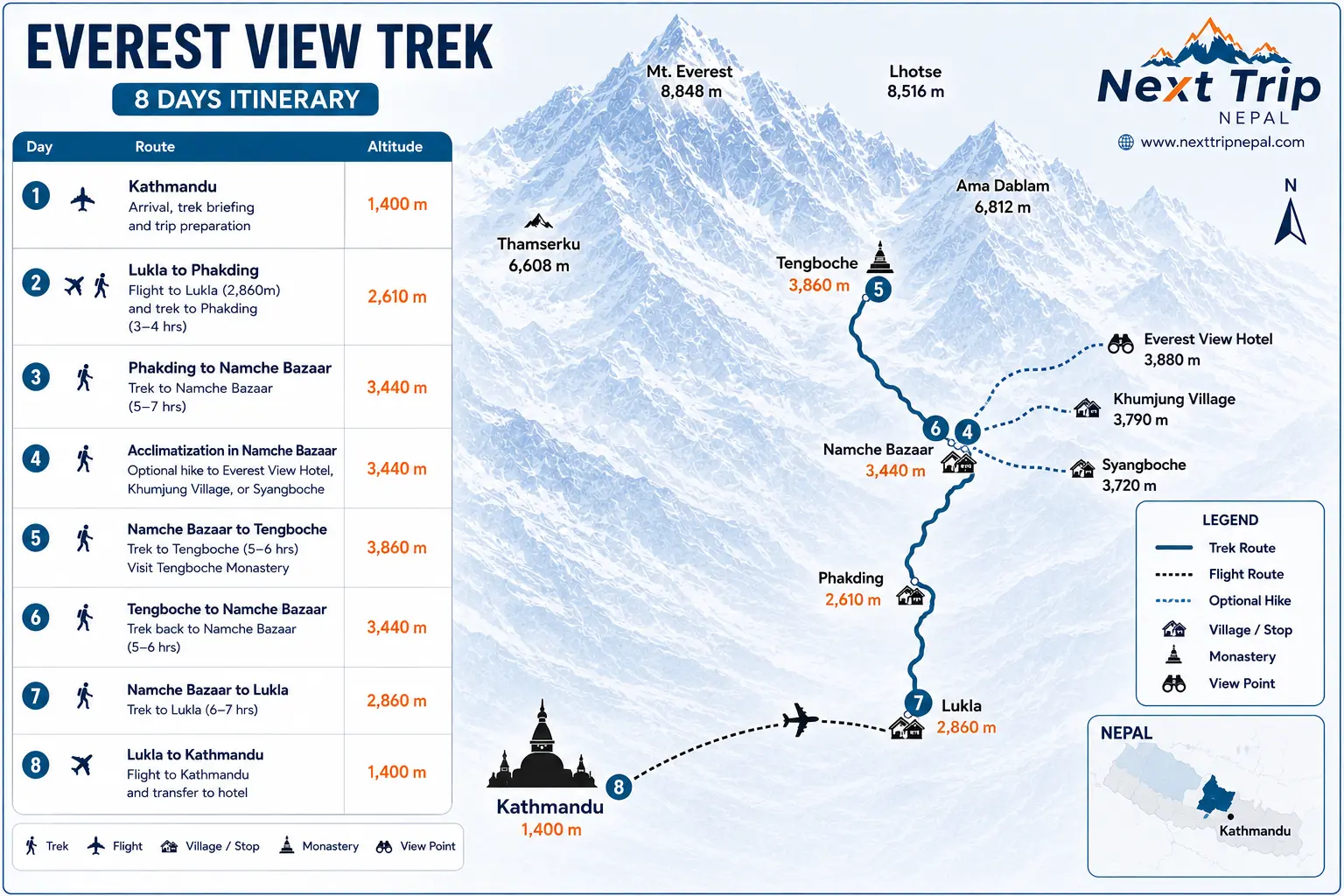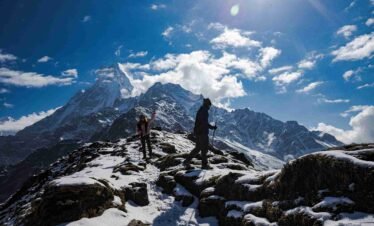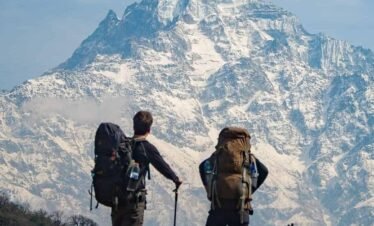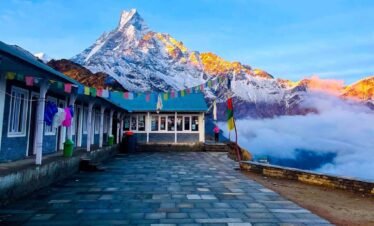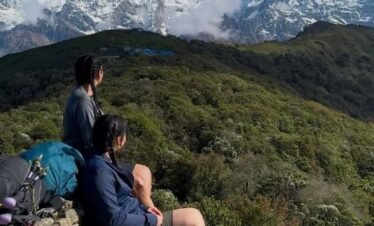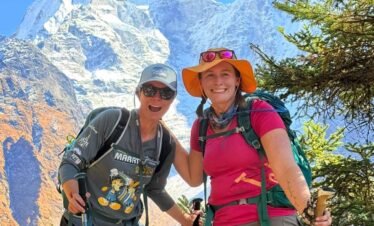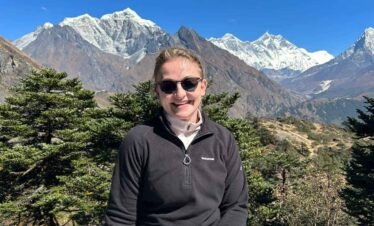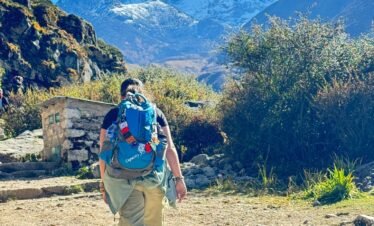
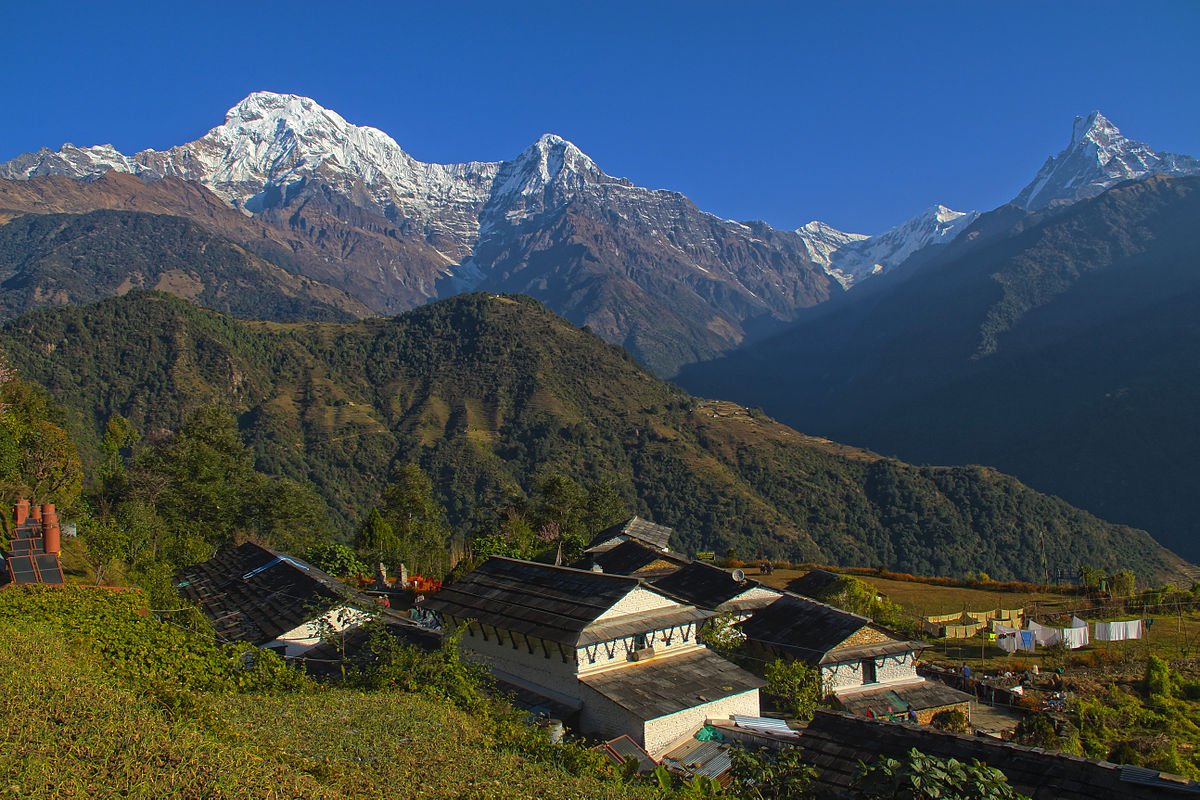
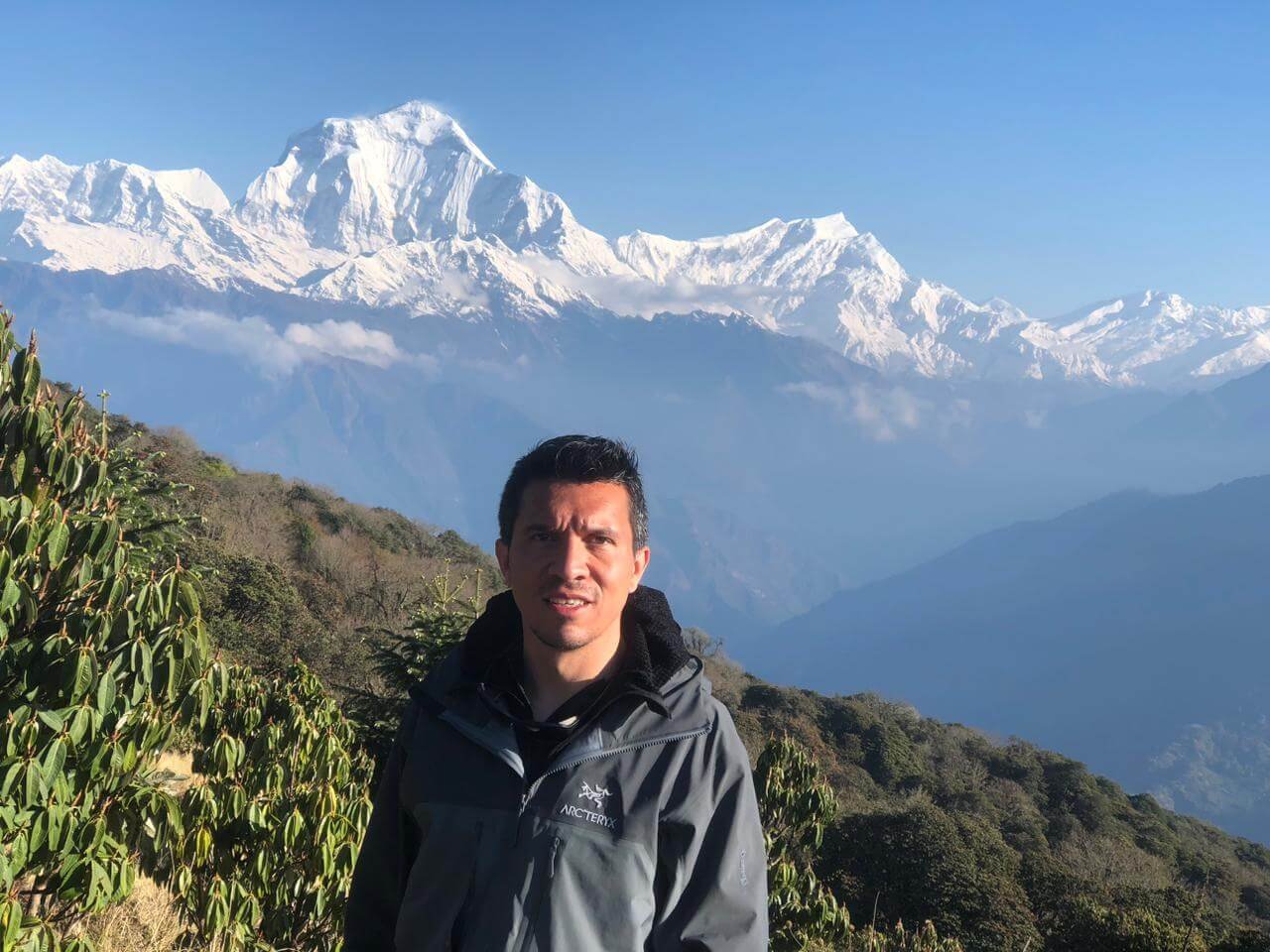
The Ghorepani Poon Hill Trek is Nepal’s most popular short trekking adventure, offering spectacular sunrise views over the Annapurna and Dhaulagiri mountain ranges without requiring weeks of commitment or extreme altitude challenges. This classic 7-day trek from Kathmandu combines breathtaking Himalayan panoramas, traditional Gurung and Magar villages, and blooming rhododendron forests into a perfect introduction to trekking in Nepal.
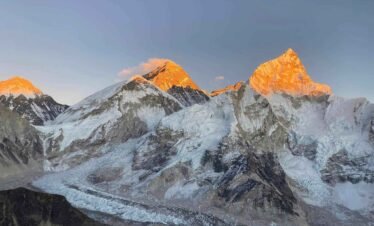
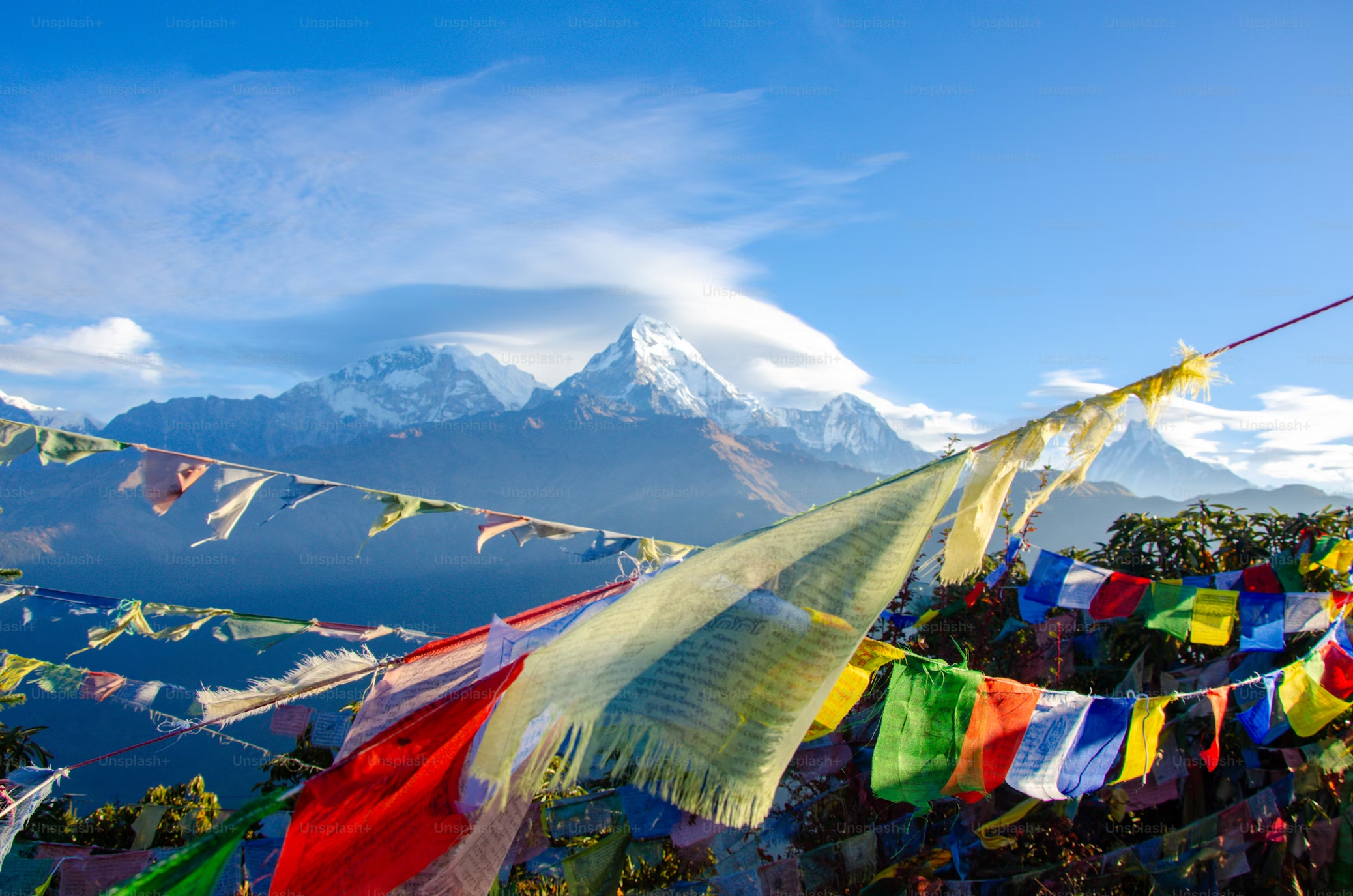
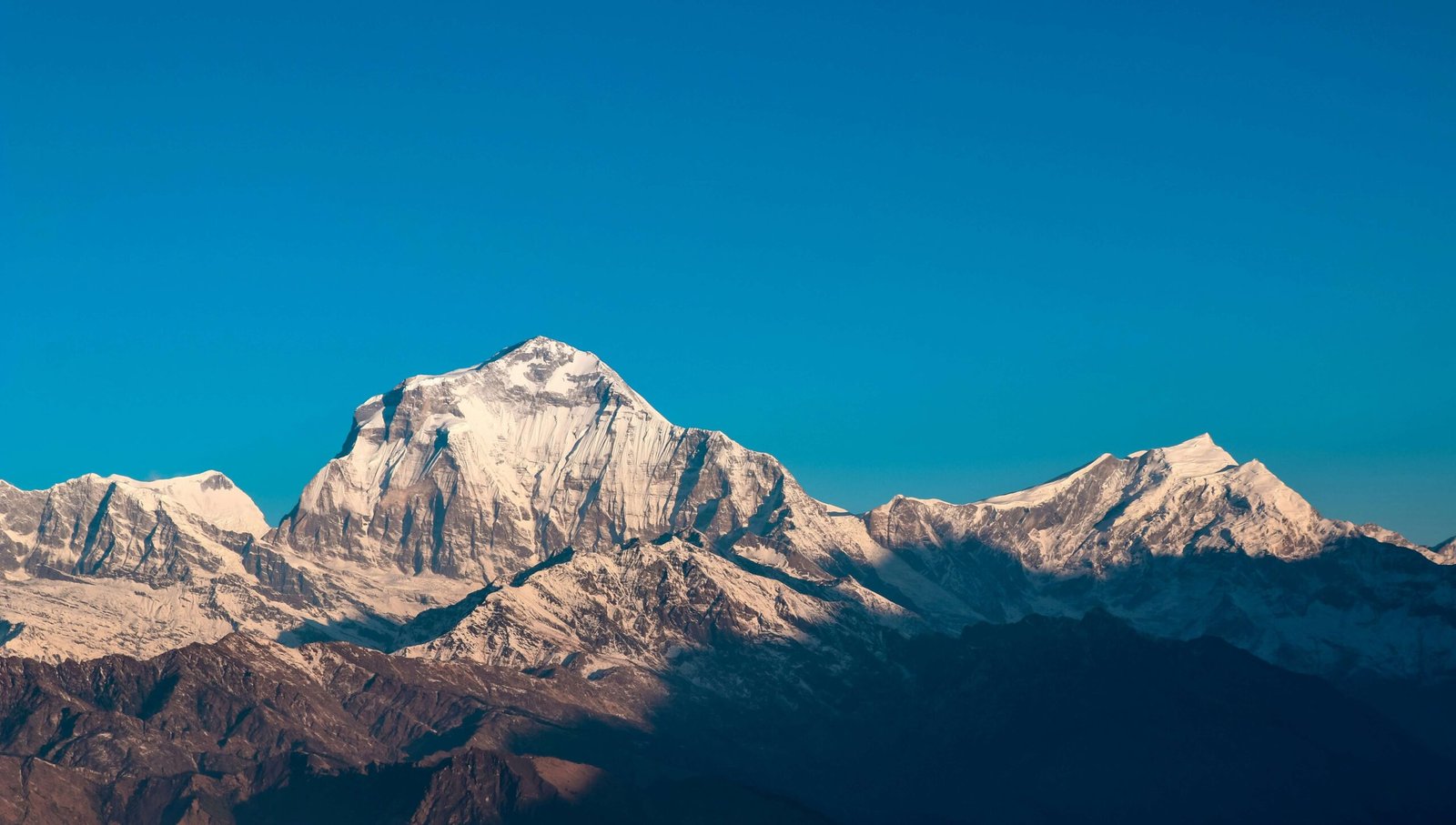
Located in the Annapurna Conservation Area, the Ghorepani Poon Hill Trek has earned its reputation as the best short trek in Nepal for good reason. At sunrise from Poon Hill viewpoint (3,210m), you stand face to face with over 20 snow-capped peaks including Annapurna South (7,219m), Annapurna I (8,091m), Dhaulagiri (8,167m), Machhapuchhre or Fishtail (6,993m), and Nilgiri. The golden light painting these giants as the sun rises creates a moment that justifies the 4 AM wake-up call every single time.
What makes the Ghorepani trek special for first-time trekkers and families is the moderate difficulty combined with maximum reward. You experience authentic mountain culture in stone-paved villages like Ghorepani, Tadapani, and Ghandruk, walk through forests that explode with rhododendron blooms in spring, and enjoy comfortable teahouse accommodation with hot showers and wifi. The Ghorepani trek requires no technical skills, reaches a manageable maximum altitude of 3,210 metres, and can be completed by anyone with reasonable fitness.
At Next Trip Nepal, we have been organizing Ghorepani Poon Hill treks for years, and we consistently witness how this adventure transforms travelers. Whether you are testing your abilities before attempting longer treks, traveling with limited time, introducing children to Himalayan trekking, or simply wanting the most scenic short trek Nepal offers, Ghorepani Poon Hill delivers unforgettable experiences without extreme challenges.
This complete guide covers everything you need to know about the 7-day Ghorepani Poon Hill Trek package from Kathmandu, including detailed itineraries, costs, permits, best seasons, packing lists, and insider tips from our years of guiding experience in the Annapurna region.


Ghorepani Poon Hill Trek Overview
Local Guide Note — Amar Khand, Trekking Guide, Next Trip Nepal: I have led the Poon Hill route 28 times and the sunrise platform fills to capacity by 05:30 am in peak season. Most groups leave Ghorepani at 05:00 am — our groups leave at 04:45 am. We depart early on every single Poon Hill sunrise we lead so every client gets front-row position on the viewing platform.
Live Trail and Permit Status
Permits required: Annapurna Conservation Area Permit (NPR 3,000) + TIMS Card (NPR 2,000)
Current rule: Permits obtained in Pokhara before departure. Nayapul checkpoint verifies both permits on the first trail day.
Trail status: OPEN year round. Busiest months October and November. Poon Hill (3,210m) dawn platform fills to capacity by 05:30 in peak season.
Entry point: Road from Pokhara to Nayapul trailhead, 1.5 hours by private vehicle.
Verified by Next Trip Nepal operations team, June 2026
Critical Safety and Logistics
- Thorong La Pass (5,416m) crossing window on the circuit: 04:30 to 10:00 from High Camp. Afternoon wind averages 50 to 60 km per hour on the western col after 10:00.
- Road construction impact: Besisahar to Chame motorable road active during peak months. Classic walking trail intact from Chame northward and throughout all sections above 3,000m.
- ACAP and TIMS permits must be carried at all times. Spot checks occur at Ghasa, Manang, and Jomsom checkpoints.
Duration: The standard Ghorepani Poon Hill Trek takes 7 days from Kathmandu to Kathmandu, including driving days. The actual trekking portion is 5 days with 2 days for road transportation. Some trekkers complete shorter 4 to 5-day versions by skipping Ghandruk or starting/ending in Pokhara, while extended 8 to 10-day variations add destinations like Mardi Himal or Australian Camp.
Total Trekking Distance: Approximately 57 kilometers of actual walking, varying slightly based on exact route and side trips. Daily distances range from 8 to 18 kilometers depending on the itinerary day.
Maximum Altitude: Poon Hill summit at 3,210 meters (10,532 feet) is the trek’s highest point, reached during a pre-dawn sunrise hike on Day 4. Sleeping altitudes range from 1,540m to 2,860m, staying well below the altitude where serious altitude sickness commonly occurs.
Trek Style: This is a classic teahouse trek using the well-developed lodge infrastructure in the Annapurna Conservation Area. No camping is required or typically done. The trail is well-marked, heavily traveled, and supported by comfortable lodges offering good food and facilities.
Season Accessibility: The Ghorepani Poon Hill Trek is accessible year-round, though spring (March to May) and autumn (September to November) offer optimal conditions. Winter (December to February) is possible with proper gear for cold and occasional snow. Monsoon (June to August) sees fewer trekkers due to rain, leeches, and obscured views, but the trail remains open.
Physical Challenge: Classified as moderate difficulty, requiring no technical climbing skills or mountaineering experience. Success depends on cardiovascular fitness, ability to walk uphill for 5 to 6 hours daily, and tolerance for basic accommodation. Previous trekking experience helps but is not essential.
Ghorepani Poon Hill Trek Difficulty Level
Understanding the Ghorepani Poon Hill Trek difficulty helps you prepare appropriately and set realistic expectations. As a moderate-level trek, it challenges without overwhelming, making it ideal for first-time Himalayan trekkers.
Physical Demands: Daily trekking ranges from 3 to 6 hours with one longer day involving the pre-dawn Poon Hill hike plus 5 to 6 hours trekking to Tadapani. The most challenging day physically is Day 2 from Nayapul to Ulleri, featuring the infamous 3,300+ stone steps climbing over 500 meters elevation continuously.
The trails include both ascents and descents, with stone steps, dirt paths, and occasional rocky sections. Good cardiovascular fitness is essential—you should comfortably walk uphill for 2 to 3 hours without excessive fatigue. Downhill sections are equally challenging, placing stress on knees and ankles, making trekking poles highly recommended.
Altitude Considerations: The maximum sleeping altitude of 2,860 meters (Ghorepani) and highest point of 3,210 meters (Poon Hill) stay well below the 3,500-meter threshold where altitude sickness becomes common. Most healthy people experience minimal altitude effects at these elevations.
However, some trekkers notice reduced appetite, slight headaches, or difficulty sleeping at Ghorepani. These mild symptoms are normal and usually resolve with rest and hydration. Serious altitude illness is extremely rare on this trek due to the moderate maximum elevation.
Technical Skills: Zero technical skills are required. This is pure walking on established trails. No rope work, ice climbing, or mountaineering knowledge needed. However, good balance and coordination help on uneven stone steps and narrow trail sections.
Trail Conditions: The paths are well-maintained and heavily traveled, making navigation straightforward. The main challenges come from:
- Long stone staircases requiring sustained uphill effort
- Occasional muddy sections after rain
- Shared trails with pack animals (mules, donkeys) requiring awareness
- Steep descents that stress knees over multiple days
Weather Impact: Mountain weather adds unpredictability. Rain makes trails slippery and more difficult. Winter snow on upper sections requires appropriate footwear and caution. However, the trail infrastructure and low maximum altitude mean weather rarely makes the trek impossible, just more uncomfortable.
Who Can Complete This Trek?
This trek suits:
- First-time trekkers with good general fitness
- Families with children 8+ years old who regularly exercise
- Older adults up to 70+ who maintain active lifestyles
- Anyone seeking introduction to Himalayan trekking without extreme challenges
This trek may challenge:
- Sedentary individuals who don’t exercise regularly
- People with knee problems (long descents are difficult)
- Those uncomfortable with basic accommodation and facilities
- Anyone expecting luxury or western-standard amenities
Training Recommendations: We recommend 6 to 8 weeks of preparation including:
- Regular cardiovascular exercise (running, cycling, swimming) 3 to 4 times weekly
- Hill walking or stair climbing with a light backpack
- Leg strengthening exercises (squats, lunges) for descent preparation
- Longer weekend hikes gradually building to 4 to 5 hours duration
Proper preparation transforms the trek from sufferance to enjoyment. Fit trekkers appreciate the scenery and culture, while struggling individuals focus only on surviving each day.
For more seasonal advice and packing tips before you go, browse our travel blog.
Further Reading from Our Kathmandu Guides
How to Book the Ghorepani Poon Hill Trek
Ghorepani Poon Hill Trek Highlights
- Spectacular Poon Hill sunrise (3,210m) with 360-degree panoramic views of Annapurna range, Dhaulagiri, Machhapuchhre, and over 20 Himalayan peaks
- Classic 7-day trek from Kathmandu perfectly paced for acclimatization and cultural immersion
- suitable for families with children (8+ years), beginners, and trekkers of all ages
- Blooming rhododendron forests in spring (March to May) creating tunnels of red, pink, and white flowers along the trail
- Traditional Gurung villages including Ghandruk, one of Nepal's most beautiful and culturally rich settlements
- Tadapani forest camp (2,630m) offering pristine mountain views and peaceful forest atmosphere
- Comfortable teahouse lodges with hot showers, wifi, western toilets, and excellent food options throughout
- Close-up views of Annapurna South and Machhapuchhre dominating the skyline from multiple viewpoints
- Ghandruk village exploration with ancient monastery, traditional museum, and authentic Gurung culture
- Budget-friendly trek with lower costs compared to Everest or Manaslu regions
- Perfect for all seasons with spring for rhododendrons, autumn for clear views, and winter for snow-covered trailsBudget-friendly trek with lower costs compared to Everest or Manaslu regions
- Spectacular photography opportunities with golden hour mountain light, village architecture, and forest landscapes
Detailed Ghorepani Poon Hill Trek Itinerary (7 Days Kathmandu to Kathmandu)
Your Ghorepani Poon Hill Trek adventure begins early morning with a scenic drive from Kathmandu to Pokhara, Nepal’s second-largest city and the gateway to the Annapurna region. Next Trip Nepal arranges comfortable tourist bus transportation departing Kathmandu around 6:30 to 7 AM. The journey covers approximately 200 kilometers along the Prithvi Highway, one of Nepal’s most scenic roadways.
Leaving the Kathmandu valley, the road descends dramatically through terraced hillsides to the Trishuli River, a major tributary of the Ganges. The highway follows the Trishuli upstream through a series of small towns and villages. The landscape is quintessentially Nepalese with rice paddies cascading down hillsides, traditional houses with red clay roofs, and occasional glimpses of distant snow peaks when weather permits.
The bus makes a scheduled stop for breakfast around 8:30 to 9 AM, typically in Malekhu or Mugling, riverside towns famous for fresh fish dishes. These roadside restaurants offer standard Nepali breakfast options including dal bhat, fried rice, noodles, and egg dishes. The fish curry or fried fish is particularly recommended if you eat non-vegetarian food.
After breakfast, the journey continues through increasingly dramatic scenery. The road climbs away from the Trishuli valley and crosses into a different watershed. You pass through Dumre and Damauli, market towns serving surrounding agricultural communities. The landscape transitions from tropical at lower elevations to subtropical as you gain altitude.
As the bus approaches Pokhara, the valley opens dramatically. On clear days, the Annapurna massif emerges on the northern horizon, an incredible wall of snow-capped peaks that seems impossibly close to the city. The sight of Machhapuchhre (Fishtail Mountain) with its distinctive double summit never fails to create excitement among first-time visitors.
Pokhara sits at 827 meters altitude beside beautiful Phewa Lake, with the Annapurna range towering 7,000 meters directly north, creating one of the world’s most dramatic cityscapes. The city has developed significantly as a tourist hub but retains a relaxed atmosphere with lakeside cafes, colorful boats on the water, and spectacular mountain views.
The bus arrives in Pokhara around 1 to 2 PM, depending on traffic and road conditions. Next Trip Nepal transfers you to your hotel in the Lakeside area, Pokhara’s main tourist district. After checking in, you have the afternoon free to explore. Popular activities include walking along Phewa Lake’s shoreline, visiting the International Mountain Museum to learn about Himalayan climbing history, or simply relaxing in one of the many lakeside cafes while enjoying mountain views.
Your guide will meet you in the evening for a trek briefing, reviewing the itinerary, answering questions, and checking your equipment. This is an excellent time to purchase any last-minute supplies you might need. Pokhara has numerous trekking gear shops offering everything from water bottles to sleeping bags, though prices are higher than Kathmandu.
Dinner can be enjoyed at one of Lakeside’s many restaurants offering Nepali, Indian, Chinese, Italian, and continental cuisine. We recommend trying momos (Nepali dumplings) or dal bhat to prepare your palate for teahouse meals ahead. Early to bed is advisable as tomorrow begins the actual trekking with an early morning departure.
Driving Distance: 200 km
Driving Time: 6 to 7 hours
Accommodation: Hotel in Pokhara Lakeside
The second day begins early with breakfast at your Pokhara hotel around 6:30 to 7 AM. Next Trip Nepal arranges private jeep or shared tourist vehicle transportation from Pokhara to Nayapul, the official trailhead for Ghorepani Poon Hill Trek. The 42-kilometer drive takes approximately 1.5 hours, following the Seti River valley westward through small towns and terraced agricultural lands.
The road passes through Naudada and Lumle, villages known for tea gardens and orange orchards. The landscape becomes increasingly mountainous with the road winding through curves and switchbacks. On clear mornings, Annapurna South and Machhapuchhre dominate the northern skyline, creating anticipation for the trek ahead.
Nayapul at 1,070 meters is a bustling trailhead village where multiple trekking routes converge. The name means “new bridge” in Nepali, referring to the suspension bridge over the Modi Khola river. The village has grown significantly with trekking tourism, featuring numerous shops selling supplies, restaurants, and permit checkpoint offices.
Upon arrival around 8:30 to 9 AM, your guide registers your TIMS card and Annapurna Conservation Area permit at the checkpoint. If you haven’t obtained permits in Kathmandu or Pokhara, they can be issued here, though lines can be long during peak season. Your porter organizes the luggage distribution, and after final preparations, the trek officially begins.
The trail from Nayapul follows the Modi Khola upstream on a wide stone-paved path. This section is relatively flat and easy, passing through small settlements and terraced fields. Local porters carrying enormous loads of supplies for mountain lodges share the trail, their strength and endurance impressive. You cross several small streams on wooden bridges and pass mani walls carved with Buddhist prayers.
After 30 to 45 minutes of easy walking, you reach Birethanti at 1,025 meters, a large village where the Bhurungdi Khola meets the Modi Khola. Birethanti has the main ACAP checkpoint where permits are registered and recorded. The village is also a junction point where trails split toward Ghorepani and toward Ghandruk.
Crossing a long suspension bridge over the Bhurungdi Khola, the trail begins climbing steadily. The landscape transitions from river valley to hillside, with the path gaining elevation consistently. You pass through Sudame village where children often greet trekkers enthusiastically, and local shops offer tea breaks.
The climb continues through Hille and Tirkedhunga, scattered settlements with a few lodges and tea shops. The elevation gain is steady but manageable, following the Bhurungdi Khola upstream. Water buffalo graze beside the trail, and local women work in terraced fields growing millet, rice, and vegetables. The traditional lifestyle remains largely unchanged despite the tourism passing through daily.
After Tirkedhunga at 1,495 meters, the trail crosses a suspension bridge and begins the famous stone staircase climb to Ulleri. This section is the day’s main challenge: over 3,300 stone steps carved into the mountainside, gaining approximately 550 meters elevation in continuous ascent. The steps vary in height and depth, some smooth from decades of use, others rough and uneven.
This stair climb takes 2 to 3 hours depending on fitness level and pace. The ascent is relentless with minimal flat sections for recovery. However, the trail is well-shaded by large oak and rhododendron trees, providing respite from sun. Numerous small tea shops line the route, offering rest stops with sweet milk tea, biscuits, and fresh fruit. Pacing yourself is essential—slow and steady wins this race.
Ulleri village at 2,070 meters sprawls across a mountainside with spectacular views down the valley you just climbed and across to neighboring peaks. This is one of the largest Magar villages in the region, with traditional stone houses featuring slate roofs and intricately carved wooden windows. The main street runs along the ridge lined with lodges, shops, and restaurants catering to trekkers.
However, your destination today is a bit further. After a rest and possibly late lunch in Ulleri, the trail continues climbing through beautiful oak and rhododendron forest for another 1.5 to 2 hours to reach your night’s destination at Banthanti (2,210m) or continuing further to a lodge around 1,540 meters elevation if staying closer to the traditional Ulleri area lodges.
Note: The itinerary lists Ulleri at 1,540m as the overnight destination. This appears to be a different lodge location than the main Ulleri village (2,070m). Some trekking itineraries stop at lower elevation lodges before Ulleri proper to break up the challenging day. Your Next Trip Nepal guide will determine the best stopping point based on group fitness and timing.
After settling into your teahouse lodge, you have time to rest, wash up, and enjoy dinner. The dining room with its wood-burning stove becomes a social hub where trekkers from around the world share stories. Early to bed is recommended as tomorrow brings another full day of trekking to Ghorepani.
Driving Distance: 42 km (Pokhara to Nayapul)
Driving Time: 1.5 hours
Trekking Distance: 17.9 km
Trekking Time: 5 to 6 hours
Elevation: 1,070m (Nayapul) to 1,540m (Ulleri area)
Elevation Gain: 470m
Accommodation: Teahouse lodge in Ulleri
Today’s trek takes you from the lower forests into the magical rhododendron zone that defines the Ghorepani Poon Hill experience. After breakfast at your Ulleri lodge, the trail continues climbing through increasingly beautiful forest landscapes. The morning is the best time for this ascent as temperatures are cooler and the forest is alive with birdsong.
If you stayed at lower Ulleri lodges, you first complete the stone staircase climb to main Ulleri village (2,070m), taking 1.5 to 2 hours. From main Ulleri, the trail character changes completely from stone steps to forest paths. The route follows a ridge through dense oak and rhododendron forest, climbing steadily with occasional steep sections alternating with gentler stretches.
The rhododendron trees here can grow 10 to 15 meters tall, creating a canopy overhead. In spring (March to May), these forests explode with blooms in brilliant shades of red, pink, and white. Walking through flowering rhododendron tunnels with sunlight filtering through colorful blossoms is magical, creating some of the trek’s most memorable moments and spectacular photography opportunities.
The trail passes through Banthanti at 2,210 meters, a small settlement with several lodges nestled in the forest. “Banthanti” means “forest ridge” in Nepali, and the name perfectly describes the location. Many trekkers stop here for tea breaks, enjoying the peaceful forest atmosphere. The lodges are cozy with wood stoves warming dining rooms.
Continuing upward, you reach Nangethanti at 2,460 meters after another hour of forest walking. This tiny settlement has just 2 to 3 lodges, offering a quiet alternative to busier Ghorepani if you prefer solitude. The forest here is pristine, with moss-covered trees and occasional wildlife sightings including langur monkeys and colorful Himalayan birds.
The legendary Himalayan monal pheasant (Danphe), Nepal’s national bird, inhabits these forests. Males display iridescent plumage in blues, greens, and purples that shimmer in sunlight. While somewhat shy, patient observers often spot them foraging on the forest floor, especially early morning or late afternoon.
Above Nangethanti, the trail continues climbing through rhododendron forest with occasional openings offering views of the Modi Khola valley far below and the Annapurna ranges ahead. The air becomes noticeably cooler as you gain altitude. In winter (December to February), snow occasionally covers the ground above 2,500 meters, transforming the forest into a winter wonderland.
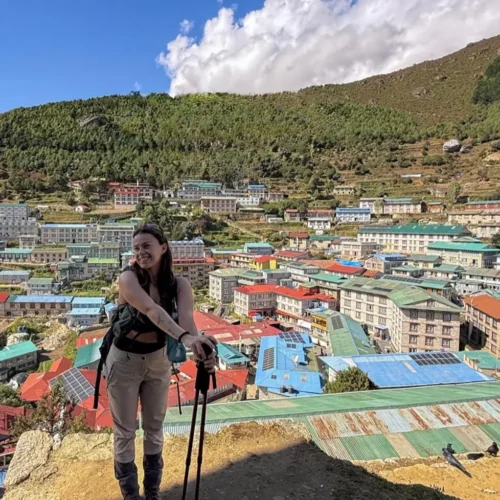
The final section to Ghorepani involves steady climbing through forest, emerging eventually onto a ridge where the village spreads along a saddle between peaks. Prayer flags flutter everywhere, and the first lodges appear. Ghorepani at 2,860 meters means “horse water” in Nepali, named for natural springs where ancient salt traders watered their pack horses traveling between Nepal and Tibet.
Ghorepani village has developed significantly with trekking tourism, consisting primarily of lodges built to serve the thousands of trekkers passing through annually. The main street runs along the ridge with dozens of guesthouses, each competing for customers with colorful signs advertising amenities. Despite the commercial atmosphere, Ghorepani maintains charm with traditional architecture, friendly lodge owners, and spectacular mountain views.
Arriving at Ghorepani around 2 to 3 PM, you check into your pre-booked teahouse. Next Trip Nepal typically uses established lodges offering quality accommodation: comfortable beds with thick blankets, clean shared or attached bathrooms, hot showers (for a fee), dining rooms with stoves, electricity for charging devices, and surprisingly good wifi in many lodges.
After settling in and freshening up, you have the afternoon free to explore. Many trekkers make a short hike to nearby viewpoints for acclimatization and sunset views. The village itself is worth wandering, with small shops selling trekking supplies, snacks, and souvenirs. The Buddhist monastery above town welcomes visitors and offers peaceful contemplation spaces.
Your guide will brief you about tomorrow’s pre-dawn wake-up for the Poon Hill sunrise hike. Setting multiple alarms is recommended as the 4 AM start comes early. The lodge will prepare packed breakfast or early morning tea before your departure. Despite the early wake-up, excitement about tomorrow’s sunrise makes falling asleep difficult for most trekkers.
Dinner in the lodge dining room is a social affair with trekkers from around the world gathering around the wood stove. Sharing trekking stories, comparing experiences, and making new friends is part of the Ghorepani experience. The menu offers surprising variety: dal bhat, fried rice, noodles, momos, pizza, pasta, and even yak steaks. We recommend dal bhat for its nutritional value and unlimited refills.Trekking Distance: 12 km
Trekking Time: 5 to 6 hours
Starting Elevation: 1,540m (Ulleri)
Ending Elevation: 2,860m (Ghorepani)
Elevation Gain: 1,320m
Accommodation: Teahouse lodge in Ghorepani
This is the highlight day of the Ghorepani Poon Hill Trek. The wake-up call comes around 4 to 4:30 AM, brutally early but absolutely necessary. After a quick cup of tea or coffee, you join the stream of trekkers heading toward Poon Hill in the darkness, headlamps bobbing up the trail like a string of lights.
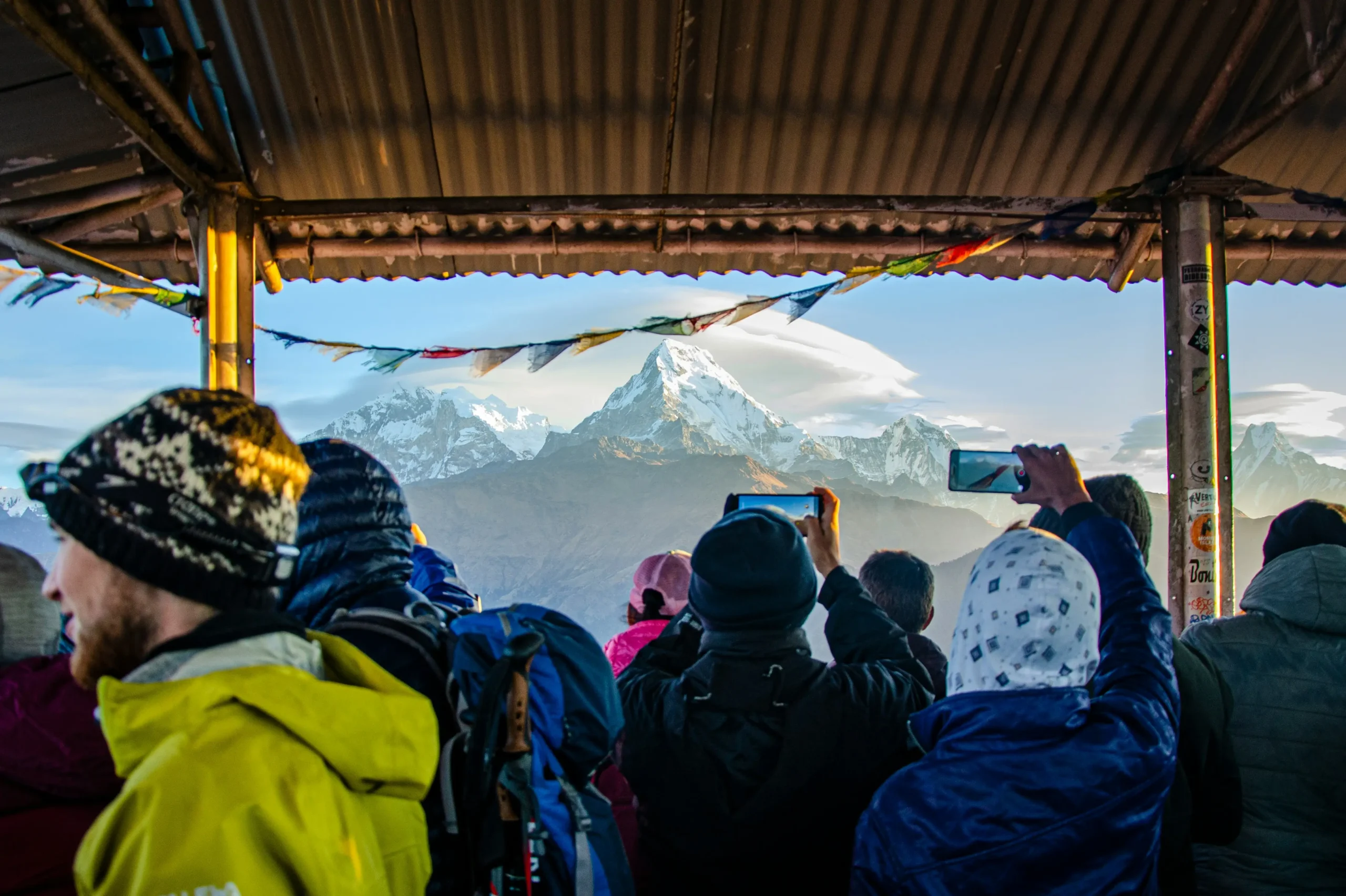
The hike from Ghorepani to Poon Hill summit takes 45 minutes to 1 hour, climbing approximately 350 meters on well-maintained stone steps. Despite the early hour and steep climb, excitement propels everyone forward. The trail can be crowded during peak season with hundreds of trekkers making the same journey, but the atmosphere is festive rather than competitive.
As you climb, the eastern sky begins lightening from black to deep blue to purple. The anticipation builds with each step. Reaching Poon Hill summit (3,210m) before sunrise is essential—arriving late means missing the magical transformation as dawn illuminates the peaks.
Poon Hill summit is a large cleared area with a stone observation tower in the center, though most people crowd along the eastern and northern edges for best views. As the sun rises, the show begins. The first light touches the highest peaks, turning them gold against the still-dark sky. Slowly, the golden light spreads downward, illuminating peak after peak until the entire Himalayan panorama blazes in the morning sun.
The view is staggering. Over 20 major peaks line the horizon including Dhaulagiri (8,167m) to the west, one of the world’s seven highest mountains. The Annapurna massif dominates the north with Annapurna I (8,091m), Annapurna South (7,219m), Annapurna III, and Gangapurna. Directly ahead, Machhapuchhre (6,993m) with its distinctive fishtail summit forbids climbers but captures hearts. Nilgiri, Tukuche Peak, and countless other summits complete the panorama.
Photographers work frantically, capturing the changing light. Other trekkers simply stand in awe, overwhelmed by the scale and beauty. This moment, standing on Poon Hill as sunrise paints the Himalayas, justifies every difficult step of the climb. The cold wind, tired legs, and early wake-up fade away in the presence of such magnificent natural beauty.
As the sun fully rises and mountains transition from gold to white, the crowds begin descending back to Ghorepani for breakfast. The return takes 30 to 45 minutes, and by 7 to 7:30 AM, you are back at your lodge for a well-deserved hot breakfast. After the pre-dawn cold, warm porridge, eggs, and hot tea taste especially good.
Following breakfast and packing your belongings, the day’s main trek begins from Ghorepani to Tadapani. The trail initially descends slightly through rhododendron forest, then traverses along a ridge with spectacular mountain views when the trees open. This section offers a completely different perspective on peaks seen from Poon Hill earlier.
The path winds through pristine forest, crossing small streams and passing occasional small settlements. The forest here is magnificent, with ancient rhododendron and oak trees creating a cathedral-like atmosphere. Moss and orchids grow on tree bark, and filtered sunlight creates beautiful patterns on the forest floor.
After 2 to 3 hours of mostly level walking with minor ups and downs, you reach Deurali at 2,960 meters, a small ridge-top settlement with 2 to 3 lodges. This is a common lunch stop, offering rest and hot meals before the final section to Tadapani. The views from Deurali back toward Annapurna South are exceptional, especially if clouds have not yet obscured the peaks.
From Deurali, the trail descends gradually through forest to a low point, then climbs the final section to Tadapani. This climb takes 1.5 to 2 hours on a well-maintained forest path. Tadapani at 2,630 meters means “far water” in Nepali, referring to the distance villagers once had to carry water before modern systems were installed.
Tadapani is smaller and more peaceful than Ghorepani, with about a dozen lodges spread along a ridge in the forest. The village has a more remote feel despite good facilities. The sunset views from Tadapani rival the sunrise from Poon Hill, with Annapurna South and Machhapuchhre dominating the skyline, appearing close enough to touch in the clear evening light.
After checking into your lodge around 2 to 3 PM, you have the afternoon to rest, enjoy the views, and explore the small village. Many lodges have terraces or viewpoints positioned for optimal mountain photography. As evening approaches, trekkers gather to watch sunset paint the peaks in shades of orange and pink.
Dinner is served early in Tadapani, and most trekkers are exhausted from the pre-dawn Poon Hill wake-up and full day of trekking. The lodge dining rooms are quieter than Ghorepani, with smaller groups creating a more intimate atmosphere. Early to bed comes naturally after such a full and memorable day.Trekking Distance: 14 km total (1 km Ghorepani to Poon Hill, 13 km Ghorepani to Tadapani)
Trekking Time: 6 to 7 hours total (1 hour Poon Hill hike, 5 to 6 hours to Tadapani)
Maximum Elevation: 3,210m (Poon Hill summit)
Ending Elevation: 2,630m (Tadapani)
Accommodation: Teahouse lodge in Tadapani
After yesterday’s long day, today offers a shorter and more relaxed trek to Ghandruk, one of Nepal’s most beautiful and culturally significant villages. The morning begins with breakfast while enjoying views of Annapurna South and Machhapuchhre, assuming clear weather. The mountains look completely different in morning light compared to the previous evening’s sunset.
Leaving Tadapani around 7:30 to 8 AM, the trail initially descends through rhododendron and oak forest on a well-maintained stone path. The descent is steady but never too steep, dropping elevation consistently toward the valley below. The forest is peaceful in the morning with birdsong echoing through the trees and occasional wildlife sightings.
After 1.5 to 2 hours of descent, you reach Chhomrong Khola, a stream at the valley bottom. A suspension bridge crosses the stream, and on the far side, a steep stone staircase begins climbing toward the ridge where Ghandruk sits. This climb takes 1.5 to 2 hours, gaining approximately 600 meters elevation.
The stairs are well-built but relentless, similar in character to the Ulleri stairs but slightly shorter. Local porters and pack animals (mules and donkeys) share the trail, transporting supplies to Ghandruk’s lodges and homes. The traditional right-of-way rules apply: trekkers step to the uphill side to let descending pack animals pass safely.
As you climb higher, the forest transitions to terraced agricultural land. Ghandruk’s cultivated fields appear in tiers covering the mountainside with crops including millet, buckwheat, and vegetables. The village itself comes into view, a spectacular sight with traditional stone houses cascading down the hillside, backed by Annapurna South and Machhapuchhre rising majestically behind.
Ghandruk at 1,940 meters is one of the largest Gurung villages in Nepal, home to over 500 families. The Gurung people are one of Nepal’s major ethnic groups, famous for serving in the British and Indian Gurkha regiments. Many Ghandruk men have military service experience, bringing income and global perspectives back to this mountain village.
The village maintains strong cultural traditions despite increasing tourism. Traditional stone houses are built in the distinctive Gurung style with slate roofs, wooden balconies, and white-washed walls. Many homes feature intricate wood carvings on windows and doors. The narrow stone-paved streets wind between houses, creating a labyrinth that rewards exploration.
Next Trip Nepal typically books lodges in upper Ghandruk where views are best and the atmosphere more peaceful than the busier lower section. After checking in around noon, you have the afternoon free to explore this fascinating village. Several sites deserve visits:
The Gurung Cultural Museum showcases traditional Gurung lifestyle, clothing, tools, weapons, and cultural artifacts. The museum provides excellent context for understanding the community you are visiting. Entrance fees support museum maintenance and cultural preservation programs.
The Old Gurung Museum in a traditional house displays ancient household items, farming tools, and cultural objects exactly as they would have been used generations ago. The curators are often elderly village residents who share stories about traditional life.
The Ghandruk Monastery sits above the main village with spectacular views. The monastery is active with resident monks who welcome respectful visitors. The prayer hall contains beautiful murals, statues, and traditional Buddhist artwork. Visiting during prayer times offers insight into living Buddhist practice.
Wandering the village streets rewards you with authentic glimpses of mountain life. Women weave traditional carpets and fabrics on wooden looms. Children play traditional games in squares. Farmers thresh grain using traditional methods. Despite tourism, Ghandruk remains a working village where traditional life continues.
The mountain viewpoint at the village’s upper edge offers sunset views of Annapurna South, Machhapuchhre, and Hiunchuli. Photographers gather here in evening light as the peaks glow orange and pink. The sight of these massive mountains towering directly above the village never fails to inspire awe.
Ghandruk has numerous lodges and restaurants, many offering higher quality accommodation and food than smaller villages. Some lodges have private bathrooms with hot showers, wifi, and even western-style beds. The restaurants serve extensive menus including excellent momos, local Gurung dishes, and international cuisine.
Your Next Trip Nepal guide can arrange traditional Gurung cultural performances in the evening if interested (additional cost). These shows feature traditional music, dance, and songs performed by village residents in authentic costumes. While somewhat touristy, they provide genuine cultural insight and support local performers.
Dinner in Ghandruk offers the trek’s most variety and quality. We recommend trying local specialties like dhindo (traditional buckwheat porridge), Gurung bread, or locally produced honey. The evening is relaxed, and most trekkers enjoy the comfort of Ghandruk after days in smaller mountain villages.Trekking Distance: 8 km
Trekking Time: 3 to 4 hours
Starting Elevation: 2,630m (Tadapani)
Ending Elevation: 1,940m (Ghandruk)
Elevation Loss: 690m
Accommodation: Teahouse lodge in Ghandruk
The final trekking day begins with breakfast in Ghandruk while enjoying last views of Annapurna South and Machhapuchhre. The morning mountain views from Ghandruk are spectacular when weather cooperates, making it difficult to leave this beautiful village. After packing and checking out, the trek to Nayapul begins around 7:30 to 8 AM.
The trail from Ghandruk descends steadily through stone-paved streets exiting the lower part of the village. The path passes terraced fields where farmers work using traditional methods largely unchanged for generations. Water buffalo plow fields, women plant or harvest crops, and the agricultural rhythm of mountain life continues as it has for centuries.
After leaving Ghandruk, the trail drops steeply through forest and agricultural terraces toward the Kimrong Khola valley. This descent takes approximately 1 hour, losing several hundred meters elevation on stone steps and dirt paths. At the valley bottom, a suspension bridge crosses the Kimrong Khola, and on the far side, a short climb leads to Kimrong village.
Kimrong is a small settlement with a few lodges, serving as a tea stop for many trekkers. The village offers last opportunities to enjoy mountain views before descending into the lower valleys where peaks disappear behind ridges. From Kimrong, the trail continues descending through forest and scattered settlements.
You pass through Kimche (1,640m), a village where the trail meets a dirt road that has been pushed higher into the mountains in recent years. This road construction is controversial among trekkers who prefer wilderness trails and lodge owners in villages that roads bypass. However, roads bring economic development and easier access to markets for villagers, creating complex trade-offs.
From Kimche, you have a choice: continue trekking on the trail running parallel to the road, or take a jeep directly to Nayapul (additional cost, arrange with guide). Most trekkers choose to continue walking as the trail is more pleasant than the dusty road and completes the trekking experience properly.
The trail and road parallel each other through Syauli Bazaar (1,170m), a small market town where locals from surrounding villages gather weekly to buy and sell goods. The descent continues through increasingly subtropical landscapes with banana plants, orange trees, and warmer temperatures as elevation drops.
After 3 to 4 hours total trekking from Ghandruk, you reach Nayapul, closing the loop where your trek began days ago. The transformation from nervous anticipation at the trek’s start to satisfied accomplishment at its conclusion is palpable. After registering your trek completion at the ACAP checkpoint, you meet your vehicle for the drive back to Pokhara.
The drive from Nayapul to Pokhara takes 1.5 hours, retracing the same route you drove days earlier. The landscape now looks familiar, and the road that seemed adventurous on arrival day now feels routine. However, the mountains visible from the road take on new meaning after you have walked beneath them, slept in their shadows, and watched sunrise illuminate their peaks.
Arriving in Pokhara around 2 to 3 PM, Next Trip Nepal transfers you to your hotel in Lakeside. After days of basic teahouse facilities, a proper hotel with hot shower, comfortable bed, and modern amenities feels luxurious. Most trekkers immediately shower, wash clothes, and relax.
The afternoon and evening are free to enjoy Pokhara. Popular activities include lakeside walks, massage to soothe sore muscles, shopping for souvenirs, or celebrating the successful trek with dinner at one of Lakeside’s excellent restaurants. Many trekkers gather with their guides and porters for a farewell celebration dinner, showing appreciation for their support throughout the trek.
Your Next Trip Nepal guide will confirm tomorrow’s departure time for Kathmandu and answer any final questions. Tips for guides and porters are customarily given on this final evening (see cost section for guidelines). The evening is bittersweet: satisfaction at completing the trek mixed with sadness that the adventure is ending.Trekking Distance: 15 km (Ghandruk to Nayapul)
Trekking Time: 4 to 5 hours
Driving Distance: 42 km (Nayapul to Pokhara)
Driving Time: 1.5 hours
Starting Elevation: 1,940m (Ghandruk)
Ending Elevation: 827m (Pokhara)
Accommodation: Hotel in Pokhara Lakeside
The final day is a travel day returning to Kathmandu. Breakfast is at your Pokhara hotel, typically around 6:30 to 7 AM. Next Trip Nepal arranges tourist bus transportation departing Pokhara between 7 and 7:30 AM. If you prefer more comfort or have a flight to catch, private jeep or car can be arranged (additional cost).
The drive from Pokhara to Kathmandu reverses the journey from Day 1, covering 200 kilometers along the Prithvi Highway. Leaving Pokhara, you cross the Seti River and climb out of the valley through terraced hillsides. On clear mornings, backward glances offer final views of the Annapurna range, now familiar friends rather than distant strangers.
The road passes through Damauli, Dumre, and numerous small villages, following river valleys and crossing ridges. The landscape transitions from subtropical to tropical as you descend toward the Trishuli River. The midpoint lunch stop is typically Malekhu or Mugling, the same restaurants used on the outbound journey.
After lunch, the highway climbs away from the Trishuli valley toward Kathmandu. The final section involves significant elevation gain as the road ascends from river level to the Kathmandu valley rim. Traffic often becomes heavier as you approach the capital, particularly if you arrive during evening rush hours.
The bus arrives in Kathmandu around 2 to 3 PM depending on traffic and road conditions. Next Trip Nepal transfers you to your hotel or directly to the airport if you have an evening departure flight (confirm timing with office). If staying in Kathmandu, you have the afternoon free to rest, shop for souvenirs in Thamel, or visit any sites you missed before the trek.
For those departing Nepal, ensure you allow adequate time between bus arrival and flight departure. We recommend booking international flights no earlier than 7 PM on this day to accommodate potential delays. If your flight is earlier, private vehicle transportation from Pokhara can be arranged to ensure timely arrival.
Your Ghorepani Poon Hill Trek officially ends upon arrival in Kathmandu. Next Trip Nepal thanks you for choosing our services and hopes the trek exceeded expectations. We welcome your feedback and reviews, and we hope to guide you on future adventures in Nepal’s magnificent mountains.Driving Distance: 200 km
Driving Time: 6 to 7 hours
Accommodation: Hotel in Kathmandu
Meals: Breakfast included
Cost Details
What’s Included & Excluded In Ghorepani Poon Hill Trek
- Airport pick-up and drop-off
- 2 nights hotel in Pokhara with breakfast
- Annapurna Conservation Area Permit and TIMS card
- Tourist bus transfer between Kathmandu and Pokhara
- Teahouse accommodation during the trek
- All meals during the trek including breakfast lunch and dinner
- Morning tea or coffee with breakfast
- Experienced English speaking trekking guide
- Guide salary insurance meals accommodation and transport
- Sleeping bag down jacket and duffle bag if needed and returned after the trek
- Seasonal fruits after dinner
- First aid kit with oximeter carried by the guide
- Farewell dinner in Kathmandu after the trek
- Trekking certificate as a memory of your trip
- Company t shirt cap and trekking map
- Emergency helicopter arrangement coordinated through your travel insurance
- All government taxes VAT and service charges
Cost Excludes
- Nepal visa fee on arrival at Tribhuvan International Airport
- International flights and airport transfers
- Porter service if required USD 150 per porter one porter for two trekkers weight limit around 20 to 22 kg
- Accommodation and meals in Kathmandu
- All drinks snacks and personal expenses
- Hot shower internet laundry and phone charges
- Tips for guide and porter
- Any service not mentioned in the included section
Availability & Departure Dates
Planning a private trip? Fill out the form and our travel experts will be in touch shortly.
[contact-form-7 id="970fa5d" title="Contact form"]
-
Guaranteed Group Discount Available Available PackagesFridayOctober 9, 2026ThursdayOctober 15, 2026$450Available
-
Guaranteed Group Discount Available Available PackagesSaturdayOctober 10, 2026FridayOctober 16, 2026$450Available
-
Guaranteed Group Discount Available Available PackagesSundayOctober 11, 2026SaturdayOctober 17, 2026$450Available
Important Information
Best Time for Ghorepani Poon Hill Trek
Choosing your trekking season significantly impacts the experience. While Ghorepani Poon Hill Trek is possible year-round, distinct seasonal differences affect views, weather, trail conditions, and overall enjoyment.
Spring Season (March to May) is one of the two peak trekking periods. March sees moderate temperatures with cooler mornings and evenings but pleasant midday walking. As spring progresses through April and May, temperatures warm considerably, making lower elevations quite hot while upper sections remain comfortable.
Spring’s defining feature is rhododendron blooms. The forests between Ulleri and Ghorepani transform into gardens of red, pink, and white flowers, creating spectacular walking through colorful tunnels. Peak bloom typically occurs mid-March to mid-April, though timing varies with elevation and annual weather patterns.
Visibility can be variable in spring. Morning views are often clear, but clouds frequently build by midday, obscuring peaks. May particularly sees increasing haze and pre-monsoon afternoon clouds. However, when clear, spring offers excellent mountain views and comfortable trekking temperatures.
Autumn Season (September to November) is generally considered the best time for Ghorepani Poon Hill Trek. The monsoon rains wash dust from the air, leaving crystal-clear visibility. Mountain views are consistently spectacular throughout the day. Temperatures are moderate: cool mornings and evenings, warm midday walking.
September can still experience monsoon tail-end showers, but by mid-September, weather typically stabilizes. October is the prime month with stable weather, clear skies, perfect temperatures, and dry trails. November continues excellent conditions though temperatures drop, especially at night. By late November, winter approaches with cold mornings and potential snow at higher elevations.
Autumn is the busiest season on Ghorepani Poon Hill Trek. Lodges fill quickly, and the trail sees hundreds of trekkers daily during October. Book accommodation early and expect to share the sunrise Poon Hill experience with crowds.
Winter Season (December to February) offers a completely different trekking experience. Temperatures drop significantly with nighttime lows at Ghorepani reaching -5 to -10°C (14 to 23°F). Snow occasionally covers trails above 2,500 meters, particularly after winter storms.
Despite cold, winter offers advantages: crystal-clear air with exceptional visibility, snow-covered peaks and forests creating winter wonderland landscapes, minimal crowds, and lower lodge prices. Proper winter gear is essential including down jacket, warm sleeping bag, and good boots.
Many lodges at higher elevations close for winter or operate minimally. Tadapani particularly has limited open lodges December through February. However, Ghorepani and Ghandruk maintain services year-round.
Summer/Monsoon Season (June to August) is the least popular trekking period. Heavy monsoon rains make trails muddy, slippery, and difficult. Leeches infest lower-elevation forests. Mountains are usually hidden by clouds and rain. The trails are nearly empty of trekkers.
However, some advantages exist: lush green landscapes, blooming flowers, dramatically lower prices, complete solitude on trails. Hardy trekkers willing to accept poor weather and obscured views can enjoy peaceful trekking and authentic village experiences without tourism crowds.
Monthly Breakdown:
- March: Good weather, rhododendron blooms begin, increasing crowds
- April: Peak rhododendron blooms, moderate temperatures, some afternoon clouds
- May: Warmer temperatures, pre-monsoon haze, fewer crowds than March/April
- June-August: Monsoon rains, leeches, obscured views, very few trekkers
- September: Post-monsoon transition, clearing weather, increasing crowds
- October: Best overall conditions, clear views, perfect temperatures, peak crowds
- November: Excellent conditions, colder temperatures, good visibility
- December-February: Winter conditions, cold temperatures, snow possible, minimal crowds
We recommend October for first-time trekkers seeking optimal conditions, or April for those seeking rhododendron blooms. November and March offer excellent compromises with good conditions and fewer crowds than peak months.
Permits Required for Ghorepani Poon Hill Trek
Trekking in the Annapurna Conservation Area requires specific permits, both mandatory and enforced at multiple checkpoints along the route. Understanding permit requirements helps avoid delays and complications.
Annapurna Conservation Area Permit (ACAP) costs NPR 3,000 (approximately USD 23) per person for foreign nationals and NPR 1,000 for SAARC country citizens. This permit supports conservation efforts, trail maintenance, and community development in the Annapurna Conservation Area Project, one of Nepal’s most successful conservation initiatives.
The permit is mandatory for all trekkers in the Annapurna region and is checked at multiple points: Nayapul entry, Birethanti checkpoint, and occasionally at lodges. Keep your permit accessible in a waterproof pouch throughout the trek.
TIMS Card (Trekkers’ Information Management System) regulations have changed recently. As of current regulations (verify when booking as rules sometimes change), TIMS cards are not required for Ghorepani Poon Hill Trek when traveling with a registered trekking agency. Independent trekkers may still need TIMS cards depending on current regulations.
Previously, TIMS cards cost NPR 2,000 for independent trekkers and NPR 1,000 for agency-organized treks. The card system tracked trekker safety and provided emergency contact information. Current status should be verified with your trekking agency or Nepal Tourism Board.
Where to Obtain Permits:
In Kathmandu: Nepal Tourism Board office in Bhrikuti Mandap near Kathmandu Durbar Square issues both ACAP permits and TIMS cards (if required). The office is open Sunday to Friday, 10 AM to 5 PM (closed Saturdays and public holidays). Processing takes 10 to 30 minutes if you have all required documents.
In Pokhara: Nepal Tourism Board office near the airport and ACAP office in Damside both issue permits. Many trekkers obtain permits in Pokhara the day before starting the trek, which is convenient and avoids Kathmandu processing.
At Nayapul: Permits can be issued at the checkpoint in Nayapul on the trek’s first day, though lines can be long during peak season. Having permits pre-arranged saves time and avoids delays.
Required Documents for Permits:
- Passport (original)
- 2 passport-size photos (recent)
- Completed application form (provided at permit offices)
- Payment in Nepali Rupees cash (credit cards not accepted)
Next Trip Nepal Permit Service: We handle all permit processing for our clients as part of the trek package. You simply provide passport copies and photos before the trek, and we obtain all necessary permits in advance. This saves you time and ensures compliance with all requirements.
Permit Checkpoints: Your permits are registered at:
- Nayapul entry checkpoint
- Birethanti ACAP office
- Occasionally at lodges as part of tourism monitoring
- Ghandruk checkpoint upon exiting
Always carry permits with your passport in a waterproof document pouch. Losing permits creates complications, and replacements are difficult to obtain mid-trek.
Accommodation and Food on Ghorepani Poon Hill Trek
The Ghorepani Poon Hill Trek features well-developed teahouse lodge infrastructure offering surprisingly comfortable accommodation and good food considering the remote mountain environment. Understanding what to expect helps set appropriate expectations.
Teahouse Lodges: These family-run guesthouses range from basic to quite comfortable. Most lodges rebuilt or renovated in recent years offer clean rooms with:
- Twin beds with foam mattresses (approximately 10cm thick)
- Pillows and blankets (thick, warm, sometimes heavy)
- Shared bathrooms with squat or western toilets
- Some lodges offer attached bathrooms (request when booking, additional cost)
- Solar-powered electricity for lighting and charging (when sunny)
- Hot showers available for fee (NPR 200 to 500 / USD 1.50 to 4)
Room quality varies by location. Ghorepani and Ghandruk have the most developed infrastructure with some lodges offering private rooms with attached bathrooms, wifi, western toilets, and hot showers. Smaller villages like Tadapani have more basic facilities with shared bathrooms and limited electricity.
Dining Rooms: The social center of every lodge is the dining room featuring a central wood-burning stove (bukhari). Trekkers gather around this stove, especially in evenings, creating a cozy atmosphere for socializing, playing cards, reading, or simply warming cold hands. The dining room is often the only heated space in the lodge.
Seating is typically on benches at long tables covered with plastic tablecloths. Walls display lodge information, trekking route maps, and photos of past guests. The atmosphere is friendly and communal, with trekkers from around the world sharing experiences.
Food Quality and Variety: Lodge menus are surprisingly extensive, offering Nepali, Tibetan, Chinese, Indian, and basic Western dishes. While quality varies between lodges, most prepare food hygienically and serve filling, nutritious meals.
Breakfast Options:
- Porridge (oatmeal) with honey, sugar, or jam
- Toast with peanut butter, jam, cheese, or honey
- Pancakes (plain, banana, apple, chocolate chip)
- Tibetan bread (fried bread, delicious with honey)
- Eggs (fried, scrambled, boiled, omelet, poached)
- Hash browns or fried potatoes
- Muesli or corn flakes with milk
- French toast
- Set breakfast (combination of toast, eggs, potato, tea/coffee)
Lunch and Dinner Menus:
- Dal Bhat (rice, lentil soup, curry vegetables, pickle) – unlimited refills, most nutritious option
- Fried rice (vegetable, egg, chicken, mixed)
- Noodles (chow mein, fried noodles)
- Thukpa (Tibetan noodle soup)
- Momos (steamed or fried dumplings with vegetable, buff, or chicken filling)
- Pizza (basic but surprisingly decent)
- Pasta (spaghetti, macaroni)
- Spring rolls
- Fried potatoes
- Soups (vegetable, tomato, mushroom, garlic, noodle)
- Sherpa stew
- Yak steak (available in some upper lodges)
- Sandwiches
Our Dal Bhat Recommendation: We strongly encourage eating dal bhat for at least one meal daily. This traditional Nepali meal provides balanced nutrition with carbohydrates, protein, vitamins, and minerals. The “dal bhat power, 24 hour” saying exists because it genuinely fuels trekking energy. Most lodges offer unlimited refills of rice and dal, making it economical and filling.
Drinks Available:
- Tea (black, milk, lemon, ginger, masala chai, green, herbal)
- Coffee (instant Nescafe, filter coffee, sometimes espresso)
- Hot lemon (excellent for sore throats)
- Hot chocolate
- Hot water (for those with their own tea bags)
- Soft drinks (Coca-Cola, Sprite, Fanta)
- Bottled water (expensive, environmentally poor)
- Beer (available most lodges except highest elevations)
- Local spirits (raksi, tongba in some villages)
Water Purification: Tap water is not safe to drink. Options include:
- Boiled water from lodges (free or NPR 50 to 100 per liter)
- Water purification tablets (iodine, chlorine dioxide, or Aquatabs)
- Water filter systems (Sawyer, LifeStraw, SteriPen)
- Bottled water (NPR 100 to 300 / USD 0.75 to 2.50 per liter depending on altitude)
We strongly recommend using refillable bottles with purification tablets or filters rather than buying plastic bottles. This saves money and dramatically reduces plastic waste in the mountains.
Vegetarian vs. Non-Vegetarian: Vegetarian food is abundant, safe, and actually recommended. At higher altitudes, meat must be transported without refrigeration, creating food safety concerns. Vegetable dishes, dal bhat, eggs, and cheese are fresh and safe. If eating meat, buffalo (buff) is safer than chicken, and ensure it is thoroughly cooked.
Meal Costs: Food prices increase with altitude due to porter transportation costs. Approximate costs:
Lower elevations (Ulleri, Ghandruk):
- Breakfast: NPR 300 to 600 (USD 2 to 4)
- Lunch/Dinner: NPR 400 to 900 (USD 3 to 7)
- Dal bhat: NPR 500 to 700 (USD 4 to 5)
Higher elevations (Ghorepani, Tadapani):
- Breakfast: NPR 400 to 800 (USD 3 to 6)
- Lunch/Dinner: NPR 600 to 1,200 (USD 4.50 to 9)
- Dal bhat: NPR 700 to 1,000 (USD 5 to 8)
Drinks and snacks:
- Tea/coffee: NPR 100 to 250 (USD 0.75 to 2)
- Soft drinks: NPR 150 to 300 (USD 1 to 2.50)
- Beer: NPR 400 to 700 (USD 3 to 5)
- Chocolate bars: NPR 150 to 400 (USD 1 to 3)
Dietary Restrictions: Vegetarian options are plentiful. Vegan food is manageable with advance communication to lodge owners (no dairy, eggs, ghee). Gluten-free is challenging but possible with rice-based meals. Inform your guide about restrictions so they can communicate ahead to lodges.
Lodge Etiquette:
- Order meals where you sleep (lodges earn from food, not rooms)
- Be patient as kitchens serve many trekkers simultaneously
- Understand that hot showers and electricity cost extra
Ghorepani Poon Hill Trek Cost and Budget Breakdown
Understanding realistic costs helps you budget appropriately for the Ghorepani Poon Hill Trek. Prices vary based on group size, season, services included, and choice of agency. At Next Trip Nepal, we believe in transparent pricing with no hidden costs.
Standard 7-Day Trek Package Cost:
Group packages (4 to 6 people): USD 350 to 500 per person
Private trek (2 people): USD 450 to 600 per person
Solo traveler: USD 550 to 700
Daily Extra Expenses During Trek:
Budget approximately USD 10 to 20 per day for extras:
- Bottled/filtered water: USD 2 to 5 daily
- Hot showers: USD 2 to 3 each (every 2 to 3 days)
- Battery charging: USD 1 to 2 daily
- Extra tea, coffee, hot chocolate: USD 2 to 6 daily
- Snacks (chocolate, cookies, fruits): USD 2 to 5 daily
- Wifi access: USD 2 to 3 daily (where available)
Tipping Guidelines:
Standard amounts:
- Trekking guide: USD 75 to 100 total for 7-day trek
- Porter: USD 75 to 50 total for 90-day trek
Adjust based on service quality. Tips are typically given on the last trekking day. If the group splits tips, coordinate together. Provide tips in sealed envelopes with thank you notes if desired.
Total Trip Cost Estimate:
For 7-day Ghorepani Poon Hill Trek including package, extras, tips, and Kathmandu expenses:
Budget traveler: USD 500 to 650
- Package: USD 400
- Trek extras: USD 50
- Tips: USD 50
- Kathmandu (1 night): USD 20
- Kathmandu meals: USD 20
Mid-range traveler: USD 650 to 850
- Package: USD 500
- Trek extras: USD 100
- Tips: USD 80
- Kathmandu (2 nights): USD 60
- Kathmandu meals/activities: USD 60
Comfortable budget: USD 850 to 1,100
- Package: USD 600
- Trek extras: USD 150
- Tips: USD 100
- Kathmandu (2 nights): USD 100
- Kathmandu meals/activities/shopping: USD 100
Money Matters:
- Bring sufficient Nepali Rupees cash before starting trek
- No ATMs exist on the trek route
- Some lodges in Ghorepani/Ghandruk accept credit cards but with 5 to 10% fees
- USD can sometimes be used but at poor exchange rates
- Keep small denominations (NPR 100, 500 notes) for easy transactions
Cost-Saving Tips:
- Join group departure to share costs
- Book well in advance for better rates
- Trek in shoulder season (March, November) instead of peak October
- Carry your own pack if fit (save porter cost)
- Use water purification instead of buying bottles
- Limit hot showers (every 2 to 3 days sufficient)
- Choose dal bhat meals (best value, unlimited refills)
- Bring snacks from Kathmandu/Pokhara (cheaper than mountain prices)
Transportation: Kathmandu to Pokhara and Trek Access
Understanding transportation logistics helps you plan arrival times, pack appropriately for road journeys, and know what to expect from Nepal’s mountain roads.
Kathmandu to Pokhara (Day 1 and Day 7):
The 200-kilometer journey takes 6 to 7 hours along the Prithvi Highway. Next Trip Nepal typically arranges tourist buses offering more comfort than local buses:
Tourist Bus Features:
- Assigned seats (choose window or aisle when booking)
- Slightly more legroom than local buses
- Luggage storage underneath or on roof racks
- Air conditioning (though not always working)
- Fewer stops than local buses
- Scheduled lunch break included
Departure Points:
- Kathmandu: Various locations in Thamel or designated tourist bus park
- Pokhara: Tourist bus park near Lakeside or Mustang Chowk
Journey Experience:
The road quality varies from good paved sections to rough, potholed stretches. The route is scenic, following the Trishuli River through terraced hillsides and small towns. Expect:
- Winding mountain roads with curves and switchbacks
- Dramatic views of river gorges and distant peaks
- Passing through small market towns
- Sharing roads with trucks, buses, motorcycles
- Occasional traffic delays during peak season
- Dust during dry season, mud during monsoon
Scheduled Stops:
- Breakfast/restroom stop (if departing very early)
- Lunch stop in Malekhu or Mugling (30 to 45 minutes)
- Occasional brief stops for roadside stalls or viewpoints
Road Safety Note:
Nepal’s mountain roads can seem adventurous to visitors unused to such conditions. Buses and trucks navigate narrow roads with steep drops visible from windows. While this appears dramatic, accidents are statistically rare on the main Kathmandu-Pokhara route. Drivers are experienced and familiar with the roads.
For nervous passengers:
- Sit in middle seats away from windows
- Focus on the scenery rather than the immediate road edge
- Trust that drivers navigate this route daily
- Consider travel sickness medication if prone to motion sickness
Private Vehicle Option:
For added comfort, Next Trip Nepal can arrange private car or jeep (additional cost):
- Toyota HiAce van: 8 to 10 passengers, USD 180 to 220
- Private car: 3 to 4 passengers, USD 150 to 180
- SUV/Jeep: 4 to 5 passengers, USD 160 to 200
Advantages include:
- Flexibility for stops (photos, restrooms, meals)
- More comfortable seating
- No waiting for other passengers
- Direct hotel-to-hotel service
- Ability to adjust departure time
Pokhara to Nayapul (Day 2):
The 42-kilometer drive takes 1.5 hours on mostly paved roads. Next Trip Nepal arranges private jeep or tourist vehicle for this section, typically departing your hotel around 7 to 7:30 AM.
The route follows the Seti River valley through:
- Pokhara suburbs and outskirts
- Tea gardens and orange orchards near Lumle
- Traditional villages with terraced fields
- Final descent to Nayapul trailhead
Nayapul to Pokhara (Day 6):
The return journey reverses the morning route, taking 1.5 hours. Vehicles typically meet you at Nayapul around 2 to 3 PM after trekking down from Ghandruk. The afternoon drive returns you to Pokhara in time for evening relaxation, shopping, or celebration dinner.
Luggage During Transportation:
- Main luggage travels in bus/vehicle storage compartments
- Keep valuables, documents, and medications in carry-on daypack
- Pack breakables carefully as roads are bumpy
- Luggage may be placed on roof racks (usually covered with tarps)
Alternative: Fly Kathmandu to Pokhara:
For those with limited time or preferring to avoid long bus journeys, domestic flights operate multiple times daily:
- Flight time: 25 to 30 minutes
- Cost: USD 100 to 150 per person one-way
- Airlines: Buddha Air, Yeti Airlines, Shree Airlines
- Morning flights offer spectacular mountain views
However, flights face frequent delays and cancellations due to weather. The bus journey, while longer, is more reliable and includes scenic highway views.
Essential Packing List for Ghorepani Poon Hill Trek
Packing correctly ensures comfort without carrying unnecessary weight. This practical list reflects what you actually need based on real trekking experience.
Clothing (Layer System):
Base Layers:
- 2 to 3 sets moisture-wicking thermal underwear (top and bottom)
- 3 to 4 trekking shirts (long sleeve, quick-dry synthetic or merino wool)
- 1 to 2 short-sleeve shirts
- Avoid cotton (holds moisture and loses insulation when wet)
Insulation Layers:
- Fleece jacket or synthetic insulated jacket (mid-layer warmth)
- Down jacket (essential for evenings and Poon Hill sunrise)
- Down vest (optional, adds versatility)
Outer Layers:
- Waterproof jacket (quality matters; must be actually waterproof, not just water-resistant)
- Waterproof pants or rain pants (essential during monsoon, useful any season)
- Trekking pants: 2 pairs (one convertible zip-off is useful)
- Trekking shorts (optional for warm lower elevations)
Extremities:
- Warm wool or synthetic hat (essential for early mornings)
- Sun hat or cap with brim
- Buff or neck gaiter (versatile, protects from sun and cold)
- Gloves: liner gloves plus insulated gloves or mittens
- Underwear: 4 to 5 pairs (quick-dry synthetic)
- Socks: 4 to 5 pairs thick trekking socks (wool or synthetic, NEVER cotton)
Footwear:
- Hiking boots (broken in, waterproof, ankle support, good tread)
- Camp shoes (sandals, Crocs, or lightweight shoes for evenings)
- Gaiters (optional, useful for rain, mud, or snow)
Backpack and Bags:
- Daypack: 25 to 35 liters for carrying daily essentials
- Duffel bag or backpack for porter to carry (provided by Next Trip Nepal)
- Dry bags or waterproof stuff sacks for organizing gear
- Daypack rain cover (or built-in rain cover)
Trekking Equipment:
- Trekking poles (highly recommended for knee protection on descents)
- Headlamp with extra batteries (essential for Poon Hill pre-dawn hike)
- Sunglasses with UV protection (category 3 or 4, essential at altitude)
- Water bottles: 2 x 1-liter (or hydration bladder system)
- Water purification tablets, filter, or UV device
- Sleeping bag liner (sleeping bags provided but liner adds warmth and hygiene)
Personal Care and Medical:
- Sunscreen SPF 50+ (sun is intense at altitude)
- Lip balm with SPF (essential, lips burn and crack easily)
- Biodegradable soap and shampoo (small travel sizes)
- Toothbrush and toothpaste
- Toilet paper (lodges provide but carry extra)
- Wet wipes (useful when showers unavailable)
- Hand sanitizer
- Quick-dry towel (small)
- Personal medications
- First aid kit:
- Plasters/band-aids
- Blister treatment (Compeed or moleskin)
- Pain relievers (ibuprofen, paracetamol)
- Anti-diarrhea medication (Imodium)
- Altitude sickness medication (Diamox, if prescribed)
- Throat lozenges
- Antiseptic cream
Electronics and Accessories:
- Camera with extra batteries and memory cards
- Smartphone
- Power bank (10,000 to 20,000 mAh capacity, essential as charging costs add up)
- Charging cables for all devices
- Universal adapter (Nepal uses European-style round pins)
- E-reader or book (for evening entertainment)
- Earbuds or headphones
Documents and Money:
- Passport with Nepal visa
- Travel insurance policy details and emergency numbers
- Passport-size photos (2 to 3 for permits if not already arranged)
- Cash in Nepali Rupees (sufficient for entire trek)
- Some USD bills (emergency backup)
- Credit/debit card (backup, limited use on trek)
Optional but Useful:
- Earplugs (lodge walls are thin, neighbors snore)
- Eye mask (helpful for early morning disturbances)
- Snacks from home (energy bars, favorite treats lighter than buying in Nepal)
- Playing cards or small games
- Notebook and pen
- Ziplock bags (various sizes, waterproofing small items)
- Duct tape (wrapped around trekking pole, emergency repairs)
- Safety pins
- Sewing kit (minimal: needle, thread)
- Whistle (emergency signaling)
What NOT to Bring:
- Excessive clothing changes (laundry limited, repeat wearing is normal)
- Heavy books (one lightweight book or e-reader sufficient)
- Valuable jewelry or accessories
- Hair dryer or styling tools (no power for such items)
- Full-size toiletries (bring travel sizes, buy if needed)
- Cotton clothing (poor insulation when wet)
- New, unbroken boots (guaranteed blisters)
Weight Guidelines:
Your porter carries your main bag (duffel) with a maximum limit of 10kg per trekker (20kg shared between two trekkers). Your daypack should weigh 5 to 7kg maximum with daily essentials:
- Water (1 to 2 liters)
- Snacks and lunch
- Camera and electronics
- Rain gear and warm layer
- First aid kit
- Sunscreen and sunglasses
- Documents and money
Seasonal Variations:
Spring/Autumn: Standard packing list as above
Winter (Dec-Feb): Add:
- Heavier down jacket rated to -15°C
- Warmer gloves and hat
- Thermal long underwear (extra set)
- Sleeping bag rated to -10°C (Next Trip Nepal’s provided bag may not suffice)
- Microspikes or crampons (if trekking after snowfall)
Monsoon (Jun-Aug): Add:
- Extra waterproof clothing
- Waterproof pack liner or multiple dry bags
- Leech socks (if trekking lower elevations)
- Extra quick-dry clothing
Altitude Sickness and Safety Tips for Ghorepani Poon Hill Trek
While the Ghorepani Poon Hill Trek reaches relatively moderate altitudes compared to other Nepal treks, understanding altitude effects and general safety protocols ensures a successful, enjoyable journey.
Altitude Sickness (Acute Mountain Sickness – AMS):
The maximum sleeping altitude on this trek (2,860m at Ghorepani) and highest point (3,210m at Poon Hill) stay well below the 3,500-meter threshold where altitude sickness commonly occurs. Most healthy trekkers experience minimal altitude effects at these elevations.
However, some people are more susceptible to altitude than others, regardless of fitness level. Even at 2,800 to 3,200 meters, you might notice:
- Mild headache
- Reduced appetite
- Difficulty sleeping or unusual dreams
- Slightly increased breathing rate
- Mild fatigue
These symptoms are normal and usually resolve with rest and hydration. They do not indicate serious altitude sickness.
Serious Symptoms (Rare at These Altitudes but Know Them):
- Severe headache not relieved by medication
- Nausea or vomiting
- Dizziness or loss of balance
- Confusion or altered mental state
- Extreme fatigue or weakness
If you experience serious symptoms, inform your guide immediately. Descent and medical evaluation are necessary.
Prevention Strategies:
Hydration: Drink 3 to 4 liters of water daily. Dehydration worsens altitude symptoms. Your urine should be clear or pale yellow.
Gradual Ascent: The itinerary is designed with appropriate elevation gain. Avoid rushing or skipping rest stops.
Eat Well: Maintain caloric intake even if appetite decreases. Carbohydrates are especially important.
Avoid Alcohol: Alcohol dehydrates and can worsen altitude effects, especially at Ghorepani and during Poon Hill climb.
Listen to Your Body: If feeling unwell, rest. Don’t push through serious symptoms to “keep up” with your group.
Diamox (Acetazolamide):
This medication helps prevent mild altitude sickness by increasing breathing rate. Standard dose is 125mg twice daily, starting 1 to 2 days before reaching Ghorepani. Side effects include tingling fingers, more frequent urination, and altered taste of carbonated drinks.
For Ghorepani Poon Hill Trek, Diamox is generally unnecessary due to moderate altitudes. However, if you have history of altitude sensitivity or want extra protection, consult your doctor about whether it’s appropriate.
General Safety Tips:
Trail Safety:
- Watch your footing on uneven stone steps and rocky sections
- Use trekking poles for stability on descents
- Let faster trekkers pass rather than feeling rushed
- Be extra cautious on wet or icy sections
- Stay on established trails; shortcuts erode hillsides and can be dangerous
Weather Awareness:
- Mountain weather changes rapidly
- Always carry rain gear in your daypack
- If a storm develops, seek shelter and wait rather than pushing forward
- Lightning is rare but possible; avoid exposed ridges during electrical storms
Pack Animals:
- Mules and donkeys carry supplies to mountain lodges
- Traditional right-of-way: step to uphill side to let animals pass
- Never stand directly downhill from animals (they can kick)
- Give animals space; they can be skittish
Wildlife:
- Langur monkeys are common; don’t feed them or leave food accessible
- Himalayan black bears exist but human encounters are extremely rare
- Make noise while walking through forest to avoid surprising wildlife
- Never approach or attempt to feed any wild animal
Drinking Water:
- Never drink untreated water
- Use purification tablets, filters, or UV devices
- Boiled water from lodges is safe
- Avoid ice in drinks (made from potentially untreated water)
Food Safety:
- Stick to well-cooked, hot food
- Avoid raw vegetables and salads (washed in potentially contaminated water)
- Peel fruits yourself
- Choose vegetarian at higher altitudes (meat storage concerns)
Sun Protection:
- UV radiation increases with altitude
- Use SPF 50+ sunscreen daily, reapplying every 2 to 3 hours
- Wear sunglasses with proper UV protection
- Lips burn easily; use lip balm with SPF
Hygiene:
- Wash hands regularly, especially before eating
- Use hand sanitizer when water unavailable
- Bring your own toilet paper
- Dispose of toilet paper properly (burn or bin, never litter)
Emergency Procedures:
Next Trip Nepal guides carry:
- First aid kits with essential medications and supplies
- Emergency contact information
- Knowledge of nearest health posts and evacuation points
In case of serious illness or injury:
- Guide assesses situation and provides first aid
- If necessary, guide contacts Next Trip Nepal office via phone
- Office coordinates with insurance company and arranges evacuation if needed
- Helicopter evacuation possible from Ghorepani or Ghandruk to Pokhara hospitals
- Costs covered by your travel insurance (advance payment required, reimbursed later)
Health Posts:
Small health posts exist in Ghorepani and Ghandruk offering basic medical care. For serious issues, evacuation to Pokhara hospitals is necessary.
Why Choose Ghorepani Poon Hill Trek
After years of organizing treks throughout Nepal, Next Trip Nepal consistently recommends Ghorepani Poon Hill Trek for specific reasons that make it exceptional.
Perfect Introduction to Himalayan Trekking:
This trek provides authentic mountain experience without extreme challenges. First-time trekkers gain confidence for future longer treks. Families introduce children to multi-day hiking. Older adults test their abilities in a supportive environment. The moderate altitude, comfortable lodges, and 4 to 6-hour daily walking create an accessible yet rewarding adventure.
Spectacular Mountain Views:
The Poon Hill sunrise panorama includes over 20 peaks above 6,000 meters. Few places on Earth offer such concentrated mountain magnificence accessible with just 4 days of moderate trekking. The views rival or surpass much longer, more difficult treks.
Rich Cultural Experience:
Ghandruk village preserves authentic Gurung culture. You witness traditional lifestyles, visit working monasteries, see ancient customs maintained across generations. Unlike more commercialized routes where culture becomes performance, here you experience genuine village life.
Rhododendron Forests:
In spring, the forests transform into floral wonderlands. Walking through tunnels of red, pink, and white rhododendron blooms creates magical moments. The forests are beautiful year-round but spring blooms make the trek exceptional.
Accessible from Kathmandu:
No flights required. The entire adventure completes in 7 days from Kathmandu including road transportation. This makes it perfect for travelers with limited time or those wanting to avoid flight costs and delays associated with Everest region treks.
Comfortable Infrastructure:
The well-developed lodge system offers hot showers, electricity, varied food menus, and surprisingly good facilities. While still “rustic” by western hotel standards, the lodges provide comfort that allows you to focus on enjoying the trek rather than enduring it.
Lower Costs:
Compared to Everest Base Camp or Annapurna Circuit, Ghorepani Poon Hill costs significantly less. No expensive flights, shorter duration, and good infrastructure keep prices manageable while delivering exceptional value.
Less Crowded Than Famous Routes:
While busier than remote treks, Ghorepani Poon Hill sees far fewer trekkers than Everest Base Camp or the most popular Annapurna routes. You experience Nepal’s mountains without feeling like you’re in a tourist procession.
Year-Round Accessibility:
The moderate altitude and good infrastructure mean this trek works nearly year-round. Winter brings cold and occasional snow but remains doable with proper gear. Even monsoon sees some hardy trekkers, though we recommend spring or autumn.
Family-Friendly:
Children 8+ years old with regular exercise habits complete this trek successfully. The daily distances are manageable, lodges are comfortable, and the maximum altitude rarely causes problems for healthy kids. Many families use Ghorepani Poon Hill as their first Himalayan adventure together.
Perfect Acclimatization Trek:
Planning Annapurna Base Camp, Annapurna Circuit, or other higher treks? Ghorepani Poon Hill makes an excellent acclimatization trek, preparing your body for higher altitudes while giving you a feel for Nepal trekking logistics.
Supporting Local Communities:
Your trekking fees and spending directly support Gurung, Magar, and other mountain communities. The lodge system creates employment and income for hundreds of families. Tourism has brought prosperity to villages that previously survived on subsistence agriculture alone.
Safe and Well-Established:
Decades of trekking traffic have created robust infrastructure and safety systems. Trails are well-maintained, guides are experienced, and emergency evacuation routes are established. This trek has an excellent safety record.
Overall Trip Rating:
-
Verified Purchase
By Freya Lindqvist June 8, 2026 Magical Trek with a Guide Who Knew Every Stone on the PathMy partner and I did the Ghorepani Poon Hill trek with Next Trip Nepal in October and it was magical from start to finish. The autumn weather was perfect, clear skies every day and cool comfortable temperatures for walking. Our guide Mingma had been doing this route for over ten years and his knowledge of every part of the trail showed in the way he led us. He knew which teahouse had the best view for morning tea, which section of forest was most beautiful in the afternoon light, and exactly how long the Poon Hill climb would take from our teahouse. The sunrise was, as everyone says, outstanding. But what I loved most was the walk back down through the forest to Nayapul. The forest was quiet and green and we had the trail almost to ourselves. Porter Sanje carried everything cheerfully and was always ready with a smile at the end of each day. Next Trip Nepal communicated well before the trek and everything was in place on arrival. This trek is short but it is genuinely one of the most beautiful walks in the world.Date of Experience: October 17, 2024
-
Verified Purchase
By Jack Donnelly June 8, 2026 Pokhara to Poon Hill and Back with the Best TeamThe Ghorepani Poon Hill trek with Next Trip Nepal was the highlight of my two weeks in Nepal. From Pokhara the trek starts at Nayapul and within a couple of hours you are deep in the Annapurna foothills walking through forests and past waterfalls. Our guide Kiran Sherpa was very experienced and had a great ability to keep everyone in the group motivated and comfortable. On the steeper sections he would find small things to talk about or point out so the effort felt easier. The evenings in the teahouses were fun and relaxed and the food was always good. Breakfast on the morning of Poon Hill was just hot tea and biscuits at 4am but nobody minded. The walk up to the summit in the dark was short and steep and then you wait. When the sun finally appeared behind the mountains and lit up the whole Annapurna panorama every person on that hilltop fell silent. It is one of those views that resets everything. Porter Tenzin was great from start to finish. Next Trip Nepal made every detail easy and I would book with them again immediately.Date of Experience: September 26, 2024
-
Verified Purchase
By Alicia Moreau June 8, 2026 This Trek Made Me Understand Why People Love NepalI arrived in Nepal not knowing very much about trekking and a friend recommended the Ghorepani Poon Hill trek as a good starting point. I booked with Next Trip Nepal and from the moment our guide Purna met us in Pokhara everything felt right. Purna was patient, informative, and had a genuine warmth that made every day on the trail enjoyable. The walk up through the terraced rice fields and into the forest above Tikhedhunga was a lovely introduction to Nepali hill country. The higher we went the more impressive the views became and by the time we were in Ghorepani with the Annapurna range visible from the teahouse window I already felt the trip had been worth it. The Poon Hill sunrise the next morning was in a completely different category. The scale of the mountains and the quality of the light in those first moments after the sun clears the horizon left me completely speechless. Porter Karma was wonderful throughout and carried everything reliably. Next Trip Nepal is a great company and this trek is a wonderful introduction to Himalayan trekking.Date of Experience: March 14, 2025
-
Verified Purchase
By Ben Hartley June 8, 2026 I Came for Poon Hill and Fell in Love with the Whole RouteBefore this trek I had heard about the Poon Hill sunrise and assumed that was the only reason to do this walk. By the end of the trek I understood that the route itself is beautiful the whole way and the sunrise is just the cherry on top. The forests, the villages, the river valleys, and the gradual reveal of the mountain views as you gain altitude are all wonderful on their own. Our guide Ang from Next Trip Nepal was excellent at pointing out what to look for at each stage. He spotted a red panda in the forest above Ghorepani which was completely unexpected and incredibly exciting. The teahouses we stayed in were well chosen and the food was always hot and satisfying. Porter Norbu carried everything without complaint and was always cheerful. The Poon Hill sunrise itself was everything you hope for. The full panorama from Dhaulagiri to the Annapurnas with Machhapuchhre in the middle and the valley of Pokhara just visible far below. Next Trip Nepal managed the whole trip smoothly and I came home feeling like I had experienced the real Nepal.Date of Experience: November 08, 2024
-
Verified Purchase
By Nora Fischer June 8, 2026 Even the Rain on Day Three Made the Trek More MemorableDay three of our Ghorepani Poon Hill trek was rainy and misty and I thought we had missed our chance for good mountain views. But our guide Nima from Next Trip Nepal was calm and said the morning of Poon Hill often clears up even when the evening before is cloudy. He was right. We woke up at 4am to a perfectly clear sky and walked up to Poon Hill in the cold still air. The sunrise was extraordinary. The mountains were crystal clear with no cloud at all and the colours as the sun rose were some of the best I have ever photographed. The rain the day before had washed everything clean and the air was so clear the peaks looked like they had been painted on the sky. After coming down we had a big breakfast at the teahouse in Ghorepani and started the descent towards Nayapul feeling very satisfied. Porter Pemba had kept all our bags dry throughout the rainy day which was much appreciated. Next Trip Nepal organised everything really well and Kiran was helpful with questions before we left home. A beautiful and well managed trek.Date of Experience: June 29, 2024
-
Verified Purchase
By Patrick O'Neill June 8, 2026 Beautiful Trek for All Fitness LevelsI have done longer and harder treks before but sometimes what you want is something beautiful and manageable without being too demanding. The Ghorepani Poon Hill trek delivered exactly that and Next Trip Nepal made it a joy. Our guide Lobsang was warm, attentive, and had great local knowledge. He told us about the history of the Gurung villages we passed through and pointed out birds and plants along the trail that made the whole walk feel more alive. The rhododendron forest between Ghorepani and Tadapani was genuinely one of the most beautiful natural environments I have walked through anywhere. Tall ancient trees with massive red and pink flowers all around you and snow peaks visible through the canopy above. The Poon Hill sunrise was the obvious highlight and it was spectacular. All the famous peaks perfectly visible in the clear morning air with the light changing every minute. Porter Dorje was dependable and hardworking throughout. The teahouses along the route were welcoming and the food was always good. Next Trip Nepal looked after every detail and I would recommend them to any traveller looking for a quality short trek.Date of Experience: April 21, 2025
-
Verified Purchase
By Elin Johansson June 8, 2026 A Trek That Fits Perfectly into a Short Nepal VisitI had seven days in Nepal and the Ghorepani Poon Hill trek was the ideal way to use four of them. Next Trip Nepal helped me plan the whole itinerary and made sure I had time in Pokhara and Kathmandu as well. Our guide Sange was fantastic. He was punctual, friendly, and knew the trail and its villages incredibly well. The walk from Nayapul through the lower hills to Tikhedhunga on the first day was a gentle warm up. By day two the trail was getting steeper and the views were opening up beautifully. Ghorepani sits at about 2800 meters and from the village you can already see the big peaks. But Poon Hill at sunrise takes it all to another level entirely. Standing at 3210 meters watching the Annapurna range light up in the early morning was something I will always remember. Porter Tashi was great throughout and always had a smile whatever the weather. The teahouses were comfortable and the vegetable curry every night was delicious. Next Trip Nepal is a well organised company and I would happily use them again.Date of Experience: July 15, 2024
-
Verified Purchase
By Sam Whitfield June 8, 2026 Trekked with a Group of Friends and Every Single One Loved ItI organised a group trek for six friends on the Ghorepani Poon Hill route and we booked with Next Trip Nepal. Managing six people with different fitness levels and expectations is not easy but Next Trip Nepal and our guide Gyalzen handled it brilliantly. Gyalzen was calm and organised and had a great sense of humour that kept everyone in good spirits even on the longer walking days. He made sure the faster walkers did not go too far ahead and always found nice spots to wait and rest with good views. The route itself was excellent. The climb up from Tikhedhunga through the forest to Ulleri was steep but everyone made it. Ghorepani was a lovely village to spend the night and the views of the mountains from there in the evening were already stunning. The Poon Hill sunrise the next morning was when the whole group really came together. We all stood at the top watching the show in silence and then erupted into noise and photos once the sun was fully up. Two of my friends said it was the best thing they had done in any country. Next Trip Nepal delivered a perfect group experience.Date of Experience: August 04, 2024
-
Verified Purchase
By Diana Kozlowski June 8, 2026 Woke Up at 4am and It Was Completely Worth ItWhen the alarm went off at 4am on the morning of the Poon Hill sunrise I thought about staying in my warm sleeping bag for a moment. I am very glad I did not. Our guide Phurba from Next Trip Nepal had hot tea waiting for the group and within fifteen minutes we were walking up the hill in the dark. The path was steep but short and by the time we reached the summit the sky was already changing colour. First a deep blue, then purple, then the first orange glow behind the mountains. Within minutes the whole Annapurna range was lit up in colours that looked completely impossible. Dhaulagiri, Annapurna I, Annapurna South, Hiunchuli, and Machhapuchhre all visible in one sweep. I stood there with my mouth open for a long time. The rest of the trek through the rhododendron forests and traditional villages was also beautiful and the walks each day were enjoyable and not too hard. Porter Chhewang was excellent and carried everything without complaint. Next Trip Nepal made the whole experience smooth and memorable. One of the best short adventures you can do in Nepal.Date of Experience: May 19, 2025
-
Verified Purchase
By Matteo Ferrara June 8, 2026 Went with My Parents and Everyone Was Looked AfterI organised the Ghorepani Poon Hill trek as a trip with my parents who are both in their sixties. I was a bit nervous about managing the pace and the altitude for them but Next Trip Nepal and our guide Lakpa handled it all perfectly. Lakpa was very experienced with mixed age groups and knew exactly how to keep everyone comfortable without slowing the trip down. He walked with my mother on the steeper sections and made sure my father had enough water and snacks throughout the day. By the time we reached Poon Hill for the sunrise all three of us were standing there together and my mother said it was the most beautiful thing she had ever seen. She is not someone who usually says things like that. The teahouses were warm and comfortable and the food was good at every stop. Porter Rinzin was also fantastic and very kind with our extra bags. Next Trip Nepal communicated clearly before and during the trek and made sure all our needs were met. This is a wonderful trek for families and mixed groups and I would recommend Next Trip Nepal to manage it.Date of Experience: January 27, 2025


Write a Review Cancel reply
Thank you. Your review will appear after admin approves it.
Please fill all the fields.
You must be logged in to post a comment.
Frequently Asked Questions About Ghorepani Poon Hill Trek
Legally, you can trek independently. However, we strongly recommend hiring a guide for multiple reasons: safety support if health issues arise, navigation assistance (trails can confuse in fog), cultural insights that transform the experience, help with lodge bookings, and support for local guide communities. The enhanced experience and peace of mind justify the cost.
Yes, this trek is excellent for families with children 8+ years old who have good fitness and previous hiking experience. The moderate altitude, comfortable lodges, and manageable daily distances make it family-friendly. Many families complete this trek successfully, creating lasting memories and introducing children to mountain adventures.
October offers the best overall conditions: stable weather, clear views, perfect temperatures, dry trails. However, April is equally good for those wanting rhododendron blooms. March and November are excellent alternatives with fewer crowds. Each season has advantages depending on your priorities.
Ghorepani Poon Hill is easier than Annapurna Base Camp. It reaches lower altitude (3,210m vs. 4,130m), requires fewer trekking days, and involves less total elevation gain. ABC is moderate difficulty; Ghorepani Poon Hill is easy to moderate. Ghorepani is the better choice for first-time trekkers or those with limited time.
No, Mount Everest is not visible from Poon Hill. It sits too far east and other mountains block the view. However, Poon Hill offers spectacular views of Annapurna I (8,091m), Dhaulagiri (8,167m), and Machhapuchhre, which are equally magnificent. Don’t feel disappointed; the Poon Hill panorama is extraordinary.
Altitude sickness is rare on Ghorepani Poon Hill Trek due to the moderate maximum elevation (3,210m). Most trekkers experience no symptoms beyond mild headache or sleep difficulty at Ghorepani. Serious altitude illness is extremely unlikely. Stay hydrated, ascend gradually, and listen to your body.
Rain is possible any season but most common during monsoon (June to August). Carry quality rain gear in your daypack always. If rain occurs, you can trek in it (wet but manageable) or wait at the nearest lodge for weather to clear. Trails become muddy and slippery but remain passable. The itinerary has flexibility to accommodate weather delays.
Mobile coverage (Ncell, Nepal Telecom) works surprisingly well in villages and along much of the route. You can make calls and send texts from Ghorepani, Tadapani, and Ghandruk. Many lodges offer wifi for USD 2 to 3 daily, though connection is slow. Don’t expect reliable internet for work or streaming, but basic communication is possible.