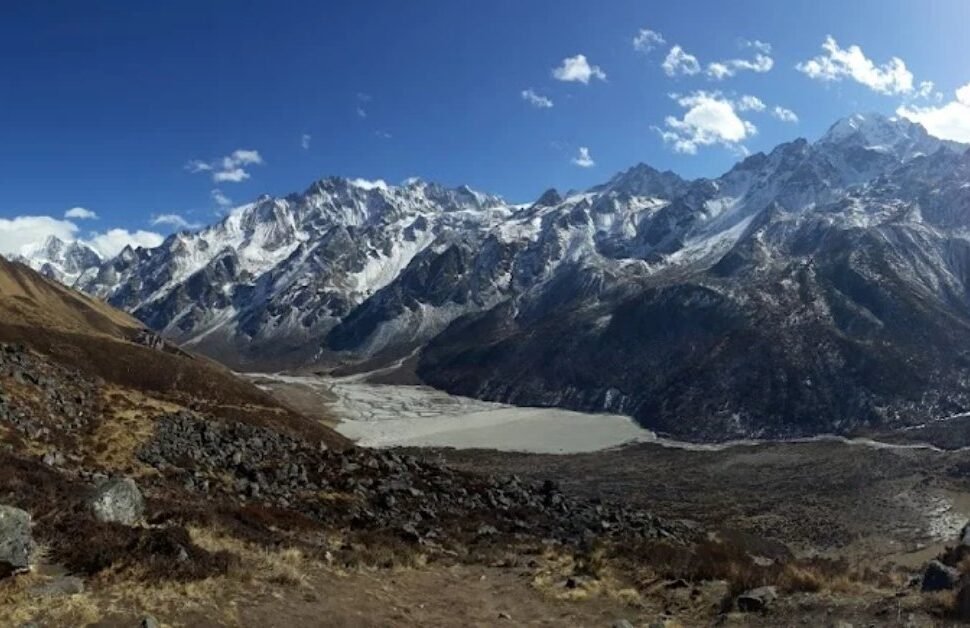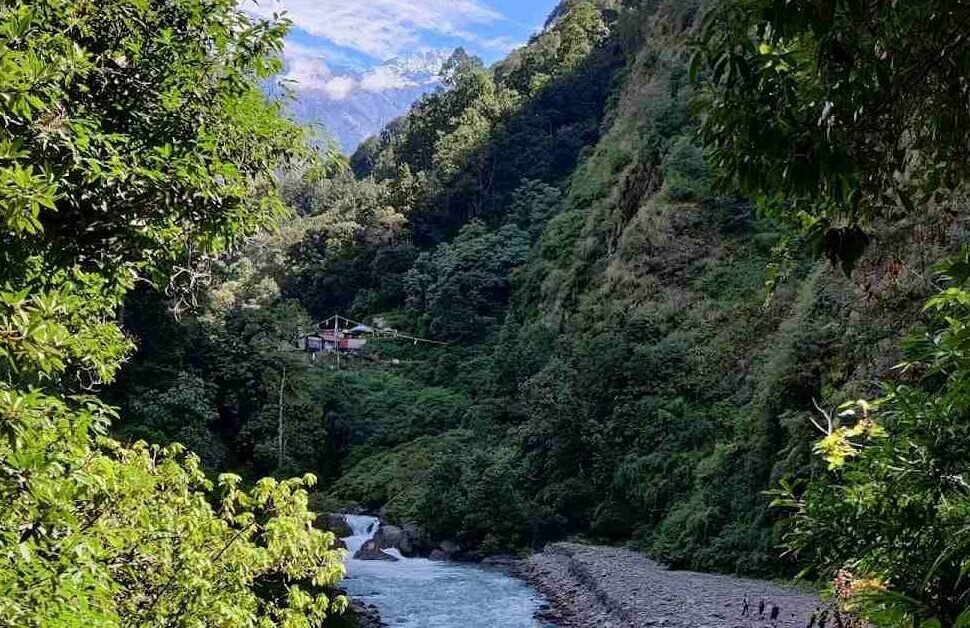
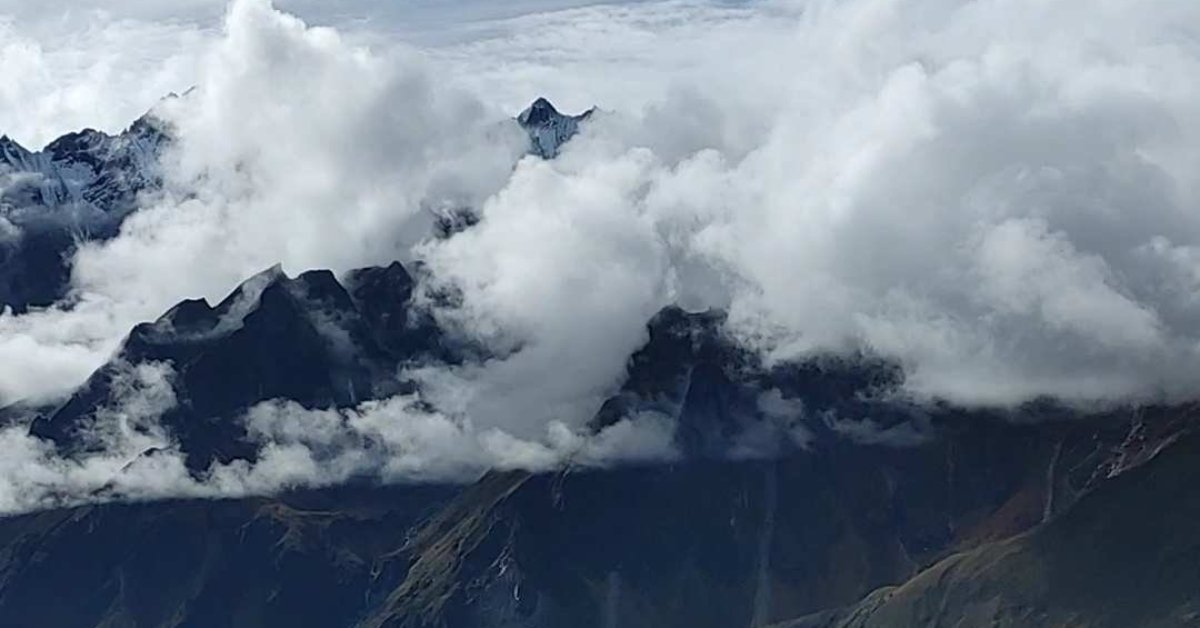
The Helambu Trek is the closest proper mountain trek to Kathmandu. You can reach the trailhead at Sundarijal in 45 minutes by taxi. You don’t need a flight to Lukla, a 7-hour bus to Syabrubesi, or a permit beyond a basic entry fee. And yet the Helambu circuit passes through real Sherpa farming villages, dense rhododendron forests, monastery-dotted ridgelines, and viewpoints that face north toward the Langtang and Jugal ranges. For a 5–7 day trek that starts within an hour of Kathmandu, the quality-to-effort ratio is genuinely high.
Helambu (also spelled Helmu or Helumbu) is a highland region north of Kathmandu in the Sindhupalchok and Rasuwa districts, largely populated by Hyolmo Sherpa people — a community with its own distinct dialect, traditions, and Buddhist practice. The trekking routes here pass through active farming communities rather than purpose-built trekking corridors, which makes for a more authentic experience than some of Nepal’s more tourism-saturated trails.
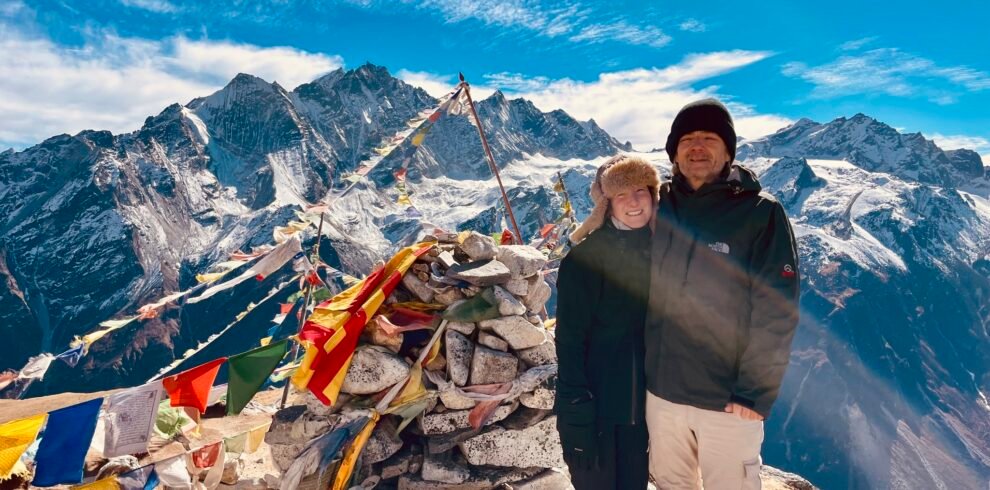
Trek the Langtang Valley with Next Trip Nepal. 8-day package from USD 650, covering all permits, guide, porter and teahouse accommodation. Langtang National Park, Kyanjin Gompa and Tserko Ri viewpoint included.
Helambu Trek Routes and Variations
The most common Helambu route is a circuit that starts and ends at Sundarijal (1,460m), northeast of Kathmandu. The trail climbs through Shivapuri-Nagarjun National Park, reaches the ridgeline above 3,000m, traverses the Helambu highlands through villages like Tharepati, Melamchigaon, Tarkeghyang, and Sermathang, then descends back south. The circuit takes 6–8 days at a comfortable pace.
Key route options:
- Classic Helambu circuit (Sundarijal to Sundarijal): 7 days. The most complete version, covering the full ridge traverse and all major villages.
- Sundarijal to Melamchi Bazaar: 5–6 days. A one-way traverse finishing at Melamchi Bazaar in Sindhupalchok, where you catch a bus back to Kathmandu.
- Gosainkunda and Helambu combined: 10–12 days. This route adds the sacred lake at Gosainkunda (4,380m) via Laurebina Pass before descending into Helambu. The permit requirements change slightly — see the Gosainkunda guide for details.
- Helambu–Langtang traverse: 14–16 days. Cross the main Himalayan ridge via Laurebina Pass, connect with the Langtang Valley, and exit at Syabrubesi. A full circuit requiring proper logistics and good fitness.
| Detail | Information |
|---|---|
| Maximum altitude | 3,640 m (Tharepati) |
| Typical duration | 5–7 days (standalone) / 10–14 days (combined with Langtang or Gosainkunda) |
| Difficulty | Easy to moderate (lower altitude than Langtang/Gosainkunda) |
| Starting point | Sundarijal (45 min from Kathmandu) or Melamchi Pul Bazaar |
| End point | Melamchi Pul Bazaar or Sundarijal (circuit) or Dhunche (if combining) |
| Main features | Sherpa villages, ancient monasteries, rhododendron forests, proximity to Kathmandu |
| Package Type | Duration | Approx. Cost |
|---|---|---|
| Budget (Sundarijal loop) | 5–6 days | $380–$480 |
| Standard (full Helambu circuit) | 7–8 days | $500–$650 |
| Helambu + Gosainkunda combination | 10–12 days | $780–$1,000 |
Planning a Langtang Valley Trek? Contact our local team for expert advice and trip planning.
Village-by-Village: What the Helambu Circuit Looks Like
Sundarijal (1,460m) to Chisapani (2,194m): The first day climbs through the Shivapuri-Nagarjun National Park on a well-maintained trail. The forest here — oak, rhododendron, pine — is dense and the trail is shaded. Chisapani is a popular overnight stop with good views north toward Langtang on clear mornings. Time: 4–5 hours.
Chisapani to Tharepati (3,640m): Two days of walking — typically via Kutumsang (2,470m) on day 2 and Tharepati on day 3. This is the high ridge section of the route, crossing ridgelines between 3,000m and 3,640m with continuous views on clear days. Rhododendron forests at their best from mid-March to mid-April. Tharepati itself is a windy exposed ridge settlement — a few teahouses, dramatic scenery, and the junction for Gosainkunda if you’re extending the route.
Tharepati to Tarkeghyang (2,590m): The descent into the Helambu valley proper begins here. Tarkeghyang is one of the largest villages on the circuit — a proper Hyolmo Sherpa community with a significant gompa (monastery), stone-paved lanes, and traditional architecture. The community here maintained cultural continuity through centuries of relative isolation before trekking routes were established. Time from Tharepati: 5–6 hours downhill.
Tarkeghyang to Sermathang (2,620m): A short connecting day between two highland villages. Sermathang has apple orchards, a monastery, and views back toward the ridge you’ve descended from. It’s a comfortable place to spend a rest afternoon. Time: 3–4 hours.
Sermathang to Melamchi Bazaar or Sundarijal (return): The final descent — either to Melamchi Bazaar (bus to Kathmandu) or looping back to Sundarijal via Kakani and Pati Bhanjyang. Either option takes 1–2 days depending on how directly you walk.
| Expense | Cost Range |
|---|---|
| Teahouse accommodation | $4–$10/night |
| Meals (3/day) | $12–$25/day |
| Transport (Kathmandu–Sundarijal return) | $5–$15 (taxi) or $20–$40 (jeep to trailhead) |
| Guide | $25–$35/day |
| Permits | ~$54 (TIMS + NP entry) |
| Month | Conditions | Rating |
|---|---|---|
| January | Cold, dry, some teahouses limited | Fair |
| February | Cold but manageable, first buds appearing | Fair–Good |
| March | Rhododendrons beginning, clear days | Good |
| April | Peak rhododendrons, excellent conditions | Excellent |
| May | Good mornings, cloud afternoons | Good |
| June–August | Monsoon, leeches, muddy trails | Challenging |
| September | Clearing, excellent late Sept | Good–Excellent |
| October | Best conditions of year | Excellent |
| November | Excellent, quiet, golden forests | Excellent |
| December | Cold, quiet, accessible | Good for experienced trekkers |
Altitude and Difficulty
The Helambu Trek reaches a maximum altitude of around 3,640m at Tharepati — significantly lower than the Langtang Valley route (3,870m at Kyanjin Gompa) and well below the technical altitude threshold. Altitude sickness is unlikely but not impossible above 3,000m, particularly if you’re ascending quickly from Kathmandu’s 1,400m without adequate acclimatization days built in.
The physical difficulty is moderate. The trail involves significant daily elevation change — typically 600–1,000m of gain and loss per day — but on well-maintained paths without technical sections. It’s suitable for reasonably fit trekkers with no previous high-altitude experience. The access from Kathmandu also means you can bail out relatively quickly if you’re having a bad altitude day, which is less true on the Langtang route.
Day walking times are generally 5–7 hours, making it suitable for trekkers who prefer to start reasonably early and arrive in the early afternoon. The trails are well-marked in the main circuit area, though some connecting paths in the lower sections can be ambiguous — a guide or good map helps.
Planning a Langtang Valley Trek? Contact our local team for expert advice and trip planning.
Permits for the Helambu Trek
The Helambu Trek requires two permits:
- Shivapuri-Nagarjun National Park entry: NPR 250 per foreign trekker. Paid at the Sundarijal park gate at the start of the trek. (If you’re approaching from the Gosainkunda side, you’ll need Langtang National Park permit instead — see Gosainkunda guide.)
- TIMS card: NPR 2,000 per foreign trekker. Obtain in Kathmandu at the Nepal Tourism Board office in Bhrikuti Mandap before you start — there’s no TIMS counter at the trailhead.
The Shivapuri permit is dramatically cheaper than the Langtang National Park entry (NPR 250 vs NPR 3,000) and reflects the park’s easier accessibility from Kathmandu. Total permit cost for Helambu is NPR 2,250 — about USD 17.
The Kanchenjunga Circuit Trek takes you around the base of the world's third highest mountain in the far eastern corner…
Upper Mustang Trek — Complete Guide 2026 Few places on earth stop you in your tracks the way Upper Mustang…
The Everest Base Camp with Gokyo Lake Trek combines two iconic Khumbu experiences in one 17-day journey. Cross Cho La Pass (5,420 m), summit Gokyo Ri (5,360 m) for views of four eight-thousanders, reach Everest Base Camp (5,364 m), and witness Everest sunrise from Kala Patthar (5,555 m). Book with Next Trip Nepal — no advance payment required.
The Annapurna Circuit Trek is one of the most popular and diverse trekking routes in Nepal, offering a complete Himalayan…
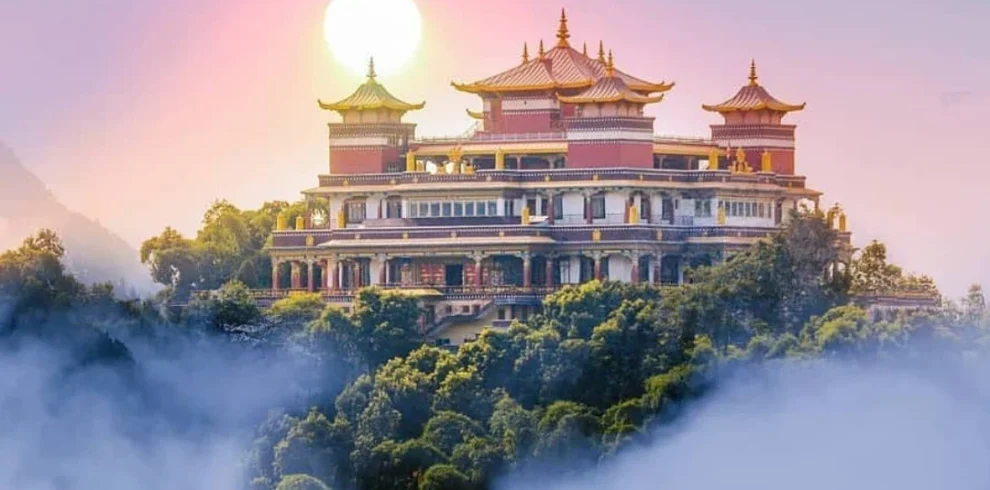
Tour at a GlanceDuration: 1 Day (6 to 7 hours)Sites: Kopan Monastery, Boudhanath, SwayambhunathStart and End: Your Kathmandu hotelDeparture: 8:30…
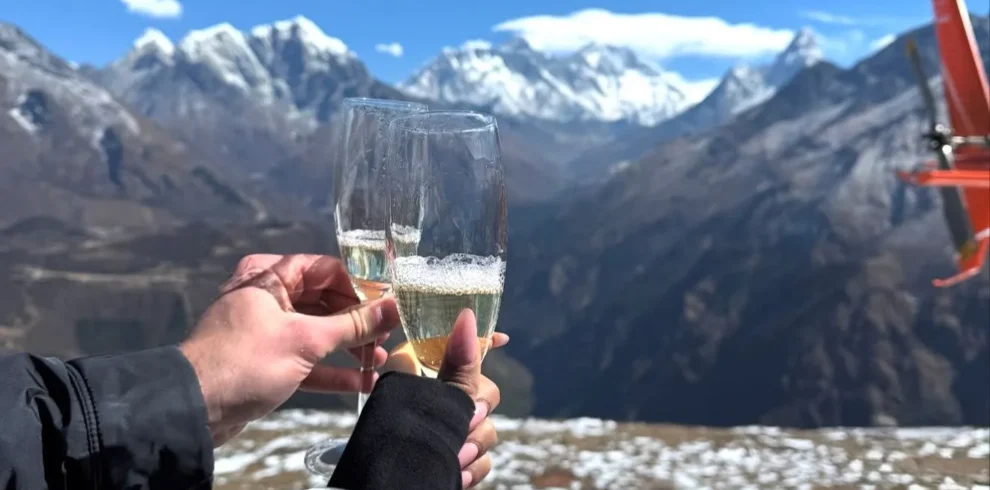
The Everest Base Camp Helicopter Tour for Couples is a unique one-day Himalayan experience designed for two people who want…
Best Time for the Helambu Trek
October through November is excellent — clear skies, dry trails, comfortable temperatures. The ridge sections above 3,000m get cold at night (−3 to −8°C at Tharepati) but are pleasant during the walking day.
March and April are the best spring months — rhododendron season transforms the forest sections below 3,500m with color. The forests between Sundarijal and the Helambu ridge are particularly impressive when the rhododendrons are blooming. April can bring some afternoon cloud but morning views are generally reliable.
Monsoon (June–August) brings the same conditions as elsewhere in Nepal — muddy trails, leeches in the lower forest sections, poor views. The Helambu area receives significant monsoon rain and the lower trail near Sundarijal can be genuinely slippery. Not recommended.
Winter (December–February) is possible on the lower portions. The ridge sections above 3,000m can have snow from December, and Tharepati can be bitterly cold. Some lodges reduce service in January. If you’re trekking in winter, carry serious cold-weather gear and confirm lodge availability in advance.
| Day | Route | Altitude | Time |
|---|---|---|---|
| Day 1 | Kathmandu → Sundarijal → Chisapani | 2,194 m | 4–5 hrs trek |
| Day 2 | Chisapani → Kutumsang | 2,470 m | 5–6 hrs |
| Day 3 | Kutumsang → Tharepati | 3,640 m | 6–7 hrs |
| Day 4 | Tharepati → Melamchi Ghyang | 2,540 m | 5–6 hrs |
| Day 5 | Melamchi Ghyang → Tarkeghyang | 2,590 m | 4–5 hrs |
| Day 6 | Tarkeghyang → Sermathang → Melamchi | 800 m (road) | 4–5 hrs trek + drive to KTM |
| Day | Route | Altitude | Distance | Walking Time |
|---|---|---|---|---|
| Day 1 | Kathmandu → Sundarijal → Chisapani | 2,215 m | 11 km (trek section) | 1 hr drive + 4–5 hr walk |
| Day 2 | Chisapani → Kutumsang | 2,470 m | 14 km | 6–7 hr |
| Day 3 | Kutumsang → Tharepati | 3,640 m | 10 km | 5–6 hr |
| Day 4 | Tharepati → Malemchigaon | 2,530 m | 9 km | 4–5 hr |
| Day 5 | Malemchigaon → Tarkeghyang (Thimbu) | 2,590 m | 8 km | 3–4 hr |
| Day 6 | Tarkeghyang → Sermathang → Kakani | 2,070 m | 12 km | 5–6 hr |
| Day 7 | Kakani → Melamchi Pul Bazaar → Kathmandu | 1,400 m (drive) | 5 km walk + 2–3 hr drive | 2 hr walk + drive |
What Makes Helambu Different from Langtang
Helambu and Langtang are often paired in guides as the two accessible treks from Kathmandu, but they have genuinely different characters. Langtang goes higher, reaches more dramatic mountain scenery, and feels more remote. Helambu stays lower, passes through more culturally active villages, and rewards trekkers who are interested in Hyolmo Sherpa community life rather than raw altitude achievement.
The monastery culture in Helambu is particularly distinctive. Tarkeghyang’s gompa has continuous Buddhist practice — you’ll hear chanting in the mornings. The Hyolmo people maintain close religious and cultural connections to Tibet, and this is visible in the architecture, dress, and practice of communities along the route.
If you’re choosing between the two: Langtang for dramatic mountain scenery and altitude. Helambu for cultural immersion and accessibility without compromising the feeling of genuine mountain terrain. The two-week combined circuit does both.
Planning a Langtang Valley Trek? Contact our local team for expert advice and trip planning.
Trek the Langtang Valley with Next Trip Nepal. 8-day package from USD 650, covering all permits, guide, porter and teahouse accommodation. Langtang National Park, Kyanjin Gompa and Tserko Ri viewpoint included.