The Langtang Valley Trek is often called Nepal’s closest major trek to Kathmandu, and that proximity shapes its cost in a way most articles gloss over. Because you can reach the trailhead in a single day’s drive rather than needing a flight, and because the trek itself typically runs 7 to 10 days rather than the two weeks needed for Everest Base Camp or the Annapurna Circuit, the honest total cost sits noticeably lower than Nepal’s other major teahouse treks, even though search results for this route swing wildly from $400 to $1,500. This guide breaks down every real cost using current 2026 figures, so you know exactly what a short, accessible, and still genuinely high altitude trek should cost you.
The short answer: a 7 to 9 day Langtang Valley Trek costs between $490 and $790 per person with a trekking company, depending heavily on group size, or roughly $450 to $600 if you build it independently once permits, guide, food, and transport are all included honestly, since solo trekking without a licensed guide is not legally permitted anywhere in Nepal as of 2023. Next Trip Nepal’s own 8 day package is priced from $490 per person for a group of 6 to 10, rising to $590 for groups of 2 to 5, and $690 for a solo trekker, discounted from a $790 list price, making it one of the most affordable multi day teahouse treks the company offers.
Quick Cost Summary Table
| Expense Category | Independent Trekker | With a Trekking Company |
|---|---|---|
| Langtang National Park Entry Permit | $20 to $30 | Included |
| TIMS card | $15 to $20 | Included |
| Kathmandu to Syabrubesi transport (bus or jeep) | $8 to $150 one way | Included |
| Guide (8 days, mandatory) | $240 to $320 | Included |
| Porter (8 days, optional) | $160 to $200 | Often included |
| Teahouse accommodation (7 nights) | $35 to $70 | Included |
| Meals on the trail (8 days) | $240 to $320 | Included |
| Travel insurance with high altitude cover | $80 to $150 | Your responsibility either way |
| Trekking gear (if buying new) | $300 to $2,000 | Your responsibility either way |
| Wi Fi, charging, hot showers, snacks | $60 to $120 | Your responsibility either way |
| Tips for guide and porter | $50 to $100 | Your responsibility either way |
Notice how much smaller every line item is compared to Everest Base Camp or the Annapurna Circuit. That is the direct result of a shorter trek, a road accessible trailhead, and lower altitude villages, and it is exactly why Langtang has become the default recommendation for travelers who want a genuine Himalayan teahouse trek without committing two full weeks or a large budget to it.
1. Langtang National Park Entry Permit
Every foreign trekker entering the Langtang region needs the Langtang National Park entry permit, checked at Dhunche or increasingly at the Syabrubesi checkpoint itself. Prices quoted across different sources currently range from $20 to $30 for non SAARC foreign nationals, which reflects both minor differences in how agencies round the NPR 3,000 base fee and whether a card processing surcharge is included in the quote. SAARC nationals pay a reduced rate, generally under $10. This permit can be purchased in Kathmandu at the Nepal Tourism Board office or at the park checkpoint itself, and a trekking company will typically arrange it in advance as part of your package.
2. Do You Need a TIMS Card for Langtang?
Unlike the Annapurna Circuit, where TIMS enforcement has been discontinued, the Langtang region still requires a TIMS card, checked specifically at the Syabrubesi checkpoint. Quoted fees for foreign trekkers range from $15 to $20 depending on the source and whether VAT is included in the figure. This is a meaningful difference from Annapurna and worth knowing in advance, since travelers researching both treks together sometimes assume the same permit rules apply to each, when in practice Langtang has kept the older, more traditional permit structure that most other major routes have since simplified.
3. Is a Guide Legally Required on the Langtang Valley Trek?
Yes. The same nationwide rule introduced in April 2023 that requires a licensed guide for every foreign trekker on major routes applies fully to Langtang. This is worth stating clearly because Langtang’s proximity to Kathmandu and its reputation as an easier trek sometimes leads travelers to assume it might be an exception, but the guide requirement applies regardless of a route’s difficulty or remoteness.
4. Ground Transport: Kathmandu to Syabrubesi and Back
There is no flight involved in this trek, and the drive itself is one of the most variable cost line items on the route.
| Route | Public Bus | Private Jeep |
|---|---|---|
| Kathmandu to Syabrubesi (one way) | $8 to $12 | $100 to $150 per vehicle |
| Syabrubesi to Kathmandu (return) | $8 to $12 | $100 to $150 per vehicle |
The public bus takes roughly 7 to 9 hours over a genuinely rough mountain road, while a private jeep cuts this closer to 5 to 6 hours at a significantly higher price, an option worth sharing across a group if you are traveling with others. Most trekking company packages, including Next Trip Nepal’s, use shared or private jeep transport specifically because the public bus option, while by far the cheapest, adds a long and physically tiring travel day on both ends of an already short trek.
5. Guide and Porter Costs
| Role | Daily Rate | 8 Day Total |
|---|---|---|
| Licensed guide | $30 to $40 per day | $240 to $320 |
| Porter (carries up to 15 to 20kg) | $20 to $25 per day | $160 to $200 |
| Porter guide combined role | $25 to $30 per day | $200 to $240 |
Because Langtang is a shorter trek than Everest Base Camp, Manaslu, or the Annapurna Circuit, the total guide and porter cost is proportionally lower even though the daily rate itself is similar across all of Nepal’s major routes. This is one of the clearest reasons Langtang ends up cheaper overall: fewer days means every per day cost, not just the permit, shrinks in total.
6. Teahouse and Food Costs
Langtang’s teahouses sit at a lower average altitude than Everest Base Camp or the Annapurna Circuit’s high points, and the region’s proximity to Kathmandu keeps supply costs more manageable than on more remote routes.
| Item | Lower Villages | Higher Villages (Langtang Village, Kyanjin Gompa) |
|---|---|---|
| Room rate | $3 to $5 | $5 to $8 |
| Breakfast | $3 to $5 | $5 to $7 |
| Lunch or dinner (dal bhat, noodles) | $4 to $6 | $6 to $9 |
| Hot drinks | $1 to $2 | $2 to $3 |
Kyanjin Gompa, the highest point most itineraries reach before the return, has a small bakery culture that has become something of a local tradition among trekkers, and while a slice of apple pie or fresh bread costs a little more than a standard trail snack, it remains cheap relative to the equivalent treat at a comparable altitude on Everest Base Camp.
7. Extending to Tserko Ri or the Langtang Glacier
Most standard Langtang itineraries include a rest and exploration day at Kyanjin Gompa, which can be used for one of two popular side trips.
| Extension | Extra Days Needed | Extra Cost |
|---|---|---|
| Tserko Ri viewpoint (4,984m) | Usually done within the existing rest day, no extra day required | $0 to $20 (a packed lunch and possibly a slightly earlier breakfast) |
| Langtang Glacier and Langshisha Kharka | 1 to 2 additional days | $60 to $120 (extra guide, food, and teahouse costs) |
Tserko Ri is the more popular choice since it fits inside the standard itinerary at effectively no added cost and rewards the early start with a genuinely wide Himalayan panorama, while the glacier extension is better suited to trekkers with extra days who want a quieter, less visited stretch of the valley.
8. Travel Insurance and Gear
| Item | Approximate Cost |
|---|---|
| Travel insurance with high altitude cover | $80 to $150 |
| Full gear purchased new | $300 to $2,000 |
| Gear rented in Kathmandu | $100 to $250 |
Langtang’s highest standard trekking point, Tserko Ri at 4,984m, sits meaningfully lower than the Everest Base Camp viewpoint at Kala Patthar or the Thorong La Pass on the Annapurna Circuit, so insurance and gear needs are slightly less extreme here, though altitude sickness remains a genuine risk above Langtang Village and proper cold weather layers are still essential at Kyanjin Gompa.
9. Group Size and How It Changes the Price
As with most company operated treks in Nepal, your group size changes the final price meaningfully, since fixed costs like the guide and jeep transport are shared across however many people are on the trip.
| Group Size | Typical Per Person Price (8 day package) |
|---|---|
| Solo (1 person) | $690 |
| Small to mid group (2 to 5 people) | $590 |
| Larger group (6 to 10 people) | $490 |
| Groups of 11 or more | Contact for a custom group quote |
These are Next Trip Nepal’s own current group pricing tiers for the Langtang Valley Trek. The solo rate of $690 is itself already discounted from a $790 list price, and the spread down to $490 for a larger group is roughly $200 per person, a meaningful discount on a trek where the total cost is already the most accessible of Nepal’s major routes.
Independent Trekking vs Booking With a Company: A Real Cost Comparison
| Cost Category | Independent, Solo, Built Piece by Piece | Next Trip Nepal 8 Day Package (Solo) |
|---|---|---|
| Permits (park entry plus TIMS) | $35 to $50 | Included |
| Ground transport both ways | $16 to $24 by bus, or $200 to $300 by private jeep | Included |
| Guide (8 days, mandatory) | $280 average | Included |
| Teahouse rooms (7 nights) | $45 average | Included |
| All meals (8 days) | $280 average | Included |
| Subtotal | Roughly $656 to $980 depending on transport choice | $690 |
This comparison highlights something worth noticing: if you choose the cheaper public bus option for transport, an independently built Langtang trip can come in slightly below a solo company package. If you choose private jeep transport for comfort and time, the company package becomes the better value once you account for the convenience of having everything arranged in advance.
Why Some Langtang Packages Are Suspiciously Cheap
- Guide daily rate cut below the $30 to $40 market range, sometimes meaning a guide without their own insurance coverage
- Transport downgraded to the most crowded public bus option without confirming this with you in advance
- Porter loads pushed above the ethical 20kg limit to reduce the number of porters hired
- Permits not actually purchased in advance, risking delays or extra fees at the Syabrubesi checkpoint
- Itineraries compressed to 6 days by cutting the Kyanjin Gompa rest day entirely, which increases altitude sickness risk to save one teahouse night’s cost
Seasonal Cost Variations
| Season | Months | Cost Impact |
|---|---|---|
| Autumn (peak) | September to November | Best weather, most group departures to join, highest teahouse demand at Kyanjin Gompa |
| Spring | March to May | Good weather, rhododendron blooms on the lower forested sections, slightly fewer trekkers than autumn |
| Winter | December to February | Cold at Kyanjin Gompa, sometimes snow on the upper trail, but permits and transport cost the same year round on this route |
| Monsoon | June to August | Wet and leech heavy on the lower forested sections, though the trek remains passable and considerably quieter |
Unlike Manaslu or the Annapurna Circuit, Langtang’s permit fees do not change by season, so the main cost driver across the year is simply how easily you can join an existing group departure, which is highest in autumn and spring.
A Sample 8 Day Cost Breakdown, Day by Day
| Day | Location | Approximate Daily Spend (independent trekker) |
|---|---|---|
| 1 | Kathmandu to Syabrubesi (jeep or bus) | $10 to $75 transport plus $15 food and room |
| 2 | Syabrubesi to Lama Hotel | $20 |
| 3 | Lama Hotel to Langtang Village | $22 |
| 4 | Langtang Village to Kyanjin Gompa | $25 |
| 5 | Rest day, Tserko Ri side hike | $28 |
| 6 | Kyanjin Gompa back to Lama Hotel | $22 |
| 7 | Lama Hotel to Syabrubesi | $18 |
| 8 | Syabrubesi to Kathmandu (jeep or bus) | $10 to $75 transport plus $15 hotel and food |
Frequently Asked Questions
Is the Langtang Valley Trek cheaper than Everest Base Camp or the Annapurna Circuit?
Yes, considerably. Next Trip Nepal’s Langtang package starts at $490 for a group compared to $1,449 for Everest Base Camp and $975 for the Annapurna Circuit’s largest group tier, mainly because it is a shorter trek with no mandatory flight and lower overall permit costs.
Can I do the Langtang Valley Trek without a guide?
No. The same nationwide rule requiring a licensed guide for every foreign trekker, in effect since April 2023, applies fully to Langtang, regardless of the trek’s shorter length or easier reputation.
Do I need both a TIMS card and a national park permit?
Yes. Unlike the Annapurna Circuit, where TIMS enforcement has been discontinued, Langtang still requires both the national park entry permit and a TIMS card, checked at the Syabrubesi checkpoint.
How many days should I budget for this trek?
Most standard itineraries run 7 to 9 days including the Kyanjin Gompa rest day and a Tserko Ri side hike. Shorter 6 day versions exist but skip the rest day entirely, which increases altitude sickness risk for a relatively small cost saving.
Is Langtang a good choice for a first time trekker in Nepal?
Yes, often the best choice. Its shorter length, lower cost, road accessible trailhead, and lower maximum altitude compared to Everest Base Camp or the Annapurna Circuit’s Thorong La Pass make it one of the more approachable multi day teahouse treks in the country.
What is the single biggest cost most people underestimate on Langtang?
The TIMS card, since many trekkers researching this route after reading about the Annapurna Circuit’s discontinued TIMS enforcement mistakenly assume the same applies here, and end up under budgeting by $15 to $20 for a permit that is still actively checked at the Syabrubesi checkpoint.
Does group size meaningfully change the price on this trek?
Yes. The gap between Next Trip Nepal’s solo price of $690 and its larger group price of $490 is roughly $200 per person, a significant percentage saving on a trek where the total cost is already the lowest among Nepal’s major routes.
Can I combine Langtang with Everest Base Camp or the Annapurna Circuit in one trip?
Some travelers with three or more weeks in Nepal do combine Langtang with one of the longer treks, typically doing Langtang first as a shorter, lower altitude trek that helps with acclimatization before attempting a higher route afterward. This is a genuinely useful sequencing strategy, though it does mean budgeting for two separate guide and permit costs rather than assuming any cost sharing between the two treks.
How Much Cash to Carry on the Langtang Valley Trek
Kathmandu has plentiful ATMs, and Syabrubesi itself has at least basic banking access before you start the trek proper, though nothing reliable exists once you are on the trail itself.
| Trip Length | Recommended Cash to Carry |
|---|---|
| 7 to 9 day standard Langtang Valley Trek | $120 to $200 |
| 9 to 11 day itinerary with a glacier extension | $200 to $280 |
This should comfortably cover meals not included in your package, the famous Kyanjin Gompa bakery treats, hot showers, Wi Fi, and tips, with a modest buffer for a delayed return if weather affects the road between Syabrubesi and Kathmandu.
Common Budgeting Mistakes on the Langtang Valley Trek
- Assuming TIMS is no longer required, based on the Annapurna Circuit’s rule change. Langtang still enforces both the TIMS card and the national park permit, so budgeting only for one is a common and avoidable underestimate.
- Cutting the Kyanjin Gompa rest day to save one night’s cost. The relatively small saving is a poor trade against the real altitude sickness risk of skipping acclimatization before the trek’s highest point.
- Choosing the cheapest public bus without accounting for the extra travel time. On a trek this short, losing most of a day to a slow bus journey on both ends meaningfully changes the overall experience for a modest saving.
- Forgetting that gear needs are lower here than on Everest Base Camp, and overspending on unnecessary extreme cold gear. Langtang’s lower maximum altitude means a full expedition grade kit is rarely necessary.
- Booking solo when a small group departure would have worked. Given the roughly $200 per person gap between solo and group pricing, checking for an existing departure is worth the flexibility if your schedule allows it.
How Next Trip Nepal’s Package Compares
| Included Item | Typically in Next Trip Nepal’s Package | Commonly Excluded by Budget Operators |
|---|---|---|
| Langtang National Park permit and TIMS card | Yes, arranged in advance | Usually yes, but confirm this directly |
| Ground transport both directions | Private or shared jeep, not the slowest public bus | Sometimes downgraded to public bus without notice |
| Licensed guide | Yes | Sometimes a guide new to this specific route |
| Kyanjin Gompa rest day included in the standard itinerary | Yes | Sometimes cut to shorten the trip and lower the advertised price |
| All meals during the trek | Yes | Often only breakfast and dinner included |
| Transparent group size pricing published upfront | Yes, from $490 to $690 depending on group size | Often only the lowest group rate is advertised, with the real price revealed at booking |
| Advance payment required to book | No advance payment required | Often a deposit required upfront |
Comparing Langtang Cost to Other Popular Treks
| Trek | Typical Package Price Range | Why It Differs |
|---|---|---|
| Langtang Valley (7 to 9 days) | $490 to $790 | Shortest major trek, road accessible trailhead, lowest maximum altitude |
| Annapurna Base Camp (7 to 10 days) | $700 to $1,100 | Similar duration but higher demand and a more developed teahouse network |
| Manaslu Circuit (13 to 14 days) | $850 to $1,500 | Restricted area permit and nearly double the trekking days |
| Everest Base Camp (14 days) | $1,200 to $2,500 | Mandatory Lukla flight and nearly double the trekking days |
| Annapurna Circuit (14 to 16 days) | $975 to $1,560 | Longer duration and additional transport legs |
Langtang’s position as the clear budget and time leader in this comparison is exactly why it consistently ranks as one of the best choices for travelers with limited vacation days or a tighter trekking budget, without sacrificing the genuine high altitude teahouse trekking experience that draws people to Nepal in the first place.
What the Park Permit Fee Actually Funds
The Langtang National Park entry permit funds conservation and park management across one of Nepal’s most ecologically diverse protected areas, home to red pandas, Himalayan tahr, and dense rhododendron forest on the lower sections of the trail. A portion of the fee also supports ongoing rebuilding efforts in the valley, since Langtang Village was devastated by a landslide triggered by the 2015 earthquake and much of the region’s tourism infrastructure has been rebuilt in the years since. Trekking this route today is, in a small but genuine way, a direct contribution to a community that rebuilt itself largely around returning trekkers.
How This Guide Was Put Together
Every permit figure in this guide was cross checked against the current range quoted for the Langtang National Park entry permit and TIMS card, rather than relying on a single source, since published figures for this specific route vary more between operators than they do for Everest Base Camp or the Annapurna Circuit. Group pricing reflects Next Trip Nepal’s own current published tiers for its 8 day package, from $690 solo down to $490 for a group of 6 to 10, rather than an estimate.
Currency and Payment Practicalities on the Trail
Kathmandu has ample ATMs, and Syabrubesi has at least basic banking access before the trek begins, though this should not be relied upon and cash should be withdrawn in Kathmandu regardless. Once on the trail past Syabrubesi, cash is the only way to pay for anything, and teahouses in smaller villages frequently cannot break large notes, so carrying a mix of smaller denominations is worth the minor inconvenience of preparing this in advance.
How Langtang Compares for a Short Nepal Itinerary
Travelers with limited time, often a week to ten days total in Nepal including arrival and departure, frequently ask which trek fits that timeframe without feeling rushed. Langtang is close to the ideal answer: the 7 to 9 day trek itself, combined with a day of buffer on each end for Kathmandu arrival and departure, fits comfortably inside a 10 to 12 day total Nepal trip, something none of Everest Base Camp, Manaslu, or the full Annapurna Circuit can realistically match without cutting the trek itself short or skipping acclimatization days that matter for safety.
What Happens if You Get Sick or Need to Evacuate
No honest cost guide skips this, since it is where an underbudgeted trek can turn into a financial emergency rather than a manageable expense. Although Langtang’s maximum altitude at Tserko Ri, 4,984m, is lower than the high points on Everest Base Camp, the Annapurna Circuit, or Manaslu, altitude sickness remains a real risk above Langtang Village, particularly for trekkers who arrive from sea level and climb too quickly on a short itinerary. A helicopter evacuation from Kyanjin Gompa or the upper valley can cost $2,000 to $4,000 depending on distance and weather conditions, noticeably less than an evacuation from a higher altitude route, but still a bill no trekker should plan to absorb personally.
Travel insurance with genuine high altitude and helicopter evacuation coverage still belongs in the fixed cost column of your Langtang budget, even though the numbers involved are somewhat smaller than on Nepal’s higher routes. Because Langtang’s altitude ceiling is lower, a mid tier policy that might not cover Everest Base Camp or the Annapurna Circuit’s Thorong La Pass will often suffice here, which is one of the few places on this route where a genuine cost saving compared to the higher treks is available without cutting a corner that matters.
Packing List Costs Specific to Langtang
Because Langtang tops out at a noticeably lower altitude than Nepal’s other major treks, the gear list can be trimmed in a few specific ways without compromising safety, which is worth knowing if you are trying to keep costs down.
| Item | Why It Matters Here | Approximate Cost |
|---|---|---|
| Minus 10C rated sleeping bag (rather than minus 15C or colder) | Kyanjin Gompa’s altitude does not demand the more extreme rating needed for Everest Base Camp or the Annapurna Circuit’s high camps | $30 to $100 to buy, $15 to $25 to rent |
| Mid weight down jacket | Sufficient for the cold at Kyanjin Gompa without needing an expedition grade jacket | $40 to $100 |
| Trekking poles | Useful on the steep forested sections between Syabrubesi and Lama Hotel | $10 to $25 to buy, $1 to $2 per day to rent |
| Rain layer | The lower forested sections see more precipitation than the drier high routes on Everest or Annapurna’s Manang side | $20 to $50 |
A trekker who already owns gear from a prior trek to Everest Base Camp or the Annapurna Circuit will find their existing kit is more than sufficient for Langtang, and a first time trekker choosing this route specifically because of its lower cost can reasonably economize further on the extreme cold weather items that a higher altitude trek would require.
Booking Timing and Its Effect on Price
Because Langtang is shorter and generally attracts a slightly different mix of trekkers, including many combining it with a broader Nepal itinerary rather than dedicating a full trip to it alone, group departures fill somewhat differently than on the longer, more singularly focused treks.
- Booking 3 to 6 weeks ahead of autumn or spring dates gives a solid chance of joining a forming group and reaching one of the better discount tiers, since Langtang’s shorter length means departures can be organized on a somewhat faster timeline than longer treks.
- Booking less than 2 weeks out often still works reasonably well in peak season given the trek’s popularity as a quick add on to a broader Nepal trip, though you may land in a smaller group than the largest discount tier.
- Off season bookings (December to February, June to August) see fewer departures overall, though Langtang’s lack of seasonal permit price changes means the main cost impact of off season travel here is purely about group size availability rather than permit fees.
Because many travelers add Langtang onto a shorter overall Nepal trip rather than building their whole visit around it, flexible dates matter somewhat less here than on the longer treks, though booking a few weeks ahead in peak season still improves your odds of a better group rate.
How Langtang Compares for First Time High Altitude Trekkers
Trekkers weighing Langtang against Everest Base Camp, Manaslu, or the Annapurna Circuit as a first major trek often find it the most forgiving genuine option among Nepal’s headline routes. Its lower maximum altitude, shorter overall duration, and road accessible trailhead all reduce the number of ways a first timer’s plan can go wrong, while still delivering the core experience of multi day teahouse trekking through genuinely dramatic Himalayan terrain, dense rhododendron forest, and a high alpine valley culture distinct from the Everest or Annapurna regions.
The tradeoff is scale: Langtang does not reach Everest Base Camp itself, the full circuit of the Annapurna region, or the remote high pass crossing of Manaslu, so trekkers who complete it and want a bigger challenge next time have a natural progression available. For a first timer uncertain whether high altitude trekking suits them at all, or a traveler with a shorter Nepal itinerary who still wants a real trek rather than a short day hike, Langtang is very often the right starting point precisely because a lower cost and shorter commitment make it a lower risk way to find out.
Comparing a Guided Package to Hiring a Guide Independently in Kathmandu
Because Langtang is close enough to Kathmandu that some trekkers consider hiring a guide informally on arrival rather than booking a full package in advance, it is worth weighing this option honestly against a set itinerary. A privately hired guide found in Kathmandu or Thamel can sometimes be arranged for a similar or even slightly lower daily rate than a package includes, but the real cost difference on this specific route is smaller than the convenience gap. Langtang’s teahouses are generally less crowded than Everest Base Camp or peak season Manang, so the value an agency’s advance arrangements provide is less about securing a room and more about transport reliability, since a shared jeep booked informally on the morning of departure from Kathmandu can mean a longer wait or a less comfortable vehicle than one arranged in advance. For a trek this short, the time saved by having everything already organized, particularly the transport to and from Syabrubesi, is proportionally a bigger share of your total trip than on a longer trek where a single day’s inefficiency matters less.
Combining Langtang with Gosaikunda or the Helambu Region
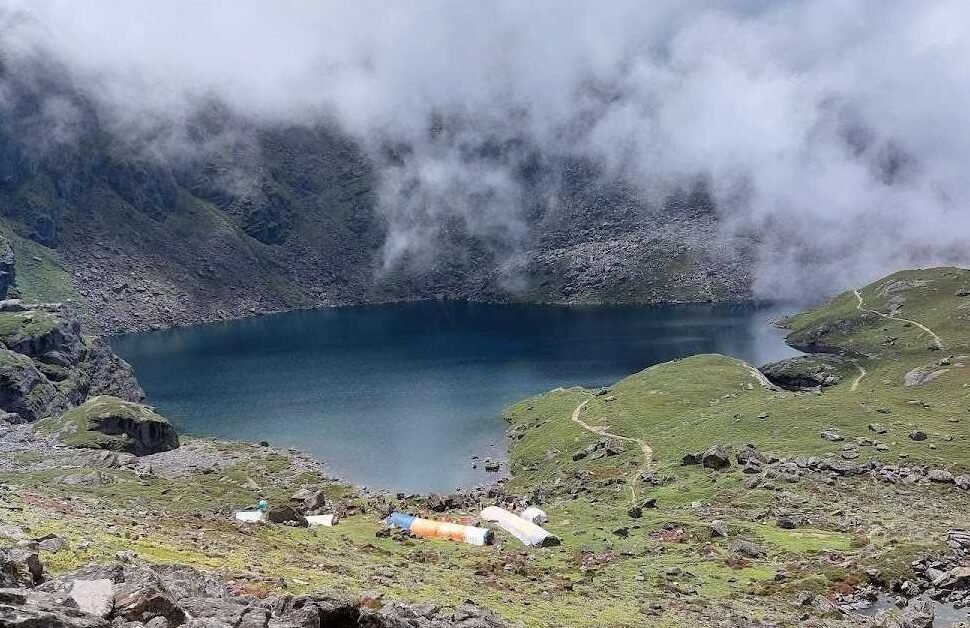
Trekkers with more time than the standard 8 day itinerary requires sometimes extend into the Gosaikunda lakes or loop back through the Helambu region rather than retracing the same route back to Syabrubesi, and this is worth understanding as a cost decision rather than just a scenic one.
| Extension | Extra Days Needed | Extra Cost |
|---|---|---|
| Gosaikunda lakes add on | 3 to 4 additional days | $180 to $280 (extra guide, food, and teahouse costs at a higher, colder altitude) |
| Helambu loop return (instead of retracing to Syabrubesi) | 2 to 3 additional days | $120 to $200 |
Gosaikunda sits considerably higher than the standard Langtang route, close to 4,380m, and demands the same altitude precautions as the main trek’s own high point, so it suits trekkers who have already acclimatized well on the way to Kyanjin Gompa rather than those adding it purely to see more scenery. The Helambu loop, by contrast, stays at a gentler altitude throughout and is better suited to trekkers who want a longer trip without additional altitude risk, tracing a different descent route through Tamang and Sherpa villages rather than simply reversing the ascent.
Why Langtang’s Recovery Story Matters for Trekkers
Understanding a little of Langtang’s recent history changes how many trekkers think about the cost of visiting. The 2015 earthquake triggered a landslide that devastated Langtang Village, one of the deadliest single disasters of that event, and the community’s teahouses, trails, and local economy were rebuilt almost entirely around returning trekker traffic in the years since. This is part of why some travelers specifically choose Langtang over other routes even when a slightly cheaper or more famous alternative exists elsewhere, since every teahouse night booked here supports a rebuilding economy in a more direct and visible way than on more established, less disrupted routes. It does not change the honest cost figures in this guide, but it is worth knowing as context for why the region’s tourism board and conservation area continue to actively encourage and support trekker visits.
Domestic Flight Combinations Worth Considering
Because Langtang’s trailhead is a single day’s drive from Kathmandu rather than requiring its own flight, some trekkers use the money and time saved to combine the trek with a short domestic flight elsewhere in Nepal, most commonly a scenic mountain flight to view Everest from the air, or a quick Pokhara visit before or after the trek. A standard Kathmandu to Pokhara round trip flight costs $180 to $240, and a dedicated Everest scenic mountain flight from Kathmandu runs $220 to $260 per person for a roughly one hour flight. Neither of these is part of the trek’s core cost, but they are worth knowing about specifically because Langtang’s lower total price and shorter duration leave more realistic room in a typical travel budget to add one of these experiences than a longer, more expensive trek would.
Related Planning Guides
Before you book, see our altitude sickness prevention guide and our best time to trek in Nepal guide to plan the ideal season for this route.
Final Word on Budgeting for the Langtang Valley Trek
The honest range for a 7 to 9 day Langtang Valley Trek in 2026 is $490 to $790 with a company depending on group size, or roughly $650 to $950 if built independently depending on your transport choice, with permits and a mandatory guide applying to every trekker regardless of how independently they otherwise plan the trip. Next Trip Nepal’s tiered pricing, from $690 solo down to $490 in a group of 6 to 10, gives a realistic and transparent way to estimate your own cost before booking, and remains the most accessible entry point into Nepal’s major teahouse treks by a meaningful margin.