Every year thousands of trekkers type the same question into a search bar before they book anything: which Everest Base Camp trek should I actually choose. The honest answer is that there is no single best version of this trek for everyone, because the Khumbu region now offers half a dozen genuinely different ways to reach the foot of the world’s highest mountain, and the right one for you depends on how much time you have, how much you want to spend, how fit you are, and what you actually want to get out of the walk. This guide breaks down every major route option that Next Trip Nepal and other operators in the Khumbu run today, compares them honestly on the things that matter, and gives you a practical way to decide between them rather than just listing features and leaving you to guess.
We wrote this because most comparison pages either oversell every option equally or push you toward whichever package earns the most commission. We would rather you end up on the trek that actually fits your life, your knees, and your bank account, even if that means talking you out of the version that sounds the most impressive on paper. If you already know you want the standard trek, our Everest Base Camp Trek package page has the full itinerary and pricing. If you are still deciding, keep reading.
The classic Everest Base Camp trek on foot, both ways
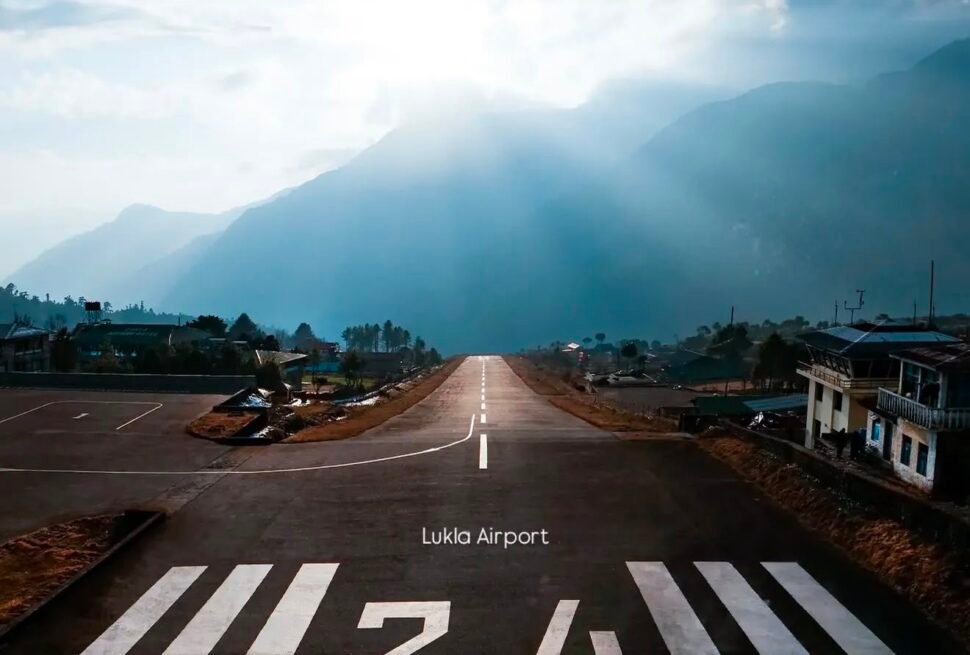
This is the original version of the trek and still the one most people picture when they hear the name. You fly into Lukla, walk north through Phakding and Namche Bazaar, climb gradually through Tengboche, Dingboche, and Lobuche, reach Everest Base Camp and Kala Patthar, then walk back out the same way you came, finishing with a flight from Lukla to Kathmandu or Ramechhap. Most itineraries run twelve to fourteen days on the trail, with two full acclimatization days built in, one at Namche Bazaar and one at Dingboche.
The appeal of this version is straightforward. It costs less than any of the helicopter alternatives, it gives your body the most time to adjust to altitude, and it lets you see the region twice, once heading up with anticipation building and once heading down with the satisfaction of having done it. The walk out also tends to be easier since you are already acclimatized, and many trekkers say the descent, when they can finally breathe more easily and eat with a real appetite again, is when they enjoy the villages the most.
The tradeoff is time and repetition. You will walk through Namche Bazaar and the lower Dudh Kosi valley twice, and if your schedule is tight, spending two extra days walking a trail you have already seen can feel like a cost. For trekkers who have two full weeks free and want to keep their budget as low as reasonably possible while giving their body the best chance at a comfortable acclimatization, this remains the smartest default choice. Our complete cost breakdown for 2026 and 2027 and our honest difficulty guide both use this classic itinerary as the baseline.
Flying out by helicopter instead of walking back down
The helicopter return version keeps the exact same walk up that the classic trek uses, then swaps the multi day walk back out for a single scenic helicopter flight from Gorak Shep or Pheriche straight to Kathmandu, sometimes with a stop in Lukla. You still earn the same climb, the same views, the same nights in Sherpa villages, and the same feeling of standing at Base Camp. What changes is the second half of the trip.
The obvious benefit is time saved, usually two to four days depending on the exact itinerary, which matters a great deal if you are working around a fixed vacation window or flying in from far away. The flight itself is also an experience in its own right, since you get an aerial view of the entire Khumbu valley, the glaciers, and the summits that you would otherwise only see from the ground. Many trekkers describe it as an unexpected highlight rather than just a convenience.
The real cost is money and weather risk. Helicopter charters are expensive, and because mountain weather in the Khumbu can close in fast, flights get delayed or cancelled with real regularity, particularly in the afternoon and during the monsoon shoulder months. A delayed helicopter can turn one planned buffer day into two or three, which eats into the time savings you paid for. We cover this in detail in our guides to helicopter weather delays and the best season for a helicopter return. If your budget can absorb the extra cost and you would rather spend your limited vacation days somewhere other than walking a trail you have already covered, this version earns its price tag. If money is tight, it is the first thing to cut.
Adding Gokyo Lakes and Cho La Pass to the classic route
The Gokyo combination keeps the walk up through Namche and Tengboche largely the same, then diverts west into the Gokyo valley instead of heading straight for Base Camp. You climb past a chain of turquoise glacial lakes, summit Gokyo Ri for one of the widest mountain panoramas in the entire Khumbu, then cross Cho La Pass at just over five thousand four hundred meters to rejoin the Base Camp trail near Lobuche. From there the itinerary matches the classic route to Base Camp, Kala Patthar, and back out.
This route rewards trekkers who already have some high altitude experience and want more scenery and more challenge for the extra week it usually adds to the schedule. Cho La is a real mountain pass with loose rock and often ice or snow underfoot, not a technical climb but a step up in seriousness from anything on the classic trail, and it typically requires a guide with proper experience on that terrain. The reward is genuinely one of the best views in Nepal from Gokyo Ri, plus a much lower crowd density in the Gokyo valley itself compared with the main Base Camp trail during peak season.
The full Everest Three Passes trek
Three Passes is the route for trekkers who have already decided that seeing Base Camp is not enough on its own. It links Kongma La, Cho La, and Renjo La into a single loop that touches Base Camp, Kala Patthar, and Gokyo Ri while also taking you through remote side valleys that the standard trail never reaches. Expect seventeen to twenty days on the trail and a noticeably harder trip than any of the routes above, both in terrain and in the demands it places on your acclimatization schedule.
This is not a beginner trek and we say that directly in our own full Three Passes guide, which breaks down each pass individually along with realistic pacing. If you have already completed at least one multi day trek above four thousand meters, if you have two and a half to three weeks free, and if your main goal is depth and remoteness rather than simply reaching Base Camp as efficiently as possible, this is the route that will reward you the most. If any of those conditions are not true yet, save it for a return trip once you have more altitude experience behind you.
Starting on foot from Jiri instead of flying into Lukla
The Jiri route is the one most trekkers do not even know exists until they have already researched everything else, yet it is the original approach to Everest, the one Edmund Hillary and Tenzing Norgay’s expedition and every climbing team before the Lukla airstrip existed actually used. Instead of a short flight into the mountains, you drive from Kathmandu to Jiri and walk for roughly a week through the hill country of Nepal’s Solu region before joining the standard trail around Everest Trek at Lukla’s altitude. Our full Jiri to Everest Base Camp guide covers the route village by village.
The trade you are making here is time for two very specific things: lower altitude and a much gentler acclimatization curve, and complete freedom from Lukla flight cancellations, since you never need that flight on the way in. This route adds well over a week to the trip and demands more total walking than any option except Three Passes, but it also removes almost all of the schedule risk that comes from Himalayan weather grounding flights during the peak season. Trekkers who value a slow, deliberate build up more than they mind extra days on the trail, or who simply want to walk in the footsteps of the earliest Everest expeditions, tend to love this option once they try it, even though almost nobody chooses it as their first instinct.
How crowded each route actually feels on the ground
Crowding is one of the least discussed factors in most trek comparisons, yet it shapes how the trip actually feels day to day more than almost anything else. The classic Base Camp trail through Namche, Tengboche, Dingboche, and Lobuche carries by far the most foot traffic of any route in the Khumbu, particularly during the first two weeks of October and the last two weeks of April, when teahouse dining rooms fill up early and the trail near Gorak Shep can feel more like a procession than a wilderness walk. This is not a reason to avoid the classic route, since the infrastructure exists precisely because so many people want to walk it, but it is worth knowing before you go if solitude matters to you.
The Gokyo valley carries noticeably fewer trekkers than the main Base Camp trail, even though it connects back into it, simply because the side valley requires an extra commitment of time and effort that many trekkers are not willing to make. Once you cross into Gokyo you will often go long stretches without seeing another trekking group, and the summit of Gokyo Ri, despite its reputation as one of the best viewpoints in the region, rarely gets anywhere near as crowded at sunrise as Kala Patthar does on the main trail. Three Passes trekkers see even fewer people once they leave the standard trail sections, particularly in the Thame valley approach to Renjo La, where entire days can pass with the trail feeling almost empty. The Jiri route sits at the opposite extreme from the classic trail in terms of crowding, since almost nobody chooses it anymore, which means you will likely have entire villages in the Solu region largely to yourself even during peak season.
Extending any route with a side peak or extra viewpoint
Several of these routes can be extended with an additional side trip once you already have your permits and your acclimatization in place, and thinking about this ahead of time can influence which base route you choose. Chukkung Ri, a straightforward extra summit day out of Dingboche or Chukkung village, adds only one or two days and works well as an add on to the classic route, the helicopter return trek, or the Gokyo combination. Island Peak, a genuine climbing objective requiring crampons, a rope, and technical mountaineering skills rather than just trekking fitness, is a much bigger commitment that most trekkers add onto the classic route or the Gokyo combination rather than onto Three Passes, since combining Three Passes with a climb tends to overload the schedule and the body at the same time. If a side peak is on your wish list, mention it to your operator while you are still choosing your base route, since the itinerary and permit paperwork differ depending on whether the climb is built in from day one or added afterward.
Packing and gear differences between the routes
Your packing list changes more than most first time trekkers expect depending on which version of this trek you choose. The classic route and the helicopter return trek both stay on well established trails with reliable teahouses the entire way, so a standard four season sleeping bag rated to about minus fifteen degrees Celsius, a good down jacket, and sturdy broken in boots cover almost every situation you will face. Gokyo and Cho La add the need for proper gaiters and trekking poles with wide snow baskets, since the pass itself often has snow or loose scree underfoot even outside winter. Three Passes pushes this further, and most experienced guides recommend a slightly warmer sleeping bag rating and a basic set of microspikes for icy sections on Kongma La and Renjo La, since teahouse availability thins out on some of the connecting stages and you may spend a night in more basic accommodation than the main trail offers. The Jiri approach actually asks for less specialized cold weather gear during its first week, since the Solu region sits at a noticeably lower elevation than the Khumbu proper, though you still need the full high altitude kit once you rejoin the main trail. Our complete packing list and our helicopter return specific packing list both go through this gear by gear.
Food, lodging, and comfort along each route
Teahouse quality and food variety generally decline the further you get from the main Base Camp trail, and this is worth factoring into your decision if comfort matters a great deal to you. Namche Bazaar, Tengboche, and Dingboche on the classic route now have lodges with hot showers, reasonably wide menus, and in some cases even bakeries, since decades of trekking traffic have built up real infrastructure. Gokyo village has fewer lodges but they are generally well run given how many trekkers pass through during peak season. Three Passes trekkers should expect a noticeable drop in comfort on the connecting stages between the main valleys, where lodges are smaller, menus shrink to a handful of standard dishes, and showers may be unavailable for several nights in a row. The Jiri approach passes through genuine Nepali hill villages rather than trekking focused settlements for its first several days, which means simpler food and lodging but also a more authentic look at rural Nepali life away from the tourist trail, something many trekkers who choose this route say they valued as much as the mountain scenery itself.
A short set of questions to ask yourself before booking
If you want a faster way to cut through all of the above, sit down and honestly answer these five questions. How many total days can I actually commit to, counting international travel. What is my realistic total budget once flights, gear, permits, and tips are included. Have I ever spent a night above three thousand meters before, and if so how did my body handle it. Do I care more about reaching Base Camp efficiently or about seeing as much of the region as possible along the way. Would I rather spend extra money to save time, or spend extra time to save money. Write down your answers before you read any operator’s marketing material, since it is far too easy to talk yourself into a route that sounds impressive but does not actually fit the honest answers you just gave yourself.
Comparing the options side by side
| Route | Typical duration | Relative cost | Difficulty | Best for |
|---|---|---|---|---|
| Classic Base Camp trek | 12 to 14 days | Lowest | Moderate | First timers with two weeks free |
| Helicopter return | 9 to 11 days | Highest | Moderate | Limited vacation time, flexible budget |
| Gokyo and Cho La | 15 to 17 days | Moderate | Challenging | Trekkers wanting more scenery and one pass |
| Three Passes | 18 to 21 days | Moderate | Very challenging | Experienced high altitude trekkers |
| Jiri approach | 19 to 21 days | Moderate | Long but gradual | Trekkers avoiding flight risk, history lovers |
These numbers move around depending on the operator and the exact itinerary, but the relative ordering holds fairly consistently across the industry. Use this table as a starting shape for your decision, then read the sections above for the reasoning behind each row.
Deciding based on how much time you actually have
Time is usually the first real constraint, since most people are working around a fixed number of vacation days rather than an open calendar. If you can free up no more than twelve or thirteen days total, including your international flights in and out of Nepal, the helicopter return version or a tightly planned classic trek are your realistic options. If you have two and a half to three weeks, everything on this list opens up to you, and the decision shifts from what fits your calendar to what fits your goals and your legs.
Deciding based on your budget
Money is the second constraint and it interacts with time in an interesting way. The helicopter return trek costs more per day of vacation used than any other option, but because it uses fewer total days, the total trip cost is not always as far apart from the classic trek as people expect once flights, permits, and gear are factored in. Our detailed cost article walks through every line item. If your goal is the lowest possible total spend, the classic trek or the Jiri approach, which avoids the Lukla flight cost entirely, will save you the most money.
Deciding based on your fitness and trekking background
If this is your first trek above three thousand meters, we recommend the classic route or the helicopter return version rather than Gokyo, Three Passes, or Jiri. Not because those routes are unreasonably dangerous, but because they demand more consistent stamina over more days, and a first timer benefits from proving to themselves on a slightly shorter trip that high altitude trekking agrees with their body before committing to a longer and more demanding one. Our difficulty guide goes into the physical side of this in more depth, and our article on whether the trek suits beginners at all is worth reading before you commit to any version.
Deciding based on what you actually want from the trip
Some trekkers want the cleanest, most efficient possible version of standing at Base Camp and seeing Everest up close, and for them the helicopter return trek genuinely is the right call even though it costs more. Others want maximum scenery per day and are happy to work harder for it, which points toward Gokyo or Three Passes. Others care more about history and about walking a route with real meaning behind it than about efficiency at all, which points toward Jiri. None of these preferences is wrong, and being honest with yourself about which one actually describes you, rather than which one sounds most impressive to tell people about afterward, is the single most useful thing you can do before booking.
Traveling solo, as a couple, or joining a group
Every route above can be done solo with a private guide, as a couple, or by joining a scheduled group departure, and this choice affects cost and social experience more than it affects the route itself. Joining an existing group trip, which we cover in our guide to joining an Everest Base Camp trek group, is usually the cheapest per person option and gives you built in company on the trail, while a private trip costs more but lets you set your own pace entirely, which matters more on the harder routes like Three Passes where pacing flexibility can be the difference between a comfortable trip and a miserable one.
Picking your season
Spring, from March through May, and autumn, from late September through November, remain the two strongest windows for every route on this list, offering the most stable weather and the clearest mountain views. Winter trekking is possible on the classic route and the Jiri approach for trekkers who can handle cold nights and want dramatically thinner crowds, but it becomes considerably harder on Gokyo, Three Passes, or anything involving a helicopter, since pass conditions and flight reliability both suffer. Our season by season guide breaks this down month by month if you want more detail before locking in your dates.
Working with a guide either way
Nepal’s government now requires a licensed guide for all trekking routes in this region regardless of which version you choose, which settles a question that used to come up constantly in trip planning. What still varies is how experienced that guide needs to be. A classic Base Camp trek or Jiri approach can be led by any properly licensed Khumbu guide, while Gokyo’s Cho La crossing and especially the full Three Passes route benefit enormously from a guide who has personally led those specific passes many times before, since route finding and timing decisions in bad visibility genuinely matter there. Our guide requirement article covers the legal side of this in full.
Travel insurance considerations that differ by route
Every version of this trek requires travel insurance that specifically covers high altitude trekking up to at least six thousand meters, along with emergency helicopter evacuation, and generic travel insurance bought for a beach holiday almost never meets this standard. Where the routes differ is in how likely you are to actually need that coverage and how the claim process plays out. The helicopter return trek already involves a scheduled helicopter flight, so trekkers sometimes assume their insurance needs are simpler, but you still need evacuation coverage in case of a medical emergency during the walking portion, and the scheduled flight itself is not a substitute for insurance if something goes wrong before you reach it. Gokyo, Cho La, and Three Passes all involve more remote terrain with fewer easy evacuation points, which makes solid insurance even more important rather than less, since a rescue from Renjo La or the connecting stages between passes can take longer to organize than one from the main trail. Our travel insurance guide and our helicopter specific insurance article both explain what to look for in a policy before you buy one.
Our honest recommendation if you are still unsure
If you read all of the above and still cannot decide, here is the simplest version of our advice. First time trekker with two weeks and a normal budget: choose the classic route. Same trekker but only ten days available: choose the helicopter return. Experienced trekker who wants the most scenery for a fair price: choose Gokyo with Cho La. Very experienced trekker chasing the deepest and hardest version of this region: choose Three Passes. Anyone who cares about history, wants to avoid flight risk entirely, and does not mind extra days on the trail: choose Jiri. None of these choices closes the door on the others permanently, and plenty of our repeat clients have done two or three different versions of this trek across separate trips once they caught the Himalaya habit.
Frequently Asked Questions
Is the helicopter return trek actually easier than the classic trek?
No, the climbing portion is identical in both versions. The helicopter only changes how you get back down, so the physical challenge of reaching Base Camp and Kala Patthar is exactly the same either way.
Can I switch from a walking return to a helicopter return partway through the trek?
In most cases yes, as long as you arrange it with your operator before departure or at latest once you reach Gorak Shep, subject to helicopter availability and weather. It is far easier to plan this in advance than to arrange it spontaneously on the trail.
Which route has the best mountain views?
Gokyo Ri is widely considered the single best viewpoint in the entire region, ahead of even Kala Patthar, because it looks across at Everest, Lhotse, Makalu, and Cho Oyu together over the Ngozumpa Glacier. Trekkers who want the best possible views should strongly consider the Gokyo combination.
Is Three Passes suitable for a first Himalayan trek?
We do not recommend it as a first trek. The combination of altitude, remote terrain, and three separate high passes rewards trekkers who already know how their body handles altitude from a previous trip.
Does the Jiri route cost less than flying into Lukla?
Yes, since it removes the Lukla flight cost entirely and replaces it with a much cheaper road journey, though the extra week of guide, porter, and lodge costs offsets some of that saving. The net result is usually still a modest saving compared with the classic route.
Can beginners do the Gokyo and Cho La combination?
Beginners with strong general fitness and no major health concerns can complete it, but we recommend at least one prior trek at altitude first, since Cho La is a genuine mountain pass rather than a simple trail walk.
How far in advance should I book, no matter which route I choose?
Three to six months ahead for spring or autumn departures gives you the best chance at your preferred dates, Lukla flight seats, and lodge availability, particularly on the classic and helicopter return routes during the busiest weeks of October and April.
Will I still see Everest Base Camp on every version of this trek?
Yes, all five routes described here reach Base Camp itself. The differences are in what else you see along the way, how long the trip takes, and how much it costs, not in whether you reach the destination that gives the trek its name.
Can I add Island Peak or Chukkung Ri to any of these routes?
Chukkung Ri fits comfortably onto almost any of these itineraries with only a day or two added. Island Peak is a bigger commitment involving real climbing gear and skills, and it fits best onto the classic route or the Gokyo combination rather than onto an already demanding Three Passes schedule.
Do I need different insurance for the helicopter return trek?
You need the same high altitude and emergency evacuation coverage as every other route, since the scheduled helicopter flight does not replace insurance for medical emergencies that might happen during the walking days before it.
Which route has the least crowded trail experience?
The Jiri approach and the far side valleys on the Three Passes route see the fewest other trekkers by a wide margin, since both require a level of extra time and effort that most trekkers are not willing to commit to.
One last piece of advice worth repeating. Do not let the pressure of a big trip push you into overplanning every hour of every day. The trekkers who enjoy this journey the most, on any of the five routes above, tend to be the ones who leave a little room for slow mornings in Namche Bazaar, unplanned conversations with lodge owners, and the occasional afternoon spent simply looking at the mountains rather than photographing them. The route you choose sets the framework, but how you move through it day to day is what actually determines whether the trip feels rushed or whether it feels like the experience of a lifetime that so many trekkers describe once they are home.
Whichever version you land on, take a look at our guide to common mistakes trekkers make on this trail before you book, since a handful of small planning decisions made now can save you real frustration later. Whichever version fits your life right now, the mountain and the villages that surround it will still be there for the next one. Start with our Everest Base Camp Trek package page for full pricing and departure dates, or reach out to our team directly and we will help you match the right route to your time, budget, and fitness before you book anything.