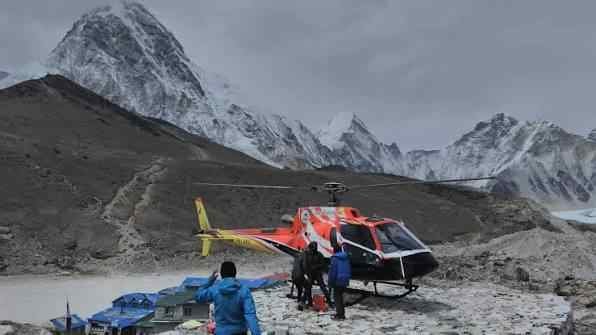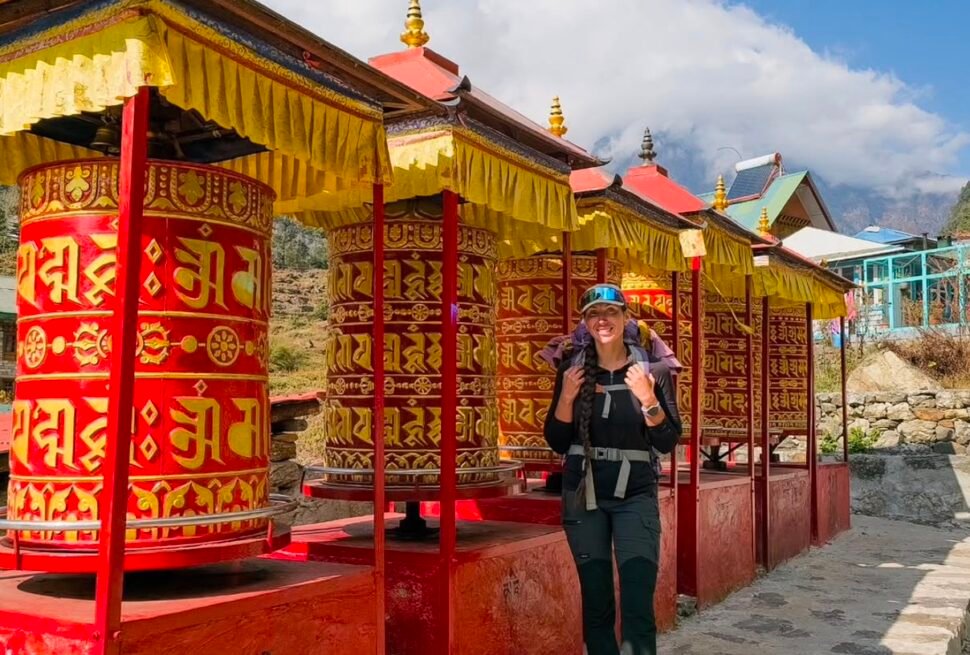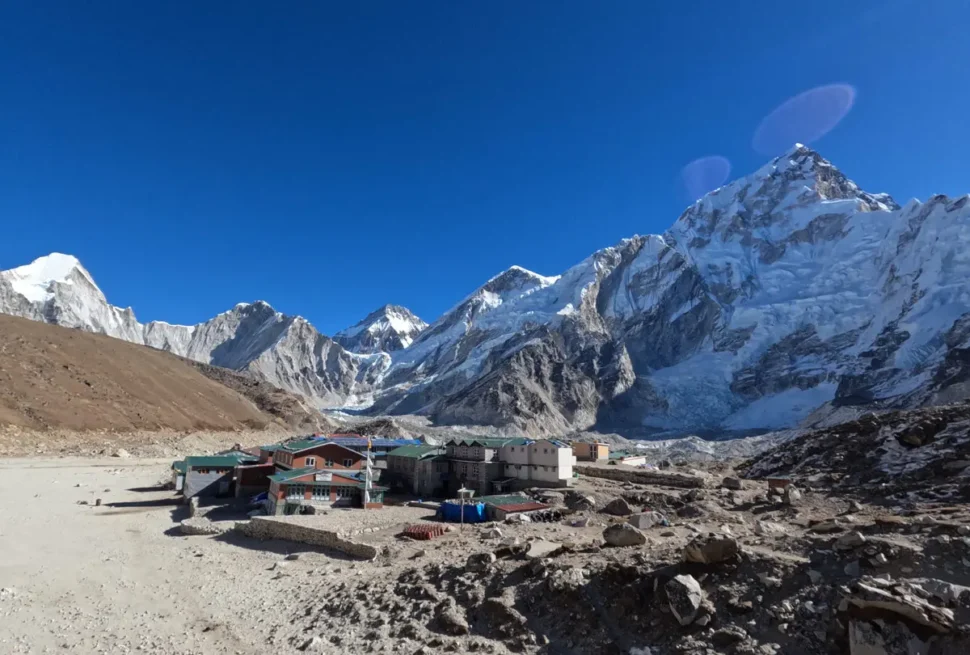
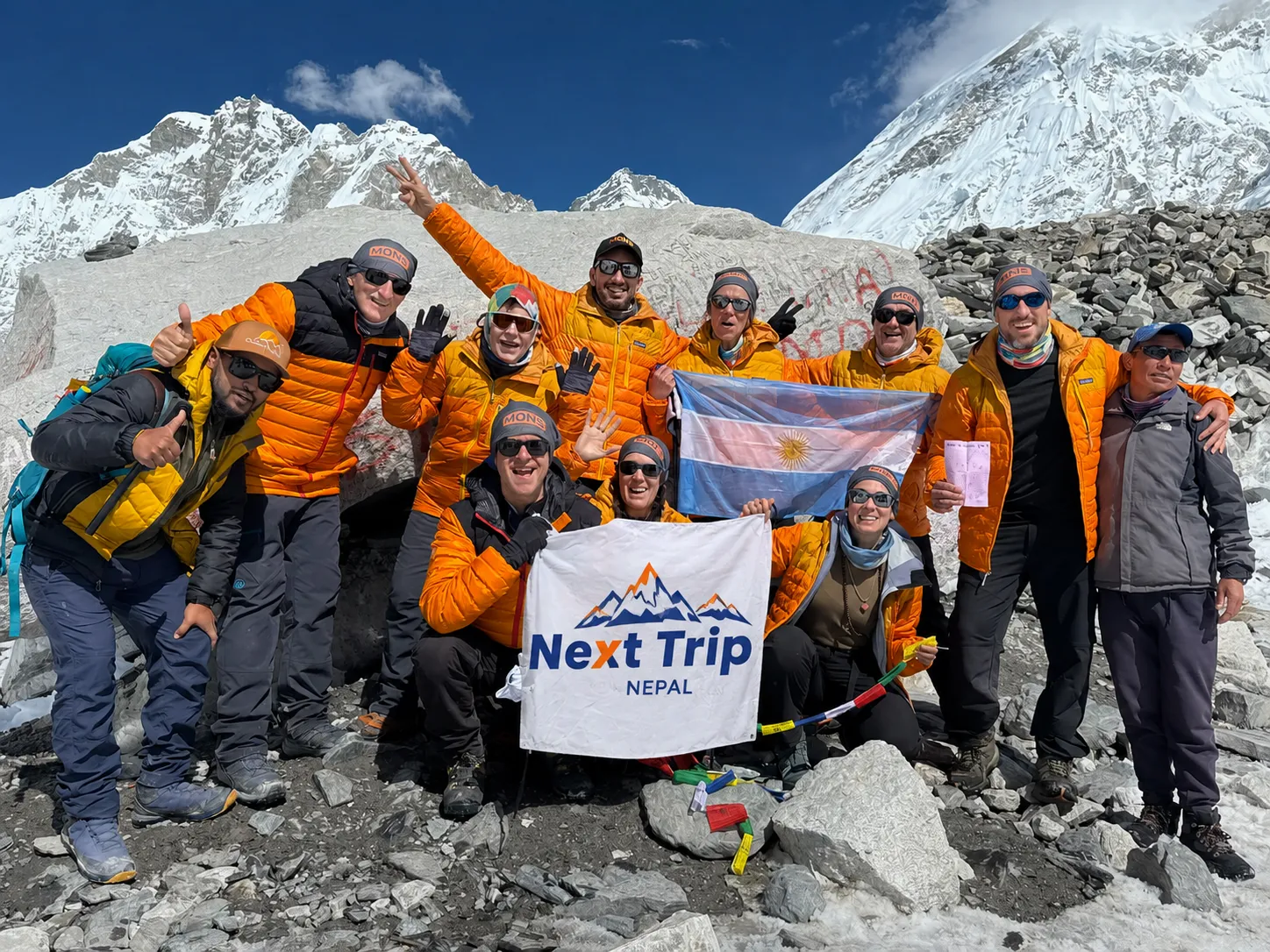
Planning to trek to Everest Base Camp without the higher cost of a private trip? Joining an Everest Base Camp group trek is a practical choice for solo travelers, couples, friends and trekkers who enjoy sharing the trail with other people. With Next Trip Nepal, fixed departures are available for 2026 and 2027, following the classic route from Lukla through Namche Bazaar, Tengboche, Dingboche and Lobuche to Everest Base Camp and Kala Patthar.
If a fixed departure with a faster return interests you, our Everest Base Camp Trek with Helicopter Return follows the same classic route and its season by season guide covers the same guaranteed 2026 and 2027 departure windows.
The Everest Base Camp Trek is a 14-day high-altitude journey that combines mountain walking, Sherpa villages, Buddhist culture and some of the best-known viewpoints in the Khumbu. The route includes two acclimatization days, teahouse accommodation, meals, guide and porter support, permits and domestic flights to and from Lukla.
For travelers considering a group departure, the main advantages are straightforward: shared costs, an organized itinerary, experienced local support and the opportunity to meet other trekkers along the way. No advance payment is required under our group booking policy, so you can first discuss your dates, itinerary and questions with our team before confirming your place.
Planning to join the Everest Base Camp group trek? Contact us to discuss your dates, itinerary and questions.
WhatsApp Us Email UsEverest Base Camp Trek Group Joining: Fixed Departure Dates
Looking to trek to Everest Base Camp with other travelers? Check our upcoming fixed departure dates, available seats, itinerary and group trek prices below. Our group departures are led by experienced local guides and are a practical option for solo travelers and small groups.
-
Available Group Discount Available Available PackagesFridayOctober 9, 2026ThursdayOctober 22, 2026$1,859$1,44922% Off8Available
-
Available Group Discount Available Available PackagesSaturdayOctober 10, 2026FridayOctober 23, 2026$1,859$1,44922% Off8Available
-
Available Group Discount Available Available PackagesSundayOctober 11, 2026SaturdayOctober 24, 2026$1,859$1,44922% Off8Available
10 Reasons to Join an Everest Base Camp Trek Group
Joining an Everest Base Camp group trek is not only about reducing the cost of your trip. It also gives you an organized itinerary, experienced local support and the opportunity to share one of Nepal’s most famous trekking routes with other travelers.
Lower Trekking Cost
Sharing selected trekking costs such as guide services, porter support and group logistics can make an Everest Base Camp group trek more affordable than arranging a private trek.
Meet Other Trekkers
A group departure gives you the chance to meet travelers from different countries, walk together, share meals and experience the Everest region as part of an international trekking group.
Experienced Local Guide
You trek with an experienced, licensed local guide who understands the Everest trail, villages, altitude profile, weather conditions and practical challenges of the route.
Fixed Departure Dates
You can choose a scheduled departure date and plan your international flights, holiday time and trekking preparation around a clear itinerary.
Lukla Flight Arrangements
The Kathmandu–Lukla and Lukla–Kathmandu flights are arranged as part of the trekking package, so you do not have to manage the domestic flight booking separately.
Proper Acclimatization
A well-planned Everest Base Camp group itinerary includes acclimatization days in Namche Bazaar and Dingboche, giving your body additional time to adjust before reaching higher elevations.
Porter Support
Porter service means you do not have to carry your full trekking luggage throughout the route. You can walk with a lighter daypack and keep the items you need during the day close at hand.
Long walking days can feel more enjoyable when you have fellow trekkers to talk with, share meals with and encourage each other during the more demanding sections of the route.
Organized Trekking Support
With an organized group departure, the trekking company and guide coordinate the main logistics, including accommodation, meals, permits, transportation and the daily trekking schedule.
A More Social Everest Experience
From walking through Sherpa villages to sitting together in teahouses after a long day, a group trek gives you opportunities to meet people, share stories and create friendships along the Everest Base Camp trail.
Can You Trek to Everest Base Camp Without a Guide?
The guide requirement for the Everest Base Camp Trek needs a little explanation because Nepal introduced a national-level rule in 2023, while the local situation in the Khumbu has been treated differently.
Under the revised TIMS provision effective from March 31, 2023, the Nepal Tourism Board lists the Everest Base Camp Trek among the routes where trekkers are required to be accompanied by a licensed trekking guide and obtain a TIMS card through a registered trekking agency.
However, the Khumbu Pasang Lhamu Rural Municipality has taken a different position regarding independent trekking in the Everest region. Because of this difference between the national trekking provision and local implementation, independent trekkers may still be seen traveling in the Everest region without an agency-arranged guide.
For travelers who prefer a straightforward and organized trip, joining a fixed group departure remains a practical option. A trekking company can arrange the required permits, guide, accommodation, Lukla flights and other logistics, while the cost is shared with other trekkers.
If you prefer to travel independently, check the latest requirements with the relevant Nepal authorities before starting the trek rather than relying on older information published online.
Planning to join the Everest Base Camp group trek? Contact us to discuss your dates, itinerary and questions.
WhatsApp Us Email UsGroup Join Everest Base Camp Trek Cost 2026 and 2027
The Everest Base Camp group joining trek with Next Trip Nepal is priced according to the number of travelers joining the departure. The price is lower for larger groups because the cost of shared services such as guides, porters and group logistics can be distributed among more trekkers.
For a solo traveler joining a fixed departure, the rate is USD 1,449 per person. Groups of 13 or more can receive the lowest published rate of USD 979 per person.
| Number of Travelers | Price Per Person |
|---|---|
| 1 traveler | USD 1,449 |
| 2 travelers | USD 1,379 |
| 3–5 travelers | USD 1,279 |
| 6–8 travelers | USD 1,179 |
| 9–12 travelers | USD 1,079 |
| 13+ travelers | USD 979 |
What the Group Trek Price Includes
The group joining package is designed to cover the main services needed for the Everest Base Camp Trek, including Lukla flights, required permits, experienced local guide, porter service, teahouse accommodation, Kathmandu hotel nights and meals during the trek.
Flexible payment policy: No advance payment is required to confirm your place. You can confirm your preferred departure first and settle the trek payment after arriving in Nepal. Payment can be made by card, bank transfer or cash, subject to the agreed booking terms.
Group Size and Porter Support
Our group departures are designed to remain manageable rather than becoming very large trekking groups. Porter support is arranged at approximately one porter for every two trekkers, allowing you to walk with only a light daypack while your main luggage is carried between teahouses.
Why Does the Price Change With Group Size?
The main reason is shared operating costs. A larger group allows the cost of certain services and logistics to be spread across more travelers. This is why the per-person price gradually decreases as the number of trekkers increases.
If you are traveling alone but would like the social experience and lower cost of a group trek, joining one of our fixed departures allows you to meet other trekkers while avoiding the higher cost of arranging a completely private trip.
Everest Base Camp Group Trek: What’s Included and Excluded
Your group trek package covers the main services needed for the Everest Base Camp journey, from Kathmandu arrival support and Lukla flights to trekking accommodation, meals, permits, guide and porter services.
What’s Included
- Airport pickup and drop-off in Kathmandu
- 2 nights’ hotel accommodation in Kathmandu with breakfast
- Domestic flights between Kathmandu and Lukla
- Experienced, licensed English-speaking trekking guide
- Porter service with approximately one porter for every two trekkers
- Sagarmatha National Park entry permit
- Khumbu Pasang Lhamu Rural Municipality permit
- Teahouse accommodation throughout the trek
- Three meals a day during the trek: breakfast, lunch and dinner
- Two acclimatization days in Namche Bazaar and Dingboche
- Guide and porter wages, meals, accommodation and insurance
- Basic first-aid kit carried by the guide
- Trekking map
- Farewell dinner in Kathmandu
- Government taxes and applicable service charges
What’s Not Included
- International flights, Nepal visa fees and travel insurance
- Personal expenses, drinks, snacks, laundry, Wi-Fi and charging fees
- Personal trekking equipment and personal medical expenses
- Emergency evacuation, extra accommodation or services required due to unforeseen circumstances
Planning to join the Everest Base Camp group trek? Contact us to discuss your dates, itinerary and questions.
WhatsApp Us Email Us14-Day Everest Base Camp Trek Group Itinerary
This 14-day Everest Base Camp group trek follows a carefully paced route from Kathmandu to Lukla, through Namche Bazaar and the high Sherpa villages, to Everest Base Camp and Kala Patthar before returning to Kathmandu. The itinerary includes two acclimatization days in Namche Bazaar and Dingboche, which are important for adjusting to increasing altitude.
| Day | Route | Altitude | Approx. Walking / Travel |
|---|---|---|---|
| Day 1 | Arrive in Kathmandu | 1,400 m | Arrival & briefing |
| Day 2 | Lukla → Phakding | 2,840 m → 2,610 m | 3–4 hrs |
| Day 3 | Phakding → Namche Bazaar | 2,610 m → 3,440 m | 5–6 hrs |
| Day 4 | Acclimatization in Namche Bazaar | 3,440 m | 3–4 hrs optional hike |
| Day 5 | Namche Bazaar → Tengboche | 3,440 m → 3,860 m | 5–6 hrs |
| Day 6 | Tengboche → Dingboche | 3,860 m → 4,360 m | 5–6 hrs |
| Day 7 | Acclimatization in Dingboche | 4,360 m | 3–5 hrs optional hike |
| Day 8 | Dingboche → Lobuche | 4,360 m → 4,930 m | 5–6 hrs |
| Day 9 | Lobuche → Gorakshep → Everest Base Camp → Gorakshep | Up to 5,364 m | 8–9 hrs |
| Day 10 | Kala Patthar sunrise → Pheriche | 5,555 m → 4,280 m | 6–7 hrs |
| Day 11 | Pheriche → Namche Bazaar | 4,280 m → 3,440 m | 6–7 hrs |
| Day 12 | Namche Bazaar → Lukla | 3,440 m → 2,840 m | 6–7 hrs |
| Day 13 | Lukla → Kathmandu | 2,840 m → 1,400 m | Flight |
| Day 14 | International departure | 1,400 m | Departure |
Day 1: Arrive in Kathmandu
Your Everest Base Camp group trek begins with your arrival in Kathmandu. Our team will meet you at the airport and transfer you to your hotel. You will have time to settle in and meet your guide and fellow trekkers.
Before the trek, the guide will provide a briefing covering the itinerary, altitude, packing, safety and practical arrangements for the Everest region.
Day 2: Fly to Lukla and Trek to Phakding
The adventure begins with a mountain flight to Lukla. After landing at Lukla Airport, you begin walking through the Dudh Koshi Valley toward Phakding.
The first day is intentionally short, allowing you to ease into the trek after the flight. The trail passes through small villages, forests and suspension bridges before reaching Phakding.
Walking time: approximately 3–4 hours.
Day 3: Phakding to Namche Bazaar
Today is a longer trekking day as you follow the Dudh Koshi River toward Namche Bazaar.
The trail crosses several suspension bridges and gradually becomes steeper as you approach the entrance to Sagarmatha National Park. The final climb to Namche is one of the first substantial uphill sections of the trek.
Walking time: approximately 5–6 hours.
Namche Bazaar sits at around 3,440 metres, making this an important point in the altitude profile of the trek.
Day 4: Acclimatization Day in Namche Bazaar
You spend an additional night in Namche to help your body adjust to the increasing elevation.
Rather than spending the entire day resting, the group normally takes a short acclimatization hike. One popular option is walking toward the Everest View Hotel at around 3,880 metres, where you can enjoy views of Everest and surrounding peaks in clear weather.
You then return to Namche for the night.
Walking: approximately 3–4 hours depending on the hike.
Day 5: Namche Bazaar to Tengboche
The trail leaves Namche and follows a scenic route overlooking Everest, Ama Dablam, Lhotse and other Himalayan peaks.
After descending toward the Dudh Koshi River, the trail climbs again through rhododendron and pine forest toward Tengboche.
Tengboche is famous for its monastery and mountain views, particularly the impressive profile of Ama Dablam.
Walking time: approximately 5–6 hours.
Day 6: Tengboche to Dingboche
The route continues toward the higher Imja Valley, passing through traditional Sherpa settlements including Pangboche.
As the trail climbs above the tree line, the landscape becomes increasingly open and alpine. Ama Dablam remains one of the dominant peaks throughout this section.
You eventually reach Dingboche at approximately 4,360 metres.
Walking time: approximately 5–6 hours.
Day 7: Acclimatization Day in Dingboche
Another acclimatization day is included before moving toward the highest elevations of the trek.
Depending on weather and group condition, you can take a gradual hike toward Nangkartshang Peak, reaching approximately 5,000 metres. You do not need to reach the highest point of the hike; the objective is to gain some additional elevation and return to Dingboche to sleep lower.
This is an important preparation day before the trek continues toward Lobuche and Gorakshep.
Walking: approximately 3–5 hours depending on the chosen hike.
Day 8: Dingboche to Lobuche
The trail gradually climbs out of the Imja Valley toward the Khumbu Glacier area.
You pass through the memorial area at Chukpo Lari, where memorials commemorate climbers and mountaineers who lost their lives in the Everest region.
The trail then continues toward Lobuche at approximately 4,930 metres.
At this elevation, walking naturally becomes slower because of the thinner air.
Walking time: approximately 5–6 hours.
Day 9: Lobuche to Everest Base Camp and Return to Gorakshep
This is one of the most important days of the entire trek.
You leave Lobuche and walk toward Gorakshep, the highest overnight settlement on the standard Everest Base Camp route. After a short break, the trail continues toward Everest Base Camp beside the Khumbu Glacier.
At Base Camp, you have time to experience the surroundings, take photographs and celebrate reaching your main trekking destination.
You then return to Gorakshep for the night.
Walking time: approximately 8–9 hours in total.
The exact walking time can vary depending on trail conditions, group pace and the amount of time spent at Base Camp.
Day 10: Kala Patthar Sunrise and Trek to Pheriche
The day begins early with the climb toward Kala Patthar at approximately 5,555 metres, one of the best viewpoints for Everest and the surrounding Himalayan peaks.
After spending time at the viewpoint, you descend to Gorakshep for breakfast before continuing downhill toward Pheriche.
The significant drop in elevation makes this a welcome change after the previous high-altitude days.
Walking time: approximately 6–7 hours in total.
Day 11: Pheriche to Namche Bazaar
Today you retrace part of the route through the Khumbu Valley.
The trail passes through Tengboche before continuing toward Namche Bazaar. Although you are descending overall, there are still several uphill and downhill sections.
The lower altitude usually makes the walking feel easier compared with the previous high-altitude days.
Walking time: approximately 6–7 hours.
Day 12: Namche Bazaar to Lukla
This is the final full trekking day.
You descend through the Dudh Koshi Valley, crossing suspension bridges and passing through villages along the way. The trail includes both downhill and uphill sections before finally reaching Lukla.
After arriving in Lukla, the group can relax and celebrate completing the trekking section of the Everest Base Camp journey.
Walking time: approximately 6–7 hours.
Day 13: Fly from Lukla to Kathmandu
After completing the trek, you take the return flight from Lukla to Kathmandu.
Mountain flights are dependent on weather and operational conditions, so the exact flight schedule can sometimes change. Once you arrive in Kathmandu, you can rest at your hotel and enjoy a farewell dinner with the group.
Day 14: Departure from Kathmandu
Your Everest Base Camp group trek officially ends today.
Depending on your international flight time, our team will arrange your airport transfer for your departure from Nepal.
If you are staying longer, you can also extend your trip with additional days in Kathmandu, Pokhara or other parts of Nepal.
Why This Itinerary Works Well for a Group Trek
The itinerary is designed to balance walking distance, altitude gain and acclimatization rather than trying to reach Everest Base Camp as quickly as possible.
The two acclimatization days in Namche Bazaar and Dingboche are particularly important because the trek progresses from relatively low elevation at Lukla to more than 5,000 metres at Kala Patthar.
For a fixed group departure, having a clear day-by-day schedule also allows everyone to prepare for the longer days, especially the Lobuche–Everest Base Camp–Gorakshep day and the early-morning Kala Patthar hike.
Planning to join the Everest Base Camp group trek? Contact us to discuss your dates, itinerary and questions.
WhatsApp Us Email Us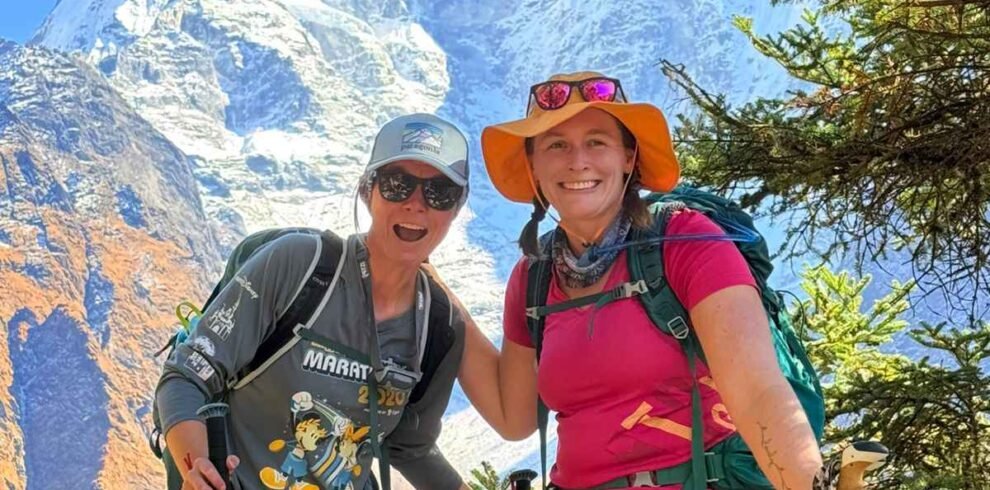
Everest Base Camp Trek Difficulty Explained
The Everest Base Camp Trek is generally considered a moderate to challenging high-altitude trek. You do not need technical climbing experience, but you should be prepared for several consecutive days of walking, significant elevation gain and spending time above 4,000 metres.
Daily Walking and Distance
Most trekking days involve around 4 to 7 hours of walking, although some days are shorter and the two acclimatization days are more flexible.
The most demanding day is usually the journey from Lobuche to Gorakshep, Everest Base Camp and back to Gorakshep, which can take around 8 to 9 hours depending on your pace, trail conditions and breaks.
The following morning, the early climb to Kala Patthar at approximately 5,555 metres adds another demanding high-altitude section before the long descent toward Pheriche.
The difficulty comes less from technical terrain and more from walking for several hours while gradually gaining altitude.
Altitude Is the Biggest Challenge
Altitude is one of the main reasons the Everest Base Camp Trek is considered challenging.
The route rises from around 1,400 metres in Kathmandu to 5,555 metres at Kala Patthar. The air becomes noticeably thinner as you climb higher, and even people who are very fit can find walking difficult at altitude.
This is why the itinerary includes acclimatization stops in Namche Bazaar and Dingboche. These additional nights give your body more time to adjust before you continue toward the higher elevations.
Altitude matters more than fitness alone: Being physically fit does not guarantee that you will have no problems at high altitude. Your pace, acclimatization, hydration, rest and how your body responds to elevation all matter.
Uphill and Downhill Walking
The Everest Base Camp trail is not a technical climbing route, but it is far from flat.
There are long uphill sections, stone steps, rocky trails and plenty of ups and downs. The climb toward Namche Bazaar is one of the first substantial uphill sections, while the trail between Dingboche, Lobuche and Gorakshep becomes increasingly demanding because of the altitude.
The downhill sections also require energy, particularly after reaching Everest Base Camp and Kala Patthar. Trekking poles can be useful for stability and can reduce some of the strain of prolonged descents.
Weather and Lukla Flights
Weather can add another layer of difficulty to an Everest Base Camp trek.
Conditions in the mountains can change quickly, particularly at higher elevations. Cold mornings, strong winds, cloud, snow and reduced visibility can affect walking conditions.
The Kathmandu–Lukla flight is also weather dependent. Delays and schedule changes can occur, which is why it is sensible to avoid booking an international flight immediately after your expected Lukla return without allowing some flexibility.
Do You Need Mountaineering Experience?
No technical mountaineering experience is required for the standard Everest Base Camp Trek.
You do not normally need ropes, ice axes or technical climbing skills. The challenge is primarily endurance, altitude and consecutive days of walking.
If you regularly walk, hike or participate in other endurance activities, you have a useful foundation. However, you should still prepare specifically for several hours of walking on uneven and hilly terrain.
How Should You Train for Everest Base Camp?
Start preparing several weeks or months before your departure rather than trying to build all your fitness immediately before the trek.
A practical training routine can include:
- Long weekend hikes
- Regular uphill walking or stair training
- Cardiovascular exercise
- Leg and core strengthening
- Walking on uneven terrain
- Occasional back-to-back walking days
- Practicing with the footwear and daypack you will use during the trek
You do not need to reproduce the Everest Base Camp altitude during training. What matters most is arriving in Nepal with enough endurance to walk for several hours on consecutive days.
Is There an Age Limit for Everest Base Camp?
There is no simple upper age number that determines whether someone can complete the Everest Base Camp Trek. Fitness, previous trekking experience, preparation and how your body responds to altitude are much more important than age alone.
We have welcomed older trekkers on the Everest route, including travelers in their 60s. A 60-year-old who regularly hikes may be better prepared than a younger traveler with little walking experience.
If you have an existing medical condition or concerns about how your body may respond to strenuous exercise or high altitude, discussing your plans with an appropriate medical professional before the trek is sensible.
Why Joining a Group Can Help
A group trek does not make Everest Base Camp physically easier, but it can make the logistics and daily experience more manageable.
Your local guide coordinates the route, accommodation and daily schedule while keeping an eye on the group’s pace and general condition. You also have fellow trekkers around you during the longer walking days, which many people find encouraging.
The key is not to race the group. A steady pace, proper acclimatization, enough hydration, appropriate rest and listening to your body are more important than reaching the next village as quickly as possible.
In short: Everest Base Camp is challenging but achievable for well-prepared trekkers. The biggest factors are not technical climbing ability or age; they are altitude, endurance, preparation and allowing enough time to acclimatize.
Altitude Sickness and Safety on the Everest Base Camp Trek
Altitude sickness, also called acute mountain sickness (AMS), is one of the main safety concerns on the Everest Base Camp Trek. It happens when the body has not yet adjusted to the lower oxygen availability at higher elevations. It is not simply a question of fitness, and even healthy and experienced trekkers can develop altitude illness.
The best approach is to ascend gradually, allow enough time for acclimatization and communicate with your guide if you feel unwell. If symptoms develop or become worse, continuing higher is not recommended. Rest, medical assessment and descent may be necessary depending on the severity of the symptoms.
Common Symptoms of Acute Mountain Sickness
Acute mountain sickness can develop after reaching higher elevations. Common symptoms include headache, unusual tiredness, loss of appetite, nausea, dizziness and disturbed sleep. Symptoms can vary from person to person.
If you experience these symptoms during the trek, tell your guide rather than trying to hide them or simply pushing through the day. Your guide can assess how you are feeling and help determine whether you should rest, remain at the same altitude or descend.
When Altitude Sickness Becomes an Emergency
More serious forms of altitude illness include high-altitude cerebral edema (HACE) and high-altitude pulmonary edema (HAPE). Both are medical emergencies and require immediate action.
Warning Signs to Take Seriously
- HACE: confusion, severe loss of coordination, unusual drowsiness or difficulty walking normally.
- HAPE: shortness of breath while resting, significant weakness or a persistent worsening cough.
- Worsening AMS: symptoms that continue to deteriorate even after stopping the ascent should be treated seriously.
If serious altitude illness is suspected, do not continue climbing. Descent to a lower elevation is an important part of treatment, while oxygen and other medical treatment may also be required depending on the circumstances. Emergency evacuation may be necessary when appropriate medical care cannot be provided locally.
How Our Guides Approach Altitude Safety
Our guides monitor trekkers throughout the journey and pay attention to changes in symptoms, walking ability, appetite, sleep and general condition as the group moves higher.
Where appropriate, guides may also use basic health-monitoring equipment such as a pulse oximeter as one additional piece of information. However, oxygen saturation readings are not used as a diagnosis by themselves. How a trekker feels and how symptoms are developing are equally important.
If a trekker becomes unwell, the guide can stop the ascent, arrange additional rest or recommend descent depending on the circumstances. In a genuine emergency, our local team can coordinate appropriate evacuation and medical assistance.
Can You Prevent Altitude Sickness?
No method can guarantee that altitude sickness will not occur. The most important prevention strategy is gradual ascent and proper acclimatization.
Our Everest Base Camp itinerary includes acclimatization stops in Namche Bazaar and Dingboche, giving trekkers additional nights at altitude before moving higher toward Lobuche, Gorakshep and Everest Base Camp.
Staying hydrated, eating regularly, getting enough rest and avoiding alcohol while acclimatizing can also support your body’s adjustment to altitude. Most importantly, listen to your body and tell your guide if something does not feel right.
What About Diamox?
Acetazolamide (Diamox) is a medication that can be used to help prevent or treat acute mountain sickness in appropriate circumstances. Whether it is suitable for you depends on your health history, medications and individual circumstances.
Do not start or stop altitude medication based only on information from a trekking website. If you are considering acetazolamide, discuss it with a qualified medical professional before your trip.
Important: Garlic soup, extra water or any particular food should not be presented as a treatment for altitude sickness. If symptoms become severe or continue to worsen, the priority is to stop ascending and obtain appropriate medical help or descend when advised.
Why Acclimatization Matters on Everest Base Camp
The Everest Base Camp route gradually takes you from Kathmandu at around 1,400 metres to elevations above 5,000 metres. The acclimatization days are therefore an important part of the itinerary rather than simply extra rest days.
A gradual approach gives your body more opportunity to adjust before reaching the highest sections of the trek. This is particularly important for travelers who have never previously spent several nights at high altitude.
Planning to join the Everest Base Camp group trek? Contact us to discuss your dates, itinerary and questions.
WhatsApp Us Email UsBest Time to Join the Everest Base Camp Trek Group
The best time to join an Everest Base Camp group trek is generally during the spring and autumn trekking seasons. March to May and late September to November offer the most favorable combination of trekking conditions, mountain visibility and available teahouse services.
The best month for you can depend on what matters most. If clear mountain views are your priority, autumn is an excellent choice. If you want warmer daytime conditions and the chance to see rhododendrons in bloom, spring is particularly attractive.
| Season | Months | What to Expect |
|---|---|---|
| Autumn | October–November | Generally stable weather, clear mountain views and dry trails. October is one of the busiest months on the Everest Base Camp route, while November is usually quieter and colder as the month progresses. |
| Spring | March–May | A popular season with increasingly warmer conditions, good mountain views and rhododendron blooms in the lower valleys. April and May are also the main expedition period on Everest. |
| Winter | December–February | Much colder conditions, particularly at Gorakshep and the higher villages. Snow and freezing temperatures can affect the trail, although clear days and fewer trekkers can make winter appealing to experienced hikers who are properly equipped. |
| Monsoon | June–August | Rain is more common on the lower approach, while clouds can reduce mountain visibility. The Everest region receives less monsoon rainfall than many lower parts of Nepal, but weather can still affect Lukla flights and trail conditions. |
October and November: The Most Popular Autumn Months
October and November are among the most popular months for the Everest Base Camp Trek. After the main monsoon period, the atmosphere is often clearer and the mountain views can be excellent.
October tends to be busier, particularly around Namche Bazaar, Tengboche, Lobuche and Gorakshep. If you prefer a quieter experience, November can be a good alternative, although temperatures become noticeably colder as winter approaches.
For travelers joining a fixed group departure, autumn is attractive because there are usually more trekkers on the route, making it easier to meet people and enjoy the social side of a group trek.
March to May: Spring Trekking Season
Spring is the second major trekking season in the Everest region. Temperatures generally become more comfortable as the season progresses, and the lower valleys begin to show signs of spring.
March can still be cold at higher elevations, while April and May are generally warmer. Rhododendron flowers add color to the lower sections of the trail, and trekkers may also encounter mountaineering expedition activity around Everest Base Camp during the main climbing season.
Winter: December to February
Winter brings much colder conditions, especially above Namche Bazaar. Snow and freezing temperatures can affect the higher sections of the route, and some accommodation and services may operate on a reduced basis.
The advantage is fewer trekkers and potentially very clear views on suitable days. Winter can be rewarding for experienced hikers who are comfortable with cold conditions and have the appropriate equipment, but it is not usually the first choice for someone trekking to Everest Base Camp for the first time.
Monsoon: June to August
The monsoon season is not the traditional peak season for Everest Base Camp. Rain is more common on the lower sections of the approach, and cloud can obscure the mountain views.
The Everest region lies in the rain shadow of the main Himalayan range and can receive less monsoon rain than many other trekking areas of Nepal. However, weather can still affect trail conditions and flights between Kathmandu and Lukla.
Which Season Is Best for a Group Trek?
For most first-time Everest Base Camp trekkers, autumn and spring are the safest choices for planning a fixed group departure. These seasons offer a good balance of weather, trail conditions, mountain scenery and available trekking services.
Our practical recommendation: If you want the classic Everest Base Camp experience with good mountain visibility and a lively trail, consider October–November or March–May. Whichever month you choose, allow some flexibility around Lukla flights because mountain weather can change quickly.
Who Should Join an Everest Base Camp Trek Group?
An Everest Base Camp group trek is suitable for many types of travelers, from first-time visitors to Nepal and solo trekkers looking to meet other people to couples and friends who prefer the social atmosphere of a shared departure.
The important thing to understand is that joining a group does not make the Everest Base Camp Trek an easy walk. You still spend several days at high altitude, including nights above 4,000 metres and a long trekking day to Everest Base Camp. The group option mainly makes the planning, logistics and cost easier while giving you other trekkers to share the experience with.
First-Time Visitors to Nepal
If this is your first trip to Nepal, a fixed group departure can remove much of the uncertainty involved in organizing a Himalayan trek. Your trekking company arranges the main logistics, including airport transfers, accommodation, permits, Lukla flights, guide and porter services.
You can therefore concentrate on preparing for the walking and enjoying the Everest region rather than trying to organize every part of the journey yourself.
Solo Travelers
Solo travelers are one of the main audiences for group departures. You can arrive in Nepal alone and join a group of other trekkers who are following the same itinerary and departure date.
This gives you the independence of traveling to Nepal on your own while still having company during the trek. You will share walking days, meals and teahouse evenings with other members of the group, and many friendships naturally develop along the route.
Couples and Friends
Couples and friends can also benefit from joining a group. Instead of spending the entire trek with only your own travel companion and guide, you have the opportunity to meet other international trekkers along the way.
It can be a particularly enjoyable option if you like the social side of trekking and do not require complete control over the daily schedule.
Budget-Conscious Trekkers
Cost is another major reason travelers choose a group departure. Shared services such as the guide, porter support and other trekking logistics can be distributed across several travelers, making the overall cost lower than arranging a private trek.
You still experience the same classic Everest Base Camp route, including Namche Bazaar, Tengboche, Dingboche, Lobuche, Gorakshep, Everest Base Camp and Kala Patthar.
Trekkers With Reasonable Walking Fitness
You do not need to be an experienced mountaineer to join an Everest Base Camp group trek. However, you should be comfortable with several hours of walking on consecutive days and be prepared for uphill and downhill sections on uneven mountain trails.
Previous hiking experience is useful, but regular walking and appropriate preparation can also provide a good foundation for the trek. The biggest challenge for many people is not technical climbing but adjusting to the increasing altitude while maintaining enough energy for the longer days.
A good group-trek candidate: You are comfortable walking for several hours, willing to follow a gradual itinerary, prepared for high-altitude conditions and happy to share the trekking experience with other travelers.
Older Travelers
Age by itself does not determine whether someone can complete Everest Base Camp. Travelers in their 50s and 60s regularly undertake the trek, provided they are appropriately prepared and comfortable with the physical demands of the route.
For older trekkers, preparation, pacing and acclimatization are particularly important. Walking at a sustainable pace and communicating openly with your guide if you feel unwell are more useful than trying to keep up with the fastest person in the group.
Who May Prefer a Private Everest Base Camp Trek?
A fixed group departure is not the best option for everyone. You may prefer a private trek if you want greater control over the itinerary or need more flexibility during the journey.
- Flexible walking pace: You want to walk according to your own speed rather than the group’s schedule.
- Extra rest days: You want the option to add additional acclimatization or recovery days.
- Personalized itinerary: You want to change overnight stops or add side trips where practical.
- Private travel experience: You prefer to trek only with your own family, friends or travel companions.
Group or private? Both options can take you along the same classic Everest Base Camp route. The main difference is the level of flexibility and the way the trekking costs are shared. A group departure is usually the better choice if you enjoy meeting other travelers and want a more economical option, while a private trek gives you greater control over the daily experience.
Alternative Options for Travelers With Limited Time
If you do not have enough time for the full 14-day trekking itinerary, there are other ways to experience the Everest region. Our Everest Base Camp Helicopter Tour reaches the Everest region in a single day, while the Everest Base Camp Trek with Helicopter Return combines the classic trekking experience with a helicopter return from the Everest region.
Is a Group Trek Right for You?
If you want to experience Everest Base Camp without organizing every detail yourself, enjoy meeting fellow travelers and are comfortable following a shared itinerary, a group departure can be an excellent choice.
If your priority is complete flexibility, a slower personalized pace or additional days for acclimatization, a private trek may be more appropriate.
The best choice depends less on age or trekking experience and more on how you prefer to travel, your preparation and the level of flexibility you need during the trek.
Planning to join the Everest Base Camp group trek? Contact us to discuss your dates, itinerary and questions.
WhatsApp Us Email UsPacking List for the Everest Base Camp Group Trek
Packing for Everest Base Camp is about finding the right balance between staying warm and carrying too much. Your main trekking luggage is carried by a porter, so you normally only need a comfortable daypack while walking. Keep the items you need during the day, such as water, snacks, a jacket, sunscreen and personal essentials, easily accessible.
Pack for changing conditions: Temperatures and weather can vary significantly between Kathmandu, Namche Bazaar, Dingboche and the higher sections of the trek. A good layering system is more useful than relying on one very heavy jacket.
Clothing and Warm Layers
- Moisture-wicking base layers: Bring comfortable thermal or moisture-wicking tops and bottoms for colder mornings and nights.
- Fleece or warm mid-layer: A fleece jacket or similar insulating layer is useful when temperatures drop, particularly in the morning and evening.
- Down or insulated jacket: A good-quality insulated jacket is important for the higher villages, especially around Lobuche, Gorakshep and during the early-morning Kala Patthar hike.
- Waterproof outer shell: A waterproof and wind-resistant jacket provides protection from rain, snow and strong mountain winds.
- Trekking trousers: Bring comfortable trousers suitable for several hours of walking, along with a warmer option for higher elevations.
- Warm hat, gloves and buff: These are particularly useful during early-morning starts and at higher elevations.
- Warm socks: Carry several pairs and keep at least one dry pair available for the higher sections.
Footwear
- Broken-in trekking boots: Choose comfortable boots with good grip and adequate support. Never start the trek with brand-new boots.
- Light shoes or sandals: Useful for changing footwear after reaching your teahouse at the end of the day.
- Blister protection: Pack blister plasters or other foot-care supplies even if you normally have no problems with your feet.
Daypack and Trekking Equipment
- 20–30 litre daypack: Large enough for water, snacks, camera, documents, extra layers and other items you need during the day.
- Trekking poles: Optional but very useful on steep sections and particularly during the long descents from the higher elevations.
- Headlamp: Essential for early starts, particularly the pre-dawn walk toward Kala Patthar. Carry spare batteries or a reliable rechargeable option.
- Rain cover: A waterproof cover helps protect your daypack and its contents when weather changes.
Water, Sun Protection and Personal Items
- Water bottles or hydration system: Carry enough capacity for your daily needs and refill regularly along the trail.
- Sunscreen: High-SPF sunscreen is important because strong sunlight and UV exposure are common at high altitude.
- UV-protection sunglasses: Good-quality sunglasses are particularly important on bright days and around snowy or glaciated areas.
- Lip balm with sun protection: Useful in cold, dry and windy conditions.
- Personal toiletries: Carry travel-sized toiletries, tissues, hand sanitizer and other personal essentials.
Health and First-Aid Essentials
- Personal medication: Bring enough of any regular prescription medication for the entire trip, plus a small extra supply where appropriate.
- Basic first-aid supplies: Blister treatment, bandages, antiseptic wipes and other simple personal first-aid items can be useful.
- Altitude medication: If a medical professional has recommended medication such as acetazolamide for you, carry it according to their instructions.
- Personal health documents: Keep important medical information and emergency contact details accessible during the trek.
Documents and Money
- Passport: Keep your original passport secure and accessible when required for travel and permits.
- Travel insurance details: Carry your policy information and emergency contact numbers. Make sure your insurance covers high-altitude trekking and emergency evacuation if required.
- Cash in Nepalese rupees: Carry enough cash for personal expenses such as drinks, snacks, charging, Wi-Fi and other services. Do not rely entirely on ATMs being available throughout the route.
- Copies of important documents: Keeping digital or printed copies of your passport and insurance details can be useful.
Electronics
- Phone and charging cable: Your phone can be useful for communication, navigation, photos and emergency contact.
- Power bank: A reliable power bank is useful when charging facilities are limited or unavailable.
- Camera: Optional, but the Everest region provides plenty of opportunities for photography.
Keep your daypack light: You will be carrying it for several hours on trekking days. Avoid filling it with items you will not need until reaching the next teahouse. Your guide can also advise you on what should stay in your daypack and what can remain in your main luggage.
Planning to join the Everest Base Camp group trek? Contact us to discuss your dates, itinerary and questions.
WhatsApp Us Email UsHow to Book Your Spot in the Everest Base Camp Trek Group
Booking your Everest Base Camp group trek with Next Trip Nepal is straightforward. You do not need to make an immediate payment or figure everything out before contacting us. First, talk to our team, ask your questions and discuss your travel plans. Once you are comfortable with the itinerary, price and arrangements, you can confirm your place.
Contact Us First
Send us a message through WhatsApp or email and tell us your preferred travel dates, number of travelers and any questions you have about the Everest Base Camp group trek.
Discuss Your Trek
Talk directly with our team about the itinerary, group departure dates, cost, accommodation, Lukla flights, permits, meals, porter service, packing and anything else you want to clarify before booking.
Choose Your Departure Date
Once you have all the information you need, choose the fixed group departure date that best fits your travel plans. If your preferred date is not listed, contact us and we can discuss the available options.
Confirm Your Place
After discussing everything with our team, simply confirm that you would like to join the selected departure. We will provide the booking confirmation and next steps.
No Advance Payment Required
You do not need to pay an advance deposit to confirm your place. Payment can be settled after you arrive in Nepal according to the agreed booking arrangements.
Prepare Your Documents and Gear
Before traveling to Nepal, prepare your passport, appropriate travel insurance and trekking equipment. We can also provide a packing list and practical preparation advice before your arrival.
Arrive in Kathmandu
Our team will welcome you in Kathmandu, arrange your airport transfer and help you prepare for the trek. You will also meet your guide and fellow group members before heading toward Lukla.
Start Your Everest Base Camp Trek
Once the group is ready, you fly to Lukla and begin the trek through the Khumbu Valley toward Namche Bazaar, Tengboche, Dingboche, Lobuche, Everest Base Camp and Kala Patthar.
No pressure to book immediately: We encourage you to ask questions before confirming your trek. You can discuss your dates, budget, fitness level, itinerary, accommodation, flights and any other concerns with our team first. When you are satisfied with the arrangements, you can confirm your group departure.
Ready to Discuss Your Everest Trek?
Contact us directly on WhatsApp or email us at info@nexttripnepal.com. Tell us your preferred dates and number of travelers, and our team will help you with the next steps.
Everest Base Camp Group Trek FAQs
Here are answers to the most common questions travelers ask before joining an Everest Base Camp group trek with Next Trip Nepal, including group size, cost, booking, payment, itinerary, Lukla flights, accommodation and preparation.
What is an Everest Base Camp group joining trek?
An Everest Base Camp group joining trek is a scheduled departure where individual travelers, couples or small groups join other trekkers on the same itinerary. The main trekking services, guide, permits, accommodation, meals and logistics are organized together, making it a practical and more affordable alternative to a private trek.
How much does the Everest Base Camp group trek cost?
The cost depends on the number of travelers joining the departure. Our published rates range from USD 1,449 per person for one traveler to USD 979 per person for groups of 13 or more. The package includes the services listed on this page, including Lukla flights, permits, guide, porter, teahouse accommodation and meals during the trek.
Do I need to pay an advance deposit to join the group trek?
No advance payment is required to confirm your place under our stated booking policy. You can first discuss your travel plans with our team, choose your preferred departure and confirm your place. Payment can then be settled after you arrive in Nepal according to the agreed booking arrangements.
Can I join the Everest Base Camp group trek if I am traveling alone?
Yes. Solo travelers are welcome to join our fixed group departures. You can arrive in Nepal on your own and meet your guide and fellow trekkers before the trek begins. This is one of the main advantages of a group departure for independent travelers.
How many people are in an Everest Base Camp group?
We aim to keep our Everest Base Camp departures small and manageable. The exact number can vary depending on the departure date and bookings, so contact our team for the current group size for your preferred date.
What is included in the Everest Base Camp group trek?
The package includes airport transfers in Kathmandu, Kathmandu hotel accommodation with breakfast, Kathmandu–Lukla flights, trekking permits, an experienced licensed guide, porter service, teahouse accommodation, three meals a day during the trek, acclimatization days, a trekking map, farewell dinner and applicable government taxes and service charges.
What is not included in the Everest Base Camp group trek?
International flights, Nepal visa fees, travel insurance, personal expenses, drinks, snacks, laundry, Wi-Fi, charging fees, personal trekking equipment and personal medical expenses are not included. Emergency evacuation and additional services required because of unforeseen circumstances are also separate.
How many days is the Everest Base Camp group trek?
Our group itinerary is 14 days from arrival in Kathmandu to departure. It includes the flight to Lukla, trekking to Everest Base Camp and Kala Patthar, the return trek to Lukla, the flight back to Kathmandu and the required acclimatization days.
Does the Everest Base Camp group trek include acclimatization days?
Yes. The itinerary includes acclimatization days in Namche Bazaar and Dingboche. These stops are an important part of the route because they allow trekkers additional time to adjust before continuing toward higher elevations.
How difficult is the Everest Base Camp group trek?
Everest Base Camp is a moderate to challenging high-altitude trek. You do not need technical mountaineering skills, but you should be prepared for several hours of walking on consecutive days, uphill and downhill sections, and spending multiple nights at elevations above 4,000 metres.
Do I need previous trekking experience for Everest Base Camp?
Previous high-altitude trekking experience is helpful but not essential. Many first-time Himalayan trekkers complete the Everest Base Camp route with proper preparation, a gradual itinerary and appropriate acclimatization. Good walking fitness and preparation are more important than technical climbing experience.
Is there an age limit for joining the Everest Base Camp group trek?
There is no simple upper age limit that determines whether someone can complete Everest Base Camp. Fitness, preparation, previous walking experience and individual response to altitude are more important than age alone. Travelers should consider their own health and discuss high-altitude trekking with a medical professional if they have concerns.
Are Lukla flights included in the group trek price?
Yes. The scheduled Kathmandu–Lukla and Lukla–Kathmandu flights are included in the package. Because Lukla flights operate in a mountainous environment, schedules can change because of weather or operational conditions, so some flexibility is important.
What type of accommodation is used on the Everest Base Camp group trek?
The trekking section uses local teahouses and mountain lodges along the Everest Base Camp route. Rooms are generally simple and practical, while dining areas provide meals and a place for trekkers to rest together after the day’s walk.
Are meals included during the Everest Base Camp group trek?
Yes. Breakfast, lunch and dinner are included during the trekking portion of the trip. Food options vary between teahouses, but common meals include dal bhat, noodles, rice, pasta, soups, potatoes, eggs and other simple trekking dishes.
Is porter service included in the Everest Base Camp group trek?
Yes. Porter service is included according to the package arrangements. A porter carries the main trekking luggage, allowing you to walk with a lighter daypack containing the items you need during the day.
What should I carry in my daypack during the Everest Base Camp trek?
Keep your daypack relatively light. Carry water, snacks, sunscreen, sunglasses, your camera or phone, personal medication, important documents and an extra warm or waterproof layer. Your main luggage is carried by the porter.
What is the best time to join an Everest Base Camp group trek?
Spring and autumn are generally the most popular trekking seasons. March to May offers spring conditions and rhododendron blooms at lower elevations, while October and November are popular for generally clear mountain views and established trekking conditions. Winter is colder, while the monsoon season can bring more cloud and rain on the lower sections.
How do I book an Everest Base Camp group departure with Next Trip Nepal?
The easiest way is to contact us first by WhatsApp or email. Tell us your preferred dates and number of travelers, then discuss the itinerary, cost, inclusions, flights, accommodation and any questions you have. Once you are comfortable with the arrangements, you can confirm your place without an advance payment under our stated booking policy.
Can I ask questions before confirming my Everest Base Camp group trek?
Absolutely. We encourage travelers to ask questions before booking. You can discuss your dates, fitness level, group size, itinerary, accommodation, Lukla flights, packing, permits, payment and any other concerns directly with our team before deciding whether the group departure is right for you.
Planning to join the Everest Base Camp group trek? Contact us to discuss your dates, itinerary and questions.
WhatsApp Us Email UsReady to Join the Everest Base Camp Trek Group
Joining a fixed group departure is the simplest way to reach Everest Base Camp. You get a confirmed date, a full team of trekkers, an experienced guide, and a price that covers nearly everything you need, all without paying anything in advance. Check current availability and reserve your date on the Everest Base Camp Trek page, or message the Next Trip Nepal team on WhatsApp at +977 9869225929 to find a departure that fits your travel plan. If you are searching for a Manaslu Circuit Trek group join us at https://nexttripnepal.com/join-manaslu-circuit-trek-group/
Planning to join the Everest Base Camp group trek? Contact us to discuss your dates, itinerary and questions.
WhatsApp Us Email Us