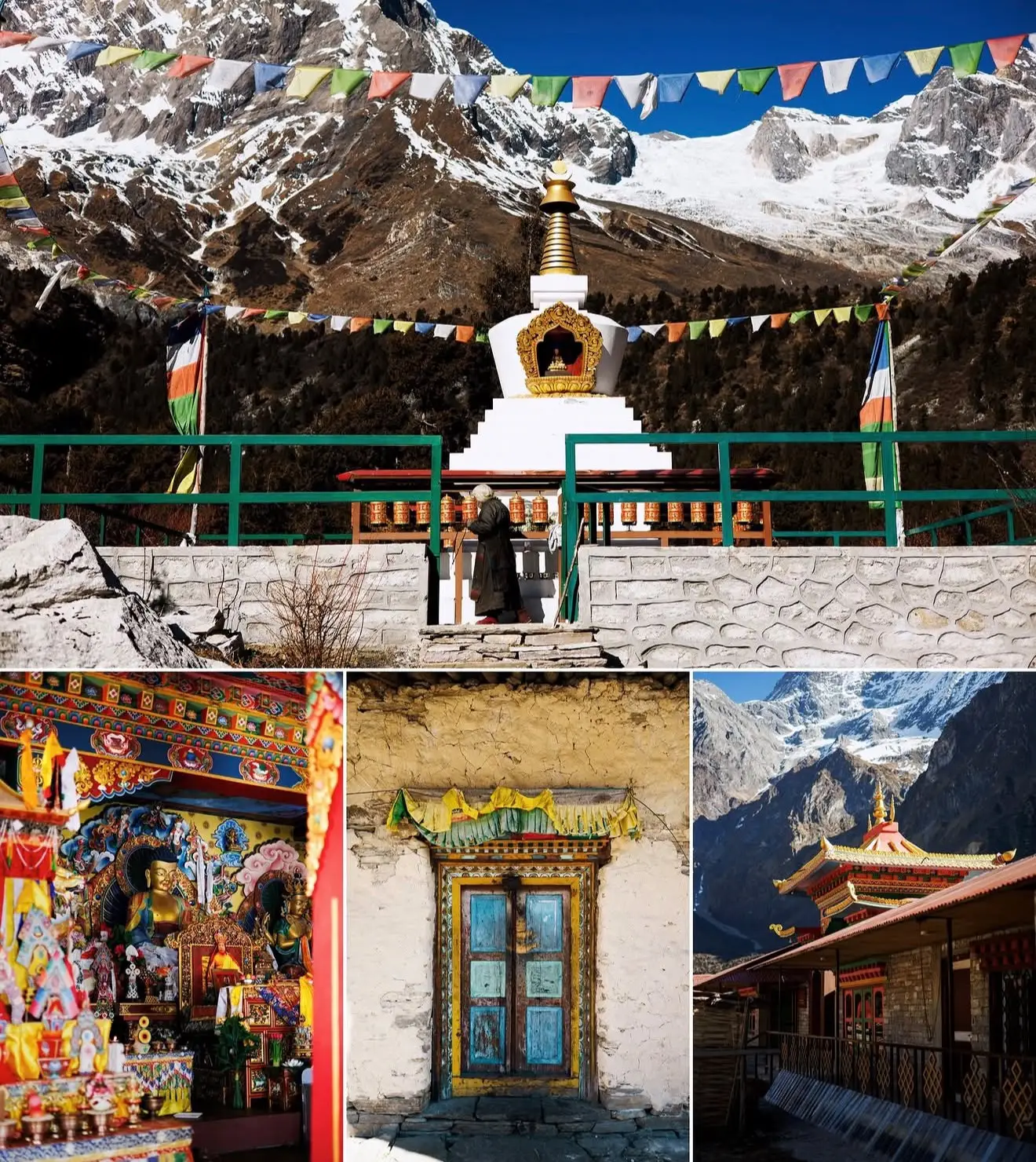
Manaslu Circuit Trek Group Departure in Nepal
If you want to experience the Manaslu Circuit Trek without the higher cost and planning involved in a private trek, joining a fixed group departure with a local trekking company is a practical choice. Next Trip Nepal organizes 13-day Manaslu Circuit group departures for travelers who want to trek with other people, have an experienced local guide and porter team, and let the trekking agency handle the permits, transportation, teahouse accommodation, meals, and day-to-day logistics. Our group trek price starts from USD 850 per person, with no advance payment required to reserve your place.
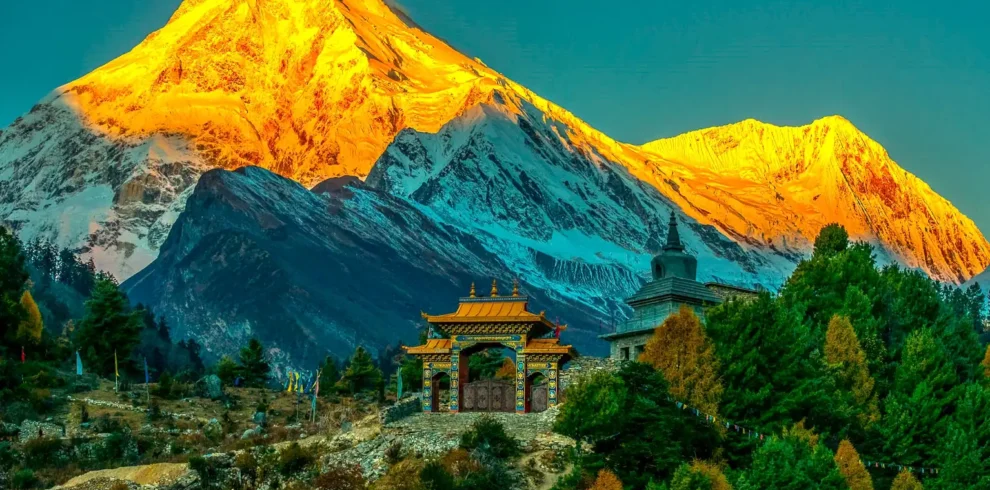
The Manaslu Circuit takes you around Mount Manaslu, the world’s eighth-highest mountain at 8,163 meters, following the Budhi Gandaki Valley from the lower hills into the high Himalayas. Along the way, you pass through traditional mountain villages, forests, waterfalls, mani walls, high mountain pastures, and remote settlements before reaching the most demanding part of the journey: Larkya La Pass at 5,106 meters. After crossing the pass, the trail descends through Bimthang and Dharapani before the journey back to Kathmandu. If you want to see the complete route, services, and detailed package information, visit our Manaslu Circuit Trek page.
Joining a group is particularly useful for travelers coming to Nepal alone or those who want to keep their trekking costs manageable without sacrificing local support. You can arrive in Nepal by yourself, meet your guide and fellow trekkers in Kathmandu, and then complete the trek together. Because Manaslu is a restricted trekking region, the required permits and trekking arrangements must be handled according to current government regulations, and our local team takes care of the necessary trekking arrangements for you.
This guide gives you the practical information you need before booking a Manaslu Circuit group trek, including departure dates, cost, permits, the complete 13-day itinerary, daily distances and walking times, altitude and acclimatization, guide and porter arrangements, difficulty, best seasons, packing requirements, what’s included and excluded, and how to book your place. If you already know that the Manaslu Circuit is the right trek for you, you can also view the full Manaslu Circuit Trek package and check the detailed trip information.
Manaslu Circuit Group Trek Departure Dates
Check the available group departure dates below and choose the date that best fits your travel plans. If your preferred date is not listed, contact our team and we can check the next available group option or discuss a private trek.
-
Guaranteed Group Discount Available Available PackagesFridayOctober 9, 2026WednesdayOctober 21, 2026$850Available
-
Guaranteed Group Discount Available Available PackagesSaturdayOctober 10, 2026ThursdayOctober 22, 2026$850Available
-
Guaranteed Group Discount Available Available PackagesSundayOctober 11, 2026FridayOctober 23, 2026$850Available
Planning to travel alone? You can still join a group departure, meet other trekkers in Kathmandu, and complete the Manaslu Circuit together with an experienced local trekking team.
Planning to join the Manaslu Circuit Group Trek and need help with departure dates, permits, itinerary, or booking?
WhatsApp us Email usManaslu Circuit Trek: Group Joining vs Private Trek
Not sure whether to join a Manaslu Circuit Trek group or book a private trek? Both options follow the same spectacular route, but the experience, flexibility, and price are different. Use the comparison below to choose the option that best matches your travel style and budget.
Choose Group Joining If…
You are a solo traveler or a small group, want a more affordable Manaslu trek, enjoy meeting people from different countries, and are comfortable following a fixed departure itinerary.
Choose Private Trek If…
You are traveling with family, friends, or a partner and prefer more privacy, flexible walking days, a customized itinerary, or your own preferred departure date.
Planning to join the Manaslu Circuit Group Trek and need help with departure dates, permits, itinerary, or booking?
WhatsApp us Email usWhy Join a Manaslu Circuit Trek Group?
Joining a group for the Manaslu Circuit Trek is a practical choice if you are travelling alone, with a partner, or with one or two friends and do not want to organize a private trek from the ground up. You follow the classic Manaslu route with an experienced local trekking team while sharing the journey with other travelers who have chosen the same departure.
One of the biggest advantages is the lower overall trekking cost. Guide services, porter arrangements, transportation, and other group logistics can be shared, making the Manaslu Circuit more accessible than arranging a private departure. You also get the social side of a Himalayan trek: many people arrive in Nepal alone and meet their trekking companions for the first time in Kathmandu.
1. Lower Trekking Cost
Group departures are generally more affordable than private treks because major trekking arrangements are shared among the group. It is a practical option for solo and budget-conscious travelers.
2. Ideal for Solo Travelers
You do not need to find a trekking partner before coming to Nepal. You can book your place, meet the group in Kathmandu, and start the trek together with your guide and fellow trekkers.
3. Meet Trekkers From Around the World
A group departure brings together travelers with different backgrounds and nationalities. Walking together, sharing meals, and experiencing the mountains often becomes an important part of the trek itself.
4. Experienced Local Guide
You have a local guide throughout the trek who manages the daily schedule, helps coordinate accommodation and logistics, and monitors how the group is adapting as the altitude increases.
5. More Peace of Mind
Manaslu is a remote high-altitude trekking region. Having an organized local team with you means you are not trying to manage permits, transportation, teahouses, and route decisions by yourself.
6. Fixed Departure Dates
Fixed departures make it easier to plan your flights, Kathmandu stay, travel insurance, and other parts of your Nepal trip around a known trekking schedule.
7. Permits and Logistics Are Arranged
The required trekking permits and major logistical arrangements are handled by the trekking agency. You can focus on preparing for the trek instead of visiting different offices or arranging everything yourself.
Transportation and other group arrangements can be shared, helping keep the overall package price reasonable while still providing the essential services needed for the trek.
9. A Social but Manageable Experience
A group trek gives you company on the trail without requiring you to pay for a completely private expedition. You can walk and dine together while still having your own personal time when needed.
10. No Need to Organize Your Own Group
You do not have to find several friends or strangers before coming to Nepal. Simply choose an available departure and join other trekkers who are travelling on the same itinerary.
Can Solo Trekkers Join the Manaslu Circuit Trek?
Yes, you can travel to Nepal on your own and arrange a Manaslu Circuit Trek, but solo travel and independent trekking are not the same thing. The Manaslu region is a restricted trekking area, so the required permits must be arranged through a registered trekking agency and the trek must follow the applicable government guide and permit requirements.
Travelling to Nepal Alone Is Not a Problem
You do not need to arrive in Nepal with a friend or trekking partner. Many travelers come to Nepal alone and then join a trekking group or arrange a private trek with a local guide.
For the Manaslu Circuit, the important point is that you cannot simply obtain the restricted-area permit yourself and start walking independently. A registered trekking agency needs to handle the permit and trekking arrangements.
Joining a Group Is an Easy Option for Solo Travelers
If you are travelling alone, joining one of our fixed Manaslu Circuit group departures is a practical option. You book one place, meet your guide and fellow trekkers in Kathmandu, and then travel together from the trailhead.
You do not have to search for other trekkers yourself or organize separate transportation, permits, accommodation, and guide services. These arrangements are handled by our local trekking team.
Why Solo Travelers Choose Our Group Departure
- Travel to Nepal alone and meet your trekking group in Kathmandu.
- Join other international trekkers without arranging a group yourself.
- Have the required trekking permits arranged by a registered agency.
- Trek with an experienced local guide throughout the route.
- Share transportation and other group trekking arrangements.
- Enjoy the social side of trekking without booking a private trip.
- Reduce the overall cost compared with arranging a private trek alone.
- Have local support available before and during the trek.
What About the Two-Trekker Permit Rule?
You may find different information online about the minimum number of trekkers required for a Manaslu Restricted Area Permit. Some older websites still publish previous rules, while trekking regulations and permit procedures can be updated by the authorities.
For this reason, we do not recommend relying on an old blog post or forum discussion when planning your trek. Before your departure, Next Trip Nepal checks the applicable permit requirements for your dates and arranges the necessary documentation through the proper government process.
Solo Trek or Group Trek: Which Is Better?
A group departure is usually the better choice if you are travelling alone and want to keep the cost manageable while meeting other trekkers. You follow the planned itinerary and share the experience with the group.
A private trek may suit you better if you want your own guide, a completely private arrangement, more flexibility with the itinerary, or the ability to adjust the pace and walking schedule around your preferences.
Planning to join the Manaslu Circuit Group Trek and need help with departure dates, permits, itinerary, or booking?
WhatsApp us Email usGroup Joining Manaslu Circuit Trek Cost 2026 and 2027
The group joining Manaslu Circuit Trek cost with Next Trip Nepal starts from USD 850 per person for the 13-day trip. The price includes the main trekking services, including the required permits, licensed guide, porter service, teahouse accommodation, and three meals a day during the trek.
For solo travelers and trekkers looking for a more affordable way to experience the Manaslu Circuit, joining a group is a practical option. You travel with other trekkers who have selected the same departure while still receiving organized support from a local trekking team.
| Item | Details |
|---|---|
| Trip duration | 13 days, including transportation to and from Kathmandu |
| Group joining price | From USD 850 per person |
| Advance payment | No advance deposit required. Confirm your departure date and settle the payment after arriving in Nepal. |
| Payment options | Cash on arrival, bank transfer, or card payment |
| Group size | Small group departures with one guide managing up to seven trekkers, with porter service arranged according to the group. |
Why Is Our Group Joining Manaslu Trek Affordable?
The main advantage of joining a group is that several trekking arrangements are shared between travelers. Instead of booking a completely private departure, you travel with other trekkers who have selected the same departure date. This helps keep the overall cost lower while still providing a licensed local guide, permits, accommodation, meals, and porter support.
Our no-advance-payment policy also makes the booking process straightforward. You can confirm your place on an available group departure without sending a large deposit months before your trek. Payment can be settled after you arrive in Nepal according to the agreed booking terms.
What Can Affect the Manaslu Circuit Trek Cost?
The final cost of a Manaslu Circuit Trek can vary depending on the departure date, group size, transportation arrangements, accommodation preferences, and services included in the package. This is why it is important to compare what is included in the price, rather than looking only at the advertised package cost.
When comparing different Manaslu group departures, check whether the price includes the restricted-area trekking permit, conservation area permits, guide, porter, accommodation, meals, ground transportation, and other necessary trekking arrangements. A lower advertised price may not include all of these services.
Is USD 850 the Final Cost?
Your personal expenses are separate, such as international flights, Nepal visa fees, travel insurance, hot showers, Wi-Fi, charging, drinks, snacks, and tips.
Before booking, check the latest departure date and the exact inclusions for your trip. This helps you understand exactly what is covered and allows you to plan your personal trekking budget properly.
13 Day Manaslu Circuit Trek Group Itinerary Overview
This 13-day group departure follows the classic Manaslu Circuit route, including the drive from Kathmandu, the main trekking days, acclimatization stops at Sama Gaon and Samdo, the crossing of Larkya La Pass, and the return journey from Dharapani to Kathmandu.
| Day | Route | Distance | Duration |
|---|---|---|---|
| Day 1 | Drive from Kathmandu to Machha Khola | Approx. 160 km | 8–9 hours |
| Day 2 | Trek from Machha Khola to Jagat | Approx. 22 km | 6–7 hours |
| Day 3 | Trek from Jagat to Deng | Approx. 19 km | 6–7 hours |
| Day 4 | Trek from Deng to Namrung | Approx. 19 km | 6–7 hours |
| Day 5 | Trek from Namrung to Lho | Approx. 11 km | 4–5 hours |
| Day 6 | Trek from Lho to Sama Gaon | Approx. 15 km | 4–5 hours |
| Day 7 | Acclimatization day at Sama Gaon with optional hike to Pungyen Gumba | Approx. 7–8 km* | Optional 3–4 hours |
| Day 8 | Trek from Sama Gaon to Samdo | Approx. 8 km | 3–4 hours |
| Day 9 | Acclimatization day at Samdo with optional hike toward the Tibet border | Approx. 8–10 km* | Optional 4–5 hours |
| Day 10 | Trek from Samdo to Dharamsala | Approx. 12 km | 4–5 hours |
| Day 11 | Cross Larkya La Pass (5,106 m) and descend to Bimthang | Approx. 18 km | 8–9 hours |
| Day 12 | Trek from Bimthang to Dharapani | Approx. 14 km | 6–7 hours |
| Day 13 | Drive from Dharapani to Kathmandu | Approx. 215 km | 9–10 hours |
Planning to join the Manaslu Circuit Group Trek and need help with departure dates, permits, itinerary, or booking?
WhatsApp us Email usPermits Required to Join the Manaslu Circuit Trek Group
The Manaslu Circuit passes through a restricted trekking area and protected conservation areas, so several permits are required before you start the trek. You do not need to arrange these permits yourself when joining our group departure. Our trekking team prepares the required permits and includes them in the package price.
1. Manaslu Restricted Area Permit
The Manaslu Restricted Area Permit (RAP) is the main special permit required for the restricted section of the Manaslu Circuit. It must be arranged through a registered trekking agency before entering the restricted area.
September–November: USD 100 per person for the first 7 days, then USD 15 per person per additional day.
December–August: USD 75 per person for the first 7 days, then USD 10 per person per additional day.
The exact permit cost depends on your trekking dates and the number of days covered by the restricted-area permit.
2. Manaslu Conservation Area Permit
The Manaslu Conservation Area Permit (MCAP) is required because the trek passes through the Manaslu Conservation Area. The applicable conservation-area entry fee is included in our trekking package.
This permit supports the management and conservation of the protected area and may be checked at designated checkpoints along the route.
3. Annapurna Conservation Area Permit
The final section of the classic Manaslu Circuit descends toward Dharapani and connects with the Annapurna region. For the standard route, an Annapurna Conservation Area Permit (ACAP) is therefore required.
Our trekking team arranges the required ACAP as part of the group trek package, so you do not need to visit the permit office yourself.
4. TIMS Card
The Trekker’s Information Management System (TIMS) is part of the trekking documentation applicable to the Manaslu Circuit. The required documentation is arranged through the registered trekking agency.
Our team handles the necessary trekking documentation before the group leaves Kathmandu.
Who Arranges the Permits?
You do not need to visit several government offices yourself. When you join our Manaslu Circuit group trek, Next Trip Nepal handles the required trekking permits and related arrangements as part of the trekking package.
We collect the necessary information from you and complete the permit process before the group starts the trek.
Planning to join the Manaslu Circuit Group Trek and need help with departure dates, permits, itinerary, or booking?
WhatsApp us Email usFull Day-by-Day Itinerary for the Group Trek
Our 13-day Manaslu Circuit group trek follows the classic route from Kathmandu to Machha Khola, through the upper Manaslu villages, across Larkya La Pass, and down to Dharapani before returning to Kathmandu. Each day below includes the approximate altitude, distance, travel time, and overnight accommodation.
Day 1: Kathmandu to Machha Khola
The group leaves Kathmandu in the morning and drives toward Machha Khola, passing through terraced hills, local villages, river valleys, and winding mountain roads. The road journey normally takes around 8 to 9 hours, although traffic and road conditions can affect the actual travel time. Machha Khola is the starting point of the walking section of the Manaslu Circuit, where we spend the night in a local teahouse.
Day 2: Machha Khola to Jagat
Today is the first full trekking day. The trail follows the Budhi Gandaki River through forests, small settlements, suspension bridges, and sections of uneven mountain trail. The route has several short climbs and descents before reaching Jagat after around 6 to 7 hours. Jagat is an important settlement on the Manaslu route, and the group stays overnight in a local teahouse.
Day 3: Jagat to Deng
From Jagat, the trail continues deeper into the Budhi Gandaki Valley. The landscape becomes more dramatic, with steep cliffs, waterfalls, forests, and river crossings. The trail passes through Philim and several smaller settlements before reaching Deng. After approximately 6 to 7 hours of walking, the group settles into a local teahouse for the night.
Day 4: Deng to Namrung
The trail gradually climbs from Deng toward Namrung through bamboo and forested sections. The valley becomes narrower in places and some trail sections can be rough, so the guide keeps the group at a steady pace. After around 6 to 7 hours, we arrive at Namrung, where the landscape begins to open and the high Manaslu peaks become more visible. Overnight is at a local teahouse.
Day 5: Namrung to Lho
The character of the trek changes as we enter the higher Nubri Valley. You will notice more Tibetan-style architecture, mani walls, prayer flags, traditional villages, and mountain fields. The trail climbs gradually toward Lho, taking around 4 to 5 hours. On a clear day, the views toward Manaslu are excellent from the village. We spend the night in a teahouse.
Day 6: Lho to Sama Gaon
We continue toward Sama Gaon through pine and rhododendron forest, open mountain terrain, and traditional Nubri villages. The walk takes approximately 4 to 5 hours. Sama Gaon is one of the most important settlements on the Manaslu Circuit and is our base for acclimatization and exploring the surrounding mountains. Overnight is in a local teahouse.
Day 7: Acclimatization Day at Sama Gaon
We spend another night at Sama Gaon to allow the body to adjust to the altitude before climbing higher. Depending on weather and the group’s condition, we can take an optional hike toward Pungyen Gumba or Birendra Lake. The hike is not compulsory. The main purpose of the day is proper acclimatization, so the guide will choose an appropriate activity for the group.
Day 8: Sama Gaon to Samdo
After acclimatizing at Sama Gaon, we continue toward Samdo. The trail gradually enters a more open and alpine environment as the tree line disappears. The route passes yak pastures, mani walls, and wide mountain landscapes. It is a relatively short walking day of around 3 to 4 hours, giving the group time to rest after reaching Samdo and prepare for the higher sections ahead.
Day 9: Acclimatization Day at Samdo
This second acclimatization day gives the group another night at higher altitude before moving to Dharamsala and crossing Larkya La Pass. If weather and conditions are suitable, an optional hike can be taken to higher ground above Samdo for wider views of the surrounding mountains. The exact activity depends on the group’s condition and the guide’s recommendation. We spend another night in Samdo.
Day 10: Samdo to Dharamsala
The trail leaves Samdo and climbs into a much more exposed high-altitude landscape. Vegetation becomes sparse and the surrounding terrain feels increasingly rugged. After approximately 4 to 5 hours, we reach Dharamsala, also known as Larkya Phedi. This is the final overnight stop before the pass crossing. Accommodation here is basic, and the group normally rests early because the following morning starts before sunrise.
Day 11: Dharamsala to Bimthang via Larkya La Pass
This is the longest and most demanding day of the trek. The group starts early from Dharamsala and climbs gradually toward Larkya La Pass at 5,106 meters. The high altitude makes the climb slower than the distance might suggest, so we maintain a steady pace and take regular breaks. Depending on the season, snow and icy sections may be present around the pass. On clear days, the top offers impressive views of Himlung Himal, Cheo Himal, Kang Guru, and Annapurna II. After crossing the pass, we make a long descent toward Bimthang. The full day normally takes around 8 to 9 hours. Overnight is at a teahouse in Bimthang.
Day 12: Bimthang to Dharapani
After crossing Larkya La, the landscape changes quickly as we descend from the high alpine zone toward greener valleys. The trail passes through forest, open pasture, and mountain villages before reaching Dharapani. The walk takes around 6 to 7 hours. Dharapani is an important road junction and is also where the Manaslu Circuit connects with the Annapurna Circuit route. We spend our final night of the trek in a teahouse.
Day 13: Dharapani to Kathmandu
After breakfast, the group leaves Dharapani and begins the long road journey back to Kathmandu. The route follows the lower Marsyangdi Valley and continues through the hill country toward the capital. Travel time is generally around 9 to 10 hours, although road conditions can affect the journey. Once we arrive in Kathmandu, the 13-day Manaslu Circuit group trek comes to an end.
Best Time to Join the Manaslu Circuit Trek Group
The best time to join a Manaslu Circuit group departure is during spring and autumn. These seasons generally offer better trekking conditions, clearer mountain views, and more reliable trail conditions around Larkya La Pass.
Autumn – The Most Popular Season
September to NovemberAutumn is the busiest and most popular period for the Manaslu Circuit. After the monsoon, the atmosphere is usually clearer and the mountain views are excellent. October and November are especially popular for group departures because of generally stable weather and good visibility. The trails and teahouses are also more active during this period.
Spring – Excellent for Trekking
March to MaySpring is another excellent season to join the Manaslu group trek. Temperatures gradually become warmer, the lower sections of the trail become greener, and rhododendrons add color to the landscape. March and April are particularly good choices, while conditions can become warmer and cloudier toward May as the monsoon approaches.
Winter – Cold but Possible
December to FebruaryWinter is much quieter, but conditions become significantly colder at higher elevations. Snow and freezing temperatures can affect the Larkya La section, and accommodation and trail conditions can also be more limited. Winter departures should therefore be planned carefully around current weather and trail conditions.
Monsoon – Less Reliable
June to AugustThe lower Manaslu region receives monsoon rain during these months. Roads can become difficult, trails may be muddy or affected by landslides, and mountain visibility is often limited. Although some parts of the region can still be travelled, this is not our preferred season for a standard fixed group departure.
Planning to join the Manaslu Circuit Group Trek and need help with departure dates, permits, itinerary, or booking?
WhatsApp us Email usManaslu Circuit Trek Difficulty Explained
The Manaslu Circuit Trek is generally considered a moderately challenging to challenging high-altitude trek. You do not need technical mountaineering experience, but you should be comfortable walking for several hours a day on uneven mountain trails and be prepared for the long Larkya La Pass crossing at 5,106 meters.
Distance and Daily Walking
The Manaslu Circuit covers roughly 170 km of trekking and road travel, although the exact distance varies depending on the route and transportation used. Most walking days take around 4 to 8 hours, with the Larkya La crossing being the longest and most demanding day.
The trail changes considerably during the trek. Lower sections pass through forests, villages, suspension bridges, and river valleys, while the upper section becomes more open and alpine around Samdo, Dharamsala, and Larkya La.
Altitude and Acclimatization
Altitude is one of the most important factors to consider. The route climbs from the lower Budhi Gandaki Valley to 5,106 meters at Larkya La Pass.
Our standard group itinerary includes acclimatization days at Sama Gaon (3,500 m) and Samdo (around 3,875 m) before the pass crossing. These extra nights allow the group to gain altitude more gradually rather than rushing directly toward the highest section.
The guide also keeps an eye on how everyone is feeling as the group climbs higher. If someone is not feeling well, the guide can assess the situation and decide whether additional rest, a slower pace, or a change in the plan is necessary.
Larkya La Pass Day
The crossing of Larkya La Pass at 5,106 m is the hardest day of the trek. The group normally starts early from Dharamsala because the trail is long and conditions at high altitude can become more difficult later in the day.
The ascent is steady rather than technical, but the altitude makes even a moderate climb feel harder. Depending on the season, snow, ice, strong wind, or cold temperatures can also make the crossing more demanding.
After reaching the pass, there is still a long descent to Bimthang, so good pacing is important. The guide sets a steady pace and takes breaks when necessary.
Weather and Trail Conditions
Mountain weather can change quickly, particularly around the higher sections of the route. A morning that starts clear can become windy or cloudy later in the day.
During the lower part of the trek, rain can affect trail and road conditions, while higher elevations can experience snow and freezing temperatures depending on the season.
For group departures, the guide checks the conditions and manages the walking schedule accordingly. The planned itinerary provides a structure, but safety takes priority if weather or trail conditions require an adjustment.
Do You Need Trekking Experience?
You do not need previous Himalayan trekking or mountaineering experience to join the Manaslu Circuit group trek. However, being reasonably fit and accustomed to walking for several hours will make the experience much more comfortable.
Before coming to Nepal, it is useful to build up your walking endurance through regular hiking, long walks, running, cycling, swimming, or other suitable cardio activities. Basic leg and core strength can also help with repeated climbs and descents.
Is the Group Trek Harder Than a Private Trek?
The actual trail and altitude are the same whether you join a group or book a private Manaslu Circuit Trek. The main difference is flexibility.
On a group departure, everyone follows the planned itinerary and the guide manages a pace that works for the group as a whole. On a private trek, there is generally more flexibility to discuss walking pace, rest days, and itinerary adjustments.
For many solo travelers, joining a group is a practical way to trek Manaslu because you have a local guide managing the route and supporting the group throughout the journey.
How to Prepare for the Manaslu Circuit
You do not need extreme training, but preparation makes a noticeable difference. In the weeks before your trek, focus on:
- Regular walking and hiking.
- Longer weekend hikes to build endurance.
- Uphill and downhill walking.
- Cardio exercise such as cycling, running, or swimming.
- Basic leg and core strength exercises.
- Practicing with the footwear and trekking equipment you plan to use.
- Getting comfortable walking for several consecutive days.
Most importantly, do not try to rush the trek. The Manaslu Circuit is a high-altitude journey, and taking the time to acclimatize properly is more important than trying to walk as fast as possible.
Who Should Join a Manaslu Circuit Trek Group?
A group departure is a good option for trekkers who want to experience the Manaslu Circuit with a local guide, shared trekking arrangements, and the company of other travelers without paying the higher cost of a private trek.
Solo Travelers
If you are travelling alone but do not want to trek Manaslu completely on your own, joining a group gives you the opportunity to meet other trekkers while having a professional guide manage the route and trekking logistics.
Budget-Conscious Trekkers
Group departures can be more affordable because transportation, guide services, and other trekking arrangements are shared across the group. It is a practical choice if you want the full Manaslu experience while keeping the overall trip cost reasonable.
First-Time Manaslu Trekkers
You do not need previous experience on the Manaslu Circuit. If you are comfortable with several hours of walking and are prepared for high-altitude trekking, a group departure provides the support of a local guide throughout the route.
Travelers Who Enjoy Meeting People
A group trek naturally creates opportunities to walk, eat, and share the mountain experience with people from different countries. The group may start as strangers, but spending nearly two weeks together often makes the journey more social and enjoyable.
Trekkers With a Flexible Schedule
Fixed departures work best if your travel dates match the scheduled group dates. Everyone follows the same planned itinerary, so you do not need to organize separate transportation, permits, accommodation, or guide arrangements yourself.
Trekkers Who Prefer Local Support
The Manaslu Circuit is a remote high-altitude route with changing trail and weather conditions. Joining with a local trekking team means you have someone who understands the route, teahouse system, permits, transportation, and practical conditions on the trail.
Active and Reasonably Fit Travelers
You should be prepared to walk for around 4 to 8 hours on trekking days, with the Larkya La Pass day being longer and more demanding. Regular walking, hiking, or other endurance activities before the trek will make the journey more comfortable.
Group trekking means sharing the journey with other people and following a common itinerary. It is a good fit if you are comfortable with shared transportation, teahouse accommodation, group walking pace, and occasional changes caused by weather or trail conditions.
Planning to join the Manaslu Circuit Group Trek and need help with departure dates, permits, itinerary, or booking?
WhatsApp us Email usPacking List for the Manaslu Circuit Group Trek
Packing for the Manaslu Circuit is about finding the right balance between staying warm at high altitude and keeping your luggage manageable. The trek starts in the relatively warm lower Budhi Gandaki Valley and climbs to 5,106 meters at Larkya La Pass, so you need clothing and equipment suitable for very different conditions.
1. Main Luggage for the Porter
Your main trekking clothes and equipment should go into a durable duffle bag or trekking bag carried by the porter. Each porter carries the luggage of two trekkers, with a combined maximum weight of 20 kg.
- 1 duffle bag: ideally around 60–70 litres.
- Clothing: pack according to the season rather than bringing several duplicate outfits.
- Warm layers: essential for Sama Gaon, Samdo, Dharamsala, and Larkya La.
- Sleeping bag: we provide a sleeping bag for the trek, but you may bring your own if preferred.
- Down jacket: provided by us; you can also use your own suitable jacket.
- Personal toiletries and other non-daily items.
2. Small Daypack
Because your main luggage will travel with the porter, you should carry a small daypack yourself. A 20–30 litre backpack is usually enough for the things you need while walking.
- Water bottle or hydration system.
- Rain jacket or waterproof shell.
- Fleece or warm layer.
- Gloves and warm hat when required.
- Sunglasses and sunscreen.
- Camera or phone.
- Power bank and charging cable.
- Small personal first-aid items.
- Snacks or energy food for the day’s walk.
- Passport and important documents in a waterproof pouch.
3. Trekking Clothing
Use a layering system rather than carrying many heavy clothes. Lower sections can be warm during the day, while the upper Manaslu region can be very cold, particularly around Dharamsala and Larkya La.
- 2–3 moisture-wicking trekking T-shirts.
- 1–2 long-sleeve trekking shirts.
- 1 fleece or warm mid-layer.
- 1 insulated/down jacket.
- 1 waterproof and windproof outer jacket.
- 2 pairs of trekking trousers.
- 1 lightweight thermal or warm trouser.
- 2–3 pairs of trekking socks.
- 1–2 pairs of warm socks for higher elevations.
- Thermal base layer for cold nights and the Larkya La crossing.
- Warm hat or beanie.
- Sun hat or cap.
- Lightweight gloves plus a warmer pair for high altitude.
4. Trekking Footwear
Good footwear is one of the most important parts of your packing list. The trail includes rocky sections, uneven ground, steep ascents and descents, and potentially snowy conditions around the pass depending on the season.
- 1 pair of comfortable trekking boots: properly broken in before the trek.
- 1 pair of lightweight camp shoes or sandals: useful inside the teahouse.
- Extra trekking socks.
- Optional gaiters if travelling during a snowy or wet period.
Do not bring brand-new boots directly to the Manaslu Circuit. Walk in them beforehand so you know they are comfortable and do not cause problems during long trekking days.
5. Sleeping and Personal Comfort
- Sleeping bag – provided by our company.
- Down jacket – provided by our company.
- Small travel pillow or inflatable pillow if preferred.
- Earplugs if you are sensitive to noise.
- Quick-drying travel towel.
- Small headlamp with spare batteries.
6. Sun and Weather Protection
UV exposure becomes stronger as you gain altitude, even when the temperature feels cold. Proper protection is particularly important around Sama Gaon, Samdo, and Larkya La.
- UV-protection sunglasses.
- High-SPF sunscreen.
- Lip balm with sun protection.
- Sun hat or cap.
- Waterproof jacket.
- Waterproof trousers if travelling during wet conditions.
- Small waterproof cover for your daypack.
7. Water and Snacks
- Reusable water bottle or hydration bladder.
- Water purification tablets or a suitable water filter.
- Electrolyte or rehydration drink if you normally use one.
- Small snacks such as energy bars, nuts, dried fruit, or chocolate.
Bottled and boiled water are available at teahouses along the route, although availability and price can change as you travel higher. A reusable bottle is a practical choice and helps reduce unnecessary plastic waste.
8. Toiletries and Personal Items
- Toothbrush and toothpaste.
- Small biodegradable soap.
- Small shampoo or personal hygiene products.
- Toilet paper and tissues.
- Wet wipes and hand sanitizer.
- Moisturizer or lip balm for dry mountain conditions.
- Small quick-drying towel.
- Personal medication if regularly required.
9. Documents and Money
- Valid passport.
- Copies or digital backups of important travel documents.
- Travel insurance details.
- Emergency contact information.
- Some Nepalese rupees in cash for personal expenses.
- Small waterproof document pouch.
Keep your passport, money, phone, and other important documents in your daypack rather than putting them inside the luggage carried by the porter.
10. Electronics
- Mobile phone.
- Power bank.
- Charging cables.
- Camera and spare batteries if required.
- Universal travel adapter.
- Small waterproof pouch for electronics.
Charging facilities are available at many teahouses but may cost extra, particularly at higher elevations. A good power bank is therefore useful for a group trek.
11. Small First-Aid and Personal Health Items
Our trekking team carries a basic first-aid kit, but you should still bring personal items that you normally use.
- Personal prescription medicines.
- Basic blister care.
- Small bandages.
- Personal pain-relief medicine if normally used.
- Any regular personal health supplies.
- Copies of prescriptions where appropriate.
Do not rely on the trekking team to carry medication specific to your individual needs. Bring anything you regularly require from home.
12. What You Should Not Overpack
The 10 kg per person porter limit is important. Carrying unnecessary items only makes the luggage heavier and harder for the porter to manage.
- Too many changes of clothes.
- Large bottles of toiletries.
- Heavy shoes that you will rarely use.
- Unnecessary electronics.
- Large towels.
- Multiple heavy jackets when a good layering system is enough.
- Anything you can comfortably leave at your Kathmandu hotel.
Planning to join the Manaslu Circuit Group Trek and need help with departure dates, permits, itinerary, or booking?
WhatsApp us Email usHow to Book Your Spot in the Manaslu Circuit Trek Group
Booking a place on our Manaslu Circuit group departure is straightforward. Choose a suitable departure date, confirm your place with our team, and prepare for your trek. We do not require an advance payment to reserve your group-joining seat.
Check the Group Departure Dates
Visit our Manaslu Circuit Trek page and check the available group departure dates. Choose a date that matches your travel plans and allows enough time to arrive in Kathmandu before the trek begins.
Contact Us About Your Date
If you have questions about a departure date or cannot find a date that works for you, contact our team directly. We can check upcoming group departures and discuss the available options with you.
Confirm Your Seat
Once you are happy with the date and itinerary, confirm your place with our team. No advance payment is required to hold your place on our group departure, subject to the agreed booking arrangement.
Prepare Your Travel Documents
Make sure your passport is valid for travel and arrange suitable travel insurance covering high-altitude trekking and emergency evacuation. Keep copies of important documents and passport photos available for your trip and permit requirements.
Arrive in Kathmandu
We recommend arriving in Kathmandu at least one day before the trek. This gives you time to rest, meet the trekking team, attend the pre-trek briefing, and make sure your equipment is ready before departure.
Settle the Trek Payment
Payment can be settled after you arrive in Nepal according to the agreed arrangement. We accept cash, bank transfer, or card. The team will explain the available payment options before your trek starts.
Meet Your Group and Guide
Before leaving Kathmandu, you will meet your guide and fellow trekkers. Your guide will go through the itinerary, important safety information, packing requirements, and the practical details for the journey ahead.
Start Your Manaslu Circuit Adventure
Once everything is ready, the group travels from Kathmandu toward Machha Khola and begins the trek through the Manaslu region, eventually crossing Larkya La Pass at 5,106 meters before descending toward Dharapani.
You can contact our team directly on WhatsApp at +977 9869225929 or email us at nexttripnepal@gmail.com . If you are unsure which departure date is suitable for you, just send us your preferred travel dates and we will help you choose the most suitable group departure.
Planning to join the Manaslu Circuit Group Trek and need help with departure dates, permits, itinerary, or booking?
WhatsApp us Email usFrequently Asked Questions About the Manaslu Circuit Group Trek
These are some of the most common questions travelers ask before joining a Manaslu Circuit group departure. If you are unsure about the cost, departure dates, permits, difficulty, accommodation, luggage, or booking process, the answers below should help you decide whether a group trek is right for you.
How much does the Manaslu Circuit group trek cost?
Our 13-day Manaslu Circuit group trek starts from USD 850 per person. The exact price can depend on the departure and current group arrangements. The package covers the main trekking services, including required permits, guide, porter, teahouse accommodation, meals during the trek, and planned transportation.
Do I need to make an advance payment to join the group?
No advance payment is required to reserve your place under our group departure booking arrangement. We confirm your travel details and departure date with you first, and payment is settled according to the agreed arrangement after you arrive in Nepal.
Can I join the Manaslu Circuit group trek if I am travelling alone?
Yes. Many travelers arrive in Nepal alone and then join a group departure. You can meet your guide and fellow trekkers in Kathmandu before travelling to the trailhead. This is also a good option if you want the social experience of a group without paying for a completely private trek.
How do I choose a Manaslu group departure date?
Check the fixed departure dates shown on this page and choose the date that best fits your travel plans. If you cannot find a suitable date, contact us with your preferred arrival date in Nepal and we can check the available group options for you.
Can I join the group if my preferred date is not listed?
Contact us before changing your travel plans. Group departures can change as new trekkers confirm their places, so we can check the current availability. If you need complete flexibility, we can also discuss a private Manaslu Circuit Trek.
How many people are usually in a Manaslu group departure?
The number of trekkers can vary from one departure to another. We keep the group manageable so the guide can communicate properly with everyone and maintain a practical pace throughout the trek. Contact us for the current group size for your preferred departure date.
What is included in the Manaslu group trek price?
The package includes the required trekking permits, licensed guide, porter service, teahouse accommodation during the trek, three meals a day while trekking, planned transportation between Kathmandu and the trekking route, and other services listed in the What’s Included section above.
What is not included in the group trek price?
Kathmandu hotel accommodation, travel insurance, and tips for your guide and porter are not included. Personal expenses such as snacks, drinks, hot showers, Wi-Fi, charging, and other optional services are also paid separately.
How long is the Manaslu Circuit group trek?
Our standard group departure is 13 days, including the road journey from Kathmandu to Machha Khola at the beginning and the return journey from Dharapani to Kathmandu at the end. The itinerary includes acclimatization days at Sama Gaon and Samdo before the Larkya La crossing.
How difficult is the Manaslu Circuit group trek?
The Manaslu Circuit is generally considered a moderately challenging to challenging high-altitude trek. Most walking days take around 4 to 8 hours, while the Larkya La Pass day is longer and more demanding. The main challenges are altitude, long walking days, changing terrain, and mountain weather rather than technical climbing.
What is the highest point of the Manaslu Circuit?
The highest point is Larkya La Pass at 5,106 meters (16,752 feet). The group normally starts early from Dharamsala to allow enough time for the pass crossing and the long descent to Bimthang.
Are acclimatization days included in the group itinerary?
Yes. Our standard 13-day itinerary includes an acclimatization day at Sama Gaon and another acclimatization day at Samdo. Optional hikes can be arranged depending on weather, trail conditions, and how the group is adapting to the altitude.
How much luggage can I give to the porter?
On our group trek, one porter is shared between two trekkers. The porter carries a maximum combined weight of around 20 kg, which means 10 kg per trekker. You should therefore pack your main luggage carefully and carry only your daily essentials in your own daypack.
Do I have to carry my own backpack during the trek?
You will carry a small daypack with items you need during the day’s walk, such as water, rain gear, snacks, camera, documents, and an extra layer. Your main trekking luggage is carried by the porter according to the 10 kg per person limit.
What kind of accommodation is used during the Manaslu group trek?
Accommodation during the trekking section is in local teahouses and lodges. Facilities become more basic as you travel higher, particularly around Dharamsala. Rooms are generally simple and may be shared depending on availability and group arrangements.
Do I need previous trekking experience to join the group?
Previous Manaslu or Himalayan trekking experience is not required. However, you should be reasonably fit and comfortable walking for several hours on consecutive days. Regular hiking, long walks, uphill training, or other endurance activities before the trek can make the journey much more comfortable.
What is the best time to join a Manaslu Circuit group trek?
Spring and autumn are generally the preferred trekking seasons. March to May and September to November usually offer better conditions for the route, while October and November are especially popular. Winter can be very cold at high altitude, and monsoon conditions can affect roads, trails, and mountain visibility.
What permits do I need for the Manaslu Circuit?
The trek requires the applicable Manaslu Restricted Area Permit and conservation-area permits for the route. Other trekking documentation may also apply depending on the current government requirements and itinerary. Our trekking team handles the required permit arrangements for group members.
Can the Manaslu group itinerary be changed?
A fixed group departure follows the planned itinerary so that everyone can travel together. However, mountain conditions can sometimes require adjustments. Weather, snow, road conditions, trail damage, or a group’s condition may require the guide to modify the timing or route for safety.
Why should I join a group instead of booking a private Manaslu trek?
A group departure is a good choice if you want to reduce the cost, meet other trekkers, and follow a planned itinerary without organizing every part of the trek yourself. A private trek is better if you want complete control over your departure date, pace, rest days, or itinerary.
Planning to join the Manaslu Circuit Group Trek and need help with departure dates, permits, itinerary, or booking?
WhatsApp us Email us