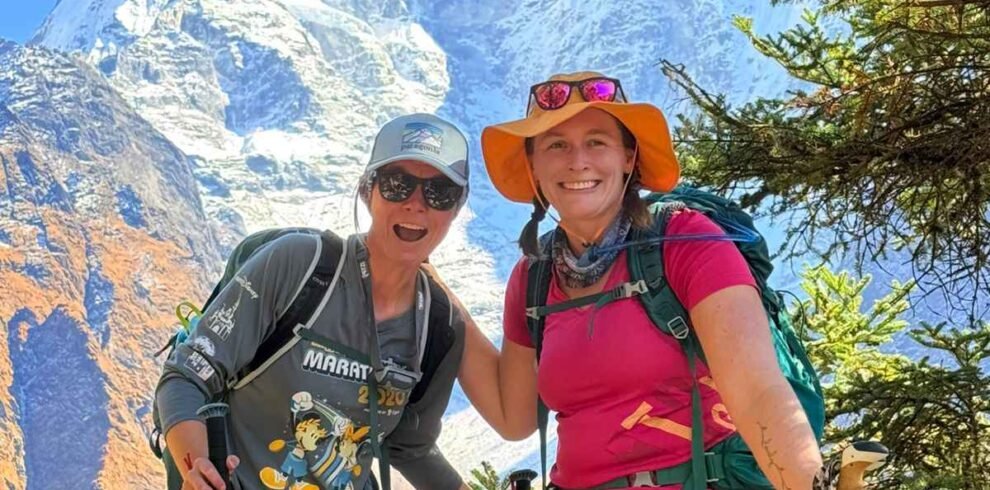
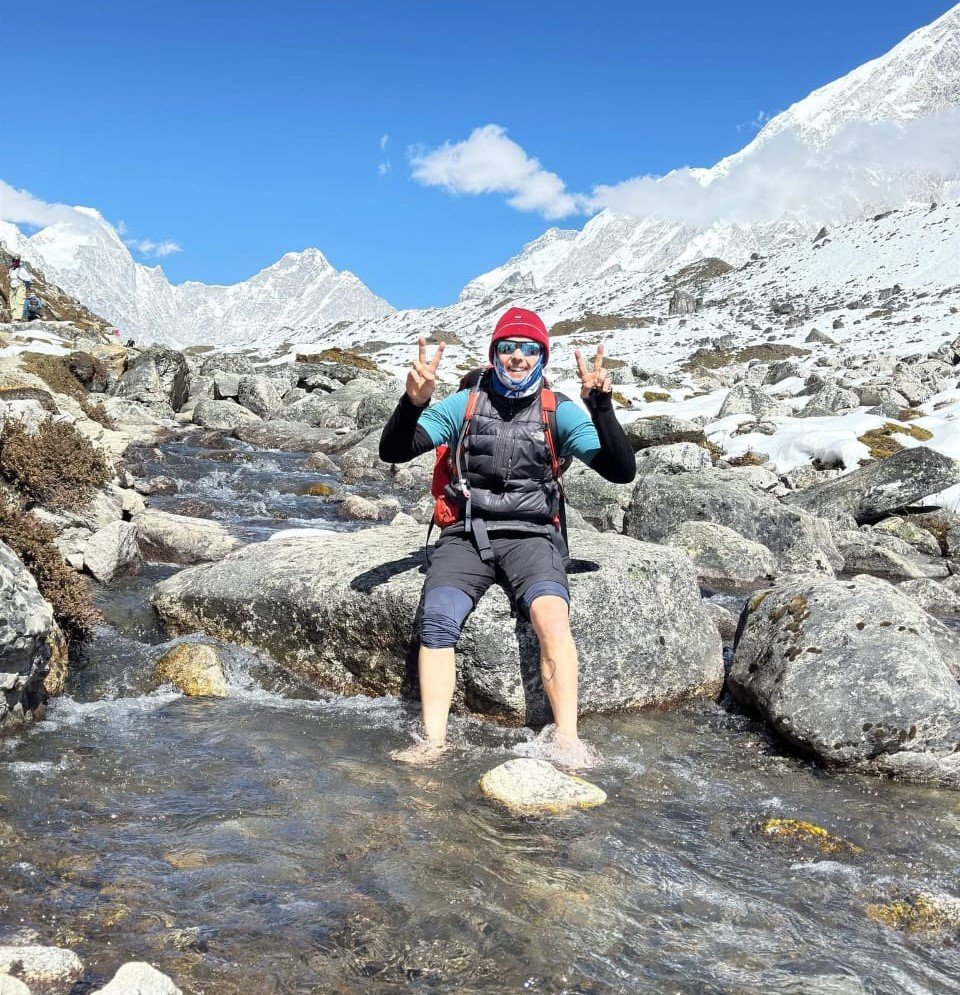
After years of guiding trekkers up to Everest Base Camp, certain mistakes show up again and again, often made by otherwise careful, well intentioned people who simply did not know what they did not know. Almost none of these mistakes are fatal, and most trekkers who make one or two of them still reach Base Camp successfully, but avoiding them entirely tends to make the difference between a trip that feels smooth and rewarding and one that feels like a constant series of small, avoidable struggles. This guide walks through the mistakes we see most often, in roughly the order trekkers tend to encounter them, from the planning stage all the way through the walk itself, drawing directly on years of watching real trekkers work their way through this exact route.
Underestimating how much physical preparation actually matters
The most common mistake happens months before anyone even reaches Nepal. Trekkers assume that general gym fitness, or the fact that they exercise a few times a week, will translate directly into the ability to walk five to seven hours a day at altitude for nearly two weeks straight. It often does not, at least not without specific preparation. The trekkers who struggle most on the trail, sometimes turning back around Lobuche or Gorak Shep, are frequently not unfit people but people who trained the wrong way, focusing on gym machines rather than actual walking and hill climbing with a loaded pack. Our specific training guide lays out exactly what kind of preparation actually transfers to this trail, starting two to three months before departure rather than a few rushed weeks beforehand.
Rushing acclimatization instead of respecting the schedule
This is the mistake most directly responsible for trekkers failing to complete the trip, and it usually comes from good intentions rather than carelessness. Trekkers who feel strong and energetic on the lower days sometimes push ahead of the recommended itinerary, skip a rest day, or climb higher than planned in a single push, assuming their evident fitness protects them from altitude sickness. It does not. Altitude affects fit and unfit trekkers with roughly similar unpredictability, and the two mandatory rest days at Namche Bazaar and Dingboche exist specifically because the science behind safe acclimatization does not care how strong your legs feel on a given morning. Our altitude sickness guide explains exactly why the climb high, sleep low pattern works and why skipping it is never worth the time saved.
Packing badly in either direction
Overpacking and underpacking are both common, and both create real problems on the trail. Trekkers who overpack, sometimes carrying eighteen kilograms or more of gear they never end up using, place unnecessary strain on themselves even when a porter carries the bulk of it, since managing and organizing that much gear in small teahouse rooms each evening becomes its own tiring chore. Trekkers who underpack, on the other hand, frequently discover too late that they lack a warm enough sleeping bag, a proper waterproof shell, or enough layers for the genuinely cold nights above Dingboche. Our full packing list is built specifically to help trekkers find the right middle ground rather than guessing.
Wearing brand new boots for the first time on the trail
This mistake sounds almost too obvious to mention, yet it remains one of the most common causes of trip ending blisters and foot pain that we see every single season. Boots need weeks of regular wear before the trip, ideally on hikes similar in length to what you will face in Nepal, to properly break in and reveal any hot spots or fit issues while you still have time to address them. Trekkers who arrive with boots still stiff and unworn out of the box are gambling with the one piece of gear that, more than any other single item, determines whether each day on the trail feels manageable or miserable.
Not drinking enough water at altitude
Thin mountain air creates a confusing physiological effect where trekkers often feel less thirsty than they actually are, even as dehydration accelerates due to increased respiration rate and drier air. Many trekkers unintentionally under drink simply because their body is not sending the same thirst signals it would at sea level. The standard guidance of three to four liters daily above three thousand five hundred meters feels like a lot until you understand why it matters, and trekkers who make a conscious habit of sipping water constantly throughout the day, rather than waiting until they feel thirsty, consistently report feeling stronger and suffering fewer headaches than those who do not.
Ignoring early altitude sickness symptoms instead of reporting them
A mild headache, slight nausea, or a bit of extra breathlessness are common and usually harmless in the first day or two after gaining significant elevation, but trekkers sometimes convince themselves that worsening symptoms are simply part of the normal experience rather than a warning sign that deserves attention. This mistake, more than almost any other on this list, carries genuine risk. The correct response to worsening symptoms is always to tell your guide immediately rather than pushing through silently, since altitude sickness that progresses to more serious forms can develop within hours, and early intervention, sometimes as simple as resting an extra day or descending slightly, prevents the vast majority of serious outcomes long before they become genuinely dangerous.
Eating and drinking carelessly on the trail
Gastrointestinal illness, brought on by untreated water or food from outside your lodge, forces more trekkers to abandon their trip early than almost any other single cause besides altitude sickness itself. Sticking to food cooked at your own teahouse, drinking only boiled, filtered, or properly treated water, and carrying a basic supply of anti diarrheal medication as a precaution rather than an afterthought all reduce this risk substantially over the full length of the trip. Dal bhat, the standard Nepali meal of rice, lentil soup, and vegetables, remains the safest and most filling choice at altitude precisely because it is freshly cooked and typically offered as an unlimited refill at most teahouses along the entire route.
Not building in a buffer for Lukla flight delays
Weather around Lukla’s mountain airstrip changes fast, and flight delays and cancellations happen with real regularity, particularly in the afternoons and during shoulder season weeks. Trekkers who book their international flight home for the day immediately after their scheduled return from Lukla sometimes find themselves stranded in Kathmandu scrambling to rebook everything at the last minute when a single day of bad weather disrupts the schedule. Our Lukla flights and weather guide explains exactly why this airstrip causes more disruption than most others in the world, and building at least one full buffer day into your schedule before any international connection is simply good sense rather than excessive caution, no matter how confident you feel about the forecast in the weeks leading up to your trip.
Walking too fast in the first week
Trekkers with good general fitness sometimes walk at a pace that feels comfortable to them physically but is genuinely too fast for safe acclimatization, particularly during the first few days before the body has adjusted at all. Local guides often describe the correct pace as noticeably slower than what a fit trekker’s legs and lungs feel capable of, sometimes called Sherpa speed, and matching this deliberate slower rhythm rather than your own instinct is one of the harder mental adjustments for naturally fit or competitive trekkers to make. Taking regular short breaks, roughly every hour, rather than pushing through in long uninterrupted stretches also helps regulate your pace more naturally than trying to consciously slow every single step.
Overlooking basic cultural etiquette along the trail
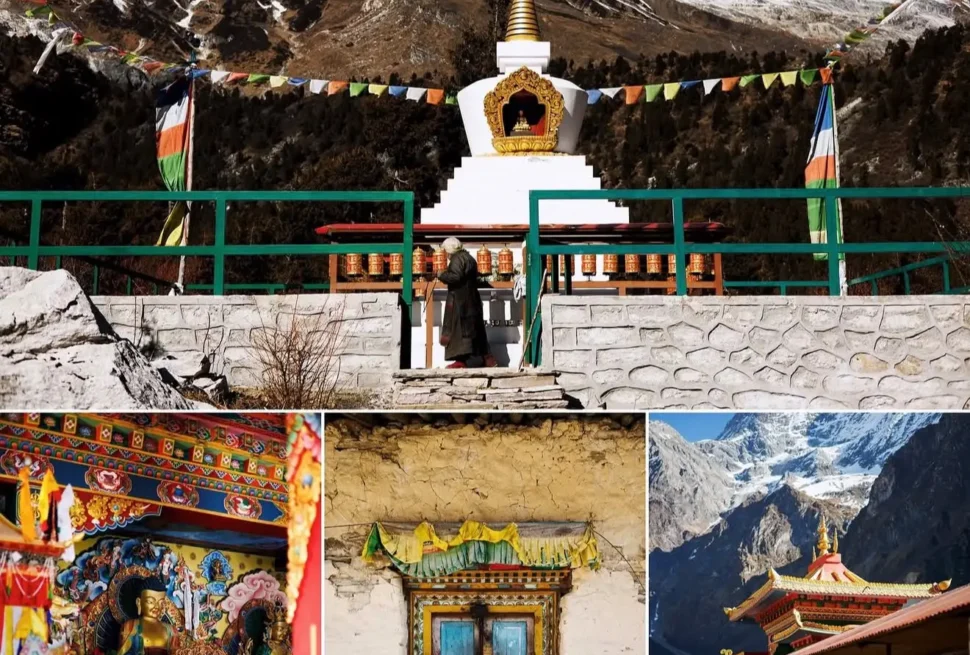
The Khumbu region is not simply scenery, it is home to a living Buddhist culture, and small missteps, while rarely intended disrespectfully, do get noticed. Walking clockwise around mani walls and stupas, removing your shoes before entering monasteries and gompas, and avoiding stepping directly on prayer flags that have fallen onto the trail are all small but meaningful courtesies. Trekkers who take a few minutes to learn these basics before arriving, and who ask their guide about anything they are unsure of once on the trail, consistently report a warmer reception and a deeper connection with the communities they pass through.
Misunderstanding what guides and porters actually do, and under tipping them
Some trekkers arrive expecting a guide to function purely as a translator or a walking companion, without fully appreciating the safety monitoring, permit handling, and emergency decision making that a good guide provides throughout the trip. Porters, who typically carry twenty to thirty kilograms of gear up and down the same demanding trail you are walking, are sometimes treated as an afterthought rather than as skilled professionals doing genuinely hard physical work. Tipping guides and porters fairly at the end of the trip, generally in the range of fifteen to twenty dollars per day for guides and ten to twelve dollars per day for porters as a standard 2026 benchmark, respects the real value of the work they do and is an expected, not optional, part of the overall trip cost, even though many first time trekkers do not realize this until someone tells them directly. Our guide requirement article explains more about what a guide’s role actually involves.
Assuming reliable internet and phone signal will be available
Wifi exists at most teahouses for a fee but becomes progressively slower and less dependable the higher you climb, often disappearing entirely for a night or two around Lobuche and Gorak Shep. Trekkers who plan to work remotely, stay in constant contact with people back home, or rely on real time navigation apps are frequently caught off guard by how unreliable this connectivity actually is. Downloading offline maps, informing family in advance that contact will be sporadic, and carrying a fully charged portable battery pack all reduce the stress this mistake otherwise causes on both ends of the conversation. Our connectivity guide covers exactly what to expect village by village.
Underbudgeting for costs beyond the package price
Advertised package prices generally cover guide, porter, permits, and basic lodging and meals, but hot showers, device charging, wifi, snacks, bottled water, and tips all add up as extra expenses that many first time trekkers do not fully anticipate. Prices for these extras also climb noticeably the higher you go, since everything must be carried in by porter or yak. Budgeting an additional few hundred dollars beyond the package price, and carrying enough Nepali cash from Kathmandu or Namche Bazaar, where the last reliable ATMs on the route are located, avoids the genuine stress of running short in villages with no banking facilities at all. Our complete cost breakdown lists every likely expense in detail.
Expecting more comfort than the higher villages actually offer
Above four thousand five hundred meters, accommodations grow noticeably more basic, with squat toilets, limited or no electricity outside of paid charging stations, thin walls that carry every sound from neighboring rooms, and minimal blankets that often require your own sleeping bag to supplement adequately. Trekkers who arrive expecting anything close to the comfort of the lower villages are sometimes disappointed in ways that dampen an otherwise successful trip, while trekkers who go in with realistic expectations about basic facilities tend to focus their attention on the scenery and the achievement rather than on minor discomforts that were entirely predictable in advance. A warm sleeping bag liner, a pair of earplugs, and a genuinely open mind about what mountain hospitality actually looks like this high up go a long way toward closing the gap between expectation and reality.
Fixating only on reaching the Base Camp sign itself
It is an easy trap to fall into, treating the entire two week trip as a build up to a single photograph at the collection of markers that signal Base Camp, then rushing back down having missed much of what made the journey worthwhile along the way. The Everest View Hotel, the Sherpa Museum near Namche, the prayer ceremony at Tengboche Monastery, the memorial site at Thukla, and countless smaller, unplanned moments with fellow trekkers and lodge owners are, for many people, what they remember most fondly once they are home, often more than the Base Camp sign itself. Slowing down enough to actually notice these moments, rather than treating them as obstacles between you and the main destination, tends to produce a far richer overall experience.
Buying the wrong travel insurance, or none at all
Generic travel insurance purchased for a beach holiday or a city trip almost never covers high altitude trekking or emergency helicopter evacuation, both of which are essential for this specific trek. Trekkers occasionally discover this gap only after an emergency has already occurred, which is precisely the wrong time to learn that their policy does not apply. Verifying that your policy explicitly covers trekking up to at least six thousand meters and includes helicopter evacuation, well before you fly to Nepal, is a five minute check that can prevent a genuinely serious financial and logistical problem later. Our travel insurance guide explains exactly what to look for.
Choosing an operator based on price alone
The cheapest available package is sometimes cheap for good reasons, including undertrained guides, poor safety protocols, underpaid and under equipped porters, or corners cut on permits and insurance. Trekkers who choose purely on price occasionally find themselves with a guide who has limited English, limited altitude sickness training, or limited experience actually managing a group through the specific challenges this particular trail consistently presents. Our guide to choosing a trekking company lays out the questions worth asking any operator before you commit your money and, more importantly, your safety to their care, since a genuinely good operator will answer these questions openly rather than deflecting them.
Not telling anyone at home your detailed itinerary and expectations
Leaving for two weeks with only a vague sense conveyed to family or friends about where you will be and when creates unnecessary anxiety on both ends if communication becomes sporadic, which it likely will above Namche Bazaar. Sharing your detailed day by day itinerary, your operator’s emergency contact information, and a realistic expectation about how often you will actually be reachable removes a source of worry that is entirely avoidable with a few minutes of preparation before you leave home.
Booking flights and permits at the last minute
Lukla flight seats and lodge availability both tighten considerably during the peak weeks of spring and autumn, and trekkers who wait until a month or two before departure to finalize their booking sometimes find their preferred dates unavailable or forced into a more expensive last minute arrangement. Permits themselves can generally be sorted quickly, but the flights and the overall trip planning benefit enormously from three to six months of lead time, particularly if you are hoping to trek during the busiest parts of October or April. Booking early also gives you more room to adjust your training schedule around a confirmed departure date rather than training somewhat blindly while waiting on final confirmation.
Ignoring how much harder the descent is on your knees and joints
Trekkers focus enormous attention on the climb up and comparatively little on the walk back down, yet the descent places genuinely significant strain on knees, ankles, and toes, particularly on the long downhill stretches between Namche Bazaar and Lukla on the final days. Trekking poles, often treated as optional by first timers, make a real difference here, redistributing some of the impact away from your joints with every downhill step. Trekkers who neglect this and descend too quickly, eager to finish the trip, sometimes end up with sore knees or blistered toes on what should be the easiest, most enjoyable days of the entire trek.
Not testing essential gear before you leave home
A headlamp with fresh batteries, a water filter or purification tablets, and any other piece of safety critical gear should be tested at home well before departure, not for the first time on the trail when a malfunction is far harder to fix. Trekkers occasionally discover a broken headlamp clip or a water filter that does not actually seal properly only once they need it during a pre dawn Kala Patthar climb or a stretch of the trail without bottled water available, both genuinely inconvenient moments to be troubleshooting gear for the first time. A simple test run of every piece of gear at home, ideally on a practice hike rather than just in your living room, catches these problems while there is still time to replace or fix them.
Comparing your pace to other trekkers on the trail
Groups and individual trekkers of wildly varying fitness and experience levels all share the same trail, and it is easy to fall into the trap of measuring your own progress against whoever happens to be walking near you on a given day rather than against your own guide’s recommended pace. Trekkers who speed up simply because a faster group just passed them, ignoring their own body’s signals in the process, are more likely to arrive at altitude overexerted and more susceptible to symptoms. Your trip is not a race against anyone else on the trail, and the trekkers who enjoy the experience the most tend to be the ones who genuinely internalize that fact rather than just repeating it to themselves while secretly still racing everyone around them.
Skipping a pre trip medical checkup and Diamox conversation
A basic checkup with a doctor familiar with high altitude travel, ideally scheduled a month or more before departure, catches underlying health issues that might otherwise complicate the trip and gives you a chance to discuss whether a preventive medication like Diamox makes sense for your specific situation. Trekkers who skip this step entirely, either from busyness or from assuming their general good health covers everything, occasionally find themselves dealing with a health question on the trail that a five minute conversation at home could have addressed in advance. This is a simple, often overlooked step that costs little time and provides real peace of mind once you are actually on the mountain, far away from the kind of medical care you might be used to at home.
Not communicating dietary needs or restrictions clearly beforehand
Trekkers with specific dietary restrictions, whether for health, religious, or personal reasons, sometimes assume teahouse kitchens will automatically accommodate them without any advance notice, then find their options limited once actually on the trail where food supply is naturally more constrained. Communicating any dietary needs clearly to your operator before departure gives guides and lodge owners time to plan accordingly, and while options at higher elevations will always be more limited than in Kathmandu regardless of preparation, advance notice genuinely helps avoid unnecessary difficulty around something as basic and important as having enough good food to eat each day of a physically demanding trip.
Assuming a single trekking pole or none at all is sufficient
Some trekkers bring only one pole, or skip poles entirely, assuming they will not need the extra stability, only to regret the decision on the steep, sometimes loose terrain around Namche Bazaar’s approach or the moraine sections near Lobuche and Gorak Shep. A proper pair of adjustable trekking poles reduces strain on your knees during descents, provides extra stability on uneven ground, and helps maintain a steady walking rhythm during the long uphill stretches that make up so much of this particular trail. This is inexpensive gear relative to its actual impact on comfort and safety, and it is one of the more common items we see trekkers wish they had packed properly once they are already on the trail rather than realizing the gap too late to do anything about it.
Overloading a phone or camera with untested apps and settings
Cold temperatures drain batteries far faster than trekkers expect, and a phone loaded with power hungry apps, constant background location tracking, or settings never adjusted for battery saving mode can die well before the end of a long summit day, right when you most want it working for photographs. Testing your phone’s battery life in cold conditions before the trip, disabling unnecessary background apps, and carrying a portable charger with enough capacity for multiple full charges all prevent the frustrating and entirely avoidable experience of missing the exact moment you traveled thousands of miles to capture because your device died an hour earlier than expected.
Trusting unofficial money changers or skipping bank withdrawals early
Kathmandu offers plenty of official currency exchange options, and trekkers who instead rely on informal street changers occasionally end up with unfavorable rates or, in rarer cases, counterfeit notes. Similarly, waiting until the last possible moment in Namche Bazaar to withdraw cash from the final reliable ATM on the route sometimes backfires if that specific machine happens to be out of service or out of cash on the day you need it, which does happen periodically in a town this remote. Withdrawing more cash than you think you need a day or two before you expect to need it, and using recognized banks or hotels for currency exchange in Kathmandu, both remove unnecessary financial stress from a trip that already has enough real variables to manage.
Forgetting travel documents or leaving them poorly organized
Passport copies, permit paperwork, insurance documents, and emergency contact information all get checked at various points along the trail, and trekkers who leave these scattered across different bags or, worse, left entirely in a hotel safe in Kathmandu, create unnecessary friction at checkpoints or in the rare event of an actual emergency. Keeping a single organized folder, with both physical copies and a photographed backup stored on your phone and ideally emailed to yourself as well, ensures you can produce whatever is needed quickly regardless of which bag happens to be accessible at that particular moment on the trail.
Assuming your travel dates guarantee good weather
Even during the most reliable months of spring and autumn, mountain weather in the Khumbu can shift with little warning, and trekkers who assume a booking during the popular season guarantees clear skies and easy conditions sometimes arrive underprepared for a cold snap, an unexpected snowfall, or a stretch of cloud that obscures the views they were hoping for. Packing for a realistic range of conditions regardless of season, and mentally preparing for the possibility that Everest itself might be hidden behind cloud on any given day, including potentially the day you reach Base Camp or Kala Patthar, helps manage expectations in a way that pure optimism about your chosen season cannot.
Not discussing emergency evacuation plans with your operator beforehand
Trekkers sometimes assume that if something goes wrong, evacuation will simply happen automatically without needing to understand the process in advance. In reality, a clear understanding of how your specific operator handles a medical emergency, which insurance details need to be on file beforehand, and what the actual communication chain looks like if you need help in a remote section of the trail all matter considerably in the rare event you actually need this information. Asking your operator directly about this process before you depart, rather than assuming it will simply be handled, is a five minute conversation that provides genuine reassurance and, in a true emergency, could meaningfully speed up your access to help.
Frequently Asked Questions
What is the single most dangerous mistake on this list?
Ignoring worsening altitude symptoms rather than reporting them immediately carries the most serious potential consequences, since early intervention prevents the overwhelming majority of severe altitude related emergencies.
Can a good guide prevent all of these mistakes from happening?
A good guide catches and corrects many of these mistakes as they happen on the trail, but preparation mistakes made before the trip, like inadequate training or the wrong insurance policy, are entirely on the trekker to avoid in advance.
Is it too late to fix a mistake once I am already on the trail?
Rarely. Most mistakes, from pace to hydration to reporting symptoms, can be corrected mid trip with honest communication with your guide, which is exactly why choosing a guide you trust and communicate well with matters so much.
Do experienced trekkers make these same mistakes too?
Yes, surprisingly often. Overconfidence from previous trekking experience elsewhere sometimes leads experienced hikers to underestimate altitude specifically, since fitness at sea level does not reliably predict how a person’s body handles reduced oxygen.
Which mistake is the easiest to fix before you even leave home?
Verifying your travel insurance covers high altitude trekking and helicopter evacuation takes only a few minutes and is one of the simplest, most consequential fixes on this entire list.
Should I be worried after reading all of this?
Not at all. Every mistake on this list is avoidable with basic awareness and preparation, and the vast majority of trekkers who read guides like this one and take the advice seriously go on to complete the trek safely and successfully.
Which mistakes affect beginners the most compared with experienced trekkers?
Beginners are more likely to make preparation mistakes, like inadequate training or overpacking, while experienced trekkers are more likely to make overconfidence mistakes, like ignoring symptoms or pushing pace too hard based on past success on easier trails.
How many of these mistakes does the average trekker actually make?
Most trekkers make at least one or two minor mistakes from this list without any serious consequence, which is normal and expected. The goal is not perfection but avoiding the handful of mistakes that carry genuine risk, particularly around altitude symptoms and insurance.
Avoiding these mistakes will not guarantee a perfect trip, since weather, individual physiology, and simple bad luck all play some role in how any two week journey through the mountains unfolds. What it will do is stack the odds firmly in your favor. Start with our Everest Base Camp Trek package page for a full itinerary built around avoiding exactly these pitfalls, and read our companion guide on the day by day itinerary so you know precisely what to expect at each stage before you ever set foot on the trail. If you are a first time trekker specifically, our dedicated beginner focused guide pairs well with this article, since many of the mistakes listed above come up most often during a trekker’s very first attempt at this route. And if all of this honest talk about mistakes and risk has you second guessing whether the trek is worth attempting at all, our piece on why so many trekkers say this journey is worth doing at least once should put things back in perspective.
Every one of these mistakes is well understood by experienced operators, and a genuinely good guide catches most of them long before they become a real problem. The trekkers who prepare seriously, read guides like this one honestly rather than skimming past the parts that feel inconvenient, and stay willing to adjust their expectations once they are actually on the trail consistently have the smoothest, most enjoyable trips to Everest Base Camp. That is the outcome we want for every single trekker who chooses to make this journey, and avoiding these common pitfalls is the most practical way to get there.