Why Training Matters More Than Most Trekkers Realize
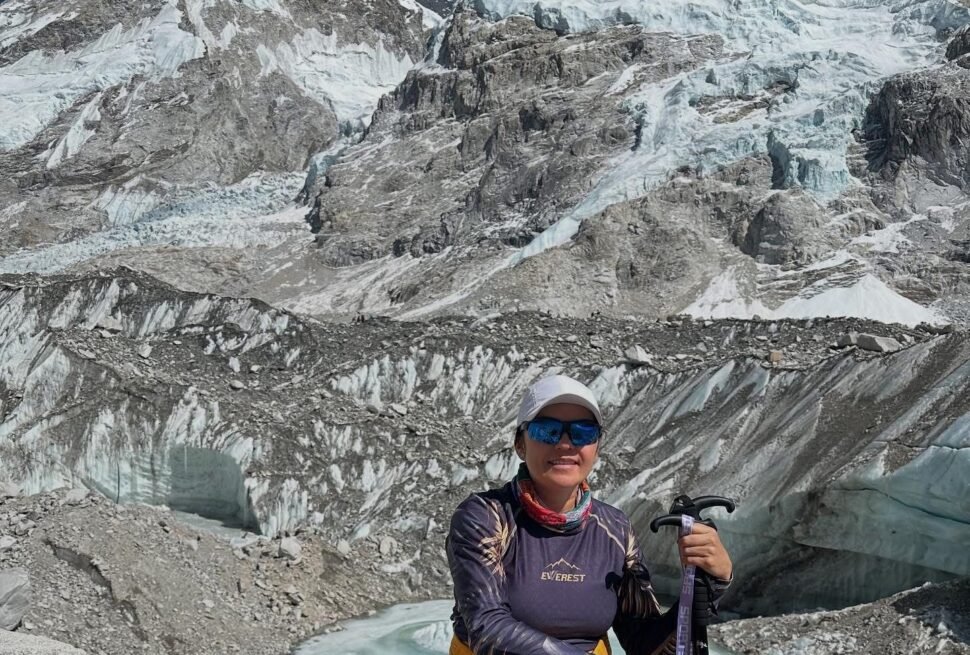
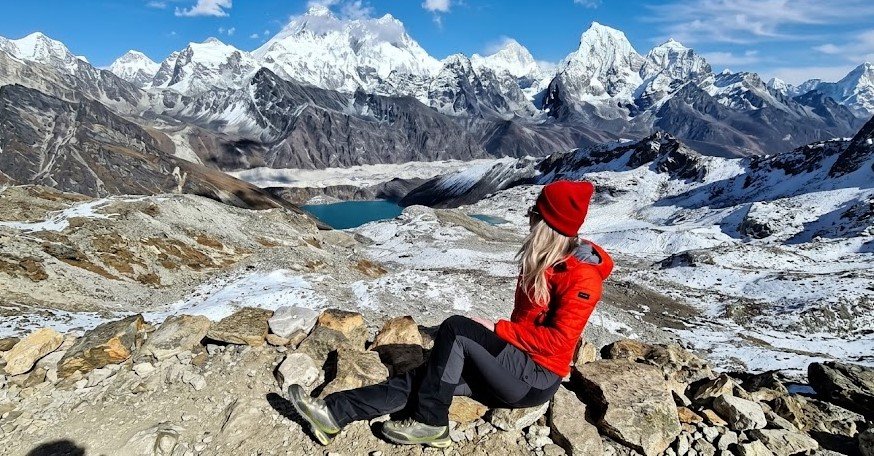
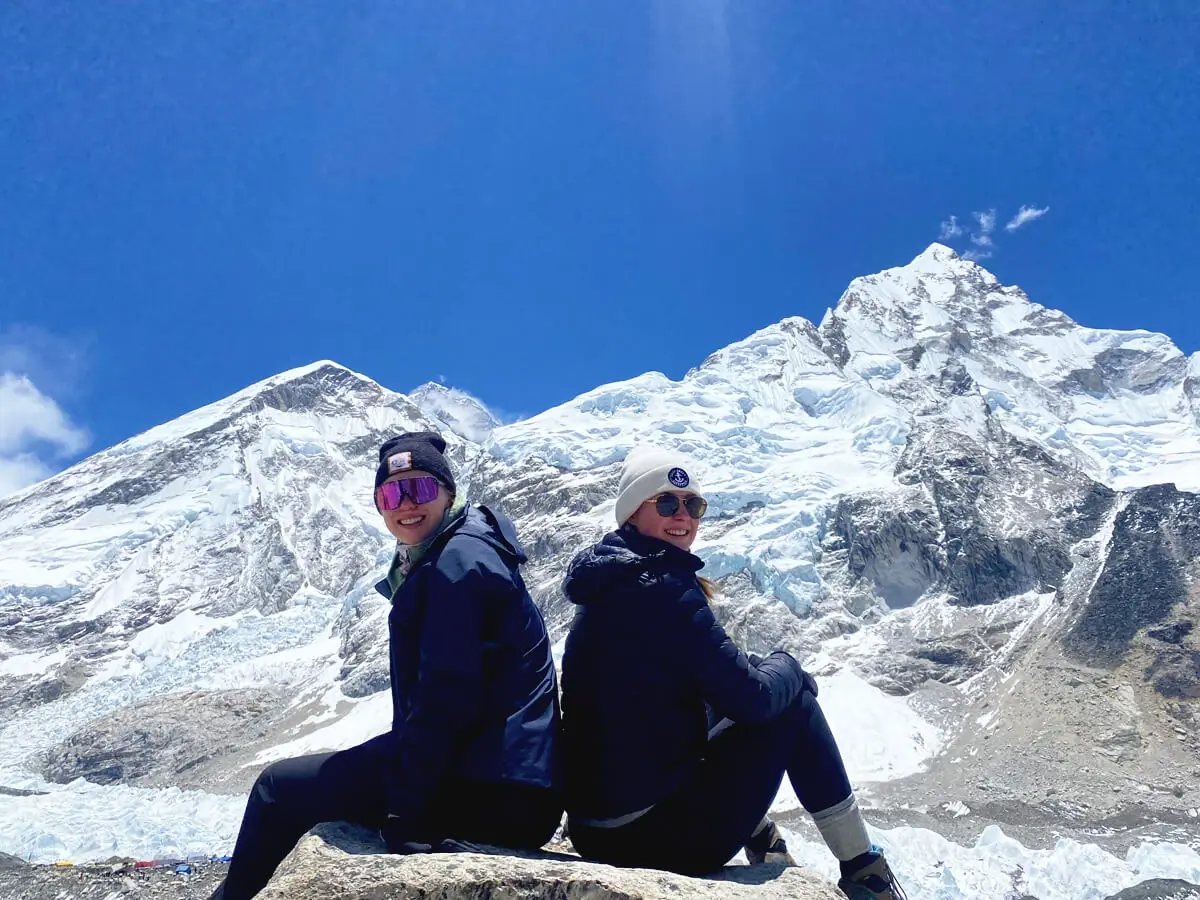
Every year we guide trekkers who are reasonably fit in a general sense but arrive underprepared for the specific physical demands of 12 consecutive days of trekking at altitude, and it shows within the first few days on the trail. This is not a technical climb requiring specialized mountaineering skill, but it is a genuine physical undertaking: sustained walking, often uphill, for five to eight hours a day, at altitudes where every physical task requires more effort than it would at sea level. A structured 12 week training plan is the single most effective thing you can do before departure to arrive ready for what this trek actually demands, and it meaningfully improves your odds of completing the trek comfortably rather than simply surviving it.
If you are considering the helicopter return version of this trek instead, training looks somewhat different. Our fitness and training plan built specifically for the Everest Base Camp Trek with Helicopter Return covers that shorter, front loaded itinerary in full.
The 12 Week Plan Overview
Our recommended training plan builds progressively over 12 weeks, combining a weekly long walk that grows steadily in duration, mid week cardio sessions, and dedicated leg strength work, with the final month shifting emphasis toward stair climbing with a loaded pack to simulate the specific demands of sustained altitude gain. This is not a plan designed for elite athletic performance, it is designed specifically around the physical profile of this exact trek: long duration low to moderate intensity effort, repeated day after day, at altitude, with a loaded daypack.
Weekly Long Walk Progression Table
| Week | Long Walk Duration | Daypack Load | Terrain |
|---|---|---|---|
| 1 to 2 | 2 hours | 3 to 5kg | Mixed, some hills |
| 3 to 4 | 3 hours | 5kg | Hills, varied terrain |
| 5 to 6 | 4 hours | 5 to 6kg | Hills, longer climbs |
| 7 to 8 | 5 hours | 6 to 7kg | Hills, in trek boots |
| 9 to 10 | 6 to 7 hours | 7 to 8kg | Hills, in trek boots |
| 11 | 4 hours | 6kg | Easing volume, maintain intensity |
| 12 | Rest and light walking | Minimal | Pre departure taper |
The Weekly Long Walk: Your Most Important Session
The single most important training session each week is your long walk, and it should progress from around 2 hours in Week 1 to 6 to 7 hours by Week 10, always on hilly terrain rather than flat ground, since flat walking simply does not replicate the sustained climbing this trek actually demands. Carry a loaded daypack throughout, starting around 3 to 5kg and building to 7 to 8kg by the later weeks, roughly matching what you will actually carry on trek days. Wear your actual trekking boots on these long walks, not running shoes, since boot break in and blister prevention require genuine mileage in the boots you will use on the mountain, not a substitute.
Mid Week Cardio: Building Your Aerobic Base
Beyond the weekly long walk, three mid week cardio sessions of 45 to 60 minutes each build the aerobic base that supports sustained effort at altitude. Running, cycling, rowing, swimming, or stair machine work are all suitable options, and variety across the week helps prevent overuse injury while still building genuine cardiovascular fitness. The goal here is not maximum intensity but consistent, moderate effort that steadily improves your aerobic capacity over the 12 week period, since this is precisely the kind of sustained, moderate intensity effort the actual trek demands day after day.
Leg Strength Training
Twice a week, dedicated leg strength work, squats, lunges, and step ups with moderate weight, builds the muscular endurance your legs need for repeated days of climbing and, just as importantly, descending. Descending is genuinely harder on your legs than climbing in many ways, since it requires eccentric muscle control that most people do not train specifically, and weak descending strength is a common cause of knee pain and excessive fatigue on the later days of this trek. Step ups in particular, ideally performed on a box or step high enough to genuinely challenge your legs, closely mimic the repeated elevation gain pattern of actual trekking terrain.
The Final Four Weeks: Stairs With a Loaded Pack
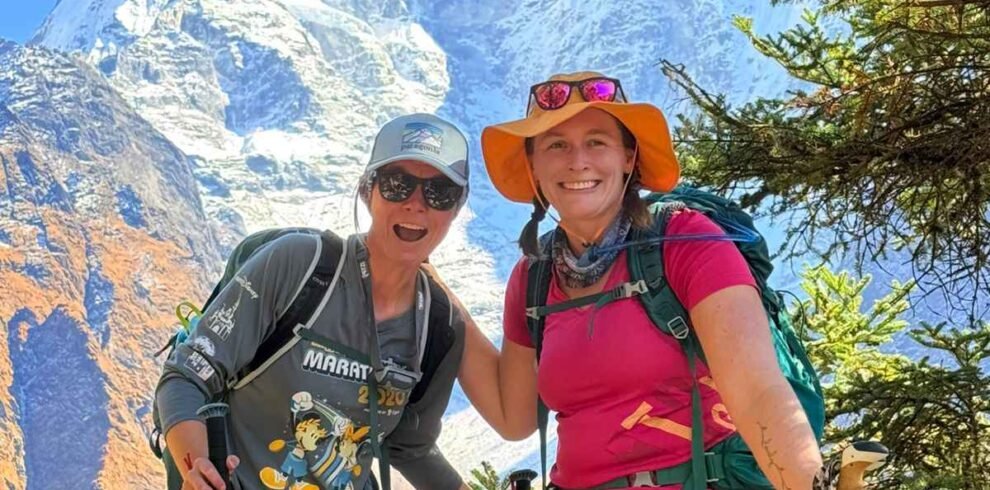
The final four weeks of the plan shift emphasis specifically toward stair climbing with a loaded pack, replacing two of your three weekly cardio sessions with stair machine work or actual stairwell climbing carrying the same pack weight you will use on trek. This is the single closest simulation of sustained altitude gain available in most training environments, and trekkers who commit seriously to this final training phase consistently report feeling noticeably more prepared for the actual climbing demands of Days 3, 6, 8, and 9 of the itinerary, the days with the most significant sustained elevation gain.
Altitude Preexposure Before You Travel
If you have the opportunity, spending at least one night above 3,000m before your trek begins gives your body a head start on the acclimatization process and helps you understand how your own physiology responds to reduced oxygen before you are relying on that understanding in a genuinely remote setting. This is not always practical depending on where you live, and it is not a requirement for a successful trek, but trekkers who have some prior high altitude experience, even a single weekend trip to a mountain destination, generally arrive with a clearer sense of their own altitude tolerance than those experiencing meaningful altitude for the first time on the trek itself.
Training Even If You Live Somewhere Flat
Not everyone has access to hills or mountains for training, and this is a genuinely common concern among trekkers from flat regions. A stair machine, a stadium with repeated stair climbs, or even a treadmill set to a steep incline can substitute reasonably well for hill training, and the key principle to preserve is sustained, repeated elevation gain under load, however you can access it. Multi story parking garages, stadium steps, and tall buildings with accessible stairwells have all served as genuinely effective substitute training grounds for trekkers we have guided from flat regions of the world.
What Happens if You Skip Training
We have guided trekkers who arrived with minimal specific preparation, relying on general fitness alone, and while some manage to complete the trek, the experience is consistently harder and less enjoyable than it needs to be. Untrained trekkers struggle more with the daily fatigue accumulation across 12 consecutive trekking days, experience more knee and joint discomfort on the steep descents, and generally have less capacity in reserve for the genuinely demanding Kala Patthar summit morning after already tiring days. Training does not guarantee an easy trek, altitude affects everyone differently regardless of fitness level, but it meaningfully improves your odds of a comfortable, enjoyable experience rather than a grueling one.
How Training Interacts With Altitude Sickness Risk
It is worth being clear about something important: physical fitness reduces general fatigue and improves your capacity to handle the physical demands of trekking, but it does not meaningfully reduce your risk of altitude sickness itself, which is governed by genetics and acclimatization pace rather than fitness level. Extremely fit trekkers can still experience significant AMS, while less fit trekkers sometimes acclimatize easily, and understanding this distinction matters: train hard for the physical demands, but do not assume fitness alone protects you from altitude, which is why our guides monitor pulse oximeter readings daily from Day 5 onward regardless of how fit any individual trekker appears.
Sample Weekly Training Schedule
A typical training week during the middle phase of the plan, roughly Weeks 5 through 8, might look like this: Monday, rest or light stretching. Tuesday, 45 to 60 minute cardio session. Wednesday, leg strength training, squats, lunges, step ups. Thursday, 45 to 60 minute cardio session. Friday, rest or light activity. Saturday, your weekly long walk on hilly terrain with loaded daypack. Sunday, rest or light recovery walk. This structure balances progressive loading with adequate recovery, which matters as much as the training itself for avoiding injury and overtraining.
Gear to Train In
Train specifically in the boots, daypack, and trekking poles you plan to actually use on the trip, not substitute gear, since the entire point of specific training is preparing your body for the exact equipment and conditions you will encounter. This matters enormously for boot break in specifically: new boots worn for the first time on the trek itself is one of the most common and entirely avoidable causes of blisters and foot pain that disrupts a trekker’s experience during the first several days on the trail.
Training for Older Trekkers
We regularly guide trekkers in their 60s and 70s successfully to Everest Base Camp and Kala Patthar, and the same 12 week training principle applies, though older trekkers should pay particular attention to recovery time between sessions and may benefit from consulting a doctor before beginning an intensive training program, particularly if starting from a lower baseline fitness level. Age alone does not disqualify a trekker from this route, but genuine preparation matters more, not less, as you get older, since the margin for error in both fitness and injury prevention narrows somewhat with age.
Common Training Mistakes
- Training exclusively on flat terrain, missing the sustained climbing demand that defines this specific trek
- Wearing new, unbroken boots for the first time during the actual trek rather than during training walks
- Skipping the loaded daypack during training walks, then being surprised by how differently a loaded pack feels on actual trekking days
- Ramping up training volume too quickly rather than following a gradual, progressive build, risking injury before the trek even begins
- Neglecting descent specific strength training, then experiencing significant knee pain during the trek’s many long descents
Nutrition and Hydration During Training
Use your training period to practice the hydration habits you will need on the actual trek: drinking consistently throughout long walks rather than only when thirsty, and paying attention to how your body responds to sustained exertion over several hours. This is also a good time to test any energy bars, gels, or trail snacks you plan to bring, since discovering a food does not agree with you during a training walk is far preferable to discovering it during an actual trekking day at altitude.
Rest and Recovery Within the Plan
Adequate rest between training sessions matters as much as the sessions themselves, since your body adapts and builds fitness during recovery, not during the exertion itself. The weekly schedule above builds in deliberate rest days, and we recommend respecting them even when motivation is high, since overtraining injuries in the weeks before departure are a genuinely disappointing and entirely avoidable way to compromise your trek before it even begins.
The Taper: Your Final Week Before Departure
Week 12, the final week before you fly to Kathmandu, should involve minimal training load, light walking at most, allowing your body to arrive fresh and fully recovered rather than fatigued from the training block itself. This tapering principle is well established in endurance sports generally: the fitness gains from your 12 weeks of training are already banked by this point, and additional hard training in the final week risks fatigue and injury without meaningfully adding fitness before departure.
A Guide’s Honest Assessment of Training Importance
I have watched the difference training makes across hundreds of trekkers on this exact route, and the pattern is consistent: trekkers who commit seriously to a structured training plan in the months before departure have a noticeably easier, more enjoyable trek than those who arrive relying on general fitness alone. This is not about becoming an elite athlete, most successful trekkers on this route are ordinary people with jobs and busy lives who simply committed to consistent, progressive training over three months. That commitment, more than any single training session, is what actually makes the difference on the mountain.
Cross Training Options Worth Considering
Beyond the core running, cycling, and stair climbing already built into the plan, several cross training activities complement EBC preparation well: swimming builds cardiovascular fitness with minimal joint impact, useful for trekkers managing existing knee or hip concerns, while yoga or general mobility work improves flexibility and can reduce injury risk across the demanding training load. Hiking with a local hiking group, if one exists in your area, adds a social element that helps maintain motivation across a 12 week commitment, something that matters more than people often expect when training solo for months toward a single goal.
Monitoring Your Progress Through the 12 Weeks
Keep a simple training log noting duration, pack weight, and how you felt during each long walk, since this record becomes genuinely useful both for tracking your own progress and for having an honest conversation with yourself about whether you are on track by the midpoint of the plan. If by Week 6 you are struggling to complete the prescribed long walk duration comfortably, that is valuable information worth acting on, whether by adjusting your progression pace slightly or simply committing more consistently to the remaining sessions, rather than discovering the same gap for the first time on the actual trek.
Injury Prevention During Training
The most common training injuries we hear about from trekkers are related to overuse, shin splints, knee pain, and blisters from inadequate boot break in, nearly all of which are preventable through sensible progression and proper gear. Increase training volume gradually rather than jumping duration or pack weight too quickly between weeks, listen to genuine pain signals rather than pushing through them, and address minor issues, a developing blister, early knee discomfort, promptly rather than hoping they resolve on their own. An injury sustained during training that forces you to reduce your final preparation weeks is a considerably worse outcome than simply progressing more conservatively throughout.
Training Specifically for the Descents
Much of the training advice trekkers encounter focuses heavily on the climbing itself, but the descents on this trek are genuinely demanding in their own right, particularly the return from Kala Patthar and the multi day descent from Gorak Shep back down to Lukla at the end of the trek. Downhill specific training, whether descending the same hills you use for uphill training or specific eccentric strength work targeting your quadriceps, meaningfully reduces the knee pain and muscle soreness that catches many otherwise well prepared trekkers off guard during the trek’s second half.
Balancing Training With Work and Family Life
Most trekkers preparing for this trip are not full time athletes, they are working professionals fitting training around jobs, families, and existing commitments, and the 12 week plan is designed with that reality in mind. The weekly long walk can be scheduled on a weekend morning, mid week cardio sessions fit into a lunch break or evening slot, and the total weekly time commitment, even during the heavier later weeks, generally stays under 8 to 10 hours, a genuinely achievable amount for most people willing to prioritize it. Treating training as a non negotiable weekly commitment, the same way you would treat an important recurring work meeting, helps many trekkers stay consistent across the full 12 weeks despite busy schedules.
What to Do If You Are Starting From a Lower Fitness Base
If you are starting this 12 week plan from a genuinely low fitness baseline, having done little regular exercise in recent years, it is worth extending your preparation window if possible, ideally starting 16 to 20 weeks out rather than the standard 12, giving your body more time to adapt gradually without excessive injury risk. Begin with shorter, gentler versions of each prescribed session and progress more conservatively than the standard plan suggests, checking in with a doctor before beginning if you have any underlying health concerns. The goal is steady, sustainable progress rather than an aggressive ramp up that risks injury or burnout before the trek even begins.
How This Training Plan Compares to Training for Other Treks
Trekkers considering the Manaslu Circuit or other demanding Himalayan routes sometimes ask whether training differs meaningfully between destinations. The core principles, progressive long walks on hilly terrain with a loaded pack, cardio base building, leg strength work, remain broadly consistent across most multi day high altitude treks in Nepal, though routes with more technical terrain or higher maximum altitude may warrant additional specific preparation. For the standard Everest Base Camp route specifically, the 12 week plan outlined here reflects what we have found, across years of guiding this exact trek, prepares trekkers most effectively for its particular combination of duration, altitude, and terrain.
Mental Preparation Alongside Physical Training
Physical training is the more obvious component of preparation, but mental readiness matters genuinely as well, particularly for the demanding stretches of the itinerary like the long Day 9 push to Everest Base Camp and the predawn Kala Patthar climb on Day 10. Trekkers who go into these specific days expecting genuine difficulty, rather than a casual walk, generally handle them better than those caught off guard by how demanding the physical and mental effort actually is. Using your long training walks as an opportunity to practice sustained focus and mental endurance, not just physical conditioning, pays real dividends when you are facing similarly sustained effort at altitude with thinner air and colder temperatures working against you.
Equipment Testing During Your Training Period
Beyond boots, use your 12 week training period to test every piece of gear you plan to bring: your daypack’s fit and comfort under load, trekking poles and how they feel across varied terrain, and any clothing layers you plan to wear for extended periods. Discovering that a daypack chafes uncomfortably or that a particular layer does not breathe well is far better learned during a training walk near home than during an actual trekking day when swapping gear is not a simple option. This equipment testing phase, often overlooked in favor of pure fitness training, meaningfully reduces the number of unwelcome surprises during the actual trek.
Tracking Heart Rate and Perceived Effort
Some trekkers find it useful to track heart rate during training sessions, particularly the weekly long walk, both to ensure they are training at an appropriate sustainable intensity and to build familiarity with how their body responds to sustained effort, information that becomes genuinely relevant when your guide is monitoring your condition at altitude later. You do not need sophisticated equipment for this, a basic fitness watch or even simply paying attention to how conversational your breathing remains during effort, the classic talk test, provides enough useful feedback for most trekkers preparing for this specific trip.
Training Alongside a Trekking Partner or Group
If you are trekking with a partner, friend, or family member, training together through the same 12 week plan builds shared fitness and shared understanding of each other’s pace and capability well before you are relying on that understanding on the actual trail. Mismatched fitness levels within a trekking pair or small group can create real tension during the trek itself if one person is consistently waiting for another, and identifying and addressing that gap during training, through adjusted pacing or additional preparation for the less prepared partner, produces a considerably smoother shared experience once you are actually on the mountain together.
What Our Guides Notice About Trained Versus Untrained Trekkers
After guiding hundreds of trekkers along this exact route, the difference between well trained and undertrained trekkers is visible within the first two or three days, well before altitude becomes the dominant factor. Well trained trekkers move with more efficient, sustainable pacing, recover better overnight between trekking days, and generally arrive at each teahouse with more energy in reserve for socializing, eating properly, and simply enjoying the experience rather than collapsing into bed purely from physical exhaustion. This visible difference is precisely why we emphasize training so directly in our pre trek consultations, since it is one of the few variables entirely within a trekker’s own control before departure.
Committing to the Plan Realistically
The honest reality of any 12 week training plan is that perfect adherence is rare, and that is genuinely fine. Missing an occasional session due to illness, work demands, or simple fatigue does not undo months of consistent progress, and the trekkers who succeed are not the ones who never miss a single planned session, but the ones who maintain a broadly consistent commitment across the full 12 weeks, adjusting flexibly around life’s inevitable disruptions rather than abandoning the plan entirely after a missed week. Aim for consistency over perfection, and trust that a genuinely committed effort across three months puts you in a considerably stronger position than arriving with no structured preparation at all.
A Deeper Look at Week by Week Progression Logic
The specific week by week progression outlined earlier is not arbitrary, it follows a well established endurance training principle of gradual overload, increasing duration and load steadily enough to build genuine adaptation without exceeding your body’s capacity to recover between sessions. Roughly a 10 to 15 percent increase in long walk duration week over week during the build phase, Weeks 1 through 10, keeps this progression sustainable for most trekkers, while the sharper jump in emphasis toward stair climbing during the final four weeks specifically targets the sustained vertical gain pattern that generic hill walking alone does not fully replicate. Understanding the reasoning behind the structure, rather than just following it mechanically, helps trekkers adjust intelligently if illness, travel, or other disruptions require modifying the plan slightly without abandoning its core logic.
Final Thoughts Before You Begin Training
Twelve weeks sounds like a long commitment when you are looking at it from the start, but it passes quickly once you begin, and the trekkers who look back most positively on their preparation period are consistently the ones who started early rather than compressing training into a rushed final month. Begin this plan with a realistic assessment of your current fitness, commit to the weekly long walk as your non negotiable core session, and trust that the cumulative effect of 12 weeks of consistent, progressive effort will show up exactly where it matters most, on the trail itself, at altitude, carrying your own pack, climbing toward Everest Base Camp and Kala Patthar.
Adjusting the Plan Around Travel and Time Zones
If your trek preparation coincides with international travel, work trips, or family obligations that disrupt your normal training environment, maintaining the core principle, some form of sustained cardio effort and, where possible, stairs or hills, keeps your progress broadly on track even without perfect access to your usual training setup. A hotel gym stair machine, a brisk walk exploring an unfamiliar city, or bodyweight leg exercises in a hotel room are all reasonable substitutes for a missed week of ideal training conditions, and flexibility here matters more than rigid adherence to the exact prescribed session type.
Why We Emphasize This So Directly With Every Trekker
Training advice is easy to skim past when booking a trek focused on excitement about the destination itself, Base Camp, Kala Patthar, the mountains. But in years of guiding this route, the single factor within a trekker’s control that most reliably predicts a smooth, enjoyable trek versus a genuinely difficult one is preparation, specifically the kind of structured, progressive training outlined in this guide. We raise this directly and repeatedly during pre trek consultations not to alarm trekkers, but because we have seen firsthand how much of a difference three months of honest effort makes once you are actually on the trail, climbing toward Everest with every step.
Training Log Example for the First Six Weeks
To make this concrete, here is what a realistic training log might show for a moderately fit trekker starting the plan: Week 1, long walk of 2 hours with a 3kg pack, felt manageable with mild fatigue afterward. Week 2, same duration, slightly heavier pack, noticeably easier than Week 1. Week 3, long walk extended to 3 hours, added hill repeats, legs sore the following day but recovered within 48 hours. Week 4, consistent with Week 3, pack increased to 5kg, feeling stronger overall. Week 5, long walk extended to 4 hours, first genuinely challenging session of the plan, appetite and sleep both increased noticeably. Week 6, consistent effort maintained, first stair specific session introduced ahead of schedule to test the legs. This kind of honest, specific tracking helps trekkers notice real progress and catch any concerning patterns, like persistent joint pain that does not resolve with normal recovery, before they become bigger problems.
The Relationship Between Training and Trip Enjoyment
It bears repeating because it is easy to lose sight of amid all the technical training detail: the entire point of this preparation is not simply to complete the trek, but to genuinely enjoy it. A well trained body handles the physical demands with enough reserve capacity left over to actually notice and appreciate the scenery, the culture, the company of fellow trekkers, and the specific, unforgettable moments like the Kala Patthar sunrise that define why people undertake this trek in the first place. An exhausted, undertrained body, by contrast, spends much of its energy simply surviving each day, with far less left over for genuine enjoyment. Train well, and you give yourself the best possible chance of experiencing this trek the way it deserves to be experienced.
When to Start Looking for a Trekking Specific Doctor Check Up
Before beginning any intensive 12 week training program, particularly if you have not exercised regularly in some time, are over 50, or have any known cardiovascular or joint conditions, a check up with your doctor specifically mentioning your plans for high altitude trekking is a sensible precaution. Most doctors can offer useful guidance on pacing your training safely and flag any specific concerns worth monitoring, and this conversation is also a good opportunity to discuss altitude sickness medication like Diamox in advance, should you and your doctor decide that is a sensible addition to your preparation, separate from the physical training itself.
Packing Your Training Experience Into Trek Day Confidence
By the time you arrive in Kathmandu on Day 1, having completed 12 weeks of genuine, progressive training, you should feel a real sense of earned confidence rather than lingering uncertainty about whether you are ready. That confidence matters beyond the purely physical: trekkers who trust their own preparation approach each demanding day of the itinerary, the long Day 9 push to Base Camp, the predawn Kala Patthar climb, with a settled mindset rather than anxious uncertainty, and that mental steadiness genuinely affects how the whole experience unfolds. Training well is, in this sense, not just physical preparation but a form of confidence building that pays dividends in every single day of the trek ahead.
A Note on Training With Existing Injuries
If you are managing an existing knee, hip, or back issue, this trek’s demands, particularly the sustained descents, warrant honest conversation with a physiotherapist or sports medicine doctor as part of your preparation, not just your general practitioner. Targeted rehabilitation and strengthening work specific to your existing issue, layered into the broader 12 week plan, often makes the difference between an old injury flaring up mid trek and successfully managing it through proper preparation. We have guided trekkers successfully managing long standing joint issues on this exact route, and in nearly every case, the trekkers who prepared this specific aspect of their training deliberately fared considerably better than those who simply hoped the issue would not resurface.
Bringing It All Together
The plan outlined here is deliberately structured but not rigid: progressive long walks on hilly terrain with a loaded pack, consistent mid week cardio, dedicated leg strength work, and a final month emphasizing stairs to simulate sustained altitude gain, all building toward a tapered final week before departure. Adapt the specifics to your own starting fitness, available terrain, and schedule constraints, but preserve the core principles throughout, since they reflect what genuinely prepares trekkers for the particular physical demands of this exact route, built from years of watching what separates a smooth, enjoyable trek from an unnecessarily difficult one.
Frequently Asked Questions
How long should I train before the Everest Base Camp trek?
We recommend a structured 12 week training plan, building progressively from shorter walks to a 6 to 7 hour loaded long walk on hilly terrain by Week 10, followed by a taper in the final week.
Do I need to be very fit to complete this trek?
You need genuine, specific preparation rather than elite fitness. Ordinary people with consistent 12 week training regularly complete this trek comfortably, while unprepared but generally fit people often struggle more than expected.
What is the most important training session each week?
Your weekly long walk on hilly terrain with a loaded daypack, progressing from 2 hours to 6 to 7 hours over the 12 weeks, most closely replicates the actual demands of the trek.
Does fitness reduce my risk of altitude sickness?
Not directly. Altitude sickness risk is governed by genetics and acclimatization pace, not fitness level. Training improves your physical capacity and reduces general fatigue, but does not prevent AMS on its own.
Should I train in the boots I plan to wear on the trek?
Yes, always. Training in your actual trekking boots breaks them in properly and helps you identify and resolve any fit issues well before you are relying on them for 12 consecutive trekking days.
Can I still do this trek if I live somewhere flat with no hills?
Yes. Stair machines, stadium steps, or a steep treadmill incline are effective substitutes for hill training, as long as you maintain the sustained, repeated elevation gain principle under a loaded pack.
What should my final week of training look like before departure?
Minimal load, light walking at most. Tapering in the final week lets your body arrive rested and fully recovered rather than fatigued from the training block itself.
Is leg strength training really necessary, or is walking enough?
Dedicated leg strength training, particularly for descending, meaningfully reduces knee pain and fatigue during the trek’s many long descents, which walking alone does not adequately prepare you for.
How does training differ for older trekkers?
The same 12 week principle applies, with particular attention to recovery time between sessions. We regularly guide trekkers in their 60s and 70s successfully with proper preparation.
What is the biggest training mistake first time trekkers make?
Training exclusively on flat terrain without a loaded pack, which does not replicate the sustained climbing and pack weight that actually define this trek’s physical demands.
I am Kiran Basnet, founder of Next Trip Nepal, based in Kathmandu. I have watched the same pattern repeat across hundreds of trekkers: those who commit to proper training arrive ready for what this trek actually demands, and it shows from the very first day on the trail.
Related reading: Everest Base Camp Trek Safety Guide, Everest Base Camp Trek Packing List, How Difficult is the Everest Base Camp Trek, Altitude Sickness on the Everest Base Camp Trek, Everest Base Camp Trek 14 Days trip page