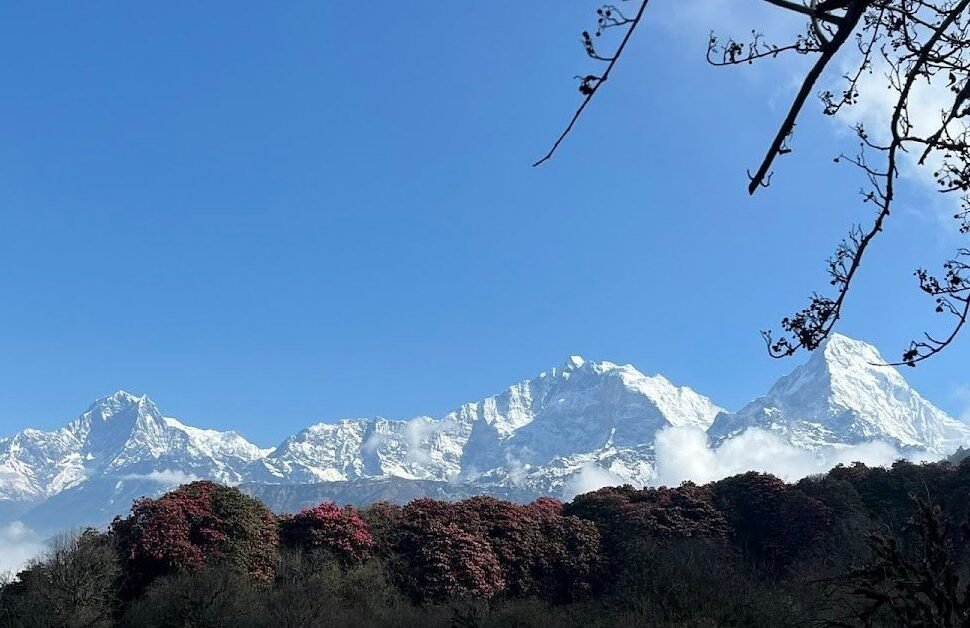
If you are dreaming of Himalayan sunrises, charming mountain villages, and walking through forests filled with red and pink rhododendron flowers, the Ghorepani Poon Hill trek belongs at the top of your Nepal travel list. This is the trek that thousands of first time visitors choose every year, and for very good reason. It packs some of the most spectacular mountain scenery on Earth into a short, accessible adventure that almost anyone can enjoy.
But here is the thing. Choosing the right trekking company can make the difference between a trip you will remember forever and one filled with stress, confusion, and missed opportunities. The wrong operator might cut corners on safety, overload your group, or simply fail to show up when things do not go as planned. The right one will handle every detail so you can focus on the views, the walking, and the pure joy of being in the Himalayas.
That is exactly why we created this guide. Whether you are reading this from your home in the United States, the United Kingdom, or anywhere across Europe, we want to help you find the best Ghorepani Poon Hill trek company for your adventure. We will walk you through everything you need to know, from what the trek actually looks like day by day, to how much it should cost, to the questions you should ask before booking.
At Next Trip Nepal, we have been guiding trekkers to Poon Hill for years. We know this trail intimately. We also know that an informed traveler is a happy traveler. So grab a cup of coffee, settle in, and let us help you plan the perfect Poon Hill trek Nepal experience.
Chapter 1: Introduction: Why Ghorepani Poon Hill Is Nepal’s Most Loved Short Trek
What Makes This Trek So Special
There are hundreds of trekking routes in Nepal. Some take you to extreme altitudes where the air is thin and the risks are real. Others require weeks of walking through remote valleys far from any comfort. The Ghorepani Poon Hill trek occupies a sweet spot that few other routes can match. It is short enough to fit into a standard holiday, easy enough for beginners and families, and stunning enough to rival any longer trek in the country.
Perfect for Beginners, Families, and First Time Trekkers in Nepal
Not everyone has months to train for a high altitude expedition. Not everyone wants to sleep in a tent in freezing conditions. The beauty of the Poon Hill trek Nepal is that it welcomes almost everyone. If you can walk for five or six hours a day and handle some uphill sections, you can do this trek.
The maximum altitude reaches 3,210 meters at Poon Hill viewpoint. This is high enough to feel like a real mountain adventure, but low enough that altitude sickness is rarely a serious concern. Children as young as eight have completed this trek with their families. Retirees in their sixties and seventies walk these trails regularly. If you are reasonably fit and carry a positive attitude, this trek is absolutely within your reach.
Stunning Sunrise Views from Poon Hill at 3,210 Meters
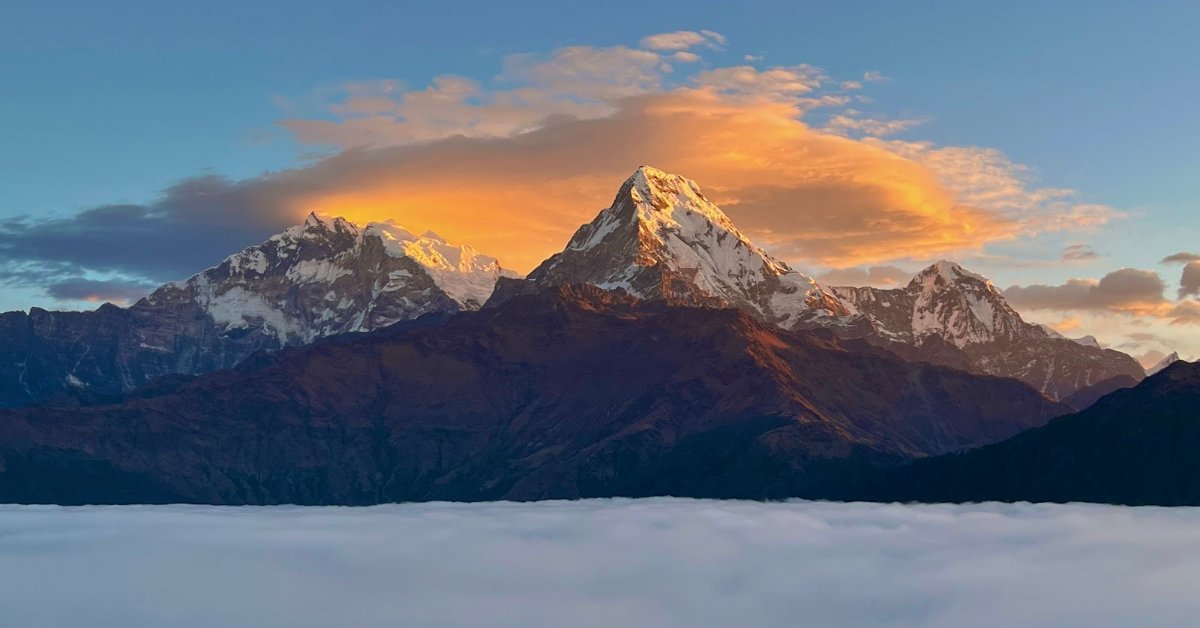
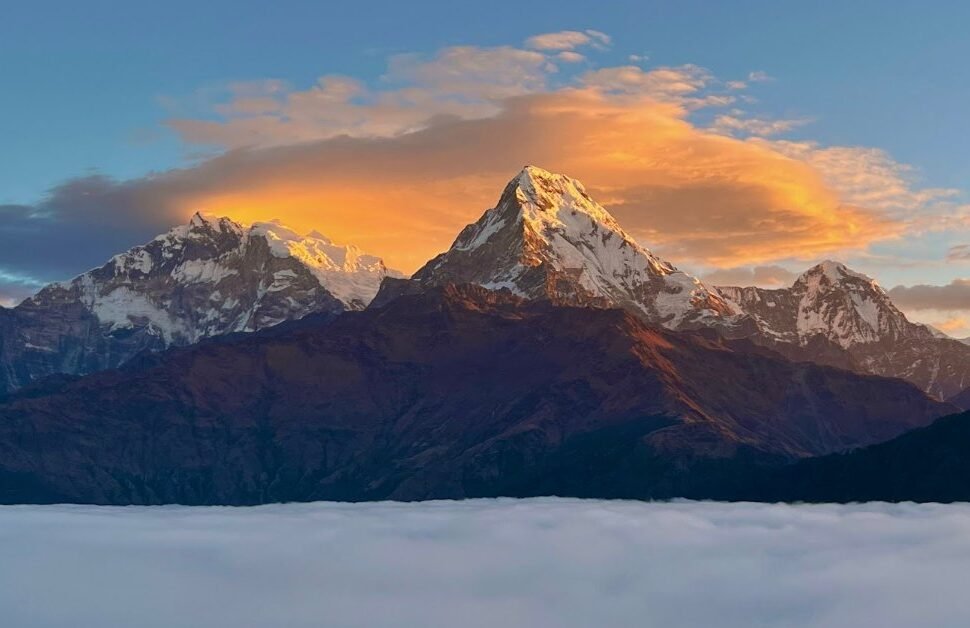
Picture this. It is 5:30 in the morning. The sky above the Annapurna range shifts from deep navy to soft orange. One by one, the highest peaks catch the first rays of sunlight. Annapurna South glows pink. Dhaulagiri turns golden. Machhapuchhre stands sharp and perfect against the brightening sky.
This is the Poon Hill sunrise experience, and it is genuinely life changing. The viewpoint sits at 3,210 meters and offers a 360 degree panorama of the Himalayas. On a clear morning, you can see more than twenty major peaks stretching from horizon to horizon. Many experienced trekkers who have walked all over Nepal still rank this sunrise among the best mountain views they have ever witnessed.
Walk Through the World’s Largest Rhododendron Forests
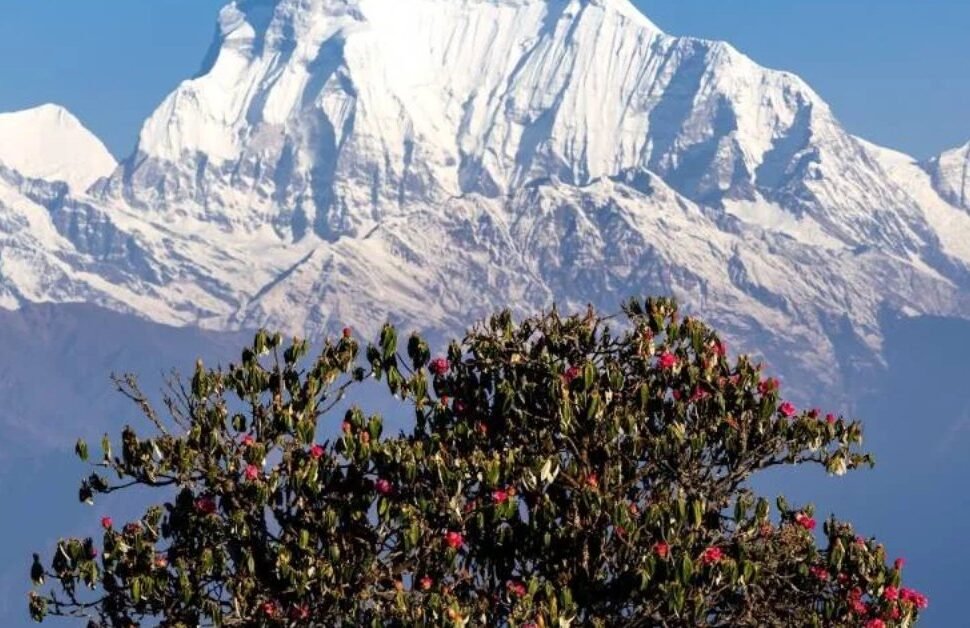
If you trek in March or April, something magical happens. The hillsides between Ghorepani and Tadapani explode with color. Nepal’s national flower, the rhododendron, grows here in the largest concentration on the planet. Forests of red, pink, and white flowers cover entire mountainsides. Walking through these blooming forests feels like wandering through a painting. The scent fills the air. Petals drift down like snow. Combined with mossy oak trees and hanging lichens, the atmosphere is nothing short of enchanting.
Who This Guide Is For
We wrote this guide for a few specific types of travelers.
First, if you are searching for the best Ghorepani Poon Hill trek company and feeling overwhelmed by the options, this guide is for you. The internet is packed with trekking agencies promising the world. We will show you exactly how to separate the professionals from the pretenders.
Second, if you are a traveler from the USA, UK, or Europe planning your first trip to Nepal, we understand the questions running through your mind. Is it safe? What should I pack? How do I know if a company is legitimate? Will language be a problem? We will address all of this and more.
Third, if you simply want a complete, honest resource that covers everything from tea house trekking logistics to what you will eat for dinner on the trail, you are in the right place.
What You Will Learn in This Guide
By the time you finish reading this complete guide, you will know:
How to choose a reliable trekking company that puts your safety and experience first
The complete Ghorepani Poon Hill trek itinerary with day by day breakdowns
Realistic cost expectations and what is included in a typical package
What to pack, when to go, and how to prepare physically
Insider tips that only experienced guides know
How Next Trip Nepal handles this trek differently from budget operators
Chapter 2: What Is the Ghorepani Poon Hill Trek
Overview of the Trek
The Ghorepani Poon Hill trek is a 4 to 5 day loop trek located in the Annapurna region of central Nepal. It sits within the Annapurna Conservation Area, the largest protected area in Nepal, covering 7,629 square kilometers of forests, rivers, alpine meadows, and some of the tallest mountains on Earth.
The trek follows a circular route that begins and ends near Nayapul, a small roadside town about 42 kilometers from Pokhara. Pokhara itself is Nepal’s second largest city and the gateway to all Annapurna region trekking. Most trekkers drive from Pokhara to the trailhead, spend four or five days walking through traditional Gurung and Magar villages, then return to Pokhara to relax by Phewa Lake.
The total distance covers 40 to 51 kilometers depending on the exact route variations you choose. Some trekkers take the direct path through Ulleri and the famous stone steps. Others add a detour through Tadapani for extra forest walking. Either way, the daily distances are manageable and the pace is relaxed.
The villages you pass through are predominantly inhabited by the Gurung and Magar communities, two of Nepal’s most prominent ethnic groups with proud histories of service in the British and Indian Gurkha regiments. Their warm hospitality, traditional stone and wood houses, and terraced hillside farms give this trek a cultural richness that elevates it beyond a simple nature walk.
Key Facts at a Glance
Detail
Information
Maximum Altitude
3,210 meters / 10,531 feet at Poon Hill viewpoint
Trek Duration
4 to 5 days depending on route and pace
Total Distance
40 to 51 kilometers / 25 to 32 miles
Difficulty Level
Easy to moderate, perfect for beginners
Accommodation
Comfortable tea houses throughout the route
Best Seasons
March to May (spring) and September to November (autumn)
Permits Required
Annapurna Conservation Area Permit (ACAP) and TIMS card
Trailhead
Nayapul, 42 km from Pokhara
Nearest City
Pokhara
Region
Annapurna Conservation Area
Local Communities
Gurung and Magar villages
Mountain Views
20+ major peaks including two 8,000 meter mountains
This trek is genuinely one of the best introductions to short trek Nepal options available. The tea house trekking style means you will sleep in small lodges run by local families every night. You will eat hot meals in communal dining rooms, share stories with fellow trekkers from around the world, and fall asleep to the sound of mountain streams and village dogs. No camping gear required. No complex logistics. Just walk, eat, sleep, and repeat.
The easy to moderate difficulty rating makes this trek ideal for anyone looking for a beginner trek Nepal experience. The hardest single section is the climb up the stone steps to Ulleri on day one or two. After that, the trail rises and falls gradually through forests and ridgelines. As long as you take your time and stay hydrated, most people find the walking very manageable.
Mountains You Will See from Poon Hill
The sunrise view from Poon Hill is the undisputed highlight of this trek. On a clear morning, the panoramic sweep of peaks is so vast and impressive that many trekkers find themselves speechless. Here are the major mountains visible from this incredible viewpoint:
Mountain Name
Elevation
Notable Feature
Dhaulagiri
8,167 meters
7th highest mountain in the world, dramatic white pyramid
Annapurna I
8,091 meters
10th highest mountain in the world, massive south face
Manaslu
8,163 meters
8th highest in the world, visible on the eastern horizon
Annapurna III
7,555 meters
Striking steep ridges and technical climbing routes
Annapurna South
7,219 meters
Iconic triangular peak, closest major peak to Poon Hill
Nilgiri North
7,061 meters
Beautiful snow dome rising above the Kali Gandaki valley
Machhapuchhre
6,993 meters
The sacred “Fishtail” peak, restricted from climbing
Lamjung Himal
6,983 meters
Distinctive ridged peak visible to the east
Tukuche Peak
6,920 meters
Sharp summit near Dhaulagiri, popular with climbers
Hiunchuli
6,441 meters
Part of the Annapurna Sanctuary wall
Dhaulagiri South
7,000+ meters
Subsidiary peak of the Dhaulagiri massif
Mardi Himal
5,587 meters
Distinctive lower peak with its own popular trekking route
Seeing two 8,000 meter mountains from a single viewpoint at just over 3,000 meters is extraordinary. Dhaulagiri dominates the western skyline with its massive bulk, while Annapurna I anchors the eastern panorama. Between them, a dozen more peaks fill every gap in the horizon. The sight of all these mountains turning pink and gold in the morning light is why many people call Poon Hill sunrise the best mountain viewpoint in Nepal.
Your guide from Next Trip Nepal will help identify each peak for you. Many trekkers bring a peak identification map or app to cross reference what they are seeing. Our guides carry these maps and will spend time pointing out each mountain and sharing local stories about their names and significance.
Chapter 3: Complete Day by Day Ghorepani Poon Hill Trek Itinerary
The standard Ghorepani Poon Hill trek itinerary follows a 4 day loop, though a relaxed 5 day version is equally popular. Below we outline both options so you can choose the pace that suits you best.
Day 1: Pokhara to Nayapul to Tikhedhunga or Ulleri
Your Poon Hill trek Nepal adventure begins with a scenic drive from Pokhara to Nayapul. The distance is approximately 42 kilometers and takes about 1.5 hours by private jeep. The road winds through the Pokhara valley, passing small towns, rice terraces, and the rushing Modi Khola river. If you have arranged your trek through Next Trip Nepal, your guide and driver will pick you up directly from your hotel in Pokhara.
At Nayapul, you will meet your porters, organize your permits at the checkpoint, and begin walking. The trail here is wide and relatively flat, following the Bhurungdi Khola river upstream. You will pass through the village of Birethanti, where another permit checkpoint sits at the confluence of two rivers.
Trekking to Tikhedhunga or Ulleri
From Birethanti, the trail gradually ascends through subtropical forest. You will cross several suspension bridges, walk past small waterfalls, and pass local villages where children often run out to greet trekkers. The walking today is 10 to 12 kilometers and takes 4 to 5 hours depending on where you stop.
Most trekkers spend the first night in Tikhedhunga at 1,540 meters. This small village has several basic but comfortable tea houses with private rooms and shared bathrooms. The setting beside a stream is peaceful and the food is fresh.
However, if you are feeling strong and want to shorten the next day’s climb, pushing on to Ulleri at 1,960 meters is a smart option. This adds about 1.5 hours of uphill walking today, but it eliminates a significant portion of tomorrow’s famous stone step climb. The tea houses in Ulleri are slightly more basic than Tikhedhunga, but the mountain views start to open up and the air feels fresher.
Insider Tip: If you have limited time or want a more relaxed second day, stay in Ulleri. The stone steps from Tikhedhunga to Ulleri are tough regardless of when you do them, so getting them out of the way on day one when your legs are fresh makes the rest of the trek feel easier.
Day 2: Tikhedhunga or Ulleri to Ghorepani
The Famous 3,000 Stone Steps of Ulleri
Today begins with the most challenging section of the entire Ghorepani Poon Hill trek. If you stayed in Tikhedhunga, you will face the legendary 3,000 plus stone steps that climb straight up the hillside to Ulleri. This climb takes about 1.5 to 2 hours and gains over 400 meters of elevation.
The steps were built generations ago by local Gurung and Magar communities to connect their hillside villages. They are uneven, sometimes slippery, and unrelenting. But they are also a badge of honor for trekkers. Take your time. Stop to catch your breath. Let the porters carrying heavy loads pass you. The view back down the valley improves with every step.
If you stayed in Ulleri, your morning starts more gently with a relatively flat walk through the village and out onto the forest trail.
Walking Through Rhododendron and Oak Forests
Once above Ulleri, the trail enters a beautiful mixed forest of oak, rhododendron, and bamboo. In spring, this section is absolutely spectacular. The trees tower overhead. Moss covers the rocks. Birds call from the canopy. If you are lucky, you might spot a langur monkey or a Himalayan pheasant.
The walking today is 7 to 8 kilometers and takes 5 to 6 hours. The trail ascends gradually with a few steeper sections, passing through Banthanti at 2,250 meters and Nangethanti at 2,460 meters. Both are small settlements with tea houses where you can stop for tea and a rest.
At Deurali, around 3,090 meters, you will break out of the forest onto an open ridge with your first clear mountain views. Dhaulagiri and the Annapurna range may appear if the weather is clear. This is a wonderful spot for photos and a breathing break before the final descent into Ghorepani.
Arriving at Ghorepani (2,874 meters)
Ghorepani is a substantial village sitting on a ridge between two hills. It is one of the busiest stops on the entire Annapurna circuit, and for good reason. This is the base for tomorrow morning’s Poon Hill climb, and the village has developed excellent facilities for trekkers.
Your tea house here will likely have hot showers, a warm dining room with a stove, and a menu with everything from dal bhat to pizza to apple pie. The rooms are basic but clean. After dinner, most trekkers go to bed early because tomorrow’s sunrise start comes quickly.
Day 3: Poon Hill Sunrise to Tadapani or Ghandruk
Early Morning Climb to Poon Hill (3,210 meters)
This is the day you have been waiting for. Your guide will wake you around 4:30 AM while it is still dark and cold outside. After a quick cup of tea, you will begin the 45 minute to 1 hour climb up to the Poon Hill viewpoint.
The trail is wide and well maintained, with stone steps most of the way. A headlamp is essential. Dress warmly because the morning air at this altitude can be near freezing, especially in autumn. The climb is not technically difficult, but the altitude and darkness make it feel harder than it is.
When you reach the top, find a good spot and wait. The sky begins to lighten around 5:45 AM. The first colors appear on the eastern horizon. Then, slowly, the highest peaks catch the light.
360 Degree Views of Annapurna and Dhaulagiri Ranges
From the Poon Hill viewpoint platform, you can see in every direction. To the east, the Annapurna massif stretches across the horizon. To the west, Dhaulagiri rises like a massive white wall. Between them, Machhapuchhre points its impossible summit toward the sky.
The sunrise lasts about an hour from first light to full daylight. Most trekkers spend 1 to 2 hours at the viewpoint, taking photos, sharing the moment with fellow trekkers, and simply absorbing the immensity of the landscape. There is a small tea shop at the top selling hot drinks if you need warming up.
This Poon Hill sunrise experience is why people fly halfway around the world to Nepal. It is the kind of moment that stays with you forever.
Return to Tea House for Breakfast
After descending back to Ghorepani, you will enjoy a well earned breakfast at your tea house. Most trekkers are back by 8:00 AM. Take your time eating, packing, and letting your legs recover from the early morning climb.
Trek to Tadapani (2,630 meters) or Ghandruk (1,940 meters)
From Ghorepani, the trail continues through some of the most beautiful forest on the entire trek. If you are trekking in spring, the rhododendron bloom between Ghorepani and Tadapani will be at its absolute peak. The trail is a soft carpet of fallen petals. The air smells like flowers. Mossy oak trees create tunnels of green overhead.
The route to Tadapani takes about 3 to 4 hours of walking through this enchanted forest. Tadapani sits on a ridge with excellent views of Machhapuchhre and the Annapurna range from the tea house windows. Many trekkers choose to spend the night here.
Alternatively, you can continue from Tadapani down to Ghandruk at 1,940 meters. This adds another 2 to 3 hours of walking, mostly downhill. Ghandruk is one of the largest and most beautiful Gurung villages in the Annapurna region. It has excellent tea houses, a Gurung cultural museum, and stunning views of Annapurna South and Hiunchuli.
Day 4: Ghandruk to Nayapul to Pokhara
Explore Ghandruk Village and Gurung Culture
If you spent the night in Ghandruk, take some time in the morning to explore this wonderful village. The stone and slate houses are built in traditional Gurung style. The Annapurna Conservation Area office here has an informative museum about local culture, wildlife, and the history of trekking in the region.
You can visit the local monastery, wander through the narrow village lanes, and watch farmers working in their terraced fields. The people of Ghandruk are famously friendly, and many older residents have fascinating stories about how the village has changed since trekking tourism arrived.
Trek Back to Nayapul, Drive to Pokhara
From Ghandruk, the trail descends steadily toward the Modi Khola river valley. The walking today is 8 to 12 kilometers and takes 4 to 5 hours. You will pass through the villages of Kimche, Syauli Bazaar, and Birethanti before reaching Nayapul.
The trail is mostly downhill, which is easier on your lungs but harder on your knees. Trekking poles are very helpful here. Once you reach Nayapul, your jeep will be waiting to drive you back to Pokhara.
Arriving back in Pokhara in the late afternoon, you will have time for a hot shower, a celebratory dinner at Lakeside, and perhaps a well deserved cold drink while watching the sunset over Phewa Lake. You did it. You completed one of Nepal’s most beloved treks.
Alternative 5 Day Itinerary
For trekkers who prefer a more relaxed pace, the 5 day Ghorepani Poon Hill trek itinerary adds an extra night in Tadapani. This is how the days break down:
Day
Route
Highlights
Duration
Day 1
Pokhara to Nayapul to Tikhedhunga/Ulleri
Scenic drive, first day of walking
4 to 5 hours
Day 2
Tikhedhunga/Ulleri to Ghorepani
Stone steps, rhododendron forests
5 to 6 hours
Day 3
Poon Hill sunrise, trek to Tadapani
Sunrise views, forest walking
5 to 6 hours
Day 4
Tadapani to Ghandruk
Extra time for photography, village exploration
4 to 5 hours
Day 5
Ghandruk to Nayapul to Pokhara
Village morning, return to Pokhara
4 to 5 hours
The extra day at Tadapani gives you more time for photography in the rhododendron forests. It also allows for a relaxed morning walk with shorter days overall. Many trekkers who choose the 5 day option say they appreciated having more time to absorb the atmosphere rather than rushing from place to place.
Next Trip Nepal offers both the 4 day and 5 day versions of this trek. Our guides are happy to adjust the pace based on how your group is feeling. We believe your trek should fit your fitness level and interests, not the other way around.
Continue reading in the next section where we cover how to choose the best trekking company, what questions to ask, what is included in your package, complete cost breakdowns, and our insider tips for making this the trip of a lifetime.
Chapter 4: Best Time to Do the Ghorepani Poon Hill Trek
Timing is everything when planning your Ghorepani Poon Hill trek. Pick the right season and you will be rewarded with clear mountain views, comfortable trails, and an unforgettable experience. Pick the wrong one and you might find yourself hiking through rain clouds with muddy boots.
Nepal has four distinct trekking seasons, and each one offers something different. The good news is that the Poon Hill trek sits at relatively low elevation compared to other Annapurna region treks, which means it is accessible almost year round. But some months are definitely better than others. Below, I break down what to expect in each season so you can plan your trip with confidence.
Spring Season (March to May)
Spring is one of the most beautiful times to trek to Poon Hill. The forests between Ghorepani and Tadapani explode with color as rhododendron trees bloom in shades of red, pink, and white. It honestly feels like walking through a living painting.
At lower elevations, daytime temperatures range from 10 to 20 degrees Celsius. That means comfortable hiking weather in a t shirt and light fleece. Nights are cooler but not freezing, especially if you are sleeping in cozy tea houses.
The visibility is excellent during spring, with clear skies most mornings. Crowds are moderate, so you will not feel alone on the trail but you will not be fighting through large groups either. The mornings are crisp and the afternoons are warm. It is the kind of weather that makes you want to keep walking.
Autumn Season (September to November)
If you ask most trekkers and guides, they will tell you autumn is the absolute best time for the Poon Hill trek. The monsoon rains have washed the dust out of the air, leaving behind the clearest skies and sharpest mountain views of the entire year.
Daytime temperatures at lower elevations sit between 5 and 15 degrees Celsius. The mornings can be chilly, especially at Poon Hill for sunrise, but a good jacket takes care of that. The afternoons are pleasant for hiking.
This is the most popular trekking season, which means the trails and tea houses are at their busiest. If you want the best weather, this is it. Just book your tea house trek package early because rooms fill up fast, especially in October.
Winter Season (December to February)
Winter trekking to Poon Hill is a quieter, more peaceful experience. The peaks are blanketed in snow and the crowds thin out a lot. If you enjoy solitude and do not mind cold temperatures, winter can be a wonderful time to visit.
Daytime temperatures range from minus 5 to 10 degrees Celsius. The cold is manageable during the day while you are moving, but you will want warm layers for mornings and evenings. Some higher tea houses may close during the coldest weeks, but the main route stays open.
One thing to keep in mind is that some sections of the trail can be icy, especially in the early morning. A good pair of trekking poles and microspikes on your boots make a big difference. The tradeoff for the cold is that you get the trail almost to yourself, and the mountain views with fresh snow are absolutely stunning.
Monsoon Season (June to August)
I will be honest with you. Monsoon is not a great time for the Poon Hill trek. Heavy rainfall hits the Annapurna region almost daily, trails become muddy and slippery, and mountain views are often hidden behind thick clouds.
The leeches are another unpleasant reality during monsoon season. They come out in force on the forested sections of trail between Tikhedhunga and Ghorepani. Visibility is poor on most days, which defeats the whole purpose of trekking to a famous viewpoint like Poon Hill.
If you have flexibility in your travel dates, avoid monsoon season. The trail conditions are tough, the views are unreliable, and the overall experience simply does not match what you get in spring or autumn.
Season Comparison Table
Season
Months
Temperature
Visibility
Crowds
Recommendation
Spring
March to May
10 to 20 degrees C at lower elevations
Excellent
Moderate
Highly Recommended
Autumn
September to November
5 to 15 degrees C at lower elevations
Best of the year
High
Highly Recommended
Winter
December to February
Minus 5 to 10 degrees C
Good on clear days
Low
Good for experienced trekkers
Monsoon
June to August
Warm but wet
Poor
Very Low
Not Recommended
My honest advice? If this is your first Nepal trekking experience, aim for autumn or spring. You get the best combination of weather, views, and trail conditions. If you are on a tighter budget and do not mind the cold, winter offers great value with fewer crowds. Save your monsoon months for lower elevation trips or cultural tours around Kathmandu and Pokhara instead.
Chapter 5: Complete Cost Breakdown for 2026
Let us talk about money. One of the biggest questions I get from trekkers planning the Ghorepani Poon Hill trek is “How much does it actually cost?” The answer depends on how you want to trek, but I am going to break it all down for you right here. No surprises. No hidden numbers.
The Poon Hill trek is one of the more affordable treks in Nepal, which is part of why it is so popular. But costs can add up if you are not prepared. Below is a complete cost guide for 2026 so you can budget properly before you book with any Ghorepani Poon Hill trek company.
Trek Package Prices
Most trekking companies in Nepal offer the Poon Hill trek in three price tiers. What you pay depends on the level of service, the quality of accommodation, and what is included in the package.
Package Type
Price per Person
What It Typically Includes
Budget Trek
450 to 600 USD
Basic tea house accommodation, guide, permits, meals, shared jeep transport
Standard Trek
600 to 900 USD
Good tea house accommodation, licensed guide, permits, full board meals, private jeep, porter
Premium Trek
900 to 1,500 USD
Best available tea houses, experienced guide, full porter support, permits, all meals, private transport, extras like hot showers included
A budget package gets you on the trail with the essentials covered. A standard package adds more comfort, a private jeep, and usually includes a porter so you are not carrying a heavy pack uphill. A premium package takes care of every detail and gives you the most comfortable tea house rooms available along the route.
Permits and Fees
Every trekker in the Annapurna region needs two permits. There is no way around this, and any reputable Nepal trekking company will arrange them for you.
Permit
Cost in NPR
Cost in USD (approx.)
ACAP (Annapurna Conservation Area Permit)
3,000 NPR
23 to 25 USD
TIMS Card (Trekkers Information Management System)
2,000 NPR
15 to 16 USD
Total Permits
5,000 NPR
Approximately 40 USD per person
These permits are mandatory. Since April 2023, licensed guides have also become mandatory for all trekkers in Nepal. This means you cannot trek independently anymore, which is actually a good thing for your safety and for supporting the local economy.
Daily Costs on the Trail
Even if you book a package, it helps to understand what things cost on the trail. Here is a breakdown of typical daily expenses during your tea house trek.
Expense
Cost
Accommodation (tea house room)
5 to 15 USD per night
Food and meals
20 to 35 USD per day
Hot shower
200 to 500 NPR per use
WiFi access
200 to 500 NPR per device
Device charging
100 to 500 NPR per charge
Bottled water or hot drinks
1 to 5 USD per item
Tea houses on the Poon Hill route are clean and comfortable but basic. A room typically has two beds with blankets, and you pay extra for a hot shower or to charge your phone. Food gets more expensive the higher you climb because everything is carried up by porters or mules. Dal bhat, the traditional Nepali meal of rice, lentils, and vegetables, is your best value and it is all you can eat.
Guide and Porter Costs
Hiring a guide and porter is one of the best investments you can make on this trek. Not only is it now required by Nepali law, but it also makes your trek safer, more enjoyable, and more meaningful.
A licensed guide costs between 25 and 35 USD per day. Your guide handles permits, navigation, tea house bookings, and communication. More than that, a good guide shares stories about the villages, the culture, and the mountains that you would never learn on your own.
A porter costs between 15 and 25 USD per day. Porters carry your main backpack, which means you walk with just a small daypack containing water, snacks, and your camera. At the altitudes on this trek, every kilogram matters. Having a porter lets you enjoy the walk instead of struggling under a heavy load.
Some trekkers ask if they need both a guide and a porter. My answer is yes, if your budget allows. The guide focuses on your safety and experience while the porter handles the physical load. It is also the responsible thing to do. These jobs support local families in communities where employment options are limited.
Transportation Costs
Getting to and from the trek start point involves a few different legs. Here is what you should expect to pay.
A private jeep from Pokhara to Nayapul, which is the starting point of the trek, costs between 40 and 60 USD. This is the most comfortable option and most trek packages include it. You can also take a local bus for much less, but it is crowded and less reliable.
If you are flying from Kathmandu to Pokhara, expect to pay 100 to 145 USD for a one way flight. The flight takes about 25 minutes and saves you a full day of travel. The tourist bus from Kathmandu to Pokhara is the budget option at 10 to 15 USD, but the ride takes 7 to 8 hours on winding mountain roads.
Total Budget Calculator
Now let us put it all together. Here is what your total Ghorepani Poon Hill trek price might look like for a 4 day trek in 2026.
Budget Level
Estimated Total Cost
What This Covers
Minimum Budget
500 USD for 4 days
Budget package or independent trekking with permits, basic meals, shared transport, guide
Comfortable Budget
750 USD for 4 days
Standard package with better tea houses, private jeep, porter, full meals, good guide
Premium Budget
1,200+ USD for 4 days
Premium package with best tea houses, full support team, all extras included, possible hotel upgrade in Pokhara
These numbers are realistic for 2026. Prices in Nepal have been rising gradually as tourism infrastructure improves, but the Poon Hill trek remains one of the best value treks in the Himalayas. You get incredible mountain views, a genuine cultural experience, and comfortable tea house accommodation at a fraction of what similar treks cost in other parts of the world.
One important tip: always ask your Poon Hill trek agency for a written breakdown of what is included and what is not included. The best Ghorepani Poon Hill trek company will give you this upfront with no surprises.
Chapter 6: How to Choose the Best Ghorepani Poon Hill Trek Company
This is the chapter you have been waiting for. Choosing the right trekking company can make the difference between an amazing trip and a frustrating one. With hundreds of agencies in Kathmandu and Pokhara all offering similar looking packages, how do you know which one to trust?
I have seen too many trekkers show up in Nepal with a cheap booking they made online, only to find out their guide does not speak English, their jeep does not show up, or their “included” meals cost extra. Do not let that be you. Here is exactly what to look for when choosing the best Ghorepani Poon Hill trek company for your adventure.
Government Registration and Licenses
This is non negotiable. Any legitimate trekking company in Nepal must be registered with the Nepal Tourism Board and TAAN (Trekking Agencies Association of Nepal). These registrations mean the company operates legally, pays taxes, and follows industry standards.
Since April 2023, the Nepali government made licensed guides mandatory for all treks. This was done to improve safety and prevent accidents on the trails. A registered company will always provide a government licensed guide. An unregistered company might cut corners by sending an untrained local instead.
Ask any company you are considering to provide their registration numbers. A trustworthy Poon Hill trek agency will share this information willingly. If they hesitate or make excuses, that is your cue to look elsewhere. Unregistered companies put you at risk. If something goes wrong on the trail, you have no recourse.
Guide Qualifications and Training
Your guide is the single most important factor in your trekking experience. A great guide keeps you safe, shares local knowledge, handles problems before they become emergencies, and turns a good trek into an unforgettable one.
Look for a company that employs government licensed guides with proper first aid training. The best guides speak clear English and know the Annapurna region trails intimately. They should be able to tell you about the villages you pass through, the plants and animals you see, and the cultural significance of the places you visit.
Before you book, ask the company about your specific guide. What is their name? How many years of experience do they have? Do they have wilderness first aid certification? The best Ghorepani Poon Hill trek company will happily share this information. If a company cannot tell you anything about who will guide your trek, consider that a warning sign.
Safety Standards and Protocols
Safety should never be an afterthought on any trek. Even though the Poon Hill trek is considered relatively easy, things can still go wrong. Altitude affects everyone differently. Trails can be slippery. Weather changes quickly in the mountains.
A responsible trekking company has clear emergency evacuation procedures in place. They should be able to explain exactly what happens if you get sick or injured on the trail. This includes access to helicopter evacuation if needed and communication devices that work in remote areas.
Staff insurance and welfare policies matter too. Companies that take care of their guides and porters tend to attract better staff. Ask whether the company provides insurance for their guides and porters. Companies that invest in their team deliver better service to their clients.
Transparent Pricing with No Hidden Costs
Nothing ruins a trek faster than surprise costs. You arrive at a tea house thinking your accommodation is covered, and then you are asked to pay extra. Your package said meals were included, but now you are being charged for breakfast.
The best Nepal trekking company will give you a clear, written breakdown of exactly what is included and what is not included before you pay anything. This should cover accommodation, meals, transport, permits, guide and porter fees, and any extras like hot showers or WiFi.
Avoid companies with vague pricing. If a quote says “all inclusive” but does not list specific items, ask for details. If the price seems dramatically lower than other quotes, ask yourself what they are cutting. Often, it is guide quality, staff wages, or safety equipment.
Customer Reviews and Reputation
In the age of the internet, there is no excuse for not checking reviews. Before you book with any Ghorepani Poon Hill trek company, spend time reading what past clients have said.
Check recent reviews on TripAdvisor and Google. Look for detailed feedback that mentions specific guides by name. Generic reviews that say “great trek” without details are less useful than ones that say “Our guide Ram was amazing. He spotted an eagle, told us stories about Gurung culture, and made sure we got the best room at every tea house.”
Pay attention to how the company responds to negative reviews too. A company that acknowledges problems and explains how they fixed them shows professionalism. A company that argues with reviewers or ignores feedback altogether is not one you want to trust with your safety.
Communication and Responsiveness
Before you book, test the company’s communication. Send them a message on WhatsApp or email with a few questions about the trek. See how quickly they respond and how thoroughly they answer.
A professional Poon Hill trek agency replies within a few hours, not days. They give clear, specific answers rather than copy paste responses. They are patient with your questions because they understand this is a big decision for you.
If a company takes forever to reply, gives vague answers, or seems annoyed by your questions, imagine how they will treat you once they have your money. Good communication before booking usually means good service on the trail.
Flexible Booking Policy
Life is unpredictable. Flights get delayed. You might catch a cold before your trek. Having a flexible booking policy gives you peace of mind.
Look for companies that offer no advance payment options or only require a small deposit. Ask about their policy for date changes and cancellations. The best companies understand that travel plans change and work with you to find solutions.
Be cautious of companies that demand 100 percent payment upfront. This is not standard practice in Nepal, and it removes your leverage if the company does not deliver what they promised.
Red Flags to Avoid
Not every company operating in Nepal has your best interests in mind. Here are the warning signs that should send you running in the opposite direction.
Red Flag
Why It Matters
Prices that seem too good to be true
Extremely cheap packages often cut corners on guide quality, safety, staff wages, or included services
No online presence or reviews
A company with no website, no social media, and no reviews has no accountability and no track record
Demanding 100 percent payment upfront
Standard practice is a small deposit or no advance payment. Full upfront payment removes your protection
No government registration proof
Unregistered companies operate illegally and cannot guarantee licensed guides or proper insurance
Vague answers about safety protocols
If a company cannot explain their emergency procedures clearly, they probably do not have any
Cannot provide guide details before booking
A quality company knows who their guides are and can share their qualifications. Vagueness suggests unlicensed or inexperienced staff
Why Next Trip Nepal Checks Every Box
After everything I have shared about how to choose a trekking company, you might be wondering who actually meets all these standards. At Next Trip Nepal, we built our company around the idea that every trekker deserves transparency, safety, and an incredible experience.
We are fully registered with the Nepal Tourism Board and TAAN. Our guides are government licensed, English speaking, and trained in first aid. We provide clear pricing with detailed inclusions and exclusions before you commit to anything. Our reviews speak for themselves, with trekkers mentioning our guides by name and sharing stories about the connections they made on the trail.
We communicate fast. We answer your questions honestly. We offer flexible booking policies because we know travel plans change. And we never demand full payment upfront.
Choosing the best Ghorepani Poon Hill trek company does not have to be complicated. Look for the signs I have outlined in this chapter, trust your instincts, and do not let price be the only factor in your decision. This is your adventure in the Himalayas. You deserve a company that treats it with the care and respect it deserves.
If you are ready to start planning, reach out to us at Next Trip Nepal. We will give you honest advice, answer every question, and help you plan a Poon Hill trek that you will remember for the rest of your life.
Chapter 7: Why Next Trip Nepal Is Your Best Choice
You have done your research. You have compared different Nepal trekking companies. You have read reviews, checked prices, and asked questions in travel forums. Now you are wondering which company to trust with your Ghorepani Poon Hill trek adventure.
Next Trip Nepal stands out as the best Ghorepani Poon Hill trek company for travelers who want a stress free, fairly priced, and genuinely memorable trekking experience. Here is exactly why thousands of trekkers choose us every year.
No Advance Payment Booking Policy
This is the policy that makes first time visitors breathe a sigh of relief.
With Next Trip Nepal, you book your trek with zero deposit. You do not pay a single dollar before you arrive in Nepal. No credit card charges months in advance. No worrying about refunds if your plans change. No financial risk whatsoever.
Here is how it works. You send us a message on WhatsApp or fill out our quick booking form. We confirm your dates. You lock in your spot. Then you simply pay when you arrive in Pokhara or Kathmandu, usually on the day before your trek begins.
This policy exists because we trust our trekkers, and we want you to feel completely comfortable booking with us. Life is unpredictable. Flights get cancelled. Work schedules shift. Health situations change. We get it. That is why we removed the financial stress from the equation entirely.
Experienced Licensed Guides
Your guide can make or break your trek. This is not an exaggeration.
At Next Trip Nepal, every single guide is government certified and holds a valid license from the Nepal Tourism Board. They have spent years walking the Poon Hill trail in every season. They know each tea house, each viewpoint, and each shortcut like the back of their hand.
But technical knowledge is only half the story.
Our guides are friendly, patient, and genuinely passionate about sharing their mountains with you. They speak excellent English and communicate clearly about trail conditions, altitude considerations, and daily plans. What really sets them apart is how they read the group. They know when to push forward and when to slow down. They know when you need encouragement and when you need a good laugh.
Every guide is trained in first aid and carries a complete medical kit throughout the trek. They carry oximeters to monitor your oxygen levels daily and know the symptoms of altitude sickness inside out. Your safety is always their top priority.
Transparent All Inclusive Pricing
Nothing ruins a trek faster than surprise costs.
We have heard the horror stories. Trekkers who thought they got a great deal, only to find out that permits were extra. That transport to the trailhead was not included. That they had to pay separately for their porter’s meals.
With Next Trip Nepal, what you see is what you pay. Our Poon Hill trek package includes everything you need from the moment we pick you up in Pokhara until we drop you back off.
Before you book, you receive a clear written breakdown of every single inclusion. Your guide’s salary and insurance. Your porter’s wages and equipment. All your meals and accommodation on the trail. Your ACAP permit and TIMS card. Transport to and from Nayapul. Even government taxes are covered.
No hidden costs. No surprise fees. No awkward conversations about money on the mountain.
This is what makes our Ghorepani Poon Hill trek all inclusive package so popular with travelers from the USA, UK, Europe, and Australia. You budget once, pay once, and then simply enjoy your trek.
Proven Track Record
We are not new to this.
Next Trip Nepal has organized hundreds of successful Poon Hill treks over the years. We know this trail in every season. We know which tea houses serve the best dal bhat. We know exactly where to stop for the best sunrise photos. We know how to adjust the itinerary when the weather does not cooperate.
Our reviews speak for themselves. Trekkers from across the world consistently mention our professionalism, our friendly guides, our fair prices, and our willingness to go the extra mile. Many of our guests come back for longer treks like the Annapurna Base Camp trek or the Everest Base Camp trek. That tells us we are doing something right.
When you choose the best Ghorepani Poon Hill trek company, you want one with a proven history of delivering great experiences. That is exactly what Next Trip Nepal offers.
Simple Booking Process
We believe booking a trek should be as relaxing as the trek itself.
With Next Trip Nepal, you can complete your entire booking through WhatsApp in just a few minutes. Send us your preferred dates. Ask any questions you have. We respond quickly and give you honest answers. No sales pressure. No complicated forms.
Need to change your dates? No problem. We understand that international travel involves a lot of moving parts. We offer flexible date changes with no penalties, as long as you give us reasonable notice.
Once everything is confirmed, you receive a detailed pre trek information pack. This includes your day by day itinerary, a packing checklist, arrival instructions for Pokhara, and answers to every common question we can think of.
Responsible Tourism Practices
The mountains give us so much. We believe in giving back.
Next Trip Nepal is committed to responsible tourism across every trek we operate. This starts with our staff. We pay fair wages to all our guides and porters, well above the industry average. We provide proper insurance for every team member. We equip our porters with appropriate footwear and clothing, not just oversized guest luggage.
We also support the local tea house communities along the trail. These families depend on trekking tourism for their income. By bringing respectful, well managed groups through their villages, we help sustain their businesses and preserve their way of life.
When you trek with Next Trip Nepal, you can feel good knowing your trip supports the local economy in a fair and meaningful way.
Chapter 8: What Is Included and Not Included
Understanding exactly what your Poon Hill trek package covers is one of the most important parts of choosing a Nepal trekking company. This chapter gives you a complete breakdown so you can budget accurately and avoid any surprises on the trail.
Standard Inclusions in Your Poon Hill Trek Package: What Is Included
When you book the Ghorepani Poon Hill trek all inclusive package with Next Trip Nepal, you receive a fully supported trekking experience from start to finish. Here is exactly what is covered.
Item
Included?
Details
Government licensed guide
Yes
Professional salary, insurance, meals, and accommodation all covered
All nights during the trek in clean, comfortable local lodges
Meals on trek
Yes
Breakfast, lunch, and dinner throughout the entire trek
ACAP permit
Yes
Annapurna Conservation Area Permit obtained before trek begins
TIMS card
Yes
Trekkers Information Management System card arranged for you
Transport to trailhead
Yes
Pokhara to Nayapul and return private vehicle or tourist bus
Hotel transfers in Pokhara
Yes
Pickup and drop off at your Pokhara hotel included
First aid kit
Yes
Complete medical kit carried by your guide at all times
Oximeter
Yes
Daily oxygen level monitoring throughout the trek
Government taxes
Yes
All applicable Nepal tourism taxes included in your price
This table covers every essential element of your trek. Your guide and porter are fully taken care of, which means they can focus entirely on supporting you. Your accommodation is arranged in advance at trusted tea houses we have built relationships with over the years. Your meals are freshly prepared local food that fuels you up for each day of walking.
The permits, transport, and equipment are all handled by us. You do not need to visit any government offices. You do not need to negotiate with taxi drivers. You do not need to wonder whether your guide has proper medical supplies. We handle every detail.
Exclusions You Should Know About
While our package covers nearly everything, there are a few costs that are not included. These are either personal expenses that vary by individual, or items that are better arranged separately. Being aware of these helps you plan your total trip budget accurately.
Item
Cost
Notes
Nepal visa fee
30 to 125 USD
15 days costs 30 USD, 30 days costs 50 USD, 90 days costs 125 USD. Obtain on arrival at Kathmandu airport.
International flights
Varies
Your round trip flight to Kathmandu is not included. Book early for better prices.
Hotels in Kathmandu and Pokhara
20 to 80 USD per night
Accommodation before and after the trek is your choice. We can recommend great options at every budget.
Travel insurance
80 to 150 USD
Mandatory for all trekkers. Must cover trekking up to 4,000 meters altitude and include helicopter evacuation.
Personal expenses
5 to 15 USD per day
Snacks, soft drinks, beer, chocolate, souvenirs, and other personal items you purchase on the trail.
Hot showers
200 to 500 NPR per shower
Most tea houses charge for hot water. Cold showers are usually free. Bring wet wipes as a backup.
WiFi access
200 to 500 NPR per use
Internet is available at most tea houses for a small fee. Do not expect fast speeds.
Battery charging
100 to 500 NPR per device
Electricity is limited in the mountains. Bring a power bank to reduce charging costs.
Tips for guide and porter
10 to 15 percent of trek cost
Tipping is customary and greatly appreciated. It directly rewards your hard working support team.
Understanding these exclusions helps you see the full picture. The Nepal visa is straightforward. You fill out a simple form at Kathmandu airport, pay the fee in cash or by card, and receive your visa on the spot. Most travelers choose the 30 day option for 50 USD, which gives plenty of flexibility.
Travel insurance is the one item on this list that we treat as non negotiable. Trekking in the Himalayas involves real risks. Weather changes quickly. Trails can be slippery. Altitude affects people differently. A good insurance policy that covers helicopter evacuation can literally save your life and prevent a medical bill that could reach tens of thousands of dollars. We require every trekker to show proof of adequate insurance before the trek begins.
The on trail expenses like hot showers, WiFi, and charging are small daily costs that add up over four or five days. Budget around 10 to 15 USD per day for these extras and you will be comfortable. Bring a good quality power bank with at least 10,000 mAh capacity and you can cut your charging costs by a large amount.
Why Full Disclosure Matters
We believe you deserve to know exactly Poon Hill trek what is included before you make any payment. Some Nepal trekking companies advertise low prices that do not include permits, transport, or even meals. The real cost ends up being much higher than advertised.
Next Trip Nepal does not play those games. Our quoted price includes every essential element of your trek. The exclusions above are clearly communicated before you book. We want you to arrive in Nepal feeling prepared, not suspicious.
Chapter 9: Permits Required for Ghorepani Poon Hill Trek
Every trekker walking the Poon Hill route needs two specific permits. There are no exceptions. These permits exist to protect the Annapurna Conservation Area, fund trail maintenance and conservation work, and keep a record of who is in the mountains for safety reasons.
The good news is that Next Trip Nepal arranges both permits for you as part of your Poon Hill trek package. You do not need to stand in line at government offices or fill out complicated forms. We handle everything.
Still, it helps to understand what these permits are, what they cost, and why they matter. Here is the full breakdown.
Annapurna Conservation Area Permit (ACAP)
The Annapurna Conservation Area Permit, commonly called the ACAP permit, is your official entry pass into the Annapurna Conservation Area. This protected region covers the entire Poon Hill trekking route and extends far beyond into the Annapurna Sanctuary and Annapurna Circuit.
The permit costs 3,000 NPR, which is approximately 23 to 25 USD depending on current exchange rates. This is a single entry permit, meaning it covers your trek from start to finish along one continuous route. If you exit the conservation area and want to re enter later for a different trek, you would need a new permit.
The funds from ACAP permits go directly toward conservation efforts in the region. This includes maintaining the trail network, protecting local wildlife, managing waste disposal systems, and supporting sustainable tourism development in the communities that live within the conservation area.
Your ACAP permit is checked at multiple points along the trail. Keep it easily accessible in your daypack, not buried at the bottom of your main bag. Your guide will remind you when checkpoint areas are approaching.
TIMS Card (Trekkers Information Management System)
The TIMS card is a mandatory registration system for all foreign trekkers in Nepal. It was originally introduced to improve trekker safety by maintaining a record of who is on which trail at any given time. In case of natural disasters, accidents, or emergency situations, rescue teams use TIMS data to locate and assist trekkers.
The TIMS card costs 2,000 NPR, which is approximately 15 to 16 USD. Since 2023, this card has been mandatory for all foreign trekkers in the Annapurna region, including those doing the relatively short and accessible Poon Hill trek.
There are two types of TIMS cards. Independent trekkers receive a green card. Trekkers who book through a registered agency like Next Trip Nepal receive a blue card. The blue card indicates that you are trekking with an organized group and a licensed guide. This distinction has become increasingly important since Nepal changed its trekking regulations in 2023.
How to Obtain Your Permits
When you book with Next Trip Nepal, the permit process is completely hands off for you. Here is what happens behind the scenes.
We collect a copy of your passport and two passport sized photographs from you when you arrive in Pokhara or Kathmandu. We then visit the Nepal Tourism Board office or the TAAN (Trekking Agencies’ Association of Nepal) office to submit your applications. The permits are usually issued within a few hours on the same day.
Your guide carries the original permits throughout the trek and presents them at each checkpoint. You do not need to worry about losing them or forgetting them at the tea house.
The total permit cost is approximately 40 USD per person, combining both the ACAP permit and the TIMS card. This amount is already included in your Poon Hill trek package price, so there are no additional fees to pay.
Licensed Guide Is Now Mandatory
This is the most important change to Nepal’s trekking rules in recent years, and every traveler needs to understand it.
Since April 2023, independent trekking is no longer permitted in Nepal’s conservation areas, including the Annapurna region. Every foreign trekker must be accompanied by a government licensed guide booked through a registered trekking agency.
This rule applies to the Ghorepani Poon Hill trek just as it applies to the Everest Base Camp trek and the Annapurna Circuit. There are no exceptions based on experience level or fitness. Even if you have trekked in Nepal ten times before, you still need a guide for your eleventh trek.
The regulation was introduced for good reasons. Nepal’s mountain rescue services have limited resources. When trekkers go missing or get injured while trekking alone, search and rescue operations become dangerous, expensive, and time consuming. Having licensed guides with organized groups means that someone responsible is always present to make safety decisions, coordinate evacuations if needed, and keep accurate records of the group’s location.
This regulation also protects you as a trekker. A licensed guide knows the symptoms of altitude sickness and can recognize them before you do. They know which trails are safe after heavy rain and which shortcuts to avoid. They have relationships with tea house owners that ensure you get good food and clean rooms. They speak the local language and can resolve problems that would leave an independent trekker frustrated and helpless.
Booking through a registered agency like Next Trip Nepal ensures you are fully compliant with the law. We are properly registered with the Nepal Tourism Board and TAAN. Our guides hold current licenses. Your TIMS card will be the correct blue card type. You will pass every checkpoint without any issues.
Why Some Trekkers Get Confused About Permits
You might read conflicting information about Poon Hill trek permits online. Some older blog posts claim you only need one permit. Some claim you can trek without a guide. Some quote prices that are outdated by several years.
This confusion exists because Nepal’s trekking regulations have changed multiple times in recent years. The TIMS card system was restructured. The mandatory guide rule was introduced. Permit prices have been adjusted. Information written before 2023 is often no longer accurate.
When you book with Next Trip Nepal, you do not need to sort through conflicting online advice. We keep up to date with every regulatory change. We ensure your permits are correct, your guide is properly licensed, and your trek proceeds without any legal or bureaucratic issues.
Final Thoughts on Permits and Regulations
The permit and guide requirements for the Poon Hill trek exist to protect both the environment and you as a trekker. The total cost of around 40 USD for both permits is a small price to pay for access to one of the most beautiful mountain regions on earth.
Your Poon Hill trek permits are already included in your Next Trip Nepal package. Your licensed guide is included too. All you need to do is show up with your passport and two photos, and we take care of the rest.
The mandatory guide regulation might seem restrictive if you are an experienced hiker who prefers independent travel. But once you are on the trail, you will appreciate having a knowledgeable local expert by your side. The guide does more than keep you legal. They enrich your experience with stories about the mountains, introduce you to local culture, handle any problems that arise, and give you the confidence to relax and enjoy every step of this incredible trek.
Focus on getting fit, packing right, and building your excitement. Leave the paperwork, permits, and regulations to Next Trip Nepal. We have done this hundreds of times, and we have never had a single trekker miss a sunrise at Poon Hill because of a permit problem.
Chapter 10: Complete Packing List for Ghorepani Poon Hill Trek
Getting your packing list right is one of the most important things you can do before your Ghorepani Poon Hill trek. The Annapurna region has variable weather, and being prepared will make your trek far more comfortable. This is not an expedition where you need specialist climbing equipment, but you do need to pack smart for a tea house trek in Nepal.
The good news is that the Ghorepani Poon Hill trek packing list is relatively short compared to longer treks like the Annapurna Circuit. Your Poon Hill trek company (like Next Trip Nepal) will provide a porter for your main bag, so you only carry a light daypack during the day. That said, every item you bring should earn its place in your bag.
The weather on this trek can change quickly. Mornings at Poon Hill are cold, especially for the sunrise viewpoint climb. Daytime trekking can be warm and sunny. Afternoons might bring rain. Your gear needs to handle all of these conditions. If you are wondering what to pack for Poon Hill trek, this checklist covers everything you need.
Before we get to the list, here are a few quick tips. Layering is the key to staying comfortable in the mountains. Merino wool clothing is worth the investment because it stays warm when damp and resists odors. Break in your trekking boots well before you arrive in Nepal. Blisters on day one can ruin your entire trip. Finally, keep all important documents, money, and valuables in your daypack, not your porter bag.
Let us go through the complete trekking gear Nepal checklist category by category.
Essential Clothing
Your clothing choices should follow the layering system. This means a base layer next to your skin, a warm mid layer, and a waterproof outer shell. This system lets you add or remove layers as the temperature changes throughout the day.
Here is your essential clothing checklist:
Base layers (thermal top and bottom). Pack at least one set of good quality thermal underwear. Merino wool or synthetic materials work best. These will keep you warm during the cold early morning Poon Hill sunrise climb.
Trekking shirts (quick dry, 2 to 3). Long sleeve shirts are best because they protect you from the sun. Quick dry synthetic or merino wool fabrics are ideal. Avoid cotton as it stays wet and cold.
Fleece jacket or warm mid layer. This is your insulation layer. A lightweight fleece or a synthetic insulated jacket works perfectly for the temperatures you will encounter.
Down jacket for cold mornings. Temperatures at Poon Hill before sunrise can drop close to freezing, especially in winter. A packable down jacket is one of the most important items on your list. If you do not own one, rental options are available in Pokhara.
Waterproof and windproof jacket. The weather in the Annapurna foothills can change fast. A good quality rain jacket is essential, especially during the monsoon season and early autumn.
Trekking trousers (2 pairs). Lightweight, quick dry trekking pants are ideal. One pair should be enough, but having a second gives you flexibility if one gets wet or dirty.
Warm hat and sun hat. A wool or fleece beanie for cold mornings and a wide brim hat or cap for sun protection during the day. Both are essential.
Warm gloves and light gloves. Pack a pair of warm fleece or wool gloves for the Poon Hill sunrise viewpoint. Lightweight liner gloves are useful for general trekking.
Underwear and socks (4 to 5 pairs, merino wool). Merino wool socks are the best investment you can make for your feet. They wick moisture, resist odors, and prevent blisters better than any synthetic or cotton option.
Footwear
Your feet are your most important asset on any trek. Treat them well with proper footwear and you will have a much better experience on the trail.
Trekking boots (broken in, waterproof, ankle support). This is the most important piece of gear you will bring. Your boots should be waterproof, have good ankle support for the uneven stone trails, and most importantly, be fully broken in. Never bring brand new boots on a trek.
Camp shoes or sandals. Light sandals or Crocs are perfect for wearing around the tea house in the evenings. They let your feet breathe and recover after a day of trekking.
Trekking socks (merino wool recommended, 3 to 4 pairs). As mentioned above, merino wool socks are worth every rupee. Bring extra pairs so you always have a dry set.
Gear and Equipment
The right gear and equipment will make your days on the trail safer and more comfortable. Here is what experienced trekkers recommend for a tea house trek Nepal like this one.
Daypack (30 to 40 liters). This is the bag you carry yourself every day. It should hold your water, snacks, camera, rain jacket, and extra layers. A good daypack with a hip belt takes the weight off your shoulders.
Duffel bag for porter (60 to 80 liters). Most Poon Hill trek companies, including Next Trip Nepal, provide a porter who carries up to 15 kg. You will need a sturdy duffel bag for your main luggage. Some companies include this in their package, so check with your operator.
Trekking poles (highly recommended for Ulleri steps). The stone steps on the Ulleri steps section are long and steep. Trekking poles reduce the strain on your knees by up to 25 percent. They are one of the best investments for this trek. Adjustable poles that collapse to fit in your luggage are ideal.
Sleeping bag (comfort rated to 0 degrees C). Tea houses provide blankets, but they may not be washed frequently and are often not warm enough on their own. A sleeping bag rated to around 0 degrees Celsius (comfort rating) will keep you warm and comfortable. Renting in Pokhara is a good option if you do not want to buy one.
Headlamp with extra batteries. Essential for the early morning climb to Poon Hill for sunrise. You will be walking in the dark for about 45 minutes, and a headlamp keeps your hands free. Bring spare batteries as cold weather drains them faster.
Water bottles or hydration bladder (2 liters capacity). Staying hydrated at altitude is important. A hydration bladder in your daypack makes drinking on the move easy. Alternatively, carry two 1 liter bottles.
Water purification tablets or filter. Buying bottled water gets expensive and creates plastic waste. Most trekkers use purification tablets or a water filter on the tap water available at tea houses. This saves money and is better for the environment.
Personal Items
These everyday essentials will keep you comfortable, safe, and healthy on the trail.
Sunscreen SPF 50+ and lip balm with SPF. The sun at higher altitude is much stronger than at sea level. The UV intensity increases significantly, and you can burn even on cloudy days. Apply sunscreen every morning and reapply throughout the day.
Sunglasses with UV protection. Glacier glasses or good quality sunglasses with UV400 protection are essential. Snow glare and bright mountain sun can damage your eyes.
Personal first aid kit (blister pads, pain relievers, antiseptic). Blisters are the most common problem on treks. Pack blister pads or Compeed, ibuprofen or paracetamol, antiseptic cream, and any personal medications. Your guide will carry a more complete kit, but having your own basics is smart.
Toiletries and toilet paper. Tea houses provide very basic facilities. Bring your own toilet paper, toothbrush, toothpaste, and biodegradable soap. Leave scented products at home as they attract insects.
Hand sanitizer and wet wipes. Hot water for washing is not always available. Wet wipes are your best friend for staying fresh on multi day treks.
Camera or smartphone with power bank. The views on this trek are incredible, and you will want to capture them. Bring a power bank because charging at tea houses costs extra and electricity is limited.
Passport, permits, travel insurance documents. Keep these in a waterproof bag in your daypack. Your TIMS card and Annapurna Conservation Area Permit are checked at multiple points on the trail.
Optional Items
These items are not essential but can make your trek more enjoyable.
Book or e-reader for evenings. Tea houses have limited entertainment. A good book is a perfect companion for relaxed evenings by the stove.
Playing cards or small games. Great for passing time with fellow trekkers and your group in the evenings.
Earplugs for tea house nights. The walls in tea houses are thin. If you are a light sleeper, earplugs will help you get a good night of rest.
Snacks and energy bars. Nepali tea houses serve good food, but having your favorite energy bars or trail mix for the trail is nice. Chocolate, nuts, and dried fruit are available in Pokhara before your trek.
Trekking gaiters. Useful during the monsoon season or if there is snow on the trail. They keep debris and water out of your boots.
Quick dry towel. A small, lightweight travel towel is useful for washing up. Regular towels are too bulky and take too long to dry in mountain conditions.
Packing Tips from Next Trip Nepal
The team at Next Trip Nepal has guided hundreds of trekkers on the Ghorepani Poon Hill route. Here are their insider packing tips.
Pack light. The less your porter carries, the better for everyone. Aim to keep your duffel bag under 12 kg if possible. You really do not need as much as you think.
Bring a cover for your daypack. A rain cover protects your electronics and spare clothing during unexpected showers. Many daypacks come with one built in.
Organize with packing cubes. They keep your gear organized in the duffel bag and make it easy to find what you need without unpacking everything.
Keep valuables on you. Never put your passport, money, camera, or electronics in your porter bag. These stay in your daypack at all times.
Test everything before you leave home. Walk in your boots for at least two weeks. Sleep in your sleeping bag once. Make sure your headlamp works. Small checks at home prevent big problems on the trail.
If you book with Next Trip Nepal, your pre trek briefing in Pokhara will include a complete gear check. Their guides will review your packing list and let you know if anything is missing. They can also arrange gear rentals locally if needed.
Chapter 11: Accommodation and Food on the Trek
One of the biggest advantages of the Ghorepani Poon Hill trek is that it is a classic tea house trek Nepal route. This means you stay in comfortable local lodges every night instead of camping in tents. The tea houses along this route are well established, and you will find friendly hosts, warm meals, and a cozy atmosphere that makes this trek accessible to everyone.
Understanding what to expect from your accommodation and meals will help you plan better and set realistic expectations. The tea houses are simple but comfortable, and the food is hearty and filling. After a day on the trail, a warm dal bhat and a cup of tea by the wood stove is exactly what you need.
In this chapter, we will cover everything you need to know about where you will sleep and what you will eat on the Ghorepani Poon Hill trek. This information will help you choose the right Poon Hill trek company and know what questions to ask before you book.
Tea House Accommodation
The tea houses on the Ghorepani Poon Hill route are family run lodges that have been serving trekkers for decades. They are basic but clean, warm, and welcoming. Here is exactly what you can expect.
Twin sharing rooms with basic beds. Most rooms have two single beds with a simple foam mattress, pillow, and blanket. The walls are thin, so you may hear your neighbors. A good Poon Hill trek packing list should always include earplugs. Private rooms are standard when you book through a company like Next Trip Nepal. Independent trekkers might need to share during peak season.
Common dining area with stove heating. The dining hall is the heart of every tea house. This is where you eat your meals, relax with other trekkers, and warm up by the wood or yak dung stove. The stoves are lit every evening and create a wonderfully cozy atmosphere. This is also where you will find the best conversations and friendships formed on the trail.
Shared bathroom facilities. Most tea houses have shared toilets and washing areas. Squat toilets are common, though some lodges now have western style toilets. Hot water for washing is available for a small fee. Bring your own toilet paper and hand sanitizer.
Blankets provided but sleeping bag recommended. Each bed comes with a blanket, but these are not always washed between guests. A sleeping bag is strongly recommended for hygiene and warmth. Most trekkers sleep in their sleeping bag on top of the provided bedding.
The “eat where you stay” policy. Tea houses operate on an informal agreement that trekkers eat dinner and breakfast at the lodge where they sleep. Room rates are kept very low (sometimes free) because the owners make their money from food sales. Your Ghorepani Poon Hill trek company will manage this, but independent trekkers should respect this tradition.
When you book with Next Trip Nepal, they have established relationships with the best tea houses on the route. Their guides know which lodges have the cleanest rooms, the best food, and the warmest dining halls. This local knowledge makes a real difference to your comfort on the trek.
Food Menu at Tea Houses
The food at tea houses is surprisingly varied and good quality. The menus are fairly standardized across the Annapurna region, so you will know what to expect at each stop. Meals are prepared fresh to order, so there may be a wait of 20 to 40 minutes during busy periods.
The staple of any tea house trek Nepal is dal bhat. This traditional Nepali meal of rice, lentil soup, vegetables, and pickles is nutritious, filling, and provides the energy you need for trekking. Most tea houses offer free refills on dal bhat, making it excellent value.
Here is a typical food menu with prices you can expect at tea houses along the Ghorepani Poon Hill trek:
Food Item
Price (NPR)
Notes
Dal Bhat
500 to 800
Rice, lentil soup, vegetables, pickles. Free refills at most tea houses
Momos (Nepali dumplings)
400 to 600
Vegetable or chicken filled. A popular snack or light meal
Chow mein or fried rice
400 to 700
Familiar flavors that many trekkers enjoy
Pasta or pizza
600 to 900
Western options available at most lodges
Eggs (any style)
200 to 400
Great protein source for breakfast
Porridge or pancakes
300 to 500
Popular breakfast choices with honey or fruit
Tea or coffee
50 to 200
Black tea is cheapest. Coffee and hot chocolate cost more
Soup
200 to 400
Garlic soup is recommended. It helps with altitude adjustment
Breakfast typically includes options like Tibetan bread with jam, pancakes, porridge, fried eggs, or toast with honey. Most trekkers eat a big breakfast because you will be walking for several hours before lunch.
Lunch is usually eaten at a tea house along the trail. Popular choices include dal bhat, noodle soup, fried rice, or momos. Your guide will time the lunch stop at a convenient location.
Dinner is the main meal of the day. Dal bhat is the most popular choice because it is filling and offers free refills. Many trekkers also enjoy momos, pasta, or a hearty soup. Garlic soup is particularly recommended because garlic is believed to help with blood circulation at altitude.
Dessert and snacks. Some tea houses offer apple pie, which has become famous on the Annapurna trekking routes. The apples come from local orchards in the Jomsom and Marpha areas. It is worth trying if you see it on the menu.
Drinking Water
Staying hydrated is essential while trekking. You should drink at least 3 liters of water per day at altitude. Here are your options for getting safe drinking water on the trek.
Buy bottled water. Bottled water is available at most tea houses. Prices range from 100 to 300 NPR per liter, with costs increasing as you gain altitude. This is the most expensive and least environmentally friendly option.
Use purification tablets on tap water. Most tea houses sell boiled tap water or provide it free. Adding purification tablets or using a water filter makes this water safe to drink. This is the option most experienced trekkers choose.
Bring a reusable bottle. Using a reusable bottle with purification tablets is the best choice. It saves you money and significantly reduces plastic waste in the mountains. The Annapurna region is working hard to reduce plastic pollution, and your choices matter.
Next Trip Nepal encourages all their trekkers to use reusable bottles and provides guidance on safe water practices during the pre trek briefing.
Additional Facilities
Beyond food and shelter, tea houses offer a few extra services that make life on the trail more comfortable. Here is what you can expect.
Hot showers. Hot water showers are available at most tea houses for 200 to 500 NPR. The water is usually heated by gas or solar panels. In Ghorepani and Tadapani, solar heated showers may only be warm in the afternoon. Morning showers are often cold.
WiFi. Internet access is available at many tea houses for 200 to 500 NPR. The connection is slow, unreliable, and often does not work at all. Do not count on being able to stream videos or upload large photo files. A better option is to buy a local Ncell or Nepal Telecom SIM card in Kathmandu or Pokhara, which gives you data coverage at most stops on the route.
Device charging. Electricity is available at tea houses for 100 to 500 NPR per device. Charging ports are in the dining hall, not in your room. Bring a power bank so you do not need to pay for charging every day. Solar powered tea houses may have limited charging capacity, so charge early before other trekkers use up the available power.
What to Expect in Different Villages
The quality of tea houses varies slightly along the route. Here is what you can expect at the main overnight stops.
Tikhedhunga is the first night stop. The tea houses here are basic but comfortable. This is the lowest altitude stop, so it is relatively warm.
Ghorepani has the best tea houses on the route. Because it is one of the busiest stops, competition has raised standards. You will find better food, warmer rooms, and sometimes even attached bathrooms in the newer lodges.
Tadapani has fewer tea houses but good quality ones. The views from here are spectacular, and the dining halls are cozy.
Ghandruk is a large Gurung village with excellent tea houses. This is the most comfortable night on the trek, with some lodges offering better facilities than the mountain stops.
When you trek with Next Trip Nepal, their guides handle all the accommodation arrangements. You do not need to worry about finding a room or negotiating prices. Your guide knows the best tea house at each stop and will have your room ready when you arrive.
Chapter 12: Difficulty Level and Fitness Requirements
One of the most common questions first time trekkers ask is about the Poon Hill trek difficulty. The good news is that the Ghorepani Poon Hill trek is considered one of the most accessible multi day treks in Nepal. It is the perfect introduction to Himalayan trekking, and with the right preparation, almost anyone with basic fitness can complete it successfully.
In this chapter, we will break down exactly how difficult this trek is, who can do it, what the hardest sections involve, and how to prepare your body for the trail. Whether you are a complete beginner or an experienced hiker, this information will help you understand what to expect and how to get ready.
If you are wondering how difficult is Ghorepani Poon Hill trek, the honest answer is that it is manageable for most people. But that does not mean it is a walk in the park. There are challenging sections, and being prepared will make your experience much more enjoyable.
How Hard Is the Ghorepani Poon Hill Trek
The Ghorepani Poon Hill trek is rated as easy to moderate difficulty. This makes it one of the most beginner friendly treks in the entire Himalaya. Here are the key facts about the difficulty level.
The maximum altitude is 3,210 meters. This is at Poon Hill viewpoint, which you visit early one morning and then descend from. You do not sleep at this altitude. The highest overnight stop is Ghorepani at 2,874 meters. At these altitudes, serious altitude sickness is very rare. Most trekkers experience only mild symptoms like slightly faster breathing.
No technical climbing is required. The entire trail consists of well marked walking paths. There are no sections where you need ropes, crampons, or any technical skills. It is a straightforward walking trail from start to finish.
Suitable for beginners with basic fitness. If you can walk for 5 to 6 hours on hilly terrain, you can do this trek. You do not need to be an athlete. Regular walkers, people who do light exercise, and even families with children successfully complete this trek every year.
Daily walking times are reasonable. Most days involve 4 to 6 hours of walking. The shortest day is around 3 hours, and the longest is about 7 hours. This gives you plenty of time to rest, take photos, and enjoy the scenery.
Well maintained trails. The paths are mostly stone steps and dirt trails. They are well maintained and clearly marked. Getting lost is almost impossible, especially with a guide from a Poon Hill trek company like Next Trip Nepal.
The Hardest Sections
While the overall difficulty is moderate, there are two sections that most trekkers find challenging. Knowing about these in advance helps you prepare mentally and physically.
The Ulleri stone steps. This is the most famous (or infamous) section of the entire trek. Between Tikhedhunga and Ulleri, you climb over 3,000 stone steps as the trail rises from 1,540 meters to 1,960 meters. This continuous staircase takes most trekkers between 1.5 and 2 hours of steady uphill walking.
The Ulleri steps are challenging because there is no flat section to rest. It is straight uphill with stone steps of varying heights. Trekking poles are highly recommended here as they take significant pressure off your legs. The good news is that once you reach Ulleri village, the trail becomes much more gradual.
Many trekkers say the Ulleri section is the hardest part of the entire trek. Completing it on your first day gives you a huge confidence boost for the rest of the trip. Take it slow, stop whenever you need to catch your breath, and remember that every step takes you closer to the top.
The early morning Poon Hill climb. On the day of the famous Poon Hill sunrise, you wake up around 4:30 AM and climb from Ghorepani to the viewpoint. This section is steep but relatively short, taking about 45 minutes of uphill walking in the dark and cold.
The challenge here is the combination of early hour, cold temperatures, and the steep gradient. But it is over quickly, and the reward is one of the most spectacular mountain sunrises you will ever see. Your headlamp, warm layers, and a positive attitude are all you need.
Every other section of the trek is gentle in comparison. The trail from Ulleri to Ghorepani winds through beautiful rhododendron forest with gradual ascents. The descent from Tadapani to Ghandruk is mostly downhill. The final walk from Ghandruk to the road is an easy descent.
Who Can Do This Trek
The Poon Hill trek for beginners reputation is well deserved. This trek is suitable for a wide range of people. Here is a breakdown of who can successfully complete the Ghorepani Poon Hill trek.
Category
Suitability
Notes
Beginners
Yes
Perfect first trek. No previous trekking experience needed
Families with kids
Yes
Suitable for children ages 8 and above. Kids generally handle altitude better than adults
Seniors
Yes
If reasonably fit and able to walk for several hours. Many trekkers in their 60s and 70s complete this trek
Solo travelers
Yes
Very safe route with lots of other trekkers on the trail. Booking with a company adds extra security
Couples
Yes
One of the most popular treks for couples. Romantic mountain views and shared adventure
Groups
Yes
Easily accommodates groups of up to 12 people. Tea houses can handle large bookings
Beginners will find this trek the perfect introduction to Himalayan trekking. The relatively low altitude, short duration, and well maintained trails mean you can focus on enjoying the experience rather than struggling with extreme conditions. Many people who complete this trek go on to do longer routes like the Annapurna Base Camp trek or Everest Base Camp trek.
Families with children regularly trek this route. Children aged 8 and above usually do very well. In fact, kids often adapt to the altitude better than adults. The daily walking hours are manageable, and the tea house accommodation is comfortable. Next Trip Nepal has guided many family groups and can adjust the pace to suit younger trekkers.
Senior trekkers are common on this route. If you are in reasonably good health and can walk for 5 to 6 hours with breaks, age should not stop you. Many trekkers in their 60s, 70s, and even older have completed this trek. A slower pace and an extra day if needed are always options.
Solo travelers will find this route very safe. It is one of the busiest trekking trails in Nepal, so you will never be alone on the path. Booking with a Poon Hill trek company like Next Trip Nepal adds an extra layer of security and means you will have companionship in the evenings.
Recommended Fitness Preparation
While the Poon Hill trek difficulty is manageable, some physical preparation will make your trek much more enjoyable. You do not need months of training, but a few weeks of preparation will make a significant difference.
2 to 4 weeks of walking practice before your trek. Start regular walking or hiking at least two weeks before you travel to Nepal. If you can manage four weeks, even better. The key is building up your stamina and getting your body used to walking for several hours at a time.
Walk 5 to 10 km at least 3 times per week. This is the minimum preparation recommended. If you can walk 5 to 10 kilometers comfortably, you have the baseline fitness needed for this trek. Try to include some hills in your walks to simulate the trail conditions.
Stair climbing to prepare for Ulleri steps. Since the Ulleri steps are the hardest section, training on stairs is the best preparation. Use the stairwell in your building, a local stadium, or any long set of stairs you can find. Climbing stairs for 20 to 30 minutes builds the exact muscles you will need.
Light cardio exercise. Cycling, swimming, or jogging twice a week will improve your cardiovascular fitness. Better cardio fitness means you will recover faster between walking days and have more energy to enjoy the trek.
Additional Preparation Tips
Beyond physical fitness, there are a few other things you can do to prepare.
Break in your boots. We cannot say this enough. Brand new boots on the trail are a recipe for blisters. Wear your trekking boots on your training walks for at least two weeks before your trip.
Practice with your daypack. Load your daypack with 3 to 4 kg and walk with it during training. This gets your shoulders and back used to carrying weight.
Try trekking poles. If you have never used trekking poles before, practice with them on your training walks. They feel strange at first, but you will love them on the stone steps of Ulleri.
Mental preparation. The mental side of trekking is just as important as the physical. There will be moments when you feel tired. Having a positive attitude, taking breaks when you need them, and focusing on the incredible scenery around you will get you through any difficult section.
What Next Trip Nepal Does to Support You
When you book with Next Trip Nepal, they support your preparation in several ways.
Pre trek fitness advice. Their team provides guidance on how to prepare based on your current fitness level. They can recommend a training plan tailored to your needs.
Pace adjustment. Their guides are experienced at adjusting the walking pace to suit the slowest member of the group. There is no pressure to walk fast. The trek is about enjoyment, not speed.
Rest days if needed. For groups that want a more relaxed schedule, an extra rest day can be added at Ghorepani. This gives you more time to enjoy the area and reduces the physical demands.
Experienced support. Your guide has walked this route hundreds of times. They know exactly when to encourage you, when to suggest a break, and how to get the best out of every trekker. Their experience makes the trek safer and more enjoyable for everyone.
The Ghorepani Poon Hill trek difficulty should not be a source of worry. With basic preparation, the right gear from your Ghorepani Poon Hill trek packing list, and a positive mindset, you will complete this trek and want to do another one. Thousands of trekkers of all ages and fitness levels successfully walk this route every year. You can be one of them.
Chapter 13: Safety Information and Health Tips for Your Ghorepani Poon Hill Trek
Your safety matters more than anything else on the trail. The good news is that the Ghorepani Poon Hill trek is one of the safest trekking routes in Nepal. Still, being prepared makes all the difference between a good trek and a great one. This chapter covers everything you need to know about staying healthy, handling emergencies, and keeping yourself safe from start to finish.
Altitude Sickness on the Ghorepani Poon Hill Trek
Altitude sickness is the number one concern for most trekkers heading to Nepal, but here is the reassuring part: the highest place you will sleep is Ghorepani village at 2,874 meters above sea level. Poon Hill itself sits at 3,210 meters, but you only go there for sunrise and come back down. You do not spend the night at that height.
This makes the risk of serious altitude sickness very low compared to other treks in Nepal. The Annapurna Base Camp trek and Everest Base Camp trek take you much higher, where altitude becomes a real factor. On the Poon Hill trek route, most trekkers feel completely fine.
That said, it still pays to know what to watch for. Mild altitude sickness symptoms include a headache that does not go away, feeling sick to your stomach, dizziness, loss of appetite, and trouble sleeping. These can appear even at lower elevations if you push too hard on the first day.
If you notice any of these symptoms, tell your guide right away. Do not try to tough it out. The best treatment for mild symptoms is simple. Rest for a day, drink lots of water, and let your body adjust. In most cases, symptoms improve within 24 hours.
Prevention is straightforward and effective:
Walk at a slow, steady pace. This is not a race
Drink at least 3 to 4 liters of water every single day
Eat full meals even if your appetite drops
Avoid alcohol during the trek
Get proper sleep each night
Listen to your body and communicate with your guide
The guides at Next Trip Nepal are trained to spot altitude sickness early. They carry basic medication and know when a rest day is needed. Your safety is their top priority.
Travel Insurance Requirements
You should never trek in Nepal without proper travel insurance. This is not something to skip or save money on. A good policy gives you peace of mind and real protection if something goes wrong.
Your travel insurance must cover the following:
Coverage Type
Minimum Amount
Why It Matters
Trekking up to 4,000 meters
Included in policy
The Poon Hill summit is 3,210m, but policies require coverage up to 4,000m for this route
Emergency helicopter evacuation
25,000 USD
Helicopter rescue from mountain areas is expensive; this covers the full cost
Medical treatment coverage
50,000+ USD
Hospital care in Nepal and possible medical evacuation to your home country
Trip cancellation
Full trip cost
Reimburses you if you must cancel due to illness, injury, or family emergency
Trip delay coverage
500 to 1,000 USD
Covers extra accommodation and meals if flights or transport are delayed
Lost or stolen baggage
2,000+ USD
Protects your gear and personal belongings
Many standard travel insurance policies exclude trekking above certain heights. Read the fine print carefully. A regular holiday insurance policy will not cover you on this trek.
Recommended insurance providers for trekkers include:
World Nomads offers flexible policies designed specifically for adventure travelers and trekkers
SafetyWing provides affordable monthly coverage popular with digital nomads and long term travelers
True Traveller is a solid choice for UK and European trekkers with good trekking coverage
Buy your insurance as soon as you book your trek. Trip cancellation coverage only works if the policy is active before any issues arise.
Health Precautions on the Trail
Staying healthy on the Ghorepani Poon Hill trek is mostly about following common sense. Here are the key precautions every trekker should take.
Water purification is essential. The tap water in tea houses comes from mountain streams. It may look clean, but it can contain bacteria that cause stomach problems. You have three good options for safe drinking water.
Water purification tablets are cheap, light, and easy to use. Just drop one in your water bottle and wait 30 minutes. A portable water filter like a LifeStraw or Sawyer Squeeze works immediately and removes more contaminants. A SteriPen uses UV light to kill bacteria and viruses in seconds. Choose whichever method suits your preference and budget.
Bottled water is available on the trail but costs more as you go higher. It also creates plastic waste in a region with no recycling system. Purifying your own water is better for the environment and your wallet.
Hand hygiene prevents most common illnesses. Carry hand sanitizer and use it before every meal. Wash your hands with soap whenever possible. The tea houses have basic washing facilities. Use them.
Food safety matters. The tea houses cook fresh meals daily. Stick to cooked food rather than raw salads or unpeeled fruit. Dal bhat, noodles, soup, and fried rice are safe choices. Your stomach will thank you.
Blisters are the most common physical problem on this trek. Prevention starts with well broken in boots and good quality hiking socks. Carry blister pads, moleskin, and a small pair of scissors in your first aid kit. At the first sign of a hot spot, stop and protect the area before it becomes a full blister.
Sun protection at high altitude is critical. The sun is much stronger at 3,000 meters than at sea level. UV levels increase approximately 10% for every 1,000 meters of elevation. Bring sunscreen with SPF 50+, a wide brimmed hat, and UV protection sunglasses. Apply sunscreen to your face, neck, ears, and the back of your hands. Reapply every few hours.
Emergency Procedures
Knowing what to do in an emergency brings confidence to your trek. Here is what you should understand before setting foot on the trail.
Evacuation options exist from both Ghorepani and Ghandruk. In case of a serious injury or illness, a helicopter can land near both villages. The landing zones are well known to local guides and rescue companies. The flight from Ghorepani to Pokhara takes about 15 minutes by helicopter.
The cost of helicopter rescue without insurance is steep. Expect to pay between 2,500 and 7,000 USD depending on the exact location and weather conditions, with flights to Kathmandu costing more than a shorter hop to Pokhara. This is why travel insurance with helicopter coverage is absolutely essential. With proper insurance, you pay nothing out of pocket for a medical evacuation.
Your guide carries emergency contact numbers at all times. This includes local helicopter companies, the nearest medical post, and Next Trip Nepal’s office in Pokhara. They also carry a basic first aid kit and know the fastest way to get help.
Communication facilities are available at the tea houses. Most lodges in Ghorepani and Ghandruk have WiFi for a small fee. Mobile phone coverage exists along most of the trail, though it can be patchy in some sections. NCELL and Nepal Telecom are the two main providers. Buy a local SIM card in Pokhara or Kathmandu before your trek.
The health post in Ghorepani provides basic medical care for common trekking ailments. For anything serious, evacuation to Pokhara is the standard procedure. Pokhara has good hospitals with experienced doctors who treat trekkers regularly.
Next Trip Nepal briefs every client on safety procedures before the trek begins. They provide a 24/7 emergency contact number and stay in touch with your guide throughout your trek.
Chapter 14: How to Book Ghorepani Poon Hill Trek from USA, UK, and Europe
Booking your trek from abroad is easier than you might think. Next Trip Nepal works with trekkers from all over the world and has simplified the process to make it stress free. This chapter walks you through every step of booking your Ghorepani Poon Hill trek from the USA, UK, or anywhere in Europe.
The Booking Process
The booking process with Next Trip Nepal is straightforward and designed with international trekkers in mind. You do not need to visit an office or mail any documents in advance, and everything happens online or through WhatsApp.
Start by reaching out to us on WhatsApp or email. WhatsApp is the fastest option and works well for quick questions. Send a message saying you are interested in the Ghorepani Poon Hill trek and mention your preferred travel dates, and a team member will reply within a few hours.
Share your preferred dates, group size, and any special requests. Let us know when you want to trek and how many people are in your group. If you are traveling alone, that is perfectly fine. If you have dietary restrictions, physical limitations, or specific requests like a private room or an English speaking guide, mention those now, since the more details you share, the better we can customize your experience.
We will send you a detailed itinerary and a transparent quote. This complete day by day itinerary lists all costs clearly, with no hidden fees or surprise charges. The quote includes permits, accommodation, meals, guide and porter services, and transport, all itemized so you know exactly what you are paying for.
Confirm your booking with no advance payment needed. This is one of the things that sets Next Trip Nepal apart from other companies. You do not pay anything before you arrive in Nepal. Just confirm that you want to proceed, and we will reserve your dates. Your spot is held without any deposit, which builds trust and removes the worry of paying in advance to a company overseas.
You will receive your booking confirmation with all the details. This includes your itinerary, packing list, what to expect, emergency contacts, and instructions for your arrival in Nepal. Keep this email handy during your travels.
Documents Required
You need to prepare a few documents before your trek. These are required by the Nepali government for permits and should be ready when you meet your guide.
A copy of your passport. The Annapurna Conservation Area Permit (ACAP) and TIMS card require your passport details. Bring a photocopy or a clear photo on your phone.
Two passport size photos. These are needed for your TIMS card. Bring them from home, or get them taken cheaply in Pokhara or Kathmandu.
Travel insurance policy details. Your guide will want to see your insurance documents, including the emergency contact number for claims. Keep a copy on your phone and a printed copy as backup.
Flight details to coordinate pickup. Share your arrival information so Next Trip Nepal can arrange your airport pickup and coordinate the timing of your trek.
Payment Options
Next Trip Nepal offers flexible payment options designed for international trekkers. You choose what works best for you.
No advance payment is required. This is a unique policy that gives you confidence and security. You only pay when you are actually in Nepal and ready to start your trek.
Pay on arrival in Pokhara or Kathmandu. Most trekkers prefer to pay in Pokhara since that is where the trek begins. The Next Trip Nepal team will meet you, go over the final details, and collect payment.
Cash payment is accepted in multiple currencies. You can pay in US Dollars, Euros, British Pounds, or Nepali Rupees. USD is the most commonly used currency for trek payments. Bring clean, undamaged bills. Old or torn notes are often refused by banks in Nepal.
Credit card payment is available. If you prefer to pay by card, Next Trip Nepal accepts major credit cards. A small processing fee may apply. Ask about this when you book so there are no surprises.
Getting to Pokhara from Kathmandu
Your trek starts in Pokhara, Nepal’s adventure capital. Most international travelers fly into Kathmandu first and then make their way to Pokhara. Here are your transport options.
Transport
Duration
Cost (USD)
Pros
Cons
Flight from Kathmandu
25 minutes
100 to 145
Fastest option; stunning mountain views from the plane; arrives fresh for your trek
More expensive; weather can cause delays; less scenic than the road trip
Tourist bus
7 to 8 hours
10 to 15
Cheapest option; comfortable seats; includes lunch stop; AC buses available
Long travel day; road can be rough; traffic delays possible
Private car
6 to 7 hours
100 to 140
Most comfortable; leave anytime; private space; stop where you want
Most expensive road option; still a long drive
Micro bus
7 to 8 hours
15 to 20
Good balance of price and comfort; faster than tourist bus; air conditioned
Less legroom than tourist bus; can feel cramped
The flight is the best option if your budget allows. It takes just 25 minutes and gives you incredible aerial views of the Himalayas. Buddha Air, Yeti Airlines, and Shree Airlines operate multiple flights daily. Book a window seat on the left side of the plane for the best mountain views.
The tourist bus is perfect for budget travelers. It leaves early morning from Kathmandu’s tourist bus park and arrives in Pokhara by mid afternoon. The buses are reasonably comfortable with air conditioning. Bring snacks and download some entertainment for the ride.
A private car offers the most flexibility. You control the schedule and can stop for photos or meals whenever you like. This works well for groups who can split the cost. The drive follows the Prithvi Highway along river valleys and through small towns.
Next Trip Nepal can arrange any of these transport options for you. Just let them know your preference when you book. Most trekkers fly to Pokhara to save time and energy before the trek.
Chapter 15: Insider Tips for the Best Ghorepani Poon Hill Trek Experience
After years of sending happy trekkers to Poon Hill, Next Trip Nepal has collected a treasure chest of insider tips. These are the practical, real world suggestions that make a good trek truly unforgettable. Use them before, during, and after your trek to get the most out of every moment.
Before the Trek
A little preparation goes a long way. These pre trek tips will set you up for success.
Book the first tea house in Ghorepani for the best sunrise access. Ghorepani village stretches along the trail, and some lodges sit higher up than others. The lodges closest to the Poon Hill trailhead save you precious minutes in the dark morning climb. Your guide from Next Trip Nepal knows which lodges are best positioned and will reserve one for you. This small detail makes a big difference when you are climbing uphill at 4:30 AM with a headlamp.
Bring enough cash because there are no ATMs on the trail. Budget 25 to 40 USD per day for extra expenses like bottled water, WiFi, charging your phone, hot showers, and snacks. For a 4 to 5 day trek, carrying 150 to 200 USD in small bills gives you plenty of cushion. USD bills should be crisp and new. Old, torn, or marked notes are often refused.
Break in your trekking boots at least two weeks before your trip. New boots cause blisters, and blisters ruin treks. Wear your boots on several long walks before you fly to Nepal. Your feet need time to adjust to the shape and stiffness of the boots. If you feel any hot spots during break in walks, address them with different socks or insoles.
Start your fitness preparation one month before the trek. The Poon Hill trek is achievable for most reasonably fit people, but being in good shape makes it far more enjoyable. Focus on walking, stair climbing, and light cardio. Walk uphill whenever possible. If you live in a flat area, use stairs in a building or stadium. Aim for 30 to 45 minutes of activity at least four times a week.
During the Trek
These on trail tips come straight from experienced guides and repeat trekkers who know what works.
Start the Poon Hill climb by 4:30 AM to get the best spot. The sunrise over the Annapurna range is the highlight of the entire trek, and everyone wants a front row view. The climb from Ghorepani to Poon Hill takes 45 to 60 minutes. Starting at 4:30 AM puts you near the top before the crowds arrive. Bring a headlamp, wear warm layers, and take your time on the stone steps.
Trekking poles save your knees on the Ulleri stone steps. The climb from Tikhedhunga to Ulleri features over 3,000 stone steps. Going up works your legs. Coming down works your knees even harder. A good pair of trekking poles distributes the impact and gives you stability on uneven surfaces. They are worth their weight in gold on this trek.
Eat dal bhat for the best value, energy, and free refills. Dal bhat is the traditional Nepali meal of rice, lentil soup, vegetable curry, and pickles. It is nutritious, filling, and provides sustained energy for walking. Most tea houses offer free refills of rice and dal, making it the best value on the menu. Trekkers joke that “dal bhat power, 24 hour” and there is truth to it. You will see your guide and porter eating it every day.
Walk at your own pace and do not rush. The biggest mistake new trekkers make is trying to keep up with faster walkers. This trek is not a competition. Walk at a pace where you can hold a conversation without gasping for breath. Your guide will adjust to your speed. Enjoy the scenery, take photos, and listen to the sounds of the forest. That is what you came for.
Stay hydrated by drinking 3 to 4 liters of water daily. Dehydration sneaks up on you at altitude. It causes headaches, fatigue, and dizziness that feel like altitude sickness. Sip water regularly throughout the day rather than gulping large amounts occasionally. Add electrolyte powder to one bottle per day to replace salts lost through sweating.
Bring layers for temperature changes. The weather shifts dramatically on this trek. Mornings and evenings are cold, especially at Ghorepani. Midday can be warm and sunny. Afternoon clouds may bring rain. Pack a layering system: moisture wicking base layer, warm fleece or down mid layer, and a waterproof outer shell. This lets you add or remove layers as conditions change.
Photography Tips
The Ghorepani Poon Hill trek is a photographer’s dream. Snow capped peaks, golden sunrises, traditional villages, and colorful rhododendron forests fill every frame. Here is how to capture it all.
Best camera settings for sunrise at Poon Hill: Arrive early and set up before the light changes. Use a tripod if you have one, or find a stable rock to rest your camera on. Set your ISO to 100 or 200 for the cleanest image. Use a narrow aperture like f/8 or f/11 for sharp detail throughout the frame. Expose for the highlights to avoid blown out snow on the peaks. As the sun rises, the light changes fast, so be ready to adjust.
A wide angle lens captures the full panorama. The view from Poon Hill spans from Dhaulagiri on the left to Annapurna South on the right, with Machhapuchhre standing proudly in between. A wide angle lens between 16mm and 35mm captures the full sweep of the Himalayas. If you only have a smartphone, use panorama mode and sweep slowly for the best result.
A polarizing filter reduces haze in mountain photography. The distance between Poon Hill and the peaks creates atmospheric haze, especially in the afternoon. A polarizing filter cuts through this haze and makes the mountains appear sharper and more defined. It also deepens the blue of the sky and brings out cloud details.
Bring extra batteries because cold weather drains them faster. At high altitude and low temperatures, camera batteries lose power much faster than normal. Keep spare batteries warm inside your jacket pocket near your body. If your battery dies, warming it up against your skin sometimes brings it back to life temporarily.
Best photography spots along the trek:
Poon Hill summit at sunrise is the obvious star of the show. Arrive early for the best position facing the mountains
Ghandruk village offers stunning traditional Gurung architecture with Annapurna South as a backdrop. Early morning light works best here
The rhododendron forest between Ghorepani and Tadapani explodes with color in spring. March and April bring red, pink, and white blooms covering entire hillsides
The stone trails and staircases create interesting leading lines and texture shots, especially when local porters walk through your frame
Tadapani to Ghandruk offers incredible views of Machhapuchhre that seem close enough to touch
Money Saving Tips
The Ghorepani Poon Hill trek does not need to break the bank. These practical tips help you save money without sacrificing comfort or safety.
Travel in a group to share guide and porter costs. A single guide costs the same whether they lead one person or six. Splitting this cost among friends brings the per person price down significantly. The same applies to porters. A group of four can share one or two porters and still travel light.
Bring a power bank instead of paying for charging at tea houses. Most lodges charge 2 to 5 USD per hour to charge your phone or camera. A good quality 20,000 mAh power bank costs about the same as a few days of charging fees and lasts the entire trek. Charge it fully in Pokhara before you leave.
Eat dal bhat for the most filling and cheapest meal option. As mentioned earlier, dal bhat offers free refills and provides the energy you need for walking. It typically costs 4 to 6 USD compared to 6 to 10 USD for Western style dishes like pizza or pasta. Plus, it tastes better at a tea house than anything else on the menu.
Bring your own snacks from Pokhara. Chocolate bars, energy bars, nuts, and dried fruit cost three to four times more on the trail than in Pokhara. Stock up at a supermarket in Lakeside before your trek. Your future self will thank you when you are craving a chocolate bar at 3,000 meters.
Book during shoulder season for better prices and fewer crowds. March and late November fall just outside peak season. Tea houses have more room availability and sometimes offer slight discounts. The trails feel quieter, the photos have fewer people in them, and the weather is still excellent. Late November offers crystal clear skies after the monsoon washes all the dust away. March brings blooming rhododendrons and warming temperatures.
Bring a reusable water bottle and purification method. Buying bottled water at every stop adds up quickly. A bottle costs 1 to 4 USD depending on altitude, and you need 3 to 4 liters per day. Purifying tap water with tablets or a filter costs pennies per liter and saves you 10 to 15 USD per day.
One final insider tip. Take a moment at Poon Hill to put your camera down and simply look. The photographs will be beautiful, but the memory of standing there, breathing cold mountain air, and watching the sun paint the Himalayas in shades of gold and pink is something no camera can fully capture. That moment is why you came to Nepal.
Next Trip Nepal knows every corner of this trek. Their guides share these tips freely because they want your experience to be as special as possible. When you trek with them, you benefit from years of accumulated knowledge and a genuine passion for the mountains.
Chapter 16: Frequently Asked Questions About the Ghorepani Poon Hill Trek
Planning your first trek always brings up questions. That is completely normal and actually smart. In this chapter, I answer the most common questions we hear from trekkers who are getting ready for the Ghorepani Poon Hill trek. Whether you are wondering about difficulty, cost, permits, or what to pack, you will find clear answers here.
If you do not see your question answered below, feel free to reach out to Next Trip Nepal anytime. We are always happy to help.
Trek Duration and Difficulty
How many days does the Ghorepani Poon Hill trek take?
The standard trek takes 4 to 5 days.
A 4 day itinerary covers the following: Day one takes you from Pokhara to Nayapul by vehicle, then you trek to Tikhedhunga or Ulleri. Day two is the climb up to Ghorepani through beautiful rhododendron forest. Day three starts early with the Poon Hill sunrise, then you trek onward to Tadapani or Ghandruk. Day four brings you back down to the road and a drive to Pokhara.
A 5 day version adds an extra night at Tadapani for a more relaxed pace. This is perfect if you want shorter walking days and more time to enjoy the views.
How difficult is the Poon Hill trek?
The Ghorepani Poon Hill trek is rated easy to moderate. It is one of the easier treks in Nepal, which is exactly why it is so popular.
The hardest section is the 3,000-plus stone steps at Ulleri. These take about 1.5 to 2 hours of uphill walking. Take your time, stop to catch your breath, and you will get through it just fine.
The maximum altitude is 3,210 meters at Poon Hill, and you only sleep as high as 2,874 meters at Ghorepani. This means altitude sickness risk is very low compared to higher treks.
Can beginners do the Ghorepani Poon Hill trek?
Absolutely. This is Nepal’s most beginner friendly trek. No prior trekking experience is needed at all.
If you can walk 5 to 7 hours a day and climb stairs, you can do this trek. Many first time trekkers choose Poon Hill as their introduction to the Himalayas.
Basic fitness preparation for 2 to 4 weeks before the trek is recommended. Go for regular walks, climb stairs when you can, and do some light cardio. Nothing extreme is required.
Cost and Booking
How much does the Ghorepani Poon Hill trek cost?
The cost depends on the level of service you choose. Here is a breakdown:
Trek Type
Price Per Person
What You Get
Budget Trek
$450 to $600
Shared guide, basic tea houses, group transport
Standard Trek
$600 to $900
Private guide and porter, better tea houses, full board meals
Premium Trek
$900 to $1,500
Top rated tea houses, experienced senior guide, extra comforts
All packages typically include your guide, porter, permits, accommodation, meals during the trek, and transport from Pokhara. The difference comes down to comfort level and group size.
What is included in a Poon Hill trek package?
A standard package with Next Trip Nepal includes:
A licensed, English speaking guide
A porter to carry your main bag (up to 15kg)
All accommodation in tea houses along the route
All meals (breakfast, lunch, and dinner) during the trek
ACAP and TIMS permits
Transport from Pokhara to trek start point and back
A basic first aid kit
All government taxes and service charges
Flights to and from Pokhara, travel insurance, personal gear, and snacks or drinks are not included.
Do I need to pay advance to book the trek?
Not with Next Trip Nepal. You can book with zero advance payment and pay on arrival in Pokhara or Kathmandu.
This gives you complete flexibility and zero financial risk. Many companies ask for a 20% to 30% deposit, but we believe in making the booking process simple and stress free for you.
Logistics and Planning
What permits do I need for the Poon Hill trek?
You need two permits for this trek:
Permit
Cost
Purpose
Annapurna Conservation Area Permit (ACAP)
3,000 NPR (about $22)
Entry into the Annapurna Conservation Area
TIMS Card
2,000 NPR (about $15)
Trekker safety and tracking system
Total
About $40 USD
Both are mandatory for all trekkers
Your trekking company arranges both permits for you. You just need to bring your passport and a couple of passport sized photos.
Do I need a guide for the Poon Hill trek?Yes, a guide is mandatory. Since April 2023, Nepal requires all foreign trekkers to have a licensed guide when trekking in conservation areas. Independent trekking is no longer permitted.
Beyond the legal requirement, having a guide genuinely improves your experience. They know the best viewpoints, share local stories, help with language barriers at tea houses, and keep you safe on the trail.
What is the best time to do the Poon Hill trek?
Here is what each season offers:
Season
Months
Conditions
Best For
Autumn
Sept to Nov
Clear skies, stable weather, excellent visibility
Mountain views and photography
Spring
Mar to May
Mild temperatures, rhododendron forests in bloom
Colorful scenery and pleasant weather
Winter
Dec to Feb
Cold mornings, clear skies, fewer trekkers
Quiet trails and budget friendly prices
Monsoon
Jun to Aug
Heavy rain, cloudy skies, leeches
Not recommended for this trek
Autumn and spring are the best seasons and the most popular. Winter is a good option if you do not mind cold mornings. Monsoon is best avoided due to slippery trails and poor visibility.
How do I get from Kathmandu to Pokhara?
You have three options to reach Pokhara from Kathmandu:
Option
Duration
Cost
Best For
Flight
25 minutes
$100 to $145
Saving time, stunning aerial views
Tourist Bus
7 to 8 hours
$10 to $15
Budget travelers, comfortable enough
Private Car
6 to 7 hours
$100 to $140
Groups, flexibility, door to door comfort
The flight is the most popular choice because it saves you a full day of travel. If you are on a tighter budget, the tourist bus is perfectly fine.
Safety and Health
Is altitude sickness a risk on the Poon Hill trek?
The risk is low on this trek. You only sleep at 2,874 meters and visit 3,210 meters briefly for the sunrise. Most trekkers do not experience altitude sickness on this route at all.
That said, it is still worth being careful. Walk slowly, stay well hydrated (drink at least 3 liters of water per day), and inform your guide immediately if you feel headaches, nausea, or dizziness. Your guide is trained to recognize and respond to altitude related symptoms.
Do I need travel insurance for the Poon Hill trek?Yes, travel insurance is essential. Do not skip this.
Your policy must specifically cover trekking up to 4,000 meters and include emergency helicopter evacuation with at least $25,000 USD coverage. A good 2 week policy costs between $80 and $150.
Check the fine print carefully. Many standard travel insurance policies do not cover trekking activities. Make sure yours does before you leave home.
What happens if the weather is bad during my trek?
Your guide will adjust the itinerary if needed. Mountain weather can change quickly, and experienced guides know how to adapt.
If Poon Hill visibility is poor on the morning of your sunrise visit, your guide may suggest waiting for conditions to improve. Sometimes waiting just 30 minutes makes all the difference.
Next Trip Nepal offers flexible date changes if weather forces delays before your trek starts. We understand that weather is beyond anyone’s control.
How far in advance should I book the Poon Hill trek?
Book 2 to 4 weeks ahead for peak season (October, November, March, and April). These months fill up quickly at the best tea houses.
For other months, 1 to 2 weeks is usually sufficient. Because Next Trip Nepal has a no advance payment policy, you can book early with absolutely no financial risk.
Solo Trekking and Practical Matters
Can I do the Poon Hill trek solo?
You cannot trek independently since April 2023. A licensed guide is mandatory for all foreign trekkers.
However, you can absolutely join a group trek with other travelers. This is a great way to share costs and make new friends from around the world. Next Trip Nepal organizes group departures regularly, especially during peak season.
Are there charging facilities on the trek?
Yes, most tea houses offer charging for 100 to 500 NPR per device. However, electricity is limited and comes from solar power or small generators.
Bring a power bank with at least 10,000 mAh capacity. This ensures your phone and camera stay charged even when tea house electricity is unavailable.
Is there WiFi on the Poon Hill trek?
Most tea houses offer WiFi for 200 to 500 NPR, but the connection is slow and unreliable. Do not count on it for important communications.
A local SIM card with data (NTC or Ncell) is a much better option. You can buy one in Kathmandu or Pokhara for about $2 to $5. Data packages are affordable and you will have signal at most villages along the trail.
How much should I tip my guide and porter?
Tipping is customary in Nepal and always appreciated. It is not mandatory, but it is a meaningful way to show gratitude for good service.
A general guideline is:
Role
Suggested Daily Tip
Guide
$10 to $15 per day (divided among your group)
Porter
$8 to $12 per day (divided among your group)
For a 4 day trek with a group of 2 trekkers, a total tip of about $60 to $100 for the guide and $40 to $80 for the porter is typical. Tip at the end of the trek in Nepali Rupees or USD.
Chapter 17: Conclusion: Book Your Ghorepani Poon Hill Trek Today
You have made it through this complete guide. You now know exactly how to choose the best Ghorepani Poon Hill trek company in Nepal. You understand what to look for, what questions to ask, and what red flags to avoid.
The mountains are waiting for you. Poon Hill is calling. And the sunrise over the Annapurna range will be one of the most beautiful moments of your life.
Why Trek with Next Trip Nepal
Here is why hundreds of trekkers choose Next Trip Nepal every year for their Poon Hill adventure:
No advance payment required. You book with zero deposit and pay on arrival in Pokhara or Kathmandu. This means zero financial risk and complete flexibility for you.
Experienced licensed guides and porters. Our team knows the Annapurna region inside and out. They are professional, friendly, and genuinely care about making your trek memorable.
Transparent all inclusive pricing. No hidden fees, no surprises, no last minute add ons. The price we quote is the price you pay.
Hundreds of happy trekkers. Our reviews speak for themselves. Trekkers consistently mention our professionalism, warmth, and attention to detail.
Flexible booking and easy date changes. Plans change, and we get that. Need to shift your dates? No problem. We make it easy.
What Awaits You on the Trail
Picture this. You wake up in the dark at Ghorepani, layer up against the morning chill, and start the short climb to Poon Hill. Your guide leads the way with a headlamp. The trail is quiet except for footsteps and the occasional rustle of wind through rhododendron trees.
Then you reach the top. The first golden light hits Annapurna I, Machhapuchhre, and Dhaulagiri all at once. The sky turns from deep blue to soft pink to blazing gold. In that moment, every step you took to get there feels worth it.
This is not a dream. This is what awaits you on the Ghorepani Poon Hill trek. And it is more accessible than you think.
Ready to Start Your Adventure?
You do not need to be an experienced mountaineer. You do not need to spend months training. You just need a reasonable level of fitness, a sense of adventure, and the decision to go.
The best time to book is now. Whether you are planning for next month or next season, getting in touch early gives you more options and better peace of mind.
Here is what to do next. Send us a message on WhatsApp with your preferred dates and any questions you have, and we will confirm availability and send you a detailed itinerary within hours. Book with zero advance payment and pay only when you arrive in Nepal, then show up ready to trek and let us handle every detail.
Your unforgettable Himalayan adventure starts with a simple message. The mountains have been here for millions of years. They will wait for you. But the best tea houses, the clearest skies, and the most magical sunrises happen during a limited window each year.
Contact Next Trip Nepal today. Let us take care of the planning so you can focus on the experience of a lifetime.
Your adventure awaits. See you in the Himalayas.
Kiran Basnet is a trekking guide and tour operator with hands on experience across the Everest, Annapurna, Manaslu, and Langtang regions. He started his career as a porter and spent years working on the trail, gaining strong knowledge of routes, altitude, and trekking conditions in Nepal.
He later became a guide and now plans and manages treks based on real field experience. He holds a master degree in adventure tourism and continues trekking each season to stay updated with trail conditions.