Everest Base Camp is genuinely one of the most talked about treks anywhere in the entire world, and it is also genuinely one of the most expensive and physically demanding things many trekkers will ever personally attempt in their lives, which naturally raises the question honestly worth asking before you book: is it actually worth it? This guide answers that question directly, weighing the real costs, the genuine physical demands, and the crowds against what the trek actually delivers, using real pricing and trail data rather than marketing language designed simply to sell you a trip regardless of whether it genuinely fits what you personally are looking for from your travel time and budget.
The short answer: yes, for the overwhelming majority of trekkers who complete it, Everest Base Camp is genuinely worth the cost, effort, and time investment, delivering an experience that consistently ranks among trekkers’ most memorable life experiences of any kind. That said, it is not the right trek for everyone, and understanding honestly who it suits best, and who might be better served by a different route entirely, is more useful than a simple blanket yes or no answer given without any real context.
What You Are Actually Paying For
Before weighing whether the experience justifies the cost, it helps to understand exactly what that cost actually covers, since a package price that looks expensive in isolation often looks considerably more reasonable once every included component is accounted for individually.
| Cost Component | Typical Amount | What It Buys |
|---|---|---|
| Package price (Next Trip Nepal) | $1,449 flat rate | Guide, porter, permits, teahouse accommodation, most meals, airport transfers |
| Kathmandu to Lukla flight | Included in most packages | The only practical way to reach the trek’s starting point |
| International flights to Kathmandu | $600 to $1,500 depending on origin | Getting to Nepal itself, separate from the trek package |
| Gear you do not already own | $300 to $800 | Cold weather layers, boots, sleeping bag, trekking poles |
When trekkers ask whether Everest Base Camp is worth it, they are often really asking whether roughly $1,500 to $2,500 in total trip costs, once flights and gear are included, is a reasonable price for what the experience delivers. Compared to many other bucket list travel experiences of similar cost and duration, a two week guided expedition to the base of the world’s highest mountain represents genuinely strong value, particularly given how much is included in that single package price.
The Physical Cost: Is the Difficulty Worth It?
Cost is only one part of what trekkers are weighing when they ask whether this trek is worth it. The physical toll it demands is, for many, the more significant consideration.
Everest Base Camp genuinely sits at roughly 7 to 8 out of 10 in overall difficulty, driven primarily by altitude rather than technical terrain or extreme distance. Trekkers spend 12 to 14 days walking, reaching a maximum altitude of 5,364 meters at Base Camp itself and 5,545 meters at Kala Patthar, the popular sunrise viewpoint. This is genuinely demanding, particularly for trekkers with no prior high altitude experience, but it does not require technical climbing skill, ropes, or prior mountaineering experience. The honest assessment is that the physical difficulty is worth it for trekkers willing to train appropriately beforehand, but it is a real and sometimes underestimated cost for trekkers who arrive without adequate preparation.
What the Trek Actually Delivers
Having covered the costs honestly, it is equally important to lay out specifically what those costs buy, since the strength of the worth it case ultimately rests on how genuinely valuable the actual experience turns out to be for the trekkers who complete it.
- Standing at the foot of the world’s highest mountain. This singular achievement is genuinely unlike anything else available to non climbers anywhere in the world, and it is the single biggest reason trekkers consistently rate this experience so highly.
- The Kala Patthar sunrise. Widely considered one of the best accessible mountain viewpoints on earth, offering an unobstructed panorama that includes Everest, Lhotse, Nuptse, and Ama Dablam simultaneously.
- Sherpa culture and Tengboche Monastery. A genuine cultural dimension beyond the mountain scenery itself, set against one of the most photographed monastery backdrops in the Himalayas.
- A two week disconnection from ordinary life. Limited connectivity and a slow, deliberate daily rhythm that many trekkers describe as genuinely restorative in a way a shorter, more convenient trip cannot replicate.
- A concrete personal achievement. Completing a genuinely demanding physical and mental challenge that most people never attempt, which many trekkers describe as meaningfully changing their sense of what they are capable of.
Who Everest Base Camp Is Genuinely Worth It For
Given both the real costs and the real rewards laid out above, the worth it question ultimately depends heavily on who is asking it, since the same trek genuinely delivers different value to different kinds of trekkers.
| Trekker Profile | Why It Is Worth It |
|---|---|
| First time high altitude trekkers seeking a defining bucket list experience | The singular destination and worldwide name recognition deliver a sense of achievement few other treks match |
| Trekkers with two to three months to train properly | Adequate preparation dramatically improves both safety and enjoyment, making the investment pay off fully |
| Trekkers who value a structured, well supported itinerary | The established infrastructure, frequent teahouses, and well trodden trail reduce logistical stress compared to more remote routes |
| Trekkers specifically motivated by Everest and mountaineering history | No other trek offers this specific connection to the world’s most famous mountain and its climbing legacy |
Who Might Be Better Served by a Different Trek
Just as it is important to be clear about who this trek suits best, it is equally important to be honest about who it does not suit as well, rather than presenting it as universally ideal for every trekker regardless of their priorities.
Honesty matters here as much as enthusiasm. Trekkers who specifically dislike crowds should understand that Everest Base Camp is the single most trekked route in Nepal, and peak season trails and teahouses can feel genuinely congested, which meaningfully changes the experience for trekkers who value solitude above all else. Trekkers with a tight budget who cannot stretch to roughly $1,500 to $2,500 in total costs may find better value, at a comparable difficulty level, on the Annapurna Circuit, which offers similar physical demands without the added cost of the mandatory Lukla flight. Trekkers primarily seeking scenic and cultural variety over a singular destination may find the Annapurna Circuit’s varied landscape, from subtropical valleys to high desert, more rewarding than Everest Base Camp’s more singular high alpine focus. None of this means Everest Base Camp is not worth it for these trekkers, but it does mean the honest answer depends somewhat on what a specific trekker values most.
The Crowd Factor: A Genuine Downside Worth Naming
No honest worth it assessment should skip over the trek’s real downsides, and crowding during peak months is the single most frequently cited genuine drawback among trekkers who have completed this specific route, more so than cost or even the physical difficulty itself.
Everest Base Camp’s popularity is both its biggest draw and its most legitimate criticism. Peak autumn season, particularly October, sees genuinely heavy trail and teahouse traffic, especially around Namche Bazaar, Tengboche, and the final approach to Base Camp itself. Trekkers expecting a remote wilderness experience free from other travelers will likely be disappointed, and this is worth understanding honestly before booking rather than discovering it as an unwelcome surprise on the trail. That said, trekking in November, or accepting a somewhat higher weather risk in winter or early spring, meaningfully reduces crowd levels while keeping most of the experience’s core value intact.
Comparing the Value to Other Bucket List Experiences
Context helps here too, so it is worth placing Everest Base Camp’s price and duration alongside a few other well known bucket list travel experiences.
| Experience | Typical Cost | Duration | How Everest Base Camp Compares |
|---|---|---|---|
| Everest Base Camp Trek | $1,500 to $2,500 total | 12 to 14 days | Baseline for this comparison |
| Kilimanjaro climb | $2,000 to $4,000 total | 6 to 9 days | Generally more expensive for a shorter trip, with a higher summit altitude but a more compressed, riskier acclimatization schedule |
| Machu Picchu and the Inca Trail | $800 to $2,000 total | 4 to 5 days | Shorter and often cheaper, though a meaningfully less physically demanding and less immersive experience overall |
| An African safari package | $2,500 to $6,000 total | 5 to 10 days | Often considerably more expensive for a shorter, less physically active experience |
Viewed against other major bucket list travel experiences, Everest Base Camp offers a genuinely strong ratio of cost to duration and depth of experience, particularly given how much is included in a single trek package price compared to piecing together a comparable experience independently.
The Time Investment: Is Two Weeks Worth It?
Beyond money, Everest Base Camp asks for a genuine time commitment, typically 12 to 14 days on the trail plus international travel time, often totaling close to three weeks away from home or work for most international trekkers. This is a real cost worth weighing honestly, particularly for trekkers with limited vacation time. That said, trekkers who have completed the route consistently describe the two week immersion, away from phones, email, and ordinary obligations, as part of what made the experience so meaningful, rather than simply a necessary inconvenience to endure on the way to the destination.
Frequently Asked Questions
Is Everest Base Camp worth it if I am not an experienced hiker?
Yes, for most reasonably healthy trekkers who commit to genuine training beforehand. Prior hiking experience helps but is not strictly required, since altitude rather than technical skill is the trek’s primary challenge.
Is it worth paying more for a longer, less compressed itinerary?
Yes. A properly paced 12 to 14 day itinerary with adequate acclimatization days meaningfully improves both safety and overall enjoyment compared to a cheaper, compressed itinerary, and this is one area where spending slightly more genuinely pays off.
Is Everest Base Camp worth it compared to just visiting Everest View Hotel by helicopter?
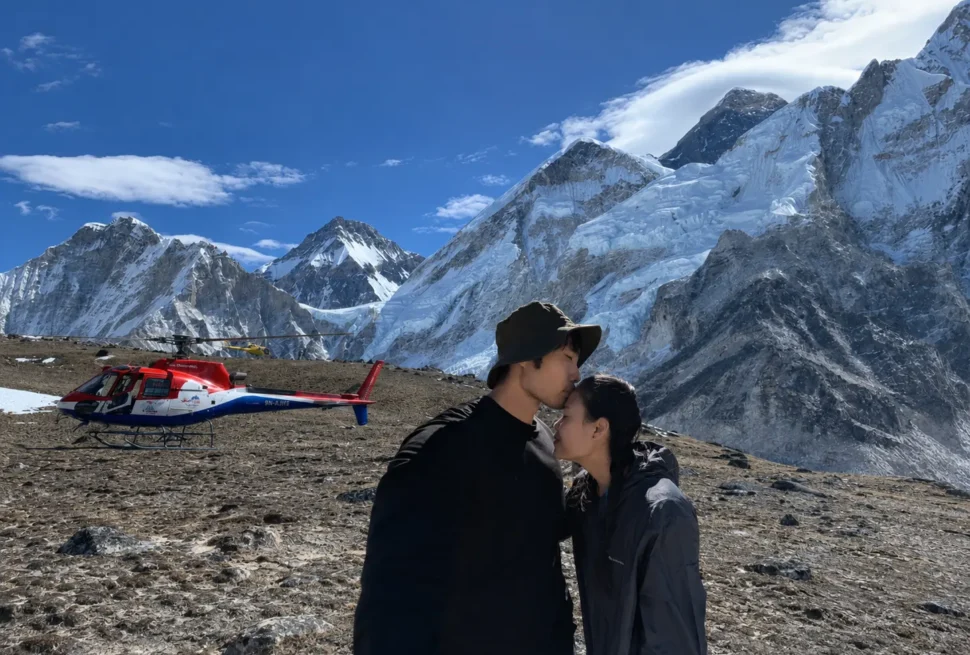
These are fundamentally different experiences. A helicopter day trip offers a glimpse of the mountains without the physical achievement, cultural immersion, or the full two week journey, and most trekkers who have genuinely done both describe the actual trek itself as the far more meaningful and lasting experience by a wide margin.
Is Everest Base Camp worth it during a less reliable season like winter or monsoon?
It can be, for trekkers specifically prioritizing quiet trails over guaranteed clear weather, though autumn and spring remain the more reliable choice for most first time trekkers.
Is it worth it for someone who does not care about Everest specifically?
Possibly not as much. Trekkers with no particular interest in Everest or mountaineering history may find equally rewarding, often cheaper alternatives in the Annapurna region better suited to their specific interests.
What Trekkers Who Completed It Actually Say
Across the common patterns reported by trekkers who have completed Everest Base Camp, a consistent theme emerges: the specific moment of reaching Base Camp itself, or the Kala Patthar sunrise, is overwhelmingly described as a genuine emotional highlight, often exceeding trekkers’ expectations even when they arrived already anticipating something significant. Equally consistent is a theme of the trek being harder than expected in the moment but more rewarding in retrospect than trekkers anticipated beforehand, a combination that strongly correlates with trekkers describing the overall experience as worth it despite the genuine difficulty and cost involved.
The Return on Investment for Repeat Himalayan Trekkers
Trekkers who go on to complete multiple Nepal treks over time frequently describe Everest Base Camp as either their first trek, chosen specifically for its name recognition and singular achievement, or as a trek they return to after experiencing other routes first, specifically because its reputation continued to draw them back. Very few repeat Himalayan trekkers describe Everest Base Camp as a trek they regret completing, which is a meaningfully different pattern than some other travel experiences where initial excitement does not always translate into lasting satisfaction once the novelty fades.
Hidden Costs That Affect the Value Equation
A fully honest worth it assessment should account for costs beyond the headline package price. Travel insurance with high altitude and helicopter evacuation coverage, genuinely essential for this trek, typically adds $100 to $250 depending on trip length and coverage level. Gear purchases for trekkers without existing cold weather equipment can add $300 to $800, though much of this gear is reusable for future trips. Tipping for guides and porters, an established and expected practice on this route, typically adds $150 to $300 per trekker across the full trip. Factoring in these additional costs honestly, rather than only the advertised package price, gives a more accurate picture of the true total investment required, which remains reasonable relative to the experience delivered but is worth planning for rather than discovering as an unexpected addition partway through booking.
How Group Size Affects the Value Calculation
Trekkers booking as part of a larger group generally find the value equation improves further, since shared guide and porter costs, along with the camaraderie of a group experience, add value without meaningfully increasing individual cost in most package structures. Solo trekkers pay a comparable rate but gain a different kind of value, a more personalized guide relationship and greater flexibility in daily pacing, which many solo trekkers specifically prefer despite the trip costing roughly the same as a shared group departure.
Comparing Worth It Across Different Itinerary Lengths
| Itinerary Length | Relative Value | Why |
|---|---|---|
| 9 to 10 days (compressed) | Lower value despite the lower price | Reduced acclimatization time meaningfully increases altitude sickness risk, undermining the overall experience and safety |
| 12 to 14 days (standard) | The strongest overall value | Balances a reasonable trip length against genuine acclimatization safety and a well paced, enjoyable itinerary |
| 16 days or longer (extended) | Strong value for trekkers with extra time | Adds worthwhile extensions like Gokyo Lakes, though at meaningfully higher total cost and time investment |
The standard 12 to 14 day itinerary consistently represents the strongest overall value, balancing cost, safety, and experience quality more effectively than either a compressed budget version or a significantly extended itinerary.
What Next Trip Nepal’s Package Specifically Offers
Next Trip Nepal’s flat $1,449 Everest Base Camp package includes a properly paced 14 day itinerary with two full acclimatization days, an experienced licensed guide, porter support, permits, most meals, and teahouse accommodation throughout, removing much of the planning burden and altitude risk that a cheaper, compressed budget itinerary would introduce. For the complete cost breakdown, see our Everest Base Camp Trek Cost guide, and for an honest look at exactly how difficult the trek is, see our Everest Base Camp difficulty guide.
The Emotional Value: What Trekkers Do Not Expect Going In
Beyond the measurable costs and physical demands, there is a genuinely important dimension to the worth it question that is harder to quantify but consistently shows up in trekker accounts: the emotional and psychological value of the experience itself. Many trekkers arrive expecting a physical challenge and a nice view, and instead describe something closer to a genuinely transformative two weeks, shaped by the sustained effort, the disconnection from ordinary life, the camaraderie built with guides, porters, and fellow trekkers, and the accumulated sense of accomplishment that builds day by day rather than arriving all at once at the final destination. This emotional dimension is difficult to price, but it is consistently cited by trekkers as a meaningful part of what made the total cost feel worthwhile in retrospect, even among trekkers who found the trip more expensive or more physically demanding than they had initially anticipated.
Weighing the Worth It Question Against Opportunity Cost
A genuinely honest worth it assessment should also consider opportunity cost, meaning what else that same roughly two thousand dollars and two to three weeks could otherwise buy. For some trekkers, that same budget could fund a longer, more relaxed multi country trip, or several shorter weekend trips spread across a year. The comparison is genuinely personal, but it is worth making explicitly rather than assuming a bucket list trek is automatically the best use of a limited travel budget for every trekker. What tips the balance for most people who ultimately choose Everest Base Camp is the specific, singular nature of the experience, something not easily replaced by several smaller trips, combined with the practical reality that high altitude trekking becomes progressively harder to attempt as trekkers age or develop health considerations that limit future opportunities, making a well timed attempt now more valuable than deferring indefinitely.
How Worth It Changes Depending on Your Travel History
The worth it calculation shifts meaningfully depending on how much prior high altitude or long distance trekking experience a person already has. First time trekkers with no prior comparable experience tend to report the highest overall satisfaction relative to cost, since Everest Base Camp delivers a genuinely novel experience unlike anything in their existing travel history. Trekkers who have already completed several major treks elsewhere in the world sometimes report a slightly more measured reaction, not because the trek itself disappoints, but because some of the novelty that drives first time trekkers’ strongest reactions is naturally somewhat reduced by prior experience. This does not mean experienced trekkers do not find it worth it, the vast majority still do, but it is a useful piece of context for calibrating expectations honestly based on your own travel background rather than assuming everyone’s experience will be identical.
The Worth It Question for Trekkers Considering a Group Versus Solo Trip
How you choose to trek, alone or with friends or family, meaningfully shapes which parts of the experience end up mattering most, which in turn affects how you weigh the overall value. Trekkers who bring friends or family consistently cite the shared experience and the relationships built or deepened along the trail as a major part of what made the trip worth it, sometimes even more than the destination itself. Solo trekkers, meanwhile, frequently describe the personal growth and independence of navigating a genuinely demanding experience largely on their own terms, alongside a guide, as the more significant value driver. Neither approach is inherently more worthwhile than the other, and understanding which of these two experiences you are actually seeking helps clarify what you are really evaluating when you ask whether the trip is worth it for you specifically.
Common Regrets Among Trekkers Who Found It Not Worth It
While the overwhelming majority of trekkers who complete Everest Base Camp describe it as worth the cost and effort, it is worth being honest about the minority who come away less satisfied, since understanding their specific reasons helps future trekkers avoid the same pitfalls. The most common regret cited is inadequate physical preparation, leading to a trip that felt more like an ordeal to survive than an experience to enjoy, a genuinely avoidable outcome with proper training. The second most common regret involves choosing an unnecessarily compressed, cheaper itinerary that sacrificed acclimatization days, resulting in altitude sickness symptoms that overshadowed the rest of the trip. A smaller number of trekkers specifically cite crowding during peak season as a source of disappointment, having arrived expecting more solitude than the route’s popularity actually allows. Nearly all of these regrets trace back to a mismatch between expectations and reality, rather than a fundamental problem with the trek itself, which is precisely why an honest, detailed guide like this one is valuable before booking rather than after arriving on the trail already committed.
Is It Worth It for a Milestone Birthday or Life Event?
Everest Base Camp has become an increasingly popular choice for trekkers marking a significant milestone, a fortieth, fiftieth, or sixtieth birthday, a retirement, or a major life transition, and this specific context genuinely does change the value calculation for many trekkers. A milestone framing adds a layer of personal meaning to the achievement that goes beyond the trek’s inherent qualities, and trekkers who approach the trip this way consistently describe it as an especially worthwhile way to mark a significant moment, precisely because the physical and mental challenge mirrors the kind of deliberate, meaningful effort many people want to associate with a major life milestone rather than a purely relaxing vacation.
How the Worth It Question Applies to Extensions and Add Ons
Trekkers weighing whether to extend their standard Everest Base Camp itinerary with an add on, such as the Gokyo Lakes extension or the Three Passes route, face a related but distinct worth it question. These extensions add real cost and time but also add genuinely different scenery and a lower crowd experience compared to the standard route, which some trekkers who found the standard route’s crowding a downside specifically value. For trekkers with the extra time and budget, and a genuine interest in going beyond the standard highlights, these extensions are frequently reported as worth the additional investment. For trekkers on a tighter budget or timeline, the standard route alone delivers the great majority of what makes Everest Base Camp famous, and skipping the extension does not meaningfully diminish the overall value of the core experience.
How the Worth It Question Changes With Age
Age is a genuinely common factor trekkers weigh when deciding whether Everest Base Camp is worth attempting, and the honest answer is that there is no meaningful age cutoff, but the value calculation does shift somewhat across different life stages. Younger trekkers in their twenties and thirties often approach the trip as one of several major adventures they plan to undertake over a lifetime, which can make any single trek feel slightly less singularly significant, though still genuinely worthwhile. Trekkers in their fifties, sixties, and beyond frequently describe a heightened sense of urgency and significance, aware that high altitude trekking becomes progressively harder to attempt as health considerations accumulate with age, which for many makes a well timed attempt feel more valuable rather than less, provided they train appropriately and choose a properly paced itinerary suited to their fitness level. Neither age group is more or less likely to find the trek worth it, but understanding how your own life stage shapes what you are looking for helps calibrate expectations honestly.
The Value of Professional Support Versus Independent Trekking
Part of the worth it calculation involves whether the guided package price delivers meaningfully more value than attempting a similar trip independently, a comparison worth making honestly rather than assuming a guided trip is automatically the better choice. Independent trekking on this route is, in any case, no longer legally permitted without a licensed guide since April 2023, which somewhat simplifies this comparison, but the underlying question of value remains relevant when comparing different guided package price points. A properly organized package price includes genuine value beyond simply satisfying the legal requirement: an experienced guide’s route knowledge, altitude sickness monitoring, porter support that meaningfully reduces physical strain, and established teahouse relationships that improve accommodation reliability during peak season. Trekkers comparing package prices across different companies should weigh these genuine value drivers rather than choosing based on price alone, since a meaningfully cheaper package sometimes achieves its lower price by cutting exactly the elements, like acclimatization days or guide experience, that most affect both safety and overall satisfaction.
Is the Investment in Gear Worth It for a Single Trip?
Trekkers without existing cold weather and trekking gear sometimes wonder whether the gear investment, often several hundred dollars, is worth it for what might be a single trip. This is a genuinely reasonable question, and the honest answer depends on whether you anticipate future trekking trips. For trekkers who see this as a one time bucket list experience, renting gear in Kathmandu, a well established and inexpensive option for items like sleeping bags and down jackets, meaningfully reduces the upfront investment while still providing adequate quality for the trip. For trekkers who anticipate this being the first of several future treks, purchasing quality gear represents a genuinely worthwhile investment that pays off across multiple future trips rather than a cost specific to this single journey. Either approach is reasonable, and the rental option in particular makes the overall worth it calculation more favorable for trekkers uncertain about their future trekking plans.
How Weather and Luck Affect the Worth It Equation
An honest worth it assessment should acknowledge that weather, an element genuinely outside any trekker’s control, does affect overall satisfaction to some degree. Trekkers who experience unusually clear conditions throughout their trip, particularly during the Kala Patthar sunrise, the trip’s most anticipated single moment, often report an even more overwhelmingly positive experience than average. Trekkers who encounter an unusually cloudy period, obscuring views at key moments, sometimes report a slightly more muted overall impression, even though the rest of the trip’s value, the achievement, the culture, the physical journey, remains fully intact regardless of weather. Choosing a reliable season, primarily October, November, March, or April, meaningfully improves your odds of favorable weather and is one of the most effective ways to stack the value equation in your favor before you even begin the trek itself.
Comparing the Worth It Question to Reader Expectations From Social Media
A meaningful number of trekkers arrive at Everest Base Camp with expectations shaped heavily by social media images and short video clips, which tend to show only the most spectacular, perfectly lit moments of the trip while omitting the more mundane stretches of walking, the cold mornings, and the physical fatigue that make up the majority of the actual experience. Trekkers who understand this honestly beforehand, recalibrating their expectations toward the full, more textured reality of the trek rather than only its highlight reel moments, consistently report a more satisfying experience than those who arrive expecting every single day to match the most dramatic images they have seen online. This is not a criticism of the trek itself, but rather a genuinely useful piece of expectation management that meaningfully affects how worthwhile the experience feels in the moment, day to day, rather than only in retrospective photographs.
What a Bad Experience Actually Looks Like, and How Rare It Is
For a genuinely balanced worth it assessment, it is worth describing honestly what a poor Everest Base Camp experience actually looks like, since vague warnings are less useful than specifics. A trekker who arrives with minimal physical preparation, books the cheapest available compressed itinerary with minimal acclimatization days, travels during an unreliable shoulder season without flexibility for delays, and arrives with unrealistic expectations shaped entirely by social media is genuinely more likely to have a difficult, less satisfying trip. Even accounting for this combination of avoidable mistakes, most trekkers in this situation still describe reaching Base Camp itself as meaningful, even if the overall journey felt harder or less enjoyable than it needed to. True regret, where a trekker wishes they had not attempted the trek at all, is genuinely rare and almost always traces back to a serious, usually preventable safety issue rather than simple discomfort or fatigue, which underscores how much of the worth it question comes down to preparation and realistic planning rather than the trek’s inherent merits.
The Worth It Question From a Purely Financial Perspective
Setting aside the emotional and experiential value entirely, it is worth briefly considering Everest Base Camp purely as a financial transaction, since some trekkers genuinely think in these terms when evaluating a major purchase. At roughly $1,500 to $2,500 total including flights and gear, spread across a two to three week experience, the effective daily cost lands somewhere in the range of $70 to $120 per day, a figure that compares favorably against many other forms of extended international travel once accommodation, food, activities, and transport are all accounted for together rather than separately. Viewed this way, independent of the trek’s unique qualities, Everest Base Camp represents a reasonably efficient use of a travel budget even before factoring in the specific value of the experience itself, which is precisely the additional layer that pushes most trekkers’ final assessment firmly toward yes, it was worth it.
What This Assessment Is Based On
This worth it assessment draws on Next Trip Nepal’s own published pricing and itinerary data, cross checked against consistently reported patterns from trekkers who have completed the route, rather than relying on marketing language alone. Where this guide identifies genuine downsides, crowding, cost, and physical difficulty chief among them, it does so deliberately, since an honest worth it assessment has to weigh real drawbacks against real benefits rather than presenting only the flattering, positive case on its own. The goal throughout has genuinely been to give you enough specific, honest information to make your own fully informed decision, rather than simply encouraging a booking regardless of whether the trek genuinely fits what you personally are looking for from your own upcoming trip.
Related Planning Guides
Before you finalize your trip, a few more guides are worth reading. Make sure your gear is dialed in with our Everest Base Camp Packing List, and confirm exactly which permits and fees apply to your route in our Nepal Trekking Permits guide. If you are still deciding on timing, see our Best Time to Trek in Nepal guide for a month by month breakdown.
Final Word: Is Everest Base Camp Worth It?
For the great majority of trekkers who train appropriately, choose a properly paced itinerary, and arrive with realistic expectations about both the cost and the physical demand, Everest Base Camp is genuinely, confidently worth it, delivering a truly singular achievement and a genuinely memorable, lasting two week experience that consistently exceeds expectations despite its real difficulty. It is not the right choice for every trekker, particularly those who prioritize solitude over the world’s most famous mountain, or those on a genuinely tight budget who might find comparable value elsewhere. But for trekkers drawn specifically to Everest itself, willing to prepare properly and pay a fair price for a well supported, properly paced itinerary, the honest answer, based on both real cost data and the consistent, repeatedly reported experience of trekkers who have actually completed it, is a genuine and confident yes, provided you go in with realistic expectations, adequate physical preparation, and a properly paced itinerary that respects the trek’s real demands rather than treating them as a minor inconvenience along the way to a good photograph.