The Everest Base Camp Trek is officially open for bookings for the 2026 and 2027 seasons. If you have been thinking about trekking to the base of the world’s highest mountain, now is the time to confirm your dates before the best departure windows fill up. Book your Everest Base Camp Trek 2026 or 2027 with Next Trip Nepal and get guaranteed departures, competitive pricing, and a local team that has guided this route hundreds of times.
Bookings are also open for the version of this trek that replaces the walk out with a helicopter flight. See our Everest Base Camp Trek with Helicopter Return page and its season by season booking guide for departure dates.
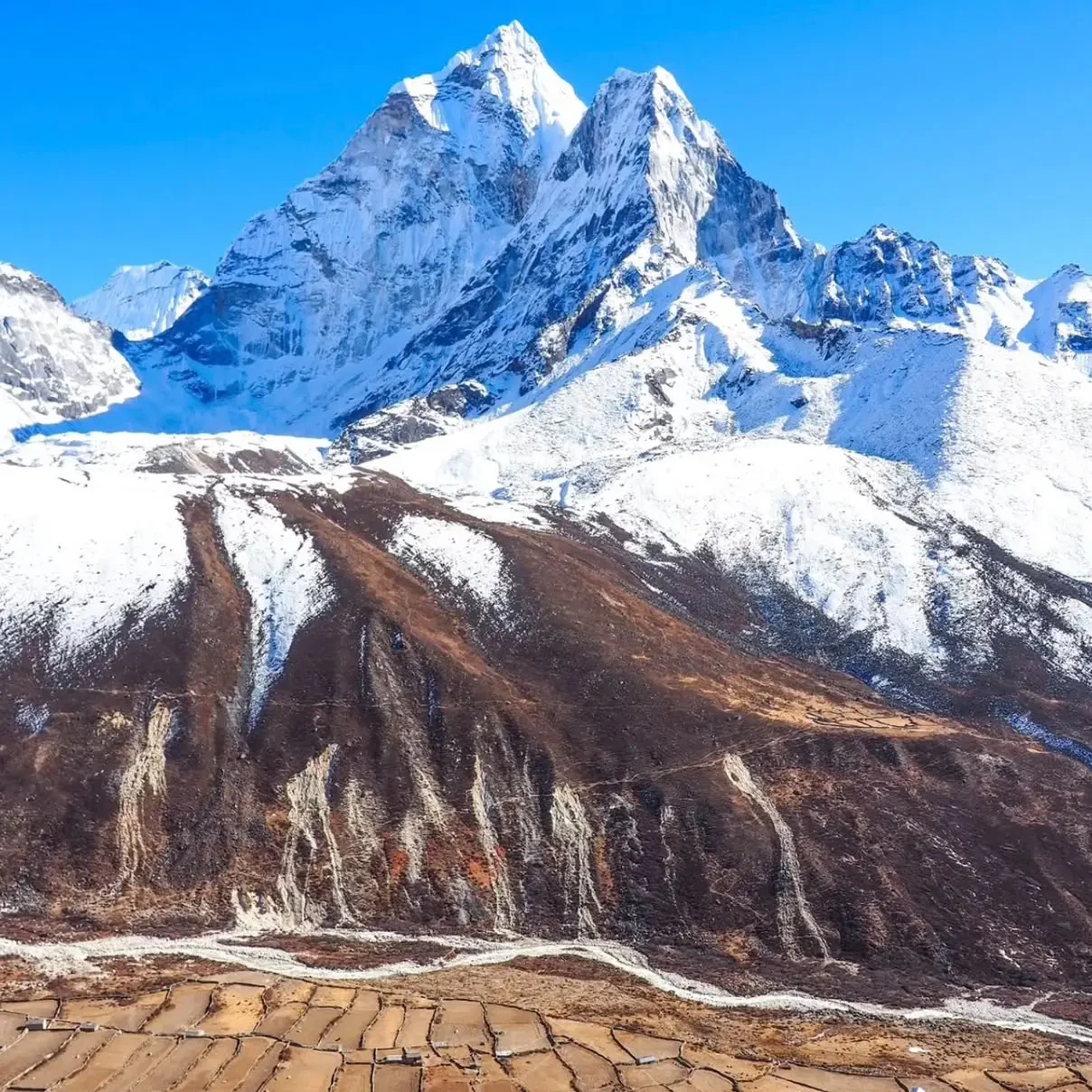
Next Trip Nepal has been operating the Everest Base Camp Trek since the company’s founding and we know the Khumbu region as well as anyone working in Nepal’s trekking industry. Our guides have walked every section of the EBC route in every season. Our team handles every permit, every teahouse booking, every flight to Lukla, and every logistics detail from the moment you reach out to us to the moment we drop you at Tribhuvan International Airport after your trek ends.
What Is the Everest Base Camp Trek and Why It Remains the World’s Most Famous Trek
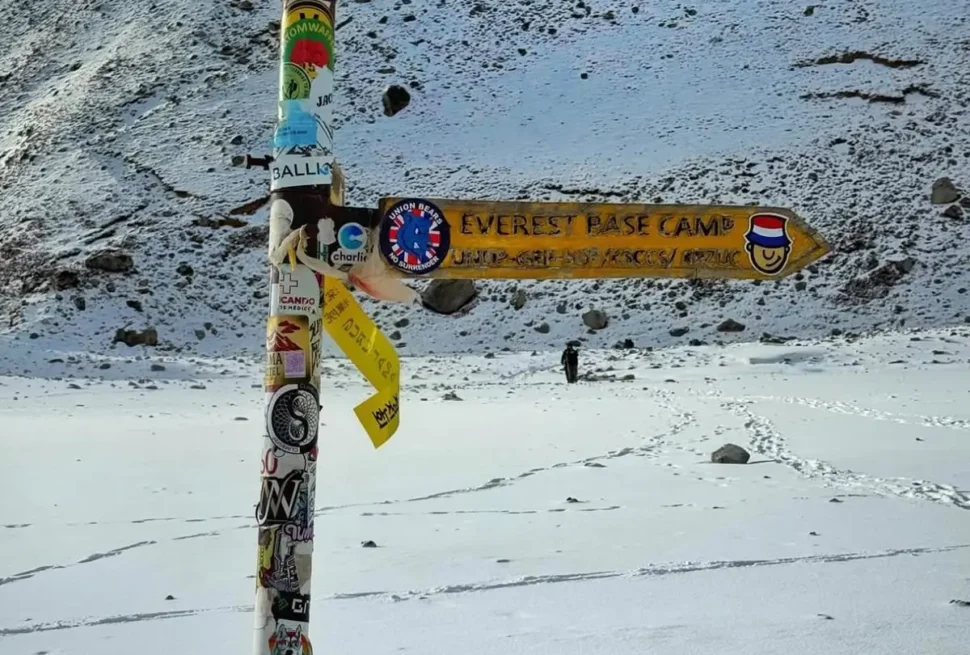
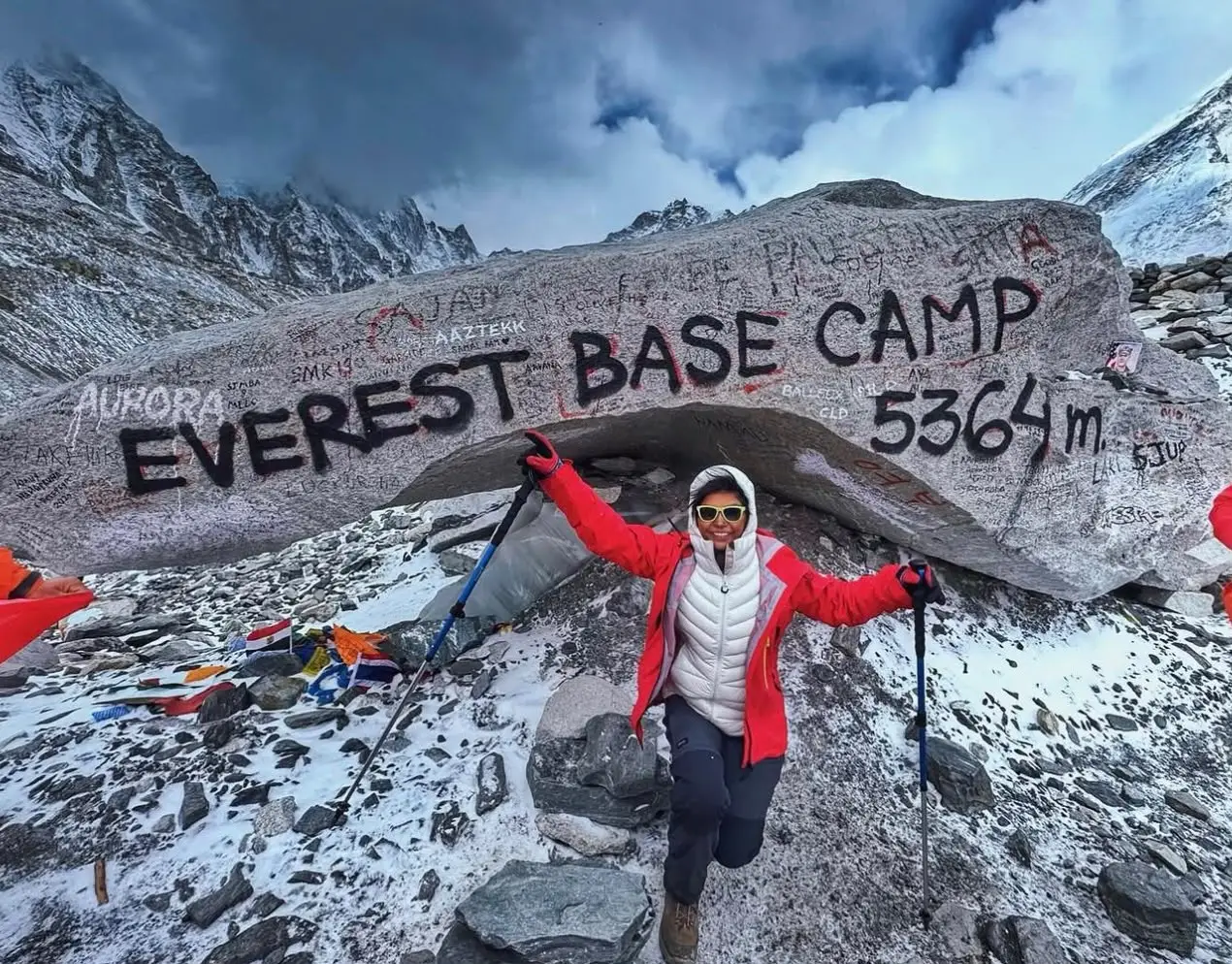
The Everest Base Camp Trek is a 14 to 16-day high-altitude trekking route through the Khumbu region of northeastern Nepal that ends at the base camp of Mount Everest at 5,364 meters. The route follows the Dudh Koshi River valley north from the airstrip at Lukla through the trading hub of Namche Bazaar, past the ancient monastery at Tengboche, through the high altitude settlements of Dingboche and Lobuche, and across the glacial moraines to Gorak Shep and Base Camp itself.
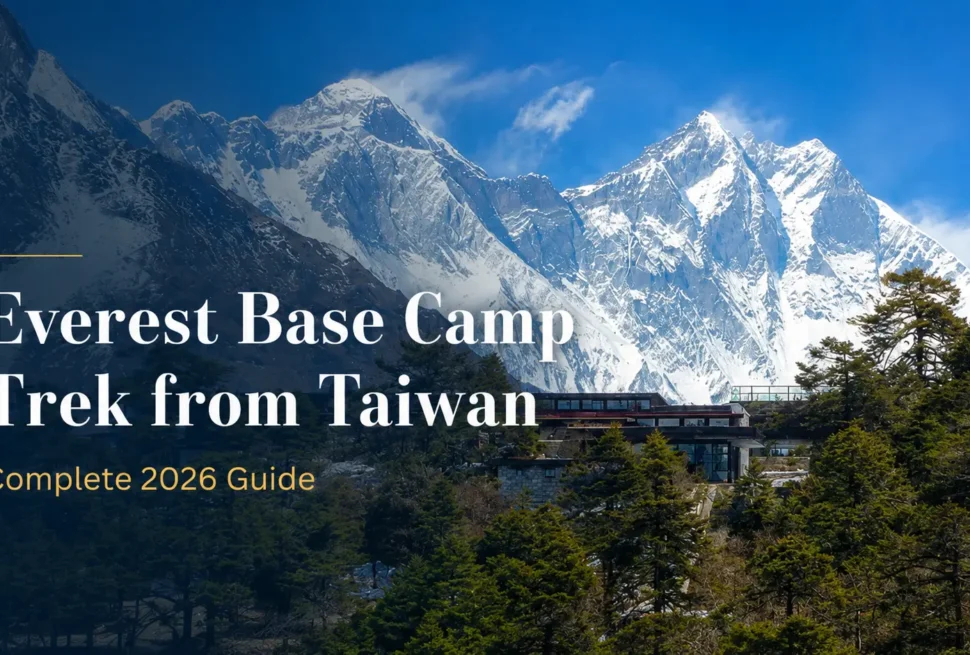
The Everest Base Camp Trek is the most famous trekking route on earth. More than 60,000 people attempt it every year and it has been drawing adventurers, mountaineers, and travellers to the Khumbu since Edmund Hillary and Tenzing Norgay summited Everest in 1953 and changed the way the world understood what human beings could do at extreme altitude. Standing at Base Camp looking up at the Khumbu Icefall, the Western Cwm, and the Lhotse Face with the South Col visible far above is one of the most powerful physical experiences available to any non-technical traveller anywhere on earth.
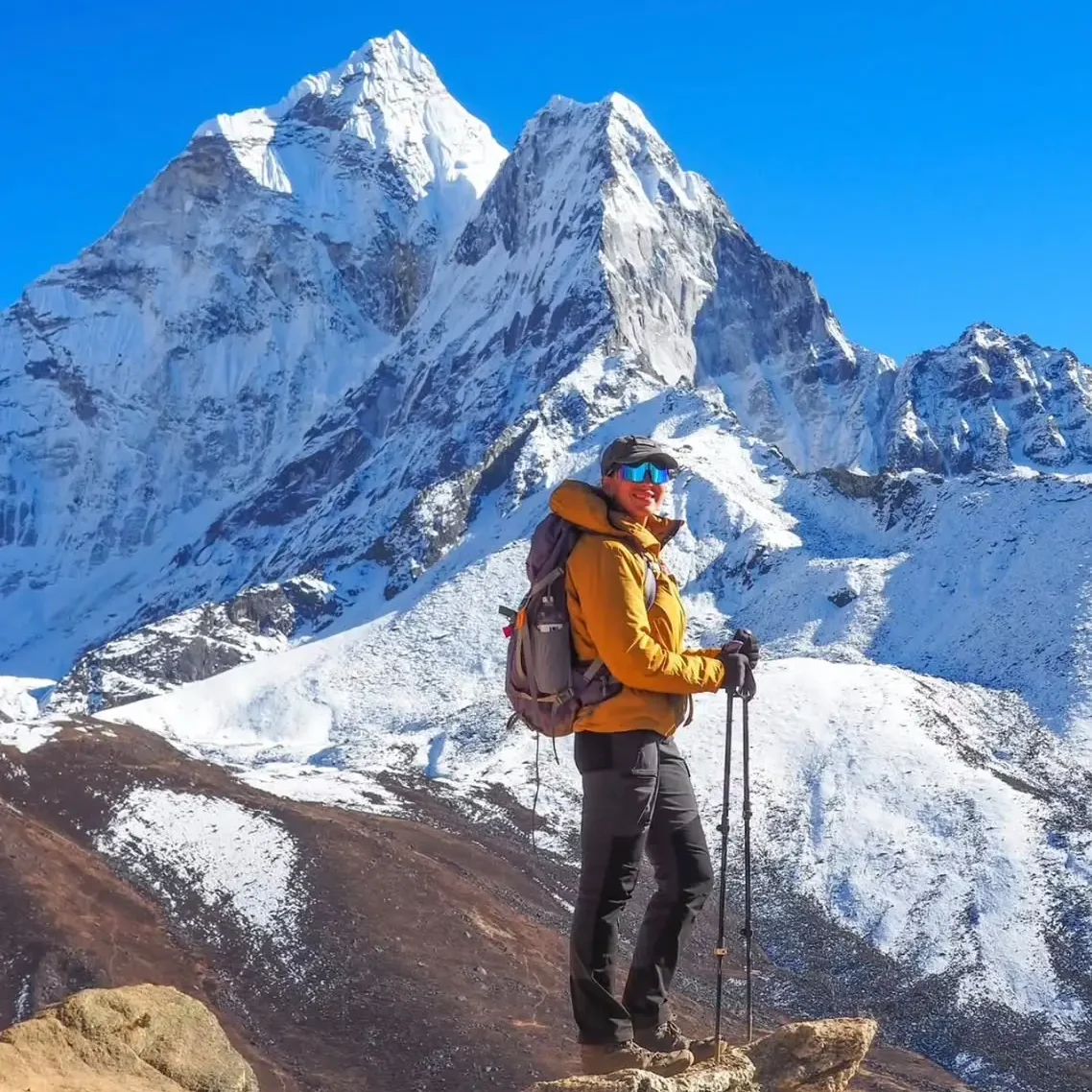
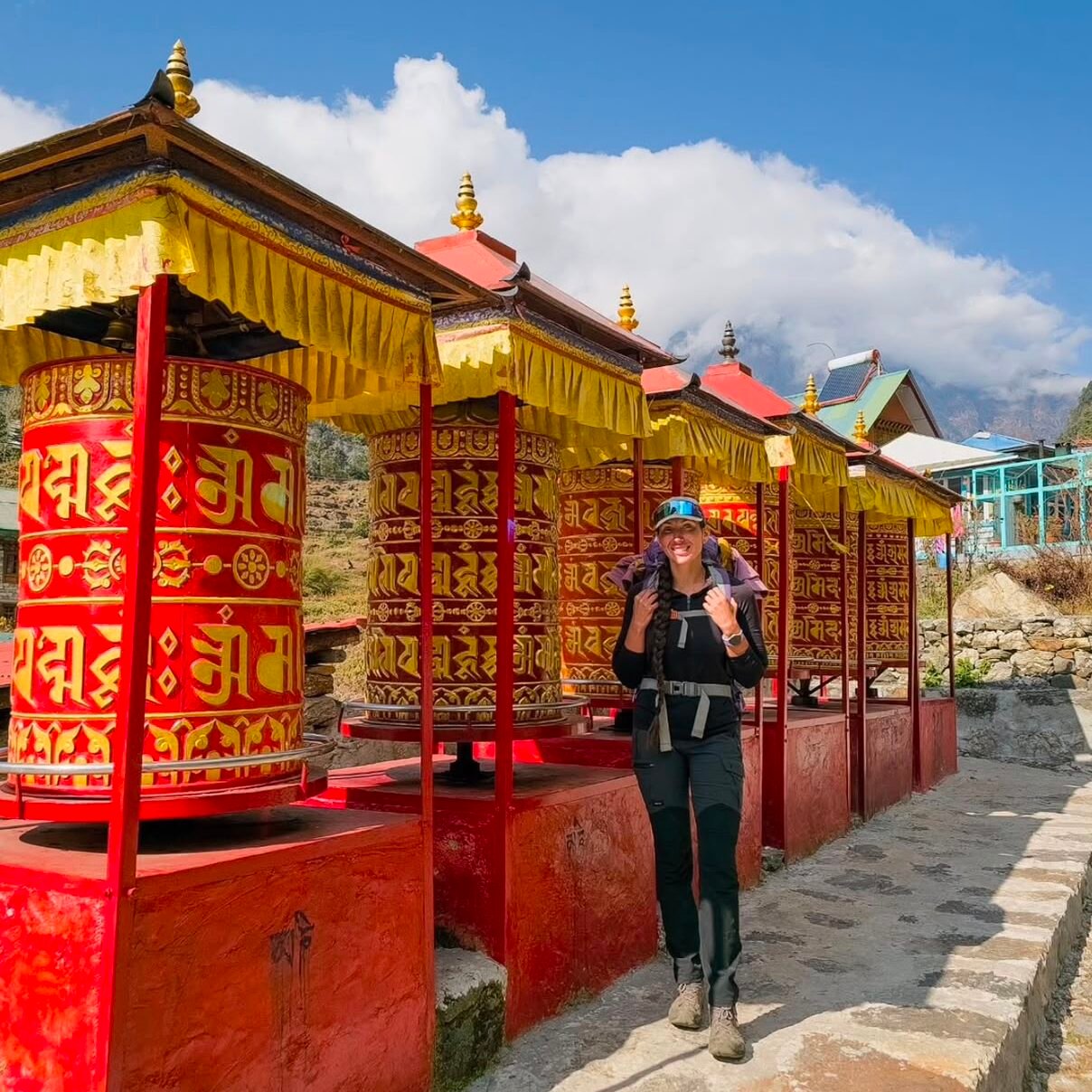
The Everest Base Camp Trek is not just about the mountain. The Khumbu region is home to the Sherpa people, one of the most remarkable ethnic communities in the Himalaya, whose cultural relationship with Everest and the surrounding peaks runs far deeper than modern mountaineering history. The monasteries at Tengboche and Pangboche are among the most significant Buddhist sacred sites in Nepal. The village of Namche Bazaar, perched above the Dudh Koshi gorge at 3,440 meters, is one of the finest mountain towns anywhere in Asia. The views from Kala Patthar at 5,545 meters on a clear morning are the finest available to any trekker in the entire Himalayan range.
In 2026 and 2027, the Everest Base Camp Trek is as spectacular and meaningful as ever. The trail has been improved, the teahouses are better equipped, and the safety infrastructure in the Khumbu is more reliable than ever before in the history of Himalayan trekking. It is also busier during peak season than ever before, which makes the quality of your guide, the timing of your booking, and the reliability of your trekking company more important than ever.
Everest Base Camp Trek 2026 and 2027 Booking Is Now Open
Next Trip Nepal is accepting bookings for all 2026 and 2027 Everest Base Camp Trek departures now. Spring 2026 dates from March through May are filling quickly. Autumn 2026 dates from September through November are available and October departure windows are already receiving enquiries from trekkers who have done their research and know the season they want. 2027 spring and autumn seasons are open for advance booking.
Booking the Everest Base Camp Trek early gives you several real advantages that make a measurable difference to your experience. Flights from Kathmandu to Lukla on the Tenzing-Hillary Airport route are the most constrained supply and demand equation in all of Nepal trekking. Lukla is served by small aircraft with limited daily capacity, and in peak October, the seats fill completely weeks before departure. Trekkers who book late find themselves in a position where their preferred departure date is not available and they have to adjust their entire trip around a flight window rather than choosing their own timing. Booking early with Next Trip Nepal means we lock in your Lukla flights as part of your confirmed package at the time of booking.
The lodges at Gorak Shep, Lobuche, and Dingboche also fill up quickly during October. These high altitude teahouses have limited bed capacity and the combination of the main EBC trekking season and ongoing mountaineering expedition support means accommodation at the top of the route is genuinely constrained. Our local relationships with lodge owners throughout the Khumbu mean we can guarantee your accommodation at every stage of the itinerary when you book through Next Trip Nepal.
No advance payment is required to confirm your Everest Base Camp Trek booking with Next Trip Nepal. You can pay on arrival in Kathmandu by international card, bank transfer, or cash. Reserve your 2026 or 2027 dates today with a WhatsApp message or email and we will hold your place while you complete your preparations.
Secure Your 2026 or 2027 EBC Trek Dates Now
October dates fill fastest. Contact us today and we’ll hold your preferred window at no charge while you plan.
Everest Base Camp Trek 2026 and 2027 Cost — Complete Breakdown
The Everest Base Camp Trek 2026 and 2027 cost with Next Trip Nepal is 100 percent all-inclusive. There are no hidden costs, no permit fees added later, no surprise charges when you arrive in Nepal. What we quote is exactly what you pay.
Everest Base Camp Trek Package Pricing by Group Size
| Group Size | Price Per Person (USD) |
|---|---|
| 1 Person (Solo) | USD 1,250 |
| 2 to 5 People | USD 1,099 |
| 6 to 8 People | USD 1,050 |
| 9 to 10 People | USD 999 |
| More than 10 People | Contact us for group pricing |
The Everest Base Camp Trek package price includes all permits, all accommodation, all meals during the trek, a licensed English-speaking guide, porter service, Kathmandu hotel accommodation before and after the trek, Lukla flights both ways, and all government taxes. Nothing is excluded except international flights to Nepal, travel insurance, personal trail spending, and guide and porter tips.
Why the Everest Base Camp Trek Costs What It Costs
The Everest Base Camp Trek cost is driven by a set of real logistical factors that are specific to the Khumbu region. Understanding them helps you compare package prices honestly.
The Lukla flights are the single largest variable cost in the EBC package. Return flights from Kathmandu to Lukla on a licensed domestic carrier in 2026 cost approximately USD 180-220 per person, depending on season and availability. These flights have no road alternative. The only way to reach the Khumbu trekking zone in any reasonable timeframe is by air to Lukla or to the lower-altitude Ramechhap airport during peak season when flights are diverted. Both add high cost compared to the road-accessible starts of other Nepal treks.
The Sagarmatha National Park entry permit is required for all foreign nationals entering the Khumbu and costs NPR 3,000 per person (approximately USD 22 to 25). The Khumbu Pasang Lhamu Rural Municipality fee is an additional charge of NPR 2,000 per person (approximately USD 15) collected at the Monjo checkpoint. Both are included in the Next Trip Nepal package price.
Teahouse accommodation costs in the Khumbu above Namche are the highest on any trekking route in Nepal because all supplies are either carried by porters or flown by helicopter from Lukla. A meal that costs USD 3 in Kathmandu costs USD 12 to 20 at Gorak Shep. This is not profiteering. It is the genuine cost of operating at an extreme altitude in a location with no road access. Everything in the package price at the high sections of the EBC route reflects this actual supply-chain cost.
The licensed guide requirement for the Everest Base Camp Trek is not legally enforced in the same way as for the Manaslu Circuit, but the checkpoints at Monjo and the Sagarmatha National Park entry expect trekkers to have proper documentation issued by a licensed agency. More practically, the Khumbu above Namche is a terrain and altitude environment where the difference between having a good, experienced guide and not having one is between a safe, enriching trek and a serious medical emergency. Every Next Trip Nepal guide on the EBC route is licensed, speaks English, holds first-aid certification, and has completed the route multiple times.
What Is Included in the Everest Base Camp Trek Package
- Airport pick-up and drop-off in Kathmandu
- 2 nights hotel accommodation in Kathmandu with breakfast (1 night before and 1 night after the trek)
- Return flights Kathmandu to Lukla and Lukla to Kathmandu on a licensed domestic carrier
- All necessary permits: Sagarmatha National Park Entry Permit and Khumbu Pasang Lhamu Rural Municipality fee
- Licensed, English-speaking local trekking guide
- Porter service (1 porter for every 2 trekkers, carrying up to 20 kg total)
- Three meals a day during the trek (breakfast, lunch, dinner)
- Tea or coffee every trekking morning
- Teahouse accommodation throughout the route
- Sleeping bag and down jacket loan (returned after the trek)
- Trekking map of the Khumbu and Everest region
- Trekking completion certificate from Next Trip Nepal
- First aid kit carried by the guide throughout the trek
- Farewell dinner in Kathmandu at the end of the trek
- All government taxes and local charges
What Is Not Included
- Nepal visa fee (available on arrival at Tribhuvan International Airport)
- International airfare to and from Kathmandu
- Travel insurance including emergency helicopter evacuation cover
- Meals in Kathmandu beyond the included breakfasts
- Personal expenses: snacks, bottled water, soft drinks, alcohol, Wi-Fi, charging fees, hot showers on the trail
- Tips for guide and porter
- Any services not listed under included items above
The Full Everest Base Camp Trek Itinerary 2026 and 2027
The standard 14-day Everest Base Camp Trek itinerary used by Next Trip Nepal is built around two critical acclimatization days that make the difference between a safe, enjoyable trek and a difficult one. Both acclimatization days are non-negotiable and are built into every itinerary we operate. Trekkers who choose companies that skip or shorten the acclimatization structure to offer a shorter, cheaper trip are taking a real risk with their health above 4,000 meters.
| Day | Stage | Altitude | Walking Time |
|---|---|---|---|
| Day 1 | Arrive Kathmandu, hotel, trek briefing and gear check | 1,400m | Rest day |
| Day 2 | Fly Kathmandu to Lukla, trek to Phakding | 2,610m | 3 to 4 hours |
| Day 3 | Phakding to Namche Bazaar | 3,440m | 5 to 6 hours |
| Day 4 | Acclimatisation day Namche Bazaar — hike to Everest View Hotel (3,880m) | 3,440m | Rest and hike |
| Day 5 | Namche Bazaar to Tengboche | 3,870m | 5 to 6 hours |
| Day 6 | Tengboche to Dingboche | 4,410m | 5 to 6 hours |
| Day 7 | Acclimatisation day Dingboche — hike to Nagarjun Hill (5,100m) | 4,410m | Rest and hike |
| Day 8 | Dingboche to Lobuche | 4,940m | 5 to 6 hours |
| Day 9 | Lobuche to Gorak Shep, visit Everest Base Camp | 5,164m / 5,364m | 6 to 7 hours |
| Day 10 | Kala Patthar sunrise (5,545m), descend to Pheriche | 4,280m | 7 to 8 hours |
| Day 11 | Pheriche to Namche Bazaar | 3,440m | 6 to 7 hours |
| Day 12 | Namche Bazaar to Lukla | 2,860m | 6 to 7 hours |
| Day 13 | Fly Lukla to Kathmandu, leisure or buffer day | 1,400m | Flight day |
| Day 14 | International departure from Kathmandu | 1,400m | Departure day |
Day 13 is built as a buffer day for a specific reason. The Lukla flight is the most weather-dependent single link in the entire EBC itinerary. Weather delays at Lukla are extremely common during October and November, when morning cloud and valley fog can close the airport for half a day or longer. Trekkers who do not build a buffer day into their itinerary and book an international flight the day after their scheduled Lukla return date are placing their entire international travel plan on the assumption that one of Nepal’s most disruption-prone domestic flights will run on time. Do not do this. Budget the buffer. Next Trip Nepal builds it in by default.
We also offer the 21-day Everest Base Camp Trek via Jiri, which follows the original Hillary and Tenzing route from the road terminus at Jiri rather than flying to Lukla. This extended version adds enormous cultural and historical depth to the EBC experience and is the best way to understand the full character of the Khumbu approach for trekkers who have the time and want the complete experience. Contact us for the separate itinerary and pricing for the Jiri route.
For trekkers who want the EBC experience with a dramatic helicopter return instead of walking back down, our Everest Base Camp Trek with helicopter return option lifts you from Gorak Shep or Base Camp back to Kathmandu by helicopter, adding a completely different perspective on the Khumbu and saving three days of descent walking. Ask us about helicopter return pricing when you book.
Everest Base Camp Trek Permits 2026 and 2027 — What You Need and What You Pay
The Everest Base Camp Trek in 2026 and 2027 requires two main permits. Unlike the Manaslu Circuit Trek, the EBC route does not require a restricted area permit, which, in theory, makes it more accessible to independent trekkers. In practice, booking through a licensed agency like Next Trip Nepal ensures all permits are handled before you leave Kathmandu and that you arrive at every checkpoint with the correct documentation already in hand.
Sagarmatha National Park Entry Permit
Every trekker entering the Sagarmatha National Park, which covers the entire Khumbu trekking zone above the checkpoint at Monjo, is required to hold a valid Sagarmatha National Park Entry Permit. In 2026 and 2027 the permit costs NPR 3,000 per person (approximately USD 22 to 25). The permit is issued in Kathmandu at the Nepal Tourism Board office or at the national park checkpoint at Monjo and is checked again at the Sagarmatha National Park headquarters at Jorsale. Both checkpoints require the physical permit document to be presented in person. The permit is included in the Next Trip Nepal EBC package price and is arranged in Kathmandu before the trek begins.
Khumbu Pasang Lhamu Rural Municipality Fee
The Khumbu Pasang Lhamu Rural Municipality, the local government body responsible for the administrative area encompassing most of the Everest Base Camp Trek above Namche, collects an entry fee of NPR 2,000 per person (approximately USD 15) at the Monjo checkpoint. This fee was introduced to fund local development and infrastructure maintenance in the Khumbu and has been in place since 2018. The fee is included in the Next Trip Nepal EBC package price.
TIMS Card
The Trekkers’ Information Management System (TIMS) card, once required for the EBC route, is no longer required for trekkers entering Sagarmatha National Park with a valid national park permit. The situation can change between seasons, however, and Next Trip Nepal monitors permit requirements throughout the year to ensure our trekkers always have the correct documentation. We will advise you of any changes to the permit structure before your departure.
Best Time for the Everest Base Camp Trek in 2026 and 2027
The Everest Base Camp Trek has two main trekking seasons and two periods that most experienced operators do not recommend. Choosing the right season is one of the most important decisions you make when booking the EBC trek and it affects your experience on the mountain more than almost any other factor.
Autumn Season — September, October and November
Autumn is the most popular EBC trekking season, and it earns that status. The monsoon finishes in late September, and the weeks following the last rains are among the clearest and most beautiful in the Khumbu. The air quality above Namche in October is extraordinary, the mountain views are at their best, and the daytime temperatures on the trail are genuinely comfortable right up to the high sections above 5,000 metres.
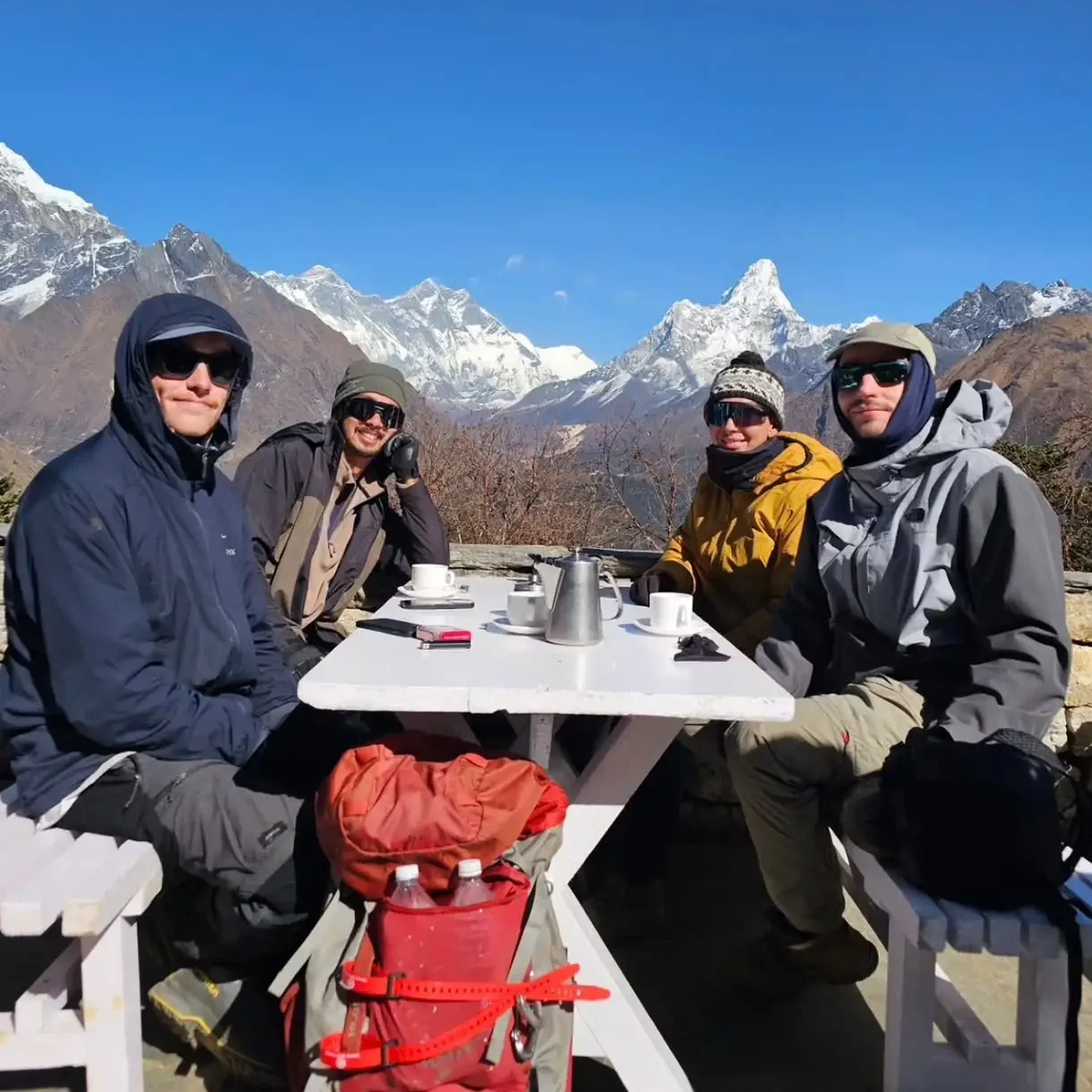
October is the single finest month for the Everest Base Camp Trek in terms of weather reliability, mountain visibility, and overall trail conditions. The Khumbu Icefall is visible from multiple points on the approach to Base Camp in October, with clarity. Kala Patthar at sunrise in October, with Everest, Nuptse, Lhotse, Ama Dablam, and Pumori all visible simultaneously, is a mountain panorama that does not exist at this level of completeness anywhere else accessible to non-technical trekkers.
The trade-off in October is the trail density. October on the EBC route above Namche during peak season is the busiest pedestrian environment of any mountain trail in Nepal. This is the reality of the world’s most famous trek in its peak month. Next Trip Nepal manages this by ensuring our groups depart from Lukla at the right time of day to avoid the worst trail density at the Namche climb and the approach to Tengboche. Early morning starts on the key trail sections make a real difference to the experience, and a good guide who knows when to move and where to take breaks makes the October crowd manageable.
November remains excellent, but temperatures in the high sections above 5,000 meters are noticeably colder than in October. The trail is less busy in November and this is actually the preferred season for trekkers who want a quieter experience and are well prepared for cold nights at Dingboche, Lobuche, and Gorak Shep. Late November brings the possibility of early snowfall in the higher elevations.
Spring Season — March, April and May
Spring is the second main EBC trekking season and it offers real advantages over autumn for certain types of trekkers. The rhododendron forests along the lower sections of the Khumbu approach between Lukla and Namche bloom spectacularly in March and April, turning the lower trail into a visual experience that autumn simply cannot match. March and April are the months when the major spring mountaineering expeditions are establishing themselves on Everest and the other Khumbu peaks, and the presence of international expedition teams at Base Camp adds a dimension to the EBC arrival that the non-expedition autumn season does not have.
April is generally the most reliable spring month for mountain visibility and trail conditions. March can still have residual winter snowpack on the higher sections. May brings longer days and warmer temperatures but pre-monsoon cloud build-up increasingly affects afternoon visibility from mid-May onward. The ideal spring EBC booking window is the first three weeks of April.
Winter and Monsoon
December and January trekking on the EBC route is possible for the lower sections but the high altitude sections above 5,000 metres are genuinely cold and the trail conditions on the approach to Lobuche and Gorak Shep in January can be icy and demanding. The views can be spectacular in clear winter conditions and the trail is quiet, but this is not the EBC experience that most trekkers are looking for and Next Trip Nepal does not recommend winter dates for first-time Khumbu visitors.
The monsoon from June through August brings persistent heavy rain in the lower Khumbu sections, leeches on the forest trails, reduced visibility on the high sections due to persistent cloud, and generally difficult trekking conditions across the entire route. The EBC trek is not recommended during the monsoon months.
Everest Base Camp Trek Difficulty — What to Know Before You Book
The Everest Base Camp Trek is rated as a moderately challenging to challenging trekking route. It is not technically difficult in any mountaineering sense. No ropes, harnesses, crampons, or climbing skills are required at any point on the standard EBC route from Lukla to Base Camp and back. What makes it challenging is the sustained high altitude over two weeks of continuous trekking, the two significant acclimatization plateaus required at Namche and Dingboche, and the physical demand of reaching 5,545 meters on Kala Patthar on Day 10 of the trek.
The most important physical preparation for the EBC Trek is cardiovascular fitness and endurance. You need to be able to walk 5 to 7 hours per day for 10 to 12 consecutive days at altitude. That’s not extreme athletic performance but it is a specific kind of endurance that casual fitness does not automatically provide. A preparation program of 8 to 12 weeks before your departure should include regular long hikes with elevation gain, cardiovascular training 3 to 4 times per week, and a progressive increase in the length and difficulty of your weekend hikes. Trekkers who arrive at Lukla without specific preparation consistently report the EBC trek as harder than they expected. Trekkers who arrive well prepared consistently say it was the greatest experience of their lives.
Altitude sickness is the primary medical risk on the Everest Base Camp Trek. Acute mountain sickness (AMS) can affect anyone regardless of fitness level or prior altitude experience. The two acclimatization days at Namche (3,440m) and Dingboche (4,410m) in the Next Trip Nepal itinerary are specifically designed to give your body time to adjust before continuing to higher elevations. The Himalayan Rescue Association operates clinics at Pheriche and Manang that provide medical consultations during the main trekking seasons and our guides carry pulse oximeters to monitor blood oxygen saturation at altitude throughout the route. If symptoms of AMS develop, the correct response is to stop ascending and descend. Our guides know this and act on it without hesitation.
Prior altitude experience above 4,000 meters is helpful but not required for the EBC trek. First-time altitude trekkers successfully complete the Everest Base Camp Trek every season with the right itinerary, proper acclimatization, a reliable guide, and adequate preparation. The preparation matters more than prior altitude experience in most cases.
Who Is the Everest Base Camp Trek For
The Everest Base Camp Trek in 2026 and 2027 is appropriate for a wide range of travelers. It is genuinely one of the most accessible major Himalayan trekking goals in the sense that it does not require any technical mountaineering skills and the trail infrastructure in the Khumbu is the most developed of any high-altitude trekking route in Nepal.
You are ready for the Everest Base Camp Trek if you can comfortably hike 5 to 7 hours in a day carrying a 5 to 8 kg daypack. You should be generally physically active in your daily life with some regular exercise background. You should be motivated to experience the Khumbu specifically because of what it is, not just because Everest is famous. The trekkers who get the most out of the EBC route are the ones who engage with the Sherpa culture, the Buddhist monasteries, the mountain views at every stage of the journey, and the particular character of the Khumbu landscape rather than those who treat it as a box to tick.
Age is not a significant limiting factor on the EBC trek. Next Trip Nepal has guided trekkers in their 60s and 70s to Base Camp successfully. The route is long and the altitude is real, but a well-paced itinerary and good fitness preparation remove most of the age-related concerns. We have also guided groups of friends in their 20s who found the trek considerably harder than they expected because they underestimated the preparation required. Age is less important than fitness and preparation.
The EBC trek is also appropriate as a first major Himalayan trekking experience for people with a solid hiking background but no prior Nepal or high-altitude experience. It is the most supported, most documented, and most guided trekking route in Nepal and the infrastructure means that problems are manageable in ways that the more remote routes cannot always guarantee.
EBC Trek vs Annapurna Circuit vs Manaslu Circuit: Which Trek Is Right for You
This is the question our team at Next Trip Nepal receives most often from trekkers in the planning phase. Here is a direct and honest answer based on our experience guiding all three routes. The Everest Base Camp Trek is the most famous trekking route on earth, and that fame is justified. The Khumbu landscape is extraordinary, the Sherpa culture is unique and deeply interesting, and standing at 5,364 metres at the base of the world’s highest mountain is an experience that has no equivalent in trekking. The trade-off in 2026 is the crowd volume during peak October, particularly between Namche and Tengboche and on the approach to Gorak Shep. The EBC route during peak season is genuinely busy in ways that will surprise trekkers who expect solitude.
The Annapurna Circuit Trek offers diverse scenery and encounters with ethnic communities, including Gurung and Thakali, as well as the Tibetan Buddhist region of Upper Mustang. The Thorong La crossing at 5,416 meters is actually higher than the Larkya La on the Manaslu Circuit, and the Annapurna Circuit offers spectacular terrain diversity from subtropical jungle to high altitude plateau. Road construction through the Marsyangdi valley has shortened the lower sections of the classic circuit, which is a real change to the original experience, but the upper section from Manang to Muktinath remains exceptional. The Annapurna region does not require any special restricted area permit, making it the most accessible of the three major circuit options.
The Manaslu Circuit Trek is the benchmark recommendation for experienced trekkers who want the most remote, most culturally profound, and least crowded of the three major Nepal circuit options. The Nubri region above Jagat is the closest thing to an undisturbed Tibetan Buddhist cultural landscape available to trekkers in Nepal. The Larkya La crossing is one of the finest mountain pass experiences in the Himalaya. The Manaslu Restricted Area Permit system genuinely controls trekker numbers in ways that the EBC and Annapurna routes cannot. If you have done the EBC and are looking for the next level, the Manaslu Circuit is almost always the right answer.
For first-time Nepal trekkers or those whose Everest connection specifically motivates the trip, the EBC Trek is the right choice. For experienced trekkers who want remoteness and cultural depth over the world’s most famous mountain view, the Manaslu Circuit is worth serious consideration alongside the EBC.
Kala Patthar and the Base Camp Arrival — The Two Greatest Moments on the EBC Trek
Every trekker who does the Everest Base Camp Trek remembers two specific moments above everything else. The first is arriving at Everest Base Camp itself and the second is the Kala Patthar sunrise.
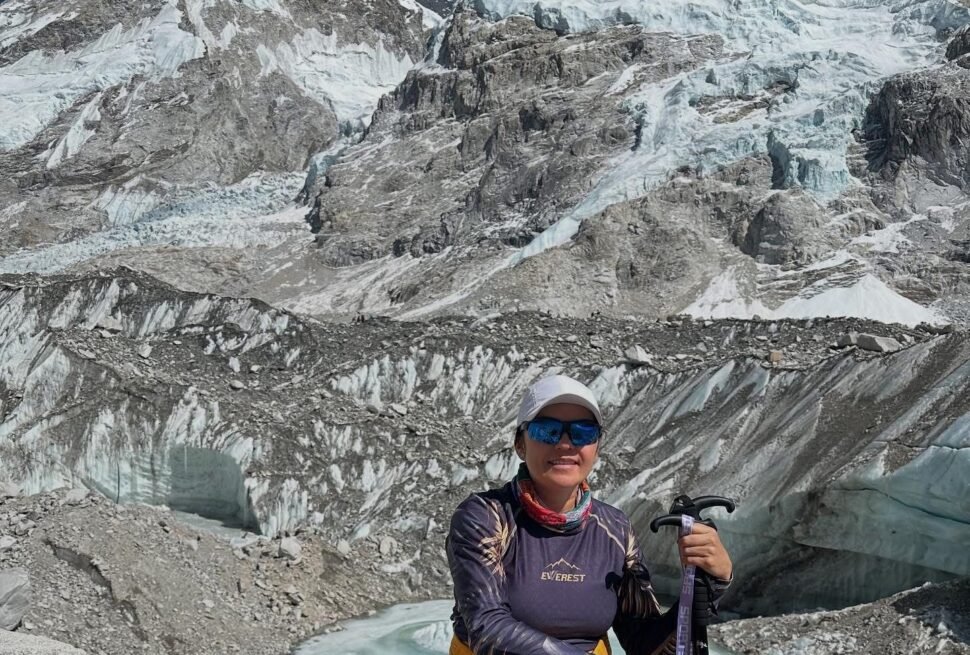
Arriving at Everest Base Camp at 5,364 metres after nine days of walking through the Khumbu is a moment with real emotional weight. The first view of the Khumbu Icefall from the moraine above Base Camp, with its tortured blue-white ice towers and the sustained roar of ice movement audible across the glacial terrain, is something that no photograph adequately prepares you for. The scale of the Western Cwm above the icefall, the Lhotse Face rising to the South Col, and the visible summit pyramid of Everest above the ridge are all there in front of you, and the comprehension that human beings have climbed what you are looking at under their own power is one of those genuinely vertiginous moments of perspective that changes how you understand physical possibility.
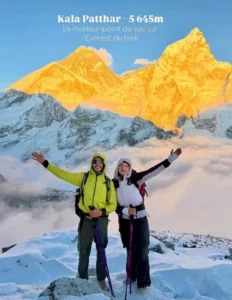
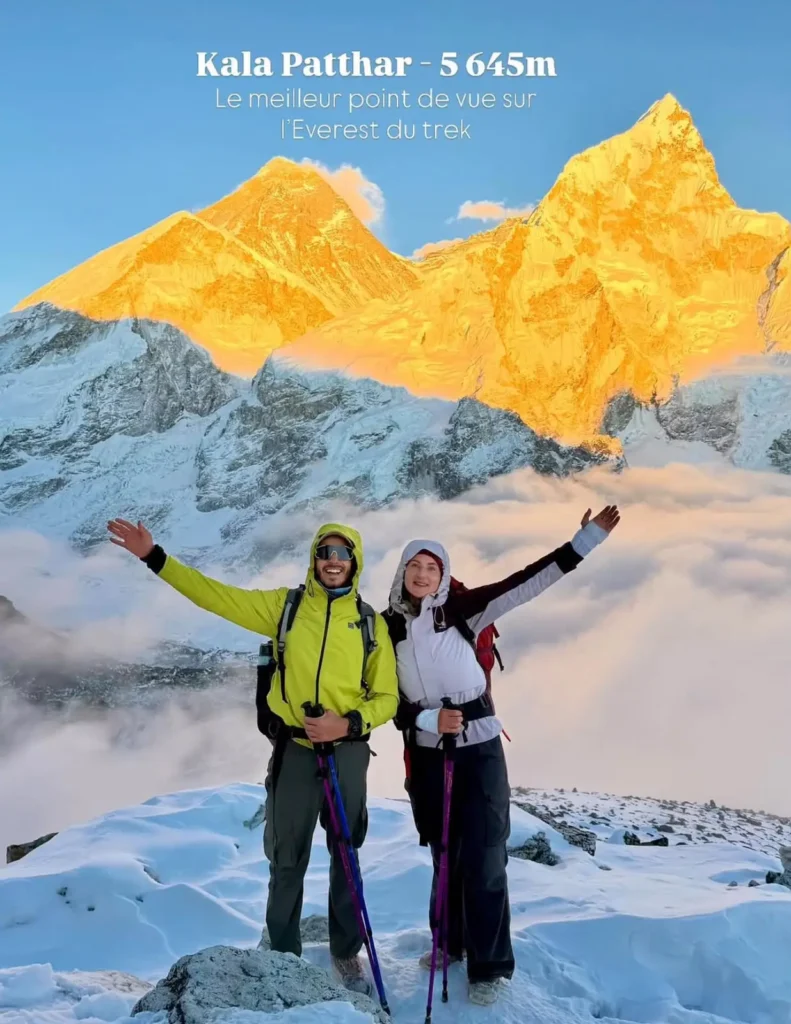
Kala Patthar at sunrise is a separate and arguably more powerful experience. The pre-dawn start from Gorak Shep at 3am or 4am with headlamps picking out the rocky trail in the dark, the cold that concentrates the mind, and then the light coming over the eastern ridgeline and touching the Everest summit above while the sky changes from black to deep blue to gold, with the full panorama of the Khumbu slowly emerging in every direction. Everest at 8,849 meters, Nuptse, Lhotse, Ama Dablam to the southeast, Pumori directly above you to the north. The complete Khumbu in one view from a single point at dawn. Most trekkers say Kala Patthar is the finest viewing experience on the entire EBC route and most say it is among the finest landscape moments of their lives.
These two experiences, Base Camp and Kala Patthar, are what the fourteen days of walking are building toward and they deliver everything they promise. Every Next Trip Nepal EBC trek client who reaches both points says the same thing afterward: worth it.
Extended EBC Trek Options with Next Trip Nepal
The standard 14-day Everest Base Camp Trek is the right choice for most trekkers. But Next Trip Nepal also offers several extended options for those who want more from the Khumbu.
The Everest Three Passes Trek extends the EBC route into a full circuit that crosses three of the Khumbu’s high passes: Renjo La (5,340m), Cho La (5,420m), and Kongma La (5,535m). The Three Passes Trek is an 18 to 21-day route that gives experienced trekkers a complete circuit of the highest trekking terrain in the Khumbu and visits the Gokyo Lakes valley in addition to the standard EBC approach. It is rated significantly more difficult than the standard EBC trek and is suitable for trekkers with prior high-altitude experience and excellent physical condition.
Island Peak Climbing (Imja Tse, 6,189m) is the most popular peak climbing addition to the EBC trek and can be combined with the standard EBC route to add a true summit experience above 6,000 metres. Island Peak requires basic crampon and rope work and a competent guide with climbing experience, but it is the most technically accessible 6,000 meter peak in Nepal and a significant achievement for trekkers who want to go beyond Base Camp.
Mera Peak Climbing at 6,461 metres is the highest trekking peak in Nepal and can be combined with or done as an alternative to the EBC route for trekkers seeking their first high-altitude summit. Mera Peak is a non-technical summit in good conditions and offers one of the finest 360-degree panoramas in the entire Himalaya from its top, including views of five of the world’s six highest peaks simultaneously.
What Our Guests Say About the Everest Base Camp Trek with Next Trip Nepal
The trekkers who book their EBC trek with Next Trip Nepal come from every continent, and they consistently tell us the same things about what made the difference.
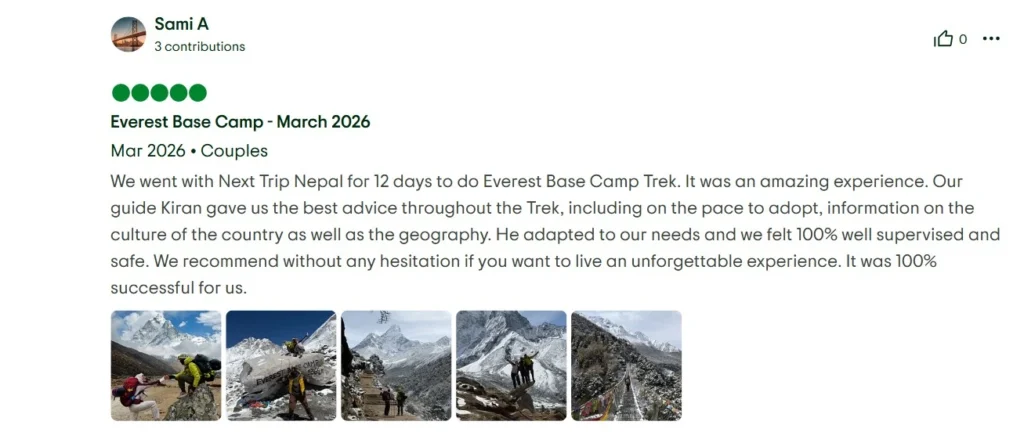
The guide is always the first thing mentioned. The quality of the guide on the Everest Base Camp Trek is not a minor logistical detail. It is the single factor that most determines whether a trekker’s experience is extraordinary or merely satisfactory. A great guide on the EBC route knows the cultural context of every monastery and every Sherpa village you pass through. They know the medical signs of altitude sickness before the trekker notices them. They know when to push and when to rest, and they know the trail well enough to get you to the right place at the right time of day for the best light, the best views, and the right energy for the major moments of the trek.
The flexibility of the Next Trip Nepal approach is the second-most-frequently mentioned positive. We do not run the EBC trek as a conveyor belt operation. Every group moves at its own pace. Every itinerary has built-in flexibility to accommodate how individual trekkers respond to altitude. If someone needs an extra rest day at Namche or Dingboche, we arrange it. If the group wants to push slightly harder on a good day, we can do that too. The itinerary serves the trekker, not the other way around.
The transparency of costs is consistently cited as a positive differentiator. There are many Nepal trekking companies that quote low prices for the EBC trek and then add permit costs, Lukla flight costs, and other charges after booking. The Next Trip Nepal all-inclusive price includes all costs incurred from Kathmandu to Kathmandu, with no additional charges after you confirm your booking.
Why Book the Everest Base Camp Trek with Next Trip Nepal
There are hundreds of Nepal trekking companies that offer Everest Base Camp Trek packages. The reasons to choose Next Trip Nepal over the alternatives come down to four things that matter to every trekker.
First: experience on this specific route. Next Trip Nepal guides have walked the EBC route dozens of times each in multiple seasons. They know the trail, the teahouses, the permit checkpoints, the altitude patterns, and the specific moments of the journey that make the difference between an ordinary trek and an extraordinary one. This is not a route they offer among fifty others. The Khumbu is core territory for Next Trip Nepal and the depth of our knowledge of it shows in every decision we make about how to run the trek.
Second: honest communication from the first contact. The team at Next Trip Nepal will tell you what the EBC trek is really like, including the difficult parts, the crowd conditions in October, the real altitude challenges above 5,000 meters, and the things you need to prepare for. If the EBC trek is not the right choice for you at this point in your trekking experience, we will tell you that and recommend what is. Our business is built on trekkers who come back and recommend us to their friends, and that only happens if their first experience with us was genuinely well-matched to their expectations.
Third: no pressure and no advance payment. You can reserve your EBC dates with Next Trip Nepal by simply sending a message. No deposit is required. No commitment beyond confirming your intention to trek. We hold your guide and your booking while you complete your planning, and you pay on arrival in Kathmandu.
Fourth: we identify and address common mistakes trekkers make before and during the EBC trek before they become problems. The Lukla flight buffer, the acclimatisation schedule, the permit timing, the teahouse booking at the high sections, the insurance requirements, the gear checklist specific to the season you are trekking in. We have seen every way the EBC trek can be difficult and we build the solutions into the itinerary before you arrive.
How to Book the Everest Base Camp Trek for 2026 and 2027
Booking your Everest Base Camp Trek with Next Trip Nepal is straightforward.
Send a WhatsApp message to +977 9869225929 or an email to info@nexttripnepal.com with your approximate travel dates, the number of people in your group, and any specific questions or requirements. Our team will reply within 24 hours with a complete itinerary, full cost breakdown, and all the information you need to make your decision.
We hold your preferred dates at no charge and no advance payment while you complete your travel planning. You pay on arrival in Kathmandu before the trek begins.
For groups of 10 or more, we offer special group pricing. Contact us directly for group rates on the EBC trek for 2026 and 2027.
Book Your Everest Base Camp Trek Today
No advance payment required. We hold your dates while you plan. Speak directly with our EBC specialists who have walked this route many times.
Frequently Asked Questions About the Everest Base Camp Trek 2026 and 2027
Is the Everest Base Camp Trek suitable for beginners?
The Everest Base Camp Trek is suitable for people with a solid hiking background and good physical fitness, even without prior high-altitude experience. It is not suitable for people with no hiking background or those who cannot comfortably sustain 5 to 6 hours of walking per day for two consecutive weeks. The key factor is preparation: 8 to 12 weeks of progressive fitness training before your departure makes the EBC trek accessible to a very wide range of fitness backgrounds. People who arrive without preparation consistently find it harder than they expected. People who arrive well-prepared consistently call it one of the greatest experiences of their lives.
How far in advance should I book the Everest Base Camp Trek?
For October departures, which are the most popular, booking 4 to 6 months in advance is strongly recommended. October Lukla flights fill up months before the season and the best teahouse accommodation at Gorak Shep and Lobuche becomes constrained once multiple large groups confirm. For spring departures in March and April, 2 to 3 months advance booking is generally sufficient. For a solo traveller with flexibility on dates, shorter notice is possible but comes with increased risk of limited flight availability on your preferred departure date.
What if I get altitude sickness on the EBC trek?
Altitude sickness affects people regardless of fitness level and cannot be fully predicted or prevented. The standard protocols for managing altitude sickness on the EBC route are well established. Mild symptoms of acute mountain sickness, including headache, fatigue, and nausea, respond well to rest, hydration, and not ascending further until the symptoms resolve. If symptoms do not resolve or worsen, descent is the correct and only reliable treatment. All Next Trip Nepal guides carry pulse oximeters and first aid supplies and are trained to recognise AMS symptoms and respond correctly. Emergency helicopter evacuation from the Khumbu is available and reliable when needed and travel insurance covering helicopter evacuation is mandatory for all Next Trip Nepal EBC clients.
Can I do the Everest Base Camp Trek solo without a guide?
The Everest Base Camp Trek does not have the same mandatory guide requirement as the Manaslu Circuit restricted area. Technically, foreign nationals can attempt the EBC route independently. In practice, an experienced guide makes a significant difference to the safety, quality, and cultural richness of the experience and most experienced trekkers who attempt the EBC independently report wishing they had booked a guide afterward. The permit checkpoints, the teahouse arrangements at high sections during peak season, the altitude monitoring, and the cultural interpretation of the Sherpa communities along the route are all things a good guide handles in ways that meaningfully improve the experience beyond what independent trekking provides.
What is the best season for the Everest Base Camp Trek in 2026?
October is the most reliable month for weather, visibility, and trail conditions on the EBC route. Specifically, the first three weeks of October 2026 represent the sweet spot before temperatures at altitude drop into the genuinely cold range of late October and November. April is the best spring alternative, with rhododendron blooms on the lower trail, mountaineering expedition energy at Base Camp, and good visibility before the pre-monsoon clouds build. Both October and April are significantly better than any other month for a first-time EBC trekker.
Do I need prior trekking experience for the Everest Base Camp Trek?
Prior trekking experience is helpful but not strictly required if you arrive with good general fitness and have followed a preparation program. The EBC route is the most developed and supported trekking trail in Nepal and the infrastructure means that the practical challenges of navigation, accommodation, and logistics are all managed by your guide and agency. The primary preparation requirement is physical: the ability to walk for multiple hours at altitude over many consecutive days. If you have done serious hiking at a lower altitude and are generally physically active, you have the base to build the specific EBC fitness readiness you need with an 8 to 12 week preparation program.
What travel insurance do I need for the Everest Base Camp Trek?
Your travel insurance must explicitly cover emergency helicopter evacuation at altitudes above 5,545 metres. This is not optional. A helicopter medical evacuation from Gorak Shep or EBC to Kathmandu costs USD 5,000 to USD 12,000, depending on the operation required, and without the right insurance, that cost falls entirely on you. Next Trip Nepal will ask to confirm your insurance coverage before your trek begins. Carry both printed and digital copies of your insurance certificate on the trek. Policies from major travel insurance providers including World Nomads, AXA, and Allianz all offer Himalayan altitude coverage options that are appropriate for the EBC trek.
What should I pack for the Everest Base Camp Trek?
The essential packing list for the EBC trek in autumn includes: a quality sleeping bag rated to minus 15 degrees Celsius (Next Trip Nepal provides sleeping bag and down jacket on loan as part of the package), trekking poles, broken-in waterproof trekking boots with ankle support, moisture-wicking base layers, insulating mid-layer fleece, a waterproof outer shell jacket and trousers, merino wool or synthetic hiking socks, sun protection including sunglasses with UV protection and SPF 50 sunscreen, a headlamp with spare batteries, a water purification method (filter or tablets), a small daypack for summit days when your main pack stays at the teahouse, and a basic personal medical kit. Next Trip Nepal provides a detailed gear checklist to every trekker upon confirmation of their booking, tailored to the specific season of their trek.
Final Message from Next Trip Nepal
The Everest Base Camp Trek is the world’s most famous trek because it deserves to be. The Khumbu landscape, the Sherpa culture, the altitude, the specific experience of arriving at the base of the highest mountain on earth after two weeks of walking through one of the most extraordinary regions of Nepal — these things are genuinely extraordinary and they deliver on the promise that every trekker carries into the planning phase.
We have been bringing trekkers to the EBC route for years, and every group brings something different. Every group also goes home with the same thing: the certainty that what they experienced was worth every step. The acclimatization days that felt tedious in the planning become essential and welcome on the mountain. The crowds on the October trail become irrelevant once you are above Tengboche and the upper Khumbu opens up. The pre-dawn start for Kala Patthar feels brutal until the light touches Everest and nothing else matters anymore.
Booking for 2026 and 2027 is open now. October dates are already moving. Send us a message today and we will take care of everything from here.
WhatsApp: +977 9869225929
Email: info@nexttripnepal.com
Related Reading