Every year, thousands of people search for the same thing before they book a trip to Nepal. They do not just want a beautiful trek. They want to know they will come home safe. That question matters more than any photo of a sunrise over the Himalayas, and it deserves an honest answer instead of a marketing line.
we get this question almost daily. Trekkers write to us asking which route has the lowest risk, which trail avoids landslide zones, which mountain has claimed fewer lives, and whether altitude is something they should actually fear. So instead of giving a short answer, we decided to break down the full picture. This guide looks at five of the safest trekking routes in Nepal, explains exactly what makes a trek dangerous or safe in the first place, and also explains honestly why a few very popular treks did not make this list right now.
We are not going to hide behind vague claims like “adventure of a lifetime” without telling you the actual risks. Trekking in the Himalayas is not risk-free. No mountain trail anywhere in the world is. But some routes in Nepal are less dangerous than others, and knowing the difference can lead to a much better decision for your holiday.
What Actually Makes a Trek Safe or Dangerous in Nepal
Before ranking anything, it helps to understand the four factors that genuinely decide how safe a trekking route is. Most travel blogs skip this part and jump straight to a list. We think the reasoning matters just as much as the ranking itself.
Landslide Risk
Nepal sits on young, geologically active mountains. The soil in many valleys is loose, and during and after the monsoon season, certain river corridors become genuinely dangerous because of landslides. This is not a rare or occasional problem. It is a structural feature of certain valleys, especially those that follow steep, narrow gorges cut by glacial rivers. Routes that walk along the base of unstable slopes, cross narrow river corridors, or pass beneath cliffs that shed rock after heavy rain carry a landslide risk that has nothing to do with a trekker’s skill or fitness. You can be the strongest hiker in the world and still be exposed to a slope that simply lets go.
Altitude Risk
Altitude sickness, also called acute mountain sickness, is the most common serious health issue trekkers face in Nepal. It has nothing to do with age or fitness level. A twenty-five-year-old marathon runner can suffer from it just as easily as a sixty-year-old walking at a slow pace. What matters is how quickly you gain elevation and whether your itinerary allows your body time to adjust. The good news here is that altitude risk, unlike landslide or avalanche risk, is largely controllable. A trek with a sensible itinerary, proper acclimatization days, and a guide who understands the warning signs can dramatically reduce this risk, even on a route that climbs above 5,000 meters.
Avalanche Risk
This is a different kind of danger from altitude, and it is far less forgiving. Avalanches happen on steep, snow-loaded slopes, usually near high passes or close to glaciers. Some trekking routes pass directly beneath avalanche-prone terrain, particularly high mountain passes that require crossing exposed ridgelines. A trekker cannot control an avalanche the way they can manage altitude gain. The only real protection is choosing routes that avoid this kind of terrain in the first place, or timing a trip carefully around the seasons when snow loading is at its lowest.
Historical Death Rate and Incident Data
Finally, there is the simple matter of history. Some trekking routes in Nepal have a long, well-documented safety record because thousands of trekkers pass through them every season with a well-established trail, strong local infrastructure, and quick access to rescue in an emergency. Other routes, often the newer or more remote ones, do not yet have that same volume of data, and by their nature involve more isolated terrain where help takes longer to arrive.
When we put together our list of the safest treks in Nepal, we looked at all four of these factors together rather than picking a single one. A trek that scores well on altitude safety but poorly on landslide exposure is not actually a safe trek. A trek that has no landslide risk at all but demands rushed altitude gain is not safe either. Real safety comes from a favorable combination of all four.
With that framework in mind, here are the trails we consider genuinely among the safest in the country right now.
1. Ghorepani Poon Hill Trek
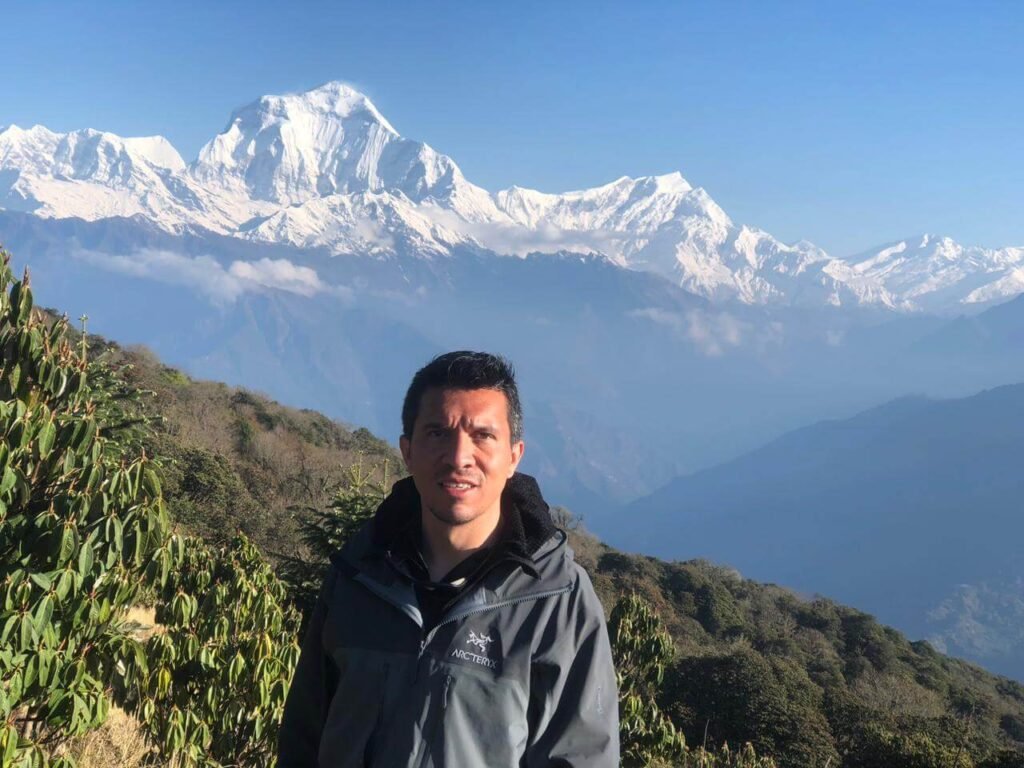
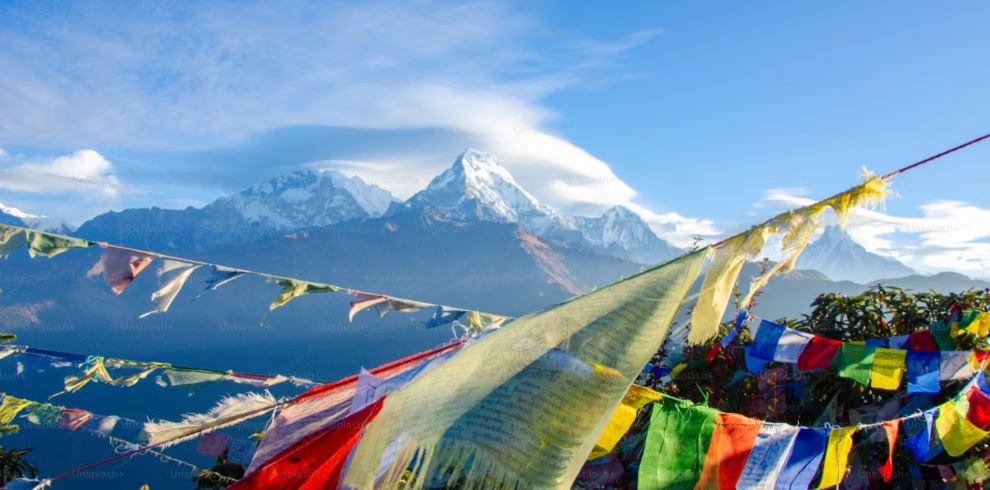
If there is one trek in Nepal that belongs at the top of almost every safety-focused list, it is Ghorepani Poon Hill. This is often called the entry level Himalayan trek, and for very good reason. The trail sits in the Annapurna Conservation Area, follows well maintained stone steps through rhododendron and oak forest, and passes through a string of Gurung and Magar villages that have hosted trekkers for decades.
The maximum altitude on this trek is Poon Hill itself at 3,210 meters. That number matters a great deal. It sits well below the elevation where serious altitude sickness typically becomes a concern, which means most healthy trekkers, including children, older travelers, and complete beginners, can complete this route without needing extended acclimatization days. The gradual daily elevation gain, combined with the short overall duration of five to seven days, keeps altitude-related risk very low.
Landslide risk on this route is also minimal. The trail avoids the kind of narrow, unstable river gorges that create problems elsewhere in Nepal. Most of the walking happens along ridgelines and through forest rather than beneath steep, loose slopes. Because the trek does not climb near any glaciated terrain or high mountain pass, avalanche risk simply does not apply here.
What really seals this trek’s safety record is infrastructure. Ghorepani and the surrounding villages have some of the densest concentrations of teahouses and guesthouses in Nepal. Mobile signal is reliable along most of the route, rescue coordination is well practiced because of the sheer volume of trekkers who pass through every season, and the trailhead at Nayapul is a short drive from Pokhara, meaning evacuation and support are never far away.
This is the trek we recommend most often to families, first time visitors to Nepal, and anyone who wants a genuine Himalayan experience, complete with a sunrise view over Dhaulagiri and Annapurna, without exposing themselves to the risks found on higher, more remote routes.
2. Nagarkot Chisapani Trek
The second entry on our list barely feels like a mountain trek at all, and that is exactly the point. The Nagarkot Chisapani route, sometimes called the Sundarijal to Nagarkot trek, stays entirely within the hills surrounding the Kathmandu Valley. It passes through Shivapuri National Park, climbs gently through pine and rhododendron forest, and reaches its highest point at Nagarkot, sitting at just over 2,175 meters.
Because the entire route stays below 2,200 meters, altitude sickness is essentially a non-issue here. This makes it one of the very few treks in Nepal where a trekker with almost zero prior hiking experience can complete the full itinerary comfortably in two to three days.
The terrain itself is gentle. Trails follow forest paths and old farming tracks rather than steep, exposed ridgelines, and there are no sections pass beneath unstable cliffs or through narrow river gorges. Because the region sits so close to Kathmandu, road access exists at multiple points along the trail, meaning that in the rare event of an injury or illness, a vehicle can usually reach the trekker within a short time.
We consider this route ideal for travelers with limited time in Nepal, for families traveling with young children, and for anyone who wants a genuine taste of Himalayan scenery, including views of Langtang, Ganesh Himal, and on a clear day even Everest, without committing to a longer or higher altitude expedition. If you have a short layover in Kathmandu and still want to say you trekked in the Himalayas, this is the route that delivers that experience with the least risk attached. For something similar closer to the city center, our Champadevi day hike offers the same low-altitude, low-risk profile in a single day.
Quick Trip Facts DetailInformationTrip TypeKathmandu Day HikeDuration1 DayMaximum Altitude2,285m / 7,497ftDifficultyEasyStarting PointPharping or HattibanEnding PointMachchhe Gaun, Kirtipur, or Hattiban returnDistance…
3. Tsum Valley Trek
Tsum Valley Trek often surprises people when it appears on a safety list, mostly because it sits in a remote corner of northern Gorkha near the Tibetan border and does not have the same name recognition as Everest or Annapurna. But when you actually break down the risk factors, Tsum Valley on its own, without continuing onto the full Manaslu Circuit and its high pass, holds up remarkably well.
The valley itself is a dead end route. Trekkers walk in along the Shiar Khola river valley, spend time exploring villages such as Chumling, Chhokang Paro, Nile, and the sacred monastery at Mu Gompa, and then walk back out the same way. This out-and-back structure matters for safety in a very practical way. It means trekkers never need to cross a high, exposed mountain pass, and they never face the kind of steep, avalanche-prone terrain that exists elsewhere in the wider Manaslu region.
Altitude gain on the standalone Tsum Valley route is also gradual. The highest villages sit around 3,700 meters, which is well within a range that a properly paced itinerary handles safely with standard acclimatization practices. Because the valley has become a restricted area requiring a special permit and mandatory registration with a licensed operator, every group entering the region is tracked, adding a layer of safety that unrestricted routes lack.
Tsum Valley does still carry some landslide exposure along sections of the lower trail near the Budhi Gandaki river system, particularly during and shortly after monsoon season, so timing your trip for the autumn or spring trekking windows matters here more than it does on Ghorepani Poon Hill or Nagarkot Chisapani. But taken as a whole, and especially when compared against the far more demanding full Manaslu Circuit, Tsum Valley on its own stands out as one of the more protected high-altitude cultural treks in Nepal. It rewards trekkers with some of the most authentic Tibetan Buddhist culture anywhere in the country, without the technical exposure of the pass crossing that defines the longer Manaslu route.
The Kanchenjunga Circuit Trek takes you around the base of the world's third highest mountain in the far eastern corner…
Upper Mustang Trek — Complete Guide 2026 Few places on earth stop you in your tracks the way Upper Mustang…
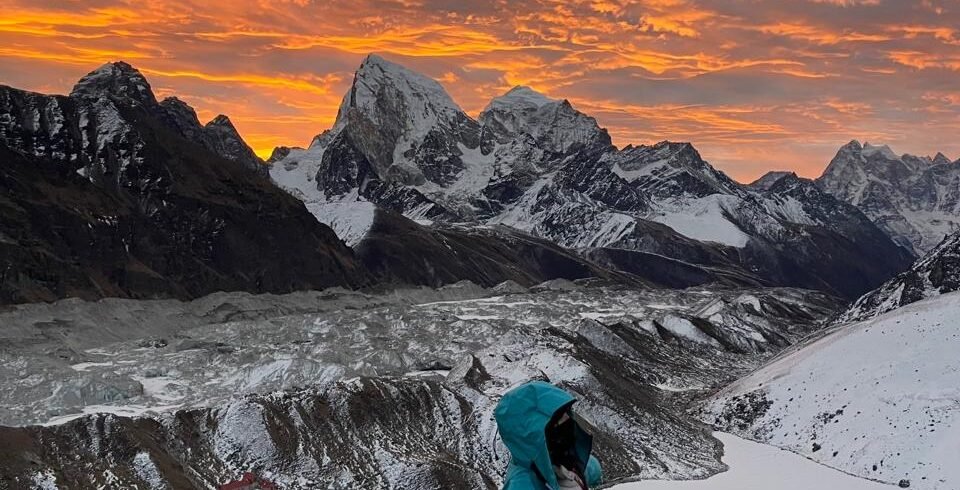
The Everest Base Camp with Gokyo Lake Trek combines two iconic Khumbu experiences in one 17-day journey. Cross Cho La Pass (5,420 m), summit Gokyo Ri (5,360 m) for views of four eight-thousanders, reach Everest Base Camp (5,364 m), and witness Everest sunrise from Kala Patthar (5,555 m). Book with Next Trip Nepal — no advance payment required.
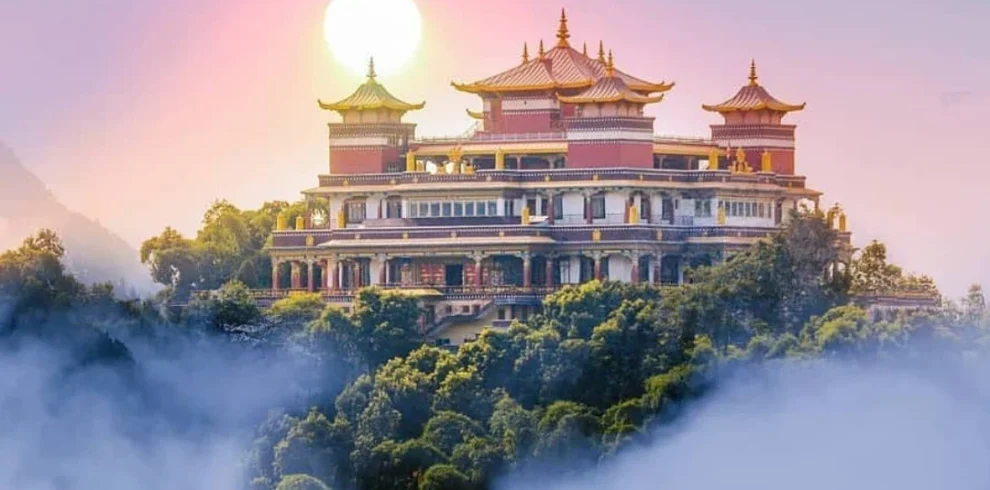
Tour at a GlanceDuration: 1 Day (6 to 7 hours)Sites: Kopan Monastery, Boudhanath, SwayambhunathStart and End: Your Kathmandu hotelDeparture: 8:30…
4. Mardi Himal Trek
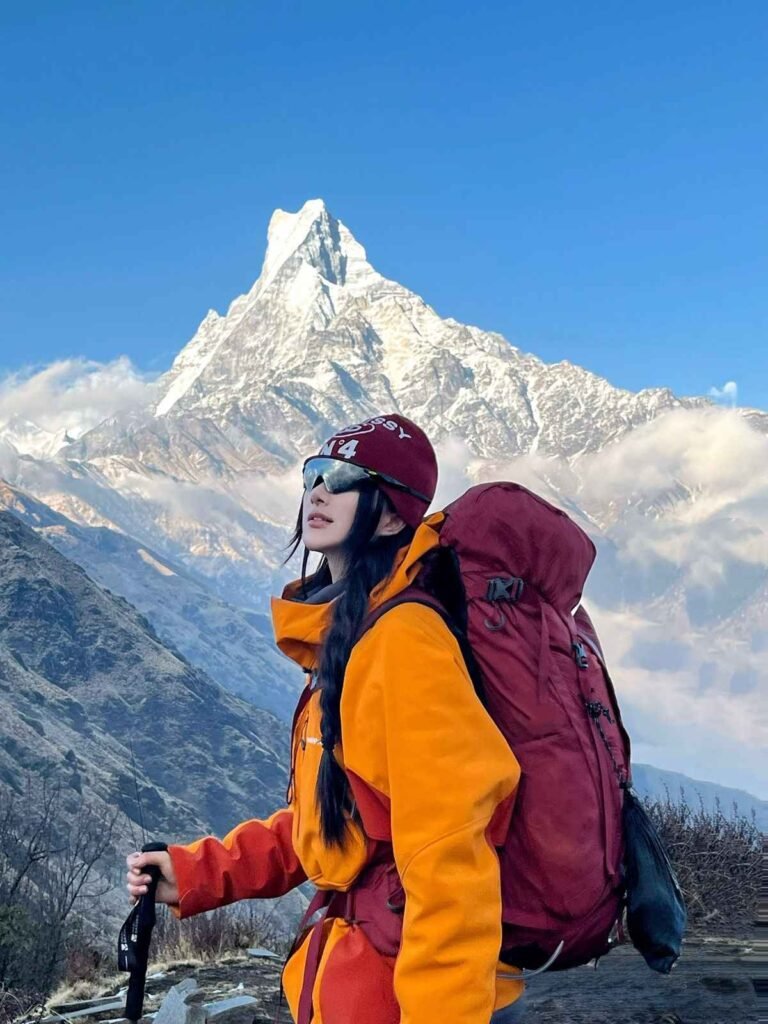
Mardi Himal Trek is one of the newer trekking routes in Nepal, officially opened to trekkers in 2012, and it has quickly become one of the most loved short treks in the Annapurna region. It sits just east of the more famous Annapurna Base Camp trail, tucked beneath the striking profile of Machhapuchhre, also known as Fishtail Mountain.
What makes Mardi Himal a safe choice comes down to its structure. The trek is short, typically completed in five to seven days round-trip from Pokhara, and it follows a single-ridge trail through rhododendron forest before opening onto alpine meadows near High Camp. There are no glacier crossings, no exposed high passes, and no sections where the trail runs beneath crumbling, landslide-prone slopes. The route simply climbs one ridge and comes back down it.
The highest point most itineraries reach is the Mardi Himal viewpoint at around 4,200 meters, with some extended itineraries continuing slightly further to the base camp area near 4,500 meters. Because the trek gains altitude steadily over several days rather than in one rushed push, and because most trekkers spend more than one night at the higher camps, the risk of altitude sickness remains manageable for anyone with reasonable fitness and a well-planned itinerary.
Because Mardi Himal lies within the well-established Annapurna Conservation Area, the same region that hosts Ghorepani Poon Hill and Annapurna Base Camp, it benefits from decades of trail maintenance, an active teahouse network, and a mountain-rescue infrastructure that has handled far busier routes for years. If you want something a little longer and a little higher than Poon Hill, with genuinely spectacular close-up mountain views and a similarly strong safety profile, Mardi Himal is very likely the best next step. You can see the full itinerary and departure dates on our trips page.
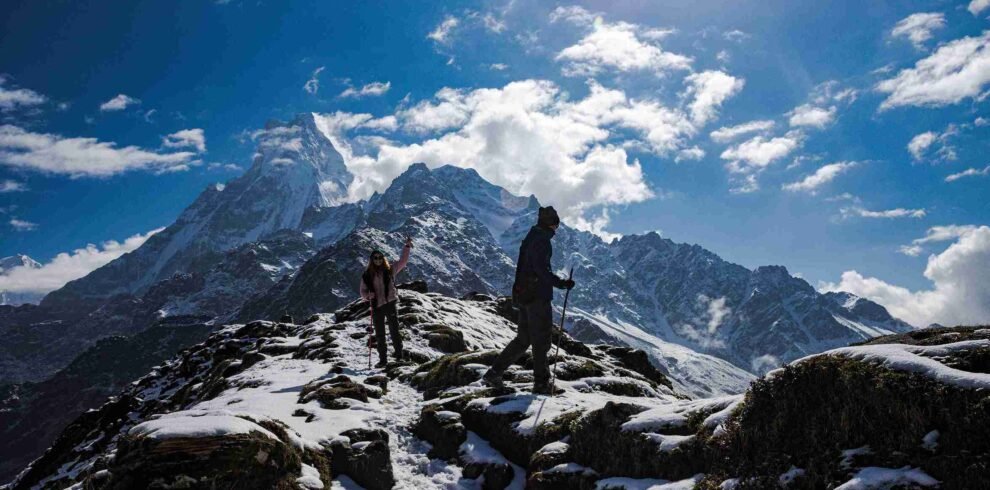
9-day Mardi Himal Trek package from $499. Reach Mardi Himal Base Camp at 4,500m with close-up views of Machhapuchhre (Fishtail). All permits, licensed guide, porter and teahouse accommodation included.
5. Everest Base Camp Trek
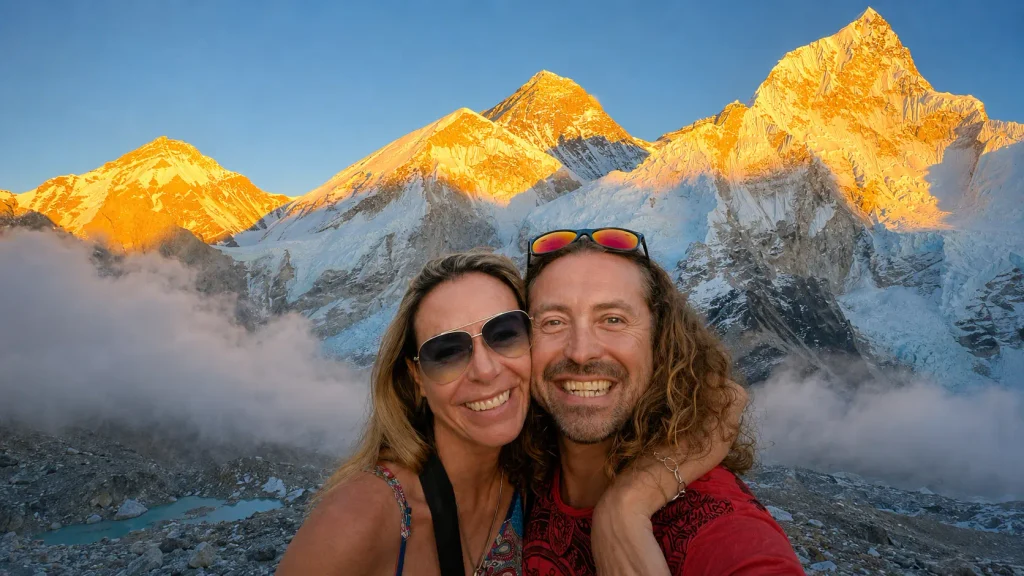
This is usually the entry that surprises people the most, and it deserves the longest explanation on this list. Everest Base Camp sits at 5,364 meters, and the highest viewpoint most trekkers reach, Kala Patthar, sits even higher at 5,555 meters. On paper, that sounds like one of the more dangerous treks in the country. In practice, when you separate out the actual risk categories, the picture looks very different.
Start with landslide risk. The Everest Base Camp trail follows the Dudh Koshi River valley through the Khumbu region, walking on wide, well-built trails through Namche Bazaar, Tengboche, Dingboche, and Lobuche before reaching the moraine that leads to Base Camp itself. This is simply not a landslide corridor in the way certain other Nepali valleys are. The trail sits on relatively stable ground for most of its length, and decades of continuous trekking traffic have kept the path itself in excellent condition.
Avalanche risk is also limited on the standard trekking route, which is an important distinction from mountaineering on Everest itself. Climbers attempting the summit face the Khumbu Icefall and its very real avalanche danger. Trekkers walking to Base Camp and back never enter that terrain. The trekking trail stays on stable ridges and valley floors well away from the icefall and the technical climbing route above it.
So what is the actual risk on Everest Base Camp? It comes down entirely to altitude. This is genuinely a high-altitude trek, and acute mountain sickness is a real and serious concern if the itinerary is rushed. This is exactly why every properly built Everest Base Camp itinerary, including ours, includes rest and acclimatization days at Namche Bazaar and again at Dingboche, timed precisely at the points where the elevation curve steepens most sharply. A trekker who follows a sensible itinerary, walks at a measured pace, and listens to their guide’s advice about symptoms faces a controllable and well-understood risk rather than an unpredictable one.
The Khumbu region also has the strongest rescue and support infrastructure of any high-altitude trekking area in Nepal. Namche Bazaar has a well-staffed health post. Several villages along the trail have small clinics familiar with altitude related illness. Helicopter evacuation is fast, well-practiced, and available along the entire route in a way that simply does not exist in more remote corners of the country. If something does go wrong, help arrives quickly.
This combination, a stable trail free of landslide danger, a route that avoids avalanche-prone climbing terrain, a controllable and well-managed altitude risk, and the best rescue infrastructure in the country, is exactly why Everest Base Camp earns its place on this list despite reaching over five thousand meters. The danger here is real but it is a known, manageable danger rather than a hidden or unpredictable one. For trekkers who want the complete high-altitude experience with maximum safety infrastructure behind them, this remains one of the best choices in Nepal. Strong trekkers who want to go even further can look at our Everest Three Passes Trek, though that route does introduce more technical terrain and belongs to a different risk category than the standard Base Camp trail.
Why the Manaslu Circuit Did Not Make This List
We think honesty matters more than filling out a longer list, so we want to explain clearly why the Manaslu Circuit, one of Nepal’s most beautiful and increasingly popular treks, is not included here right now.
The Manaslu Circuit follows the Budhi Gandaki river for much of its lower section, walking through a narrow, steep sided gorge between Machha Khola and Namrung. This valley has a documented history of landslides, particularly during and shortly after the monsoon season, and the trail in several sections runs directly beneath loose, unstable slopes above the river. This is simply a structural feature of the terrain, not a rare event, and it is the single biggest factor separating Manaslu from the routes above.
On top of that, the full circuit requires crossing Larkya La at 5,160 meters, one of the longest and most exposed high passes in Nepal. This crossing involves walking across glaciated terrain with real avalanche exposure, something none of the five treks above require. Add to this the fact that the Manaslu Circuit was only opened to foreign trekkers in the early 1990s and remains a restricted area with far less trekking traffic than Everest or Annapurna, and you have a route with a shorter safety track record, less densely built infrastructure, and a genuinely higher combined risk profile.
None of this means Manaslu is not worth trekking. It is a stunning, culturally rich route around the world’s eighth-highest mountain, and thousands of trekkers complete it safely every season with proper guides, sensible timing, and a well-built itinerary. Our sister company, Manaslu Treks and Expedition, specializes specifically in this region and has run these routes safely for years. But when we are asked specifically which treks carry the lowest risk in Nepal, honesty requires us to place Manaslu in a different category from the five routes above it, particularly the lower gorge section that many trekkers underestimate before they arrive.
A Note on the Langtang Valley Trek
Anyone researching safe treks in Nepal right now has almost certainly come across the Langtang Valley Trek, and we want to address it directly rather than pretend it doesn’t exist. Langtang has long been considered one of the safer and most accessible treks in the country, located near Kathmandu, with a gentle elevation profile and a strong trekking community.
As of this writing, the region is dealing with the aftermath of a major flash flood that struck the Rasuwa district in late August 2026, triggered by a glacial event on the Tibetan side of the border. The damage was concentrated around Syabrubesi and the road corridor connecting it to Kathmandu, and access to the region is currently disrupted while roads and bridges are repaired. This is a temporary situation rather than a permanent change to the trail itself, and local authorities and trekking operators are actively working through the recovery process.
We have chosen not to include Langtang in this list while that recovery is ongoing, simply because recommending immediate travel to a region with disrupted road access would be irresponsible. Once access is fully restored and deemed safe by local authorities, Langtang will very likely regain its place among Nepal’s safer trekking routes, given its historical track record. If you had a Langtang trip planned for this season, we encourage you to reach out to us directly so we can walk you through current conditions and realistic alternatives for your dates.
How Next Trip Nepal Treks and Expedition Builds Safety Into Every Trip
Choosing a safer route is only one half of the equation. The other half comes down to how a trip is actually planned and run on the ground, and this is where a good operator makes a real difference regardless of which trail you choose.
Every itinerary we build includes acclimatization days placed at the correct points in the elevation profile, not just wherever happens to be convenient for the schedule. Our guides are trained to recognize the early signs of altitude sickness and are authorized to slow down or turn a group around if symptoms appear, rather than pushing forward to stay on schedule. We continuously monitor seasonal weather patterns and landslide advisories, and we adjust departure dates or reroute sections of a trek when conditions on the ground call for it, even when that means a less convenient option for a client who wants to stick to the original plan.
We also carry proper communication equipment on higher-altitude routes, maintain relationships with helicopter evacuation services across every region we operate in, and require every trekker to carry adequate travel insurance that covers high-altitude rescue before departure. None of these measures eliminate risk completely, because no measure can do that in mountain terrain. What they do is close the gap between an unlucky situation and a genuine emergency, which is really the whole point of hiring an experienced local operator rather than attempting an unsupported trek.
Timing Your Trek Matters as Much as Choosing It
Even the safest trail on this list can become riskier if you walk it during the wrong season, so timing deserves its own section rather than a passing mention. The two main trekking windows in Nepal are spring, running roughly from March through May, and autumn, running from late September through November. Both offer stable weather, clear mountain views, and the lowest combined risk across landslide, altitude, and avalanche factors.
Monsoon season, from June through early September, brings heavy rainfall that sharply increases landslide risk on routes that follow river valleys, including sections of the Tsum Valley and the lower approaches to several other regions. Trails can wash out, leeches become a real nuisance at lower elevations, and visibility drops enough that some of the scenic reward of trekking simply disappears behind cloud cover. Winter, from December through February, brings a different set of concerns. Snow accumulates on higher routes, some teahouses close for the season in the more remote villages, and temperatures at altitude can drop low enough to cause real discomfort and add risk for anyone not properly equipped.
This is not to say these off season windows are always off limits. Ghorepani Poon Hill and Nagarkot Chisapani, both sitting at lower elevations, remain reasonably trekkable through much of the winter, and some experienced trekkers specifically choose winter for the quiet trails and clear cold air. But if safety is your top priority, and especially if this is your first time trekking in Nepal, sticking to the spring or autumn windows removes a significant amount of variability from your trip before you even set foot on the trail.
Frequently Asked Questions About Safe Trekking in Nepal
Is trekking in Nepal generally safe for beginners? Yes, provided you choose a route matched to your experience level. Ghorepani Poon Hill and Nagarkot Chisapani were built for exactly this purpose, with gentle elevation gain, short duration, and dense local infrastructure. Beginners should avoid jumping straight into a high pass crossing or a technical route without first testing their fitness and altitude tolerance on a shorter trail.
Do I need travel insurance for these treks? Yes, on every route listed here, even the lower altitude ones. Insurance that specifically covers trekking and, for the higher routes, helicopter evacuation at altitude is not optional in our view. Injuries and sudden illness can happen on any trail, and the cost of a policy is small compared to the cost of an emergency evacuation without one.
Can children or older travelers do these treks? Ghorepani Poon Hill and Nagarkot Chisapani are both regularly completed by families with children as young as eight or nine, and by travelers well into their sixties and seventies, as long as general fitness allows for several hours of walking per day. Mardi Himal and Tsum Valley are achievable for fit older travelers and older children with some trekking experience. Everest Base Camp demands a higher baseline of fitness and a realistic understanding of how the body may respond to altitude, regardless of age.
Is a guide actually necessary, or can I trek independently? Since April 2023, independent trekking without a licensed guide is prohibited in most of Nepal’s national parks and conservation areas, which covers every route on this list. Beyond the legal requirement, a good guide adds genuine safety value by recognizing altitude symptoms early, knowing current trail and weather conditions, and coordinating rescue quickly if something goes wrong.
What should I do if I start feeling symptoms of altitude sickness? Tell your guide immediately, even if the symptoms feel minor. Headache, nausea, and unusual fatigue are early warning signs that should never be pushed through. The only reliable treatment for worsening acute mountain sickness is descent, and catching it early makes that descent far less dramatic than waiting until symptoms become severe.
How do I know if a region is currently affected by a landslide, flood, or other disruption before I book? This is exactly the kind of question worth asking your operator directly before committing to dates, particularly for treks that follow river valleys or sit near the Tibetan border. Conditions can change quickly after major weather events, as the current Langtang situation shows, and a trustworthy operator should give you an honest, current answer rather than a generic reassurance.
Choosing the Right Trek for You
If you are still deciding between these options, it helps to think honestly about your own experience level and how much time you have. Ghorepani Poon Hill and Nagarkot Chisapani are the strongest choices for first time trekkers, families, or anyone with limited time who still wants a genuine Himalayan experience. Mardi Himal is a natural next step for someone who has done a short trek before and wants a slightly higher altitude and a bit more solitude on the trail. Tsum Valley suits travelers who care as much about culture and remote village life as they do about mountain views, and who are comfortable with a longer, more restricted itinerary. Everest Base Camp remains the benchmark high altitude trek in Nepal, and with the right itinerary and guide, it delivers one of the most rewarding experiences in the country while keeping its main risk, altitude, firmly under control.
Whichever route you choose, the underlying lesson from everything above stays the same. Safety in Nepal’s mountains rarely comes down to luck. It comes down to choosing terrain that avoids the most serious hazards, respecting altitude with a properly paced itinerary, and trekking with people who know the region well enough to make good decisions when conditions change. That combination is what we try to build into every trip we run, and it is the same standard we would want for our own families on any trail in these mountains.
If you want help choosing between these routes for your dates and fitness level, reach out to us directly. We would rather spend an extra ten minutes matching you to the right trek than see you book the wrong one for your experience level.