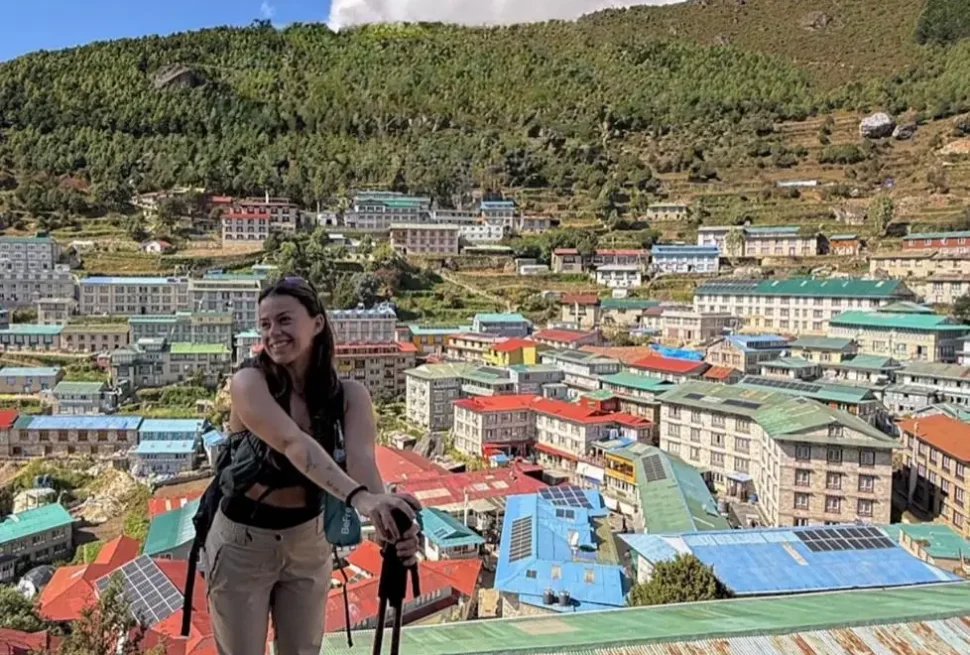
The Gokyo Lakes Trek is genuinely one of the most rewarding routes in the entire Everest region, and yet it remains considerably less crowded than the classic trail to Everest Base Camp, despite offering arguably better views of Everest itself. This guide covers everything you genuinely need to plan the trek properly: the real itinerary, an honest difficulty assessment, permit requirements, seasonal considerations, and what actually makes this route meaningfully different from the more famous trail just one valley to the east.
The short answer: Gokyo Lakes is a twelve to fourteen day trek into the Khumbu region that climbs to Gokyo Ri at 5,357 meters, delivering what many experienced trekkers consider the single best panoramic mountain view in Nepal, including four of the world’s six highest peaks from one viewpoint, alongside the turquoise glacial lakes and the Ngozumpa Glacier, the largest glacier in the Nepal Himalaya, all reached along a genuinely quieter trail than the more famous route just one valley to the east.
What the Gokyo Lakes Trek Actually Is
The Gokyo Lakes Trek follows the western branch of the Khumbu valley system, splitting away from the main Everest Base Camp trail at Sanasa or Mong, then climbing alongside the Ngozumpa Glacier to reach the village of Gokyo at 4,750 meters, set beside the third of six glacial lakes in the Gokyo valley. From Gokyo, trekkers climb Gokyo Ri, a modest peak by Himalayan standards but one that delivers an extraordinary reward for the effort, since the summit offers a genuinely unobstructed view of Everest, Lhotse, Makalu, and Cho Oyu simultaneously, four peaks above 8,000 meters visible from a single vantage point, something no other easily accessible viewpoint in Nepal can match.
Gokyo Lakes Trek at a Glance
| Factor | Detail |
|---|---|
| Duration | 12 to 14 days including Kathmandu arrival and departure |
| Maximum Altitude | 5,357 meters at Gokyo Ri |
| Difficulty | Moderate to difficult, altitude driven |
| Starting Point | Lukla, reached by flight from Kathmandu |
| Trek Style | Teahouse trek, no camping required |
| Best Seasons | March to May and late September to November |
| Typical Cost Range | USD 1,300 to 1,600 for a standalone package, or from USD 2,350 combined with Everest Base Camp |
Gokyo Lakes Versus Everest Base Camp
Trekkers frequently ask whether to choose Gokyo Lakes or the classic Everest Base Camp trail, and the honest comparison depends on what you value most from the experience.
| Factor | Gokyo Lakes Trek | Everest Base Camp Trek |
|---|---|---|
| Maximum Altitude | 5,357m (Gokyo Ri) | 5,364m (Base Camp), 5,545m (Kala Patthar) |
| Everest Views | Excellent, plus Lhotse, Makalu, Cho Oyu together | Excellent from Kala Patthar, Everest itself partially obscured from Base Camp |
| Crowd Level | Considerably quieter, particularly past Sanasa | The most heavily trekked route in the Khumbu |
| Glacial Lakes | Six turquoise lakes, a defining highlight | Not a feature of the standard route |
| Duration | 12 to 14 days | 12 to 14 days |
| Bucket List Recognition | Lower name recognition despite comparable rewards | Extremely high, the more famous destination |
Many experienced trekkers who have completed both routes rate Gokyo Ri’s summit view as genuinely superior to the view from Kala Patthar, precisely because it includes more of the world’s highest peaks in a single frame and comes with dramatically fewer other trekkers sharing the viewpoint at sunrise, a genuinely meaningful difference for trekkers who value a quieter, more personal summit experience over a busier, more famous one.
Sample Gokyo Lakes Trek Itinerary
| Day | Route |
|---|---|
| Day 1 | Fly from Kathmandu to Lukla, trek to Phakding |
| Day 2 | Trek from Phakding to Namche Bazaar |
| Day 3 | Acclimatization day in Namche Bazaar |
| Day 4 | Trek from Namche Bazaar to Dole |
| Day 5 | Trek from Dole to Machhermo |
| Day 6 | Trek from Machhermo to Gokyo |
| Day 7 | Climb Gokyo Ri for sunrise, explore the fourth and fifth lakes |
| Day 8 | Trek from Gokyo back to Dole, or cross Cho La Pass toward Everest Base Camp for extended itineraries |
| Day 9 | Trek from Dole to Namche Bazaar |
| Day 10 | Trek from Namche Bazaar to Lukla |
| Day 11 | Fly from Lukla back to Kathmandu |
Trekkers with additional time and a genuine appetite for altitude and remote terrain often extend the route by crossing Cho La Pass at 5,420 meters to connect with the Everest Base Camp trail, creating a combined itinerary that visits both destinations in a single extended trip of around 16 to 18 days.
How Difficult Is the Gokyo Lakes Trek
The Gokyo Lakes Trek is rated moderate to difficult, with altitude as the primary challenge rather than technical terrain. The trail itself is non technical throughout the standard route, requiring no ropes, crampons, or climbing experience, and the walking surface is generally good, following established teahouse trekking paths through the Khumbu valley. What makes the trek genuinely demanding is the sustained high altitude exposure, with multiple nights spent above 4,000 meters and a summit day above 5,300 meters, combined with twelve or more consecutive days of walking. Trekkers who train adequately beforehand and follow a properly paced acclimatization schedule generally complete the route successfully regardless of prior high altitude experience, though the trek is genuinely more demanding than shorter, lower altitude options like Ghorepani Poon Hill or the standard Annapurna Base Camp route.
Permits Required for the Gokyo Lakes Trek
| Permit | Cost |
|---|---|
| Sagarmatha National Park Entry Permit | USD 28 |
| Khumbu Pasang Lhamu Rural Municipality Permit | Approximately NPR 2,000 to 3,000 |
As with Everest Base Camp, the Gokyo Lakes Trek falls within the Khumbu region, so the TIMS card is not required. Instead, trekkers need the same combination of the Sagarmatha National Park fee and the local Khumbu municipality permit that applies throughout the wider Everest region. For a full breakdown of how Nepal’s permit system works across other regions, see our Nepal Trekking Permits guide.
Best Time to Trek to Gokyo Lakes
Autumn, specifically late September through November, is the most popular season for the Gokyo Lakes Trek, offering the clearest mountain visibility of the year following the end of the monsoon rains. Spring, from March through May, is the second strong option, bringing warmer daytime temperatures and rhododendron blooms at lower elevations, though afternoon cloud buildup is somewhat more common than in autumn. Winter trekking from December through February is possible for well prepared trekkers, with the reward of dramatically fewer other visitors and often exceptionally clear morning skies, though overnight temperatures at Gokyo regularly drop well below freezing. Monsoon season from June through August is not recommended, given persistent cloud cover, leech activity at lower elevations, and a significantly increased risk of the Lukla flights being delayed by poor visibility.
Altitude Profile and Acclimatization
The Gokyo Lakes Trek follows a genuinely sensible acclimatization profile when properly paced, with the built in rest day at Namche Bazaar and a gradual climb through Dole and Machhermo before reaching Gokyo itself at 4,750 meters. The summit push to Gokyo Ri at 5,357 meters represents the trek’s single biggest single day elevation gain, typically undertaken as an early morning out and back excursion from Gokyo village rather than an overnight stay at altitude. Trekkers who have already spent several days acclimatizing through the lower Khumbu villages generally handle this summit day comfortably, though it remains the most physically demanding single push of the entire itinerary given the combination of altitude and a genuinely steep final approach to the summit ridge.
What Makes the Gokyo Lakes Themselves Special
The six glacial lakes that give this trek its name sit within a genuinely striking high alpine landscape, fed by meltwater from the surrounding peaks and the vast Ngozumpa Glacier that runs alongside the trail for much of the upper trek. The third lake, beside Gokyo village itself, is the most visited and photographed, its turquoise water framed by Cho Oyu rising directly behind it. The fourth and fifth lakes, reached via a longer side excursion from Gokyo, see dramatically fewer visitors and reward the additional effort with a genuinely more remote, quiet alpine setting. The lakes are considered sacred in Hindu and Buddhist tradition, and the Gokyo valley hosts a significant pilgrimage during the full moon of the Janai Purnima festival, when pilgrims travel from across Nepal to bathe in the lakes’ waters.
The Ngozumpa Glacier
Running alongside the trail for much of the route between Dole and Gokyo, the Ngozumpa Glacier is the largest glacier in the Nepal Himalaya, a genuinely dramatic landscape feature of rock strewn ice extending for many kilometers down the valley. Unlike the cleaner ice visible on some other Himalayan glaciers, the Ngozumpa’s surface is covered in rock debris carried down from the surrounding peaks, giving it an unusual appearance that surprises many trekkers expecting a more conventional white glacier. Crossing the glacier itself, required on the route toward Cho La Pass for trekkers extending to Everest Base Camp, involves navigating a genuinely uneven, rocky surface that, while non technical, requires careful footing and is best undertaken with a knowledgeable guide familiar with the current safe crossing route, since the glacier’s surface shifts meaningfully from season to season.
Frequently Asked Questions
Is the Gokyo Lakes Trek harder than Everest Base Camp?
The two treks are broadly comparable in overall difficulty, though Gokyo Ri’s summit day is arguably more physically demanding than the equivalent approach to Kala Patthar, given the steeper final ascent.
Can I combine Gokyo Lakes with Everest Base Camp in one trip?
Yes, via the Cho La Pass crossing, though this significantly extends the trip to around 16 to 18 days and adds a genuinely more demanding high altitude pass crossing to the itinerary.
Do I need previous trekking experience for Gokyo Lakes?
No, though reasonable cardiovascular fitness and several weeks of training beforehand meaningfully improve both safety and enjoyment on a trek of this altitude and duration.
Is the Gokyo Lakes Trek less crowded than Everest Base Camp?
Yes, noticeably. Once the trail splits away from the main Everest Base Camp route at Sanasa, trekker numbers drop considerably, and Gokyo village itself sees a fraction of the visitors that pass through Gorak Shep during peak season.
What is the best viewpoint on the Gokyo Lakes Trek?
Gokyo Ri at 5,357 meters is the standard and most rewarding viewpoint, though Scoundrel’s Viewpoint near the fifth lake offers a genuinely worthwhile alternative for trekkers seeking an even quieter vantage point.
Packing Considerations Specific to Gokyo
Packing for the Gokyo Lakes Trek closely mirrors what is needed for Everest Base Camp, given the similar altitude range and teahouse infrastructure, though a few considerations are worth noting specifically for this route. A genuinely warm sleeping bag rated to at least minus 15 Celsius remains essential, since Gokyo’s teahouses, like those throughout the Khumbu, are unheated overnight. Good sunglasses with strong UV protection matter more on this route than on many others, given the extended time spent walking directly alongside the light colored, highly reflective surface of the Ngozumpa Glacier. For trekkers planning the Cho La Pass extension toward Everest Base Camp, microspikes or similar traction devices are worth carrying, since the pass crossing frequently involves packed snow or ice sections even outside the coldest winter months. For a complete general packing breakdown that applies equally well to this route, see our Everest Base Camp Packing List.
Accommodation Along the Route
Teahouse accommodation along the Gokyo Lakes Trek is generally comparable in quality to the main Everest Base Camp trail through Namche Bazaar and Dole, with reliable lodges offering private or shared rooms, hot meals, and charging facilities at an extra cost. Once the route diverges from the main trail after Sanasa, teahouse options become somewhat more limited in number, though the lodges at Dole, Machhermo, and Gokyo itself are well established and comfortable by teahouse trekking standards. Gokyo village has a genuinely good selection of lodges given its status as the trek’s primary destination, with several offering rooms with direct views of the lake and Cho Oyu, a worthwhile detail to request when booking through your trekking agency.
Altitude Sickness Considerations
Given the sustained altitude exposure on this route, understanding and preparing for altitude sickness risk is genuinely important. The itinerary’s built in acclimatization day at Namche Bazaar and the gradual ascent profile through Dole and Machhermo before reaching Gokyo provide a reasonable acclimatization structure, though trekkers should still watch closely for symptoms including headache, nausea, and disrupted sleep, particularly in the two to three days after arriving at Gokyo itself. For a complete breakdown of altitude sickness prevention and what to do if symptoms develop, see our Altitude Sickness Prevention and Safety Guide, which applies directly to the altitude range and pacing considerations relevant to this specific route.
Why Next Trip Nepal Recommends This Route
Next Trip Nepal genuinely considers the Gokyo Lakes Trek one of the most underrated routes in the entire Everest region, offering a comparable, arguably superior mountain viewing experience to the standard Everest Base Camp trek while avoiding much of the crowding that has become a genuine consideration on the more famous route during peak season. We offer the Gokyo Lakes Trek both as a standalone itinerary and combined with Everest Base Camp via the Cho La Pass crossing for trekkers with the additional time and appetite for a longer, more demanding combined route. Every itinerary includes a licensed guide, porter support, permits, and teahouse accommodation with breakfast and dinner throughout.
Comparing Gokyo Lakes to Other Everest Region Alternatives
Beyond the standard Everest Base Camp trail, the wider Khumbu region offers several route variations worth understanding when deciding where Gokyo Lakes fits into your planning. The Everest Three Passes route, which includes Gokyo as one leg of a larger circuit crossing Kongma La, Cho La, and Renjo La, represents the most demanding and comprehensive way to experience the region, typically requiring 18 to 20 days and considerably more technical pass crossing experience. The Everest View Trek, a shorter and less demanding option that reaches only as far as the Everest View Hotel above Namche Bazaar, offers good mountain views without the altitude or duration commitment of the full Gokyo route, making it a reasonable alternative for trekkers with limited time or lower fitness levels. For trekkers weighing these options directly against each other, understanding your own priorities around difficulty, duration, and specific viewpoints matters more than simply choosing the most famous named route.
Cultural Highlights Along the Trail
Beyond the natural scenery, the Gokyo Lakes Trek passes through genuinely rich Sherpa cultural territory shared with the Everest Base Camp route through Namche Bazaar and the lower Khumbu villages. Namche Bazaar itself, the region’s principal trading hub, offers a Saturday market, several monasteries, and the Sherpa Culture Museum, worth a visit during the itinerary’s built in acclimatization day. Above Namche, the villages of Dole and Machhermo maintain a more traditional character than the busier main trail, given the comparatively lower visitor numbers, and trekkers often find more genuine, unhurried interactions with local teahouse families along this route than on the more heavily trafficked path toward Everest Base Camp itself.
Photography Considerations for Gokyo Ri
Trekkers with a genuine interest in photography should plan carefully around the Gokyo Ri summit climb, since timing matters considerably for capturing the best possible views. A pre dawn departure from Gokyo village, timed to reach the summit shortly before sunrise, delivers both the clearest visibility, before afternoon cloud typically builds, and the most dramatic light as the sun rises over Everest and the surrounding peaks. Cold weather photography gear considerations apply here as much as anywhere in the Khumbu, and trekkers should keep camera batteries warm inside an inner jacket pocket overnight before the summit push, since cold temperatures at Gokyo’s altitude meaningfully degrade battery performance exactly when it matters most.
Understanding the Cho La Pass Extension
For trekkers with sufficient time and a genuine appetite for a more demanding route, crossing Cho La Pass at 5,420 meters to connect Gokyo with the Everest Base Camp trail represents one of the most rewarding extended itineraries available in the entire Khumbu region. The pass crossing itself is a genuinely serious undertaking, involving a steep, often icy ascent and descent that typically requires microspikes or similar traction devices even outside winter, along with an early morning departure to cross before afternoon winds and softening snow conditions make the route more difficult. Trekkers considering this extension should have a realistic, honest assessment of their own fitness and prior high altitude experience, since the combined Gokyo and Cho La Pass to Everest Base Camp itinerary genuinely ranks among the more demanding standard treks available in Nepal, distinct from the comparatively more moderate standalone Gokyo route covered in the rest of this guide.
How Weather Affects the Summit Day
Gokyo Ri’s summit day is genuinely weather dependent in a way that is worth planning around honestly. Clear morning skies are considerably more reliable than afternoon conditions throughout the Khumbu region, since convective cloud typically builds from the valleys below starting around mid morning and frequently obscures the surrounding peaks by early afternoon. This pattern is precisely why the standard summit approach involves a pre dawn departure from Gokyo village, timed to reach the summit before this afternoon cloud buildup begins. Trekkers who arrive at Gokyo Ri later in the morning, whether due to a later start or a slower pace than anticipated, run a genuinely higher risk of missing the clearest views, which is one of several reasons an experienced guide who understands the specific timing patterns of this particular route adds real value beyond simply navigation.
Physical Training Recommendations Before the Trek
Given the trek’s genuine altitude and duration demands, arriving with adequate physical preparation meaningfully improves both safety and overall enjoyment. A training period of at least six to eight weeks before departure, focused on cardiovascular endurance and leg strength, is a reasonable minimum for trekkers without significant prior hiking experience. Practical training activities include regular hill walking or stair climbing with a weighted daypack, which closely mimics the demands of consecutive trekking days, along with general cardiovascular exercise like running, cycling, or swimming to build the aerobic base that high altitude walking specifically requires. Trekkers who can comfortably complete several hours of hiking with meaningful elevation gain in the weeks before departure generally find the actual trek considerably more manageable than those who arrive with minimal specific preparation, regardless of general fitness level in other areas.
Solo Trekkers and Group Considerations
Since April 2023, independent trekking without a licensed guide is no longer permitted on this and most other popular Nepal trekking routes, meaning solo trekkers on the Gokyo Lakes Trek will still travel with a professional guide even if trekking without companions of their own. This requirement genuinely benefits solo trekkers in practice, providing both navigation expertise and an important safety layer given the altitude and remote sections of this specific route. Trekkers joining as part of a small group typically find the shared experience adds genuine value on the longer, more contemplative sections of trail between villages, while solo trekkers traveling with just a guide often develop a closer, more personalized relationship with their guide over the twelve or more days of the trek, an experience many solo trekkers specifically value.
Environmental Considerations in the Gokyo Valley
The Gokyo valley and its lakes sit within Sagarmatha National Park, a UNESCO World Heritage Site with genuine ecological significance beyond its scenic value. The lakes themselves are considered a Ramsar wetland site of international importance, recognized for their role in the regional water system and the habitat they provide despite the harsh high altitude environment. Trekkers should carry out all non biodegradable waste, avoid disturbing the lake shores, and use only established trails to minimize impact on this genuinely fragile alpine ecosystem. Many teahouses along the route have adopted more sustainable practices in recent years, including solar power for lighting and charging, though trekkers can further reduce their impact by carrying a reusable water bottle with purification tablets or a filter rather than purchasing bottled water at each stop, a practice that has historically created a meaningful plastic waste burden along this and other popular Khumbu routes.
Combining Gokyo Lakes With a Helicopter Return
Trekkers with limited time or a strong preference for avoiding a second multi day walk back to Lukla increasingly choose to combine the Gokyo Lakes Trek with a helicopter return from Gokyo or a nearby village directly to Kathmandu, skipping the standard several day walk back down the valley. This option adds meaningful cost to the overall trip but genuinely appeals to trekkers with tight schedules or those who have already experienced the lower valley on a previous trek and are specifically seeking the upper Gokyo highlights without repeating the full return walk. Weather dependent scheduling remains a genuine consideration for any helicopter arrangement in this region, and trekkers choosing this option should build some schedule flexibility into their departure plans given the possibility of weather related delays common throughout the Khumbu region.
What to Expect at Each Major Stop
Understanding what each village along the route actually offers helps set realistic expectations for the trek’s daily rhythm. Namche Bazaar, reached on day two, functions as the trading and administrative hub of the entire Khumbu region, with genuinely well stocked shops, bakeries, and even a small selection of gear stores useful for trekkers who forgot or need to replace an item. Dole, considerably smaller and quieter, marks the point where the trail genuinely begins to feel more remote, with fewer lodges and a more traditional village atmosphere than the busier stops closer to Namche. Machhermo, the last major stop before Gokyo itself, sits in a genuinely beautiful high valley setting and also hosts a small clinic that has historically supported altitude related research and trekker health monitoring in the region. Gokyo village, the trek’s primary destination, offers the greatest concentration of quality teahouses on this route, many with direct lake views, and functions as the base for both the Gokyo Ri climb and any further exploration of the upper lakes.
The Fourth and Fifth Lakes: Worth the Extra Effort
While the third lake beside Gokyo village receives the most visitors given its proximity to the main teahouse cluster, trekkers with an extra day to spare should seriously consider the excursion to the fourth and fifth lakes, a genuinely worthwhile addition often overlooked by trekkers focused purely on the Gokyo Ri summit. The fourth lake, roughly two hours beyond Gokyo, offers a noticeably quieter, more remote alpine atmosphere, with Cho Oyu rising dramatically behind its waters. The fifth lake, another hour or so further, is rarely visited by comparison and rewards the additional walking with a genuine sense of solitude increasingly hard to find on Nepal’s more popular trekking routes. Scoundrel’s Viewpoint, situated near the fifth lake, offers mountain views that some experienced trekkers rate as comparable to or even exceeding the more famous Gokyo Ri panorama, without the crowds that gather at the main summit during peak season sunrise hours.
Health and Safety Beyond Altitude Sickness
While altitude sickness receives most of the attention in trek planning, a few other health considerations are worth understanding for the Gokyo Lakes Trek specifically. The Khumbu Cough, a persistent dry cough common among trekkers spending extended time at altitude in cold, dry air, affects a meaningful proportion of trekkers on this and similar high altitude routes, and while generally not dangerous, it can be uncomfortable enough to affect sleep and overall trip enjoyment. Carrying lozenges, staying well hydrated, and using a buff or scarf to warm and humidify inhaled air can meaningfully reduce its severity. Gastrointestinal illness, generally linked to food or water hygiene rather than altitude itself, remains a genuine possibility on any extended teahouse trek, and trekkers should maintain careful hand hygiene, use hand sanitizer before meals, and be selective about food choices, particularly meat dishes at higher elevations where refrigeration is limited or unavailable.
Connectivity and Communication Along the Route
Mobile network coverage through Everest Link, the Khumbu region’s dedicated wifi and data service, is available at most teahouses along the standard route as far as Gokyo itself, typically for a small daily or per use fee. Coverage becomes progressively less reliable at higher elevations and can be affected by weather, so trekkers should not rely on constant connectivity, particularly during the Gokyo Ri summit push or any exploration of the upper lakes. For trekkers who want to stay in touch with family during the trek, purchasing a local Nepali SIM card with data in Kathmandu before departure, combined with Everest Link access at teahouses, generally provides adequate connectivity for essential communication without expecting the seamless coverage typical of urban environments.
Comparing Standalone Cost Versus Combined Packages
Trekkers weighing whether to book Gokyo Lakes as a standalone trek or combined with Everest Base Camp via Cho La Pass should understand the genuine cost and time tradeoffs involved. A standalone Gokyo Lakes itinerary, typically twelve to fourteen days, costs meaningfully less than the combined route, both in package price and in the additional flight, permit, and logistics costs that come with extending the trip by several days. The combined itinerary, by contrast, delivers genuinely more terrain and two distinct destination experiences within a single trip, which many trekkers find offers better overall value per day of vacation time used, particularly those traveling from considerable distance who want to maximize a single trip to Nepal. Neither approach is inherently the better choice, and the right decision depends genuinely on your available time, budget, and appetite for the additional difficulty the Cho La Pass crossing introduces.
What Previous Trekkers Say About This Route
Feedback from trekkers who have completed the Gokyo Lakes Trek consistently highlights a similar pattern: expectations set by the trek’s lower name recognition compared to Everest Base Camp are consistently exceeded by the actual experience. Many trekkers specifically comment on the sense of discovery that comes with choosing a genuinely spectacular route that remains comparatively overlooked, along with a consistent preference for the Gokyo Ri sunrise experience over more crowded alternative viewpoints elsewhere in the region. The turquoise lakes themselves receive particular praise, since photographs alone frequently fail to capture how genuinely vivid the water color appears in person under direct sunlight, a detail that surprises many first time visitors to the valley.
Final Word on the Gokyo Lakes Trek
The Gokyo Lakes Trek offers a genuinely compelling alternative or complement to the classic Everest Base Camp route, delivering comparable altitude, comparable duration, and arguably superior mountain views from Gokyo Ri’s summit, all while seeing meaningfully fewer other trekkers along the trail. For trekkers who have already completed Everest Base Camp and are looking for a genuinely different Khumbu experience, or for first time visitors specifically seeking the region’s best views without the most crowded trail, Gokyo Lakes deserves serious consideration as one of Nepal’s finest, still comparatively underappreciated trekking routes, and a genuinely worthwhile addition to any serious trekker’s Himalayan itinerary, whether chosen on its own or combined with Everest Base Camp for a longer, more complete exploration of the entire Khumbu valley system.