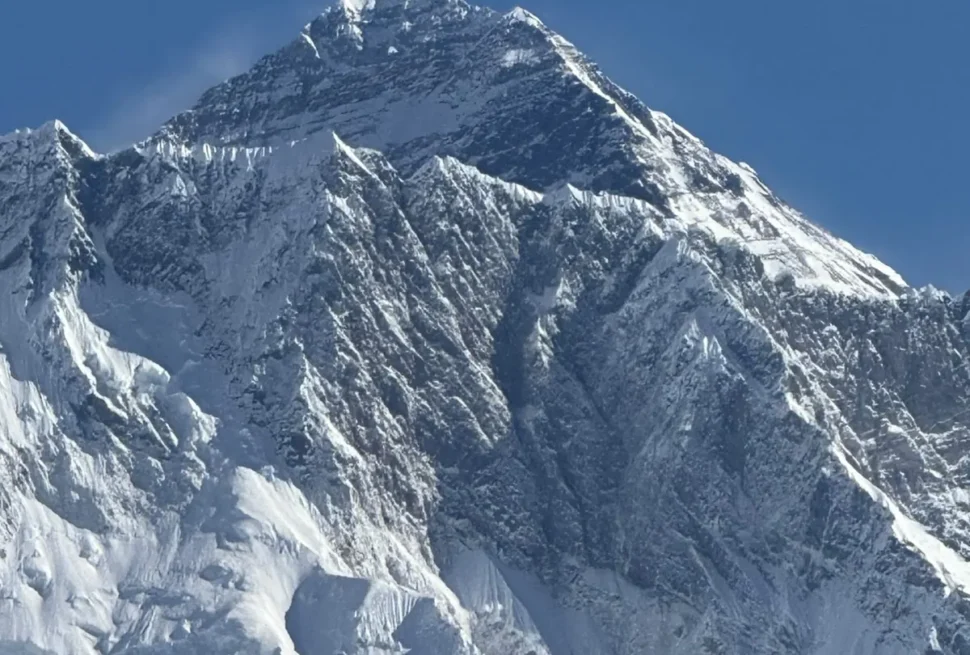
The Mardi Himal Trek has quietly become one of the very best value short treks in the entire Annapurna region, delivering a genuine high altitude experience above 4,000 meters in just nine days, with dramatically fewer other trekkers sharing the trail than the neighboring Annapurna Base Camp and Poon Hill routes. This guide covers the real itinerary, an honest difficulty assessment, the actual permit requirements, and exactly what makes this trek genuinely worth choosing over the more famous, more crowded alternatives nearby in the same region.
The short answer: Mardi Himal is a nine day trek from Pokhara that climbs a ridge above the Modi Khola valley to reach Mardi Himal Base Camp at 4,500 meters, delivering an extraordinarily close view of Machhapuchhre, one of Nepal’s most recognizable peaks, along with the wider Annapurna range, all while seeing a genuine fraction of the foot traffic found on the region’s more famous, more heavily trekked trails nearby.
Mardi Himal Trek at a Glance
| Factor | Detail |
|---|---|
| Duration | 9 days including Kathmandu and Pokhara travel |
| Maximum Altitude | 4,500 meters at Mardi Himal Base Camp |
| Difficulty | Easy to moderate |
| Starting Point | Kande, a short drive from Pokhara |
| Trek Style | Teahouse trek, no camping required |
| Best Seasons | October to November and March to April |
| Price From | USD 499 per person with Next Trip Nepal |
Why Mardi Himal Remains Comparatively Overlooked
The Mardi Himal Trek was only formally opened to trekkers in 2012, considerably more recently than the well established Annapurna Base Camp and Poon Hill routes that share the same starting region above Pokhara. For most of the following decade, the trail saw only a fraction of the trekkers who walked the more famous nearby routes, and while its popularity has grown steadily since 2020, it still receives dramatically fewer visitors, typically 20 to 40 other trekkers on a busy October day compared to 200 to 400 on the Annapurna Base Camp trail over the same period. This lower profile is genuinely surprising given the quality of the mountain views on offer, and it remains one of the best kept secrets among experienced Nepal trekkers specifically looking for a high altitude experience without the crowds.
Sample Mardi Himal Trek Itinerary
| Day | Route |
|---|---|
| Day 1 | Arrival in Kathmandu (1,350m) |
| Day 2 | Drive from Kathmandu to Pokhara (850m), 6 to 7 hours |
| Day 3 | Drive to Kande and trek to Pritam Deurali (2,100m), 4 to 5 hours |
| Day 4 | Trek from Pritam Deurali to Forest Camp (2,600m), 5 to 6 hours |
| Day 5 | Trek from Forest Camp to Low Camp (3,150m), 4 to 5 hours |
| Day 6 | Trek from Low Camp to High Camp (3,580m), 5 to 6 hours |
| Day 7 | Hike to Mardi Himal Base Camp (4,500m) and return to Low Camp, 7 to 8 hours |
| Day 8 | Trek to Siding Village (1,280m) and drive to Pokhara, 6 to 7 hours |
| Day 9 | Drive or fly from Pokhara to Kathmandu |
How Difficult Is the Mardi Himal Trek
The Mardi Himal Trek is genuinely rated easy to moderate, making it accessible to first time high altitude trekkers who arrive with reasonable fitness, while still delivering a genuine sense of achievement given the 4,500 meter summit altitude. The trail is non technical throughout, requiring no ropes, crampons, or climbing experience, though the sustained ridge walk from Low Camp to High Camp and onward to Base Camp involves significant cumulative elevation gain on narrow, occasionally exposed trail. The steepest single section is the summit day push from High Camp to Base Camp, a climb of roughly 920 meters over three to four hours on a narrow ridge with some exposure, making trekking poles genuinely valuable from Low Camp onward. The long descent on day eight, dropping 2,300 meters in a single day via Siding, is the trek’s other genuinely demanding stretch, and trekkers should ensure their trekking poles have working locking mechanisms before starting this descent.
Altitude Profile and Acclimatization
Starting from Kande at 1,770 meters, the Mardi Himal trail climbs through four camp zones over four consecutive days: Pritam Deurali at 2,100 meters, Forest Camp at 2,600 meters, Low Camp at 3,150 meters, and High Camp at 3,580 meters, before the final summit push to Base Camp at 4,500 meters. Total elevation gain from Kande to Base Camp is approximately 2,730 meters spread across five walking days, a manageable gain of 400 to 550 meters on most days that gives your body adequate time to adjust at each level. This gradual profile is one of the genuine strengths of the standard nine day itinerary, and trekkers who follow it without skipping camps generally acclimatize well despite the trek’s relatively short overall duration.
Permits Required for the Mardi Himal Trek
| Permit | Cost |
|---|---|
| Annapurna Conservation Area Permit (ACAP) | NPR 3,000, approximately USD 22 |
| TIMS Card | NPR 2,000, approximately USD 15 |
Both permits are checked at entry points along the route, the ACAP at the Kande entry booth and the TIMS card at the Pokhara TAAN and NTB checkpoint before departure. Next Trip Nepal arranges both permits on your behalf when you book, requiring only passport copies and two passport photos from you in advance. For a broader breakdown of how permits work across other Nepal trekking regions, see our Nepal Trekking Permits guide.
Mardi Himal Compared to Poon Hill and Annapurna Base Camp
| Factor | Mardi Himal Trek | Poon Hill Trek | Annapurna Base Camp |
|---|---|---|---|
| Duration | 9 days | 5 to 6 days | 11 to 13 days |
| Max Altitude | 4,500m | 3,210m | 4,130m |
| Difficulty | Easy to Moderate | Easy | Moderate |
| Crowd Level | Low | Very High | Very High |
| Machhapuchhre View | Extremely close | Distant | Close |
| Price From | USD 499 | USD 380 | USD 680 |
This comparison highlights exactly where Mardi Himal fits in the wider Annapurna region trek landscape: a genuinely higher altitude and more substantial trek than Poon Hill, at a meaningfully lower crowd level and lower price than Annapurna Base Camp, while delivering what many trekkers consider the single best close range view of Machhapuchhre available anywhere in the region.
Best Time to Trek Mardi Himal
Autumn, from October to November, is the peak season for Mardi Himal, with clear skies following the end of monsoon rains in late September and excellent visibility from Base Camp, though overnight temperatures at High Camp drop to zero to minus five Celsius. Spring, from March to April, brings the rhododendron bloom through the forest sections between Kande and Forest Camp, spectacular in March and April, with good mountain views continuing through mid April. Winter trekking from December to February is possible with proper cold weather gear, though High Camp can receive heavy snowfall and overnight temperatures there drop to around minus 15 Celsius. Monsoon season from June to September is not recommended, since the ridge is typically cloud covered, leeches are active in the lower forest sections, and mountain views are largely absent throughout the trip.
What Next Trip Nepal’s Package Includes
The nine day Mardi Himal package from Next Trip Nepal costs from USD 499 per person for two or more trekkers and includes all teahouse accommodation with breakfast and dinner from Pritam Deurali through Siding, a licensed guide throughout the trek, a porter shared between two trekkers carrying up to 10 kilograms of luggage per person, both the ACAP and TIMS permits, and private vehicle transfer from Pokhara to Kande and from Siding back to Pokhara. International flights, Nepal visa fees, travel insurance, and lunches on walking days are not included in the package price. Our guides carry a pulse oximeter on all Mardi Himal departures and follow a strict altitude assessment protocol at each camp.
Frequently Asked Questions
Is Mardi Himal suitable for beginners?
Yes. Complete beginners regularly complete this route successfully, particularly with the support of an experienced guide and the properly paced nine day itinerary, though basic fitness training beforehand genuinely improves the experience.
How does Mardi Himal compare to Everest Base Camp?
Mardi Himal is considerably shorter, at 9 days versus 12 to 14 for Everest Base Camp, and reaches a lower maximum altitude, making it a genuinely more accessible option for trekkers with limited time or lower prior altitude experience.
Can Mardi Himal be combined with other Annapurna region treks?
Yes, Next Trip Nepal can combine Mardi Himal with the Annapurna Base Camp route or extend the itinerary with additional acclimatization days, a worthwhile option for trekkers with extra time.
What is the best viewpoint on the Mardi Himal Trek?
Upper View Point at 4,250 meters and Mardi Himal Base Camp itself at 4,500 meters both deliver exceptional panoramic views of Machhapuchhre, Annapurna South, and Annapurna I.
Do I need previous trekking experience?
No, though reasonable cardiovascular fitness meaningfully improves the experience, particularly on the steep summit day push and the long descent via Siding.
Packing List for the Mardi Himal Trek
Clothing layers are critical for the ridge above 3,500 meters: moisture wicking base layer top and bottom, a thermal mid layer, fleece jacket, down or synthetic insulated jacket, waterproof and windproof outer shell, waterproof trousers, a warm hat covering the ears, a balaclava or neck gaiter for High Camp nights, liner gloves plus insulated outer gloves, and three to four pairs of trekking socks, wool preferred. For footwear, waterproof mid ankle trekking boots with good grip, broken in before the trek, are essential, since trail runners are insufficient above Forest Camp where the trail becomes rocky and wet. Additional gear should include a 25 to 30 liter daypack, collapsible locking trekking poles, a headlamp with spare batteries, a sleeping bag rated to minus 10 Celsius, water purification tablets or a UV pen, a reusable water bottle of at least two liters, sunscreen rated SPF 50, and UV blocking sunglasses. A more complete general packing breakdown that applies well to this altitude range is available in our Everest Base Camp Packing List.
Accommodation Along the Route
Teahouses at Pritam Deurali and Forest Camp are relatively comfortable, with en suite or shared bathrooms, hot showers available at extra cost, and phone charging facilities. Low Camp teahouses are simpler, with shared facilities and thinner mattresses. High Camp lodges are genuinely basic mountain shelters, without hot showers and with limited charging capacity and bunk style beds, but the ridge location with Machhapuchhre rising directly overhead makes the more basic conditions worthwhile for most trekkers. All accommodation in the standard nine day package includes breakfast and dinner, with lunches on walking days paid separately, typically NPR 400 to 700 per meal at most teahouses along the route.
Altitude Sickness on the Mardi Himal Trek
Acute mountain sickness is possible above 3,000 meters, and most trekkers notice mild symptoms, if any, at Low Camp or High Camp. Guides carry a pulse oximeter and follow a strict assessment protocol at each camp, with trekkers showing an oxygen saturation below 85 percent and worsening symptoms descended immediately as a standard precaution. Preventive measures include staying well hydrated with three to four liters of water daily above 3,000 meters, ascending at a measured pace rather than rushing between camps, and taking Diamox if prescribed by your doctor before departure. For a complete breakdown of altitude sickness prevention and symptom management, see our Altitude Sickness Prevention and Safety Guide.
Guide Perspective on the High Camp Viewpoint
Experienced local guides who have led Mardi Himal groups repeatedly consistently point to timing as the single most important factor in delivering a genuinely great High Camp experience. Reaching High Camp by early afternoon, before cloud typically builds from the south later in the day, is the standard practice among guides who know this specific route well, since arriving later meaningfully increases the risk of missing the unobstructed Machhapuchhre view that draws most trekkers to this trail in the first place. This kind of route specific local knowledge, built up over many repeated trips on the same trail, is precisely the value an experienced guide adds beyond simple navigation, and it is one of several reasons trekking with a knowledgeable local guide genuinely improves the odds of a great outcome on a weather dependent route like this one.
Who Should Choose the Mardi Himal Trek
Mardi Himal genuinely suits trekkers who want a high altitude experience above 4,000 meters but prefer lower crowd levels and a shorter overall duration than the classic Annapurna Base Camp route. It fits first time high altitude trekkers who are reasonably fit, returning Nepal trekkers specifically looking for a route off the main trail network, and anyone with a particular interest in seeing Machhapuchhre from as close a range as any trekking route in the region allows. The nine day schedule, including hotel nights in both Kathmandu and Pokhara, makes it a genuinely self contained Nepal itinerary that does not require adding extra city days around the edges to feel complete.
The Rhododendron Forest Sections
The lower sections of the Mardi Himal trail, particularly between Kande and Forest Camp, pass through dense, ancient rhododendron and oak forest that many trekkers find just as memorable as the higher altitude mountain views. In March and April specifically, these forests transform into a genuine spectacle of red, pink, and white blooms covering the trail corridor, drawing considerable numbers of birds and making this stretch of the trek particularly rewarding for trekkers with an interest in birdwatching or forest photography. The contrast between this lush, quiet forest environment in the lower sections and the stark, exposed alpine ridge above High Camp is one of the trek’s genuinely distinctive features, offering a meaningfully varied landscape experience within a relatively short overall trip.
Training Recommendations Before Departure
While Mardi Himal is genuinely accessible to beginners, arriving with adequate physical preparation meaningfully improves both safety and enjoyment, particularly given the sustained ridge walking and the steep summit day. A training period of four to six weeks before departure, focused on cardiovascular endurance and leg strength, is a reasonable target for trekkers without significant recent hiking experience. Hill walking with a daypack, stair climbing, and general cardiovascular exercise like running or cycling all build the specific fitness this trek rewards, and trekkers who can comfortably complete several hours of hiking with meaningful elevation gain in the weeks before departure generally find the actual trek noticeably more manageable, particularly on the demanding day seven summit push and the long day eight descent.
Solo Trekkers and Group Dynamics
Since April 2023, all trekkers in Nepal, including those on the Mardi Himal route, must travel with a licensed guide, meaning solo trekkers will not be walking entirely alone even without companions of their own. This requirement genuinely benefits solo trekkers on a route like Mardi Himal, where the upper ridge sections above High Camp can be exposed and weather can change quickly, and where a guide’s local knowledge of the specific safe timing for the Base Camp summit push adds real value. Trekkers traveling in a small group of two to four people often find the shared experience particularly rewarding on the ridge sections, where the dramatic, sweeping views are naturally the kind of scenery people want to share and discuss with companions in the moment.
How the Trail Has Changed Since 2012
When the Mardi Himal route first opened to trekkers, teahouse infrastructure along the trail was genuinely minimal, and many early trekkers on this route camped rather than relying on lodge accommodation. Over the past decade, and particularly over the last five years, teahouse infrastructure has improved considerably, with reliable lodges now offering beds, meals, and phone charging at Pritam Deurali, Forest Camp, Low Camp, and High Camp. The lodges at High Camp remain basic by necessity, since the ridge location makes supply logistics genuinely difficult, but they are consistently warm enough and well run by local families who have built sustainable businesses around this specific trail over the past decade. This steady infrastructure improvement is part of why the route has become increasingly viable as a standard teahouse trek, rather than the more logistically complex camping expedition it originally required.
Machhapuchhre: The Mountain That Defines This Trek
Machhapuchhre, meaning fishtail in Nepali for its distinctive twin pronged summit, rises to 6,993 meters and dominates the skyline throughout the upper sections of the Mardi Himal Trek in a way no other trekking route in the Annapurna region quite matches. The mountain has never been officially summited, considered sacred to the local Gurung population and closed to climbing by the Nepal government, which lends it a genuinely distinctive mystique beyond its striking visual profile. From the Mardi Himal ridge, particularly around High Camp and the upper viewpoints, Machhapuchhre appears close enough to feel almost within reach, an optical effect created by the trek’s specific approach angle that trekkers on the more distant Annapurna Base Camp or Poon Hill routes do not experience in quite the same way.
Comparing Mardi Himal to Other Short Himalayan Treks
For trekkers with limited time considering their options among Nepal’s shorter trekking routes, Mardi Himal compares favorably against several alternatives worth understanding directly. Against Ghorepani Poon Hill, Mardi Himal offers considerably higher altitude and a genuinely more substantial high altitude achievement, at the cost of a few additional days and a meaningfully higher level of physical demand. Against a standard Langtang Valley itinerary, Mardi Himal is shorter overall but reaches a comparable maximum altitude, with the key difference being Langtang’s slightly easier access from Kathmandu versus Mardi Himal’s requirement to first travel to Pokhara. For trekkers specifically prioritizing minimal crowds alongside genuine high altitude scenery within a tight nine day window, Mardi Himal remains among the strongest available options in Nepal’s most popular trekking regions.
What Previous Trekkers Consistently Say
Feedback from trekkers who have completed Mardi Himal consistently highlights a similar pattern of pleasant surprise, since the trek’s comparatively lower profile means many arrive with modest expectations that the actual experience considerably exceeds. The close proximity to Machhapuchhre receives particular praise, along with the noticeably quieter trail atmosphere compared to trekkers’ expectations based on more commonly discussed Nepal routes. The rhododendron forest sections in the lower trek also receive consistent positive mention, often described as being just as memorable as the higher altitude mountain views that form the trek’s primary selling point, a genuinely pleasant surprise for trekkers who arrive focused purely and narrowly on reaching Base Camp itself.
Extending Your Trip Beyond Mardi Himal
Trekkers with additional time after completing Mardi Himal have several worthwhile options for extending their Nepal trip from the Pokhara base. A Pokhara sightseeing day, visiting Phewa Lake, the World Peace Pagoda, and the Davis Falls area, provides a relaxed transition back to lower altitude after the trek’s more demanding final days. Trekkers seeking additional trekking time can combine Mardi Himal directly with the Annapurna Base Camp route, creating an extended itinerary that visits both destinations without requiring a full return to Kathmandu between the two treks. For trekkers interested in wildlife rather than additional mountain scenery, a short extension to Chitwan or Bardiya National Park adds a genuinely different experience to round out a Nepal itinerary built primarily around the Mardi Himal trek.
Weather Patterns Specific to the Mardi Himal Ridge
The exposed ridge sections of the Mardi Himal Trek, particularly from Low Camp upward, experience genuinely distinct weather patterns worth understanding before departure. Morning conditions are typically clearest, with cloud building from the valleys below as the day progresses, a pattern that is precisely why the Base Camp summit push is timed as an early departure from High Camp rather than a more leisurely late morning start. Wind exposure on the open ridge sections above Low Camp is meaningfully more significant than in the forested lower trail, and trekkers should pack windproof layers accordingly, even during the generally favorable autumn and spring trekking seasons when overall conditions are most reliable.
Food and Water on the Trail
Teahouses along the Mardi Himal route offer a genuinely reasonable range of food options, though the selection narrows somewhat as altitude increases and supply logistics become more difficult above Low Camp. Dal bhat, the traditional Nepali meal of rice, lentil soup, and vegetable curry, remains the most reliable and nutritionally sound choice throughout the trek, typically offered with unlimited refills at most teahouses. Breakfast options generally include porridge, eggs, toast, and pancakes, while dinner menus expand to include noodle dishes, soups, and simple pasta at the lower camps, narrowing to more basic options at High Camp given the genuine logistical challenge of supplying a ridge top lodge. Drinking water should always be treated, either through boiled water purchased from teahouses, purification tablets, or a filter, since untreated water anywhere along the route carries a genuine risk of gastrointestinal illness regardless of how clear it appears.
Guide and Porter Costs Beyond the Package Price
Tipping guides and porters is a well established and genuinely expected practice on Nepal treks, including Mardi Himal, and trekkers should budget for this separately from the package price itself. Customary tipping rates for a trek of this length are typically NPR 2,000 to 3,000 per day for a guide and NPR 1,000 to 1,500 per day for a porter, though these amounts can reasonably be adjusted based on group size and overall satisfaction with the service provided. For a nine day trek, this represents a meaningful additional cost worth planning for in advance, typically totaling somewhere in the range of USD 80 to 150 per trekker across the full trip when both guide and porter tips are included, an amount worth setting aside separately from your general trip spending money before departure.
Mobile Coverage and Connectivity
Mobile network coverage along the Mardi Himal route is generally reliable through the lower camps, given the trail’s proximity to Pokhara and the broader Annapurna region’s relatively well developed telecommunications infrastructure compared to more remote trekking areas. Coverage becomes progressively less consistent above Low Camp, and trekkers should not expect reliable connectivity at High Camp or during the Base Camp summit push itself. Most teahouses along the lower sections of the route offer wifi for a small fee, providing a reasonable way to stay in touch with family during the trek without requiring a dedicated satellite communication device, which guides carry as a backup for genuine emergencies regardless of standard mobile coverage availability.
Understanding the Restricted Area Question
Unlike several other treks in the wider Annapurna region, such as Upper Mustang or Nar Phu Valley, Mardi Himal does not require a restricted area permit, since the trail falls entirely within the standard Annapurna Conservation Area rather than a specially designated restricted zone. This is a genuinely important distinction for trekkers comparing costs across different Annapurna region routes, since it means Mardi Himal avoids the substantially higher daily fees that apply to genuinely restricted areas elsewhere in Nepal. For a full comparison of how permit costs vary across Nepal’s different trekking regions, including which areas carry restricted area status and which do not, see our Nepal Trekking Permits guide.
Photography Opportunities Along the Route
The Mardi Himal Trek offers genuinely excellent photography opportunities across its full range of terrain, from the dense rhododendron forest in the lower sections to the dramatic exposed ridge above High Camp. The Base Camp summit itself, reached in the mid morning after an early departure from High Camp, typically offers the clearest conditions of the day before afternoon cloud begins building from the valleys below, making early timing genuinely important for photographers hoping to capture Machhapuchhre and the wider Annapurna range without obstruction. The forest sections between Kande and Forest Camp are particularly rewarding during the March and April rhododendron bloom, when the trail corridor transforms into a genuinely vivid display of color that photographs beautifully in the soft, filtered light typical of dense forest canopy.
Booking Considerations and Group Departures
Next Trip Nepal offers both fixed group departures and private trip options for the Mardi Himal Trek, giving trekkers flexibility depending on their preferred travel style and schedule. Group departures typically offer a modest cost saving and the social experience of trekking alongside other travelers, while private trips allow complete flexibility around departure dates and daily pacing, a genuinely worthwhile option for trekkers with specific scheduling needs or those who prefer a more personalized pace. Both options include the same core package inclusions: licensed guide, porter support, permits, and teahouse accommodation with breakfast and dinner throughout the standard nine day itinerary, with no advance payment required to confirm a booking.
Common Mistakes Trekkers Make on This Route
A few specific mistakes come up repeatedly among trekkers planning the Mardi Himal route, and understanding them in advance helps avoid unnecessary difficulty. Underestimating the summit day, given the trek’s overall easy to moderate rating, is the most common mistake, since the specific climb from High Camp to Base Camp is genuinely steep and demanding regardless of how the trek is rated overall. Packing inadequate gloves and headwear for the coldest sections, particularly the pre dawn departure on summit day, is a second common oversight, since trekkers sometimes focus their cold weather packing on the body and legs while underestimating how cold extremities become on an exposed ridge before sunrise. Skipping trekking poles, viewing them as merely optional rather than genuinely useful, is a third mistake that becomes apparent specifically on the steep day eight descent via Siding, where poles meaningfully reduce knee strain over a demanding 2,300 meter single day elevation loss on tired legs.
Why Next Trip Nepal Recommends This Route to Repeat Visitors
For trekkers who have already completed one of Nepal’s more famous routes and are planning a return trip, Next Trip Nepal frequently recommends Mardi Himal specifically as a genuinely different experience within a shorter time commitment than a second major trek would otherwise require. The combination of a compact nine day duration, a genuine high altitude achievement, and a meaningfully different, quieter trail atmosphere makes it a natural fit for trekkers with limited additional vacation time who still want a substantial Himalayan experience rather than a purely scenic lower altitude walk. This pattern shows up consistently in our booking data, where a meaningful proportion of Mardi Himal trekkers have previously completed Everest Base Camp or the Annapurna Circuit and specifically sought out this route for its lower crowd profile on their return visit to Nepal.
Final Word on the Mardi Himal Trek
The Mardi Himal Trek delivers a genuinely excellent value proposition within the Annapurna region: a real high altitude achievement above 4,000 meters, an extraordinarily close encounter with Machhapuchhre, and a meaningfully quieter trail experience than the region’s more famous routes, all within a compact nine day itinerary suitable for trekkers with limited vacation time. For trekkers weighing their options in the Pokhara area, Mardi Himal deserves serious consideration alongside, or even instead of, the more commonly chosen Annapurna Base Camp and Poon Hill routes, particularly for anyone who specifically values a quieter, less crowded Himalayan experience with genuinely spectacular, close range mountain views, delivered within a duration that fits comfortably into most trekkers’ available vacation time without requiring the more significant time commitment longer regional routes demand.