
Menu

Finding the best Langtang Valley Trek Company is one of the most important decisions when planning a trekking adventure in Nepal. While the Langtang Valley Trek is often considered one of the most accessible Himalayan treks from Kathmandu, it still takes trekkers into remote mountain terrain where proper planning, local knowledge, and reliable support make a significant difference.

The Langtang region offers a unique combination of spectacular mountain scenery, authentic Tamang culture, Buddhist heritage, alpine meadows, glaciers, and traditional villages. Compared to some of Nepal’s busier trekking regions, Langtang provides a quieter and more personal trekking experience while still delivering impressive Himalayan views.

For travelers looking for a trusted local trekking company, Next Trip Nepal provides experienced guides, personalized service, transparent pricing, and practical support throughout the journey. As a Nepal based trekking company, we regularly organize treks in the Langtang region and understand the realities of the trail, seasonal conditions, accommodation standards, transportation challenges, and safety requirements.

This guide explains what makes a reliable Langtang Valley Trek Company, why trekking with a local operator matters, and why many trekkers choose Next Trip Nepal for their Langtang adventure.

Table of Contents

Why Choosing the Right Langtang Valley Trek Company Matters

Many travelers start their search by comparing prices online. While budget is important, choosing a trekking company should involve much more than simply finding the cheapest package.

The company you choose will influence almost every aspect of your trek, including itinerary planning, accommodation quality, transportation arrangements, guide experience, safety procedures, and overall support during the journey.

A professional Langtang Trek Operator Nepal should provide accurate information about:

  • Trek duration
  • Daily walking hours
  • Trail conditions
  • Altitude challenges
  • Accommodation standards
  • Permit requirements
  • Seasonal weather patterns
  • Emergency procedures

Planning a Langtang Valley Trek? Contact our local team for expert advice and trip planning.

WhatsApp Us Email Us

The Langtang Valley Trek may not be as high as Everest Base Camp, but altitude still plays an important role. Trekkers ascend to Kyanjin Gompa at approximately 3,870 meters, and many continue to Tserko Ri at nearly 5,000 meters.

An experienced trekking company helps trekkers understand these challenges before they arrive in Nepal and provides guidance throughout the trek.

At Next Trip Nepal, we focus on realistic planning rather than unrealistic promises. Every trekker has different goals, fitness levels, and expectations. Some prefer a comfortable private trek, while others are looking for a more budget friendly adventure. The right trekking company adapts to the traveler rather than forcing every client into the same itinerary.

About the Langtang Valley Trek

The Langtang Valley Trek is one of Nepal’s most rewarding short Himalayan treks. Located inside Langtang National Park, north of Kathmandu, the route offers an excellent combination of natural beauty and cultural experiences.

The trek begins with a drive from Kathmandu to Syabrubesi, a small town that serves as the gateway to the Langtang region.

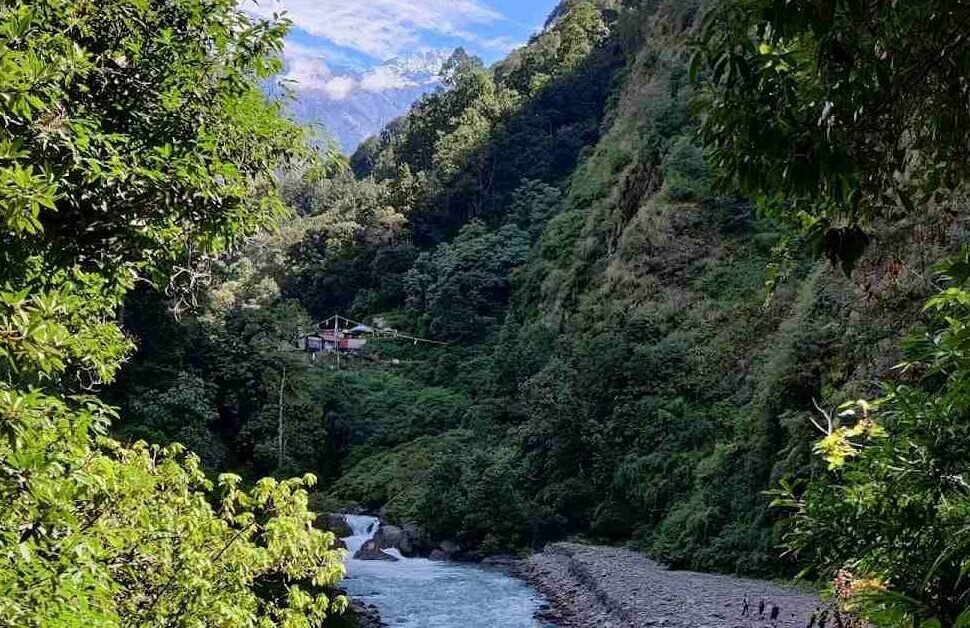
From Syabrubesi, the trail follows the Langtang River through forests of pine, oak, bamboo, and rhododendron before gradually climbing into the high mountain valley.

Important locations along the route include:

  • Syabrubesi
  • Bamboo
  • Lama Hotel
  • Ghodatabela
  • Langtang Village
  • Mundu
  • Kyanjin Gompa
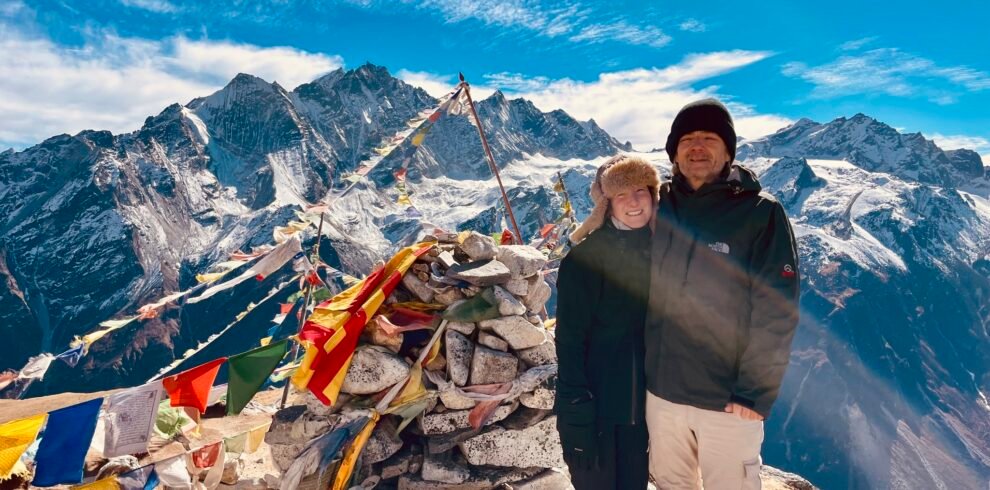
  • Tserko Ri

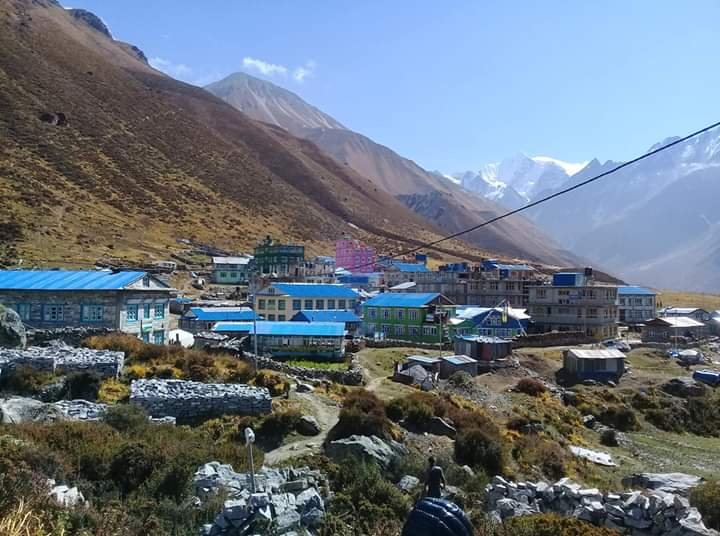
One of the most rewarding parts of the trek is reaching Kyanjin Gompa. Surrounded by glaciers and snow covered peaks, the village offers stunning views in every direction.

Most trekkers spend an extra day here to explore the surrounding area and hike to Tserko Ri, one of the best viewpoints in the Langtang region.

From Tserko Ri, trekkers enjoy panoramic views of:

  • Langtang Lirung
  • Dorje Lakpa
  • Gangchempo
  • Yala Peak
  • Naya Kanga
  • Numerous surrounding Himalayan ranges

The Langtang Valley Trek is often completed within 7 to 10 days, making it an excellent choice for travelers who want a genuine Himalayan trekking experience without committing several weeks to a longer expedition.

Why Trek with a Local Company in Nepal

Choosing a local trekking company offers several important advantages.

First, local operators have firsthand knowledge of current trail conditions, weather patterns, transportation updates, accommodation availability, and permit regulations.

Conditions in Nepal’s mountains can change quickly. Roads may be affected by weather, accommodation availability can vary by season, and trail conditions may change after heavy rainfall or snowfall.

Local trekking companies remain connected with guides, drivers, lodge owners, and communities throughout the trekking regions, allowing them to provide accurate and up to date information.

Second, local operators understand the practical realities of trekking in Nepal.

Rather than relying on generic itineraries, experienced local companies can recommend suitable trekking schedules based on fitness levels, available time, and seasonal conditions.

Third, booking with a Nepal based company helps support the local economy directly.

Your trekking budget helps support:

  • Local guides
  • Porters
  • Drivers
  • Teahouse owners
  • Hotel staff
  • Mountain communities

This creates a more sustainable tourism model that benefits the people who live and work in the trekking regions.

Best Langtang Valley Trek company

Why Next Trip Nepal is a Trusted Choice for the Langtang Valley Trek

Next Trip Nepal is a locally owned trekking company committed to providing reliable trekking experiences across Nepal.

Our team regularly organizes treks throughout the country’s major trekking regions and understands the importance of good planning, safety, and honest communication.

For the Langtang Valley Trek, we provide support before, during, and after the trek.

Our services include:

  • Trek planning
  • Permit assistance
  • Transportation arrangements
  • Accommodation booking
  • Guide services
  • Porter services
  • Pre trek consultation

We understand that every traveler is different. Some visitors are first time trekkers in Nepal, while others have extensive trekking experience and are looking for a more customized itinerary.

Our goal is to create a trekking experience that matches the individual needs of each traveler while maintaining strong safety standards throughout the journey.

Experienced Local Guides

A knowledgeable guide is one of the most valuable parts of any Langtang Valley Trek Package.

The guide’s role extends far beyond simply showing the way.

Experienced guides help trekkers understand:

  • Local culture
  • Buddhist traditions
  • Village life
  • Mountain geography
  • Wildlife
  • Weather conditions
  • Altitude management

Our guides regularly lead groups through the Langtang region and know the trail from Syabrubesi to Kyanjin Gompa in detail.

They can identify changing weather conditions, monitor trekkers for altitude related symptoms, communicate with local lodge owners, and make adjustments when necessary.

Many trekkers find that the cultural knowledge shared by their guide becomes one of the most memorable parts of the entire journey.

Safety Standards on the Trek

Safety remains one of the most important considerations when choosing a Local Trekking Company for Langtang Valley Trek.

Although the trek is considered moderate in difficulty, altitude and weather conditions should never be underestimated.

Next Trip Nepal, safety procedures include:

  • Careful itinerary planning
  • Altitude monitoring
  • Flexible acclimatization schedules
  • Guide training
  • Emergency response planning
  • Weather monitoring

Our guides encourage trekkers to walk at a comfortable pace and stay properly hydrated throughout the journey.

Early recognition of altitude related symptoms is extremely important.

Common symptoms may include:

  • Headache
  • Fatigue
  • Loss of appetite
  • Dizziness
  • Difficulty sleeping

When symptoms occur, guides can adjust the itinerary or recommend additional rest if necessary.

We also strongly recommend comprehensive travel insurance that includes emergency helicopter evacuation coverage for trekking above 4,000 meters.

Personalized Trek Planning

No two trekkers have exactly the same expectations.

Some visitors want the shortest possible itinerary, while others prefer additional days for acclimatization, photography, or cultural exploration.

Next Trip Nepal, we offer flexible planning options designed around individual goals.

Customization options may include:

  • Additional acclimatization days
  • Private transportation
  • Porter services
  • Family friendly itineraries
  • Photography focused schedules
  • Extended Langtang region exploration

This personalized approach allows travelers to enjoy the trek at a pace that matches their fitness and interests.

Small Group and Private Trek Options

Trekkers can choose between small group departures and private trekking experiences.

Private treks provide flexibility and allow travelers to move according to their own schedule.

Small groups offer opportunities to share experiences with other trekkers while reducing overall costs.

Both options include professional support, experienced guides, and the same commitment to safety and service quality.

Planning a Langtang Valley Trek? Contact our local team for expert advice and trip planning.

WhatsApp Us Email Us

Transparent Pricing and Value

One of the most common questions travelers ask concerns Langtang Trek Cost.

While price is important, value should always be considered alongside cost.

A quality Langtang Valley Trek Package should clearly explain what is included and excluded before booking.

Typical inclusions often include:

  • Guide services
  • Trek permits
  • Accommodation
  • Transportation
  • Selected meals

Common exclusions may include:

  • International flights
  • Nepal visa fees
  • Travel insurance
  • Personal expenses
  • Drinks
  • Charging fees
  • WiFi charges
  • Guide tips

Understanding these details helps travelers compare packages fairly and avoid unexpected expenses during the trek.

A trustworthy trekking company should always be transparent about costs and explain exactly what travelers are paying for.

Langtang Valley Trek Itinerary Overview

One of the reasons the Langtang Valley Trek remains popular is that it offers a genuine Himalayan trekking experience within a relatively short timeframe. Most trekkers complete the journey in 8 to 10 days, depending on their pace, acclimatization needs, and available travel time.

Unlike some high altitude trekking routes that require multiple internal flights, the Langtang trek begins with a drive from Kathmandu, making logistics simpler and more affordable.

Day 1: Drive from Kathmandu to Syabrubesi

The adventure begins with a scenic drive from Kathmandu to Syabrubesi.

The journey usually takes between 7 and 9 hours depending on road conditions and traffic. Along the way, travelers pass terraced farmland, small villages, rivers, and mountain landscapes.

Syabrubesi sits at approximately 1,550 meters and serves as the gateway to Langtang National Park.

Day 2: Syabrubesi to Lama Hotel

The first trekking day follows the Langtang River through forests of bamboo, oak, and rhododendron.

Trekkers cross several suspension bridges and gradually gain altitude while passing small settlements.

Walking Time: 6 to 7 hours

Day 3: Lama Hotel to Langtang Village

The trail continues through dense forest before emerging into more open landscapes near Ghodatabela.

As trekkers approach Langtang Village, the valley widens and mountain views become increasingly impressive.

Walking Time: 6 to 7 hours

Day 4: Langtang Village to Kyanjin Gompa

This is one of the most beautiful days of the trek.

The route passes through Mundu and continues toward Kyanjin Gompa, surrounded by glaciers and dramatic Himalayan peaks.

Walking Time: 4 to 5 hours

Day 5: Explore Kyanjin Gompa and Tserko Ri

Most trekkers spend an extra day at Kyanjin Gompa to allow proper acclimatization.

The highlight is the early morning hike to Tserko Ri at approximately 4,984 meters.

The climb is demanding but rewards trekkers with spectacular panoramic views of:

  • Langtang Lirung
  • Dorje Lakpa
  • Gangchempo
  • Yala Peak
  • Naya Kanga

Day 6 and Beyond

The return journey follows the same route back through Langtang Village, Lama Hotel, and Syabrubesi before driving back to Kathmandu.

Best Time for Langtang Valley Trek

Choosing the right season has a major impact on the trekking experience.

Spring Season (March to May)

Spring is one of the most popular times to visit Langtang.

During this period:

  • Rhododendrons bloom throughout the forests
  • Temperatures remain comfortable
  • Mountain views are generally clear
  • Days become longer

The forests between Syabrubesi and Lama Hotel are especially beautiful during spring.

Autumn Season (September to November)

Autumn is often considered the best season overall.

Following the monsoon, the air becomes clean and visibility improves dramatically.

Benefits include:

  • Excellent mountain views
  • Stable weather
  • Comfortable daytime temperatures
  • Lower chance of rain

Many photographers prefer autumn because visibility is often exceptional.

Winter Season (December to February)

Winter trekking remains possible but conditions become colder.

Advantages include:

  • Fewer trekkers
  • Quiet trails
  • Snow covered scenery
  • Clear mountain views

However, temperatures at Kyanjin Gompa can fall well below freezing during the night.

Monsoon Season (June to August)

The monsoon brings:

  • Frequent rainfall
  • Muddy trails
  • Leeches at lower elevations
  • Reduced mountain visibility

While trekking remains possible, most travelers prefer spring or autumn.

Langtang Valley Trek Difficulty

A common question among trekkers is whether Langtang is suitable for beginners.

The answer is yes for many people, provided they have reasonable fitness and adequate preparation.

The trek is generally classified as moderate.

You do not need technical climbing experience.

However, trekkers should be prepared for:

  • Multiple consecutive walking days
  • Steep uphill sections
  • Rocky terrain
  • High altitude conditions

Daily walking times typically range between 5 and 7 hours.

The most challenging section is usually the ascent to Tserko Ri because of both altitude and steep terrain.

Who Can Do the Trek?

The Langtang Valley Trek is suitable for:

  • First time Himalayan trekkers
  • Solo travelers
  • Couples
  • Families with older children
  • Experienced hikers

Good preparation before arrival significantly improves the experience.

Planning a Langtang Valley Trek? Contact our local team for expert advice and trip planning.

WhatsApp Us Email Us

Accommodation on the Trail

The Langtang Valley Trek follows a well established teahouse route.

Accommodation is simple but comfortable.

Most teahouses provide:

  • Twin sharing rooms
  • Mattresses
  • Blankets
  • Pillows
  • Shared dining areas

Private bathrooms may be available in some lower villages but become less common at higher elevations.

Rooms are basic, but the welcoming hospitality of local families often becomes one of the highlights of the trek.

Food on the Langtang Trek

Food options are surprisingly varied considering the remote location.

Common meals include:

Breakfast

  • Porridge
  • Pancakes
  • Toast
  • Eggs
  • Tea
  • Coffee

Lunch and Dinner

  • Dal Bhat
  • Fried rice
  • Noodles
  • Pasta
  • Soup
  • Momos
  • Potato dishes

Dal Bhat remains the most popular trekking meal because it provides balanced nutrition and unlimited refills in many teahouses.

Food prices increase as altitude rises because supplies must be transported into the valley.

Permits Required for Langtang Valley Trek

Every trekker entering the Langtang region must obtain the necessary permits.

Langtang National Park Entry Permit

The Langtang National Park Permit is mandatory for all trekkers.

This permit supports conservation efforts and maintenance within the national park.

TIMS Card

Permit requirements can occasionally change.

For this reason, travelers should always confirm current regulations before arrival.

Next Trip Nepal assists trekkers with permit arrangements and ensures all required documentation is prepared before the trek begins.

Transportation from Kathmandu to Syabrubesi

Transportation is an important part of planning the trek.

Available options include:

Local Bus

The most economical option.

Advantages:

  • Lower cost

Disadvantages:

  • Longer travel time
  • Less comfort

Shared Jeep

A good balance between cost and comfort.

Advantages:

  • Faster travel
  • More comfortable seating

Private Jeep

The most comfortable option.

Advantages:

  • Flexible schedule
  • Greater comfort
  • Fewer passengers

Travel time usually ranges between 7 and 9 hours depending on road conditions.

Altitude and Acclimatization

Altitude is one of the most important considerations on the Langtang Valley Trek.

Key elevations include:

  • Syabrubesi: 1,550m
  • Lama Hotel: 2,470m
  • Langtang Village: 3,430m
  • Kyanjin Gompa: 3,870m
  • Tserko Ri: 4,984m

Although many trekkers complete the route without major issues, altitude affects everyone differently.

There is no way to predict exactly how an individual will respond.

Tips for Acclimatization

  • Walk slowly
  • Stay hydrated
  • Avoid alcohol
  • Eat regularly
  • Get enough sleep
  • Inform your guide about symptoms

The extra day at Kyanjin Gompa plays an important role in helping trekkers adjust to the altitude before attempting Tserko Ri.

What Happens If You Get Sick During the Trek?

One of the advantages of trekking with an experienced Langtang Valley Trek Guide is having support if health issues occur.

The most common problems include:

  • Headaches
  • Stomach issues
  • Fatigue
  • Mild altitude symptoms

Early communication is extremely important.

Trekkers should never ignore symptoms or attempt to hide them from their guide.

Depending on the situation, the guide may recommend:

  • Rest
  • Additional acclimatization time
  • Slower ascent
  • Descent to a lower elevation

For serious altitude related illness, helicopter evacuation may be required.

This is why comprehensive travel insurance covering emergency evacuation is strongly recommended for all trekkers.

Next Trip Nepal, safety always takes priority over reaching a destination. The mountains will always be there, but your health must come first.

Planning a Langtang Valley Trek? Contact our local team for expert advice and trip planning.

WhatsApp Us Email Us

Trail Conditions and Daily Walking Experience

The Langtang trail is generally well maintained and easy to follow.

Trekkers should expect:

  • Stone staircases
  • Forest trails
  • Suspension bridges
  • Rocky sections
  • Gradual mountain paths

The lower section between Syabrubesi and Lama Hotel involves significant uphill walking through forested terrain.

Above Langtang Village, the landscape becomes more open, offering spectacular views of glaciers and surrounding peaks.

Most trekking days involve between 5 and 7 hours of walking, although this varies depending on pace and itinerary design.

This section provides the practical information most trekkers need before booking the trek and helps set realistic expectations for the journey.

Langtang Valley Trek Cost Breakdown

One of the most common questions travelers ask when researching the best Langtang Valley Trek Company is how much the trek actually costs.

The answer depends on several factors including group size, transportation preferences, accommodation choices, guide services, and the overall length of the itinerary.

Generally, a Langtang Valley Trek Package includes:

  • Trek permits
  • Guide services
  • Accommodation during the trek
  • Transportation between Kathmandu and Syabrubesi
  • Some or all meals depending on the package

Additional expenses may include:

  • International flights
  • Nepal visa fees
  • Travel insurance
  • Personal snacks and drinks
  • Hot showers
  • WiFi charges
  • Device charging fees
  • Tips for guides and porters

Many trekkers focus only on finding the lowest price. However, value is often more important than cost alone.

A package that includes an experienced guide, proper support, and transparent pricing usually provides a better overall experience than choosing the cheapest available option.

At Next Trip Nepal, we believe travelers should understand exactly what is included before booking so there are no surprises on the trail.

Guide and Porter Services

A professional Langtang Valley Trek Guide plays an important role in both safety and enjoyment.

While some experienced hikers may be comfortable navigating independently, many visitors appreciate having local support throughout the trek.

A guide assists with:

  • Route navigation
  • Accommodation arrangements
  • Cultural interpretation
  • Weather updates
  • Altitude monitoring
  • Emergency support

Guides also help bridge cultural differences and provide valuable insight into local traditions, monasteries, and village life.

Benefits of Hiring a Porter

Many trekkers also choose to hire a porter.

A porter can carry part of your equipment, allowing you to walk comfortably with only a daypack.

Benefits include:

  • Reduced physical strain
  • More enjoyable trekking experience
  • Better energy levels at altitude
  • Support for local employment

A typical porter carries luggage for two trekkers and allows visitors to focus on the scenery rather than the weight of their backpack.

Packing Recommendations

Packing properly can make a significant difference during the trek.

Weather conditions vary considerably between Syabrubesi and Kyanjin Gompa, particularly during spring and autumn.

Essential Clothing

  • Waterproof trekking jacket
  • Insulated down jacket
  • Base layers
  • Trekking pants
  • Thermal layers
  • Warm hat
  • Sun hat
  • Gloves
  • Trekking socks

Essential Equipment

  • Comfortable trekking boots
  • Daypack
  • Sleeping bag
  • Water bottle
  • Headlamp
  • Trekking poles
  • Sunglasses
  • Sunscreen

Personal Items

  • Personal medications
  • Toiletries
  • Camera
  • Passport copies
  • Insurance documents
  • Cash for personal expenses

Many trekkers underestimate the cold temperatures at higher elevations. Even during spring and autumn, mornings around Kyanjin Gompa can be extremely cold.

Internet and Charging Facilities

Although Langtang is a remote Himalayan valley, communication facilities have improved significantly in recent years.

Many teahouses now provide WiFi services for an additional fee.

However, connection speeds can be slow, particularly during busy trekking seasons.

Mobile coverage is available in some locations but becomes less reliable at higher elevations.

Charging Devices

Most teahouses offer charging facilities.

Common devices that can be charged include:

  • Phones
  • Cameras
  • Power banks
  • Smart watches

Charging fees typically increase at higher elevations due to transportation costs and limited electricity resources.

Bringing a power bank is highly recommended.

Drinking Water Availability

Staying hydrated is extremely important during the Langtang Valley Trek.

Trekkers should avoid drinking untreated water directly from streams.

Safe options include:

  • Boiled water from teahouses
  • Water purification tablets
  • Portable filters
  • UV purification devices

Using reusable bottles is encouraged as it reduces plastic waste in the mountains.

Most experienced trekkers carry at least two liters of water capacity each day.

Understanding Tamang Culture

One of the highlights of the Langtang Valley Trek is the opportunity to experience Tamang culture.

The Tamang people have lived in the region for generations and maintain strong cultural and religious traditions.

Visitors will notice:

  • Prayer wheels
  • Chortens
  • Mani walls
  • Buddhist monasteries
  • Prayer flags

Many traditions reflect close historical and cultural connections with Tibetan Buddhism.

The cultural experience is one of the reasons many trekkers consider Langtang more than simply a mountain trek.

Cultural Etiquette in the Langtang Region

Respect for local customs helps create positive interactions between visitors and communities.

Simple guidelines include:

  • Ask permission before photographing people
  • Dress respectfully in villages
  • Remove shoes when required
  • Walk clockwise around religious monuments
  • Speak respectfully with local residents

When visiting monasteries, maintain a quiet and respectful attitude.

These small actions demonstrate appreciation for local traditions and help preserve positive relationships between trekkers and host communities.

Responsible and Sustainable Trekking Practices

Responsible tourism benefits both visitors and local communities.

At Next Trip Nepal, we encourage trekkers to minimize their environmental impact while traveling in the Himalayas.

Responsible trekking practices include:

  • Using reusable water bottles
  • Avoiding unnecessary plastic waste
  • Staying on established trails
  • Respecting wildlife
  • Supporting local businesses
  • Conserving water and electricity

The Langtang region remains one of Nepal’s most beautiful trekking destinations, and sustainable tourism helps protect it for future generations.

Langtang Valley Trek for Solo Travelers

The Langtang Valley Trek is a popular choice for solo travelers.

Its accessibility from Kathmandu, well established teahouse network, and friendly local communities make it an attractive option.

Benefits of trekking with a guide as a solo traveler include:

  • Easier logistics
  • Local support
  • Cultural insights
  • Improved safety
  • Assistance during emergencies

Many solo trekkers appreciate having someone to assist with planning and accommodation arrangements while still enjoying personal freedom on the trail.

Planning a Langtang Valley Trek? Contact our local team for expert advice and trip planning.

WhatsApp Us Email Us

Langtang Valley Trek for Families

Families looking for a Himalayan trekking experience often find Langtang to be a suitable option.

Compared with longer and more demanding trekking routes, Langtang offers:

  • Shorter duration
  • Easier logistics
  • Comfortable teahouses
  • Cultural experiences
  • Excellent mountain scenery

The trek is particularly suitable for families with older children who enjoy hiking and outdoor activities.

A customized itinerary can help ensure that walking distances and altitude gain remain comfortable for all family members.

Frequently Asked Questions

1. How long is the Langtang Valley Trek?

Most itineraries take between 7 and 10 days.

2. What is the highest point of the trek?

Tserko Ri at approximately 4,984 meters.

3. Is the Langtang Valley Trek suitable for beginners?

Yes, many first time trekkers successfully complete the trek with proper preparation.

4. Do I need a guide?

A guide is highly recommended for safety, cultural understanding, and logistical support.

5. What permits are required?

The Langtang National Park Permit is required, and permit regulations should always be checked before travel.

6. What is the best season?

Spring and autumn are generally considered the best seasons.

7. Is altitude sickness a concern?

Yes. Although many trekkers experience no serious problems, altitude affects everyone differently.

8. How difficult is Tserko Ri?

It is one of the most challenging parts of the trek because of its altitude and steep ascent.

9. Are there ATMs on the trail?

No. Trekkers should carry sufficient cash from Kathmandu.

10. Is WiFi available?

Many teahouses offer WiFi, although speeds can be limited.

11. Can I charge my devices?

Yes, usually for an additional fee.

12. Is drinking water available?

Yes, through teahouses and water treatment methods.

13. Are private rooms available?

In some locations, particularly at lower elevations.

14. Do I need travel insurance?

Yes. Comprehensive insurance with helicopter evacuation coverage is strongly recommended.

15. Can I combine Langtang with other treks?

Yes. Some trekkers combine Langtang with Gosaikunda or other nearby routes.

Why Book Your Langtang Valley Trek with Next Trip Nepal

Choosing the right trekking company can significantly improve your experience in the Himalayas.

Next Trip Nepal offers:

  • Local expertise
  • Experienced guides
  • Personalized itineraries
  • Transparent pricing
  • Flexible service
  • Strong safety standards
  • Reliable communication

We understand the Langtang region because we regularly organize treks there and work directly with local communities, guides, drivers, and accommodation providers.

Our goal is not simply to take trekkers from one village to another. We aim to help travelers experience the culture, landscapes, and mountain lifestyle that make Langtang one of Nepal’s most rewarding trekking destinations.

Conclusion

The Langtang Valley Trek is one of Nepal’s most accessible and rewarding Himalayan adventures. From the forests near Syabrubesi to the glaciers surrounding Kyanjin Gompa and the panoramic views from Tserko Ri, the trek offers a remarkable combination of nature, culture, and mountain scenery.

Finding the best Langtang Valley Trek Company means choosing a team that understands the region, prioritizes safety, communicates honestly, and provides reliable support throughout the journey.

As a local trekking company based in Nepal, Next Trip Nepal is committed to helping travelers experience Langtang responsibly and confidently. Whether you are planning your first Himalayan trek or returning to Nepal for another adventure, our team is ready to help you plan a Langtang Valley Trek that matches your interests, fitness level, and travel goals.

If you are considering trekking in the Langtang region, feel free to contact Next Trip Nepal for personalized advice, itinerary recommendations, and the latest information about permits, trail conditions, and trekking arrangements.

Planning a Langtang Valley Trek? Contact our local team for expert advice and trip planning.

WhatsApp Us Email Us

Leave a Reply

WhatsApp Email