Choosing a trekking company for Langtang is a real decision, not a formality. A good company affects your safety, your experience on the trail, and whether you end up with a guide who actually knows the Langtang Valley or one who read the same guidebook you did. A bad choice means overpriced logistics, unresponsive communication, and a guide who’s been on the route twice.
This guide is direct about what matters when choosing a company for the Langtang Valley Trek. It’s not a ranking of agencies — it’s the criteria you should apply and the questions you should ask before you commit.
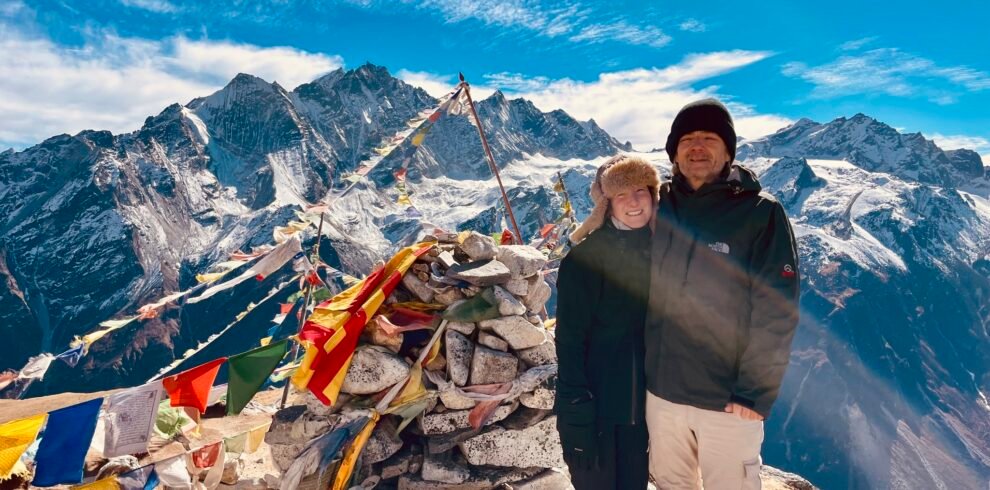
Trek the Langtang Valley with Next Trip Nepal. 8-day package from USD 650, covering all permits, guide, porter and teahouse accommodation. Langtang National Park, Kyanjin Gompa and Tserko Ri viewpoint included.
Why the Langtang Trek Still Benefits from a Local Agency
The Langtang Valley Trek is one of the more manageable Nepal treks to do independently. Permits are obtainable in Kathmandu, the trail is well-marked, and teahouses operate without pre-booking for most of the year. You don’t technically need a company.
But a local Nepali agency with guides from the Langtang region specifically — guides who know the families running the teahouses, the trail conditions month by month, the history of the valley post-earthquake — offers things you can’t replicate with a guidebook. They know which lodges have had food safety issues recently. They know the reliable weather windows. They know what Tsergo Ri looks like in cloud versus the brief morning clear. That’s earned knowledge, not book knowledge.
A registered agency also handles permits, arranges transportation, and has emergency protocols for altitude issues. If you get AMS (acute mountain sickness) at Kyanjin Gompa at 3,870m, you want someone who’s dealt with that situation before and knows exactly how to get you down to lower altitude efficiently.
Planning a Langtang Valley Trek? Contact our local team for expert advice and trip planning.
What to Look For in a Langtang Trekking Company
Licensed guides with Langtang-specific experience: Nepal’s government requires trekking guides to hold a license. But a licensed guide isn’t automatically an experienced Langtang guide. Ask specifically: how many times has your guide led the Langtang route? What’s their altitude sickness protocol? Can they share references from recent clients?
Government registration: The company should be registered with the Nepal Tourism Board (NTB) and ideally a member of the Trekking Agencies Association of Nepal (TAAN). These aren’t guarantees of quality, but they provide some accountability and recourse if something goes wrong. Check the registration number — it’s publicly verifiable on the NTB database.
Responsive pre-trip communication: If an agency takes more than 24–48 hours to respond to a specific itinerary question before you’ve paid them anything, that’s a data point about how they’ll operate once they have your money. Good agencies answer specific questions specifically — not with generic brochure language.
Transparent pricing: A reputable agency tells you exactly what’s included: permits, accommodation, guide fees, porter fees if applicable, transportation from Kathmandu. They also tell you what’s not included (your personal meals, travel insurance, tips). Vague all-inclusive packages that don’t itemize costs are a red flag.
Local guides, not Kathmandu guides on rotation: There’s a significant difference between a guide from Kathmandu who does various treks across Nepal and a guide from the Langtang region who grew up near the trail. Local guides have personal connections in the valley, better knowledge of current conditions, and a stake in the community’s wellbeing. Ask where your guide is from.
The Post-Earthquake Context
The 2015 earthquake and avalanche that buried the original Langtang Village killed approximately 350 people and devastated the community’s economy. Many trekking companies in Kathmandu — unaffected by the disaster — continued operating as normal while the Langtang community rebuilt.
When you hire a Kathmandu-based company that doesn’t route trekking income into the Langtang community specifically, more of your trekking fee stays in Kathmandu rather than reaching the people who actually host you on the trail. The community rebuilt itself partly through returning trekking income — and locally operated agencies with guides from the valley channel that income more directly.
This isn’t a moralistic argument — it’s a practical one. Agencies with community ties have better local knowledge and stronger incentives to provide good service. They’re not going to send you an underqualified guide who damages their standing with teahouse owners they’ll see again every season.
Questions to Ask Any Potential Company
Before booking, ask these directly:
- How many Langtang treks has your guide led personally?
- What’s your altitude sickness protocol and what happens if a trekker needs to descend from Kyanjin Gompa urgently?
- Are you registered with the Nepal Tourism Board? What’s your registration number?
- What’s included and excluded in the price — specifically permits, accommodation, and meals?
- Can you provide contact details for 2–3 clients who did the Langtang trek with your company in the last 12 months?
- Where is your guide from? Do they have local connections in the valley?
Any reputable company answers these questions directly and without defensiveness. If the response is evasive or you get generic reassurances rather than specific answers, look elsewhere.
Planning a Langtang Valley Trek? Contact our local team for expert advice and trip planning.
What to Expect from Next Trip Nepal
Next Trip Nepal is a locally operated trekking agency based in Kathmandu, working with guides who have direct experience on the Langtang route. Our approach to the Langtang Valley Trek is straightforward: we take the planning seriously, we use guides who know the valley, and we communicate clearly about what’s included and what isn’t.
Our Langtang Valley packages are customizable to your timeline and fitness level. Standard packages cover permits, transportation from Kathmandu, teahouse accommodation, and a licensed guide. We can add porter support, extend the route to include Gosainkunda, or adjust daily distances based on your pace preference.
We operate in smaller groups than the larger agencies. On most departures, you’ll be trekking with a guide and a small group rather than joining a 15-person convoy. The teahouse culture on the Langtang trail works better in small groups — you get better service, more conversations with locals, and a less crowded experience at the viewpoints.
Our guides are briefed on the post-earthquake history of the Langtang Valley — they know the story of the memorial chorten at the new village, they can tell you where the original village stood, and they understand why this context matters to many trekkers who visit. You’re not just completing a scenic walk — you’re trekking through a community that rebuilt itself after a catastrophic loss, and it’s worth understanding that.
Itinerary Options We Offer
7-Day Standard Langtang Trek: Kathmandu → Syabrubesi (bus) → Lama Hotel → Langtang Village → Kyanjin Gompa (1 night, day hike) → return to Syabrubesi → Kathmandu. Straightforward, well-paced, suitable for first-time Himalayan trekkers.
9-Day Extended with Tsergo Ri: Adds a summit day at Tsergo Ri (4,984m) from Kyanjin Gompa and an extra acclimatization day. Best for trekkers who want altitude and panoramic views to be a central part of the trip rather than an optional extra.
12-Day Langtang and Gosainkunda Circuit: Continues from Kyanjin Gompa over Laurebina Pass to the sacred Gosainkunda Lakes (4,380m), then descends to Dhunche or Syabrubesi. Requires good fitness and adds significant altitude. This route is one of the better-value extended treks in Nepal — two distinct landscapes in one trip.
15-Day Helambu–Langtang Traverse: Crosses the main Himalayan ridge from Langtang into the Helambu highlands, finishing near Kathmandu via Melamchi Bazaar or Sundarijal. A point-to-point traverse that covers significant elevation range and cultural variety.
All packages can be adjusted. If your window is 5 days, we can plan accordingly — though we’ll be direct if we think a timeline is too tight to be safe at altitude. We’d rather discuss it honestly than send you on a rushed itinerary that ends badly at Kyanjin Gompa.
Planning a Langtang Valley Trek? Contact our local team for expert advice and trip planning.
Trek the Langtang Valley with Next Trip Nepal. 8-day package from USD 650, covering all permits, guide, porter and teahouse accommodation. Langtang National Park, Kyanjin Gompa and Tserko Ri viewpoint included.