People ask us all the time whether the Everest Base Camp trek is worth the money and the effort, and we have already answered that question directly in our honest cost and value breakdown. This article is a different one. This is not about spreadsheets, permit fees, or whether the return on investment makes sense on paper when you weigh the numbers against your yearly travel budget. This is about the actual reasons, the human ones, that make so many trekkers who complete this walk describe it afterward as one of the defining experiences of their lives. If you are on the fence about whether to book this trek at all, still comparing it against other destinations, or simply looking for the extra push to finally commit, this is the article written for you.
We have guided hundreds of trekkers into the Khumbu over the years, watching them arrive with a wide range of motivations and leave with an even wider range of memories, and the reasons people give for wanting to go are almost always more personal than practical. Nobody walks fourteen days at altitude purely because it is a good use of vacation time. They walk because something about this particular mountain and this particular part of the world pulls at them. Below are the reasons we hear most often, along with a few that trekkers rarely mention beforehand but almost always bring up once they are home, sitting in an airport lounge or telling friends about the trip weeks or months later.
Standing in front of the tallest point on the planet
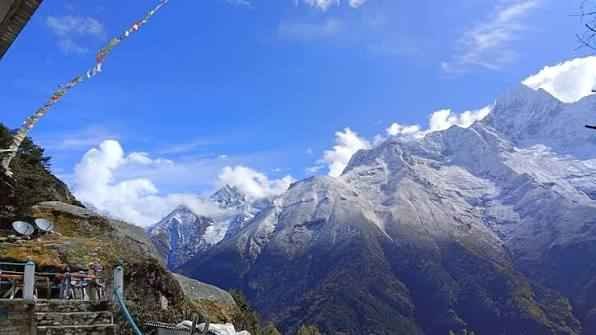
There is exactly one place on Earth where the ground rises higher than anywhere else, and it sits inside the Khumbu region of Nepal. Photographs of Everest, no matter how good the camera, do not prepare you for what it feels like to actually stand near it, dwarfed by a wall of rock and ice that keeps rising long after your eyes expect it to stop. Most trekkers say the moment Everest itself first comes into view, usually somewhere between Namche Bazaar and Tengboche, catches them off guard even though they had been anticipating it for months. It is a strange kind of scale that photographs simply cannot capture, and it is the single most cited reason trekkers give for wanting to make this specific journey rather than any other trek in the world.
Kala Patthar, the small peak above Gorak Shep that most itineraries climb before dawn, gives you the clearest full view of Everest’s summit pyramid along with Nuptse, Lhotse, and a horizon full of other giants. Base Camp itself sits closer to the mountain but with a more limited view, since the Khumbu Icefall blocks the summit from that angle. Between the two, most trekkers get both experiences, the intimate one at Base Camp and the sweeping panoramic one at Kala Patthar, and together they form the visual memory that anchors the entire trip.
The Sherpa villages and the culture built into the trail
This trek is not a walk through empty wilderness. It passes through genuine Sherpa communities that have lived in this valley for centuries, adapting Buddhist practice, high altitude farming, and now trekking tourism into a way of life that exists nowhere else on Earth. Namche Bazaar, the unofficial capital of the Khumbu, is a small mountain town built almost entirely on terraced hillsides, with a Saturday market that still draws traders from surrounding villages the way it has for generations. Our full Namche Bazaar guide covers the town in detail if you want to see what awaits you there.
Tengboche Monastery, perched on a ridge with Everest and Ama Dablam visible from its courtyard, remains one of the most important Buddhist religious sites in the entire region, and trekkers who time their visit to catch the morning prayer ceremony often describe it as one of the most moving parts of the whole trip, regardless of their own religious background. Smaller gompas and mani walls appear constantly along the trail, along with prayer flags strung across nearly every bridge and pass, and simply walking past all of this day after day gives you a genuine, lived sense of a culture rather than a curated tourist version of one.
Walking through the history of mountaineering itself
Every step of this trail follows, more or less, the same corridor that Edmund Hillary and Tenzing Norgay’s expedition used in 1953 when they became the first people confirmed to reach the summit of Everest, and the decades of climbing history before and after that expedition are woven into nearly every village you pass through. The Sherpa Museum near Namche, the memorials to climbers lost on the mountain near Tukla, and the stories that guides and lodge owners tell along the way all connect you to something much larger than your own two weeks on the trail. Our full history of Everest and the Base Camp trek goes into this legacy in depth, and reading it before you go tends to make the actual walk feel richer once you are standing in the places it describes.
Proving something to yourself that no one can take away
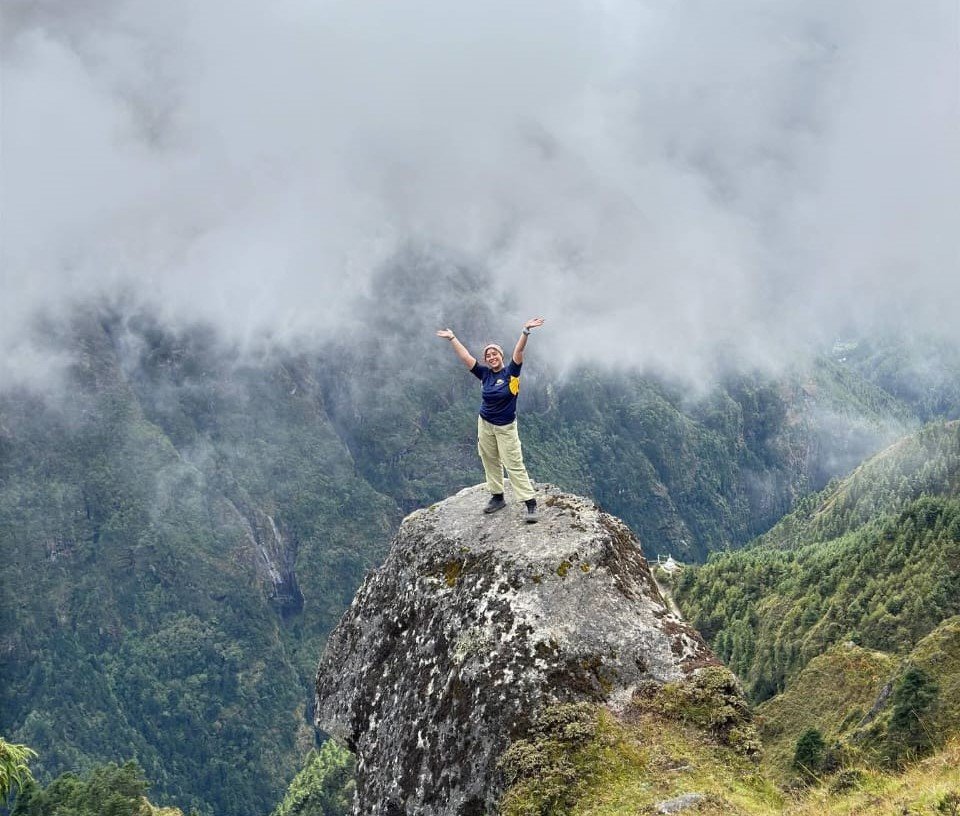
Ask almost any trekker who has completed this trip what it gave them beyond the photographs, and personal confidence comes up constantly. Walking for nearly two weeks at altitude, dealing with cold mornings, thin air, and physical fatigue that builds slowly day after day, and reaching the finish line anyway teaches most people something about their own capacity that ordinary daily life rarely tests. This is not about extreme athleticism. Thousands of ordinary people with no mountaineering background complete this trek every year, and the sense of accomplishment they carry home with them tends to outlast almost every other souvenir from the trip.
Many trekkers describe a specific moment, often somewhere around Dingboche or Lobuche when the air has thinned noticeably and the walking has become genuinely hard, where they seriously consider whether they can continue and then decide that they can. That decision, made honestly under real physical strain rather than in comfort, is something people carry with them long after the trek ends, and it often reshapes how they approach difficulty in the rest of their lives.
Disconnecting completely from ordinary life
Reliable internet access disappears almost entirely once you climb above Namche Bazaar, and phone signal becomes unreliable at best for most of the trail. For two weeks, the demands of email, notifications, and constant connectivity simply stop applying to you, not because you chose to unplug in some symbolic way but because the infrastructure genuinely is not there. Trekkers consistently describe this forced disconnection as one of the unexpected gifts of the trip. Days start to organize themselves around walking, eating, resting, and watching the light change on the mountains rather than around a screen, and most people say it takes only three or four days before they stop reaching for a phone that has nothing to show them anyway.
Friendships that form faster than they do anywhere else
There is something about shared physical effort at altitude, combined with long evenings in small teahouse dining rooms with nothing else to do but talk, that accelerates friendship in a way ordinary travel rarely does. Trekkers who start the trip as strangers in a group, or who simply keep crossing paths with the same handful of other trekkers heading the same direction, often end the trip with genuine friends they stay in touch with for years afterward. Guides and porters, many of whom have walked this same trail hundreds of times, frequently become part of these friendships too, offering a window into Sherpa life that no guidebook could provide.
The simple pleasures the trail teaches you to appreciate again
A plate of dal bhat after a long day of walking tastes better than almost any meal most trekkers can remember eating at home, not because the cooking is exceptional by restaurant standards but because genuine hunger and cold mountain air change how food registers. A hot bowl of garlic soup, recommended constantly along the trail for its supposed altitude benefits, becomes a small daily ritual that trekkers look forward to. A warm sleeping bag after a freezing evening, a hot shower on the rare occasion one is available, a sunny rock to sit on during a rest break, these small comforts stop being background noise and start feeling like genuine pleasures, and most trekkers say this recalibration of what counts as a good moment outlasts the trip itself once they return home.
Watching the landscape transform completely over two weeks
Few treks anywhere in the world pack in this much environmental variety over a single route. You start among rhododendron forests, pine woods, and terraced farmland in the lower Dudh Kosi valley, climb through juniper scrub and increasingly bare hillsides around Namche and Tengboche, and eventually reach a stark, glacier carved high alpine landscape near Lobuche and Gorak Shep that looks almost otherworldly, all rock, ice, and moraine with barely any vegetation at all. Watching this transformation happen gradually, day by day, rather than all at once, gives you a physical sense of climbing into a genuinely different world that a single dramatic viewpoint never could.
Wildlife and the protected wilderness of Sagarmatha National Park
The entire upper section of this trek passes through Sagarmatha National Park, a UNESCO World Heritage site that protects not just Everest itself but a surprising range of wildlife adapted to extreme altitude. Himalayan tahr, a wild goat species, are commonly spotted on steep hillsides throughout the park. Musk deer, pheasants, and if you are fortunate, the elusive snow leopard’s tracks or even a distant sighting reward attentive trekkers, particularly in the quieter side valleys away from the main trail. Our complete guide to Sagarmatha National Park covers the ecology of the region if you want to know what to look for along the way.
Night skies that most people have never actually seen
Light pollution simply does not exist in most of the Khumbu, and the combination of thin high altitude air and zero artificial light produces a night sky that genuinely startles most trekkers the first time they step outside a teahouse after dark. The Milky Way appears as a distinct band across the sky rather than a vague smudge, and on clear nights the sheer density of visible stars is something most people from cities or suburbs have simply never witnessed before. Many trekkers say the ten minutes they spent standing outside in the cold looking up at the sky in Dingboche or Lobuche are among the most memorable moments of the entire trip, and it costs nothing extra to experience.
A landscape that carries real spiritual weight for the people who live there
For the Sherpa people, this is not simply a scenic mountain range. Everest, known locally as Sagarmatha and to Tibetan Buddhists as Chomolungma, holds genuine religious significance, and the mani walls, chortens, and monasteries along the trail are not decoration but active parts of a living spiritual practice. Trekking through this landscape with even a basic awareness of what it means to the people who call it home adds a dimension to the trip that pure scenery cannot provide on its own, and most trekkers who take the time to learn a little about this before they go come away with a much deeper appreciation for the journey.
What the trek teaches you that stays with you afterward
Trekkers consistently report that the biggest lessons from this trip have little to do with mountains directly. Patience, since altitude simply cannot be rushed no matter how fit you are. Humility, since the mountain does not care how many other trails you have completed elsewhere. Gratitude, for warm food, for good company, for a body that can carry you this far when you ask it to. These lessons sound abstract until you have actually spent two weeks living them day by day, and once you have, most people say they carry a slightly different perspective on difficulty and comfort back into ordinary life than the one they left with.
A bucket list trip that costs less than most people assume
Everest Base Camp sits on more bucket lists than almost any other single travel destination on Earth, yet compared with other trips that carry similar global recognition, it remains genuinely affordable. A full guided trek including permits, guide, porter, lodging, and most meals typically costs a fraction of what a comparable two week trip to Antarctica, an African safari circuit, or a major polar expedition would run. Our complete cost breakdown lays out exactly where the money goes, but the short version is that this particular bucket list item delivers an outsized experience for a genuinely reasonable price, which is part of why so many trekkers choose it as their first major overseas adventure rather than saving it for some distant someday.
The training months are part of the story, not just a chore beforehand
Most trekkers spend two to three months building fitness before they fly to Kathmandu, and while this sounds like a practical necessity rather than a reason to do the trek, people who have gone through it consistently describe the preparation itself as valuable in ways they did not expect. Regular hiking, stair climbing, and cardio work become a habit that often outlasts the trip itself, and the sense of working toward a specific, meaningful goal rather than a vague fitness target tends to keep people more consistent than any ordinary exercise plan. Several of our past clients have told us that the training season leading up to their trek left them fitter and more disciplined than they had been in years, regardless of how the trek itself went, which makes the goal valuable even before you set foot on the trail.
A meaningful trip for milestone moments in life
A striking number of trekkers we guide are marking something specific with this trip. A fortieth, fiftieth, or sixtieth birthday. A retirement after decades of work. Recovery after a difficult year, a career change, or a major life transition. There is something about the scale and seriousness of this particular trek that seems to suit these moments better than an ordinary vacation would, perhaps because completing it requires genuine commitment over months, not just the decision to book a flight. If you are already considering this trip as a way of marking a significant point in your life, know that you are in good company, and that the trek has a long track record of delivering an experience that matches the weight of the occasion.
Family trips and generational moments on the trail
While this is a genuinely demanding trek and not something to take small children on, we regularly guide parents with teenagers, adult children trekking alongside a parent, and even three generations of the same family walking together toward Base Camp. These trips tend to produce some of the strongest testimonials we receive, since shared physical challenge and two weeks away from ordinary routines create family memories that a beach holiday or a city trip rarely matches. If a multi generational trip is something you are considering, talk to your operator early about pacing, since the itinerary may need small adjustments to suit a mixed group of ages and fitness levels comfortably.
Photographs that still surprise you years later
Almost every trekker returns from this trip with far more photographs than they expected to take, and unlike many travel photos that fade into a forgotten folder within a year, Everest Base Camp images tend to stay in active rotation on walls, screensavers, and social media profiles for years afterward. Part of this is simply the visual drama of the landscape, but part of it is what the photograph represents to the person who took it, a specific, hard earned moment that they know they worked for. Trekkers frequently tell us that showing these photos to friends and family, and explaining what each one meant, became its own small ritual that extended the value of the trip long after they returned home.
Why the right time to go might be sooner than you think
Permit rules, park regulations, and infrastructure in the Khumbu continue to evolve, generally in the direction of more oversight and higher fees as the region manages its own popularity. The trail itself is not disappearing, but the exact experience of walking it ten years from now will almost certainly look somewhat different from the experience available today, with more regulation, more infrastructure, and likely a higher price tag. Age and health also matter more than people expect, since the physical demands of two weeks at altitude are genuinely easier to meet in your thirties or forties than they will be decades later. None of this is meant to pressure you into booking before you are ready, but if you have been putting this trip off simply because there will always be a next year, it is worth asking honestly whether that is actually true for your own circumstances.
The particular joy of teahouse trekking culture
Unlike expedition style camping trips in many other parts of the world, this trek runs almost entirely through a teahouse network, meaning you sleep in simple lodges run by local families rather than in a tent, and you eat dinner each night in a communal dining room heated by a single stove, usually surrounded by trekkers from a dozen different countries all comparing notes on the day. This particular style of trekking creates a social atmosphere that camping based treks elsewhere rarely match, since everyone converges on the same small set of buildings each evening rather than scattering into separate tents. Trekkers who have done both styles almost always mention this communal dining room culture as one of their favorite parts of the Everest region specifically, and it is a large part of why solo trekkers so rarely feel lonely on this particular trail even when traveling without a group of their own.
A gateway that often leads to more Himalayan adventures
A large number of trekkers who complete the classic route to Base Camp tell us afterward that it was not a one time bucket list item but the trip that opened the door to a genuine ongoing interest in high altitude trekking. Many return within a few years for the Gokyo Lakes combination, the full Three Passes circuit, or an entirely different Nepali region like Annapurna or Langtang. Something about the specific combination of physical challenge, cultural depth, and natural beauty in the Khumbu seems to create trekkers rather than just tourists, and if that happens to you, we would consider it one of the best possible outcomes of this trip. Our guides to Everest Three Passes and the classic Jiri approach are both written with exactly this kind of returning trekker in mind.
Supporting a community that depends on this trail
Tourism built around this trek supports thousands of families across the Khumbu, from lodge owners and porters to guides, yak herders, and the shopkeepers who supply everything from chocolate bars to gas canisters at prices that climb with every day’s walk further from the road. Choosing to make this trip is not simply a personal indulgence, it is a direct economic contribution to a community that has built its entire modern livelihood around welcoming trekkers respectfully and safely. Sherpa guides in particular carry an extraordinary mountaineering legacy, with many families having supported major Everest expeditions for generations, and trekking with a guide from this community connects you to that history in a way that no amount of independent research ever could. Choosing a responsible operator who pays fair wages and provides proper insurance for guides and porters, something we cover in our guide to choosing a trekking company, ensures that your trip genuinely benefits the people who make it possible rather than only the company selling it to you.
Coming home changed in small but lasting ways
Reentry after two or three weeks away from ordinary routines can feel strange, and most trekkers report a period of adjustment once they are back among reliable wifi, familiar food, and the normal pace of daily life. What tends to last, according to the trekkers we hear from months and even years later, is a shift in what counts as a genuine problem. After walking through cold mornings, thin air, and physical discomfort that you chose and worked through voluntarily, ordinary daily frustrations at home often start to feel smaller by comparison. A recalibrated sense of gratitude for simple comforts, a renewed appreciation for physical health, and a clearer sense of what you are actually capable of when you commit to something difficult are the three lasting effects we hear about most often, and none of them show up in a cost benefit spreadsheet, but all three are part of why this trip means as much as it does to the people who complete it.
Frequently Asked Questions
Is this trek only for serious outdoor enthusiasts?
No. The majority of trekkers who complete this route each year are ordinary people with no prior mountaineering background, and the trail itself involves walking rather than technical climbing. Reasonable fitness and honest preparation matter far more than any specialized outdoor experience.
What is the single most common thing trekkers say they were not expecting?
The emotional impact of the Sherpa culture and hospitality along the trail surprises more first time trekkers than the mountain scenery does, since most people arrive expecting a physical challenge and end up remembering the people they met just as much as the views.
Do I need to be religious or spiritual to appreciate the cultural side of the trek?
Not at all. You do not need any particular belief system to appreciate the monasteries, the mani walls, and the quiet respect Sherpa communities show toward this landscape. A basic curiosity is enough.
Will I actually disconnect from technology, or is that exaggerated?
It is genuinely true above Namche Bazaar, where reliable internet and phone signal become inconsistent at best. Some lodges offer paid wifi of varying quality, but most trekkers find themselves naturally using their phones far less than they expected within the first few days.
Is the sense of achievement really as strong as people say?
Consistently, yes. Trekkers across every age group and fitness level describe a genuine sense of personal accomplishment upon reaching Base Camp and Kala Patthar, often stronger than they anticipated before starting the trip.
How does this compare emotionally to other treks in Nepal?
Everest carries a global recognition and historical weight that other Nepali treks, however beautiful, simply do not carry in the same way, and most trekkers who have done multiple routes in Nepal say this one left the deepest lasting impression.
Is it worth doing this trek alone rather than with friends or family?
Many trekkers go solo and end up with just as rich an experience, since the teahouse dining culture and shared group departures naturally create company along the way even for people who started the trip without a single traveling companion.
What age group completes this trek most often?
Trekkers in their twenties through their sixties make up the large majority of our clients, and we have successfully guided fit trekkers well into their seventies. Honest fitness and preparation matter far more than age alone.
Does the trek feel repetitive if I have already seen photos of everything online?
No. Trekkers consistently say that photographs, however plentiful, do not prepare them for the scale, the thin air, the physical sensation of walking through the landscape, or the atmosphere of the villages, all of which only come through by actually being there.
What should I do if I am still nervous about committing to something this big?
Start with honest research into the physical demands using our difficulty guide, begin a basic walking and stair climbing routine even before you book anything, and talk directly to an operator who has actually guided the route rather than relying only on general online advice.
Is there a wrong time in life to do this trek?
There is no universally wrong time, only times that suit your own fitness, budget, and schedule better or worse than others. Trekkers of nearly every age and life stage have completed this journey successfully with honest preparation.
A trip that rewards patience more than speed
Modern life rewards speed and efficiency in almost every direction, and this trek asks you to set that instinct aside for two weeks. Rushing the acclimatization schedule does not get you to Base Camp any faster, it only increases your risk of altitude sickness and, in the worst cases, forces an early end to the trip entirely. Trekkers who go into this experience expecting to move quickly and check boxes efficiently often find the slower pace frustrating at first, while those who allow themselves to settle into the rhythm the mountain demands tend to describe the trip as almost meditative by the second week. Learning to walk at the pace your body and the altitude require, rather than the pace your ordinary life has trained you to expect, is itself one of the quieter gifts of this particular trek, and it is a skill many trekkers say they carried back into their daily lives afterward in small but noticeable ways.
The mountain does not owe you anything, and that is part of the appeal
Everest does not care about your travel budget, your fitness tracker, or your carefully planned itinerary. Weather closes in when it closes in, and altitude affects each person differently regardless of how much they trained beforehand. This unpredictability, which might sound like a drawback, is actually part of why the trek feels so genuine to the people who complete it. In a world where so much travel has become predictable and curated down to the smallest detail, walking toward a destination that genuinely might not go according to plan, and preparing yourself mentally for that possibility, restores a sense of real adventure that few other trips can offer. Trekkers who approach the journey with this mindset, rather than treating it as a guaranteed outcome they have simply paid for, tend to have the richest experience regardless of how the weather or their own body behaves along the way.
If any of these reasons resonate with you, the next practical step is deciding which version of the trek fits your time and budget. Our Everest Base Camp Trek package page has full itineraries and dates, and our guide to choosing the right trekking company will help you book with confidence once you are ready. And if you are still weighing which specific version of the trek suits your time and budget, our companion guide on choosing the right Everest Base Camp trek route walks through every option side by side so you can turn the decision to go into an actual plan, and our guide to common mistakes trekkers make will help you avoid the small pitfalls that trip up so many first time trekkers.