Why the Helicopter Return Leaves You With Time Most Trekkers Do Not Expect
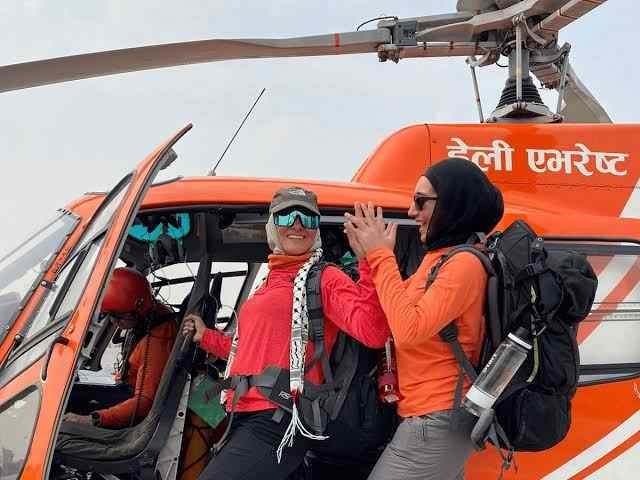
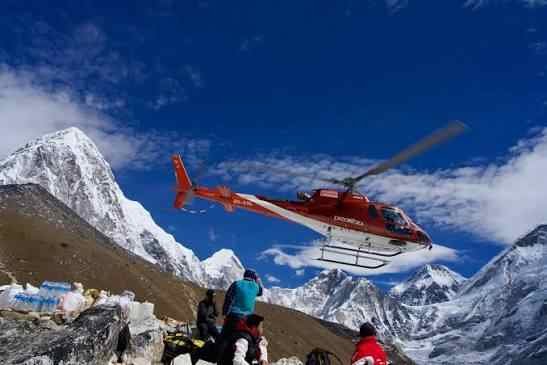
One of the quiet advantages of choosing the Everest Base Camp Helicopter Return trek over the standard walking itinerary is time. A full walking round trip typically takes twelve to fourteen days, with a slow, necessary descent that mirrors the equally slow, necessary ascent. The helicopter return compresses that descent into a single morning. What used to take three to four days of walking back down through Pheriche, Namche, and Lukla now takes under an hour of flying.
This means most trekkers on this itinerary land back in Kathmandu with two to four days still remaining before their international flight home, days they had originally budgeted as buffer time for potential weather delays, altitude related slow days, or simply as a conservative cushion. When the helicopter flight goes smoothly, as it does in the large majority of cases during the main trekking seasons, those buffer days become genuinely free time in Nepal rather than contingency time on the mountain.
This article is a practical guide to what past trekkers on this exact itinerary have done with that time, organized by how many extra days you are likely to have, how much energy you realistically have left, and what fits within a reasonable budget after a demanding trek.
How Much Extra Time to Expect
| Scenario | Typical Extra Days | Why |
|---|---|---|
| Standard buffer built into your original booking | 2 to 3 days | Most itineraries already include a spare day for weather before the helicopter flight, which usually goes unused if the flight departs on schedule |
| Flight home booked several days after trek completion | 3 to 5 days | Some trekkers deliberately book a wide gap between trek end date and international departure |
| Flight home booked tightly against trek completion | 0 to 1 day | Little room to add activities, though even a single day in Kathmandu is enough for some options below |
| Open ended return ticket | As many as desired | Trekkers with flexible schedules sometimes extend their entire Nepal stay by a week or more after a successful helicopter return |
How Your Body Will Actually Feel
Before planning activities, it helps to be honest about physical condition. Even with a helicopter shortening the descent, you have still spent ten or more days walking at altitude, sleeping poorly in cold teahouses, and likely losing some muscle condition despite the physical demands of the trek itself. Common physical realities in the first two to three days after returning include the following.
- Persistent tiredness that feels disproportionate to activity level, often lingering for two to four days
- Mild appetite changes as your body readjusts to lower altitude and different food
- Occasional lightheadedness in the first day, particularly when standing quickly, as your body continues normalizing oxygen levels
- Sore leg muscles, particularly in the calves and knees, from the cumulative days of uphill and downhill walking
- A noticeable mental let down after the intensity and focus of the trek, sometimes described by trekkers as feeling unexpectedly flat once the goal has been achieved
None of this should stop you from enjoying extra days in the Kathmandu Valley, but it does argue for pacing your first day back gently rather than immediately committing to a demanding new activity.
Option One: A Genuine Rest Day in Kathmandu
The single most commonly chosen option, and arguably the most valuable one, is simply doing very little on your first free day. Trekkers consistently report that a slow morning, a proper hot shower, a meal that is not dal bhat or instant noodles, and an afternoon nap does more for how the rest of their trip feels than any sightseeing itinerary.
| Activity | Approximate Time | Notes |
|---|---|---|
| Sleeping in properly | Morning | Your body has earned it after early starts on the trail |
| A long, hot shower | 30 to 60 minutes | Teahouse showers are often cold or limited, this is a genuine luxury after the trek |
| A relaxed lunch at a proper restaurant | 1 to 2 hours | Thamel has extensive options from Nepali to international food |
| A spa massage or foot treatment | 1 to 2 hours | Widely available in Thamel, genuinely helpful for tired legs |
| An early night | Evening | Sleep debt from the trek is real, do not underestimate it |
Option Two: Exploring Kathmandu Valley’s UNESCO Sites
If you have one to two days and reasonable energy, the Kathmandu Valley itself holds seven UNESCO World Heritage listed sites, several of which can be combined into a single day with a private vehicle and guide.
- Swayambhunath, the hilltop stupa often called the Monkey Temple, offering panoramic views over the Kathmandu Valley and a relatively gentle walk up
- Boudhanath, one of the largest stupas in the world and the spiritual center of Kathmandu’s Tibetan Buddhist community, best visited in the late afternoon when pilgrims circle the stupa
- Pashupatinath, a major Hindu temple complex along the Bagmati River, culturally significant though visitors should approach with sensitivity given its role in cremation ceremonies
- Kathmandu Durbar Square, the historic royal palace complex with temples and courtyards dating back centuries
- Patan Durbar Square, a short drive from central Kathmandu, often considered the best preserved of the valley’s Durbar Squares with an excellent museum
- Bhaktapur Durbar Square, the furthest of the three Durbar Squares from central Kathmandu but widely regarded as the most atmospheric, with a well preserved medieval old town
A single busy day can realistically cover three to four of these sites with a private driver. Two days allow a comfortable, unhurried pace, particularly if Bhaktapur is included, since it rewards a slower half day visit rather than a rushed stop.
Option Three: A Short Extension Trip Outside the Valley
Trekkers with three or more free days sometimes choose to extend their Nepal trip with a short excursion beyond Kathmandu itself.
| Extension | Days Needed | What It Offers |
|---|---|---|
| Chitwan National Park | 2 to 3 days including travel | Wildlife viewing, jungle walks, a completely different lowland landscape and climate from the high Himalaya |
| Pokhara | 2 to 3 days including travel | Lakeside relaxation, views of the Annapurna range, a gentler pace than Kathmandu |
| Nagarkot or Dhulikhel day trip | 1 day, or an overnight | Hill stations near Kathmandu with sunrise Himalayan views, requiring far less travel time than Chitwan or Pokhara |
| Bandipur | 1 to 2 days | A quiet, well preserved Newari hill town, popular with travelers wanting something less visited than Pokhara |
Chitwan in particular is a popular choice, since it offers such a strong contrast to the Everest region. Trading the thin cold air of the Khumbu for the humid lowland jungle, and mountain views for wildlife including rhinoceros, and if fortunate, tigers, gives the extension trip a genuinely different character rather than simply more of the same scenery.
Option Four: A Half Day or Full Day Cultural Immersion
For trekkers who want cultural depth without much physical exertion, several half day and full day options work well.
- A guided cooking class focused on Nepali cuisine, typically covering dal bhat, momos, and a few regional specialties, usually three to four hours
- A visit to a traditional Nepali paper or thangka painting workshop, offering insight into local crafts and often the chance to purchase authentic souvenirs directly from artisans
- A half day guided walk through the older backstreets of Kathmandu, away from the tourist heavy Thamel district, focused on local life, markets, and smaller temples
- A visit to the Garden of Dreams, a restored neoclassical garden in central Kathmandu offering a quiet, green space that feels distinctly different from the busy streets surrounding it
Option Five: Practical Errands and Preparation for Onward Travel
Not every extra day needs to be an adventure. Some trekkers use their buffer time productively for practical matters.
- Sorting and packing gear, particularly if you rented equipment that needs to be returned to the trekking company or a gear shop
- Shopping for souvenirs in Thamel, where prices and selection are considerably better than at the airport, and where bargaining is expected and normal
- Visiting a travel clinic if you want a post trek health check, particularly useful if you experienced any altitude symptoms worth discussing with a doctor
- Handling any visa extension paperwork if your travel plans have changed and you now need more time in Nepal than your current visa allows
- Simply catching up on messages, photos, and rest before a long international flight home
Budgeting for Extra Days
| Activity Type | Approximate Cost Range in US Dollars |
|---|---|
| Rest day in Kathmandu, food and minor spa treatment | 20 to 60 |
| Full day private vehicle and guide for Kathmandu Valley sites | 40 to 90 |
| Chitwan National Park two to three day package including transport, lodging, and jungle activities | 150 to 350 |
| Pokhara two to three day trip including transport and mid range lodging | 100 to 250 |
| Cooking class or cultural half day activity | 20 to 45 |
These figures are approximate and vary with season, choice of accommodation standard, and whether you travel independently or arrange the extension through your trekking company, which is often simpler given the logistics are already familiar to them.
Should You Arrange Extra Days Before or After Arriving in Nepal?
Both approaches work, though each has advantages. Arranging an extension before departure, as part of your original booking, means guaranteed accommodation and transport, particularly important during the busy October to November and March to April trekking seasons when hotels and domestic flights can sell out. It also means less decision making pressure once you are tired from the trek itself.
Arranging extra days once you are already in Kathmandu offers more flexibility to decide based on how you actually feel physically and how the helicopter flight and weather actually played out. Many trekking companies, including ours, are happy to arrange a Chitwan extension, a Pokhara add on, or simple Kathmandu Valley touring on short notice once you are back, since these are well established add ons with reliable local partners.
A Note on Altitude Recovery Before Further Travel
If you plan to fly onward internationally within a day or two of returning from altitude, this is generally safe for most healthy trekkers, since commercial aircraft cabins are pressurized to a much lower equivalent altitude than Everest Base Camp itself. However, if you experienced any significant altitude symptoms during the trek, it is sensible to allow at least one full day at lower elevation before a long flight, and to mention your recent high altitude trek to a doctor if you seek any medical attention in the days following your return.
Frequently Asked Questions
Do I need to arrange extra activities in advance, or can I decide once I am back in Kathmandu?
Both work. Kathmandu Valley touring, cooking classes, and short cultural activities can almost always be arranged with a single day of notice. Chitwan and Pokhara extensions are more comfortably arranged in advance, particularly in peak season, though last minute arrangements are often still possible with some flexibility on your part.
What if my helicopter flight is delayed and I lose my buffer days?
This is exactly why the buffer exists. If your flight is delayed by weather, your extra days simply absorb the delay rather than threatening your international departure. Most trekkers who lose their buffer to a weather delay report barely noticing the loss, since it was planned as contingency time in the first place.
Is it worth extending my Nepal trip even if I only have one spare day?
Yes. A single day is enough for a proper rest day, a half day cultural activity, or a compact tour of two or three Kathmandu Valley sites. It is not enough for Chitwan or Pokhara, which need at least two days including travel time.
Can the trekking company help arrange these extra activities?
Yes, most reputable companies, including ours, are glad to arrange extensions, transport, and guides for extra days, since these are common requests and the logistics are already familiar to the local team.
Will I feel well enough to do much of anything after the trek?
Most trekkers feel noticeably more capable than they expect within a day or two, particularly since the helicopter return spares the body the additional days of hard downhill walking that a full walking itinerary requires. Still, planning at least one gentle day before anything demanding is a sensible approach.
Does having extra days change the overall cost of booking this itinerary?
The base helicopter return itinerary itself is unaffected. Any additional days, whether a Kathmandu Valley tour or an extension trip, are separate optional additions priced independently of the core trekking package.
What Past Trekkers Actually Chose: A Breakdown
Looking back across seasons of running this itinerary, a rough pattern emerges in how trekkers actually use their post trek time, once the helicopter has safely delivered them back to Kathmandu.
| Choice | Approximate Share of Trekkers | Typical Profile |
|---|---|---|
| Rest and light Kathmandu sightseeing only | About 45 percent | Trekkers with tight onward schedules, or those who simply prioritize recovery |
| Kathmandu Valley touring across one to two full days | About 25 percent | First time visitors to Nepal wanting cultural sites beyond the mountains |
| Chitwan or Pokhara extension | About 20 percent | Trekkers with flexible schedules and interest in a contrasting landscape |
| Combination of several of the above across a longer buffer | About 10 percent | Trekkers with open ended return tickets or especially generous buffer time |
This pattern is not a rule, simply an observation. What suits you depends heavily on how much time you actually have, how your body feels after the trek, and what you personally find most rewarding about travel in Nepal beyond the mountains themselves.
Combining Options Across a Longer Buffer
If you are fortunate enough to have four or more free days, rather than choosing a single option from above, many trekkers combine them into a simple sequence that balances recovery with activity.
- Day one: a genuine rest day in Kathmandu, minimal activity, good food, early sleep
- Day two: a half day Kathmandu Valley tour covering two or three UNESCO sites, kept relatively relaxed
- Day three and four: a short extension to Pokhara, allowing a lakeside change of pace and a look at the Annapurna range from a comfortable distance rather than on foot
- Final day: a quiet morning back in Kathmandu for last minute shopping and packing before an international departure
This kind of sequence works well precisely because it does not front load activity onto a body that is still recovering. Trekkers who try to pack sightseeing into the very first day after the helicopter flight sometimes report feeling more drained than expected, whereas easing into activity across several days tends to feel more sustainable.
What to Skip if You Are Short on Time
With only a single spare day, it helps to know what to prioritize and what to reasonably skip. Bhaktapur, while genuinely rewarding, requires enough travel time from central Kathmandu that visiting it properly on a single tight day competes directly with rest. Chitwan and Pokhara are simply not feasible with a single day given the travel time required each way. A visa extension errand, if not actually needed, should obviously be skipped entirely.
What tends to work best with very limited time is a short, focused half day covering one or two sites close to central Kathmandu, such as Swayambhunath and Boudhanath, combined with a genuinely restful remainder of the day. Trying to see everything in a single day usually means seeing nothing properly, and arriving at your international flight more tired rather than refreshed.
A Word on Souvenir Shopping
Thamel, Kathmandu’s main tourist district, remains the most convenient place to shop for souvenirs, trekking gear, and gifts, and extra days give you time to shop without the rush that often characterizes a same day departure. Common purchases among trekkers finishing this itinerary include pashmina scarves, singing bowls, prayer flags, hand knotted rugs, and locally roasted coffee or tea.
| Item | Typical Price Range in US Dollars | Bargaining Expected |
|---|---|---|
| Pashmina scarf | 10 to 40 depending on quality | Yes |
| Singing bowl | 15 to 60 depending on size and material | Yes |
| Prayer flags | 3 to 8 per string | Mildly |
| Hand knotted wool rug | 80 to 300 depending on size | Yes, often significantly |
| Locally roasted coffee or tea | 5 to 15 per bag | No, generally fixed price |
Extra days remove the pressure of shopping in a rush on your very last afternoon, which matters since bargaining well, and choosing quality items over rushed impulse purchases, both benefit from having a bit of unhurried time.
Extending Your Trip Independently Versus Through Your Trekking Company
Some trekkers prefer to arrange extra days entirely independently, booking their own hotels, guides, and transport once they know their schedule. Others prefer to let the trekking company handle everything as a simple add on to their existing booking. Both approaches are common and reasonable, and the right choice depends mostly on personal preference and how much independent travel experience you already have in Nepal.
Arranging independently gives maximum flexibility and control over cost, since you can shop around for accommodation and negotiate transport yourself. Arranging through your trekking company removes coordination effort at a moment when you may simply be tired and prefer not to research and book things yourself, and it also means dealing with people who already know your trek history and can flag anything relevant, such as recommending a gentler pace if you mentioned altitude symptoms during the trek.
Neither path is inherently better, though most first time visitors to Nepal find it easier to let the trekking company arrange at least the initial extension, then explore independently once they have their bearings.
Seasonal Considerations for Your Extra Days
The best use of extra time can shift depending on when you complete this trek, since Nepal’s seasons affect both the Kathmandu Valley experience and the feasibility of extensions.
| Season | Kathmandu Valley Conditions | Extension Trip Considerations |
|---|---|---|
| October to November, main autumn season | Clear skies, comfortable temperatures, busy with tourists | Chitwan and Pokhara both pleasant, book ahead as this is peak season |
| December to February, winter | Cold mornings and evenings, clear skies, fewer crowds | Chitwan remains comfortable given its lower elevation, Pokhara can be chilly in the evenings |
| March to April, spring season | Warming temperatures, occasional haze, rhododendrons blooming in the valley’s surrounding hills | Both extensions popular, book ahead as this is also peak season |
| May to early June, pre monsoon | Warm and increasingly humid | Chitwan can be quite hot, Pokhara remains a comfortable option |
| Late June to September, monsoon | Frequent rain, lush greenery, fewer tourists | Both extensions still possible though expect rain, indoor cultural activities become more appealing |
Trekkers completing this itinerary during the busier autumn and spring seasons should book any extension activity, particularly Chitwan or Pokhara accommodation, as early as possible, ideally before departing on the trek itself, since availability tightens considerably during these peak months.
Making the Most of a Single Extra Night in Kathmandu
Even when circumstances only allow for a single extra night before departure, there are ways to make it count. A short evening walk through Thamel, even a tired one, offers a different atmosphere than daytime visits, with strings of lights, busy restaurants, and a lively but manageable energy. Booking a nicer hotel than you used before the trek, even for one night, is a popular small indulgence among trekkers who spent the preceding two weeks in basic teahouses.
A traditional Nepali meal at a proper restaurant, rather than the simpler food available on the trail, is another small but meaningful way to mark the end of the trek. Restaurants in Kathmandu offering a cultural dinner with traditional dance performances are popular among trekkers looking for a memorable final evening, combining food, music, and a sense of closure to the trip.
Health and Wellbeing Activities Worth Considering
Beyond sightseeing, several wellness focused activities appeal specifically to trekkers recovering from two weeks of physical exertion at altitude.
- A full body massage, widely available across Thamel at a range of price points, genuinely helpful for tired legs and shoulders after carrying a daypack for two weeks
- A yoga class, offered at several studios in Kathmandu, providing gentle stretching that can ease post trek muscle stiffness
- A visit to a proper cafe for good coffee, a small pleasure that trekkers repeatedly mention missing during the trek itself
- A swim, where hotel pools are available, offering low impact movement that feels pleasant on tired joints
None of these require significant planning or advance booking, making them well suited to however much or little extra time you actually end up with once your travel plans are finalized.
A Realistic Example Itinerary for Three Extra Days
| Day | Morning | Afternoon | Evening |
|---|---|---|---|
| Day one | Sleep in, slow breakfast | Rest, perhaps a short walk around Thamel | Relaxed dinner, early night |
| Day two | Private vehicle tour to Swayambhunath and Kathmandu Durbar Square | Patan Durbar Square and museum | Cultural dinner with traditional performance |
| Day three | Boudhanath, followed by souvenir shopping in Thamel | Massage or spa treatment | Final packing and an early night before departure |
This kind of pacing balances genuine recovery with enough cultural exposure that visitors leave Nepal with more than just mountain memories, without overextending a body that has already worked hard over the preceding two weeks.
Travel Logistics Worth Confirming Before You Extend
Before committing to any extension plan, a few practical logistics are worth double checking so that extra days do not create unexpected complications.
- Confirm your Nepal visa remains valid for the additional days you are considering, and if not, arrange an extension at the immigration office in Kathmandu, which is a straightforward same day process for most nationalities
- Confirm your international flight ticket allows changes if you decide midway through your extra days to adjust your departure date
- Confirm hotel availability in Kathmandu for your extended stay, particularly if you originally booked accommodation only through your planned trek completion date
- If flying domestically to Pokhara, confirm the flight schedule and book early during peak season, since seats can sell out several days in advance
- If traveling to Chitwan, confirm whether you prefer the overland drive, which takes around five to six hours, or a short domestic flight, which takes about twenty five minutes but costs more
Sorting these details out either before your trek begins, or with help from your trekking company once you are back, removes friction from what should otherwise be a relaxed and rewarding final stretch of your Nepal trip.
Why Some Trekkers Choose Not to Extend at All
Not every trekker wants or needs extra activities, and that is a perfectly reasonable choice. Some travelers have work commitments waiting at home and simply want to return as soon as reasonably possible after the trek. Others have already built substantial travel time into their trip before the trek itself, perhaps visiting other parts of Nepal or elsewhere in the region beforehand, and prefer a straightforward departure once the trek concludes.
For these trekkers, the helicopter return’s time saving benefit shows up simply as an earlier, more predictable departure date, with less risk of a walking descent delay threatening a tightly scheduled international flight. This is itself a meaningful advantage, even without using the extra days for sightseeing or a further extension trip.
How to Decide What Is Right for You
With so many options available, it can help to work through a short set of questions rather than feeling obligated to fill every spare day with activity.
- How many days do you actually have before your fixed departure, accounting for a reasonable weather buffer already built into your itinerary
- How does your body typically recover from physical exertion, and would you rather rest fully or stay lightly active
- Is this your first visit to Nepal, making cultural sites in the Kathmandu Valley particularly valuable, or a return visit where you have already seen the main attractions
- What is your remaining budget after the trek itself, since Chitwan and Pokhara extensions carry additional cost beyond Kathmandu based options
- Do you prefer a fully arranged, low effort extension through your trekking company, or do you enjoy independently exploring on your own schedule
There is no single correct answer here. The point of highlighting this benefit of the helicopter return itinerary is simply that you have a genuine choice, one that trekkers on the standard walking itinerary rarely get, since their extra days have already been spent walking down from Base Camp rather than sitting available for whatever they might choose to do with them.
A Few Honest Caveats
It is worth being upfront that the extra time discussed throughout this guide depends on the helicopter flight actually departing on schedule. Weather in the Khumbu region, particularly during the shoulder seasons, can occasionally delay the flight by a day, which would use up part of the buffer this guide assumes you have. This is precisely why a sensible original booking already includes a spare day before the helicopter flight itself, so that even a one day weather delay does not threaten your onward extension plans or your international departure.
It is also worth acknowledging that not every extra day feels as exciting in practice as it sounds on paper. Some trekkers, upon finally reaching Kathmandu, discover they simply want to go home, and treat any extra time as an inconvenience rather than an opportunity. If that describes how you expect to feel, there is no obligation to fill your schedule, and a simple early flight change, where your ticket allows it, is a perfectly reasonable choice too.
Bringing It All Together
The helicopter return itinerary offers something the standard walking trip cannot, meaningful discretionary time at the end of a demanding trek, still in one of the most culturally rich countries in the world. Whether you spend that time resting in a comfortable Kathmandu hotel, touring ancient temple squares, watching for rhinoceros in Chitwan, or simply shopping unhurried in Thamel, the extra days are yours to shape rather than something already claimed by a long walk back down the valley.
Our team is happy to help arrange any of the extensions or activities described in this guide, whether that means booking a Kathmandu Valley tour with a private guide, arranging transport and accommodation for Chitwan or Pokhara, or simply suggesting a good restaurant for your first proper meal back in civilization. The goal, as with every part of this itinerary, is to make sure the practical logistics support the experience you actually want, rather than the other way around.
One Last Practical Tip
Keep a small amount of local currency set aside specifically for these extra days, separate from what you budgeted for the trek itself, since it is easy to underestimate incidental costs like taxis, snacks, and small souvenirs once you are back in the city and moving around more freely than you could on the trail.
Final Word
The extra days that come from choosing the helicopter return are a genuine, often underappreciated benefit of this itinerary. Rather than treating them as an afterthought, it is worth deciding in advance roughly how you want to use them, whether that means simple rest, a cultural tour of the Kathmandu Valley, or a short extension to Chitwan or Pokhara. Planning even loosely for this time turns what could be an unstructured few days into a proper extension of a trip that, for many trekkers, represents a once in a lifetime experience in Nepal.