
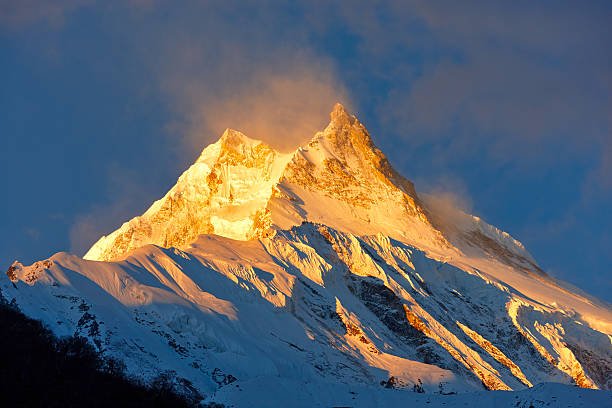
Late September through November and March through May are generally the two periods most trekkers and guides consider the best time to trek Manaslu Circuit. Within those windows, October is usually the single month recommended most often, followed closely by November and April. None of this means other months are automatically off the table. It means the trail, the weather, and the crossing of Larkya La Pass tend to behave more predictably during these windows, which matters more on a high altitude trek like this than it might on an easier trail.
This article works through the Manaslu Circuit Trek season by season and month by month, explains why Larkya La Pass deserves separate attention from the rest of the route, and looks at how weather, crowds, and trail conditions actually differ across the year. If you already know your travel window and want the full itinerary, cost breakdown, and permit details, the Manaslu Circuit Trek page from Next Trip Nepal covers the practical booking side. This article is focused specifically on timing.
A note before going further: Himalayan weather does not follow a fixed script every year. Snowfall, rainfall, and temperature patterns shift from one season to the next, and conditions at 5,000 meters can change faster than conditions in the valley below. Where this article gives specific figures, they reflect generally accepted patterns rather than guaranteed outcomes for any particular trek date. Always confirm current permit rules, trail conditions, and weather forecasts with a licensed trekking agency close to your departure date.
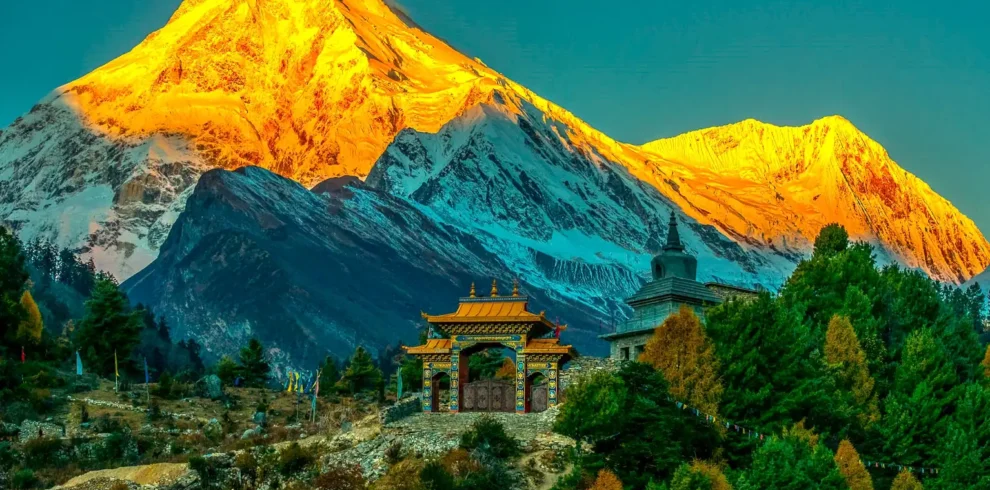
Quick Answer: What Is the Best Time for Manaslu Circuit Trek?
The strongest trekking periods for the Manaslu Circuit are early October through late November, and March through May, with October and April typically standing out within those windows. Autumn tends to bring the most stable weather of the year immediately after the monsoon clears, with generally good visibility and firmer trails. Spring brings milder temperatures at lower elevations, flowering rhododendron forest through the mid hills, and conditions at Larkya La that are usually manageable once the heaviest winter snow has started to melt.
There is no single month that suits every trekker equally. A traveler who prioritizes the clearest mountain views and the most predictable trail conditions will usually lean toward October or early November. A traveler who wants milder daytime temperatures at lower elevations, does not mind some afternoon cloud building, and enjoys forest scenery will often prefer April or early May. Both approaches are reasonable. What matters is understanding what each period actually offers rather than assuming one month is universally correct.
Best Time to Trek the Manaslu Circuit
The best time to trek the Manaslu Circuit is generally during spring (March to May) and autumn (September to November). These seasons usually offer better weather, clearer mountain views and more reliable trail conditions, especially around the high-altitude Larkya La Pass.
If your dates are flexible, October and November are excellent choices for autumn, while April and early May are particularly good in spring. The Manaslu Circuit reaches 5,106 meters at Larkya La Pass, so weather and snow conditions at higher elevations are important when choosing your trekking dates.
Autumn
Autumn is the most popular season for the Manaslu Circuit. After the monsoon, the weather generally becomes drier and mountain visibility improves.
What to expect:
- Generally stable and dry weather
- Clear mountain views
- Good trail conditions
- Excellent visibility around Larkya La
- More trekkers on the main route
- Teahouses can be busy during peak weeks
October is usually the busiest month, while November remains a good option with colder mornings and nights.
Spring
Spring is another excellent period for the Manaslu Circuit. Temperatures gradually become warmer, and the lower and middle sections of the trail become greener.
What to expect:
- Warmer days as the season progresses
- Rhododendrons flowering in forest sections
- Good morning mountain visibility
- Generally good trekking conditions
- Some remaining snow at higher elevations early in spring
- More afternoon clouds later in the season
April is one of the best spring months. May can still be a good choice, although pre-monsoon clouds and occasional rain become more likely.
Monsoon
The monsoon brings frequent rainfall to the lower and middle sections of the Manaslu Circuit. Rain can affect both trekking trails and the road journey to the trailhead.
What to expect:
- Frequent rain at lower elevations
- Muddy and slippery trails
- Possible landslides and road delays
- Clouds can reduce mountain visibility
- Fewer trekkers on the route
- Trail conditions can change quickly
The Manaslu Circuit is possible in some monsoon periods, but it is not our preferred season for a standard trek because weather and road conditions are less predictable.
Winter
Winter is the quietest season on the Manaslu Circuit. Lower sections can be beautiful on clear days, but temperatures drop significantly at higher elevations and snow can affect the Larkya La section.
What to expect:
- Cold temperatures, especially above 3,500 m
- Possible snow and ice at higher elevations
- Very cold nights
- Fewer trekkers
- Some teahouses may have limited winter services
- Larkya La conditions can become difficult
Winter trekking is better suited to well-prepared and experienced trekkers who understand cold-weather and high-altitude conditions.
Which Months Are Best?
Cool conditions with improving weather.
Excellent spring conditions and rhododendron blooms.
Warmer weather with increasing afternoon clouds.
Better toward the second half as the monsoon ends.
Excellent visibility and generally stable weather.
Clear conditions but colder at higher elevations.
Our Recommended Time for the Manaslu Circuit
If you want the best overall combination of weather, mountain views and trail conditions, we recommend October and November in autumn or April and early May in spring.
October is particularly popular because the monsoon has normally cleared and visibility is often excellent. April is a great alternative if you prefer spring conditions and want to see rhododendrons flowering along the lower and middle sections of the trail.
A Note About Manaslu Weather
Weather in the Manaslu region can change quickly, particularly at higher elevations. Conditions at Larkya La Pass can be very different from the weather in lower villages such as Machha Khola or Jagat. For this reason, your guide and trekking agency should check the current weather and trail conditions and make practical decisions during the trek when necessary.
Manaslu Circuit Trek Month by Month
Manaslu Circuit Trek in January
January sits in the coldest stretch of the Nepali winter. At lower elevations around Machha Khola and Jagat, daytime conditions are often workable, with cold mornings giving way to milder afternoons in sheltered valley sections. Higher up, from Samagaun and Samdo toward Larkya La, cold becomes the dominant factor, and overnight temperatures at these elevations are consistently well below freezing during this period.
Snow and ice are common considerations in January, particularly on the approach to and crossing of Larkya La. The pass can be closed for stretches of time depending on recent snowfall, and even when passable, ice underfoot demands proper footwear, trekking poles, and often microspikes. Trail conditions in the lower and middle sections of the route are usually less affected by snow, though cold mornings and shorter daylight remain factors throughout.
Visibility on clear days in January can be excellent, since winter air is often dry and stable once a weather system passes. The tradeoff is that winter weather systems, when they do arrive, can bring heavier snowfall than an autumn or spring storm would produce at the same elevation.
Advantages of trekking in January:
- Very few other trekkers on the trail, offering a quieter experience at teahouses and viewpoints
- Crisp, clear conditions between weather systems
- Dramatic snow covered mountain scenery
Disadvantages of trekking in January:
- Cold overnight temperatures at higher elevations, particularly from Samagaun upward
- Higher likelihood of snow and ice complicating the Larkya La crossing
- Shorter daylight hours, which affects timing for the long pass crossing day
- Some higher elevation teahouses may operate with reduced services
January is generally not the first recommendation for a typical first time high altitude trekker. It can work well for experienced trekkers who are comfortable with winter mountain conditions, prepared with appropriate cold weather gear, and traveling with flexibility built into their schedule in case pass conditions require a delay.
Manaslu Circuit Trek in February
February remains within winter, though the transition toward spring often becomes noticeable by the second half of the month. Temperatures at lower and middle elevations can begin to feel slightly milder than January, while the upper sections of the route, including Samdo and the approach to Larkya La, generally remain cold with snow a realistic possibility.
Larkya La in February carries similar considerations to January. Snow accumulated over the winter months may still be present, and ice on the trail near the pass is common. Early starts on pass crossing day matter even more in winter, since wind tends to pick up as the day progresses and cold intensifies once the sun drops behind the ridgeline.
Visibility tends to be good on stable weather days, consistent with the broader winter pattern of clear skies between storm systems. Trekkers who time their trip around a stretch of settled weather often get strong mountain views with very few other people on the trail.
Advantages of trekking in February:
- Quiet trails and minimal competition for teahouse rooms
- Good visibility during stable weather periods
- A genuine winter mountain experience, appealing to trekkers who prefer solitude over social atmosphere
Disadvantages of trekking in February:
- Continued cold at higher elevations, with Larkya La remaining the most weather sensitive section of the route
- Snow and ice risk on the pass, requiring proper gear and guide judgment on crossing days
- Shorter daylight compared to spring and autumn
February suits a similar traveler profile to January: experienced, cold tolerant, and flexible on timing. It is not typically recommended as a first choice for a first time high altitude trekker, though a well guided trip with realistic expectations can still work.
Manaslu Circuit Trek in March
March marks the beginning of spring on the Manaslu Circuit, and the shift from winter conditions becomes increasingly clear as the month progresses. Early March can still carry some residual winter character, particularly at higher elevations, while late March generally feels more settled and noticeably milder in the lower and middle sections of the trail.
Forest sections through the mid hills begin showing early signs of the spring bloom that becomes more pronounced in April, with rhododendron forest starting to color in the lower elevations by the end of the month in a typical year. Snow at Larkya La is still a realistic consideration in March, particularly earlier in the month, and conditions should be assessed close to the crossing date rather than assumed based on general seasonal patterns.
Trail conditions in the lower valley are usually good in March, with firm ground and manageable temperatures for daytime walking. Visibility tends to improve as the month goes on, though some afternoon cloud buildup, a normal feature of the pre monsoon spring pattern, can begin to appear.
Advantages of trekking in March:
- Early access to spring scenery without the busier crowds of April
- Milder daytime temperatures at lower and middle elevations compared to winter
- Generally good trail conditions below Samagaun
Disadvantages of trekking in March:
- Larkya La can still hold significant snow, particularly early in the month
- Weather at altitude remains more variable than later in spring
- Early morning cold at higher elevations persists
March works well for trekkers who want a spring trip but prefer fewer people on the trail than April typically brings, provided they build flexibility into their schedule around the pass crossing and follow their guide’s assessment of current conditions.
Manaslu Circuit Trek in April
April is one of the two or three months most commonly recommended for the Manaslu Circuit, alongside October and, for some trekkers, November. By April, winter snow at Larkya La has usually retreated significantly compared to earlier in the year, though the pass remains a high altitude crossing that should never be treated casually regardless of season.
Rhododendron forest through the mid hill sections is often at or near peak bloom in April in a typical year, adding color to the trekking experience through the Ghatte Khola and Namrung areas. Daytime temperatures at lower and middle elevations tend to be comfortable for walking, and the overall trail conditions are usually firm and well established after the winter season.
Mountain visibility in April is generally good, particularly in the mornings before any afternoon cloud has a chance to build. This pre monsoon cloud pattern is a normal feature of spring in the Himalaya and tends to be more noticeable as the month progresses toward May. Morning starts on key viewing days, including approaches to Samagaun and the pass itself, typically offer the clearest conditions.
Advantages of trekking in April:
- Rhododendron and forest scenery at or near seasonal peak
- Larkya La generally more settled than the depths of winter or early spring
- Comfortable daytime temperatures for walking at lower and middle elevations
- Strong overall balance of weather, scenery, and trail conditions
Disadvantages of trekking in April:
- One of the busier months on the route, alongside October
- Afternoon cloud can reduce visibility later in the day, particularly toward the end of the month
- Some accommodation options may be busier in peak weeks
April is generally well suited to first time high altitude trekkers, provided the standard acclimatization schedule is respected and the trekker is reasonably fit. It offers a strong combination of manageable conditions and scenic variety that appeals to a wide range of travelers.
Manaslu Circuit Trek in May
May extends the spring window, though it sits closer to the transition toward monsoon than April does. Lower elevation temperatures in May are often warmer than earlier in spring, which some trekkers find more comfortable and others find slightly less pleasant depending on personal preference and how much walking happens during the warmest part of the day.
Cloud cover tends to build more frequently in May compared to April, consistent with the general pattern of increasing humidity as the monsoon approaches. Morning visibility is often still good, but afternoon cloud is more common, and rain showers become more frequent as the month progresses, particularly toward late May.
Larkya La in May is typically in good condition relative to the winter months, with most of the seasonal snow having melted at lower sections of the approach, though the pass itself sits high enough that weather can still change quickly regardless of the general seasonal trend.
Advantages of trekking in May:
- Fewer trekkers than April in most years
- Lush, green trail conditions through the forested sections
- Generally settled pass conditions compared to winter and early spring
Disadvantages of trekking in May:
- Increasing cloud cover and rain probability as the month progresses
- Warmer daytime temperatures at lower elevations, which can feel humid in the pre monsoon build up
- Visibility less consistently reliable than April, particularly in the afternoons
May suits trekkers who prioritize a quieter trail over the most reliable clear views, and who are comfortable with the increasing chance of afternoon showers as the month moves toward June. Early May tends to behave more like April, while late May starts to show early signs of the approaching monsoon.
Manaslu Circuit Trek in June
June marks the transition into monsoon, and conditions shift noticeably compared to May. Rainfall becomes more frequent and more sustained, particularly at lower and middle elevations, and cloud cover tends to dominate much of the day rather than building only in the afternoon.
Trail conditions in June can become muddy and slippery in sections that were firm and dry earlier in the spring, especially in the forested lower valley between Machha Khola and Namrung. The access road to the trailhead can also be affected by monsoon conditions, since sections of this route are exposed to landslide risk during heavy rain, a consideration that applies throughout the monsoon period rather than to June specifically.
Mountain visibility in June is generally reduced compared to spring, with cloud frequently obscuring higher peaks for much of the day. Clear windows do occur, often in the early morning before cloud builds, but they are less predictable than in the dry seasons.
Advantages of trekking in June:
- Very few other trekkers on the route
- Lush, green landscape through the lower and middle sections
- Lower accommodation demand, generally easier to secure rooms
Disadvantages of trekking in June:
- Reduced mountain visibility on most days
- Muddy and slippery trail conditions in multiple sections
- Increased landslide risk on the road approach, which can affect transportation timing
- Leeches present in the lower forested sections, a normal seasonal feature of Nepal’s monsoon trekking regions
June is not typically recommended for a first time high altitude trekker or for anyone whose primary goal is clear mountain views. It can be considered by experienced trekkers who understand monsoon conditions, have flexible schedules to absorb transportation delays, and are comfortable with wet trail conditions.
Manaslu Circuit Trek in July
July sits within the core of the monsoon season, and conditions described for June generally intensify. Rainfall tends to be more sustained, and multi day stretches of overcast and wet weather are common rather than exceptional.
Trail conditions through the lower and middle valley are frequently muddy, and stream crossings that are straightforward in the dry season can become more demanding after sustained rainfall. Landslide risk on the road access to the trailhead is a genuine consideration during July, and transportation schedules should be treated as flexible rather than fixed, since road conditions can change with heavy rain.
Visibility of the higher peaks is usually limited through July, with cloud cover persistent through much of the day on most days. This does not mean the mountains are never visible. Clear periods do occur, sometimes for a few hours in the early morning, but they are inconsistent and cannot be planned around with confidence.
Advantages of trekking in July:
- Minimal trekker traffic, offering a very different, quieter atmosphere
- Dense green vegetation through the lower forested sections
- Lower demand on accommodation and services
Disadvantages of trekking in July:
- Persistent cloud cover limiting mountain views on most days
- Muddy, slippery, and at times difficult trail conditions
- Elevated landslide risk affecting road access
- Leeches in the lower forested sections
- Reduced predictability around Larkya La conditions, since weather at altitude during monsoon can shift quickly
July trekking on the Manaslu Circuit is possible rather than recommended for most travelers. It suits only experienced trekkers with realistic expectations about visibility and trail conditions, strong flexibility in their schedule, and comfort with the practical challenges of monsoon travel in Nepal’s mid hills.
Manaslu Circuit Trek in August
August generally continues the monsoon pattern established in June and July, though some years see a gradual easing toward the end of the month as the season begins its transition. Rainfall remains a consistent feature, and trail conditions in the lower and middle valley continue to reflect the wet season, with mud and slippery sections common.
Landslide risk on the access road remains a relevant consideration through August, and trekkers planning a trip during this period should expect potential delays or route adjustments related to road conditions rather than treating transportation timing as fixed. Mountain visibility follows the same general pattern as June and July, with cloud cover limiting views on most days and occasional clearer windows, particularly in the early morning.
Higher up, conditions around Larkya La during August require the same careful, case by case assessment as the rest of the monsoon period. Snow is less likely than in winter, but wet weather, cloud, and the general unpredictability of monsoon conditions at altitude mean the pass should never be approached with a fixed expectation of easy conditions.
Advantages of trekking in August:
- Quiet trail with very few other trekkers
- Green, lush landscape through the forested lower sections
- Generally easier to arrange last minute accommodation
Disadvantages of trekking in August:
- Continued limited visibility on most days
- Wet, muddy trail conditions
- Landslide risk affecting the road approach
- Leeches present in lower elevation forest
Like June and July, August is best considered by experienced trekkers who accept the tradeoffs of monsoon season travel. It is not the recommended choice for a first Manaslu Circuit trek or for anyone whose priority is consistent mountain visibility.
Manaslu Circuit Trek in September
September is a transitional month, and conditions can vary considerably depending on where the monsoon stands in a given year. Early September typically still carries monsoon characteristics similar to August, with continued rainfall and limited visibility a realistic expectation. Late September often shows a clear shift toward the drier, more stable conditions associated with autumn, though the exact timing of this transition differs from year to year.
Because of this variation, September should not be treated as a single uniform month for planning purposes. A trek scheduled for the first half of September should generally be approached with the same expectations as August, while a trek scheduled for the last week or two of September often benefits from improving trail conditions and clearer skies as the monsoon retreats.
Trail conditions reflect this transition as well. Early September sections through the lower valley are often still muddy and affected by recent rainfall, while late September typically sees the trail firming up as drier weather takes hold. Larkya La conditions in September depend heavily on how recently the monsoon has cleared in a given year, and guide assessment close to the crossing date matters more here than in the more predictable heart of autumn.
Advantages of trekking in September:
- Late September can offer an early start to the autumn trekking window with fewer people than October
- Green landscape still present from the tail end of monsoon
- Gradually improving visibility as the month progresses
Disadvantages of trekking in September:
- Early September carries most of the same limitations as monsoon trekking
- Timing the transition accurately from a distance is difficult, since it varies by year
- Trail and pass conditions can be inconsistent within the same month
For trekkers with flexible dates, late September can be a genuinely good choice, effectively capturing early autumn conditions with a quieter trail than October. Early September is generally better avoided unless the trekker is comfortable with monsoon style conditions.
Manaslu Circuit Trek in October
October is the month most frequently recommended for the Manaslu Circuit Trek, and for reasons that hold up under scrutiny rather than simply repeating conventional wisdom. By October, the monsoon has typically cleared, leaving the trail firm and the air notably clearer than during the humid months that precede it. This combination of stable weather and strong visibility is the main reason October draws the most trekkers of any month on this route.
Weather in October tends to be dry and settled through most of the month, with generally reliable conditions for both lower elevation walking and the Larkya La crossing later in an itinerary. Visibility is often excellent, particularly in the first half of the month, offering some of the clearest mountain views available across the entire year. Rhododendron season has passed by October, so the visual highlight shifts from spring blooms to crisp mountain scenery and the dramatic high altitude landscape around Samagaun, Samdo, and the pass itself.
Trail conditions in October are generally firm and well established, without the mud of monsoon or the ice risk that becomes more common later in autumn and into winter. Larkya La in October is typically at its most manageable for the year, though early starts, proper layering, and guide judgment on the day remain essential regardless of the generally favorable seasonal pattern.
Because October combines the best average weather with the most established trail conditions, it is also the busiest month on the Manaslu Circuit. Teahouses along popular sections of the route can fill up during peak weeks, and trekkers planning an October trip benefit from booking accommodation and permits with a licensed agency well in advance rather than assuming rooms will be available on arrival.
What October is not: a guarantee of perfect weather on every single day. Even within a generally favorable month, individual days can bring cloud, wind, or short weather systems, particularly at higher elevations. Guides monitor conditions closely during this period precisely because average seasonal reliability does not eliminate day to day variation.
Advantages of trekking in October:
- Generally the clearest and most stable weather of the year
- Firm, well established trail conditions
- Larkya La typically at its most manageable
- Strong photography conditions given consistent visibility
Disadvantages of trekking in October:
- The busiest month on the route, with more competition for accommodation
- Advance booking becomes more important than in quieter months
- Later in the month, nighttime temperatures at higher elevations begin trending colder
October suits a very wide range of trekkers, including first timers attempting a high altitude trek for the first time, provided the standard acclimatization schedule is followed. It is the safest general recommendation for someone who has not trekked in the Manaslu region before and wants the most predictable experience available.
Manaslu Circuit Trek in November
November remains within the strong autumn window, though conditions shift gradually as the month progresses, and the difference between early and late November is worth understanding before booking. Early November typically still carries much of October’s stability, with clear skies and firm trail conditions common. Late November trends colder, particularly at higher elevations, and daylight hours continue to shorten as the month moves toward winter.
Visibility in November is often very good, in some years matching or even exceeding October, since the air tends to be dry and stable through much of the month. Larkya La in early November is usually similar to October in terms of manageable conditions, while late November brings an increased chance of snow at the pass as winter approaches, along with colder overnight temperatures at Samagaun, Samdo, and the pass approach.
Trail conditions through most of November remain firm and well established, consistent with the broader autumn pattern. The main consideration that changes through the month is temperature, both in terms of daytime comfort at higher elevations and overnight cold at the highest camps before the pass crossing.
Advantages of trekking in November:
- Strong visibility, often comparable to October
- Firm trail conditions through most of the month
- Fewer trekkers than October, particularly as the month progresses
- Early November effectively offers October conditions with a quieter trail
Disadvantages of trekking in November:
- Increasing cold at higher elevations as the month progresses
- Shorter daylight hours compared to October, which affects timing for the pass crossing day
- Late November carries a higher chance of snow at Larkya La than early in the month
November is generally an excellent choice, and for trekkers who want autumn conditions without October’s crowd levels, early to mid November is often a stronger pick than October itself. Late November requires more careful preparation for cold and should be approached with realistic expectations about temperature and daylight, particularly for a first time high altitude trekker.
Manaslu Circuit Trek in December
December marks the start of winter on the Manaslu Circuit, and conditions shift meaningfully from the stable autumn pattern of October and early November. Cold becomes the defining factor, particularly from Samagaun upward, and overnight temperatures at higher elevations are consistently well below freezing through this period.
Early December often retains some of the settled weather associated with late autumn, while conditions typically become more clearly wintry as the month progresses toward the coldest stretch of the year in January. Snow at Larkya La becomes increasingly likely as December continues, and trekkers planning a December crossing should expect the possibility of snow and ice underfoot, along with the need for appropriate winter gear and guide judgment on timing.
Visibility in December is often strong on stable weather days, consistent with the general winter pattern of clear skies between storm systems. Trail conditions in the lower and middle valley are usually still workable, since cold at these elevations is less severe than at altitude, though daylight hours are noticeably shorter than in autumn, which affects overall itinerary pacing.
Advantages of trekking in December:
- Quiet trail with far fewer trekkers than the autumn peak
- Often excellent visibility on clear days
- A genuinely different winter mountain atmosphere
Disadvantages of trekking in December:
- Increasing cold, particularly from Samagaun to Larkya La
- Higher chance of snow affecting the pass as the month progresses
- Shorter daylight hours affecting itinerary timing
- Reduced services at some higher elevation teahouses
December can work for experienced, well prepared trekkers who understand what winter mountain travel involves and who build flexibility into their schedule around the pass crossing. It is generally not the first recommendation for a first time high altitude trekker, though early December in a mild year can sometimes offer conditions closer to late autumn than to deep winter.
Spring Versus Autumn for Manaslu Circuit Trek
Spring and autumn are the two seasons most trekkers consider when planning the Manaslu Circuit Trek. Both offer good trekking conditions, but the experience is different. Spring is generally milder and greener, while autumn is known for clearer mountain views and more stable weather. The comparison below focuses on the practical differences rather than saying that one season is always better.
Spring: March to May
Autumn: Late September to November
Which Season Should You Choose?
If your priority is clear mountain views and generally stable conditions, autumn is the safer choice, with October and early November being particularly popular. If you prefer warmer conditions, greener forests and rhododendron flowers, spring is an excellent alternative, especially in April.
Which Season Is Better for Most Trekkers?
There is no single correct answer, and the honest response depends on what a trekker values most. Autumn, particularly October, is generally the stronger choice for anyone prioritizing the clearest possible mountain views and the most predictable trail and pass conditions, which is why it remains the most recommended season overall and a sensible default for a first time high altitude trekker. Spring, particularly April, is a strong alternative for trekkers who prefer a quieter trail than October offers, enjoy forest and floral scenery alongside the mountain views, and do not mind slightly less consistent afternoon visibility. Both seasons are well supported by established trail infrastructure and represent the two periods most experienced Nepal trekking professionals recommend first.
Best Month for Different Types of Trekkers
Best Month for Clear Mountain Views
October, followed closely by early November, generally offers the clearest and most consistent mountain visibility across the Manaslu Circuit. The combination of a freshly cleared monsoon atmosphere and stable high pressure weather patterns tends to produce sharper, more reliable views than any other period of the year, though individual days can still vary.
Best Month for Comfortable Trekking Conditions
April is often cited as offering the best overall balance of comfortable daytime temperatures, firm trail conditions, and manageable pass conditions, without the more intense cold of deep autumn or winter. Trekkers who find cold uncomfortable, particularly at higher elevations, often prefer April over October or November for this reason.
Best Month for First Time Manaslu Trekkers
October is generally the safest recommendation for a first time high altitude trekker, given its combination of predictable weather, firm trail conditions, and Larkya La typically at its most manageable. April is a strong second choice for the same underlying reasons, with the tradeoff of slightly less consistent afternoon visibility.
Best Month for Experienced Trekkers
Trekkers with prior high altitude experience have more flexibility to consider shoulder season options such as late September, early December, or even winter months like January and February, provided they are properly equipped and prepared for colder, less predictable conditions in exchange for a quieter trail.
Best Month for Fewer Crowds
Outside of the monsoon months, which are quiet for different reasons related to weather rather than choice, early December and late February into early March tend to offer meaningfully quieter trail conditions while still falling within workable trekking weather for a prepared trekker. Within the main autumn and spring seasons, late November and early March are generally quieter than the October and April peaks.
Best Month for Photography
October and early November generally offer the most reliable conditions for mountain and landscape photography, given consistently clear skies and strong visibility. April offers a different but equally compelling photographic opportunity, particularly for forest, rhododendron, and cultural village scenes, alongside generally good, if slightly less consistent, mountain views.
Best Month for Rhododendron and Spring Landscapes
April is generally considered the peak month for rhododendron bloom through the mid hill forest sections of the route, with the color typically strongest in a normal year through the Ghatte Khola and lower Namrung areas. Late March and early May can also offer bloom depending on the specific year and elevation.
Best Month for Larkya La Pass
October and early November generally provide the most settled conditions at Larkya La, with the lowest typical likelihood of fresh snow complicating the crossing. April also offers generally manageable conditions once early spring snow has cleared. This is discussed in more depth in the next section.
Weather and Altitude: Why Kathmandu Weather Does Not Predict Manaslu Conditions
One of the most common misunderstandings among first time trekkers is checking a Kathmandu weather forecast and assuming it reflects conditions on the trail. It does not, and the gap between the two grows wider the higher the trek climbs. Kathmandu sits at roughly 1,400 meters in a broad valley, while the Manaslu Circuit climbs from around 869 meters at Machha Khola to over 5,100 meters at Larkya La. Weather, temperature, and precipitation all shift substantially across that range, often within a single trekking day.
The route passes through genuinely different climate zones. Around Machha Khola and the lower valley, conditions are generally warm and can feel humid, particularly outside the winter months, with subtropical vegetation reflecting the lower elevation. Moving up through Namrung and toward Lho, the trail climbs into cooler, forested terrain where temperature drops noticeably compared to the trailhead. By Samagaun, the trail has entered high mountain terrain, with sparse vegetation, colder overnight temperatures, and weather that behaves more like an alpine environment than a Himalayan foothill.
Samdo and the approach toward Larkya La sit higher still, in terrain where cold, wind, and the possibility of snow become standard planning considerations rather than occasional surprises. The final push over Larkya La itself takes place in genuinely high altitude conditions, where weather can shift within hours in ways that have little relationship to what was happening in the valley the same morning.
This is not a claim that exact temperatures can be predicted for each village without current, on the ground information. It is a practical point that experienced Nepal trekking professionals build into their planning: assess conditions at the elevation you will actually be trekking through that day, not at the elevation of the nearest city with a familiar weather app. A guide who has recently been on this specific route, combined with a forecast that accounts for altitude rather than a generic regional summary, gives a far more useful picture than checking Kathmandu weather alone.
Larkya La Pass and Seasonal Conditions
Larkya La Pass, at approximately 5,106 to 5,160 meters depending on the source consulted, is the highest and most weather sensitive point on the Manaslu Circuit, and it deserves treatment as its own subject rather than as just another stage on the itinerary. Crossing it safely and comfortably depends on a combination of altitude, weather, timing, and preparation that differs meaningfully from the rest of the trek.
Wind is a near constant factor at this elevation. Even on a day with otherwise stable weather lower in the valley, wind speed and chill at the pass can be significant, and this is one of the main reasons guides recommend starting the crossing early in the morning, generally well before dawn or shortly after first light. Wind tends to increase later in the day, and starting early also allows more buffer time in case conditions change or the crossing takes longer than expected.
Snow and ice are the two conditions that most directly affect whether a crossing is straightforward or genuinely difficult. In autumn, particularly October, snow accumulation is typically at its lowest for the trekking year, making for comparatively firm and manageable underfoot conditions. In spring, residual winter snow can still be present, especially in March, gradually clearing through April and May. In winter, from December through February, snow and ice are the default rather than the exception, and crossing conditions require more careful assessment, appropriate gear such as trekking poles and often microspikes, and realistic pacing.
Visibility at the pass can change quickly, sometimes within an hour, as cloud moves through the high terrain. A clear morning does not guarantee a clear crossing, which is another reason early starts matter: moving through the highest and most exposed section of the trail while conditions are most likely to be stable reduces exposure to the kind of rapid weather shift that becomes more common later in the day.
Acclimatization plays a direct role in how manageable the pass feels, independent of weather. A well structured itinerary builds in adequate time at Samagaun and Samdo before the crossing, allowing the body to adjust to altitude before tackling the highest point of the trek. Rushing this process increases the physical difficulty of the pass regardless of how favorable the weather happens to be that day.
This is also why experienced local guides monitor conditions closely in the days leading up to a scheduled crossing rather than relying purely on the general seasonal pattern. Recent snowfall, current wind forecasts, and firsthand reports from other guides or lodge owners near Samdo all feed into the decision of whether a particular day is suitable for crossing, whether the itinerary should be adjusted by a day, or whether additional preparation is needed. A generally favorable month like October does not remove the need for this kind of close, current assessment. It simply improves the odds that conditions on any given day will be manageable.
None of this is intended to create unnecessary alarm about crossing Larkya La. Thousands of trekkers cross it successfully every year, most often during the autumn and spring windows discussed throughout this article. The point is that trail conditions lower in the valley, even on the same day, do not reliably predict what conditions will be like at the pass, and treating the crossing with the specific respect it deserves, rather than assuming it will simply resemble the rest of the trek, is part of what separates a well prepared trip from a difficult one.
Trekking Manaslu Circuit During Monsoon
Monsoon on the Manaslu Circuit runs roughly from June through early September, though the exact start and end vary from year to year. The trek is technically possible throughout this period. Whether it is advisable depends heavily on what the trekker is looking for and how much flexibility they can build into their trip.
Rainfall is the defining feature of the monsoon months, and it affects nearly every aspect of the trekking experience. Trail conditions through the lower and middle valley, particularly between Machha Khola and Namrung, become muddy and can be slippery after sustained rain. Stream crossings that are simple during the dry season can require more caution. The access road connecting Kathmandu to the trailhead area is also exposed to landslide risk during heavy rainfall, which can affect transportation schedules and should be planned for as a realistic possibility rather than dismissed.
Cloud cover during monsoon typically limits mountain visibility on most days, with peaks often obscured for extended stretches. This does not mean the mountains are never visible. Brief clearer windows do occur, often in the early morning, but they are unpredictable and cannot be relied upon for planning purposes, which matters significantly for anyone whose main goal is photography or classic mountain views.
Leeches are a normal seasonal presence in the lower forested sections of the trail during monsoon, a detail that catches some first time monsoon trekkers off guard. Appropriate footwear and gaiters help manage this, and experienced guides are generally well practiced at handling it as a routine part of the season rather than a serious concern.
Accommodation during monsoon is generally easy to arrange, since trekker numbers drop substantially compared to autumn and spring. Some higher elevation lodges may operate with reduced services during the quietest stretches of the season, so confirming current operating status with a trekking agency before departure is worthwhile.
Larkya La during monsoon requires the same case by case assessment described earlier in this article, arguably with even more caution than during the main trekking seasons, since monsoon weather at altitude can be genuinely unpredictable.
There is a meaningful difference between possible and recommended. Monsoon trekking on the Manaslu Circuit is possible, and a small number of experienced trekkers do choose this window deliberately for the solitude and the lush, green landscape it offers. It is not the recommended choice for most travelers, particularly first timers or anyone whose priority includes reliable mountain views, firm trail conditions, or a predictable transportation schedule.
Trekking Manaslu Circuit in Winter
Winter on the Manaslu Circuit spans December through February, and it represents the coldest and, at Larkya La specifically, the most demanding period of the trekking calendar. Understanding what winter actually involves, rather than assuming the entire route becomes impassable, helps set realistic expectations for anyone considering this window.
Cold is the dominant factor throughout winter, and it intensifies with elevation in the same pattern described earlier in this article. Lower elevation sections around Machha Khola and Jagat remain workable, with cold mornings but generally manageable daytime conditions. From Samagaun upward, and especially at Samdo and Larkya La itself, overnight and even daytime temperatures during winter are consistently well below freezing, and this needs to be planned for with appropriate gear rather than treated as a minor inconvenience.
Snow accumulation at Larkya La is common through winter, and the pass can be closed for periods following significant snowfall. When passable, ice and snow underfoot are standard rather than occasional, requiring trekking poles, appropriate footwear, and often additional traction equipment such as microspikes. This is a meaningful difference from the firmer, largely snow free conditions typical of October.
Daylight hours are noticeably shorter in winter than during autumn or spring, which affects overall itinerary pacing. Early starts matter even more during this season, both to make the most of available daylight and to cross the pass while conditions are typically most stable, before any afternoon wind or weather shift.
Accommodation at higher elevation villages, including Samagaun and Samdo, may operate with reduced services during the quietest winter weeks, since fewer trekkers pass through. Confirming current lodge operating status with a trekking agency ahead of departure is a sensible step for anyone planning a winter trip.
Logistically, a winter Manaslu Circuit trek benefits from working with a guide and agency experienced in winter conditions specifically, since the judgment calls involved, including whether and when to cross Larkya La on a given day, differ from the more straightforward decision making typical of the autumn peak season. Flexibility in the itinerary, allowing for an additional day near Samdo if conditions require waiting for a weather window, is a practical consideration worth building into a winter trip from the planning stage rather than treating as an unwelcome surprise.
Winter Manaslu trekking is not for every traveler, and it is generally not the first recommendation for someone attempting their first high altitude trek. For experienced, well equipped trekkers who understand what winter mountain travel involves and who value the quiet trail and often excellent visibility that the season can offer, it remains a legitimate and rewarding option when approached with appropriate preparation and flexibility.
How Weather Affects the Trek
Weather does not just determine whether a view is visible. It shapes nearly every practical dimension of the Manaslu Circuit Trek, and understanding these connections helps explain why seasonal timing matters as much as it does.
- Walking time: Wet or icy trail sections generally slow walking pace compared to firm, dry conditions, which can extend the time needed to reach a destination and affect daily planning.
- Trail conditions: Rain softens ground in the lower and middle valley, creating mud and slippery sections, while cold at higher elevations can create ice on stone steps and exposed sections of trail.
- Visibility: Cloud cover, common during monsoon and to a lesser extent in spring afternoons, can eliminate the mountain views that motivate much of the trip in the first place, independent of how the trail itself is behaving.
- High pass crossing: Larkya La is the single point on the route most affected by weather, and conditions there can require itinerary adjustment even when the rest of the trek is proceeding smoothly.
- Transportation: The road access to the trailhead area is exposed to landslide risk during heavy rain, particularly in monsoon, which can delay the start or end of a trek independent of anything happening on the trail itself.
- Accommodation: Demand for teahouse rooms rises sharply during the autumn peak, particularly October, which affects planning in ways that quieter months do not require.
- Packing: The gear needed for a comfortable, safe trek shifts substantially between seasons, discussed in detail in the next section.
- Itinerary flexibility: A trip planned with a buffer day, particularly around the Larkya La crossing, absorbs weather related delays far more gracefully than a tightly scheduled itinerary with no room for adjustment.
What to Pack by Season
Packing requirements shift meaningfully across the trekking year, and matching gear to the actual season, rather than relying on a single generic list, makes a genuine difference in comfort and safety. For a broader, itemized packing checklist covering general high altitude trekking gear in Nepal, our Annapurna Circuit Trek packing list is also a useful reference alongside the season specific points below.
Spring Packing
- Layered clothing suited to cool mornings and milder afternoons
- A warm jacket for higher elevations and evenings, alongside lighter layers for lower valley walking
- Rain protection, since occasional spring showers, particularly later in the season, are a realistic possibility
- Sun protection, including sunglasses and sunscreen, given generally strong daytime sun at altitude
- Trekking poles, useful throughout but particularly on any residual snow near Larkya La earlier in the season
Summer and Monsoon Packing
- Quality waterproof jacket and trousers, given the high likelihood of rain
- Quick drying clothing, since items rarely stay fully dry through a monsoon trekking day
- Gaiters, useful for both mud and leech protection in the lower forested sections
- Waterproof cover for backpack and electronics
- Sturdy, broken in footwear with good grip for muddy and slippery trail sections
Autumn Packing
- Layered clothing, since daytime warmth at lower elevations contrasts with cold mornings and evenings at altitude
- A warm insulated jacket for higher elevations, particularly from Samagaun upward and at Larkya La
- Gloves and a warm hat, increasingly important as autumn progresses toward late November
- Sunglasses, given the generally strong and consistent sunlight during this clearer season
- Trekking poles, useful throughout and particularly valuable on the pass crossing
Winter Packing
- A cold rated sleeping bag, since accommodation heating at higher elevations is limited
- Heavier insulated jacket and additional warm layers, particularly for Samagaun, Samdo, and Larkya La
- Insulated, waterproof boots suited to snow and ice
- Microspikes or similar traction devices for icy sections, particularly near the pass
- Warm gloves, an insulated hat, and a buff or neck gaiter for wind protection at altitude
- Headlamp with reliable battery life, given shorter daylight hours and the importance of early starts
This is not an exhaustive packing list for the entire trek, and a licensed trekking agency can provide a complete gear checklist tailored to your specific itinerary and season. The items above focus specifically on what changes between seasons rather than repeating standard trekking equipment relevant year round.
Is October Really the Best Month?
October earns its reputation as the most recommended month for the Manaslu Circuit Trek because it typically combines the clearest visibility of the year, the firmest trail conditions, and generally the most manageable Larkya La crossing, all at the same time. This combination is genuinely difficult for any other month to match consistently, which is why October remains the default recommendation for trekkers without a strong reason to choose otherwise.
October is not automatically the best choice for every individual trekker, however. It is the busiest month on the route, meaning more competition for teahouse accommodation and a less solitary experience than quieter months offer. Trekkers who specifically want fewer people on the trail, more forest and floral scenery, or a slightly different seasonal atmosphere have good reasons to consider alternatives.
Compared with April: October generally offers clearer and more consistent visibility, while April offers milder temperatures and rhododendron scenery that October cannot provide, since spring bloom has already passed by autumn.
Compared with May: October is typically drier and clearer, while May offers a quieter trail than October along with lush, green landscape, at the cost of less predictable afternoon visibility.
Compared with September: Late September can offer conditions approaching October’s, particularly toward the end of the month, with fewer trekkers, though early September remains closer to monsoon conditions and is generally less reliable.
Compared with November: Early November often rivals October for visibility and trail conditions while offering a quieter trail, making it a genuinely strong alternative for trekkers who want autumn conditions without October’s crowd levels. Late November trends colder and carries increased snow risk at the pass.
October is an excellent default recommendation, particularly for first time high altitude trekkers who want the most predictable experience available. It is not the only good choice, and trekkers with specific priorities around crowds, temperature preference, or scenery type may find a genuinely better fit in a different month.
Is November a Good Time?
Yes, November is generally an excellent time to trek the Manaslu Circuit, and for many experienced trekking professionals it is considered a slightly better choice than October for travelers who prioritize a quieter trail over maximum crowd energy, since the weather quality in early to mid November often closely matches October.
Early November typically retains much of October’s stability, with clear skies, firm trail conditions, and generally manageable Larkya La conditions. This period offers a genuinely strong combination of good weather and reduced crowds compared to the October peak.
Late November shifts the picture somewhat. Cold intensifies at higher elevations, daylight hours continue shortening, and the chance of snow affecting Larkya La increases compared to earlier in the month. This does not make late November a poor choice, but it does require more careful cold weather preparation and a slightly more flexible approach to pass timing than early November or October typically demand.
For most trekkers, particularly those who have some trekking experience or are comfortable with somewhat colder conditions in exchange for a quieter trail, November represents one of the strongest overall choices available across the full trekking calendar.
Is September a Good Time?
September’s suitability depends heavily on which part of the month is being considered, and treating it as a single uniform period leads to inaccurate expectations. Early September generally still carries monsoon characteristics, including frequent rain, limited visibility, and muddy trail conditions similar to August. Late September, particularly the final one to two weeks, typically shows a clear transition toward the drier, clearer conditions associated with autumn, though the exact timing varies from year to year and cannot be predicted with precision months in advance.
For trekkers with flexible dates, targeting late September can offer a genuine advantage: early autumn conditions with meaningfully fewer trekkers than October. For trekkers with fixed dates falling in early or mid September, more monsoon like conditions should be expected, and the trip should be planned with the same considerations discussed in the monsoon section of this article.
Is April a Good Time?
Yes, April is one of the strongest months for the Manaslu Circuit Trek, generally ranking alongside October as one of the two most recommended choices across the full year. Rhododendron and forest bloom through the mid hill sections typically reaches or approaches its seasonal peak in April, adding scenic variety that autumn cannot offer. Trail conditions are usually firm, daytime temperatures at lower and middle elevations are generally comfortable, and Larkya La has typically shed most of its earlier spring snow by this point in the season.
The main tradeoff compared with October is visibility consistency. April mornings are often clear, but afternoon cloud buildup, a normal feature of the pre monsoon spring pattern, is more common than during the drier autumn window. Trekkers planning key viewpoints or photography around Samagaun and the pass generally benefit from prioritizing morning timing during April specifically for this reason.
Is May a Good Time?
May can be a good time for trekkers who prioritize a quieter trail and do not require the most consistent possible visibility. Conditions early in May often still resemble April, while conditions later in the month increasingly show signs of the approaching monsoon, including more frequent cloud cover and a higher chance of rain.
Temperatures at lower elevations in May tend to be warmer than earlier in spring, which some trekkers find pleasant and others find less comfortable for daytime walking, particularly through the lower valley sections. Larkya La conditions in May are generally settled, consistent with the broader late spring pattern, though as with any month, current conditions should be assessed close to the crossing date.
May suits trekkers who value trail quietness and lush scenery over the most reliable clear mountain views, and who are comfortable with an increasing chance of afternoon or evening rain as the month progresses.
Can You Trek Manaslu Circuit During Monsoon?
Yes, the Manaslu Circuit Trek is technically possible during the monsoon months of June through early September, though it is not the recommended choice for most travelers. Expect frequent rain, limited mountain visibility, muddy trail conditions, and a realistic possibility of transportation delays related to landslide risk on the road approach. Monsoon trekking suits experienced travelers who specifically want solitude and lush green scenery and who can accept significantly reduced odds of clear mountain views in exchange.
Can You Trek Manaslu Circuit in Winter?
Yes, the Manaslu Circuit Trek is possible during the winter months of December through February, and it is not automatically closed or impassable, though it is generally recommended for experienced, well prepared trekkers rather than first timers. Expect cold temperatures, particularly from Samagaun upward, a meaningful chance of snow and ice at Larkya La, and shorter daylight hours affecting daily itinerary pacing. Winter trekking offers a genuinely quiet trail and often excellent visibility on stable weather days, in exchange for greater cold and a more demanding pass crossing.
Crowd Levels by Season
Crowd levels on the Manaslu Circuit vary predictably by season, though exact visitor numbers change from year to year and specific figures are not something this article will estimate. In general terms:
- October is the busiest month on the route, representing the peak of the autumn trekking season.
- April is the second busiest period, representing the peak of spring.
- Early to mid November is moderate to busy, generally quieter than October while still within the main autumn window.
- Late November and March are moderate, offering a middle ground between the peak months and the quieter shoulder periods.
- December, February, and early September are relatively quiet, suitable for trekkers who prioritize solitude and are prepared for the seasonal tradeoffs each period involves.
- June through August, the core monsoon months, are the quietest of the year, though this reflects weather conditions rather than trail restrictions.
- January is typically the quietest month within the main trekking calendar, given the combination of cold and shorter daylight that discourages casual bookings.
Trekkers who want a genuinely quiet trail without stepping fully into monsoon or deep winter conditions often find early December or late February into early March offers a reasonable middle ground, combining relatively low crowd levels with generally workable trekking conditions for a well prepared traveler.
Best Time for Photography
Photography priorities differ depending on what a trekker wants to capture, and the Manaslu Circuit offers meaningfully different visual character across the seasons.
For distant mountain and landscape photography, October and early November generally provide the clearest, most reliable conditions, with consistent visibility that reduces the guesswork involved in planning shots around weather. Morning light during this period tends to be crisp, and the reduced humidity following the monsoon often produces sharper long distance clarity than other times of year.
For forest, floral, and cultural village photography, April offers a different but equally strong opportunity, with rhododendron bloom adding color to the mid hill sections and generally comfortable conditions for extended time spent composing shots along the trail. Morning visibility in April is often good even when afternoon cloud limits distant mountain shots later in the day, which rewards an early start for anyone specifically chasing peak views.
Winter offers a distinct visual character built around snow covered landscapes and unusually crisp air on stable weather days, appealing to photographers willing to accept the cold and reduced predictability in exchange for dramatic, less commonly photographed conditions. Monsoon, by contrast, is generally the weakest season for landscape and mountain photography specifically, given persistent cloud cover, though it can offer strong opportunities for close range forest and village photography for anyone drawn to that particular atmosphere.
Best Time for Cultural Experiences
The villages along the Manaslu Circuit, including Namrung, Lho, Samagaun, and Samdo, maintain their own rhythm of daily life and Tibetan Buddhist cultural practice that continues throughout the year, independent of trekking season. Monasteries, prayer flags, and mani walls are present along the route regardless of when a trekker visits, and general village life, including farming, herding, and local trade, continues across the calendar.
That said, the busier autumn and spring seasons naturally bring more visible activity in and around teahouses and villages simply due to higher trekker numbers, which some travelers find adds to the atmosphere and others find reduces the sense of quiet immersion in local life. Quieter months, including winter and the shoulder periods of early December or early March, can offer a more understated, less trekker focused view of daily village activity for those who prefer that experience.
Specific festivals and cultural events do occur in the Manaslu region and broader Nepal, though timing varies by the lunar calendar from year to year, and this article will not attempt to list specific dates that could easily become outdated. Trekkers interested in aligning their trip with a specific cultural event should confirm current dates with a licensed trekking agency rather than relying on a fixed calendar reference.
Best Time for Manaslu Circuit and Tsum Valley
Trekkers combining the Manaslu Circuit with an extension into Tsum Valley generally face very similar seasonal considerations to the standard circuit, since both routes share the same lower valley approach through Machha Khola and much of the Manaslu Conservation Area before diverging. Autumn, particularly October and early November, and spring, particularly April, remain the strongest overall recommendations for a combined itinerary, for largely the same reasons discussed throughout this article: stable weather, firm trail conditions, and generally good visibility.
The main practical difference is trip length. Adding Tsum Valley extends the overall itinerary by several additional days, which increases total exposure to whatever seasonal weather pattern is in effect and places somewhat more importance on building flexibility into the schedule, since a longer trip has more opportunities for a weather related delay to affect timing somewhere along the route. Monsoon and deep winter carry the same general cautions for a combined Manaslu and Tsum Valley itinerary as they do for the standard circuit alone.
Trekkers considering this combination should discuss current route conditions, permit requirements for the Tsum Valley extension specifically, and realistic itinerary length with a licensed trekking agency, since requirements and logistics for the extended route differ somewhat from the standard Manaslu Circuit Trek itinerary.
15 Reasons to Plan Your Manaslu Circuit Trek with Next Trip Nepal
Planning the Manaslu Circuit is easier when you have a local team that understands the route and the practical details involved. From permits and transportation to guides, accommodation and changing trail conditions, Next Trip Nepal works directly with trekkers to organize the journey around their travel plans and experience.
1. Local Knowledge of the Manaslu Region
Our team has practical experience with the Manaslu route and understands the villages, trails, accommodation, transportation and conditions along the trek.
2. Experienced Trekking Guides
We arrange experienced, licensed guides who understand the pace and practical needs of trekkers on a long Himalayan journey.
3. Direct Communication with Our Team
You can communicate directly with our Nepal-based team before and during your trek without unnecessary middlemen.
4. Flexible Private Treks
We can arrange private Manaslu Circuit trips around your preferred dates, walking pace, group size and travel plans.
5. Small Group Options
If you prefer meeting other trekkers, we also arrange small-group and fixed-departure options when available.
6. Complete Permit Arrangement
We handle the required trekking permits and related documentation so you do not have to manage the permit process yourself.
7. Practical Itinerary Planning
Our itineraries are planned around realistic walking hours, available accommodation, altitude gain, transportation and normal conditions on the route.
8. Acclimatization Built Into the Trek
We include appropriate acclimatization time in longer Manaslu itineraries, particularly before the higher sections of the route.
9. Support Before You Arrive in Nepal
Our team can help you understand what to bring, transportation arrangements, accommodation, permits and other practical details before you arrive.
10. Local Porter Arrangement
We can arrange porter service so you do not need to carry all of your main trekking luggage throughout the journey.
11. Accommodation Along the Trail
We arrange local teahouse and lodge accommodation along the route according to the itinerary and availability.
12. Transportation from Kathmandu to the Trailhead
Ground transportation between Kathmandu and the Manaslu trekking area is arranged as part of the trip, making the long journey to and from the trailhead easier.
13. Support When Conditions Change
Mountain weather, road conditions and trail situations can change. Our guides and local team can make practical itinerary adjustments when necessary.
14. Options to Extend Your Trek
You can combine the Manaslu Circuit with experiences such as the Tsum Valley or other suitable side trips if you have additional time.
15. A Local Team You Can Rely On
From airport pickup and trek preparation to the final day of your journey, you have a local team in Nepal to coordinate the main arrangements and provide support throughout the trip.
Planning your Manaslu Circuit Trek? Our team can help you choose a suitable itinerary, travel season and trip arrangement based on your available time and trekking experience.
How Many Days Should You Allow?
A standard Manaslu Circuit itinerary typically runs in the range of thirteen to sixteen days, including travel between Kathmandu and the trailhead area, the trekking days themselves, and built in acclimatization stops, most commonly around Samagaun. Exact duration varies between trekking agencies and depends on factors including pacing, rest days, and whether extensions such as Tsum Valley are included.
Season affects how much flexibility is worth building into this timeline. During the more predictable autumn and spring windows, a well planned itinerary generally proceeds close to schedule, though even then, most experienced agencies build at least a small buffer around the Larkya La crossing in case of a weather delay. During winter or monsoon, when conditions are inherently less predictable, additional flexible days become more valuable, since a weather related pause near Samdo waiting for suitable pass conditions is a realistic possibility rather than a remote one.
Rather than treating trip length as a fixed number independent of season, it is worth discussing your specific travel dates with a trekking agency and asking directly how much schedule flexibility they recommend for that particular window. The Manaslu Circuit Trek itinerary from Next Trip Nepal outlines a standard day by day structure that can be adjusted based on your preferred season and experience level.
Weather Forecasts Before the Trek
Checking weather conditions before departure is a sensible step, but it needs to be done with an understanding of the trek’s altitude range rather than relying on a single forecast for a low elevation reference point. A few practical points worth keeping in mind:
- A general forecast for Kathmandu or even for the wider region does not reliably predict conditions at Samagaun, Samdo, or Larkya La, given the substantial altitude difference discussed earlier in this article.
- Conditions close to departure matter more than a forecast checked weeks in advance, since mountain weather patterns can shift meaningfully in the days before a trip begins.
- Communicating directly with your guide or trekking agency in the days leading up to the trek, and again as you approach the pass crossing, provides more current and locally relevant information than any general forecast alone.
- Building flexibility into your itinerary, particularly around the Larkya La crossing, matters more than finding a perfect forecast, since even a reliable forecast can shift with little notice at this altitude.
- Avoid treating any single forecast source as definitive. Experienced guides typically cross reference multiple sources and combine that with recent firsthand reports from other guides and lodge owners on the route.
This article will not recommend a specific forecasting service or website, since reliability and relevance can vary, and a licensed trekking agency with current experience on the route is generally better positioned to advise on this than a fixed external reference.
Questions Travelers Should Ask Before Booking
Before committing to specific travel dates, it is worth working through a short set of honest questions with your trekking agency:
- What season am I actually traveling in, and what are the realistic weather expectations for that specific window rather than the trekking calendar in general?
- What is my prior trekking and high altitude experience, and does my chosen season match that experience level?
- Am I genuinely comfortable with cold, particularly the kind of sustained cold experienced from Samagaun to Larkya La in autumn, winter, or early spring?
- How much flexibility do I have in my schedule if weather requires an adjustment to the pass crossing day?
- Am I prepared, both mentally and in terms of gear, for weather conditions to change during the trek rather than remaining constant throughout?
- Do I want or need a private guide arrangement, or am I comfortable joining a small group itinerary?
- What is the agency’s specific plan if weather affects the itinerary, particularly around Larkya La, and how have they handled this in past seasons?
A trekking agency that answers these questions directly and specifically, rather than offering only general reassurance, is generally a good sign of genuine route experience.
Frequently Asked Questions
What is the best month for the Manaslu Circuit Trek?
October is generally considered the strongest single month, offering the clearest visibility, firmest trail conditions, and typically the most manageable Larkya La crossing of the year. April and early to mid November are also strongly recommended alternatives.
Is October the best time for Manaslu?
October is widely regarded as the best overall month due to stable post monsoon weather and strong visibility, though it is also the busiest month on the route. Trekkers who prioritize a quieter trail may prefer early November or April instead.
Is April good for Manaslu Circuit Trek?
Yes, April is one of the two most recommended months, offering rhododendron bloom, firm trail conditions, and generally manageable Larkya La conditions, with the tradeoff of more frequent afternoon cloud compared to October.
Is November good for Manaslu Circuit Trek?
Yes, particularly early to mid November, which often matches October’s weather quality with fewer trekkers on the trail. Late November trends colder with increased snow risk at Larkya La.
Can I trek Manaslu in December?
Yes, December is possible, particularly early in the month, though cold intensifies and snow at Larkya La becomes increasingly likely as the month progresses. It generally suits experienced, well prepared trekkers rather than first timers.
Can I trek Manaslu in January?
Yes, January trekking is possible, though it falls within the coldest part of winter, with a significant chance of snow and ice affecting Larkya La. It is best suited to experienced trekkers comfortable with winter mountain conditions.
Can I trek Manaslu in February?
Yes, February remains within winter with similar considerations to January, though conditions often begin trending toward spring by the second half of the month.
Can I trek Manaslu during monsoon?
Yes, it is technically possible from June through early September, though rain, limited visibility, muddy trail conditions, and landslide risk on the road approach make it a less practical choice for most travelers compared to autumn or spring.
Is September good for Manaslu?
It depends on the specific week. Early September generally still resembles monsoon conditions, while late September often shows a clear transition toward drier, clearer autumn weather, though the exact timing varies by year.
Is May too hot for Manaslu?
May is generally warmer than earlier spring months at lower elevations, though heat is rarely the primary concern on this trek given the significant altitude gain along the route. Increasing cloud cover and rain probability toward late May are generally more relevant planning factors than temperature alone.
Does it snow on Larkya La?
Yes, snow at Larkya La is a realistic possibility across much of the year, particularly during winter and early spring, and it becomes less likely, though never fully ruled out, during the more stable months of October and early November.
Which season has the clearest mountain views?
Autumn, particularly October and early November, generally offers the clearest and most consistent mountain visibility of the year.
Which month has fewer trekkers?
Outside the quiet monsoon months, January, February, and early December tend to have the fewest trekkers among periods that still offer generally workable trekking conditions.
What is the coldest month on the Manaslu Circuit?
January is generally the coldest month, particularly at higher elevations from Samagaun through Larkya La.
What is the warmest month?
Lower elevation sections of the trail are generally warmest during the late spring and monsoon months, from May through August, though this coincides with reduced visibility and, in monsoon, more difficult trail conditions.
What should I pack for Manaslu in October?
Layered clothing suited to warm lower valley days and cold higher elevations, a warm insulated jacket for Samagaun and above, gloves and a warm hat for the pass crossing, sunglasses, and trekking poles are among the season specific essentials, alongside standard trekking gear.
Is winter Manaslu suitable for beginners?
Winter is generally not the first recommendation for a beginner high altitude trekker, given the cold, potential for snow and ice at Larkya La, and shorter daylight hours. It is better suited to trekkers with some prior high altitude experience and appropriate preparation.
Is spring better than autumn?
Neither season is universally better. Autumn, particularly October, generally offers clearer, more stable weather, while spring, particularly April, offers milder temperatures and rhododendron scenery, along with a somewhat quieter trail than the October peak.
How does rain affect the Manaslu Circuit?
Rain, most significant during the June through early September monsoon period, creates muddy and slippery trail conditions, reduces mountain visibility, increases landslide risk on the road approach, and introduces leeches in lower forested sections.
How does altitude affect weather on Manaslu?
Temperature generally drops and weather becomes more variable as elevation increases along the route, meaning conditions at higher points such as Samagaun, Samdo, and Larkya La can differ substantially from conditions at the same time in the lower valley, and cannot be reliably predicted from a Kathmandu or general regional forecast alone.
Planning Your Manaslu Circuit Trek with Next Trip Nepal
Choosing when to trek the Manaslu Circuit comes down to matching your own priorities, whether that is the clearest possible mountain views, milder temperatures, a quieter trail, or simply the dates that fit your schedule, against what each season genuinely offers. October and April remain the two strongest general recommendations, with early to mid November a close alternative for trekkers who want autumn conditions without the busiest crowds. Winter and monsoon both remain possible for trekkers with the right experience, preparation, and flexibility, even though they are not the default recommendation for most travelers.
Next Trip Nepal works with travelers to plan the Manaslu Circuit Trek around their specific travel dates, prior trekking experience, and preferred style, whether that means a standard autumn itinerary, a spring departure timed around rhododendron season, or a more specialized winter or monsoon trip for an experienced trekker. Solo travelers who prefer joining a small group rather than booking a private trip can also see current fixed departure dates on our Manaslu Circuit group joining page. If you have specific dates in mind, or want guidance on which season fits your priorities and experience level, our team can walk through the current route conditions, permit requirements, and itinerary options with you directly. The full itinerary, cost breakdown, and included permits for the standard route are available on our Manaslu Circuit Trek page, and our team is glad to discuss timing, Tsum Valley extensions, or any other planning questions before you book.


