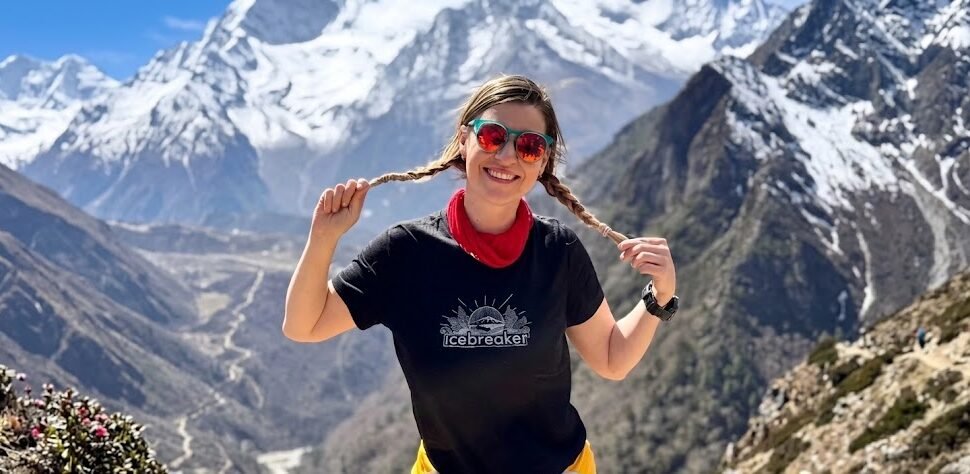

April is the month most trekkers picture when they imagine the Manaslu Circuit at its best. The rhododendron forests below Jagat and Philim are in full bloom, the weather has settled into a stable pattern after the transition of March, and Larkya La Pass is usually clear enough to cross without the deep snow that can block the route in deep winter. At Next Trip Nepal we run more Manaslu departures in April than in almost any other month, and this guide covers what our guides actually see on the trail this time of year, not just generic advice copied from a brochure.
This article is long because April deserves a proper explanation. We cover temperatures at every stage of the route, how busy the trail gets, what permits cost this year, what to pack for a nine day or fourteen day itinerary, how to train for the altitude, and honest answers to the questions our office gets asked every single week during booking season. Read the sections that matter to you, or read straight through if you want the full picture before you commit to a spring departure.
Why April Is Considered Peak Season on Manaslu
Manaslu has two peak trekking windows each year, spring and autumn. April sits at the heart of the spring window along with early May. The reasons are simple once you understand the mountain. Winter snow has mostly cleared from the lower and middle sections of the trail by April, the monsoon rains that will arrive in June have not yet started, and daytime temperatures across most of the route are comfortable for walking six or seven hours a day without either freezing or overheating.
There is also a visual reason April draws so many trekkers. The forests between Machha Khola and Namrung fill with blooming rhododendron in red, pink and white, something you simply will not see in October or November. Combine that with clear mountain views on most days and you get a trek that photographs beautifully from the first day to the last.
April Weather And Temperature On The Manaslu Circuit
At lower elevations, from Soti Khola through Jagat and Deng, daytime temperatures in April typically run between 15 and 25 degrees Celsius, occasionally warmer in direct sun along the Budhi Gandaki river valley. Nights at these lower villages stay mild, rarely dropping below 8 or 9 degrees.
As you climb toward Namrung, Lho and Samagaon, expect daytime highs closer to 10 to 15 degrees with clear sun, dropping quickly once the sun goes behind the ridgeline in late afternoon. Nights at Samagaon and above regularly fall to freezing or a few degrees below.
At high altitude camps like Samdo and Dharamsala, and on the morning crossing of Larkya La itself at 5106 meters, April mornings before sunrise commonly sit between minus 5 and minus 10 degrees Celsius, with wind chill making it feel colder still. Once the sun rises the temperature on the pass climbs quickly, which is one reason guides push for an early start on crossing day, usually well before dawn.
Afternoon cloud buildup becomes more common as April progresses, especially in the second half of the month. It is rarely heavy rain this early in the season, more often a few hours of cloud cover or light showers that clear again by evening. Mornings remain the most reliable window for mountain views throughout April.
Larkya La Pass Conditions In April
By April, Larkya La has usually shed most of the deep winter snowpack that can make December through February crossings slow and occasionally dangerous. That does not mean the pass is easy. At 5106 meters it remains the highest and most physically demanding day of the entire trek regardless of season, and overnight snowfall is still possible even in mid or late April.
Our guides check conditions at Dharamsala the evening before a crossing and again first thing in the morning. A typical April crossing starts between 4 and 5 in the morning so the group reaches the highest point and begins descending toward Bimtang before the afternoon wind picks up. The trail itself is generally well defined by April since enough trekking groups have already passed through the season to pack down a visible route, though a guide who knows the terrain remains essential, particularly if fresh snow falls overnight and covers the trail markers.
It also helps to understand why the shoulder months around April behave differently. March can still carry a cold snap left over from winter, and by late May the monsoon clouds begin building earlier each afternoon. April sits in the calm middle ground between those two extremes, which is precisely why so many trekking companies, ourselves included, schedule the bulk of their spring departures within this single month rather than spreading them evenly across the whole season.
Trail Conditions From Machha Khola To Samagaon
The lower section of the Manaslu Circuit, from the roadhead at Machha Khola or Soti Khola up through Jagat, Deng and Namrung, is at its most attractive in April. The trail follows the Budhi Gandaki river through forest and terraced farmland, and this is exactly the stretch where rhododendron forests put on their spring display. Trail conditions underfoot are generally good, dry in most sections, though a few landslide prone areas near the river require care regardless of season.
Above Namrung, as the trail climbs toward Lho and Samagaon, the forest thins and gives way to more open alpine terrain with clear views toward Manaslu itself on good weather days. This is often the point where trekkers first really feel the altitude, and it is why the itinerary builds in an acclimatization day at Samagaon before continuing higher.
Suspension bridges crossing the Budhi Gandaki are a regular feature of the lower trail, and in April water levels are moderate compared to the swollen rivers of monsoon season, so crossings feel stable and manageable. Trail maintenance teams and local porters keep the main route in reasonably good shape through spring, though after a wet winter certain stretches near Deng and Ghatta Khola can still be muddy for a day or two after rain. Sturdy waterproof boots are worth the investment for exactly these sections.
How Busy Is The Trail In April
April is genuinely busy by Manaslu standards, though still nowhere near as crowded as the Everest or Annapurna routes even in peak season. You will regularly see other trekking groups at teahouses and on the trail, and popular lodges in Samagaon, Samdo and Dharamsala can fill up on the busiest nights, particularly around public holidays or when several agencies schedule departures in the same window.
We recommend booking your permits and confirming your itinerary at least a month ahead if you are planning an April departure, and earlier than that if your dates fall in the second half of the month when demand peaks. Guides and agencies also get busier in April, so lining up your trekking permits and guide well in advance avoids the scramble that can happen with last minute bookings.
That said, busy on Manaslu is a relative term. Even on the most crowded days of April you are looking at a handful of other groups passing through each village rather than the long lines of trekkers you might encounter on the Everest Base Camp trail during its own peak weeks. Many clients who choose Manaslu specifically do so because it offers a genuine wilderness feeling with real Himalayan scenery, without the crowded teahouses and packed trails found elsewhere. April is the busiest this particular trek gets, and it still feels remote and quiet compared to Nepal’s more famous routes.
Permits Required For The Manaslu Circuit In 2026
Every foreign trekker on the Manaslu Circuit needs three permits, all of which must be arranged through a registered trekking agency. You cannot get these permits independently at the trailhead the way you might on some other routes in Nepal.
The Restricted Area Permit, or RAP, covers the section of trail through the Manaslu restricted zone. For the December through August window, which includes April, the RAP costs 75 US dollars for the first week and 10 US dollars per day after that. This is lower than the September through November autumn rate of 100 dollars for the first week and 15 dollars per day, so an April trek is actually somewhat cheaper on permit fees than the same trip in October.
The Manaslu Conservation Area Permit, or MCAP, costs around 3000 Nepali rupees for foreign nationals, roughly 30 US dollars at current exchange rates. The Annapurna Conservation Area Permit, or ACAP, is required because the trail exits through Dharapani and Besisahar into the Annapurna Conservation Area, and it carries the same fee structure as MCAP.
As of the March 2026 update from the Department of Immigration, the old requirement of a minimum two person group for the RAP has been removed, so solo trekkers can now obtain the permit on their own. A licensed guide is still mandatory for the Manaslu restricted area regardless of group size, and all permits still have to be processed through a registered trekking agency rather than independently.
What To Pack For An April Manaslu Trek
April packing sits somewhere between full winter gear and light spring layers, because you experience both extremes within a single day once you climb above Samagaon. A good rule our guides give clients is to pack for warm daytime walking at low altitude and genuinely cold pre dawn conditions on the pass.
- A lightweight base layer for warm lower altitude walking days
- A midweight fleece or insulated jacket for evenings at altitude
- A down jacket rated for temperatures well below freezing for the pass crossing morning
- Waterproof and windproof outer shell, since afternoon cloud and light rain become more common later in April
- Sturdy broken in trekking boots with good ankle support
- Warm hat, sun hat, buff or neck gaiter, and sunglasses rated for high altitude glare
- Insulated gloves plus a thin liner glove for warmer sections
- Trekking poles, particularly useful on the steep descent from Larkya La toward Bimtang
- A sleeping bag rated to at least minus 15 degrees Celsius for nights at Samdo and Dharamsala
- Water purification tablets or a filter, headlamp with spare batteries, and a basic first aid kit including altitude sickness medication
Most of this gear can be rented affordably in Thamel in Kathmandu before you set out, which is useful if you do not want to buy expensive down jackets and sleeping bags you may only use once. Our team can point clients to reliable rental shops during the pre trek briefing.
Physical Preparation For The Trek
The Manaslu Circuit is a demanding trek, not a casual walk, and April conditions do not change that reality even though the weather is friendlier than in winter. Most itineraries involve five to seven hours of walking most days, with several long climbing days above 3500 meters and the big push over Larkya La itself.
We recommend building a training routine at least six to eight weeks before departure that includes regular cardio work, hiking with a loaded daypack on hilly terrain if you have access to it, and some strength training focused on legs and core. You do not need to be an elite athlete, but a reasonable baseline of fitness makes the trek considerably more enjoyable and reduces your risk of injury or excessive fatigue at altitude.
A simple way to test your readiness before booking is to ask yourself whether you can comfortably walk five to six hours on hilly ground carrying a light daypack, on two or three consecutive days, without significant soreness the following morning. If that sounds manageable, a bit of dedicated training in the weeks before your trip will bring you comfortably up to trek standard. If it sounds difficult right now, start earlier and build up gradually rather than cramming a training plan into the final two weeks before departure.
Cost Breakdown For An April Manaslu Circuit Trek
| Item | Approximate Cost (USD) |
|---|---|
| Restricted Area Permit, first week | 75 |
| Restricted Area Permit, additional days | 10 per day |
| Manaslu Conservation Area Permit | 30 |
| Annapurna Conservation Area Permit | 30 |
| Licensed guide, per day | 25 to 35 |
| Porter, per day, optional | 20 to 25 |
| Teahouse accommodation, per night | 5 to 15 |
| Meals, per day | 20 to 30 |
| Gear rental in Thamel, full set | 60 to 100 |
| Travel insurance covering high altitude trekking | Varies by provider |
These figures are approximate and will vary depending on how many days you spend on the trail, whether you hire a porter, and which teahouses you stay in. A typical fourteen day itinerary including permits, guide, basic teahouse accommodation and meals tends to land in a broad range that our team is happy to break down in detail during a booking consultation.
Acclimatization And Altitude Safety
Altitude sickness does not care what month it is. The standard itinerary builds in an acclimatization day at Samagaon around 3530 meters, with an optional side trip toward Manaslu Base Camp or Pungen Gompa to help the body adjust before pushing higher. Ascending slowly, drinking enough water, and listening to how your body feels matter more than any single piece of gear.
Many trekkers carry Diamox as a preventive measure, though this should be discussed with a doctor before you travel rather than decided on the trail. Our guides are trained to recognize early symptoms of acute mountain sickness and will not hesitate to slow the pace, add a rest day, or in serious cases arrange a descent if a client shows signs of trouble. Do not hide symptoms from your guide out of a wish to keep moving. Honesty here keeps the whole group safe.
The classic symptoms to watch for include headache that does not resolve with rest or basic pain relief, nausea, loss of appetite, unusual fatigue, dizziness, and difficulty sleeping beyond the normal adjustment to altitude. Mild symptoms are common and usually manageable with rest and fluids. Worsening symptoms, confusion, loss of coordination, or breathlessness at rest are signs that require immediate descent, and this is a decision your guide is trained and empowered to make regardless of how the client feels about turning back.
Food And Accommodation Along The Route
Teahouses along the Manaslu Circuit offer simple but reliable meals, mostly variations on dal bhat, fried rice, noodles, soup and basic pasta dishes, along with tea, coffee and hot lemon drinks that are genuinely welcome on cold mornings. Dal bhat in particular is worth eating regularly since most teahouses offer free refills, and it gives you steady energy for long walking days.
Rooms are basic, usually twin share with a shared bathroom, sometimes with an attached bathroom in the more developed villages like Samagaon. Do not expect hot showers everywhere, and where they exist they are often an extra charge. Blankets are usually provided but bringing your own sleeping bag rated for the altitude is still recommended, especially for nights at Samdo and Dharamsala.
Sample April Itinerary
A typical fourteen day Manaslu Circuit itinerary in April looks something like this. Day one, drive from Kathmandu to Machha Khola. Day two, trek to Jagat. Day three, trek to Deng. Day four, trek to Namrung. Day five, trek to Lho. Day six, trek to Samagaon. Day seven, acclimatization day at Samagaon with optional side trip. Day eight, trek to Samdo. Day nine, trek to Dharamsala. Day ten, cross Larkya La and descend to Bimtang. Day eleven, trek to Tal or Dharapani. Day twelve, trek to Jagat area or continue toward Besisahar. Day thirteen, drive toward Kathmandu. Day fourteen, buffer or arrival day in Kathmandu.
We also run shorter nine or ten day versions of this itinerary for clients with limited time, which compress the lower section using jeep transport on rougher roads to save walking days. This shortens the trip considerably but reduces natural acclimatization time, so we generally recommend the longer itinerary unless time truly does not allow it.
Manaslu Base Camp Side Trip
The optional side trip toward Manaslu Base Camp from Samagaon is one of the highlights of an April trek. Clear spring weather often gives excellent views of Manaslu’s south face from the base camp approach, and the walk itself serves double duty as useful acclimatization before continuing toward Samdo and the pass. It is a full day out and back, so it does add time to your itinerary, but most clients who do it consider it one of the best days of the whole trek.
Travel Insurance For High Altitude Trekking
Do not book a Manaslu trek without proper travel insurance that specifically covers high altitude trekking up to at least 5500 meters and includes helicopter evacuation. General travel insurance policies often exclude trekking above a certain altitude, and this is exactly the kind of detail that matters if something goes wrong at Dharamsala or on the pass itself, far from a road. Read your policy carefully before you travel, and keep a copy of the policy number and emergency contact details with you on the trek.
Getting To The Trailhead
Most Manaslu Circuit itineraries begin with a drive from Kathmandu to Machha Khola or Soti Khola, typically taking seven to nine hours depending on road conditions, which can vary considerably along this route. Some itineraries use a jeep for a rougher but shorter drive further up the valley to save a day of walking. On the return leg, most groups exit through Dharapani or Besisahar toward Kathmandu, either by road or with a short additional trek connecting to the Annapurna region road network.
April Compared To Other Months
| Month | High Altitude Daytime | Crowd Level | Notable Feature |
|---|---|---|---|
| March | Minus 10 to 0 C | Moderate | Rhododendron begins blooming lower down |
| April | Minus 5 to 5 C | Busy, peak spring | Full rhododendron bloom, stable weather |
| May | Minus 2 to 8 C | Busy, tapering late month | Warmest pre monsoon month, afternoon cloud |
Pros And Cons Of Trekking In April
The clear advantages of an April trek are stable weather, comfortable daytime temperatures at most elevations, full rhododendron bloom in the lower forests, and a pass crossing that is usually manageable without the deep snow risk of deeper winter months. Photography conditions are consistently good, especially in the morning hours.
The downsides worth knowing about before you book are higher trail traffic than the shoulder months, which means teahouse rooms fill faster and you should book ahead, plus a small but real chance of afternoon cloud or light rain, particularly in the last week of the month as the season transitions toward May. If total solitude on the trail matters more to you than stable weather, consider November or a well planned March departure instead.
It genuinely comes down to what you value most on a trek like this. Trekkers who prioritize reliable weather and want the best odds of a clear pass crossing tend to leave April feeling they made the right call. Trekkers who value quiet trails above almost everything else sometimes prefer the thinner crowds of November, even if nights are colder. Neither choice is wrong, and our team is happy to talk through your priorities during the booking process rather than simply pushing whichever month suits our schedule best.
Photography In April
April is arguably the single best month for photography on the Manaslu Circuit because you get two things at once that rarely overlap elsewhere in the year, blooming rhododendron forests at lower elevation and clear mountain views at higher elevation. Morning light on Manaslu itself from the Samagaon area and the base camp approach is consistently excellent, and the forest sections between Jagat and Namrung offer color you simply will not find in autumn.
Wildlife And Nature Along The Trail In Spring
Spring brings the forest sections of the trail alive. Beyond the rhododendron, you may spot Himalayan langur monkeys in the forest canopy, a wide variety of birdlife including sunbirds and pheasants at lower elevation, and if you are fortunate and quiet on the higher sections, signs of blue sheep on the slopes above Samdo. Our guides who grew up in this region are often the best resource for spotting wildlife, since they know exactly where and when animals tend to appear.
The forest floor in April is also worth watching closely rather than only looking up at the canopy or ahead toward the mountains. Wildflowers other than rhododendron appear along the trail edges, including several species of orchid at the lower elevations and a variety of alpine flowers as you climb higher toward the tree line. Even trekkers who do not consider themselves particularly interested in botany often find themselves stopping regularly for photographs of the forest itself, not just the distant peaks.
Health And Hygiene On The Trail
Basic hygiene practices matter enormously on a long trek like this. Wash your hands regularly, particularly before meals, carry hand sanitizer for situations where water is not available, and treat all drinking water either with a filter, purification tablets, or by drinking boiled water available at most teahouses for a small fee. Stomach upset is one of the most common reasons trekkers have a rough trip, and most cases are preventable with basic care around food and water.
Village Life And Culture Along The Route
The upper Manaslu region, particularly around Lho, Shyala and Samagaon, is home to communities with strong Tibetan Buddhist traditions. You will pass mani walls, prayer wheels, and chortens throughout the trek, and the monastery at Lho is worth a visit if your schedule allows a short stop. Please walk clockwise around mani walls and stupas as is customary, and ask before photographing people or ceremonies, a small courtesy that is always appreciated by local communities who host trekkers throughout the season.
Many families in the upper Nubri villages run the teahouses you will stay in, and a large share of household income during trekking season comes directly from hosting visitors like you. Spending a little extra time chatting with your hosts, buying snacks or drinks locally rather than only what you carried in, and generally treating each stop as a visit to someone’s home rather than just an overnight stay tends to make the trip more rewarding for everyone involved, trekkers and hosts alike.
Tips From Our Guides
Start walking early each day, both to make the most of clear morning weather and to avoid finishing in the dark. Drink more water than you think you need, dehydration at altitude is easy to underestimate. Change into dry clothes as soon as you stop for the day, since staying in sweaty layers in cold air is a fast way to get chilled. Pace yourself on the climb to Larkya La rather than rushing, a slow steady rhythm gets you over the pass in better shape than pushing hard and needing frequent long breaks. And trust your guide’s judgment on weather and timing decisions, they read conditions on this specific route every week of the season.
Group Departures Versus Private Treks
April’s popularity means fixed group departures fill relatively easily, which can be a good option if you want to meet other trekkers and share costs. Private treks give you more flexibility on pace and daily schedule, useful if you want extra time at Samagaon or want to adjust your itinerary around the base camp side trip. Both options are available for April dates, and our team can advise on which fits your travel style and timeline better.
Frequently Asked Questions About Trekking In April
Is April a good month for the Manaslu Circuit Trek? Yes, along with October and November, April is one of the most reliable months for the trek, with stable weather, good visibility and the added bonus of rhododendron bloom in the lower forests.
How cold does it get on Larkya La in April? Expect pre dawn temperatures on crossing day between minus 5 and minus 10 degrees Celsius, with wind chill making it feel colder. It warms quickly once the sun is up.
Do I need to book teahouses in advance for April? You cannot formally reserve most teahouse rooms in advance the way you would a hotel, but your guide typically calls ahead to the next stop to check availability, which is one of the practical benefits of trekking with a licensed guide during busier months.
Can solo trekkers get a permit in April 2026? Yes, following the March 2026 immigration update, the two person minimum for the Restricted Area Permit has been removed, so solo trekkers can obtain the permit provided they trek with a licensed guide through a registered agency.
Is altitude sickness a concern in April specifically? Altitude sickness risk depends on ascent rate and individual physiology rather than the calendar month. The standard acclimatization schedule applies in April exactly as it would in any other season.
What is the best camera gear for an April trek? A lightweight mirrorless or DSLR with a versatile zoom lens covers most needs, along with spare batteries since cold mornings drain battery life quickly, and a simple lens cloth for the dust common on the lower trail sections.
How many days should I budget for the trek? Most clients choose between a nine day fast paced itinerary and a fourteen day itinerary with better acclimatization built in. We generally recommend fourteen days unless time truly does not allow it, since it reduces altitude risk and gives you time to properly enjoy the base camp side trip.
Booking An April Manaslu Circuit Trek With Next Trip Nepal
April is one of our busiest months for Manaslu departures, and for good reason. The combination of stable weather, blooming rhododendron forests and a manageable pass crossing makes it one of the friendliest windows of the year for a first time Manaslu trekker while still offering plenty to challenge experienced mountain travelers.
Our guides know this route through every season, and our team handles the permit paperwork, teahouse coordination and safety planning so you can focus on the trek itself. If you are considering an April departure, reach out to our team early, since the busiest weeks of the month fill up faster than you might expect. We are happy to walk you through a full itinerary, discuss group versus private options, and answer any remaining questions about gear, cost, or the route itself before you commit to your dates.
Every year we speak with clients who tell us April was the single best month they could have picked for this particular trek, and we also speak with clients who ask about quieter alternatives once they hear how popular the month has become. There is no single right answer for every traveler. What we can promise is honest advice based on what our guides see on the ground each season, straightforward permit handling, and a team that treats your safety and your experience on the trail as the two things that matter most, from the first email you send us through the final day back in Kathmandu.
Explore Other Months
Curious how the Manaslu Circuit Trek compares at a different time of year? Read our guide to trekking Manaslu in March or trekking Manaslu in May, or see our full Manaslu Circuit Trek overview for general route details, difficulty and highlights.