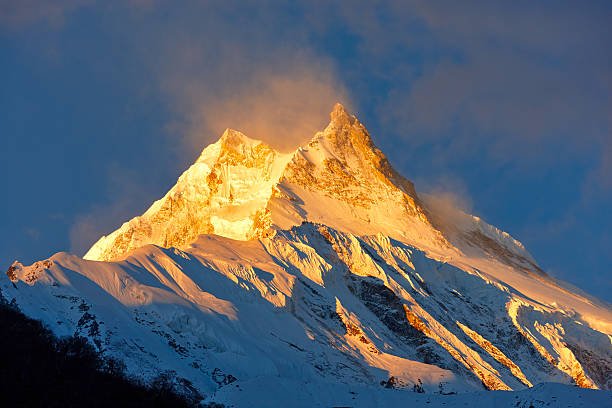

May is the last dependable window before the monsoon changes everything on the Manaslu Circuit, and it is also the warmest month of the entire spring season. At Next Trip Nepal our May departures attract a particular kind of trekker, someone who wants the stable trail conditions of spring but does not mind slightly warmer, more humid days at lower elevation in exchange for green forests, wildflowers and a trail that starts to feel quieter as April’s crowds thin out. This guide walks through exactly what to expect on a May Manaslu Circuit Trek, based on what our guides record on the ground each season, not generic advice recycled from a brochure.
We cover temperature at every stage of the trek, how Larkya La behaves this time of year, what changes as May progresses toward the monsoon, permit costs for 2026, packing advice, training tips, a full cost breakdown, and honest answers to the questions we hear most often from clients considering this particular month.
Why Consider May For The Manaslu Circuit
May sits at the tail end of the spring trekking season, after the busiest weeks of April have passed and before the monsoon rains of June arrive. This gives May a distinct character. Early May often still carries the stable, clear weather patterns of April, while late May increasingly shows the first signs of the coming monsoon, with more frequent afternoon cloud and the occasional shower.
Trekkers who choose May are often drawn by two things, warmer temperatures at lower and middle elevations compared to the cooler nights of April, and a trail that has begun to quiet down after peak season. If you want spring like conditions with a bit more breathing room on the trail and do not mind some afternoon cloud, May is worth serious consideration.
There is also a practical scheduling reason many international trekkers land on May. School terms in several countries wrap up around this time, and a number of clients tell us May fits their calendar better than April, when work or study commitments are harder to clear. Whatever the reason someone ends up choosing this month, our experience is that most May trekkers leave satisfied, provided they arrive with realistic expectations about afternoon weather rather than assuming every day will look like a postcard from start to finish.
May Weather And Temperature On The Manaslu Circuit
At lower elevations from Soti Khola through Jagat and Deng, daytime temperatures in May commonly reach 18 to 28 degrees Celsius, noticeably warmer and more humid than April. Walking through the lower forest sections in the middle of the day can feel genuinely hot, especially in direct sun near the river.
As you climb toward Namrung, Lho and Samagaon, daytime temperatures ease into a more comfortable range, though the air still feels noticeably warmer than in April at the same elevation. Nights at Samagaon remain cool but rarely as cold as the freezing or below freezing nights common earlier in spring.
At high altitude camps like Samdo and Dharamsala, and on Larkya La itself at 5106 meters, expect pre dawn temperatures on crossing day between roughly minus 2 and minus 8 degrees Celsius. This is meaningfully milder than the deep cold of January or February crossings, though still cold enough to demand proper down layers and a warm sleeping bag.
Afternoon cloud buildup is a defining feature of May, more pronounced than April and increasing as the month progresses. Mornings remain the most reliable window for clear mountain views, with clouds typically rolling in by early to mid afternoon. Occasional showers become more common in the second half of the month, though they are usually brief rather than the sustained heavy rain of full monsoon season.
Humidity is the single biggest difference most trekkers notice compared to earlier spring months. Even on a clear morning, the air at lower elevation feels heavier and warmer than it would in March or April, and this can catch first time visitors slightly off guard if they packed expecting cooler conditions throughout. Layering becomes especially important in May, since you may start the day in a light shirt at Machha Khola and end it wrapped in a down jacket at Samdo just a week later.
Early May Versus Late May
The difference between early and late May can be significant, similar in some ways to the early versus late March transition but running in the opposite direction. Early May often still feels like an extension of April, with clear mornings, moderate afternoon cloud and a relatively dry trail. By the final week of May, humidity climbs, afternoon showers become more frequent, and the trail starts to show the first signs of the wetter conditions that will define June.
If getting the most reliable weather is your top priority, aim for an early or middle May departure rather than the final week of the month. If you have flexibility and want a genuinely quiet trail while still avoiding the heaviest monsoon rain, late May can work well, provided you pack appropriately for wetter conditions and set realistic expectations about visibility on any given afternoon.
We often suggest clients think of May less as a single fixed set of conditions and more as a gradient, with day one of the month behaving much like late April and day thirty one behaving much like early June. Where your particular departure lands on that gradient depends entirely on your exact dates, and our team is happy to talk through the tradeoffs for any specific week you are considering.
Larkya La Pass Conditions In May
By May, Larkya La has generally cleared of the heavier winter and early spring snowpack, and the pass crossing tends to be more straightforward than in the colder months. That said, snow is still possible at this elevation even in May, and our guides continue to check conditions at Dharamsala each evening before a crossing.
A typical May crossing still starts well before dawn, both to take advantage of the calmer early morning weather and to reach Bimtang before afternoon cloud and possible showers roll in. Wind on the pass can pick up quickly once the sun is higher, so an early start remains the standard approach regardless of how mild the overall month feels lower down.
Trail Conditions From Machha Khola To Samagaon
The lower trail through Jagat, Deng and Namrung is lush and green in May, with the last of the rhododendron blooms fading at lower elevation while other wildflowers and greenery take over. Humidity is noticeably higher than in April, and the forest sections can feel thick and warm during midday walking hours.
Trail conditions underfoot remain generally good early in the month, though occasional afternoon showers in the second half of May can leave certain sections muddy, particularly near stream crossings and lower forest paths. Waterproof boots and gaiters are a sensible addition to your packing list for a May departure, more so than they would be for a March or April trip.
The river itself also looks different in May compared to earlier spring months. Snowmelt from higher elevations combines with the first rains of the approaching monsoon to raise water levels along the Budhi Gandaki, and the suspension bridges that carry the trail across the river become an even more obvious feature of the walk. These bridges are well maintained and safe for regular trekking traffic, but they can sway noticeably in wind, so a steady pace and a firm grip on the cables is good practice regardless of how many times you have crossed similar bridges before.
How Busy Is The Trail In May
May is noticeably quieter than April on the Manaslu Circuit, particularly as the month progresses and word spreads that the monsoon is approaching. Early May can still feel moderately busy as the tail end of spring bookings play out, but by the middle and later parts of the month, teahouse occupancy drops and the trail feels considerably more peaceful.
This makes May an appealing choice for trekkers who want a genuine sense of solitude without giving up entirely on stable weather. You will still need standard permits arranged in advance, but booking pressure and teahouse competition are lower than during the peak weeks of April or October.
Guides also have a bit more schedule flexibility in May compared to the busiest stretches of spring, which can make it easier to arrange a private departure on relatively short notice if your travel plans come together quickly. That said, we still recommend booking at least a few weeks ahead where possible, both to secure your preferred guide and to allow enough time for permit processing before you arrive in Kathmandu.
Permits Required For The Manaslu Circuit In 2026
Every foreign trekker needs three permits for the Manaslu Circuit, arranged through a registered trekking agency rather than independently at the trailhead.
The Restricted Area Permit, or RAP, falls under the December through August pricing window for a May trek, costing 75 US dollars for the first week and 10 US dollars per day after that, lower than the autumn peak season rate of 100 dollars for the first week and 15 dollars per day.
The Manaslu Conservation Area Permit, or MCAP, costs around 3000 Nepali rupees for foreign nationals, roughly 30 US dollars. The Annapurna Conservation Area Permit, or ACAP, carries the same fee structure and is required because the route exits through Dharapani and Besisahar into Annapurna Conservation Area territory.
Following the March 2026 update from the Department of Immigration, solo trekkers can now obtain the Restricted Area Permit without needing a second person in their group. A licensed guide remains mandatory regardless of group size, and permits must still be processed through a registered agency.
What To Pack For A May Manaslu Trek
May packing leans lighter than earlier spring months at lower elevation, but still needs to account for cold conditions on the pass and the increasing chance of rain as the month goes on.
- Lightweight, breathable clothing for warm and humid lower altitude walking days
- A midweight fleece or insulated jacket for cooler evenings at altitude
- A down jacket for the pass crossing morning, since temperatures there remain well below freezing even in May
- A reliable waterproof shell, more important in May than in earlier spring months given the higher chance of afternoon showers
- Gaiters, useful for muddy sections after rain
- Sturdy broken in trekking boots, ideally with good waterproofing
- Sun hat, sunglasses and sun protection for warmer, more humid lower elevation walking
- Insulated gloves for the pass crossing plus a lighter pair for cooler mornings lower down
- A sleeping bag rated to at least minus 10 to minus 15 degrees Celsius for nights at Samdo and Dharamsala
- Water purification tablets or a filter, headlamp with spare batteries, and a basic first aid kit including altitude sickness medication
Most gear can be rented in Thamel in Kathmandu before departure. Our team can point you to reliable rental shops during your pre trek briefing, which saves the cost of buying specialist gear you may not use again.
Physical Preparation For The Trek
The physical demands of the Manaslu Circuit do not change with the calendar, and a May trek requires the same level of fitness as any other season. Most itineraries involve five to seven hours of walking most days, with several demanding climbing days above 3500 meters and the significant push over Larkya La.
We recommend starting a training routine at least six to eight weeks before departure, combining regular cardio, hiking with a loaded daypack on hilly terrain where possible, and basic strength training for legs and core. The warmer, more humid conditions of May can add an extra layer of physical demand on lower elevation days, so building general heat tolerance through your training, if your local climate allows it, is a reasonable extra step to consider.
Cost Breakdown For A May Manaslu Circuit Trek
| Item | Approximate Cost (USD) |
|---|---|
| Restricted Area Permit, first week | 75 |
| Restricted Area Permit, additional days | 10 per day |
| Manaslu Conservation Area Permit | 30 |
| Annapurna Conservation Area Permit | 30 |
| Licensed guide, per day | 25 to 35 |
| Porter, per day, optional | 20 to 25 |
| Teahouse accommodation, per night | 5 to 15 |
| Meals, per day | 20 to 30 |
| Gear rental in Thamel, full set | 60 to 100 |
| Travel insurance covering high altitude trekking | Varies by provider |
These are approximate figures and will vary depending on your itinerary length, whether you hire a porter, and which teahouses you choose. Our team is happy to provide a detailed breakdown specific to your dates and preferences during a booking consultation.
Acclimatization And Altitude Safety
Altitude sickness risk is determined by ascent rate and individual physiology rather than the season, so the standard acclimatization protocol applies in May exactly as it does at any other time of year. The itinerary builds in a rest day at Samagaon around 3530 meters, often paired with an optional side trip toward Manaslu Base Camp or Pungen Gompa to aid acclimatization before continuing higher.
Many trekkers choose to carry Diamox as a preventive measure, a decision that should be discussed with a doctor before travel rather than decided on the trail. Our guides are trained to watch for early symptoms of acute mountain sickness, including headache, nausea, dizziness and unusual fatigue, and will adjust the pace, add rest, or arrange descent if needed. Open communication with your guide about how you are feeling is one of the most important safety tools on the entire trek.
Hydration deserves special mention for a May departure. The warmer, more humid conditions at lower elevation mean you lose fluid faster through sweat than you would in a cooler month, and dehydration compounds altitude related symptoms once you climb higher. Aim to drink noticeably more water on lower elevation days than you think you need, and pay attention to urine color as a simple practical check, aiming for pale yellow rather than dark.
Food And Accommodation Along The Route
Teahouses along the route serve straightforward, reliable meals, mostly dal bhat, fried rice, noodles, soup and simple pasta dishes, along with tea, coffee and hot lemon. Dal bhat remains the best value option since most teahouses offer free refills, giving you steady fuel for long walking days.
Rooms are basic, generally twin share with shared bathrooms, sometimes with attached bathrooms in more developed villages like Samagaon. Hot showers are not universal and often carry an extra charge where available. A sleeping bag rated appropriately for the altitude is still worth bringing, even in the milder conditions of May, especially for nights at Samdo and Dharamsala.
Sample May Itinerary
A typical fourteen day itinerary in May runs as follows. Day one, drive from Kathmandu to Machha Khola. Day two, trek to Jagat. Day three, trek to Deng. Day four, trek to Namrung. Day five, trek to Lho. Day six, trek to Samagaon. Day seven, acclimatization day with optional side trip. Day eight, trek to Samdo. Day nine, trek to Dharamsala. Day ten, cross Larkya La and descend to Bimtang. Day eleven, trek to Tal or Dharapani. Day twelve, continue toward Besisahar or Jagat area. Day thirteen, drive toward Kathmandu. Day fourteen, buffer or arrival day.
Shorter nine or ten day itineraries are also available for clients with limited time, using jeep transport on rougher roads to compress the lower section. This reduces total trip length but also reduces natural acclimatization time, so we generally recommend the longer itinerary where your schedule allows it.
Manaslu Base Camp Side Trip
The optional side trip toward Manaslu Base Camp from Samagaon remains one of the highlights of a May trek, though morning departures for this walk are especially important given the increasing chance of afternoon cloud later in the month. Clear early morning views of Manaslu’s south face from the base camp approach are common, and the walk doubles as valuable acclimatization before continuing toward Samdo and the pass.
Clients who complete this side trip in May often describe it as one of the most memorable parts of the entire journey, since the combination of green lower slopes, wildflowers along the approach, and a still snow covered peak towering above creates a contrast you simply do not see later in the year once the monsoon rains have passed and the landscape turns more autumnal. Bring a warm layer even for this side trip, since the elevation gain from Samagaon is enough to make a real difference in temperature over the course of the day, and pack a few extra snacks and plenty of water since the round trip takes longer and burns more energy than most trekkers initially expect.
Travel Insurance For High Altitude Trekking
Proper travel insurance covering high altitude trekking up to at least 5500 meters, including helicopter evacuation, is essential for any Manaslu Circuit trek regardless of month. Standard travel policies often exclude trekking above a certain altitude, so read your policy carefully before departure and keep a copy of your policy number and emergency contacts with you on the trail.
Getting To The Trailhead
Most itineraries begin with a drive from Kathmandu to Machha Khola or Soti Khola, typically taking seven to nine hours depending on road conditions. Some itineraries use jeep transport further up the valley to shorten the walking portion of the trip. On the return leg, most groups exit through Dharapani or Besisahar toward Kathmandu.
May Compared To Other Months
| Month | High Altitude Daytime | Crowd Level | Notable Feature |
|---|---|---|---|
| April | Minus 5 to 5 C | Busy, peak spring | Full rhododendron bloom, stable weather |
| May | Minus 2 to 8 C | Moderate, thinning through month | Warmest pre monsoon month, afternoon cloud |
| June | 0 to 10 C | Low | Monsoon begins, frequent rain |
Pros And Cons Of Trekking In May
The advantages of a May trek include warmer temperatures at lower and middle elevations, a quieter trail than April, generally manageable conditions on Larkya La, and lush green forest scenery that photographs differently than the drier autumn months. Mornings continue to offer good visibility for most of the month.
The downsides are increasing humidity, a real chance of afternoon showers particularly in the second half of the month, and reduced visibility in the afternoons compared to earlier spring. If reliable all day clear skies matter more to you than a quiet trail, an earlier April departure is likely the better choice. If you can accept variable afternoon weather in exchange for warmer days and a peaceful trail, May works very well.
Photography In May
May offers a different photographic character than April, with lush green forest, dramatic cloud formations building through the afternoon, and occasional striking light as clouds break briefly over the peaks. Morning hours remain the most reliable time for clear mountain shots, so plan your best photography attempts, particularly toward Manaslu itself, for the early part of the day.
Wildlife And Nature Along The Trail
The forest sections of the trail are especially alive in May, with more birdlife activity than earlier in spring, occasional sightings of Himalayan langur monkeys, and increasingly lush undergrowth as the pre monsoon humidity builds. Higher up, blue sheep are sometimes visible on the slopes above Samdo for trekkers who keep a quiet pace and a watchful eye.
Butterflies become noticeably more abundant along the lower and middle sections of the trail in May, drawn out by the warmer temperatures and blooming wildflowers. It is a small detail, but one that many clients mention as a pleasant surprise, especially those who have trekked the same route in the cooler months and did not expect this much visible insect and bird activity on a return visit.
Health And Hygiene On The Trail
Basic hygiene practices become even more important in May’s warmer, more humid conditions. Wash your hands regularly, especially before meals, carry hand sanitizer for situations without access to water, and treat all drinking water either with a filter, purification tablets, or boiled water available at most teahouses. Warmer weather can also mean more insects at lower elevation, so basic insect repellent is a sensible addition to your kit for this particular month.
Sun protection also deserves more attention in May than trekkers often expect. Between the stronger midday sun at lower elevation and the intense high altitude glare once you climb above the tree line, sunburn is a genuinely common minor complaint we hear from clients who underestimated how strong the sun feels at these elevations, even on a partly cloudy day. A broad spectrum sunscreen, a wide brim hat or cap, and lip balm with sun protection are all worth packing and reapplying throughout each day, not just on the mornings that start out clear. Cloud cover does not block ultraviolet rays as effectively as many trekkers assume, so a partly overcast afternoon is not a reason to skip reapplication.
Village Life And Culture Along The Route
The Nubri and Tsum valleys carry strong Tibetan Buddhist traditions, visible in the mani walls, prayer wheels and chortens you pass throughout the trek. Late May can overlap with early Saga Dawa observances in some years, a significant date on the Tibetan Buddhist calendar marking Buddha’s birth and enlightenment, though exact timing shifts annually with the lunar calendar. Walk clockwise around mani walls and stupas as is customary, and ask before photographing people or ceremonies.
Many households in the upper Nubri villages depend on trekking season income to support their families through the rest of the year, and a bit of extra time spent chatting with your teahouse hosts, buying local snacks and drinks, and treating each stop as a visit rather than just an overnight stay tends to make the experience more rewarding for everyone.
Tips From Our Guides
Start walking early to take advantage of the clearer morning weather before afternoon cloud rolls in. Carry a reliable rain shell even on days that start clear, since May weather can change quickly. Drink more water than usual given the warmer, more humid conditions at lower elevation. Change out of sweaty clothing promptly once you stop for the day, and pace yourself on the climb to Larkya La rather than rushing. Trust your guide’s read on weather timing, particularly around the pass crossing, since local knowledge of how conditions shift through the day is one of the most valuable resources you have on this trek.
Group Departures Versus Private Treks
Group departures in May are somewhat less common than in April, given the thinner overall booking numbers, so private treks become a relatively more popular option this time of year. A private trek also gives you more flexibility to adjust your daily start time around morning weather windows, shift a rest day if a forecast looks unfavorable, or simply linger a little longer at a village you particularly enjoy, which can be a genuine advantage in a month where afternoon cloud is more common. Our team can advise on availability for both options depending on your travel dates.
For those traveling with family or a small group of friends, May is often an easier month to coordinate a fully private departure without waiting for a fixed group to fill, simply because overall demand is lighter than during peak season. This can be particularly appealing for trekkers who want to move at their own pace, add an extra rest day somewhere along the route, or build in additional time at Samagaon without needing to match a larger group’s schedule.
Frequently Asked Questions About Trekking In May
Is May a good month for the Manaslu Circuit Trek? Yes, particularly the first half of the month. May offers warmer temperatures, a quieter trail than April, and generally manageable pass conditions, though afternoon cloud and occasional showers increase as the month progresses.
How cold does it get on Larkya La in May? Expect pre dawn temperatures on crossing day between roughly minus 2 and minus 8 degrees Celsius, milder than earlier spring months but still cold enough to require proper down layers.
Will I get rained on during a May trek? Some chance of afternoon showers exists, particularly in the second half of the month, though this is generally brief rather than the sustained heavy rain of full monsoon season in June and July.
Can solo trekkers get a permit in May 2026? Yes, following the March 2026 immigration update, the two person minimum for the Restricted Area Permit has been removed, so solo trekkers can obtain the permit provided they trek with a licensed guide through a registered agency.
Is the trail muddy in May? Occasional muddy sections can appear after afternoon showers, particularly later in the month, though conditions are far short of the consistently muddy trail you would encounter during peak monsoon season.
Should I choose April or May for better weather? April generally offers more consistently clear weather throughout the day, while May offers warmer temperatures and a quieter trail with a higher chance of afternoon cloud. The right choice depends on which factor matters more to you personally.
How many days should I budget for the trek? Most clients choose between a nine day fast paced itinerary and a fourteen day itinerary with better acclimatization built in. We generally recommend fourteen days where your schedule allows it, since it reduces altitude risk and gives you more flexibility around any weather delays.
Booking A May Manaslu Circuit Trek With Next Trip Nepal
May offers a genuinely appealing combination for the right kind of trekker, warmer days, a quieter trail, and generally manageable conditions on Larkya La, balanced against the increasing chance of afternoon cloud and occasional showers as the month progresses toward the monsoon. It rewards a bit of flexibility and a willingness to accept some variable afternoon weather in exchange for a more peaceful trekking experience.
Our guides know this route through every season and can help you choose the right dates within May based on your priorities, whether that means the more reliable weather of early month departures or the quieter trail of late month trips. Reach out to our team to discuss a May Manaslu Circuit itinerary, and we will walk you through everything from permits to packing to the day by day route, so you arrive fully prepared for whichever version of May you choose to trek.
We have watched enough May departures come and go over the years to say honestly that this month rewards trekkers who come prepared for variability rather than expecting the postcard perfect skies of peak autumn or peak spring. Pack the rain shell, plan your best photography attempts for the morning hours, and go in with the expectation that a bit of cloud or a short shower is simply part of the character of this particular window rather than a sign that something has gone wrong. Trekkers who arrive with that mindset consistently tell us they had a wonderful trip, warm days, green forests, a quiet trail, and a genuine sense of the mountain on its own terms rather than the busier, more scheduled feeling of peak season.
Explore Other Months
Curious how the Manaslu Circuit Trek compares at a different time of year? Read our guide to trekking Manaslu in April or trekking Manaslu in June, or see our full Manaslu Circuit Trek overview for general route details, difficulty and highlights.