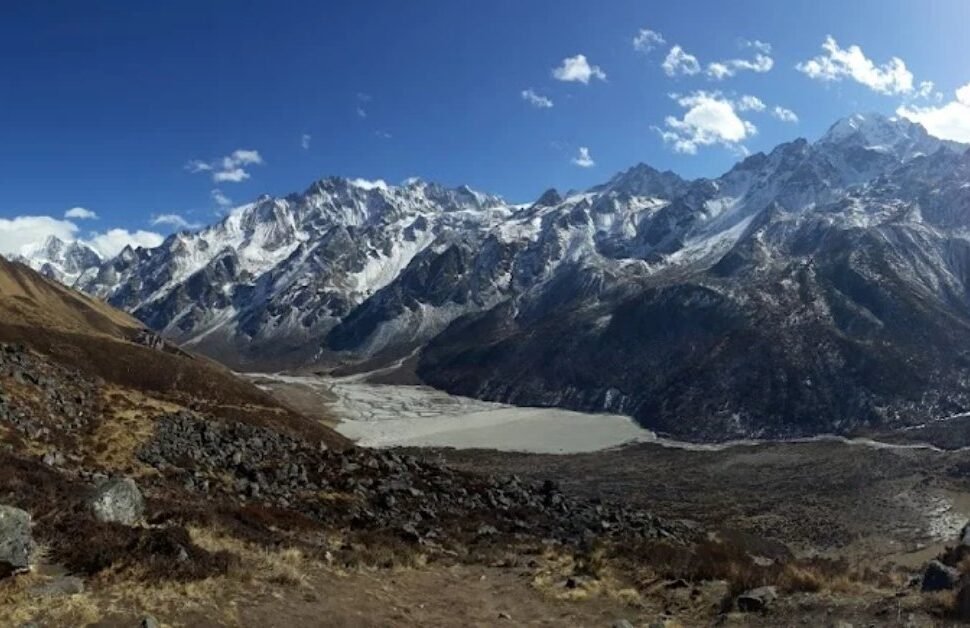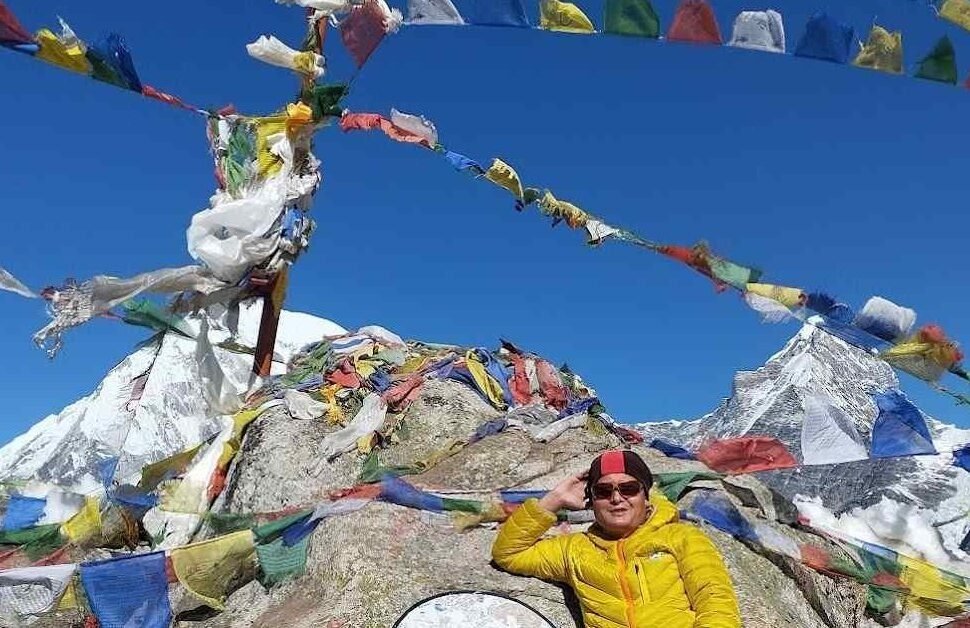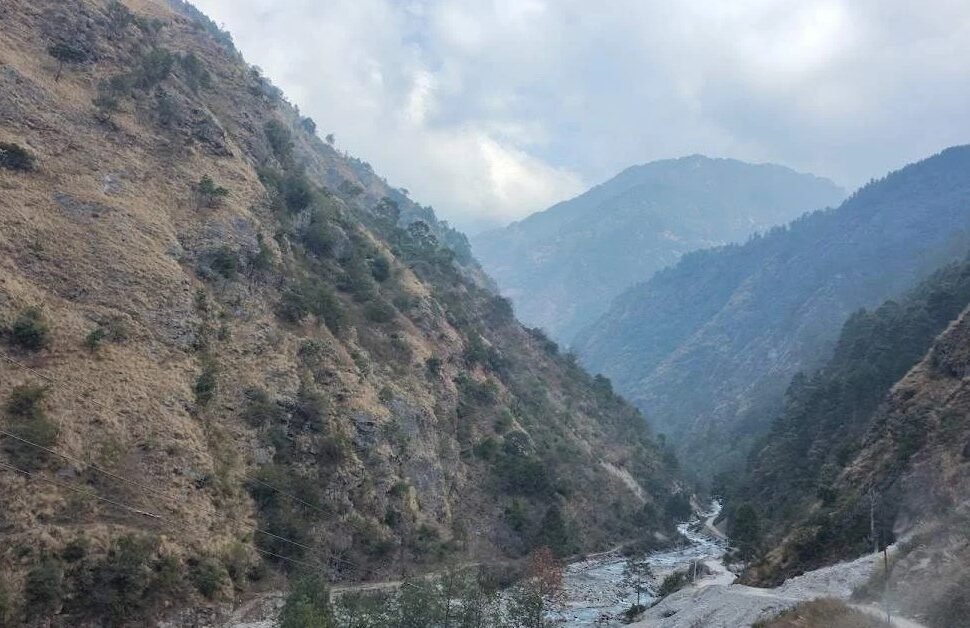
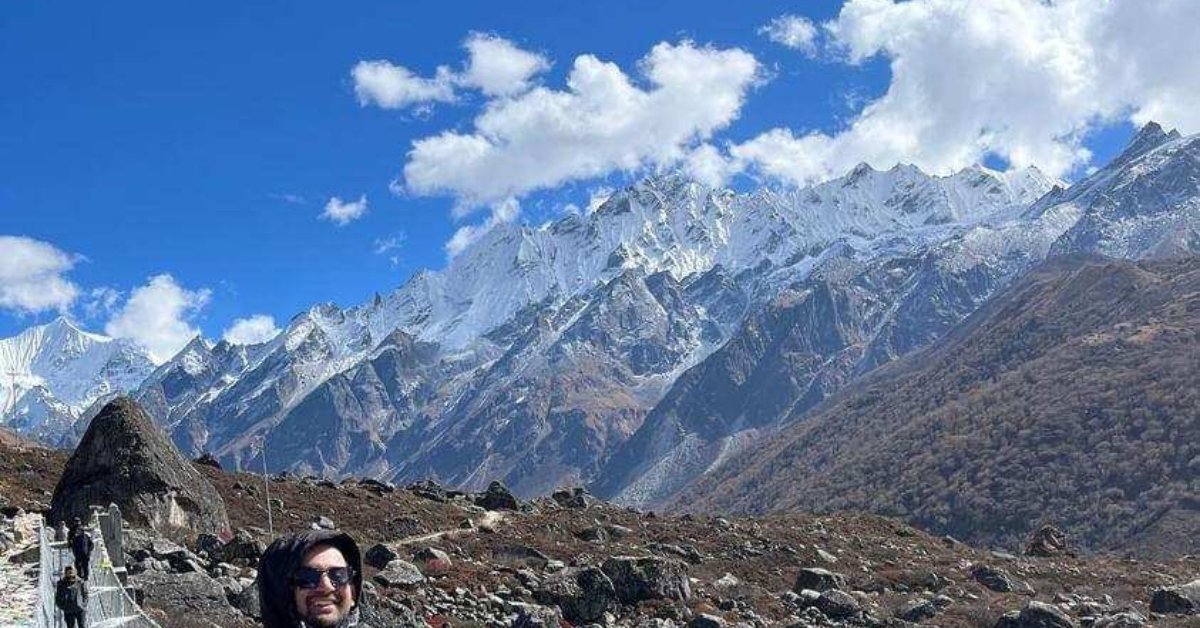
The short answer: October and November are the best months to trek Langtang. Clear skies, dry trails, excellent mountain views, and warm enough daytime temperatures to make the walking pleasant. March through May is the second-best window — slightly less reliable skies but far fewer trekkers. Everything else involves trade-offs worth understanding before you book your flight.
Autumn (October–November): The Peak Season for Good Reason
After the monsoon ends in late September, the Langtang Valley gets washed clean. October arrives with crystal-clear skies, freshly snowcapped peaks, and dry trails that are easy to walk. This is unquestionably the most popular time to trek Langtang, and the conditions justify the crowds.
October temperatures at Kyanjin Gompa (3,870m) sit around 8–14°C during the day and drop to −3 to −7°C at night. You’ll need a proper sleeping bag rated to at least −10°C and warm layers for evenings. During the day on the trail, it’s often warm enough for a light fleece over a base layer if you’re moving steadily.
November is colder — night temperatures at Kyanjin drop to −8 to −12°C — but the skies are often even clearer than October. Fewer trekkers are on the trail by mid-November, which means more breathing room at lodges and a more spacious experience overall. It’s the shoulder of peak season and arguably the best value timing.
The main downside of autumn is lodges filling up. During the last two weeks of October, popular stops like Kyanjin Gompa can be busy. Book ahead if you’re traveling with a trekking agency, or set off early each day to secure a room before the afternoon rush.
| Month | Daytime Temp (Langtang Village) | Night Temp (Kyanjin Gompa) | Rainfall | Trail Conditions |
|---|---|---|---|---|
| September | 16–22°C | 5–10°C | Moderate (clearing late month) | Muddy in early Sept, excellent by late Sept |
| October | 15–22°C | 3–8°C | Very low | Excellent — dry, stable, clear views |
| November | 10–18°C | –2 to 3°C | Very low | Excellent, drier forests, fewer crowds |
| Month | Daytime Temp (Langtang Village) | Night Temp (Kyanjin Gompa) | Rainfall | Trail Conditions |
|---|---|---|---|---|
| March | 8–15°C | –3 to 2°C | Very low | Possible snow above 3,500 m in early March; clearing fast |
| April | 13–20°C | 0–5°C | Low | Excellent — rhododendrons in bloom, clear mornings |
| May | 16–24°C | 4–9°C | Low to moderate | Good mornings, afternoon clouds building by late May |
| Month | Daytime Temp (Langtang Village) | Night Temp (Kyanjin Gompa) | Rainfall | Conditions |
|---|---|---|---|---|
| June | 18–26°C | 8–12°C | High | Rain starts, trail muddy, leeches emerging |
| July | 18–25°C | 8–12°C | Very high | Heaviest rain, lush green, landslide risk on road |
| August | 17–24°C | 8–11°C | Very high | Similar to July, monsoon beginning to ease by late August |
Planning a Langtang Valley Trek? Contact our local team for expert advice and trip planning.
Trek the Langtang Valley with Next Trip Nepal. 8-day package from USD 650, covering all permits, guide, porter and teahouse accommodation. Langtang National Park, Kyanjin Gompa and Tserko Ri viewpoint included.
Spring (March–May): Rhododendrons and Reasonable Crowds
Spring is the second-best season, and it has one specific advantage autumn doesn’t: rhododendrons. Below about 3,000m, the forest trail from Syabrubesi toward Lama Hotel passes through hillsides of rhododendron in bloom — red, pink, and white — from mid-March through April. The lower sections of the Langtang trail look extraordinary during this window.
Temperatures in spring are comfortable: 10–18°C daytime at Lama Hotel (2,470m) in April, cooler at Kyanjin Gompa but rarely brutal. Snow at altitude from the winter months has usually cleared by March, though late-season storms are possible in April and May.
Visibility can be less consistent in spring than autumn — there’s more atmospheric haze and some cloud build-up in the afternoons. Mountain views are excellent in the mornings but can disappear behind cloud by 1–2pm. Plan your summit hikes (Tsergo Ri or Kyanjin Ri) for early morning starts.
May becomes increasingly unstable as the pre-monsoon humidity builds. The first weeks of May are generally fine; late May is a gamble. If you’re planning a May trek, aim to finish by the 20th.
| Month | Daytime Temp (Langtang Village) | Night Temp (Kyanjin Gompa) | Snow | Trail Status |
|---|---|---|---|---|
| December | 5–12°C | –5 to –10°C | Above 3,500 m | Manageable with proper gear |
| January | 2–8°C | –10 to –15°C | Trail sections may have ice/snow | Challenging — some teahouses closed |
| February | 5–12°C | –5 to –8°C | Above 3,500 m | Improving — teahouses reopening |
| Month | Season | Avg Temp (Langtang) | Overall Rating | Crowd Level |
|---|---|---|---|---|
| January | Winter | 2–8°C | Challenging | Very low |
| February | Winter | 5–12°C | Fair | Very low |
| March | Spring | 8–15°C | Good | Low–Medium |
| April | Spring | 13–20°C | Excellent | High |
| May | Spring | 16–24°C | Good | Medium |
| June | Monsoon | 18–26°C | Difficult | Very low |
| July | Monsoon | 18–25°C | Difficult | Very low |
| August | Monsoon | 17–24°C | Difficult | Very low |
| September | Autumn | 16–22°C | Good–Excellent | Low–Medium |
| October | Autumn | 15–22°C | Excellent | Very high |
| November | Autumn | 10–18°C | Excellent | Medium–High |
| December | Winter | 5–12°C | Fair–Good | Low |
| Month | Lama Hotel Day (°C) | Lama Hotel Night (°C) | Kyanjin Gompa Day (°C) | Kyanjin Gompa Night (°C) | Trail Conditions |
|---|---|---|---|---|---|
| January | 8–12 | -2 to 2 | -2 to 4 | -15 to -10 | Snow on upper trail, some passes closed. Teahouses open but few trekkers. |
| February | 10–14 | 0 to 4 | 0 to 6 | -12 to -8 | Snow softening. Trail accessible. Quiet. Best month for winter clarity. |
| March | 14–18 | 4 to 8 | 4 to 10 | -8 to -4 | Spring begins. Rhododendrons at lower elevations. Increasing trekker numbers. |
| April | 16–22 | 6 to 10 | 6 to 14 | -5 to -1 | Peak spring. Rhododendron bloom in full above Lama Hotel. Busy. Excellent visibility. |
| May | 18–24 | 8 to 12 | 8 to 16 | -3 to 2 | Late spring. Pre-monsoon clouds building by afternoon. Still good. Snowmelt makes trails muddy. |
| June | 20–26 | 12 to 16 | 10 to 18 | 2 to 6 | Monsoon starts. Rain daily, especially afternoon and evening. Leeches below 2,500 m. |
| July | 20–26 | 12 to 16 | 12 to 18 | 4 to 8 | Peak monsoon. Heavy rain. Trail can flood. Green and lush. Not recommended for most trekkers. |
| August | 20–26 | 12 to 16 | 12 to 18 | 4 to 8 | Janai Purnima (Gosainkunda). Monsoon. Similar to July. |
| September | 18–24 | 10 to 14 | 10 to 16 | 2 to 6 | Late monsoon. Rain decreasing. Trail drying. Waterfalls at peak. Quiet. |
| October | 16–22 | 4 to 8 | 6 to 14 | -4 to 0 | Peak autumn. Clearest skies of the year. Excellent mountain views. Busiest month. |
| November | 12–18 | 0 to 4 | 2 to 10 | -8 to -3 | Late autumn. Cooling rapidly. Great views, fewer crowds than October. Snow possible above 3,500 m. |
| December | 8–12 | -2 to 2 | -2 to 6 | -12 to -8 | Early winter. Cold, clear, quiet. Snow likely at Kyanjin. A true wilderness experience. |
Winter (December–February): Cold But Possible
Winter trekking in Langtang is uncommon but not impossible. The trail stays open — no permit restrictions change — but the conditions are genuinely harsh above 3,000m. Kyanjin Gompa sees night temperatures of −15 to −20°C in January. Many teahouses in Kyanjin close or run at minimal capacity during December and January. Check with your agency or the lodges directly before committing to a winter trek.
Lama Hotel and Langtang Village lodges typically stay open through winter, though with reduced menus and fewer staff. The lower sections of the trail (Syabrubesi to Lama Hotel) are perfectly fine to walk year-round — the 1,460m starting altitude means mild conditions even in January.
The upside: you’ll have the trail almost entirely to yourself. Trekkers who don’t mind the cold and come prepared with serious sleeping gear (−20°C rated bag minimum for Kyanjin nights), proper down insulation, and waterproof gaiter-style boots can have a genuinely remarkable experience. The valley in winter snow is stunning. Just don’t underestimate the cold or assume you can improvise gear at this time of year.
December is the most manageable of the winter months — temperatures are cold but not extreme, lodges are still open, and the Christmas/New Year period brings a small uptick in trekkers. If you’re doing a winter trip, December is your best bet.
Planning a Langtang Valley Trek? Contact our local team for expert advice and trip planning.
Trek the Langtang Valley with Next Trip Nepal. 8-day package from USD 650, covering all permits, guide, porter and teahouse accommodation. Langtang National Park, Kyanjin Gompa and Tserko Ri viewpoint included.
Monsoon (June–August): Why Most Trekkers Skip It
The monsoon arrives in Langtang in mid-June and runs through mid-September. Rain falls daily, usually in the afternoon, and the trail below 2,500m becomes muddy and slippery. Leeches appear in force on the lower sections — from Syabrubesi to Lama Hotel you’ll find them on wet vegetation alongside the trail. They’re not dangerous, just unpleasant.
Cloud cover during monsoon is persistent. Mountain views from Kyanjin Gompa — the main visual reward of the trek — are largely blocked from June through August. You might get fleeting morning clearances, but counting on a clear view of Gangchenpo or Langtang Lirung is unrealistic in monsoon months.
Trail risk is also higher: sections of the route pass through narrow gorges where rockfall and small landslides are more likely after heavy rain. This isn’t to say the trek is dangerous in monsoon — locals walk it year-round — but the experience is significantly worse, and the rewards are significantly reduced.
If you genuinely have no other choice of dates, late September (after the rains ease but before October’s full peak season) can work. The rhododendrons are long gone, but skies start clearing and the crowds haven’t yet arrived. It’s an underrated timing if you need to avoid peak season costs and busyness.
| Festival | 2026 Date (approx) | Location | What Happens |
|---|---|---|---|
| Losar (Tibetan New Year) | February 17, 2026 | Kyanjin Gompa, Langtang Village | Tamang and Sherpa communities celebrate with masked dances (Cham), traditional food, and monastery ceremonies. Extraordinary to witness. |
| Holi | March 14, 2026 | Syabrubesi, Dhunche | Colour festival celebrated in lowland towns at the trek start. Not observed in the high valley. |
| Bisket Jatra | April 13–14, 2026 | Kathmandu / Bhaktapur | Nepali New Year (Baisakh 1). Celebrated in Kathmandu before or after your trek. |
| Buddha Jayanti (Buddha Purnima) | May 12, 2026 | Kyanjin Gompa Monastery | Buddha’s birth/enlightenment anniversary. The monastery at Kyanjin holds special ceremonies. Small but spiritually significant. |
| Janai Purnima | ~August 9, 2026 | Gosainkunda Lake | The most significant festival in the entire Langtang region — 30,000+ pilgrims ascend to the sacred lake. See our Gosainkunda guide for full details. |
| Dashain (Vijaya Dashami) | October 1–10, 2026 | Throughout Nepal | Nepal’s biggest festival. Most teahouses remain open. Some staff may take a day off. Kathmandu celebrations worth seeing before/after the trek. |
| Tihar (Deepawali) | October 20–24, 2026 | Throughout Nepal | Festival of lights. Beautiful in Kathmandu. Some teahouses may briefly close for Bhai Tika (October 24). Plan arrivals around this date. |
| Yomari Punhi | December 2026 | Tamang villages | Newari/Tamang harvest festival. Celebrated in Langtang Valley communities with rice-flour dumplings (yomari) and community gatherings. |
Month-by-Month Quick Reference
January: Cold, very few trekkers, lodges may be partially closed at Kyanjin. Night temps at −15 to −20°C at the top. Trail below Lama Hotel fine.
February: Warming slightly, still cold nights. A few trekkers start appearing. Skies good when clear.
March: Rhododendrons starting to bloom below 3,000m. Trails increasingly busy. Temperatures pleasant. Good choice for avoiding crowds while getting decent weather.
April: Peak spring season. Rhododendrons at full bloom on lower sections. Afternoons cloudy but mornings clear. Busy lodges from mid-April.
May: Warming, hazy, pre-monsoon instability building. First two weeks are fine; late May less reliable.
June: Monsoon starts. Rain, leeches below 2,500m, poor views. Most serious trekkers avoid this month.
July–August: Full monsoon. Trail muddy, views blocked, leeches worst. Not recommended unless you specifically enjoy rain-forest trekking with no mountain views.
September: Monsoon easing by late September. Trail drying out. A few early-bird trekkers appear in the last week.
October: Best month. Crystal clear skies, dry trail, warm days, manageable cold nights. Busy but for good reason.
November: Excellent conditions, colder than October, fewer crowds by mid-November. One of the best overall choices.
December: Cold but manageable on lower trail. Kyanjin getting harsh. Quiet, beautiful if you’re prepared.
What to Pack by Season
For autumn and spring: layering system (base layer, fleece mid-layer, wind/rain jacket), down jacket for evenings and mornings, sleeping bag rated to −10°C, sun hat, sunscreen (UV is intense at altitude even in mild temperatures), trekking poles for the descent.
For winter: everything above plus a −20°C rated sleeping bag, heavier down jacket, warm gloves, buff/balaclava, waterproof gaiters, microspikes for any icy sections.
For monsoon (if you’re doing it anyway): full waterproof rain jacket and trousers, waterproof pack cover, gaiters for leech protection, quick-dry clothing. Accept that your boots will get wet daily.
Whatever the season: don’t count on buying quality gear in Syabrubesi. Sort everything in Kathmandu where you have a full range of options — both rental and purchase — before catching the bus.
Planning a Langtang Valley Trek? Contact our local team for expert advice and trip planning.
Trek the Langtang Valley with Next Trip Nepal. 8-day package from USD 650, covering all permits, guide, porter and teahouse accommodation. Langtang National Park, Kyanjin Gompa and Tserko Ri viewpoint included.