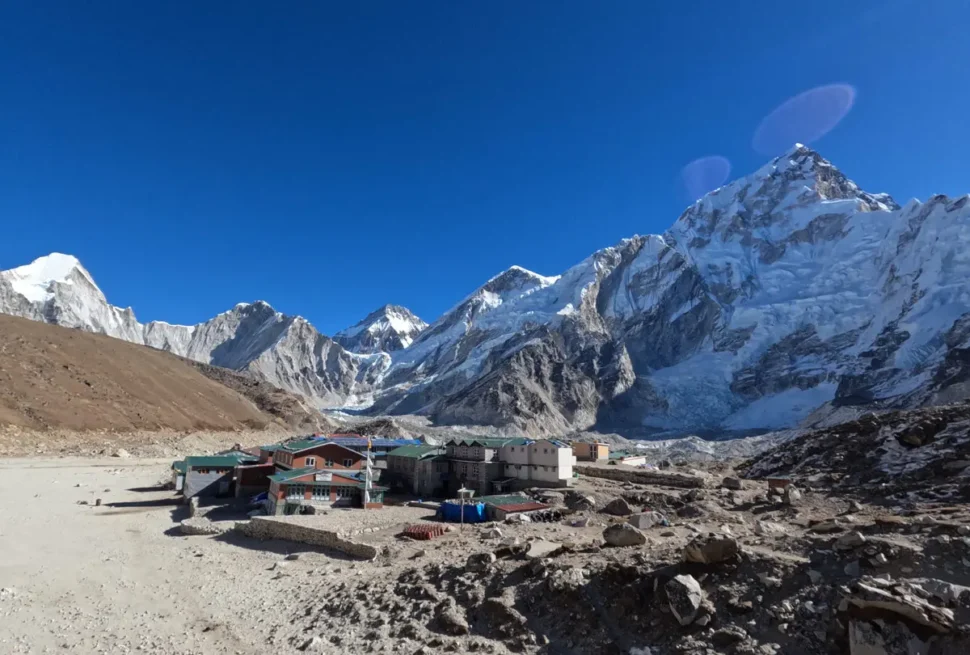
September gets skipped over in a lot of trekking advice, sandwiched between the tail end of monsoon and the start of the autumn rush that begins properly in October. That gap is exactly why it deserves its own look. The Everest Three Passes circuit in September is really two different months depending on which week you pick: the first two or three weeks still carry monsoon leftovers, with cloud, occasional rain, and a Khumbu that is only just beginning to dry out, while the final week starts to show the clear, settled character that makes October so popular. Understanding that split matters more here than in almost any other month on the calendar, because booking the wrong week can mean the difference between a soggy, socked in trek and one of the quieter, greener windows of the whole year. This guide breaks the month apart into its two halves wherever the distinction genuinely changes your planning.
Where September Sits Between Two Seasons
Nepal’s monsoon typically winds down through September, but it does not switch off on a fixed date. Early September can still bring afternoon showers and low cloud that obscures mountain views for stretches of a day or more, a direct carryover from the June to August monsoon pattern. By the last third of the month, high pressure typically builds and the classic autumn pattern, clear mornings, drier trails, and increasingly reliable mountain visibility, starts to establish itself. Trekkers with flexible dates who specifically want to avoid October’s crowds while still getting workable weather often target this final stretch of September deliberately, once the transition has largely completed but before the main autumn rush arrives on the Everest Three Passes Trek.
Temperature and Rainfall Through September
September temperatures sit comfortably between the summer warmth of monsoon and the cooling that defines October. At Everest Base Camp elevation, expect daytime highs in the range of roughly 10 to 14°C early in the month, with overnight lows generally staying above the sharper cold of autumn, often in the range of minus 2 to minus 6°C. Namche Bazaar runs milder still. Rainfall is the more variable factor: early September can bring measurable rain on several days, tapering to occasional light showers or none at all by the final week.
| Location | Early September | Late September |
|---|---|---|
| Namche Bazaar (3,440m) | Mild, humid, occasional rain | Drier, clearer, cooling slightly |
| Dingboche / Chhukung | Cloud common, cooler evenings | Clearer mornings, still some afternoon cloud |
| Gokyo (4,790m) | Variable visibility, cooler | Improving visibility through the week |
| Everest Base Camp area | Cloud and occasional rain possible | Approaching typical autumn clarity |
Trail Conditions and Landslide Risk
The lower trail sections between Lukla and Namche carry the most direct legacy of monsoon rain in early September, with a real chance of muddy, slippery ground and, in less common but genuine cases, localized landslide or trail damage on steeper sections that saw heavy rain earlier in the season. This risk drops steadily as the month progresses and rainfall decreases. Guides operating in early September stay alert to trail conditions reported by other groups and porters moving in the opposite direction, and will adjust pace or, rarely, reroute around a specific damaged section rather than pushing through compromised ground.
Snow Conditions on the Three Passes in September
Kongma La, Cho La and Renjo La generally carry relatively little old snow by September, since the spring and summer months clear most of what accumulated over the previous winter. The bigger variable this month is fresh snowfall at altitude from late monsoon moisture, which can dust the passes even while lower elevations see only rain. This tends to melt off quickly given September’s relatively mild temperatures, but a guide will still check current conditions before committing to a crossing, particularly early in the month when weather systems remain less predictable than they will be by October.
Lukla Flights: Early Versus Late September
The seasonal Ramechhap diversion for Lukla flights generally applies from late September into the autumn peak, meaning early September departures may still fly directly from Kathmandu while later ones increasingly route through Manthali airport as autumn passenger volume builds. Regardless of routing, September flights carry real monsoon tail end risk: low cloud and unstable weather in early September can cause delays or cancellations more readily than the settled conditions of peak autumn. Build in buffer days on both ends of your trip, and check current routing with your operator close to departure. Our Lukla airport flights and weather guide covers this in more detail.
Trail Recovery and Teahouse Restocking
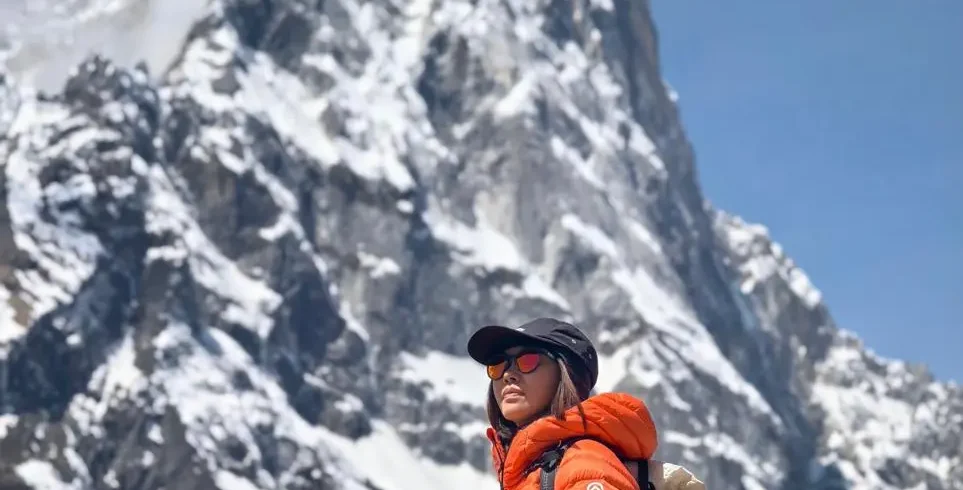
September is when the Khumbu properly wakes up from its quieter monsoon months. Lodges that scaled back operations through the wettest weeks begin restocking and preparing for the coming autumn rush, and by the back half of the month, most teahouses along the main route are running close to a full autumn menu and service level. Early September travelers may still encounter a more limited selection at some smaller lodges, particularly around Chhukung, Dzongla and Gokyo, since demand at this point in the season does not yet justify a full autumn scale operation.
Crowds: The Quietest Window Before Autumn
Trail traffic in September, particularly the first three weeks, is among the lowest of any month outside deep winter. This is one of the strongest arguments for choosing September deliberately: rooms are easy to find without advance booking through most of the month, dining rooms are quiet, and the villages around Chhukung, Dzongla and Gokyo retain the kind of unhurried atmosphere that disappears once October’s crowds arrive. That quiet comes with the trade off of less predictable weather, a genuine exchange rather than a one sided advantage.
Greener Landscapes and Post Monsoon Scenery
One underrated benefit of a September trek is scenery. Monsoon rain leaves the lower and middle sections of the route noticeably greener and more lush than the drier landscape of October or April, with waterfalls running fuller and hillsides at their most vivid. This is a genuine, if less discussed, visual reward for trekkers willing to accept some early month cloud and rain risk in exchange for a version of the Khumbu that looks quite different from the classic dry season postcard image.
Daylight Hours in September
September sits close to the autumn equinox, offering close to 12 hours of daylight for most of the month, among the more generous windows of the trekking calendar. This gives pass day schedules reasonable flexibility, though guides still favor a reasonably early start to work around the higher chance of afternoon cloud buildup that persists, especially in the first half of the month, as a holdover from monsoon patterns.
Packing for a Wet to Dry Transition
September packing needs to account for a real chance of rain, particularly early in the month, alongside the standard cold weather gear needed at altitude. Our general Everest Base Camp packing list covers the fundamentals, and the table below highlights what this specific month calls for.
| Category | September Recommendation | Reason |
|---|---|---|
| Rain protection | Waterproof jacket and pack cover | Real chance of rain, particularly in the first two to three weeks |
| Footwear | Broken in waterproof boots with good tread | Muddy, sometimes slippery sections on the lower trail |
| Insulation | Mid weight down jacket, -10 to -15°C rating | Cold mornings and evenings at altitude despite mild days |
| Traction | Microspikes carried as a precaution | Occasional fresh snow at altitude from late monsoon moisture |
| Dry bags | Pack liner or dry bags for electronics and sleeping bag | Protects gear during rain on lower sections |
Acclimatization and Humidity
The core acclimatization principles do not change: gradual altitude gain, rest days at Namche and Dingboche, and the climb high, sleep low pattern wherever the itinerary allows. September’s more humid air, a leftover of the monsoon, can make exertion feel slightly more taxing at lower elevations than the dry air of autumn, though this effect fades as you climb higher and the air dries out. Staying on top of hydration remains important throughout, since humid conditions can mask the early signs of dehydration that are more obvious in the dry cold of winter.
Altitude Sickness and Weather Related Rescue Access
Helicopter evacuation access can be more weather-dependent in early September than later in the month, given the higher chance of low cloud and rain that can ground flights temporarily. This is another reason to treat early September with a bit more caution and flexibility than the settled weeks of late September or October. The standard AMS warning signs, persistent headache, nausea, unusual fatigue and loss of appetite, apply regardless of month, and descent remains the correct response if symptoms do not improve with rest. Our altitude sickness guide covers AMS, HACE and HAPE in more depth.
Permits and Insurance for September
Permit requirements are unchanged by season: the Sagarmatha National Park entry permit at NPR 3,000 per foreign trekker and the Khumbu Pasang Lhamu Rural Municipality entry permit, also NPR 3,000 as of 2026, are both required, with no separate TIMS card needed in the Khumbu. See our Sagarmatha National Park permit guide for the application process. Travel insurance covering at least 6,000 meters with an explicit helicopter evacuation clause remains essential in September as in any month, and our travel insurance guide explains what to check for before buying a policy.
Advantages and Disadvantages of a September Crossing
| Advantages | Disadvantages |
|---|---|
| Quietest trails and easiest room availability outside deep winter | Real chance of rain and cloud, particularly in the first half of the month |
| Lush, green post monsoon scenery on the lower trail | Less predictable weather than peak autumn |
| Relatively little old snow on the three passes | Some risk of muddy or landslide affected trail sections early in the month |
| Comfortable, mild temperatures overall | Flight delays more likely than in settled October weather |
| Late month conditions approach October quality without October crowds | Teahouse menus and services still ramping up in the first half of the month |
Sample Day by Day Itinerary for September
A typical guided itinerary runs 17 to 19 days anticlockwise, with a slightly longer schedule for early September departures to allow buffer against weather related delays: fly Kathmandu to Lukla and trek to Phakding, continue to Namche Bazaar with an acclimatization day, trek through Tengboche to Dingboche with a second acclimatization stop, continue to Chhukung, cross Kongma La to Lobuche, visit Everest Base Camp and Kala Patthar, continue to Dzongla, cross Cho La to Thagnak or Gokyo, rest and explore Gokyo Ri, cross Renjo La toward Lungden, descend through Thame back to Namche, and fly out from Lukla. Late September departures often run closer to the shorter end of this range, since conditions by then are approaching the more settled character of October.
The table below breaks that same route into a typical day by day structure with approximate elevations and walking times, so you can see where the longer and shorter days actually fall. Extra buffer days, when an operator builds them in, are usually held in reserve around the three pass crossings rather than fixed to one specific day, since that is where weather most often decides whether a group moves on schedule.
| Day | Route | Overnight Elevation | Approx. Walking Time |
|---|---|---|---|
| 1 | Fly Kathmandu to Lukla, trek to Phakding | 2,610m | 3 hours |
| 2 | Phakding to Namche Bazaar | 3,440m | 6 hours |
| 3 | Acclimatization day in Namche (side hike toward Khumjung or Everest View Hotel) | 3,440m | 4 hours |
| 4 | Namche to Tengboche | 3,860m | 5 hours |
| 5 | Tengboche to Dingboche | 4,410m | 5 hours |
| 6 | Acclimatization day in Dingboche (Nangkartshang viewpoint) | 4,410m | 4 hours |
| 7 | Dingboche to Chhukung | 4,730m | 3 hours |
| 8 | Chhukung to Lobuche via Kongma La | 4,940m | 8 to 9 hours |
| 9 | Lobuche to Gorak Shep, visit Everest Base Camp | 5,170m | 7 to 8 hours |
| 10 | Kala Patthar at dawn, continue to Dzongla | 4,830m | 7 to 8 hours |
| 11 | Dzongla to Gokyo via Cho La | 4,790m | 8 to 9 hours |
| 12 | Rest and exploration day at Gokyo, including Gokyo Ri | 4,790m | 3 to 4 hours |
| 13 | Gokyo to Lungden via Renjo La | 4,380m | 7 to 8 hours |
| 14 | Lungden to Thame | 3,820m | 4 to 5 hours |
| 15 | Thame to Namche Bazaar | 3,440m | 3 to 4 hours |
| 16 | Namche Bazaar to Lukla | 2,860m | 6 to 7 hours |
| 17 | Fly Lukla to Kathmandu | 1,400m | Flight only |
Difficulty Compared to the Standard EBC Trek
The Three Passes circuit remains meaningfully harder than the standard Everest Base Camp trek in September, adding three separate crossings above 5,300 meters to the route rather than a single high point at Kala Patthar. September’s mixed weather adds another layer of consideration specific to this month: trekkers less comfortable with some uncertainty around pass timing might prefer to wait for the more settled conditions of October, while those who value quiet trails and don’t mind a flexible schedule often find September’s trade offs entirely worthwhile.
Cost Considerations for a September Booking
Lower demand in September can occasionally translate into more flexible pricing or availability compared to the peak weeks of October, though this varies by operator. For a detailed cost breakdown, see our Everest Three Passes Trek cost and itinerary guide, and for base camp only pricing context, our Everest Base Camp trek cost breakdown covers shared lower valley expenses.
Gokyo and the Renjo La Side in September
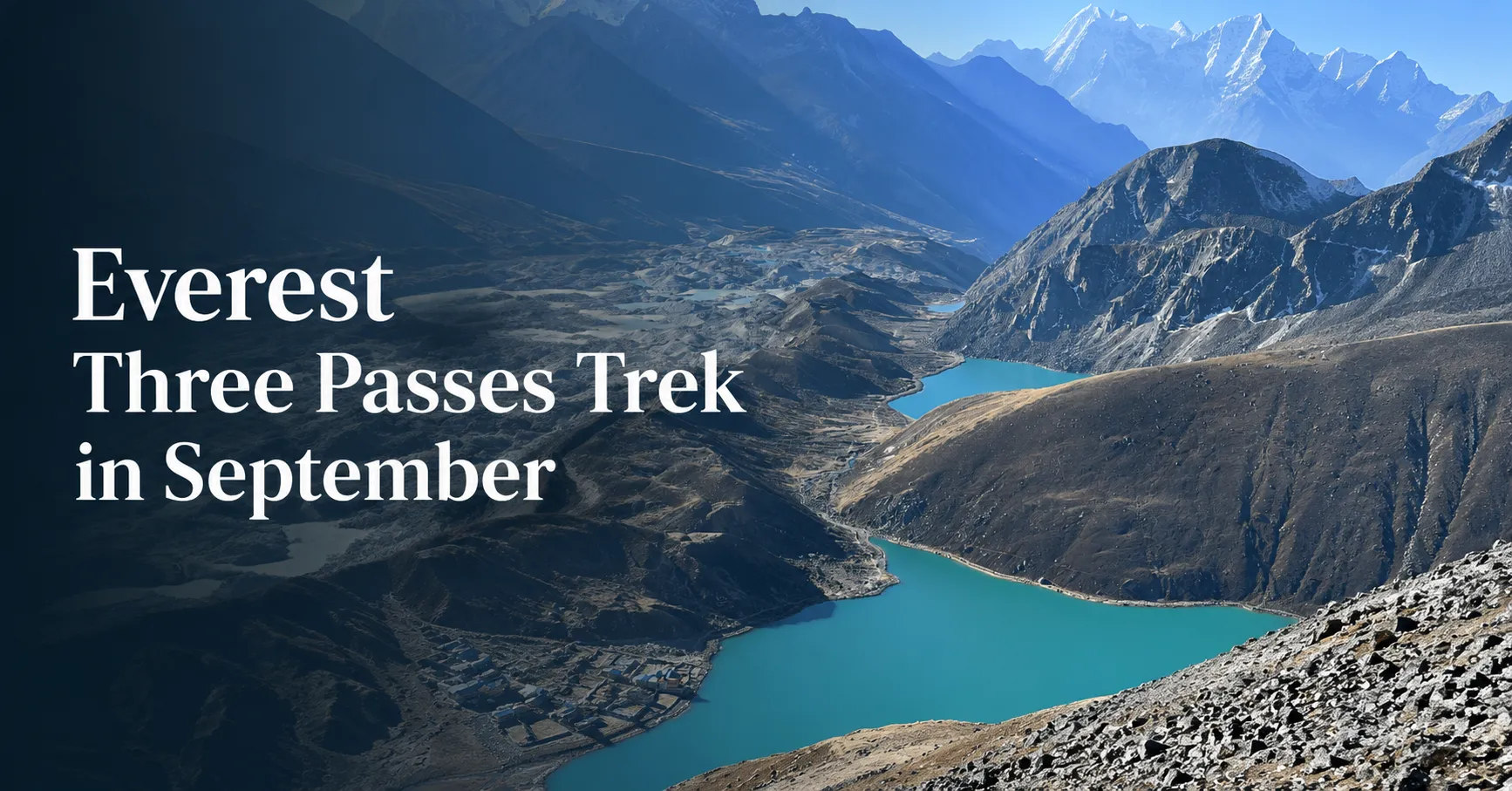
The Gokyo lakes look their most vivid in September, fed by monsoon runoff and set against still green surrounding hillsides before the drier months set in. Gokyo Ri visibility improves through the month in step with the broader weather pattern, with late September mornings offering some of the clearest views of Everest, Cho Oyu and the lake system available outside peak autumn. Trekkers interested specifically in the Gokyo side of the region without the full three pass circuit can find more detail in our Gokyo Lakes and Everest Base Camp combined route guide.
What a Pass Day Feels Like in September
A September pass day usually begins with a check of overnight weather before anything else, since this is one of the few months where a guide might genuinely delay a start by an hour or two waiting for cloud to lift or confirming that overnight precipitation did not leave fresh snow on the technical sections. Once underway, the climb moves through the same terrain as any other month: packed trail, loose scree, and firmer ground near the pass itself, though September’s slightly higher humidity can make the air feel heavier during exertion than the crisp dryness of October. Early in the month there is a real chance of reaching the top of a pass into cloud rather than a clear view, something worth mentally preparing for rather than expecting guaranteed visibility. Late September crossings increasingly resemble the clear, rewarding conditions that make this route famous.
Namche Bazaar Waking Up for Autumn
Namche in September shows visible signs of a town preparing for its busiest season. Shops restock steadily through the month, the Saturday market picks up activity compared to the quieter monsoon weeks, and a growing number of trekkers and support staff pass through as the month progresses. Early September still feels notably quieter than what is coming in October, making it a comfortable, unhurried place to spend an acclimatization day without the peak season bustle.
Why Local Guide Judgment Matters in September
September’s split personality, part monsoon tail, part early autumn, makes local, current knowledge more valuable than a generic seasonal overview. A guide who has led groups through this transition repeatedly develops a feel for reading whether a cloudy morning will burn off by mid day or persist, whether a muddy section of trail is safe to cross or worth a short detour, and how much buffer to build into a specific week’s itinerary based on how the season is trending that year. We do not present any crossing as risk free in September, and an itinerary built with genuine flexibility around weather is one of the clearest markers of a responsible operator for this particular month.
Training and Fitness for a September Departure
Physical preparation does not change by season. Build a base of hiking with a loaded pack over varied terrain for at least two to three months before departure, prioritizing cardiovascular endurance over pure strength, since the goal is sustaining six to nine hours of steady movement at altitude on pass days. September’s occasionally muddy lower trail sections add a small additional consideration: practicing on uneven, sometimes slick terrain at home, if available, translates directly into more confident footing on the wetter sections of this route early in the month.
Photography in September
September offers a distinct visual character built around cloud, mist and the lush greenery left behind by monsoon rain, particularly in the lower and middle sections of the route. This can produce dramatic, moody photography that differs entirely from the crisp blue sky shots typical of October, though it also means less consistent access to distant peak views, especially early in the month. By the final week, clearing skies start to combine with still green landscapes for a brief window that some photographers consider one of the most visually rewarding of the year, before the drier late autumn look sets in.
Water Sources and Hydration in September
Streams run at their fullest in September thanks to monsoon runoff, and water sources along the lower trail are generally abundant. Higher up, standard practice remains the same: boiled water from teahouses or a personal filter and purification tablets as backup. Humid conditions can mask the feeling of dehydration compared to the dry cold of winter, so maintaining a deliberate drinking schedule rather than relying on thirst alone remains good practice through this month as much as any other.
Mobile Network and Electricity in September
Ncell and NTC coverage reaches most main villages through Dingboche and Gokyo with reasonable reliability, thinning near the passes. Cloud cover reduces solar charging efficiency in early September more than it will later in the autumn, making a power bank a more dependable option for the first half of the month. Charging costs follow the usual pattern, rising with altitude and typically billed by the hour or by device.
Guides and Group Sizes in September
Group sizes in September tend to be smaller than the large fixed departures of October, reflecting lower overall demand for the month. This often means more flexibility around pacing and weather related schedule adjustments, an advantage given how much September conditions can vary week to week. Private, custom-scheduled departures remain readily available throughout the month for trekkers who want full control over exact dates.
Packing Checklist Summary for September
- Waterproof jacket and pack cover, more essential this month than in dry season autumn
- Broken in waterproof boots with reliable tread for muddy lower sections
- Mid weight down jacket rated -10 to -15°C for cold mornings and evenings at altitude
- Sleeping bag rated -10 to -15°C, adequate for typical September overnight lows
- Microspikes carried as a precaution against fresh snow at altitude
- Dry bags or a pack liner to protect electronics and your sleeping bag from rain
- Quick dry base layers, since humid conditions slow drying time for damp clothing
- Headlamp with spare batteries
- Personal power bank as backup for reduced solar charging efficiency under cloud
- Passport copies, permit paperwork and proof of travel insurance covering 6,000 meters
Emergency Evacuation Considerations in September
Helicopter evacuation remains available throughout September, but early month cloud and rain can ground flights for longer stretches than the more settled weather of October, making genuine emergencies harder to respond to quickly during the wettest weeks. This gap narrows steadily as the month progresses. A guide team carrying reliable communication equipment, including a satellite phone or equivalent as backup to mobile coverage, is a reasonable standard to expect for a September departure specifically, given the added weather variability compared to peak autumn.
Comparing September Directly to October
Trekkers weighing September against October are usually balancing weather reliability against crowd levels. October delivers the most stable, clear conditions of the entire year, but also the busiest trail and the most competitive room availability. September, particularly its final two weeks, offers a meaningfully quieter alternative with only a modest increase in weather risk compared to October. Reading our dedicated Everest Three Passes Trek in October guide alongside this one will help you weigh the specific trade offs for your travel dates.
Cultural Events and Local Life in September
September often overlaps with local festival preparations in the weeks leading into Dashain and Tihar, Nepal’s two biggest festivals, which typically fall later in the autumn depending on the lunar calendar. Trekkers passing through Sherpa villages in September may notice preparations underway, and porters or guides may reference upcoming festival travel plans of their own. This adds a layer of local cultural texture to a September trip that is less present during the more purely trekking focused rush of peak October.
First Aid and Medication for September
A basic personal kit should include blister treatment, any prescription medication in sufficient supply plus a buffer, general pain relief, rehydration salts, and any altitude related medication discussed in advance with a doctor familiar with high altitude travel. September’s damper conditions on the lower trail make foot care particularly important, since wet socks and boots increase blister risk. Carrying a spare pair of dry socks for each day and changing promptly if your feet get wet helps prevent this common and entirely avoidable problem.
What Past September Trekkers Often Mention
Feedback from guides who lead groups through September points to a consistent pattern: appreciation for how quiet the trail feels compared to accounts from friends who trekked in October, occasional frustration with a rained out viewpoint early in a trip, and a fairly common observation that the back half of the month delivered better weather than trekkers expected going in. This reflects the genuine, if imperfect, way September’s transition tends to play out across different years, useful context even though it does not replace checking conditions for your own specific dates.
Trail Conditions Below Namche in Detail
The Lukla to Namche section sees the most direct impact from any remaining monsoon rain, with muddy sections, occasional slippery stone steps, and fuller than usual streams and waterfalls along the route. This section remains entirely passable with standard trekking boots and reasonable care, and the increased greenery and water features are, for many trekkers, a genuine highlight rather than purely a hassle. By late September, this section dries out considerably and starts to resemble the firmer trail conditions typical of October.
Thame and the Lower Khumbu in September
Thame, visited on the descent side of the anticlockwise route after Renjo La, carries its usual cultural weight in September as the birthplace of Tenzing Norgay and home to an established monastery above the village. Traffic through Thame in September remains modest, well below the numbers seen later in autumn, giving trekkers a comparatively peaceful experience of one of the route’s more culturally significant stops. Surrounding hillsides retain their post monsoon green through this section, adding a visual dimension that autumn’s drier landscape does not offer.
Insurance and Booking Timing for September
Because September’s weather is less predictable than October’s, purchasing travel insurance with solid trip interruption and cancellation cover as soon as your dates are confirmed is particularly worthwhile this month. This protects against the added chance of a weather related flight delay disrupting the start or end of your trip, on top of the standard altitude and evacuation cover this route requires in any season. Booking two to three months ahead remains sensible for September as for any month, though the pressure to book extremely early that defines October and April is generally lower.
Choosing Early Versus Late September
If your schedule allows any flexibility at all, this is the single most useful decision to get right for a September trek. Early September suits trekkers who specifically want the greenest scenery and the quietest trails and are comfortable accepting real rain and cloud risk in exchange. Late September suits trekkers who want conditions approaching October’s reliability while still avoiding October’s crowds and premium demand on rooms. Neither choice is wrong, but being clear about which trade off matters more to you before booking makes for a much smoother planning conversation with your operator.
Electricity and Charging Costs in September
Most teahouses along the route offer paid charging by the hour or by device, with prices increasing at higher elevation stops. September’s lower guest numbers compared to peak season generally mean less competition for charging outlets than you would find in October, a small but genuine convenience of trekking this quieter month. A personal power bank remains a sensible backup regardless, particularly given reduced solar charging efficiency during cloudier stretches of the month.
Food Availability Through the Transition
Menus expand steadily through September as lodges restock ahead of the autumn rush. Dal bhat, noodle soups, porridge and a growing range of vegetable and egg dishes are reliably available at most open teahouses, with the fullest selection appearing by late in the month. Early September travelers at some of the smaller, higher altitude lodges may find a slightly reduced menu compared to what they would encounter in October, simply because kitchens are still ramping up for the season.
Cultural Etiquette on a Quieter Trail
Lower visitor numbers in September make it easier to engage respectfully with local communities, without the rushed feeling that comes with peak-season crowds. Standard etiquette applies as in any month, walking clockwise around mani walls and chortens, asking before photographing monasteries or residents, and moving quietly through religious sites. The quieter trail this month often allows for more genuine, unhurried interactions with lodge owners and local families than the busier stretches of the trekking calendar.
Choosing Between August and September
Some trekkers weigh late August against September for this route. August sits fully within monsoon season, with consistently higher rainfall, more persistent cloud cover, and a real chance of leeches on the lower forested sections, conditions that make it a considerably harder sell than September for most trekkers. September, even in its wetter first half, represents a genuine improvement on August across nearly every measure, from rainfall frequency to mountain visibility to trail condition. For trekkers deciding between the two, September is the stronger choice in almost all cases, with the possible exception of travelers specifically seeking the very lowest possible trail traffic regardless of weather trade offs.
A Guide’s Honest Take on September
Ask an experienced Khumbu guide about September and most will describe it as a genuine gamble that tends to pay off, particularly from the middle of the month onward. Nobody can promise clear skies on any given day this month, but the trade off of a near empty trail, fewer dining room queues, and a Gokyo valley that feels like your own private discovery is, for a meaningful number of trekkers, worth more than a guaranteed clear photo from Kala Patthar. We would rather tell you this honestly than oversell September’s weather reliability, since setting realistic expectations from the start makes for a better trip regardless of which week you choose.
Leeches and Lower Elevation Wildlife Notes
Leeches, a genuine nuisance on forested monsoon trails elsewhere in Nepal, are a much smaller concern on this specific route given the elevation profile above Lukla, though early September can still see occasional leech activity on the lowest, most heavily forested sections near Phakding and Monjo after a wet spell. Gaiters and permethrin treated clothing offer reasonable protection if this is a concern for you, though most trekkers on this particular route do not find it a significant issue compared to lower elevation treks in wetter parts of the country.
Final Thoughts on Timing Your September Trek
If you can only pick one week of September for this trek, aim for the final ten days of the month. By that point, the trail has usually dried out enough to remove most of the mud risk from the lower sections, mountain visibility has typically improved to a level close to early October, and the worst of the crowd surge that defines peak autumn has not yet arrived. It is, in many respects, one of the best kept secret windows on the entire trekking calendar for this specific route.
Choosing Your Season: September in Context
September is a genuine transition month, and knowing how it compares to the rest of the calendar helps clarify whether it fits your priorities. We cover the rest of the trekking year in dedicated month by month guides:
| Month | General Character |
|---|---|
| February | Deep winter, quiet trails, real risk of a pass needing to be rerouted |
| March | Winter to spring transition, improving visibility, some snow still on passes |
| April | Peak spring, best mountain views, busiest teahouses |
| October | Peak autumn, most stable weather, highest demand for permits and rooms |
| November | Cold, clear, thinning crowds as the month progresses |
Frequently Asked Questions About September
Is September too early for the Three Passes Trek?
Not necessarily, but timing within the month matters a great deal. Early September still carries real monsoon leftover risk in the form of rain and cloud, while late September approaches the settled conditions of October. If your dates are flexible, aim for the back half of the month.
Will it rain during my trek if I go in September?
Some rain is a realistic possibility, particularly in the first two to three weeks and mainly on the lower trail sections. Higher up, precipitation is more likely to fall as light snow at altitude. Waterproof gear is worth prioritizing for a September trip in a way it is not for October or April.
Are the passes safe to cross in September?
Generally yes, since old winter snow has largely cleared by this point in the year. The main variable is fresh snow from late monsoon weather systems, which an experienced guide will check for before committing to a crossing, particularly early in the month.
How does September compare to October for this trek?
October offers more reliable weather and clearer views on average, but September, especially the last week, offers a genuinely quieter trail and easier teahouse bookings. Many trekkers who prioritize solitude over guaranteed clear skies choose late September specifically for this trade off.
Do Lukla flights get delayed more often in September?
Early September carries a higher risk of weather related flight delays than later in the month, given lingering monsoon instability. This risk drops steadily as the month progresses, approaching the more reliable flight conditions of October by the final week.
Planning Your September Three Passes Trek
September rewards trekkers who plan around its split personality rather than treating it as one uniform month. Choose the final week or two for conditions that closely resemble October without October’s crowds, or accept more rain risk earlier in the month in exchange for the quietest trails and greenest scenery of the entire season. Either way, pack for both wet and dry conditions, keep flight buffer days in your schedule, and travel with a guide team who reads current trail and weather conditions rather than following a fixed script. Our team can help you choose the right week within September for the Everest Three Passes Trek.