Why EBC Is a Bucket List Trek for Taiwanese Travelers
There is something about standing at the foot of the world’s highest mountain that changes the way you see things. Not just the view, though, that is genuinely staggering. It’s the process of getting there, the days of walking through ancient Sherpa villages, crossing suspension bridges strung with prayer flags, watching the mountains grow taller with every pass. For Taiwanese trekkers, the Everest Base Camp trek represents one of the most accessible Himalayan adventures in the world, and one that’s well within reach whether you’re a seasoned hiker or lacing up your boots for the first major mountain journey.
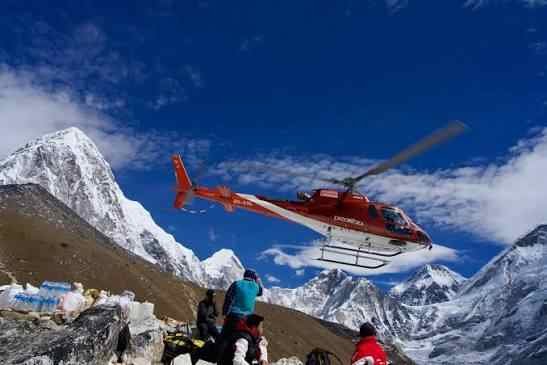
If a shorter time commitment matters for your trip from Taiwan, our Everest Base Camp Trek with Helicopter Return cuts several days off the standard itinerary by replacing the walk out with a single flight.
Taiwan has a strong hiking culture. Yushan National Park, the trails of Hehuan Mountain, the alpine routes of Snow Mountain, these places breed people who know how to move through high terrain. That experience translates directly to the Khumbu. Taiwanese trekkers who have walked Taiwan’s high ridges find the rhythm of EBC familiar, even if the altitude is considerably higher and the cultural landscape entirely different.
From Taipei, you are roughly four to six hours of flying away from Kathmandu, with a single connection in Hong Kong, Bangkok, or Guangzhou. The logistics are manageable, the cost is competitive when you factor in the full experience, and the timing aligns well with Taiwan’s national holidays and long weekends if you plan ahead.
Next Trip Nepal has been guiding trekkers from all over Asia to the Everest Base Camp Trek since 2017. We know what Taiwanese travelers ask when they first get in touch: questions about altitude sickness, what to do with unused clothing at the end of the trip, and whether they can get good noodle soup on the trail (yes, you absolutely can). This guide is our most comprehensive answer to all of those questions.
Everest Base Camp Trek at a Glance
Is Everest Base Camp Right for You?
People often assume Everest Base Camp requires mountaineering skills. It doesn’t. This is a trekking route, not a climbing expedition. There are no ropes, no crampons, no ice axes. The trail is a well-worn walking path followed by thousands of trekkers every year, with teahouses at every major stopping point and a well-organized rescue infrastructure.
That said, it is not a casual walk. The cumulative distance is around 130 km over 10 to 12 trekking days, you will gain substantial elevation every day, and the altitude at Everest Base Camp itself, 5,364 meters, means your body is working significantly harder than it does at sea level.
Fitness requirements: You should be able to walk comfortably for 5 to 7 hours on uneven terrain, carrying a daypack of 5 to 7 kg. Prior trekking experience on trails with elevation gain is helpful. Taiwan’s mountain trails are excellent preparation.
Age considerations: There is no upper age limit. We have guided trekkers in their 60s and early 70s to EBC. The key is honest fitness assessment, proper acclimatization, and a willingness to turn around if the body says no. On the lower end, children aged 10 and above can attempt the trek with appropriate preparation, though we generally recommend the trek for those 14 and above.
Prior experience: Previous trekking at altitude is a significant advantage but not a strict requirement. If you are fit and have no underlying heart or lung conditions, EBC is achievable with proper preparation.
Everest Base Camp Trek Cost from Taiwan in 2026
The Everest Base Camp Trek cost for travellers from Taiwan depends on the number of people booking together. A solo traveller pays more because guide services, airport transfers and other arrangements are not shared, while larger groups receive a lower price per person.
All prices below are shown in New Taiwan Dollars (TWD). The 2026 Everest Base Camp Trek package starts from approximately TWD 31,640 per person for groups of 13 or more travellers.
Everest Base Camp Trek Price in New Taiwan Dollars
Price per person based on the number of travellers
| Number of Travellers | Price per Person |
|---|---|
| 1 Traveller | TWD 46,830 |
| 2 Travellers | TWD 44,560 |
| 3 to 5 Travellers | TWD 41,330 |
| 6 to 8 Travellers | TWD 38,100 |
| 9 to 12 Travellers | TWD 34,870 |
| 13 or More Travellers | TWD 31,640 |
These prices are approximate and may change slightly according to the currency exchange rate at the time of booking. Contact Next Trip Nepal to check private departures and available group dates.
What Is Included and Excluded in the 14-Day Everest Base Camp Trek from Taiwan?
Our 14-day Everest Base Camp Trek package covers the main arrangements from your arrival in Kathmandu until the end of the trip. Travellers from Taiwan can check the details below to understand what is included and which personal expenses need to be paid separately.
- Airport pickup and drop-off by private vehicle.
- Two nights at a comfortable 3-star hotel in Kathmandu on a twin-sharing basis, including breakfast.
- Three meals each trekking day, including breakfast, lunch and dinner.
- Tea or coffee with breakfast and during the included trekking meals.
- Seasonal fruit served after dinner during the trek.
- Tea house and trekking lodge accommodation throughout the itinerary.
-
All required trekking permits, including:
- Sagarmatha National Park Entry Permit.
- Khumbu Pasang Lhamu Rural Municipality permit.
- TIMS card arrangements where required.
- Return flights between Kathmandu or Ramechhap and Lukla, including the necessary airport transfers.
- Experienced English-speaking trekking guide.
- Porter service according to the agreed luggage-sharing arrangement.
- Guide and porter salaries, meals, accommodation, transportation, equipment and insurance.
- First-aid kit and basic emergency medical supplies carried by the trekking team.
- Pulse oximeter for monitoring oxygen saturation, pulse and heart rate during the trek.
- Sleeping bag, down jacket and trekking poles when needed.
- Next Trip Nepal T-shirt, cap and porter duffel bag.
- Everest Base Camp trekking map.
- Farewell dinner and trip celebration in Kathmandu.
- Government taxes, company service charges and official expenses.
- Assistance with emergency helicopter arrangements when required. Evacuation costs must be covered by the traveller or approved travel insurance.
- Lunch and dinner while staying in Kathmandu.
-
Nepal tourist visa fee:
- 15-day visa: approximately TWD 970.
- 30-day visa: approximately TWD 1,615.
- 90-day visa: approximately TWD 4,040.
- Travel and medical insurance covering high-altitude trekking and emergency helicopter evacuation.
- International airfare between Taiwan and Nepal.
- Personal expenses such as laundry, telephone calls, souvenirs and additional snacks.
- Alcoholic drinks, soft drinks, bottled drinks and extra tea, coffee or hot chocolate not included with meals.
- Desserts and sweet items such as chocolate, cake, pie and pudding.
- Hot showers, Wi-Fi and battery-charging fees at trekking lodges.
- Tips for the trekking guide, porter and driver.
- Excess baggage above the airline’s standard 15 kg allowance for the Lukla flight.
- Additional hotel nights, meals or transportation caused by weather delays, flight cancellations or personal itinerary changes.
- Emergency evacuation and medical treatment costs not approved or paid by travel insurance.
How Difficult Is the Everest Base Camp Trek Really?
We rate the EBC trek difficulty as moderate to challenging. The trail itself is not technical. You will not encounter scrambling or exposed ridges that require hands and feet. The challenge comes from three things: sustained walking over multiple days, total elevation gained (roughly 4,100 meters from Lukla to EBC), and the effects of high altitude on your body.
The hardest single day on most itineraries is the push from Phakding to Namche Bazaar, which involves a steep 800-meter climb at the end of a long walking day. After Namche, the trail becomes more gradual but longer, and the thinning air makes each step feel heavier than it did at lower elevation.
The days between Dingboche and Lobuche, walking through the upper Khumbu valley, are where many trekkers first feel genuinely challenged. The landscape is starkly beautiful and completely barren, the cold bites harder, and even simple tasks like tying bootlaces require a moment’s extra effort.
Acclimatization is the key variable. Trekkers who rush the schedule, trying to shorten the itinerary to save time, are far more likely to experience altitude sickness and be forced to descend. We recommend a well-paced 12- to 14-day program from sea-level Taipei back to Kathmandu.
Best Time to Trek to Everest Base Camp
The Himalayan seasons are distinct, and choosing the right window matters enormously. The two peak trekking seasons for Everest Base Camp are spring (March to May) and autumn (late September to November). Both offer clear skies, stable weather, and mountain views that make the entire journey worth it.
Spring (March to May) is many trekkers’ favorite season. The rhododendron forests below Namche Bazaar are in full bloom through March and April, adding color to the trail. Temperatures are warming up from the cold winter, and the skies are generally clear in the mornings. May brings slightly warmer temperatures but can also bring afternoon clouds and the earliest hints of monsoon moisture toward the end of the month. The summit season for Everest climbers is April and May, so the upper Khumbu becomes notably busier during this period.
Autumn (September to November) is arguably the best all-around season. The monsoon ends in September, leaving the landscape washed clean and intensely green at lower elevations. October and November deliver exceptionally clear skies, some of the best mountain visibility of the year, and temperatures that are cold but very manageable with proper gear. This is when we see the most trekkers from Taiwan and the rest of East Asia.
The best time for EBC depends partly on what you’re prioritizing. Spring for flowers and slightly warmer days, autumn for clarity and crispness. Winter (December to February) is possible for experienced trekkers who don’t mind cold and quiet trails, while the June to August monsoon period is generally not recommended due to heavy rain, leeches at lower elevations, and obscured views.
Month by Month Weather Table
| Month | Temp at EBC | Conditions | Crowds | Recommendation |
|---|---|---|---|---|
| January | -20°C to -5°C | Clear, very cold, dry | Very Low | Advanced trekkers only |
| February | -18°C to -3°C | Cold, occasionally clear | Very Low | Advanced trekkers only |
| March | -12°C to 2°C | Warming, rhododendrons blooming | Moderate | Excellent |
| April | -8°C to 5°C | Clear mornings, flowers in bloom | High | Excellent |
| May | -5°C to 8°C | Warmer, afternoon clouds build | Very High | Good (busy) |
| June | -2°C to 12°C | Monsoon begins, heavy rain below | Very Low | Not recommended |
| July | 0°C to 14°C | Monsoon peak, trail wet and slippery | Very Low | Not recommended |
| August | 0°C to 14°C | Monsoon continues, views rare | Very Low | Not recommended |
| September | -3°C to 10°C | Monsoon easing, clearing views | Moderate | Good (late Sept best) |
| October | -8°C to 5°C | Crystal clear skies, ideal conditions | Very High | Best month overall |
| November | -12°C to 2°C | Cold, clear, fewer crowds | Moderate | Excellent |
| December | -18°C to -4°C | Cold, dry, quiet trails | Low | For experienced winter trekkers |
How to Travel from Taiwan to Nepal
Getting from Taiwan to Nepal is a two-step process: a flight to a regional hub, followed by a connecting flight to Tribhuvan International Airport (KTM) in Kathmandu. There are no direct flights between Taiwan and Nepal, but the connection is comfortable and usually involves a layover of two to five hours.
Departure airports in Taiwan: Most Taiwanese travelers fly from Taiwan Taoyuan International Airport (TPE) near Taipei, which has the widest range of connections. Travelers in southern Taiwan can depart from Kaohsiung International Airport (KHH), though fewer airlines serve this route to Kathmandu, so a domestic transfer to Taipei is often the more practical option.
Airlines and transit hubs: Cathay Pacific connects Taiwan to Kathmandu via Hong Kong (HKG), with some of the most reliable scheduling on this route. China Southern Airlines operates via Guangzhou (CAN) and is often the most competitively priced. Thai Airways and Bangkok Airways connect through Bangkok Suvarnabhumi (BKK), which gives you the option of a slightly longer layover in Bangkok if you want a pre-trip stopover day. Air India and IndiGo fly through Delhi (DEL), while China Airlines (Taiwan’s flagship carrier) can connect through partner networks to Kathmandu. Qatar Airways, Emirates, and Turkish Airlines offer longer routing via Doha, Dubai, and Istanbul respectively, which can sometimes be price-competitive on sale.
Typical total flight duration: Taipei to Kathmandu via Hong Kong takes approximately 8 to 10 hours in total (including layover). Via Bangkok it’s roughly 9 to 11 hours. Via Guangzhou, around 9 to 10 hours. The time difference between Taiwan (UTC+8) and Nepal (UTC+5:45) means Nepal runs 2 hours and 15 minutes behind Taipei, so an overnight flight from Taipei often lands in Kathmandu in the early morning, giving you a full day to settle in and arrange your gear.
Booking tips: Book at least 8 to 12 weeks in advance for the October and April peak trekking windows, as seats on the popular Hong Kong and Bangkok hubs fill quickly. Flexible date searches on platforms like Google Flights often reveal surprisingly good mid-week fares. The shoulder months of March and November tend to offer better flight prices than October and April peaks.
Taiwan to Kathmandu Flight Comparison Table
| Airline(s) | Route / Hub | Approx Duration | Est. Round-Trip (Economy) | Notes |
|---|---|---|---|---|
| Cathay Pacific | TPE → HKG → KTM | ~9–10 hrs total | USD 540–800 | Reliable, good baggage policy |
| China Southern | TPE → CAN → KTM | ~10–11 hrs total | USD 400–650 | Often cheapest option |
| Thai Airways / Bangkok Airways | TPE → BKK → KTM | ~10–12 hrs total | USD 450–750 | Good for Bangkok layover |
| Air India / IndiGo | TPE → DEL → KTM | ~11–13 hrs total | USD 420–700 | Delhi layover option |
| Qatar Airways | TPE → DOH → KTM | ~15–17 hrs total | USD 500–900 | Longer routing, premium service |
| Emirates | TPE → DXB → KTM | ~15–18 hrs total | USD 550–950 | Dubai stopover option |
Note: Prices are indicative estimates based on economy class and vary significantly by season, advance booking period, and availability. Always verify current fares at booking.
Nepal Visa for Taiwanese Travelers
The good news for Taiwanese passport holders is that Nepal offers a straightforward visa on arrival at Tribhuvan International Airport. There is no need to apply in advance at a consulate, though doing so is possible if you prefer to have paperwork sorted before departure.
Visa on arrival process: When you land at Kathmandu, you fill out a tourist visa application either online (through the Nepal Department of Immigration website before departure) or on the touch-screen kiosks available in the arrivals hall. You’ll need a passport-size photo (the kiosks can print one for a fee if you don’t have one), your passport, and the visa fee in US dollars or other major currencies.
Current visa fees (as of 2026):
- 15-day tourist visa: USD 30
- 30-day tourist visa: USD 50 (recommended for most trekkers)
- 90-day tourist visa: USD 125
Passport validity: Your ROC passport must be valid for at least 6 months from your date of entry into Nepal. This is a firm requirement, so check your expiry date well in advance.
Required documents: Valid passport, completed visa application form, one passport-size photo, visa fee in cash (USD is preferred and widely accepted). Credit cards are accepted at some visa counters but cash is safer.
The 30-day visa is the right choice for most EBC trekkers from Taiwan. A standard Kathmandu-Lukla-EBC-Lukla-Kathmandu program takes 12 to 14 days, leaving you comfortable buffer time in case of weather delays or an extra day in Kathmandu at either end. If you plan to add another trek, like Annapurna Base Camp or Langtang, after EBA, the 30-day visa will cover most combinations.
Nepal does not require a specific visa category for trekking. A standard tourist visa covers all trekking activities, provided you have the correct trekking permits separately.
Permits Required for Everest Base Camp Trek
Two separate permits are required for the Everest Base Camp trek. Both can be obtained in Kathmandu before you fly to Lukla, or at the checkpoints along the trail (though doing it in Kathmandu saves time and stress).
| Permit | Cost (Foreign Trekkers) | Where to Obtain |
|---|---|---|
| Sagarmatha National Park Entry Permit | NPR 3,000 (~USD 23) | Kathmandu (Nepal Tourism Board) or Monjo checkpoint |
| Khumbu Pasang Lhamu Rural Municipality Permit | NPR 2,000 (~USD 15) | Lukla or Monjo checkpoints |
| Total (approx.) | NPR 5,000 (~USD 38) |
Note: The TIMS (Trekkers’ Information Management System) card is no longer required for the Everest region as of July 2023. It has been replaced by the Khumbu Pasang Lhamu Rural Municipality Permit listed above. If any agency or website tries to charge you for a TIMS card for EBC, this is outdated information.
When traveling with Next Trip Nepal, our team handles all permit arrangements in Kathmandu before your trek begins. You don’t need to stand in queues or navigate government offices in a city you’ve just arrived in.
Complete Day by Day Everest Base Camp Itinerary
The following is our recommended 12-day program for the EBC trek from Lukla and back, with two days in Kathmandu at either end to accommodate your flights from Taiwan. You can view the full trip details on our EBC trek page.
| Day | Route | Max Altitude | Walk Time | Distance | Accommodation |
|---|---|---|---|---|---|
| 1 | Arrive Kathmandu, permit preparation | 1,400 m | Rest day | – | Hotel, Kathmandu |
| 2 | Fly Kathmandu to Lukla, trek to Phakding | 2,651 m | 3–4 hrs | ~8 km | Tea house, Phakding |
| 3 | Phakding to Namche Bazaar | 3,440 m | 5–6 hrs | ~11 km | Tea house, Namche |
| 4 | Acclimatization day in Namche Bazaar (hike to Everest View Hotel) | 3,880 m | 3–4 hrs (hike) | ~8 km return | Tea house, Namche |
| 5 | Namche to Tengboche | 3,860 m | 5–6 hrs | ~10 km | Tea house, Tengboche |
| 6 | Tengboche to Dingboche | 4,410 m | 5–6 hrs | ~10 km | Tea house, Dingboche |
| 7 | Acclimatization day in Dingboche (hike to Nangkartshang Peak) | 5,083 m | 4–5 hrs (hike) | ~10 km return | Tea house, Dingboche |
| 8 | Dingboche to Lobuche | 4,910 m | 5–6 hrs | ~10 km | Tea house, Lobuche |
| 9 | Lobuche to Gorak Shep, trek to Everest Base Camp, return to Gorak Shep | 5,364 m (EBC) | 8–9 hrs | ~18 km | Tea house, Gorak Shep |
| 10 | Gorak Shep to Kala Patthar (sunrise), descend to Pheriche | 5,645 m (KP) | 7–8 hrs | ~16 km | Tea house, Pheriche |
| 11 | Pheriche to Namche Bazaar | 3,440 m | 6–7 hrs | ~16 km | Tea house, Namche |
| 12 | Namche to Lukla | 2,860 m | 6–7 hrs | ~19 km | Tea house / lodge, Lukla |
| 13 | Fly Lukla to Kathmandu (weather permitting) | 1,400 m | 30 min flight | – | Hotel, Kathmandu |
| 14 | Depart Kathmandu, fly back to Taiwan | – | – | – | – |
Ready to trek Everest Base Camp? Our local team at Next Trip Nepal has been organizing EBC treks since 2017. Get in touch for a free itinerary and no-obligation quote.
Altitude Profile Table
| Location | Altitude (meters) | Altitude (feet) |
|---|---|---|
| Kathmandu | 1,400 m | 4,593 ft |
| Lukla (Tenzing-Hillary Airport) | 2,860 m | 9,383 ft |
| Phakding | 2,651 m | 8,697 ft |
| Namche Bazaar | 3,440 m | 11,286 ft |
| Tengboche | 3,860 m | 12,664 ft |
| Dingboche | 4,410 m | 14,469 ft |
| Lobuche | 4,910 m | 16,109 ft |
| Gorak Shep | 5,190 m | 17,028 ft |
| Everest Base Camp | 5,364 m | 17,598 ft |
| Kala Patthar (highest point) | 5,645 m | 18,519 ft |
Accommodation on the Trek
The entire EBC route is served by tea houses, which are family-run lodges that provide a bed, blankets, and meals under one roof. The quality ranges from very basic wooden rooms with thin mattresses in the more remote stretches to increasingly comfortable guesthouses in places like Namche Bazaar, where some lodges now offer attached bathrooms and even heated dining rooms.
Don’t expect hotel-level comfort. The rooms are simple: a wooden bed, a foam mattress, a pillow, and usually a blanket (though you should carry your own sleeping bag rated to at least -10°C). Shared bathrooms are standard above Namche. Hot showers exist but they are solar-heated and not always reliably warm, especially in cold weather or after cloudy days. They cost extra, typically USD 2 to 5.
Electricity is available in most tea houses for charging devices but is often limited to the dining room. Bring a power bank. In Namche and a few other larger settlements, Wi-Fi is widely available (at a cost) and the accommodation is noticeably more comfortable than higher up the trail.
In the peak seasons of October and April, tea houses fill quickly, especially in Namche, Tengboche, and Dingboche. Our team pre-books accommodation along the route to ensure you have a confirmed bed each night, which makes a real difference in how relaxed your days feel when you arrive tired in the late afternoon.
Food and Drinking Water on the Trail
The food on the EBC trek is simple, filling, and surprisingly good considering the altitude and remoteness of where it’s prepared. Tea houses serve a standard menu of dal bhat (rice and lentil soup, the Nepali staple), noodle soups, pasta, fried rice, Tibetan bread, pancakes, eggs, and porridge. Dal bhat deserves special mention: it comes with unlimited refills in most places, costs less than other dishes, and provides exactly the kind of sustained carbohydrate energy you need for long walking days.
For Taiwanese trekkers used to noodle soups and rice-based dishes, the menu will feel relatively familiar. Thukpa (Tibetan noodle soup) is served everywhere and is genuinely warming after a cold day on the trail. Tea houses also stock chocolate bars, biscuits, instant noodles, and canned beverages, though prices increase significantly with altitude. A can of Coke costs around USD 1 in Namche and up to USD 4 near EBC.
Drinking water on the trail should never come from streams or taps without treatment, regardless of how clear it looks. The safest options are boiled water (available at every tea house for a small fee), water purification tablets, or a quality filter bottle like a Sawyer or SteriPen. We strongly advise against buying plastic water bottles on the trail as a primary strategy: it’s expensive, the plastic waste is a serious environmental problem in the Khumbu, and reusable solutions are far more practical.
Packing List for Taiwanese Travelers
For a detailed breakdown of what to bring, see our full EBC packing list. Below is a categorized summary specific to travelers coming from Taiwan’s climate.
| Category | Items |
|---|---|
| Layers & Clothing | Moisture-wicking base layer tops (3), insulating mid-layer fleece (1), down jacket (essential), waterproof shell jacket, trekking trousers (2 pairs), waterproof over-trousers, warm hat, gloves (inner + outer), buff/neck gaiter, thermal underwear |
| Footwear | Waterproof trekking boots (broken in before the trip), camp sandals or flip-flops, wool trekking socks (5 pairs), gaiters (optional but useful in snow) |
| Sleeping & Shelter | Sleeping bag rated to -10°C or below, silk liner (optional, adds warmth and hygiene), trekking poles (highly recommended) |
| Bags | 60L duffel bag for porter (most gear goes here), 25–30L daypack for your daily carry, waterproof covers for both |
| Sun & Eye Protection | High-SPF sunscreen (SPF 50+ minimum), SPF lip balm, wide-brim sun hat, quality sunglasses with side shields (UV400, category 4 for high altitude) |
| Health & Medical | Diamox (acetazolamide, discuss with doctor before), ibuprofen, paracetamol, blister plasters, antiseptic cream, rehydration salts, diarrhea medication, personal prescription medication, pulse oximeter |
| Electronics | Power bank (20,000 mAh), headlamp with extra batteries, camera and extra memory cards, universal travel adapter (Nepal uses Type C, D, and M sockets) |
| Documents & Money | Passport (6+ months validity), visa (obtained on arrival in KTM), travel insurance documents, emergency contacts, cash in USD and NPR, copies of all documents stored in email |
| Miscellaneous | Water purification tablets or filter bottle, reusable water bottle (1L minimum), hand sanitizer, wet wipes, biodegradable soap, quick-dry towel |
Taiwan-specific gear note: Nepal uses Type C (European round pin), Type D (large round), and Type M (large 3-pin) plug sockets, running at 230V/50Hz. Taiwan uses Type A and B (US-style flat pin) at 110V. A universal travel adapter is essential, and for sensitive electronics, a voltage converter is advisable. Most modern phones and laptops can handle 100-240V automatically, but check your charger before you go.
Fitness Preparation and Training Plan
The better shape you arrive in, the more you’ll enjoy the trek. Not because fit people don’t feel the altitude (everyone does), but because physical fitness means your body has fewer stressors to deal with simultaneously, giving it more capacity to adapt to the thin air.
12 weeks before departure: Start a progressive cardio routine. Running, cycling, swimming, or stair climbing three to four times per week. Begin at a comfortable level and increase intensity by around 10% each week. If you’re in Taipei, running the Elephant Mountain (Xiangshan) trail is genuinely useful terrain preparation.
8 weeks before: Add weighted hikes. Carry a 5 to 7 kg daypack and walk on inclined terrain for at least 3 hours at a stretch. The Yangmingshan trails or any of the ridge walks near Taipei are ideal. Spend at least one day doing a genuinely long hike, 5 to 7 hours with elevation change.
4 weeks before: Increase the difficulty. Back-to-back hiking days (two consecutive days of long walks) will train your body for the cumulative fatigue of multi-day trekking. If you can fit in a two-day mountain hike on Taiwan’s trails, this is the best possible preparation.
1 week before: Taper down. Keep yourself active but don’t push hard. Rest your legs, get good sleep, and focus on final gear preparation and logistics.
Yoga and stretching are valuable complements to cardio, particularly hip flexor and hamstring work, since the deep steps and uneven terrain on the trail stress these areas. Core strength also helps with carrying weight and maintaining posture on long descents.
Altitude Sickness, Acclimatization, and Emergency Evacuation
Altitude sickness is the most serious risk on the EBC trek. It doesn’t discriminate: fit, young, experienced trekkers get it just as often as unfit ones. Your susceptibility to altitude is more a function of your physiology and the pace of your ascent than of your fitness level. For a full discussion on the EBC altitude challenges, see our dedicated guide.
Acute Mountain Sickness (AMS): The most common altitude-related condition. Symptoms include headache, nausea, fatigue, loss of appetite, and disturbed sleep. Mild AMS is very common above 3,000 meters and usually resolves with rest and hydration. If symptoms worsen or do not improve after a rest day, descent is the only reliable cure.
High Altitude Cerebral Edema (HACE) and High Altitude Pulmonary Edema (HAPE) are serious, life-threatening conditions requiring immediate descent and medical attention. Our guides are trained to recognize these symptoms and carry supplemental oxygen and Gamow bags for emergency use.
The golden rules of acclimatization:
- Never ascend more than 300 to 400 meters of sleeping altitude per day above 3,000 meters
- Climb high, sleep low: the acclimatization hikes on Day 4 (Namche) and Day 7 (Dingboche) follow this principle exactly
- Stay well hydrated, at least 3 to 4 liters of water per day
- Avoid alcohol and sleeping pills above 3,000 meters
- Listen to your body and communicate honestly with your guide
Diamox (acetazolamide): A medication that can help prevent and alleviate AMS symptoms by stimulating faster and deeper breathing. Many EBC trekkers take it prophylactically, starting a day before ascent above 3,000 meters. It requires a prescription, so consult your doctor in Taiwan before departure. Common side effects include tingling in hands and feet and increased urination.
Emergency evacuation: Helicopter rescue is available from anywhere in the Khumbu and is used regularly. A helicopter from Namche to Kathmandu costs approximately USD 4,000 to 6,000 and is why comprehensive travel insurance with helicopter evacuation cover is non-negotiable on this trek.
Travel Insurance Requirements
Do not attempt the Everest Base Camp trek without travel insurance that specifically covers high-altitude trekking and helicopter rescue. Standard travel insurance policies often exclude trekking above 3,500 or 4,000 meters. Read the fine print.
Your policy must cover: medical treatment in Nepal, emergency helicopter evacuation, high-altitude trekking to at least 6,000 meters, and trip cancellation or interruption. Most Taiwanese trekkers use international insurers such as World Nomads, AXA, or Allianz, all of which offer policies that cover the required altitude. Some local Taiwan insurance providers also offer sports or adventure travel riders.
Keep your insurance documents accessible (printed and in your phone) and make sure your guide has the emergency contact number. The process for emergency evacuation in Nepal requires insurance approval before the helicopter is dispatched, so having the number ready saves critical time.
Cost Breakdown: Everest Base Camp Trek from Taiwan
| Cost Category | Estimated Cost (USD) |
|---|---|
| Round-trip flight (Taiwan to Kathmandu) | USD 400–300 |
| Nepal tourist visa (30 days on arrival) | USD 50 |
| Kathmandu to Lukla return flight (per person) | USD 180–220 |
| Trekking permits (Sagarmatha + Khumbu) | USD 38 |
| Licensed guide (12 trekking days) | USD 250–350 |
| Porter (optional, 12 days) | USD 150–200 |
| Tea house accommodation (11 nights avg USD 10–15/night) | USD 110–165 |
| Meals on trek (avg USD 20–30/day) | USD 220–330 |
| Kathmandu hotel (2 nights each end) | USD 60–150 |
| Travel insurance (with helicopter coverage) | USD 80–150 |
| Gear purchases (if not owned) | USD 200–600 |
| Miscellaneous (extra snacks, Wi-Fi, hot showers, tips, etc.) | USD 100–200 |
| Total Estimated Budget | USD 1,900–3,200+ |
For a detailed breakdown, visit our EBC trek cost guide. Booking a package through Next Trip Nepal simplifies the planning significantly: our EBC packages include the guide, porter, all tea house accommodation, meals, airport transfers in Kathmandu, permits, and the Lukla flight, so your main remaining costs are your international flight, visa, travel insurance, and personal spending money.
Money, ATMs, and Currency Exchange in Nepal
Nepal’s currency is the Nepali Rupee (NPR). US dollars are widely accepted in tourist areas of Kathmandu and at some tea houses along the trail, but having NPR for daily purchases is more practical and usually better value.
ATMs are available throughout Kathmandu, including in Thamel (the main tourist area near most trekker guesthouses). Withdraw sufficient cash in Kathmandu before you fly to Lukla, because there are no reliable ATMs on the EBC route above Namche Bazaar. The single ATM in Namche sometimes works and sometimes doesn’t. Plan for cash.
As a rough guide, budget NPR 20,000 to 30,000 (approximately USD 150 to 225) for a 12-day trek to cover meals, extra snacks, hot showers, and tips if your accommodation and guide are pre-paid. Carry slightly more as a buffer for unexpected costs or weather delays in Lukla.
Currency exchange: Rates in Kathmandu’s Thamel area are competitive. Avoid exchanging money at the airport unless absolutely necessary, as airport rates are consistently poor. New Taiwan Dollar (TWD) can be exchanged in Kathmandu, though USD is easier and often gives better rates. Most Taiwanese trekkers find it simplest to bring USD cash for Kathmandu expenses and the visa fee, then exchange to NPR as needed.
Connectivity: Internet, Mobile Network, Charging, Electricity on the Trail
Staying connected is possible on the EBC trail, though you should recalibrate your expectations relative to what you’re used to in Taiwan.
Mobile networks: Nepal Telecom and Ncell both have coverage on the EBC trail up to Namche Bazaar. Coverage above Namche becomes patchy and unreliable, and it’s essentially non-existent at Dingboche and above. If you need a local SIM for the trail, Ncell tends to have better coverage in the Khumbu region. SIM cards are easily purchased at Kathmandu airport or in Thamel.
Wi-Fi: Most tea houses offer Wi-Fi via satellite internet, charged per hour or per day. Speeds are slow by Taipei standards but adequate for messaging apps, email, and light web browsing. Expect to pay USD 1 to 5 per hour depending on location. In peak season, demand can overwhelm the bandwidth and speeds become frustratingly slow.
Charging: Most tea houses have power outlets in the dining room. Charging in your room is not standard and often costs extra (USD 1 to 3 per charge). A good 20,000 mAh power bank eliminates this hassle entirely and is essential gear for this trek.
Electricity reliability: Power comes from solar panels and small hydro installations. Outages are not uncommon, especially in overcast weather. Don’t rely on electricity being available every evening.
Safety Tips: Solo Travelers, Women Travelers, Senior Trekkers
Solo travelers: The EBC trail is one of the safest solo trekking routes in the world. The path is well-marked, heavily trafficked during peak seasons, and supported by a dense network of tea houses and guides. That said, solo trekking without a guide is increasingly discouraged by the Nepal government, and for good reason: if you develop altitude sickness in a remote section, having an experienced guide with you can be the difference between a manageable evacuation and a dangerous situation. We strongly recommend hiring a guide even if you’re an experienced hiker.
Women travelers: Many women trek to EBC solo or in small groups every season. The Sherpa and tea house communities in the Khumbu are generally respectful and accustomed to international travelers of all genders. Common-sense precautions apply: choose a reputable trekking agency, inform people of your itinerary, and trust your instincts. Our female guides and staff can also be specifically requested.
Senior trekkers: Age is not a barrier. What matters is cardiovascular fitness, joint health, and realistic self-assessment. We have successfully guided trekkers in their 60s and early 70s to EBC. The pace on our private departures is entirely flexible, and we can build in extra acclimatization days for older trekkers who want a more conservative schedule.
Sherpa Culture, Buddhist Monasteries, and Local Etiquette
The Khumbu is Sherpa territory, and the cultural richness of this region is as much a part of the EBC experience as the mountains themselves. The Sherpa people are a Tibetan-origin ethnic group who migrated to Nepal’s high valleys around 500 years ago. Their Buddhist faith shapes every aspect of life in the Khumbu, from the mani stones (stones carved with the mantra “Om Mani Padme Hum”) that line the trail to the fluttering prayer flags strung at every high point.
Tengboche Monastery, reached on Day 5 of the itinerary, is the most important religious site in the region. A visit during the evening prayer ceremony is one of the most atmospheric experiences on the entire trek. Remove your shoes before entering the monastery, dress respectfully (shoulders and knees covered), and ask permission before photographing monks or religious ceremonies.
General etiquette on the trail: always pass mani stones and chortens (religious shrines) on the left side; remove your hat inside monasteries; ask before photographing people; don’t point the soles of your feet toward people or religious images; accept offerings of tea or food graciously. These small acts of respect build genuine goodwill and enrich your experience.
Tipping is expected but should be appropriate and heartfelt. A standard tip for a guide is USD 10 to 15 per day, and for a porter, USD 7 to 10 per day, distributed at the end of the trek. Some trekkers also leave warm clothing items (gloves, hats, jackets) with their guides or porters at the end of the trip, a gesture that is always appreciated.
Photography Tips for the Everest Base Camp Trek
The Khumbu is one of the most photographed places on Earth, and for good reason. But getting great shots requires thinking beyond just the obvious mountain views.
Golden hours matter enormously: The morning light on Ama Dablam from the trail below Tengboche, the pre-dawn climb to Kala Patthar with Everest silhouetted against a pale sky, the afternoon light on Namche Bazaar’s tiered rooftops. Start early and stay out late.
Protect your gear: Batteries drain fast in cold temperatures. Keep a spare battery in your inner jacket pocket. Dust and sand are a serious risk for camera sensors below Namche. A quality UV filter and a sealed bag for your camera protect against both. At very high altitude, lenses can fog badly when you move from cold air into a warm tea house interior: let your camera warm up gradually in your bag before opening it.
For phone photographers: The iPhone and current Samsung flagships produce remarkable results even at altitude. The key is battery management (cold kills phone batteries faster than anything) and stabilization. A small pocket tripod is lightweight and invaluable for long exposure shots of star-filled skies above Dingboche.
The shot most people miss: The Khumbu Glacier as seen from the trail just above Gorak Shep. The scale is hard to comprehend through a phone screen, but if you stand still and let it register, it produces a kind of stunned silence that translates directly into photographs.
Responsible Trekking and Leave No Trace
The popularity of EBC is both its blessing and its challenge. Roughly 50,000 trekkers visit the Sagarmatha National Park each year, and the environmental pressure on the trail and surrounding area is significant. As a trekker from Taiwan, where environmental awareness is generally high, you’re likely already primed to approach this responsibly.
Carry a reusable water bottle and refuse single-use plastic where possible. Every plastic bottle that enters the Khumbu has to be carried out or burned (which happens, despite being illegal). The “pack in, pack out” principle applies to all waste you generate. Tea houses are required to manage waste but don’t always have the resources or infrastructure to do so effectively.
Stay on the trail. The surrounding vegetation at high altitude is extremely slow-growing and easily damaged by foot traffic outside established paths. Camp only in designated areas. Give way to yak and dzopkyo (yak-cattle hybrids) caravans: stand on the uphill side of the trail to let animals pass, as they are harder to control and may push you downhill if you’re on the wrong side.
Tipping your guides and porters fairly is also part of responsible trekking: the people who make this experience possible are local families whose livelihoods depend on tourism done right.
Helicopter Return Option from EBC
An increasingly popular option, particularly for trekkers with tight schedules or who have developed knee issues on the descent, is to fly by helicopter from Gorak Shep or Pheriche directly back to Kathmandu, cutting the four-day descent to a 45-minute flight.
Helicopter flights from the upper Khumbu cost between USD 400 and 700 per person for a shared flight (typically carrying 4 to 5 passengers). Private charter costs significantly more. These flights are weather-dependent and can be delayed or canceled at short notice, so they are not a reliable option for trekkers with fixed international departure times unless you build a buffer day into the itinerary.
Most standard travel insurance policies do not cover helicopter flights chosen for convenience rather than medical necessity. If you know you want this option, budget for it separately. Our team at Next Trip Nepal can arrange helicopter charters from the trail on request.
Lukla Flight Information and Weather Delays
Tenzing-Hillary Airport in Lukla is one of the most famous (and famously challenging) airports in the world. The runway is a short strip on a steep hillside at 2,860 meters, and flights operate only in specific weather windows in the early morning. This means delays are common, sometimes multi-day delays during periods of low cloud or high wind.
Always plan at least one buffer day in Kathmandu between your scheduled Lukla return flight and your international departure from Kathmandu back to Taiwan. Two buffer days in peak season is even better. Booking a morning Lukla flight as early as possible gives you the best chance of departure, since weather tends to deteriorate through the day.
The Nepal government has also been expanding the use of Manthali/Ramechhap Airport (about 5 hours by road from Kathmandu) for Lukla flights during peak season to reduce congestion. During October and November, your Lukla flight may depart from Manthali rather than Kathmandu, which means an early morning departure from Kathmandu to reach the airport in time. Our team handles all of these logistics for clients and always provides advance notice.
Hidden Tips Most Blogs Miss
After years of organizing EBC treks, here is what we tell clients that most other guides leave out.
First, your sleeping bag matters more than your jacket. Almost everyone invests heavily in a down jacket (good) but underestimates the sleeping bag (bad). Tea house blankets are often thin and sometimes damp. A bag rated to -10°C or below means genuinely warm nights above 4,500 meters, which directly affects your energy and mood the next day.
Second, the descent is where knees get damaged. The Phakding to Lukla section on the return, combined with tired legs and a worn trail, is where most trekking injuries happen. Trekking poles (used on both the ascent and descent) reduce knee load by 25% or more. If you don’t own poles, rent them in Kathmandu before the trek.
Third, acclimatization hikes are not optional. The Day 4 hike above Namche and the Day 7 hike above Dingboche exist specifically to help your body adapt to altitude. Trekkers who skip these because they “feel fine” at the time are statistically much more likely to develop AMS higher on the trail.
Fourth, bring more small denomination NPR bills than you think you’ll need. Many tea houses above Namche do not have change for large bills, and transactions for hot showers, extra snacks, or Wi-Fi access become unnecessarily complicated without small notes.
Fifth, the best views of Everest on the entire trek are not from EBC itself (where the mountain is partially obscured by the ridge) but from Kala Patthar, the 5,645-meter summit reached the morning after your EBC visit. Set your alarm for 4:30 am and make the climb in the dark. The sunrise from Kala Patthar, watching Everest’s shadow extend across the Khumbu valley, is one of the defining moments of the entire experience.
Common Mistakes Taiwanese Trekkers Make
The most common mistake is underestimating the time needed for proper acclimatization. Taiwan has mountains over 3,000 meters (Yushan peaks at 3,952 m), so many Taiwanese trekkers have some high-altitude experience. But the EBC trail goes significantly higher, and altitude effects are non-linear: the jump from 4,000 to 5,000 meters is much harder physiologically than 3,000 to 4,000 meters. Follow the acclimatization schedule even if you feel strong.
The second common mistake is over-packing. Your gear gets carried by a porter (recommended for most trekkers), but you still carry your daypack every day. Heavy daypacks cause shoulder strain, fatigue, and compensatory posture changes that stress the knees and back. Pack only what you genuinely need in the daypack. The rest goes in the duffel bag.
Third, buying cheap gear in Kathmandu’s Thamel market can backfire. The market is full of counterfeit down jackets, sleeping bags, and boots that perform poorly at altitude. Genuine gear from trusted brands, purchased in Taiwan before departure or from authorized retailers, is far more reliable. If you do rent or buy in Kathmandu, use reputable shops recommended by your trekking agency.
Fourth, many trekkers skip proper boot break-in. New trekking boots must be worn for at least 20 to 30 hours of walking before the EBC trail. Blisters on Day 2 from stiff new boots make the next 10 days significantly harder. Start wearing your trek boots on your training hikes months before the trip.
Fifth, ignoring the time zone adjustment. Nepal is 2 hours and 15 minutes behind Taiwan. Arriving in Kathmandu from a night flight and immediately trying to sort logistics and permits on no sleep is not ideal. Build a genuine rest day into your Kathmandu arrival, use it to recover, get your permits sorted in the morning when offices open, and go to bed at a reasonable local time to reset your clock before the trek starts.
Why Choose Next Trip Nepal for Your EBC Trek
Next Trip Nepal was founded in 2017 specifically to provide small-group, personalized trekking experiences for international travelers in Nepal. We are not a booking platform or an aggregator: we are a Nepal-based team of guides, logistics coordinators, and mountain professionals who do this every season and know the Khumbu as well as anyone.
Every one of our licensed Sherpa guides has personal experience on the EBC route in all seasons. They know which tea houses serve the best dal bhat, which stretches of trail require extra care in early morning frost, and exactly when to push and when to slow down for a client who is struggling with altitude. This local knowledge, the kind that only comes from years of being on the mountain, is what makes the difference between a good trek and a great one.
We keep our group sizes small (maximum 12 people, often far fewer), which means our guides give you genuine attention rather than managing a crowd. Our staff speaks English and several guides also have some Mandarin, which is particularly helpful for Taiwanese clients who may want to ask detailed questions or communicate nuance in a stressful moment on the trail.
Our all-inclusive EBC packages are transparently priced, covering guide, porter, all accommodation and meals on the trail, airport transfers in Kathmandu, permits, and the Lukla flight. No hidden fees, no mid-trip surprises.
Contact us at info@nexttripnepal.com or WhatsApp +977-9869225929 for a custom quote based on your preferred dates and group size.
Frequently Asked Questions
1. Can I trek Everest Base Camp without a guide from Taiwan?
Technically yes, solo trekking in the Khumbu region has been permitted, though recent policy discussions in Nepal have been moving toward mandatory guide requirements. Practically speaking, having a licensed guide significantly enhances safety, especially regarding altitude sickness management. We strongly recommend hiring one through a reputable agency.
2. How many days should I plan for the EBC trek from Taiwan?
Plan for a minimum of 16 days total from Taiwan, including two days in Kathmandu on each end, 12 days on the trek itself, and at least one buffer day for Lukla flight delays. For more comfortable pacing, 18 days is better.
3. Do I need to speak Nepali or Tibetan to trek EBC?
No. English is widely understood along the main EBC trail, and your guide handles all communication with tea house owners and locals. That said, learning a few Nepali phrases (Namaste for hello, Dhanyabad for thank you, Bistaarai bistaarai for slowly slowly) is warmly received and fun to use.
4. Is EBC dangerous?
No trek at this altitude is without risk, primarily from altitude sickness. However, with proper acclimatization, a knowledgeable guide, good insurance, and realistic self-assessment, the EBC trek is completed safely by tens of thousands of trekkers each year. The physical trail itself is not technically dangerous.
5. What is the oxygen level at Everest Base Camp?
At 5,364 meters, atmospheric pressure is roughly 50% of that at sea level, meaning the same volume of air contains only about half the oxygen available at sea level. This is why proper acclimatization is essential: your body needs time to produce more red blood cells and adapt to efficient oxygen use at this altitude.
6. Can I charge my Taiwanese phone on the trek?
Yes, with a Type C or Type M adapter (Nepal’s socket type). Most modern smartphones charge on 100-240V, so no voltage converter is needed for the phone itself. Charging in tea houses usually costs an extra USD 1 to 3 and may only be available in the dining room.
7. How much cash should I carry from Kathmandu to the trail?
If your accommodation and meals are pre-paid through a package, budget NPR 20,000 to 30,000 (approximately USD 150 to 225) for extras: hot showers, Wi-Fi, additional snacks, beverages, and guide tips. If you are paying for meals as you go, budget roughly NPR 40,000 to 50,000 (USD 300 to 380) for a 12-day trek. There are no reliable ATMs above Namche Bazaar.
8. Is there vegetarian or vegan food available on the trail?
Yes. Dal bhat, the staple dish, is vegetarian by default. Tea house menus include plenty of vegetarian options: pasta, fried rice, noodle soups, porridge, eggs, and fresh bread. Strictly vegan options are limited (butter and dairy appear in many dishes) but are manageable with some communication to the cook.
9. What is the best month for EBC from Taiwan?
October is widely considered the single best month, with consistently clear skies, good temperature range, and peak mountain visibility. November is an excellent second choice with fewer crowds. For spring, the first two weeks of April offer great conditions before the summit season crowds peak in late April and May.
10. Can I get a direct flight from Taiwan to Nepal?
As of 2026, there are no direct flights between Taiwan and Nepal. All routes involve at least one connection, with the most convenient hubs being Hong Kong (Cathay Pacific), Guangzhou (China Southern), and Bangkok (Thai Airways). Total journey time from Taipei to Kathmandu is typically 9 to 12 hours including the layover.
11. What happens if I get altitude sickness on the trek?
Your guide will assess your symptoms using recognized altitude sickness protocols. Mild AMS: rest, hydration, no further ascent. Worsening or moderate symptoms: descend immediately. Serious symptoms (HACE or HAPE): immediate descent and emergency evacuation by helicopter. Our guides carry supplemental oxygen and emergency medication. The key message is: don’t hide symptoms from your guide.
12. Do I need a porter on the EBC trek?
You don’t strictly need one, but having a porter carry your main bag (duffel, up to 10 to 12 kg) frees you to carry only your daypack and makes the trekking days substantially more enjoyable and less physically taxing. Porters are paid fair wages and the employment is meaningful for local communities. We always recommend at least a guide-porter, particularly for first-time high-altitude trekkers.
13. What is Kala Patthar and why is it more important than EBC itself?
Kala Patthar is a 5,645-meter summit immediately above Gorak Shep that offers the most famous and photogenic panoramic view of Everest available on the trek. Paradoxically, Everest Base Camp itself has a partially obscured view of Everest due to the intervening ridge. Kala Patthar provides the unobstructed view that graces most EBC photographs. The pre-dawn climb for sunrise is one of the defining moments of the entire journey.
14. Can I buy or rent trekking gear in Kathmandu?
Yes. Thamel in Kathmandu has hundreds of gear shops selling and renting trekking equipment. Quality varies widely: there is a mix of genuine branded gear and lower-quality imitations. Trekking poles, sleeping bags, and down jackets can be rented at reasonable rates. We always advise clients to bring their own boots (broken in) and any items where performance is safety-critical. Our team can recommend trustworthy shops in Thamel for any last-minute purchases or rentals.
15. What is the cultural significance of the prayer flags I see everywhere?
Prayer flags (Lung ta in Tibetan, meaning “wind horse”) are printed with Buddhist mantras, prayers, and auspicious symbols. As the wind blows through the flags, the prayers are believed to be carried on the air and spread to all sentient beings. The five colors represent the five elements: blue (sky), white (air), red (fire), green (water), yellow (earth). You will see them at every high pass, chorten, and mountain viewpoint on the trek. They are integral to Sherpa Buddhist practice and not merely decorative.
16. How do I book an EBC trek with Next Trip Nepal from Taiwan?
Simply contact us via email at info@nexttripnepal.com or WhatsApp at +977-9869225929 with your preferred dates, group size, and any specific requirements. We will send you a customized itinerary and quote within 24 hours. A deposit secures your booking, and we handle all the logistics from there. You can also visit our EBC trek page to read the full trip details.
17. What basic Nepali phrases should I know before the trek?
Namaste (hello, also goodbye and thank you all in one), Dhanyabad (thank you), Bistaarai bistaarai (slowly, slowly, used often on the trail), Kati parcha? (how much does it cost?), Ramro (good/nice), Thakyo (thank you in Sherpa/Tibetan, used in the Khumbu), and Dhai gana ek plate dal bhat dinus (please give me one plate of dal bhat). The last one will get you a laugh and a generous pour of lentil soup.
Conclusion
Trekking to Everest Base Camp from Taiwan is one of the most achievable bucket-list adventures available to any traveler willing to put in a few months of preparation and two weeks of dedicated effort. The flight from Taipei to Kathmandu takes less time than it does to get to some European destinations. The logistics, while unfamiliar at first, are well-organized once you have the right team supporting you on the ground.
What you get in return is something that’s hard to put into words but that every EBC trekker tries to anyway: the scale of the Himalaya experienced at walking pace, the warmth of the Sherpa people and their centuries-old Buddhist culture, the particular satisfaction of putting one foot in front of the other until you’re standing at the base of the world’s highest mountain, flags snapping in the wind around you.
Next Trip Nepal has been making this possible for international trekkers since 2017. We know every stretch of the trail, every tea house worth staying in, and every sign that a trekker needs to slow down or take a rest day. If you’re thinking about this trek, we’d love to help you make it happen.
Start planning your Everest Base Camp trek today. Send us a message and our Nepal-based team will get back to you within 24 hours with a personalized itinerary and quote.