March is one of the best months to trek to Everest Base Camp. It falls at the start of the spring trekking season, offering clear mountain views, warming daytime temperatures, and trails free from the heavy monsoon mud. Whether you are a first-timer or a returning trekker, the Everest Base Camp trek in March rewards you with conditions that are hard to beat.
March conditions apply just as much if you choose to fly back rather than walk out. Our month by month season guide for the Everest Base Camp Trek with Helicopter Return covers the same spring weather patterns for that itinerary.
Why Choose March for the Everest Base Camp Trek?
Spring officially begins for high-altitude trekking in Nepal around the first week of March. The winter jet stream starts to lift off the Himalayan peaks, daytime temperatures become more comfortable, and the skies clear after the cold, dry winter months. Rhododendron forests below 3,500 metres burst into red and pink bloom, making the trail one of the most visually striking walks in the world.
March also gives you a head start before the full April and May rush. Trail lodges are open but not yet packed, teahouse bookings are easier to get, and you spend less time queuing at busy viewpoints like Kala Patthar.
Everest Base Camp Weather in March
Weather at different points along the route varies considerably in March. At lower altitudes the days feel almost warm, while base camp itself still sees below-freezing nights. Here is what to expect at the main stopping points:
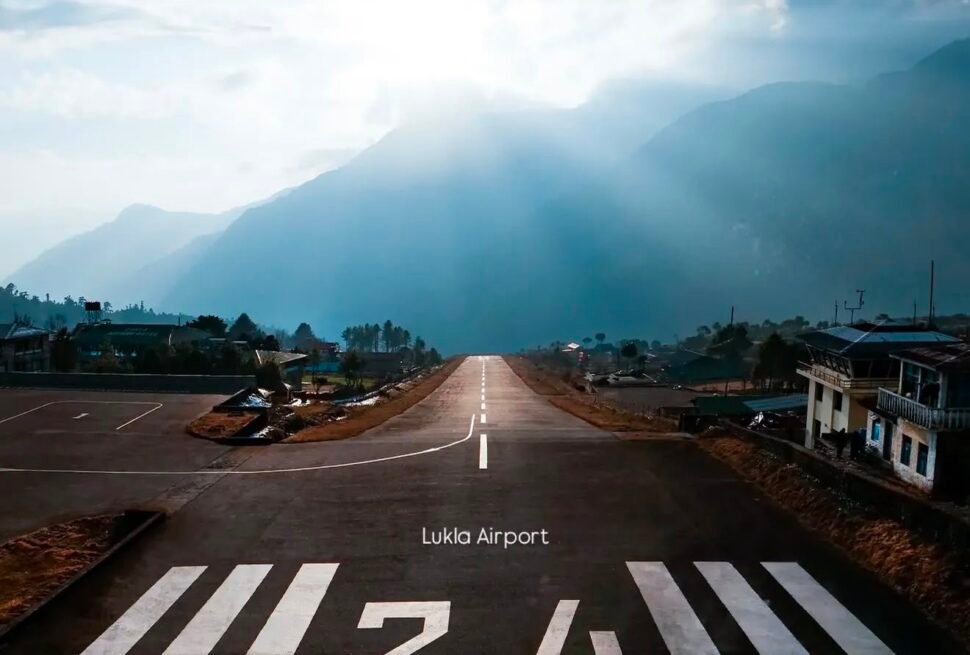
- Lukla (2,860 m): Daytime highs of 12 to 16°C, nights dropping to around -2°C
- Namche Bazaar (3,440 m): Days at 6 to 10°C, nights at -8 to -10°C
- Dingboche (4,410 m): Days at 0 to 5°C, nights at -14 to -18°C
- Everest Base Camp (5,364 m): Daytime highs around -5°C, nights dropping to -20°C or colder
Mornings are typically clear and sunny. Clouds tend to build from early afternoon, which is normal at altitude. Snowfall is possible above 4,000 metres but rarely disrupts the route in March. Precipitation is low compared to the monsoon months, making trail conditions generally dry and firm.
Trail Conditions in March
The trail from Lukla to Everest Base Camp is well established and runs through diverse terrain. In March you can expect solid ground on the lower forest sections, some icy patches on north-facing slopes above Namche, and clear snow-free paths through most of the Khumbu Valley. The Khumbu Glacier area near base camp may still have hard snow in early March, but this becomes less of an issue by mid to late month.
Trekking poles with carbide tips are recommended for icy sections. Microspikes or crampons are worth packing for anything above 4,500 metres if you are travelling in the first two weeks of March.
Crowds on the Everest Base Camp Trail in March
March is noticeably quieter than April and May. By the second half of April, expedition teams heading for Everest summit are camped at base camp, and the trail teems with trekkers and support crews. In March you enjoy far more of the mountain scenery in relative peace. Lodges are open and well-stocked, and the owners and staff are generally in good form after the quiet winter months.
One practical note: while March is quieter, it is not empty. Popular acclimatisation stops like Namche Bazaar and Tengboche fill up on weekends and long weekends tied to Nepali public holidays. Booking teahouses a day or two in advance via phone or a local guide is a good habit.
What to Pack for an Everest Base Camp Trek in March
Packing for a March EBC trek means preparing for a wide range of temperatures. You will leave Kathmandu in weather that feels like a cool spring afternoon and arrive at base camp in conditions close to an alpine winter. The layering system is the most effective approach:
- Base layer: Merino wool or synthetic thermal tops and bottoms
- Mid layer: Fleece jacket or down vest for warmth without bulk
- Outer layer: Waterproof and windproof shell jacket and trousers
- Insulated jacket: A down jacket rated to at least -10°C for evenings at high altitude
- Sleeping bag: Minimum -10°C comfort rating; most teahouses provide blankets but having your own bag is essential
- Sun protection: High-SPF sunscreen, quality sunglasses (UV400 or glacier glasses above 5,000 m), and a wide-brim hat
Typical Itinerary for the Everest Base Camp Trek in March
The standard route from Lukla to Everest Base Camp and back takes 12 to 16 days depending on your pace and acclimatisation stops. A 14-day itinerary is the most popular option and gives you proper rest days at Namche Bazaar (3,440 m) and Dingboche (4,410 m) to reduce the risk of altitude sickness.
- Day 1: Fly Kathmandu to Lukla, trek to Phakding (2,610 m)
- Day 2: Lukla to Namche Bazaar (3,440 m)
- Day 3: Acclimatisation day in Namche
- Day 4: Namche to Tengboche (3,867 m)
- Day 5: Tengboche to Dingboche (4,410 m)
- Day 6: Acclimatisation day in Dingboche
- Day 7: Dingboche to Lobuche (4,940 m)
- Day 8: Lobuche to Everest Base Camp (5,364 m) via Gorak Shep, then back to Gorak Shep
- Day 9: Kala Patthar sunrise (5,545 m), then trek down to Pheriche
- Days 10-12: Trek back to Lukla via Tengboche and Namche
- Day 13: Fly Lukla to Kathmandu
Permits Required for March EBC Trek
All trekkers in the Khumbu region need two permits regardless of the time of year:
- Sagarmatha National Park Entry Permit: NPR 3,000 per person (approximately USD 22)
- Khumbu Pasang Lhamu Rural Municipality Entry Fee: NPR 2,000 per person (approximately USD 15)
These can be arranged on arrival in Monjo or through your trekking agency before departure from Kathmandu. No advance booking is required for permits, though your agency will typically handle this as part of the trek package.
Book Your Everest Base Camp Trek in March
March departures fill up faster than many people expect, particularly for groups of four or more. Lodges in Gorak Shep and Lobuche have limited capacity and book out quickly once the season starts. To secure your preferred dates and get the best guidance from a local team, book at least two to three months before your intended start date.
Next Trip Nepal runs small-group and private Everest Base Camp treks every week of the spring season. Our guides are all certified and have extensive experience on the Khumbu trail in all conditions. View the Everest Base Camp trek package to see available March departure dates and costs.