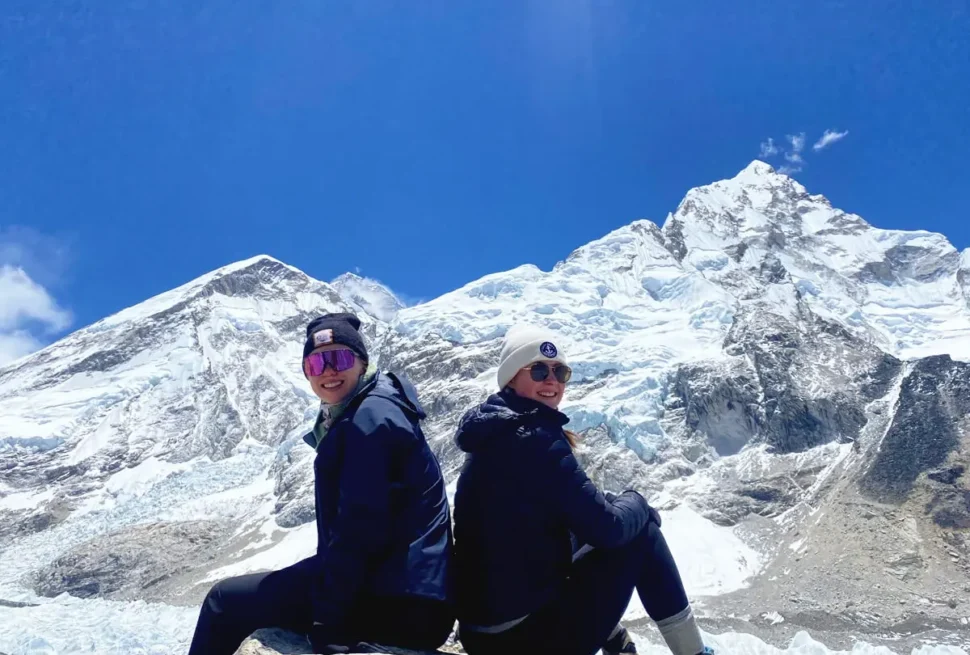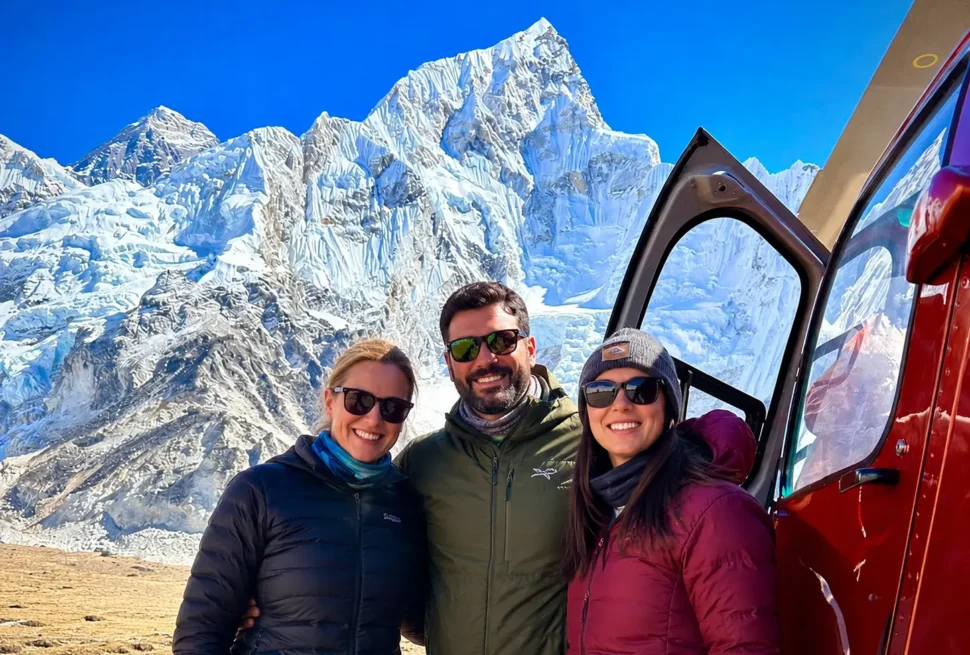

Everest Base Camp trekking in Nepal is the most iconic high-altitude walk in the world. It takes you to the foot of the highest mountain on earth, at 5,364 metres above sea level, through the Khumbu Valley of northeastern Nepal. Along the way you pass through Sherpa villages, ancient Buddhist monasteries, rhododendron forests, and glacial landscapes that few people outside Nepal ever see up close. For most trekkers, it is the experience of a lifetime.
If a shorter itinerary appeals to you, our Everest Base Camp Trek with Helicopter Return follows the same trail in on foot and replaces the multi day walk out with a single morning flight, and our day by day breakdown shows exactly how that version differs.
What Is the Everest Base Camp Trek?
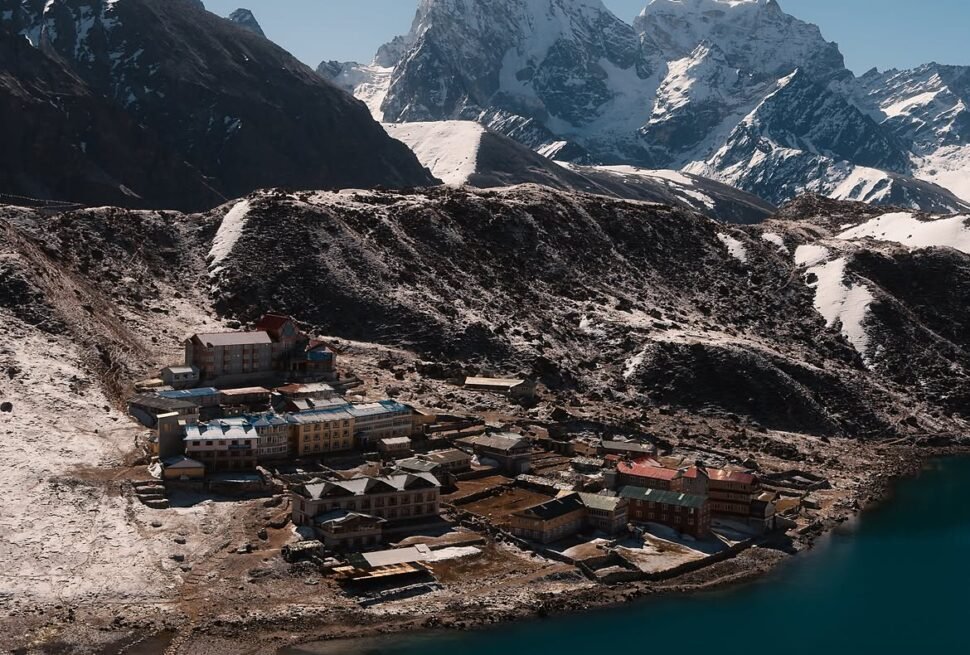
The Everest Base Camp trek is a 130-kilometre round trip through the Sagarmatha National Park in the Solukhumbu district of Nepal. The route begins with a short mountain flight from Kathmandu to Lukla, a small airstrip at 2,860 metres, and then follows the Dudh Koshi river valley north through a series of Sherpa settlements. The trail passes through Namche Bazaar, the main trading hub of the Khumbu, before climbing steadily to Tengboche, Dingboche, Lobuche, and finally Gorak Shep, the last stopping point before base camp itself.
Base camp sits at the edge of the Khumbu Glacier, directly below the Khumbu Icefall — the first major obstacle for any climber attempting Everest by the South Col route. Standing at base camp on a clear day, with prayer flags snapping in the wind and Everest’s summit pyramid visible above the ridgeline, is an experience that is difficult to put into words.
The Route in Brief
The classic Everest Base Camp route follows a well-marked trail on the eastern bank of the Dudh Koshi. The main stopping points and their altitudes are:
- Lukla (2,860 m) — Starting point after the mountain flight from Kathmandu
- Phakding (2,610 m) — First overnight stop, a short downhill walk from Lukla
- Namche Bazaar (3,440 m) — The main Sherpa town; two nights for acclimatisation
- Tengboche (3,867 m) — Home of the famous Tengboche Monastery with views of Ama Dablam
- Dingboche (4,410 m) — Second acclimatisation stop; Ama Dablam dominates the skyline
- Lobuche (4,940 m) — Last major lodge stop before the high camps
- Gorak Shep (5,164 m) — Final stop; base camp is a 3-hour round trip from here
- Everest Base Camp (5,364 m) — The destination
- Kala Patthar (5,545 m) — Optional but highly recommended; the best viewpoint for Everest’s summit
How Difficult Is the Everest Base Camp Trek?
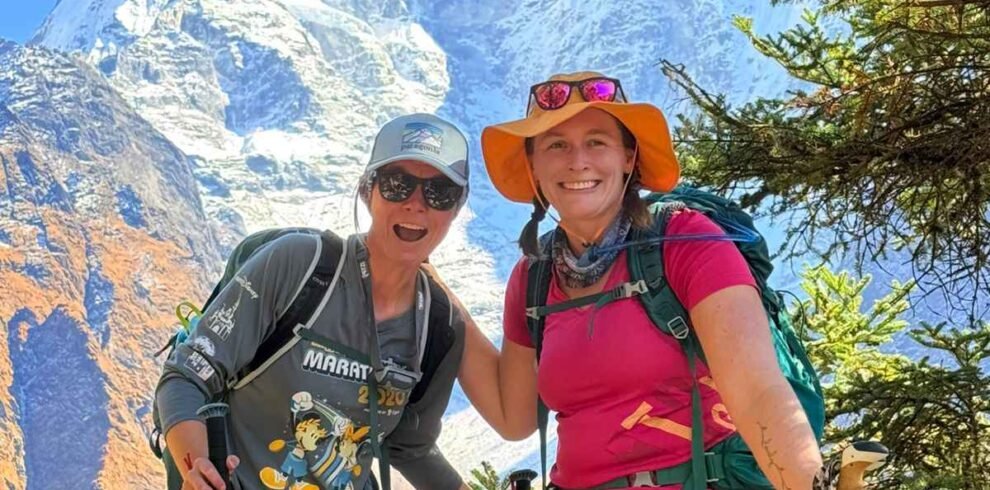
The EBC trek is rated as a moderate to challenging trek. It does not require technical climbing skills or mountaineering experience, but it does demand a solid level of cardiovascular fitness and the mental resilience to trek for 6 to 8 hours a day for nearly two weeks. The difficulty comes primarily from the altitude, not the terrain. At 5,364 metres, the air has roughly half the oxygen it does at sea level, and altitude sickness is a genuine risk if you ascend too quickly.
Proper acclimatisation is built into any well-designed itinerary. The standard 14-day trek includes rest days at Namche Bazaar and Dingboche, which allow your body to adapt before pushing higher. Trekkers who follow the pace, stay hydrated, and listen to their guides complete the trek successfully at a very high rate.
Best Time for Everest Base Camp Trekking in Nepal
There are two main trekking windows in the Khumbu:
- Spring (March to May): The primary trekking season. Clear skies, warming temperatures, and blooming rhododendrons on the lower trail. April and May are the busiest months, with expedition teams heading for the summit.
- Autumn (September to November): The second peak season. Post-monsoon skies are crystal clear and the views from Kala Patthar are outstanding. October is the most popular month.
Winter (December to February) is cold but doable for well-equipped trekkers who prefer solitude. Monsoon (June to August) brings heavy rain to the lower sections and is generally avoided.
Permits Required
Two permits are required for every trekker entering the Khumbu region:
- Sagarmatha National Park Entry Permit: NPR 3,000 per person (approximately USD 22)
- Khumbu Pasang Lhamu Rural Municipality Trekking Fee: NPR 2,000 per person (approximately USD 15)
These are obtained at the park entrance at Monjo, or your trekking agency can arrange them in Kathmandu before you depart. A valid passport-size photo is required for each permit.
What to Expect from an EBC Trek Package
Most trekkers book a guided package with a local Nepal agency. A standard Everest Base Camp trek package typically includes:
- Kathmandu to Lukla return flights and airport transfers
- All teahouse accommodation during the trek
- Three meals per day on the trail
- An experienced, English-speaking licensed trekking guide
- A porter to carry your main bag (up to 10–12 kg per trekker)
- All national park and municipality permits
- A comprehensive trip insurance recommendation and pre-trip briefing
The total cost for a guided 14-day EBC trek from Kathmandu typically falls between USD 1,400 and USD 2,200, depending on the agency, group size, and level of service.
Why Trek with a Local Nepal Agency?
Booking directly with a registered Nepal-based trekking agency gives you access to guides who have trekked the Khumbu route dozens of times and understand its rhythms, risks, and rewards. They know when to push, when to rest, and what to do if altitude sickness strikes. They have relationships with the best teahouses on the route, and their fees go directly into the local economy rather than through an overseas booking platform that takes a significant commission.
Next Trip Nepal is a licensed local operator with a team of certified guides and porters who have grown up in Nepal’s trekking culture. View our Everest Base Camp trek package to see itinerary options, group departure dates and what is included in the cost.