Food Is Better on This Trek Than Most Trekkers Expect
First time trekkers preparing for the Everest Base Camp trek often assume the food will be a genuine hardship, something to simply endure between the more rewarding parts of the day. That assumption is wrong, and I say this as someone who has eaten three meals a day on this exact route more times than I can count. Teahouse kitchens along the trail produce genuinely good, filling food every single day of the trek, cooked fresh to order, with real variety even at altitude. The food does change as you climb, becoming simpler and more repetitive above 4,000m, but calling it a hardship undersells what teahouse cooks manage to produce in genuinely difficult conditions with limited supply.
Food along the trail is the same regardless of how you get back down. If you are considering a helicopter return instead of walking out, see our Everest Base Camp Trek with Helicopter Return page for how that itinerary is structured.
Dal Bhat: The Single Best Food for This Altitude
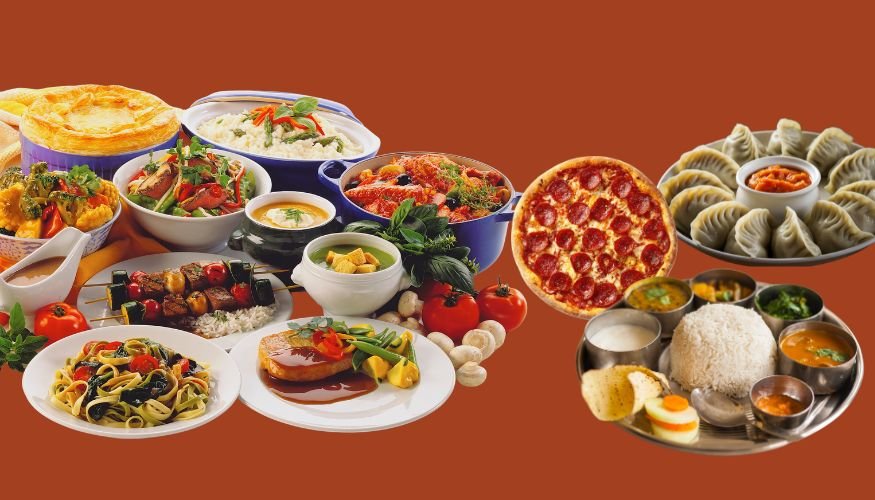
Dal bhat, the Nepali staple of lentils, rice, and vegetable curry, is not simply a cultural default option, it is genuinely the best food available for trekking at altitude, and there is real nutritional logic behind that claim. The lentils provide protein and iron, both important for the increased red blood cell production your body undergoes as it acclimatizes to reduced oxygen. The rice provides easily digestible carbohydrates for sustained energy on long trekking days. The accompanying broth and vegetable curry contribute meaningfully to daily hydration, which matters enormously at altitude where dehydration compounds the effects of reduced oxygen. Nearly every teahouse offers unlimited dal bhat refills at no extra charge, a tradition that exists specifically because trekkers and porters alike need the calories, and it is genuinely one of the best value, most functional meals you will eat anywhere on this trip.
Daily Food by Altitude Table
| Altitude Zone | Fresh Vegetables | Typical Proteins | Common Dishes |
|---|---|---|---|
| Lukla to Namche (2,840m to 3,440m) | Wide variety, spinach, tomato, cauliflower | Chicken, eggs, buffalo, dal | Momos, pizza, dal bhat, pasta |
| Tengboche to Dingboche (3,860m to 4,360m) | Potatoes, onions, garlic, cabbage | Eggs, dal, some tinned meat | Dal bhat, thukpa, garlic soup |
| Lobuche to Gorak Shep (4,930m to 5,160m) | Very limited, mostly potatoes | Eggs, tinned goods, dal | Thukpa, dal bhat, porridge |
Breakfast on the Trail
Breakfast at teahouses is fairly consistent across the whole route: porridge, pancakes, toast with jam or honey, and eggs prepared however you prefer, fried, boiled, or as an omelet, form the standard breakfast menu at nearly every stop. Tibetan bread, a slightly denser fried bread, is also common and a good source of sustained energy before a long trekking day. Coffee and tea, both black and milk tea, are available everywhere, though instant coffee is far more common than fresh brewed at altitude given the logistics of supplying anything more elaborate this far up the valley. We generally recommend a hearty breakfast every morning, since it needs to fuel five to eight hours of trekking before your next proper meal.
Garlic Soup and Its Real Purpose
Garlic soup becomes a fixture on nearly every trekker’s order from around Day 5 onward, and while there is a traditional belief among Sherpa communities that garlic aids circulation and helps with altitude adjustment, the more measurable benefit is straightforward hydration and warmth. A hot, savory broth consumed regularly through the day contributes meaningfully to fluid intake, which is one of the most important and most commonly neglected factors in avoiding altitude sickness. Whether or not you believe in garlic’s specific physiological benefits, drinking warm soup regularly at altitude is simply good practice, and garlic soup is the most widely available and most trekker recommended version of that habit on this particular route.
Thukpa, Momos, and Other Trail Favorites
Thukpa, a Tibetan style noodle soup with vegetables and your choice of protein, is particularly good at Lobuche and Gorak Shep, where its hot broth and filling noodles make it a genuinely comforting option after a long, cold day of trekking. Momos, Nepali style dumplings filled with vegetables, buffalo, or chicken depending on altitude and availability, are widely available from Namche upward and remain one of the more popular non dal bhat options among trekkers looking for variety. Fried rice and noodle dishes round out most teahouse menus, offering a reasonably familiar option for trekkers who want something closer to what they might order at a casual Asian restaurant back home.
Why Fresh Vegetables Disappear Above 4,000m
Every vegetable served above Namche has to be carried up the valley, either by porter or, more commonly for bulk supplies, by yak train, a logistics chain that becomes increasingly difficult and expensive the higher you climb. This is why fresh produce narrows sharply above 4,000m to the vegetables that travel and store well without refrigeration: potatoes, onions, garlic, and cabbage. Spinach and tomato, both more delicate and prone to spoiling, become unreliable above Dingboche specifically, sometimes available and sometimes not depending on recent supply runs. Above Lobuche, the menu shifts further toward tinned and dried goods, eggs, and potatoes, which dominate the higher altitude teahouse kitchens simply because they are the ingredients that can realistically make the journey up the valley intact.
Meat at Altitude: What We Recommend
Meat is available at lower altitude teahouses, particularly buffalo and chicken around Namche and below, but we generally recommend trekkers limit or avoid meat consumption above Namche specifically. Meat supply chains above this altitude are considerably less reliable in terms of freshness and refrigeration, and the risk of stomach upset from meat that has not been properly stored increases meaningfully the higher you go. Eggs remain a dependable protein source at every altitude on this route, cooked fresh to order daily, and we recommend leaning on eggs, dal, and lentil based dishes for protein once you pass Namche rather than ordering meat dishes out of habit.
Water and Hydration on the Trail
Proper hydration matters as much as food for managing altitude successfully, and we recommend drinking 3 to 4 liters of water per day once above 4,000m, considerably more than most trekkers are used to at home. Teahouses sell boiled water and bottled water, though we strongly encourage carrying your own water purification method, whether tablets, a filter, or a UV pen, both for cost savings over the trek and to reduce plastic bottle waste in an environment with no waste management infrastructure. Hot drinks, tea, garlic soup, hot lemon, count meaningfully toward your daily hydration target and are genuinely more appealing than cold water once the temperature drops from Dingboche upward.
Snacks to Bring From Kathmandu or Namche
While teahouse meals cover your core nutrition needs, most trekkers appreciate having personal snacks on hand for the trail itself, particularly on longer trekking days between meals. Energy bars, chocolate, nuts, and dried fruit are all good options that travel well and provide quick energy during a demanding climb. Namche Bazaar is your last real opportunity to stock up on a wide variety of snacks at reasonable prices, since options become progressively more limited and expensive the higher you climb, so we recommend buying what you think you will need for the upper stretch of the trek during your stop there.
A Typical Day of Meals on the Trek
Breakfast is eaten at your teahouse before departure, typically porridge or eggs with toast, fueling the morning’s walk. Lunch is either taken at an intermediate teahouse along the trail on longer trekking days or back at your accommodation on shorter days, commonly dal bhat, noodles, or a sandwich style option. Dinner, the most substantial meal of the day, is eaten at your overnight teahouse in the early evening, usually dal bhat, thukpa, or another hearty option, often followed by tea or hot lemon in the dining hall before an early bedtime. This rhythm repeats with small variations across all 14 days, and most trekkers settle into it comfortably within the first two or three days.
Food Included in Your Package
Three meals a day are included in your package price with us from Day 2 dinner through Day 13 breakfast, meaning the core cost of food for the entire trek is covered before you arrive in Nepal. What is not included are extra snacks, additional drinks beyond what is served with meals, and any alcohol, which we generally advise against at altitude regardless of cost, since alcohol worsens dehydration and can mask early symptoms of altitude sickness. Budget roughly USD 25 to 45 per day for these extras, which for most trekkers covers snacks, hot drinks beyond meals, and the occasional treat like a chocolate bar at a higher altitude teahouse where prices climb accordingly.
Dietary Restrictions and Special Requests
Vegetarian food is genuinely easy to manage on this trek, since dal bhat, thukpa, and most teahouse staples are naturally vegetarian or easily prepared without meat. Vegan trekkers can also be accommodated reasonably well, though butter tea and some breads may contain dairy, so communicating your specific restrictions clearly to your guide before departure helps ensure teahouses along your route are prepared. Gluten free trekkers face more of a challenge given how central rice, noodles, and bread are to teahouse menus, though rice based dishes like plain dal bhat without added bread remain a workable option. Let us know about any dietary restrictions during your pre trek consultation so we can flag this to teahouses along your specific itinerary in advance.
Food Safety and Avoiding Stomach Issues
Stomach upset is one of the more common minor health issues trekkers experience on this route, and food choices play a real role in prevention. Stick to freshly cooked, hot food rather than anything that may have been sitting out, avoid raw vegetables or salads above Namche where washing water quality becomes less certain, and be cautious with dairy products at higher altitude teahouses where refrigeration is limited. Our guides carry a personal first aid kit including antidiarrheal medication and oral rehydration salts as a standard precaution, but the best approach is prevention through sensible food choices rather than treatment after the fact.
Why We Do Not Recommend Bringing Freeze Dried Meals
Some trekkers, especially those with backpacking experience elsewhere, ask about bringing freeze dried camping meals as a backup or supplement. We generally do not recommend this on the standard EBC route specifically because teahouse food is genuinely good, filling, and already included in your package price, making freeze dried meals both unnecessary and, frankly, worse tasting than what is already available at every stop. The exception is a small emergency snack supply for unexpected delays, which falls under the energy bar and dried fruit category rather than full freeze dried meals requiring hot water and preparation time.
Coffee, Tea, and Caffeine at Altitude
Black tea and milk tea are available everywhere on this route and are the default hot drink for most trekkers throughout the day. Instant coffee is widely available, though genuine fresh brewed coffee is rare above Namche given the logistics involved. Some trekkers choose to cut back on caffeine at altitude since it has a mild diuretic effect that can work against your hydration goals, though this is a personal choice rather than a strict rule, and moderate caffeine consumption throughout the trek causes no meaningful problems for most trekkers.
How Food Changes Between Seasons
Food availability shifts somewhat with the seasons, tied closely to the same supply chain logistics that affect fresh vegetable availability generally. During the busy October and November peak season, teahouses stock up more heavily given predictable high demand, generally resulting in slightly better food variety and availability than during quieter shoulder periods. Monsoon season, June through August, can see more supply disruption when heavy rain affects trail conditions that porters and yak trains rely on, occasionally narrowing menu options further at the higher altitude stops during that period, one of several reasons we do not generally recommend monsoon season for first time trekkers.
A Guide’s Perspective on Trail Food
Food matters more to morale on this trek than most first time trekkers expect going in. A hot, filling meal at the end of a demanding trekking day genuinely changes how you feel, both physically and mentally, and I have watched this pattern repeat across every group I have guided. Trekkers who arrive expecting bland, minimal food are pleasantly surprised almost without exception, and those who understand the natural narrowing of variety as altitude increases adjust their expectations smoothly rather than feeling let down at Gorak Shep when the menu is noticeably simpler than it was at Namche. My honest advice: eat well and eat regularly throughout each day, since consistent fueling is one of the more overlooked factors in how well trekkers cope with the physical demands of this route.
The Yak Train and Porter Supply Chain
Understanding how food actually reaches the higher teahouses gives real context to what you eat and why menus narrow the way they do. Below Namche, supplies travel by road and porter. From Namche upward, yak trains and dedicated porters carry the bulk of supplies, moving steadily up the valley in a supply chain that has operated in roughly this form for decades, adapted gradually to the growth of trekking tourism. A single yak can carry a substantial load, but the journey from Namche to Gorak Shep still takes several days over difficult terrain, which is precisely why perishable items become scarcer and more expensive the higher you climb, and why teahouse owners plan their supply orders carefully around predictable trekking season demand rather than restocking casually.
Portion Sizes and Whether You Will Get Enough to Eat
A common worry among first time trekkers is whether teahouse portions will be sufficient given the physical demands of daily trekking. In practice, portions are generous, and dal bhat specifically comes with the informal but genuine expectation of second and sometimes third helpings if you want them, a tradition rooted in the reality that dal bhat has long been the fuel for porters carrying heavy loads across this exact terrain. Other dishes, thukpa, momos, fried rice, are served in standard, filling portions, and most trekkers find they are eating more at altitude than they typically would at home, simply because the combination of cold temperatures and heavy physical exertion increases appetite noticeably once your body adjusts to the altitude and the initial appetite suppression some trekkers experience during the first few days passes.
Food and the First Few Days of Appetite Loss
It is worth mentioning that appetite suppression is a common and normal early symptom of altitude adjustment, distinct from more serious altitude sickness, and many trekkers notice reduced hunger during the first two or three days of the trek even at relatively modest altitudes like Namche and Tengboche. This typically resolves as your body acclimatizes, and we encourage trekkers to eat something at each meal even without strong appetite during this early window, since maintaining caloric intake supports the acclimatization process itself. If appetite loss is accompanied by other symptoms, headache, nausea, unusual fatigue, it is worth mentioning to your guide as part of the broader altitude monitoring that happens daily from Day 5 onward.
Regional and Cultural Roots of Teahouse Food
Much of what you eat on this trek reflects the layered cultural history of the Khumbu region itself: dal bhat carries the broader Nepali culinary tradition found throughout the country, while thukpa, momos, and butter tea reflect the strong Tibetan Buddhist cultural influence specific to the Sherpa communities who have lived in this valley for centuries, many with ancestral and trading ties across the Nangpa La pass into Tibet. Eating your way up this valley is, in a real sense, eating your way through the specific cultural fusion that defines Sherpa identity in the Khumbu, distinct from the food traditions you would encounter trekking in, say, the Annapurna region further west.
Butter Tea: An Acquired Taste Worth Trying
Butter tea, made from tea churned with yak butter and salt rather than sugar, is a traditional Tibetan and Sherpa drink you will encounter at teahouses throughout the upper Khumbu, and it is worth trying at least once even though the flavor surprises most Western trekkers who expect something closer to sweet milk tea. It is genuinely functional at altitude, providing fat and calories that support energy needs in cold conditions, and many local guides and porters drink it regularly throughout the day for exactly this reason. If the taste is not for you, that is completely normal, and sticking with standard milk tea or black tea takes nothing away from the trek experience.
Ordering Food as a Group
When trekking with us, meals are generally ordered as a group each evening, with your guide helping coordinate orders with the teahouse kitchen to manage timing efficiently, particularly at busier teahouses during peak season when multiple groups may be ordering simultaneously. This group ordering system means dinner sometimes takes 30 to 45 minutes to arrive after ordering, since everything is cooked fresh rather than pre prepared, and we build this into the evening schedule so trekkers are not caught off guard by the wait. Bringing a card game or book for the dining hall wait is a small but genuinely useful habit many experienced trekkers develop.
Tipping for Teahouse Staff
While tipping teahouse kitchen staff directly is less common practice than tipping your guide and porters at the end of the trek, a small gesture of appreciation, whether a modest cash tip or simply consistent politeness and gratitude throughout your stay, is always well received. Teahouse families work long hours cooking for multiple trekking groups throughout each season, often in genuinely difficult conditions at higher altitude, and recognizing that effort, even informally, reflects well on you as a guest and on the broader trekking community’s relationship with these communities who make the entire route possible.
Menu Prices and What to Expect to Pay for Extras
While your core meals are included in your package, if you choose to order extra items, a second dessert, an additional snack between meals, expect prices to rise steadily with altitude, reflecting the increasing cost and difficulty of supplying each teahouse. A chocolate bar that costs a modest amount in Kathmandu might cost several times as much at Gorak Shep, not due to unfair markup but due to the genuine cost of transporting that item up the valley by porter or yak over multiple days. Understanding this pricing logic in advance helps trekkers budget appropriately and avoid feeling frustrated by prices that, in context, are entirely reasonable given the logistics involved.
Comparing Food Costs to the Package Cost You Already Paid
It is worth pausing on why we include full board in the package price rather than leaving trekkers to pay for meals individually as many budget trekking arrangements do elsewhere. Meal costs at teahouses genuinely climb with altitude, and a trekker paying individually for three meals a day across the higher stretch of this route could easily spend more than the equivalent value already built into our package pricing, without the certainty of having those meals guaranteed and pre arranged with each teahouse. Including full board removes this cost uncertainty entirely and, just as importantly, ensures your guide can advocate directly with each teahouse for prompt, appropriately portioned meals timed around your group’s schedule, rather than you negotiating individually as an independent trekker might have to.
What Happens if You Have a Food Allergy
Serious food allergies require careful advance planning on a route this remote, since teahouse kitchens, however capable, do not operate with the same ingredient labeling and cross contamination controls you might expect from a restaurant back home. If you have a significant allergy, nuts, shellfish, or another serious sensitivity, tell us in detail during your pre trek consultation so we can research and confirm with teahouses along your specific itinerary whether they can safely accommodate your needs, and so your guide can communicate clearly with kitchen staff at each stop. We take this seriously, since altitude and remoteness both complicate an allergic reaction considerably compared to the same event happening somewhere with immediate access to a hospital.
Final Thoughts on Eating Well During This Trek
Food on the Everest Base Camp trek is one of the pleasant surprises for most first time trekkers, filling, culturally interesting, and considerably better than the bland survival rations some imagine before they arrive. Eat well at every meal, drink enough water and warm broth throughout each day, and treat the gradual narrowing of variety as you climb as simply part of the honest reality of trekking somewhere this remote, rather than a shortcoming in the experience. Good, consistent fueling genuinely makes a difference in how you feel on the trail, and it is one of the more straightforward things within your control on a trek where so much else, weather, altitude, terrain, is not.
Snack Strategy for Long Trekking Days
Day 9, the long push from Lobuche to Everest Base Camp and back to Gorak Shep, is the longest trekking day of the entire itinerary at roughly 16km and 8 to 9 hours, and it deserves specific mention when it comes to food strategy. We recommend trekkers carry extra snacks that day specifically, energy bars, nuts, dried fruit, since lunch is typically a packed or simplified option eaten on the trail rather than a full sit down meal, and the physical demands of that day are considerably higher than most others in the itinerary. Consistent small snacks through a long day like this help maintain energy levels far better than relying entirely on breakfast and dinner to carry you through.
Why Some Trekkers Lose Weight on This Trek
Despite generally good food availability, many trekkers do lose some weight over the course of a 14 day EBC trek, a combination of increased caloric expenditure from daily trekking, altitude related appetite suppression during the early acclimatization days, and the simple difficulty of eating enough calories to fully offset the physical demands of climbing to over 5,000m repeatedly. This is normal and expected, not a sign that something has gone wrong, though it is worth eating as consistently and as much as your appetite allows throughout the trek specifically to minimize excessive weight loss, which can compound fatigue during the more demanding later days of the itinerary.
A Final Practical Tip: Ask Your Guide for Recommendations
Every teahouse has dishes it does particularly well, and your guide, having stayed at many of these same teahouses repeatedly across previous departures, generally knows which specific items to recommend at each stop. Do not hesitate to ask each evening what the teahouse is known for or what your guide personally recommends ordering, since this small habit consistently leads trekkers to some of the better meals of the trip rather than defaulting to the same order every night out of habit or uncertainty about the menu.
Comparing Food Across the Three Main Trekking Regions
Trekkers who have previously trekked the Annapurna Circuit or Langtang Valley sometimes ask how EBC food compares. In general terms, all three regions rely on the same broad teahouse model and the same core Nepali staples, dal bhat foremost among them, but the Everest region’s food culture carries a noticeably stronger Tibetan and Sherpa influence given the historical trade and cultural ties across the Nangpa La pass, which shows up clearly in the prevalence of thukpa, momos, and butter tea compared to what you might find on a comparable Annapurna teahouse menu. The remoteness and altitude of the Everest route also mean fresh ingredient availability narrows somewhat more sharply and at a lower altitude threshold than on the Annapurna Circuit, simply because the supply chain into the Khumbu is longer and more difficult than the road accessible sections of the Annapurna region.
What I Personally Order Most Often
After years of guiding this exact route, my own ordering habits are fairly consistent: dal bhat for dinner most nights, since it remains genuinely the best fuel for the following day’s climb, garlic soup as a starter from Dingboche onward, and thukpa specifically at Lobuche and Gorak Shep where its hot broth feels particularly welcome after a cold day. This is not a scientific recommendation so much as an honest account of what years of repeated trekking on this route has taught me works well, and it is advice I give freely to every trekker who asks what they should order on any given evening.
Food as Part of the Broader Trek Experience
It is easy to think of meals as simply fuel on a trek this physically demanding, and functionally that is exactly what they are, but I would encourage every trekker to also treat mealtimes as one of the genuine highlights of each day rather than purely a practical necessity. The dining hall conversation, the shared appreciation for a hot meal after a cold day of walking, the small ritual of ordering and anticipating dinner together as a group, these moments add up across 14 days into something that trekkers consistently mention fondly afterward, alongside the more obvious highlights of Kala Patthar and Base Camp themselves. Approach food on this trek with curiosity and genuine appreciation rather than mere tolerance, and it becomes a meaningfully positive part of the overall journey rather than simply something to get through between the walking.
The Economics Behind Why Teahouse Food Costs What It Does
Every item on a teahouse menu carries a price that reflects far more than the ingredient cost alone. Fuel for cooking, whether gas cylinders carried up by porter or locally sourced wood and yak dung, has its own cost and logistics chain. Labor, often an entire extended family working long hours across the trekking season, factors into pricing even though teahouse owners rarely itemize it explicitly. And the fundamental reality of operating a kitchen at 4,930m or 5,160m, where even boiling water takes longer due to reduced atmospheric pressure and where every mistake or shortage is far harder to correct quickly than it would be lower down the valley, adds an operational complexity that simply does not exist for a restaurant at sea level. Understanding this context helps trekkers appreciate teahouse food not just as a convenient meal, but as a genuinely impressive logistical and culinary achievement given where it is actually produced.
How Portering and Trekking Company Support Affects Your Food Experience
One advantage of trekking with an established company rather than independently is that your guide has existing relationships with teahouse owners built over repeated seasons, which translates into practical benefits at mealtimes: better communication about dietary needs, more attentive service during busy periods when a teahouse is hosting multiple groups simultaneously, and generally smoother coordination of meal timing around your day’s schedule. Independent trekkers, arriving without these established relationships, sometimes find themselves waiting longer for meals during peak season or receiving less individualized attention to specific requests. This is a small but real benefit of guided trekking that is easy to overlook when planning a trip, focused as most trekkers are on the walking and the views rather than the practical logistics of how each evening’s dinner actually gets organized.
Frequently Asked Questions
What is the best food to eat on the Everest Base Camp trek?
Dal bhat is the best overall choice, providing protein and iron from lentils, easy carbohydrates from rice, and hydration from the accompanying broth, with unlimited refills at most teahouses.
Is the food good on the Everest Base Camp trek?
Yes, genuinely. Teahouse kitchens produce fresh, filling meals daily, though variety narrows above 4,000m as fresh ingredient supply becomes more limited.
What vegetables are available at high altitude teahouses?
Above 4,000m, fresh vegetables are generally limited to potatoes, onions, garlic, and cabbage. Spinach and tomato become unreliable above Dingboche due to spoilage during transport.
Should I eat meat on this trek?
We recommend limiting or avoiding meat above Namche, since supply chains and refrigeration become less reliable at higher altitude, increasing the risk of stomach upset.
Why do trekkers drink garlic soup on this route?
Garlic soup provides warm hydration and is traditionally believed to help circulation at altitude. Regardless of the specific mechanism, drinking warm broth regularly supports the hydration altitude trekking requires.
Is food included in the Next Trip Nepal package price?
Yes, three meals a day are included from Day 2 dinner through Day 13 breakfast. Extra snacks, additional drinks, and alcohol are not included.
Can vegetarian or vegan trekkers be accommodated?
Yes. Vegetarian food is easy to manage since most teahouse staples are naturally vegetarian. Vegan trekkers can also be accommodated with advance notice to teahouses along the route.
How much water should I drink each day on this trek?
We recommend 3 to 4 liters per day once above 4,000m, considerably more than most trekkers drink at home, since proper hydration helps manage altitude symptoms.
What snacks should I bring from home or Kathmandu?
Energy bars, chocolate, nuts, and dried fruit travel well and provide useful trail energy. Namche Bazaar is your last good opportunity to stock up before options narrow further up the valley.
Does food quality change with the seasons?
Slightly. Peak season in October and November generally sees better stocked teahouses, while monsoon season from June through August can see more limited menu options at higher altitude stops.
Is alcohol available on the trek, and should I drink it?
Alcohol is available at lower altitude teahouses but we advise against it at altitude, since it worsens dehydration and can mask early symptoms of altitude sickness.
What should I do if I get an upset stomach on the trek?
Stick to hot, freshly cooked food, avoid raw vegetables above Namche, and let your guide know immediately. Our guides carry antidiarrheal medication and oral rehydration salts as a standard precaution.
I am Kiran Basnet, founder of Next Trip Nepal, based in Kathmandu. I have eaten dal bhat at nearly every teahouse on this route more times than I can count, and I still order it more than anything else on the menu.
Related reading: Teahouses on the Everest Base Camp Trek, Everest Base Camp Trek Safety Guide, Altitude Sickness on the Everest Base Camp Trek, Everest Base Camp Trek Packing List, Everest Base Camp Trek 14 Days trip page