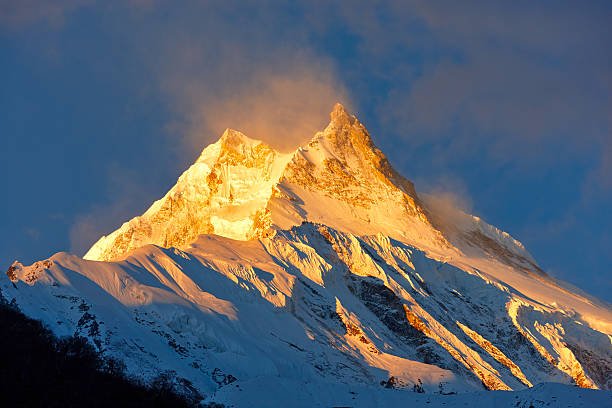

December brings a genuinely different character to the Manaslu Circuit, and it is a month we recommend with a clear set of expectations rather than a blanket yes or no. The main autumn trekking season has wound down by this point, the trail has gone quiet, and cold, dry weather settles firmly over the region. At Next Trip Nepal we still guide a steady number of December departures every year, largely for trekkers who specifically want solitude and clear skies and are prepared for genuinely cold conditions in exchange. This guide draws on what our team observes on the ground each December, so you know exactly what you are signing up for before you commit to a date.
We cover weather and temperature through the month, how conditions shift from early to late December, Larkya La pass conditions as snow returns, how quiet the trail really gets, permit costs for 2026, packing advice, and honest answers to the questions clients most often ask about trekking Manaslu in December.
Why December Is A Different Kind Of Manaslu Trek
December sits at the very tail end of the trekking calendar for the Manaslu Circuit, after the main autumn season has ended and before winter fully closes in. The defining features of the month are cold, dry weather, dramatically fewer trekkers, and a slowly increasing chance of snow at the pass as the month progresses.
This is not a month we recommend for a first time Himalayan trekker looking for the easiest possible introduction to high altitude walking. It is, however, an excellent choice for experienced trekkers who specifically want a quiet trail, dramatic winter light, and are comfortable managing genuinely cold temperatures with the right gear and preparation.
We are always honest with clients considering December, that this month asks more of you in terms of cold weather gear and mental preparation than October or November do, and the reward is a trail that can feel almost entirely your own for long stretches at a time.
Short daylight hours also shape a December trek in ways that later autumn months do not. The sun sets noticeably earlier, and our guides plan each day’s walking schedule around this reality, starting early and aiming to reach the next teahouse well before dusk settles over the valley.
Clients who choose December often describe a similar motivation once we ask them directly, that they have already trekked in Nepal during a busier season and are now looking for something quieter and more personal. Some are photographers chasing the exceptional winter clarity, others are simply experienced trekkers who prefer solitude over company on the trail. Understanding your own motivation for choosing this particular month helps us tailor the itinerary and the level of guidance you receive along the way.
December Weather And Temperature On The Manaslu Circuit
At lower elevations from Soti Khola through Jagat and Deng, daytime temperatures in December typically range from 8 to 18 degrees Celsius, noticeably cooler than the earlier autumn months even at these lower altitudes.
Higher up the valley through Namrung, Lho and Samagaon, daytime temperatures drop further still. At high altitude camps like Samdo and Dharamsala, and on Larkya La itself at 5106 meters, daytime temperatures generally range from minus 12 to minus 6 degrees Celsius, with nighttime temperatures falling considerably lower than that at these elevations.
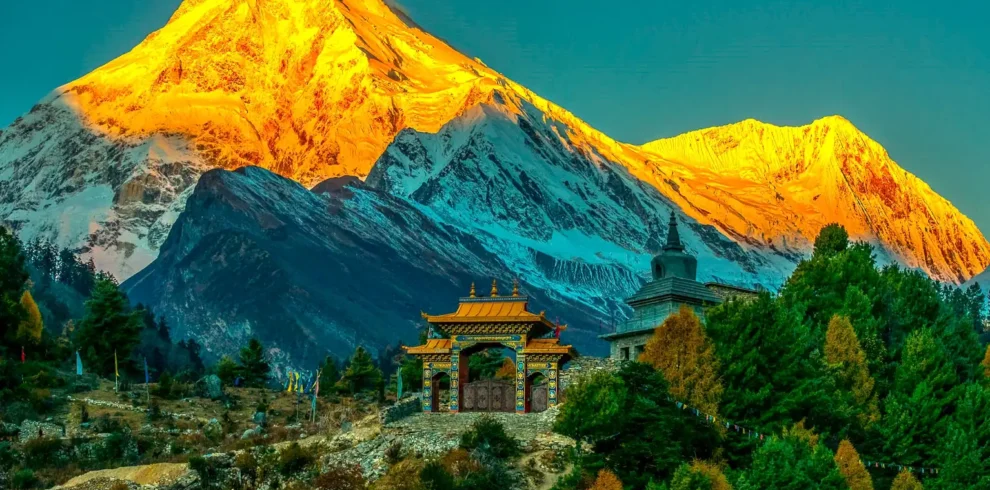
Skies tend to be reliably clear through much of December, since this is genuinely the dry season across this part of Nepal. Visibility of the surrounding peaks is often excellent, and the cold, dry air produces some of the sharpest, clearest mountain views available anywhere on the annual calendar.
Early December still carries some residual mildness from late autumn, while the second half of the month feels distinctly wintry, particularly at the higher camps. Trekkers departing in the final two weeks of December should prepare for meaningfully colder conditions than an early December trip would involve.
Wind can be a more noticeable factor in December than in earlier autumn months, particularly at exposed sections of the trail near the pass. Our guides pay close attention to wind chill when assessing conditions, since a windy but otherwise clear day can feel considerably colder than the thermometer alone suggests.
Humidity is at its lowest point of the year in December, which contributes to both the exceptional visibility and the sharp overnight temperature drops that define this month. The combination of intense daytime sun and bitterly cold nights is one of the most distinctive features of a winter trek in this region.
Trekkers often ask how December temperatures compare to what they might experience in a familiar winter destination back home. The honest answer is that the daytime cold at altitude, especially combined with strong sun and thin air, feels different from an ordinary cold winter day at lower elevation. Direct sun on a still, clear December afternoon can feel almost warm on exposed skin, while the same spot in shadow ten minutes later feels bitterly cold, a contrast that catches some trekkers off guard until they get used to layering accordingly throughout the day.
Larkya La Pass Conditions In December
Early December generally still offers manageable pass crossing conditions, similar in character to a colder version of a November crossing. As the month progresses, however, the chance of fresh snow at the higher camps and on the approach to Larkya La increases meaningfully, and by mid to late December, snow becomes a regular feature of the crossing rather than an occasional possibility.
Our guides assess conditions at Dharamsala with particular care throughout December, since a snow covered pass demands more caution, slower movement, and sometimes a delayed departure until conditions stabilize. We never rush a December crossing, and we build enough flexibility into the itinerary to wait out a poor weather window if needed.
Pre dawn starts are essential throughout December, even more so than in earlier months, since cold temperatures combined with any wind can make later starts genuinely uncomfortable and increase the risk of frostbite on exposed skin.
Trekkers who do complete a December crossing under clear skies consistently describe it as one of the most visually striking versions of Larkya La available all year, with crisp winter light, dramatic snow cover, and views that feel genuinely earned after the effort and cold of the climb.
Our guides carry additional safety equipment on December crossings as a standard precaution, including extra rope for any icy sections that may develop near the top of the pass. This is not a sign that the crossing is unusually dangerous when properly managed, simply a reflection of how seriously we take winter conditions at this altitude. Clients should expect a more deliberate, careful pace on a December crossing compared to an October one, with the group moving as a tighter unit throughout the ascent and descent.
Trail Conditions From Machha Khola To Samagaon
The lower trail remains in good condition through December, with dry ground and manageable stream crossings similar to what October and November deliver, simply with cooler temperatures throughout.
Leeches remain entirely absent this time of year, and the lower forest sections offer comfortable, straightforward walking without any of the seasonal hazards that monsoon trekking involves.
Suspension bridge crossings remain calm through December, with low water levels beneath most bridges. The lower valley sections of the trek genuinely retain much of their appeal in December, even as conditions shift noticeably once you climb higher toward Samagaon and beyond.
How Busy Is The Trail In December
December is genuinely quiet on the Manaslu Circuit. The vast majority of trekkers have already completed their autumn trips by this point, and the small number of groups still on the trail in December often go entire days without encountering another party.
This quiet atmosphere is one of the biggest draws for trekkers who specifically choose December, and teahouses that were fully booked in October have plenty of space available, often with owners happy to spend extra time chatting with the few guests they have.
Booking well in advance is less critical in December than in the busier months, though we still recommend confirming your trip with our team a few weeks ahead so we can properly prepare guides, porters and cold weather logistics for your specific dates.
Some teahouses at the higher, less visited stops may operate with reduced staff or shorter hours in December given the low demand, and our guides always confirm which lodges are open and well stocked before finalizing a December itinerary.
The quiet trail also changes the pace of the trek itself in small but meaningful ways. Without other groups to keep pace with or wait behind at narrow sections, trekkers often move more freely through the day, stopping for photographs or simply to take in the scenery without the gentle pressure of a crowded trail behind them. Many December clients tell us afterward that this unhurried quality was just as memorable as the mountain views themselves.
Permits Required For The Manaslu Circuit In 2026
Every foreign trekker needs three permits to complete the Manaslu Circuit, and all three must be arranged through a registered trekking agency rather than independently.
The Restricted Area Permit, or RAP, falls under the off peak season pricing window for a December trek, covering December through August, and costs 75 US dollars for the first week and 10 US dollars per day after that, notably less expensive than the autumn peak season rate.
The Manaslu Conservation Area Permit, or MCAP, costs around 3000 Nepali rupees for foreign nationals, roughly 30 US dollars. The Annapurna Conservation Area Permit, or ACAP, carries the same fee structure and is required because the standard route exits through Dharapani and Besisahar into Annapurna Conservation Area territory.
Following the March 2026 update from the Department of Immigration, solo trekkers can now obtain the Restricted Area Permit without needing a second person in their group. A licensed guide remains mandatory regardless of group size, and permits must still be processed through a registered agency well ahead of your planned departure date.
What To Pack For A December Manaslu Trek
- A high quality expedition weight down jacket, warmer than what October or November would require
- Insulated, waterproof gloves plus liner gloves and a spare pair for the crossing
- A sleeping bag rated to at least minus 20 to minus 25 degrees Celsius for nights at Samdo and Dharamsala
- Sturdy, well insulated trekking boots suited to snow and firm frozen ground
- Multiple warm layers, including a heavier base layer than earlier autumn months require
- A warm hat, neck gaiter or buff, and sunglasses rated for strong high altitude sun and snow glare
- A headlamp with spare batteries, water purification tablets or a filter
- A comprehensive first aid kit including altitude sickness medication
- Trekking poles, and gaiters if snow is expected at the higher camps
- Hand and toe warmers as a useful backup for the coldest mornings and the pass crossing itself
Most of this gear can be rented in Thamel in Kathmandu before your trip begins, though we recommend confirming with the rental shop that the specific items are rated for genuinely cold conditions, since not all rental stock is suited to a December trek at altitude.
Physical Preparation For The Trek
The physical demands of the Manaslu Circuit remain significant regardless of the month, and a solid base of cardiovascular fitness combined with regular hiking in the months before departure remains essential preparation for a December trek. Building up to hikes of five to seven hours with a loaded pack gives a realistic sense of the demands of a full trekking day on this route.
Cold weather adds an additional physical demand beyond the altitude and distance alone, since the body works harder to stay warm throughout the day. Trekkers preparing for a December trip benefit from including some cold weather training if possible, even something as simple as a few winter hikes in cold conditions at home, to get a sense of how their body and gear perform together.
A consistent training schedule of three to four sessions per week for two to three months before departure, gradually increasing both distance and pack weight, prepares most trekkers well for a December trip. We are particularly firm about fitness expectations for December departures, since a body that is already fatigued handles cold far less effectively than one working efficiently.
We also ask December clients to be honest with themselves about their comfort in genuinely cold conditions before booking. Someone who dislikes winter weather at home is unlikely to suddenly enjoy it at five thousand meters, and we would rather have that conversation during planning than have a client struggle with the cold once on the trail. This honest, direct approach has served our December clients well over the years, and it is a conversation we welcome before any booking is confirmed.
Cost Breakdown For A December Manaslu Circuit Trek
| Item | Approximate Cost (USD) |
|---|---|
| Restricted Area Permit, first week | 75 |
| Restricted Area Permit, additional days | 10 per day |
| Manaslu Conservation Area Permit | 30 |
| Annapurna Conservation Area Permit | 30 |
| Licensed guide, per day | 25 to 35 |
| Porter, per day, optional | 20 to 25 |
| Teahouse accommodation, per night | 5 to 15 |
| Meals, per day | 20 to 30 |
| Gear rental in Thamel, full set including winter gear | 70 to 110 |
| Travel insurance covering high altitude trekking | Varies by provider |
These figures are approximate and will vary depending on your itinerary length and the specific dates of your trek. The lower off peak permit cost is one small financial advantage of a December trek, though most clients choose this month for the quiet trail and clear skies rather than the modest savings on permits.
Acclimatization And Altitude Safety
Altitude sickness risk depends on ascent rate and individual physiology rather than the season, so the standard acclimatization protocol applies in December exactly as it does throughout the year. The itinerary builds in a rest day at Samagaon around 3530 meters, and the optional Manaslu Base Camp side trip remains genuinely rewarding in December, given the exceptional visibility that this dry, cold month often provides.
Many trekkers choose to carry Diamox as a preventive measure against altitude sickness, a decision that should be discussed with a doctor before travel. Our guides watch closely for early symptoms of acute mountain sickness throughout the trek, and cold weather can sometimes mask or complicate early symptoms, making careful daily check ins even more important in December.
Staying properly hydrated is genuinely harder in December than in warmer months, since cold weather naturally suppresses the sense of thirst even as dry mountain air continues to increase fluid loss through breathing. We encourage clients to drink consistently and deliberately throughout the day regardless of how cold or unthirsty they feel.
Sleep in December requires a bit more deliberate effort than in earlier months. Beyond a properly rated sleeping bag, many of our December clients bring a lightweight sleeping bag liner for extra warmth, and a hot water bottle filled before bed remains one of the simplest and most effective comforts available at the higher camps. Wearing a warm hat and dry socks specifically set aside for sleeping, separate from the ones worn during the day, also makes a noticeable difference to overall warmth and rest quality overnight.
Food And Accommodation Along The Route
Teahouses along the route remain open through December, though some of the smaller or less frequently visited lodges may operate with a reduced menu or shorter hours given the low season demand. Our guides know which teahouses stay fully stocked and comfortable through the winter months and plan the itinerary accordingly.
Dining rooms with a central stove take on special importance in December, often becoming the warmest and most welcoming space in each teahouse. With so few other trekkers on the trail, these evenings often turn into genuinely personal conversations with hosts and guides alike, a distinctly different experience from the busier social atmosphere of peak season.
Sample December Itinerary
A December itinerary follows the standard Manaslu Circuit structure. Day one, drive from Kathmandu to Machha Khola. Day two, trek to Jagat. Day three, trek to Deng. Day four, trek to Namrung. Day five, trek to Lho. Day six, trek to Samagaon. Day seven, acclimatization day with an optional Manaslu Base Camp side trip. Day eight, trek to Samdo. Day nine, trek to Dharamsala. Day ten, cross Larkya La and descend to Bimtang. Following days, continue to Tal or Dharapani and make your way back toward Kathmandu.
We build extra flexibility into December itineraries specifically around the pass crossing, since a snow event can require an additional day at Dharamsala or Samdo while conditions settle. Clients booking a December trek should plan their onward travel with this possibility in mind, rather than scheduling an immediate flight home the same day the trek is expected to finish.
Given the shorter daylight hours, each day’s walking segment often starts earlier and covers ground a bit more deliberately than the same stretch would in October, ensuring the group reaches its destination with plenty of daylight to spare.
Manaslu Base Camp Side Trip
The optional side trip to Manaslu Base Camp from Samagaon can be spectacular in December, given how consistently clear the skies tend to be during this dry, cold month. Snow on the approach adds a genuinely different visual character compared to an October or November version of the same walk.
Trekkers should be prepared for a colder, more demanding version of this side trip in December, with proper winter gear essential given the exposed nature of the walk toward base camp. Those who make the effort are consistently rewarded with some of the clearest, most dramatic mountain views available anywhere on the Manaslu Circuit calendar.
Travel Insurance For High Altitude Trekking
Proper travel insurance covering high altitude trekking up to at least 5500 meters, including helicopter evacuation, is essential for any Manaslu Circuit trek regardless of the month, and this matters even more in December given the colder conditions and quieter trail. Confirm your policy covers your specific travel dates and keep a copy of your policy number and emergency contacts with you throughout the trek.
Getting To The Trailhead
Most itineraries begin with a drive from Kathmandu to Machha Khola or Soti Khola. Road conditions are generally good in December, and with light trekking season traffic, the drive tends to be relatively smooth and predictable.
Winter fog in the early morning around Kathmandu occasionally affects visibility on the initial part of the drive, so our drivers plan departure times with this in mind to make the most of clear daylight hours once the route climbs into the hills.
December Compared To Other Months
| Month | High Altitude Daytime | Crowd Level | Notable Feature |
|---|---|---|---|
| November | Minus 8 to 0 C | Moderate to high | Excellent alternative to October, thinner crowds, colder nights |
| December | Minus 12 to minus 6 C | Low | Cold and dry, short daylight, quiet trails, snow returns to the pass late in the month |
| January | Minus 15 to minus 8 C | Very low | Deep winter, coldest and quietest month, significant snow likely at the pass |
Should You Trek Manaslu In December
If you specifically want a quiet trail, dramatic clear skies, and are genuinely prepared for cold weather trekking, December is a rewarding and distinctive choice. It is not the right month for someone seeking the easiest, most comfortable introduction to this trek, and we say this honestly rather than trying to sell every client on every month.
Trekkers with previous high altitude experience, a genuine appreciation for cold weather adventure, and realistic expectations about the trail’s quiet, sometimes stark winter character consistently report a deeply memorable experience in December.
We often advise less experienced trekkers considering December to look at October or November instead, simply because those months deliver a more forgiving version of the same trek. For the right person, though, December offers something the busier months genuinely cannot, a trail that feels almost entirely your own beneath some of the clearest skies of the year.
Photography In December
December often delivers the clearest, sharpest mountain photography conditions of the entire year, thanks to the low humidity and dry winter air. Snow covered peaks against a deep blue winter sky create images that are difficult to replicate during the busier, hazier autumn months.
Cold temperatures drain camera batteries considerably faster in December than in earlier months, so keeping spares in an inner pocket close to your body is essential rather than merely helpful. Trekkers should plan to carry more spare batteries than they think they will need, since the combination of cold and shorter daylight leaves less margin for error.
Wildlife And Nature Along The Trail
The lower forest sections take on a bare, quiet winter character by December, with most of the autumn color gone. Wildlife sightings become somewhat less frequent as animals adjust their patterns for the colder months, though Himalayan tahr and various birds remain visible on the higher slopes for attentive trekkers.
The higher sections of the trail take on a genuinely wintry appearance in December, with frost and often snow becoming regular features at Samdo and Dharamsala. This stark, quiet winter landscape is part of the appeal for trekkers who specifically choose this month, offering a different kind of beauty than the greener, busier autumn trail.
Health And Hygiene On The Trail
Basic hygiene practices remain important throughout December. Wash your hands regularly, carry hand sanitizer, and treat all drinking water either with a filter, purification tablets, or boiled water, since even in cold weather waterborne illness remains a genuine risk.
Cold, dry air at higher elevations frequently irritates the throat and airways in December more than in any other month, and a persistent cough is a common complaint among winter trekkers. Sipping warm water or tea throughout the day, breathing through a buff or scarf on the coldest stretches, and protecting the lips and skin from windburn all help considerably.
Village Life And Culture Along The Route
The Nubri and Tsum valleys carry strong Tibetan Buddhist traditions, visible in the mani walls, prayer wheels and chortens that line the trail throughout the year. December sees local communities settled fully into the quiet rhythm of winter, with most agricultural work complete and households focused on staying warm through the coldest months.
Walk clockwise around mani walls and stupas as is customary, and ask before photographing people or ceremonies, a small courtesy that goes a long way in these close knit mountain communities regardless of how few other visitors are passing through.
With the trekking season largely over, local hosts in December often have considerably more time to talk, and many December trekkers describe their conversations with teahouse families as one of the most meaningful parts of the entire trip, offering a genuine glimpse into how these mountain communities live through the winter.
Tips From Our Guides
Invest in genuinely warm gear rather than trying to make do with autumn season equipment. Start each trekking day early given the short daylight hours. Build extra flexibility into your schedule around the pass crossing in case of snow. Stay disciplined about hydration even when you do not feel thirsty. Bring more spare camera batteries than you think you need, and approach the trail’s quiet character as a feature rather than something to worry about.
Group Departures Versus Private Treks
Fixed group departures become less frequent in December given the lower overall demand, so most December trekkers with us end up on a private or small group basis. This actually suits the character of the month well, since a smaller group moves with more flexibility around weather and pass conditions than a larger fixed departure would.
Our guides are especially experienced with the particular demands of December trekking, from managing cold weather logistics to making sound calls about pass conditions, and private clients benefit from this focused attention throughout a winter departure.
Frequently Asked Questions About Trekking In December
Is December a good month for the Manaslu Circuit Trek? For experienced trekkers who want a quiet trail and clear skies and are prepared for cold weather, yes. It is not the easiest or most forgiving month, and we recommend it specifically to clients with realistic expectations about the conditions involved.
How cold does it get in December? High altitude daytime temperatures generally range from minus 12 to minus 6 degrees Celsius, with nights considerably colder at Samdo and Dharamsala, particularly in the second half of the month.
Is the trail crowded in December? No, December is genuinely quiet, with far fewer trekkers than any of the autumn months. Many days on the trail involve little to no contact with other groups.
Is the Larkya La crossing reliable in December? Early December generally offers manageable conditions, but the chance of snow increases significantly through the month. Our guides plan extra flexibility into December itineraries specifically to account for this.
Can solo trekkers get a permit in December 2026? Yes, following the March 2026 immigration update, the two person minimum for the Restricted Area Permit has been removed, so solo trekkers can obtain the permit provided they trek with a licensed guide through a registered agency.
How many days should I budget for the trek? We recommend a fourteen to sixteen day window for a December departure, allowing extra buffer days around the pass crossing in case of a snow related delay.
Do I need previous trekking experience for a December departure? We generally recommend some prior high altitude or cold weather trekking experience for December, given the more demanding conditions compared to the earlier autumn months. First time trekkers are usually better served by October or November.
Booking A December Manaslu Circuit Trek With Next Trip Nepal
December is a month we approach with honesty rather than enthusiasm for its own sake. It is genuinely rewarding for the right trekker, and genuinely demanding in ways that earlier autumn months are not. Our guides have extensive experience managing the specific challenges of a December departure, from cold weather logistics to pass conditions, and we prepare every client thoroughly before committing to this month.
If you are drawn to the idea of a quiet trail, exceptional winter clarity, and a genuinely different version of this classic trek, reach out to our team to discuss whether December fits your experience level and expectations. We will walk through the realities of the month honestly, help you prepare the right gear, and arrange a private or small group itinerary suited to winter conditions.
For trekkers who are ready for it, December offers something genuinely special, a chance to experience one of the finest treks in the Himalayas at its quietest, starkest, and in many ways most beautiful time of year. We would be glad to help you decide whether this is the right trip for you, and to prepare you thoroughly if it is.
Our guides who take on December departures each year describe a particular satisfaction in this month, watching a small, well prepared group experience the mountain in its most elemental form, cold, clear and largely undisturbed. It is not for everyone, but for those it suits, it tends to become one of the most memorable trips they take.
Explore Other Months
Curious how the Manaslu Circuit Trek compares at a different time of year? Read our guide to trekking Manaslu in November or trekking Manaslu in January, or see our full Manaslu Circuit Trek overview for general route details, difficulty and highlights.