
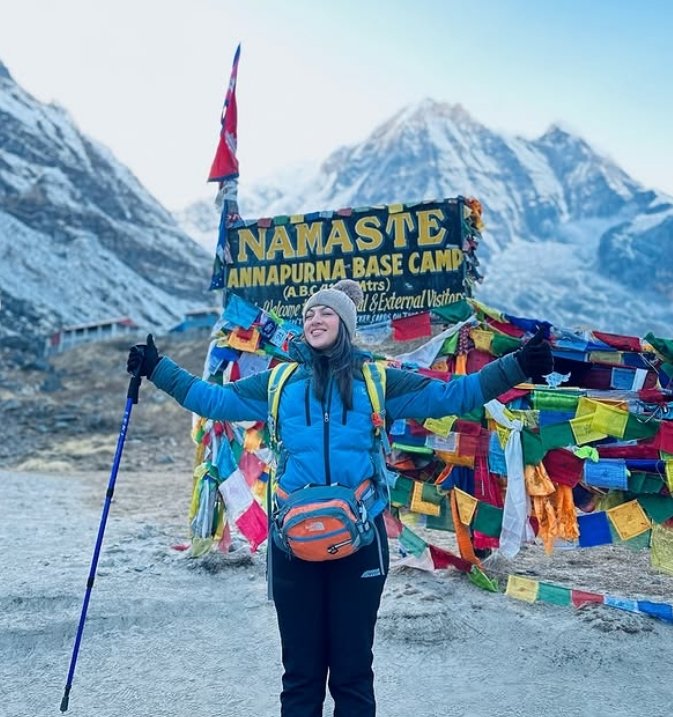
The Annapurna Circuit is one of the most talked about treks in the world, and also one of the most confusingly priced. Search for its cost and you will find numbers from $600 to $3,500, sometimes for what sounds like the exact same route. The real answer depends on five choices you make: whether you fly or drive between Pokhara and the trailhead, whether you trek independently or with a company, how many days you spend on trail, whether you cross the Thorong La Pass from the Manang side or the Muktinath side, and how many extras you add along the way. This guide breaks every cost down individually, using current 2026 figures, so you can build a realistic budget instead of guessing from a headline number.
The short answer: a full 14 to 16 day Annapurna Circuit Trek costs between $975 and $1,560 per person with a trekking company, depending on group size, or roughly $700 to $1,000 if you piece it together independently once permits, food, guide, and transport are counted honestly, since solo trekking without a licensed guide is not legally permitted anywhere in Nepal as of 2023. Next Trip Nepal’s own 14 day package is priced at $1,449 for a solo trekker, discounted from a $1,560 list price, and drops as low as $975 per person for a group of 13 or more, with all permits, guide, teahouse accommodation, and meals included.
Quick Cost Summary Table
| Expense Category | Independent Trekker | With a Trekking Company |
|---|---|---|
| Annapurna Conservation Area Permit (ACAP) | $23 to $30 | Included |
| TIMS card | Not currently enforced on this route | Not applicable |
| Kathmandu to Pokhara transport (bus or flight) | $7 to $120 one way | Included or arranged |
| Pokhara to trailhead transport | $10 to $180 | Included |
| Guide (14 days, mandatory) | $420 to $560 | Included |
| Porter (14 days, optional) | $280 to $350 | Often included |
| Teahouse accommodation (13 nights) | $65 to $130 | Included |
| Meals on the trail (14 days) | $420 to $560 | Included |
| Travel insurance with high altitude cover | $100 to $250 | Your responsibility either way |
| Trekking gear (if buying new) | $300 to $2,000 | Your responsibility either way |
| Wi Fi, charging, hot showers, snacks | $100 to $200 | Your responsibility either way |
| Tips for guide and porter | $90 to $180 | Your responsibility either way |
Unlike Everest Base Camp or Manaslu, the Annapurna Circuit has no expensive mandatory flight and no restricted area permit, which is exactly why its independent budget can come in noticeably lower than either of those two routes, while a company package still gives you the predictability of a fixed price.
1. Annapurna Conservation Area Permit (ACAP)
Every foreign trekker on this route needs the Annapurna Conservation Area Permit, issued by the Annapurna Conservation Area Project. The current 2026 fee is NPR 3,000 for non SAARC foreign nationals, roughly $23, with some agencies and online payment portals quoting closer to $30 once a card processing surcharge is added. SAARC nationals pay a reduced NPR 1,000, roughly $7 to $8. This is a one time fee for the whole trek regardless of how many days you spend inside the conservation area, and it can be purchased either in Kathmandu at the Nepal Tourism Board office or in Pokhara at the ACAP counter, or arranged for you by a trekking company.
2. Do You Still Need a TIMS Card?
This is one of the most outdated pieces of information still circulating online. TIMS cards, which used to cost an additional NPR 2,000 for independent trekkers, are no longer enforced on the Annapurna Circuit route. Permit checks at trailhead checkpoints now rely on the ACAP permit itself along with the requirement that every foreign trekker travels with a licensed guide. If an article or agency still quotes a separate TIMS fee for this specific route, that information has not been updated to reflect the current rule.
3. Is a Guide Legally Required on the Annapurna Circuit?
Yes. Since April 2023, Nepal’s tourism authorities require every foreign trekker to be accompanied by a licensed guide on all major trekking routes, not just restricted areas like Manaslu or Upper Mustang. This rule change was introduced primarily for trekker safety following a series of solo trekker fatalities and disappearances in the years before, and it applies fully to the Annapurna Circuit. Solo trekking without a guide, once a common budget option on this exact route, is no longer a legal path to reducing your cost.
4. Transport Costs: Kathmandu, Pokhara, and the Trailhead
The Annapurna Circuit begins and ends with more transport legs than most other Nepal treks, and each one has a real cost range worth knowing in advance.
| Route | Budget Option | Faster or More Comfortable Option |
|---|---|---|
| Kathmandu to Pokhara | $7 to $15 by tourist bus | $90 to $120 by domestic flight (25 minutes) |
| Pokhara to Besisahar (trek start) | $5 to $10 by local bus | $60 to $90 by private jeep |
| Besisahar to Chame or Koto (road head) | $10 to $20 by shared jeep | $100 to $150 by private jeep |
| Jomsom to Pokhara (trek end) | $20 to $30 by local bus and jeep combination | $110 to $150 by domestic flight (20 minutes) |
A common and sensible budget compromise is to take the cheaper tourist bus to Pokhara, then a private or shared jeep to the trailhead to save time on the first day, and finish the trek by flying out of Jomsom rather than facing another long day of road travel after already crossing the Thorong La Pass. Most trekking company packages, including Next Trip Nepal’s, already build this combination into the itinerary rather than leaving it for you to arrange on arrival.
5. Guide and Porter Costs
| Role | Daily Rate | 14 Day Total |
|---|---|---|
| Licensed English speaking guide | $30 to $40 per day | $420 to $560 |
| Porter (carries up to 15 to 20kg) | $20 to $25 per day | $280 to $350 |
| Porter guide combined role | $25 to $35 per day | $350 to $490 |
Because the Annapurna Circuit is a well established, well trodden route with dozens of licensed guides working it every season, guide rates here tend to sit at the lower end of Nepal’s typical range compared to more remote restricted routes like Manaslu. A guide’s day rate should already include their own food, lodging, and insurance, and it is worth asking directly if a quoted rate looks unusually low, since underpriced guides sometimes cut corners on their own insurance coverage.
6. Teahouse and Food Costs
The Annapurna Circuit has the most developed teahouse infrastructure of any major trek in Nepal, a direct result of decades as one of the country’s most popular routes, and this keeps prices competitive compared to more remote trails.
| Item | Lower Villages (below 3,000m) | Higher Villages (Manang, Thorong Phedi, Muktinath) |
|---|---|---|
| Room rate | $2 to $5 | $5 to $10 |
| Breakfast | $3 to $5 | $5 to $8 |
| Lunch or dinner (dal bhat, noodles) | $4 to $7 | $7 to $10 |
| Hot drinks | $1 to $2 | $2 to $4 |
Many teahouses along this route still offer free or heavily discounted rooms if you eat both dinner and breakfast there, a pricing model that has survived on the Annapurna Circuit even as some routes have moved toward flat room charges, and it remains one of the easiest ways to trim your daily budget without sacrificing comfort.
7. Crossing the Thorong La Pass: What It Adds to Your Budget
At 5,416m, the Thorong La Pass is the highest point of the trek and the single most demanding day, and it comes with a few specific costs worth planning for. Most trekkers stay at Thorong Phedi or High Camp the night before, where room and food prices sit at the top of the route’s range due to limited lodge capacity and everything being carried up by porter or mule from lower villages. A pre dawn start, typically 4 to 5am, means an early breakfast or packed food, sometimes at a small premium over a normal meal. Budget an extra $15 to $25 for this single day compared to a lower altitude day on the trek, covering the higher priced high camp stay and the crossing day’s food.
8. Travel Insurance and Gear
| Item | Approximate Cost |
|---|---|
| Travel insurance with cover up to 6,000m and helicopter evacuation | $100 to $250 |
| Full gear purchased new | $300 to $2,000 |
| Gear rented in Kathmandu or Pokhara | $100 to $300 |
Because the Thorong La Pass reaches 5,416m, well above the altitude ceiling of many standard travel insurance policies, the same warning applies here as on Everest Base Camp and Manaslu: check the exact altitude your policy covers before you buy it, not after you need to file a claim. A policy that caps out at 4,000m or 4,500m will not pay out for an evacuation from the pass itself or from Thorong Phedi.
9. Group Size and How It Changes the Price
As with most company operated treks in Nepal, booking with other travelers rather than as a private solo trekker brings the per person price down meaningfully, since the fixed costs of a guide and ground transport are shared across the group.
| Group Size | Typical Per Person Price (14 day package) |
|---|---|
| Solo (1 person) | $1,445 |
| Small group (2 people) | $1,375 |
| Mid group (3 to 5 people) | $1,275 |
| Larger group (6 to 8 people) | $1,175 |
| Bigger group (9 to 12 people) | $1,075 |
| Largest group (13 or more people) | $975 |
These are Next Trip Nepal’s own current group pricing tiers for the Annapurna Circuit. Notice that even the solo rate of $1,445 sits below the $1,560 list price shown for a single trekker booking without a group discount, since Next Trip Nepal currently runs a sale price across its group pricing structure. The spread between solo and the largest group tier is roughly $470 per person, a meaningful amount that makes checking for an existing group departure worth the extra effort before booking a private trek.
Independent Trekking vs Booking With a Company: A Real Cost Comparison
| Cost Category | Independent, Solo, Built Piece by Piece | Next Trip Nepal 14 Day Package (Solo) |
|---|---|---|
| ACAP permit | $23 to $30 | Included |
| Transport (Kathmandu, Pokhara, trailhead, Jomsom flight out) | $150 to $300 | Included |
| Guide (14 days, mandatory) | $490 average | Included |
| Teahouse rooms (13 nights) | $90 average | Included |
| All meals (14 days) | $490 average | Included |
| Subtotal | Roughly $1,243 to $1,400 | $1,449 |
This is one of the few treks in Nepal where an honestly built independent budget can come close to matching, and sometimes beating, a well priced company package, precisely because there is no expensive flight and no restricted area permit inflating the fixed costs. The gap narrows even further once you account for the time and stress of arranging your own guide, permits, and transport connections rather than having them booked in advance.
Why Some Annapurna Circuit Packages Are Suspiciously Cheap
- Guide daily rate cut well below the $30 to $40 market range, often meaning a guide without formal training or without their own insurance coverage
- Jomsom flight quietly dropped from the itinerary in favor of a much longer and more tiring road journey back to Pokhara, without telling you in advance
- Porter loads pushed above the ethical 20kg limit to reduce headcount and cost
- Teahouses selected purely by lowest negotiated rate rather than quality or location, sometimes adding unnecessary walking distance between stages
- Group departures advertised at the largest group discount price even when the confirmed group is much smaller, with the true price revealed only at booking
Seasonal Cost Variations
| Season | Months | Cost Impact |
|---|---|---|
| Autumn (peak) | September to November | Best weather, most group departures to join, highest teahouse demand in Manang and Muktinath |
| Spring | March to May | Good weather, rhododendron blooms on lower sections, slightly fewer trekkers than autumn |
| Winter | December to February | Coldest conditions, Thorong La Pass can close temporarily after heavy snow, fewer group departures to join |
| Monsoon | June to August | Wet and leech heavy on lower sections, though the Manang side stays comparatively dry due to the Himalayan rain shadow effect |
A Sample 14 Day Cost Breakdown, Day by Day
| Day | Location | Approximate Daily Spend (independent trekker) |
|---|---|---|
| 1 | Kathmandu to Pokhara (bus) | $10 transport plus $20 hotel and food |
| 2 | Pokhara to Chame (jeep) | $70 transport plus $20 food and room |
| 3 | Chame to Pisang | $25 |
| 4 | Pisang to Manang (upper route) | $28 |
| 5 | Acclimatization day in Manang | $28 |
| 6 | Manang to Yak Kharka | $28 |
| 7 | Yak Kharka to Thorong Phedi | $32 |
| 8 | Thorong Phedi over Thorong La Pass to Muktinath | $40 |
| 9 | Muktinath to Jomsom | $25 |
| 10 | Jomsom to Pokhara (flight) | $120 transport plus $25 hotel and food |
| 11 to 14 | Buffer days, rest day in Pokhara, return to Kathmandu | $30 to $40 per day |
Frequently Asked Questions
Is the Annapurna Circuit cheaper than Everest Base Camp?
Usually yes, for both independent and company booked trekkers, mainly because there is no expensive mandatory Lukla style flight and no restricted area permit. Next Trip Nepal’s Annapurna Circuit package starts at $975 for a large group compared to $1,449 for Everest Base Camp, even though both are similar in duration.
Can I still trek the Annapurna Circuit without a guide?
No. Since the nationwide rule change in April 2023, a licensed guide is legally required for every foreign trekker on this route, the same as on Everest Base Camp and Manaslu, regardless of prior trekking experience.
Do I need a TIMS card for this trek?
No. TIMS cards are no longer enforced on the Annapurna Circuit. Only the ACAP permit is currently required, along with the mandatory guide requirement.
Should I fly or drive between Pokhara and the trailhead?
Flying out of Jomsom at the end of the trek saves a long and tiring road journey after crossing Thorong La Pass, and most trekkers consider the extra cost worthwhile. Driving in from Pokhara to Besisahar and beyond at the start is a reasonable budget choice either way, since that section is less physically demanding than the return leg.
What is the single biggest cost most people underestimate?
The Jomsom to Pokhara flight, which can be $110 to $150 and is sometimes left out of a quoted independent budget entirely, leaving trekkers to either pay a last minute premium or face a multi day road journey they had not planned for.
Does group size meaningfully change the price on this trek?
Yes. The gap between Next Trip Nepal’s solo price of $1,445 and its largest group price of $975 is roughly $470 per person, so checking for an existing group departure before booking a private solo trek is worth the flexibility if your schedule allows it.
Is altitude sickness a real risk on this trek?
Yes. The Thorong La Pass at 5,416m is higher than Everest Base Camp itself, and the standard itinerary includes a dedicated acclimatization day in Manang for this reason. Proper pacing and insurance with genuine high altitude cover both matter as much here as on any other major Nepal trek.
Can I do the Annapurna Circuit in fewer than 14 days to save money?
Some operators offer shortened 10 to 12 day versions that skip the lower valley approach by driving further in by jeep and flying out of Jomsom, which trims both trekking days and their associated food and lodging costs. This can reduce the total price by $150 to $250, though it also means less time acclimatizing before the pass, so it suits trekkers with prior high altitude experience more than first timers.
How Much Cash to Carry on the Annapurna Circuit
Unlike Manaslu, the Annapurna Circuit has a handful of towns with basic banking services, including Chame and Manang in season, though machines are not always reliable and should never be relied on as your only source of cash. Kathmandu and Pokhara have plentiful ATMs before you start.
| Trip Length | Recommended Cash to Carry |
|---|---|
| 14 day standard Annapurna Circuit | $200 to $300 |
| 18 to 20 day extended itinerary with side trips | $300 to $450 |
This should comfortably cover meals not included in your package, hot showers, Wi Fi, snacks, souvenirs in Manang or Muktinath, and tips, with a reasonable buffer for the Jomsom flight if it is not already included in your booking.
Common Budgeting Mistakes on the Annapurna Circuit
- Forgetting the Jomsom flight in an independent budget. At $110 to $150, this single line item is often the biggest gap between a planned independent budget and the actual amount spent, since many trekkers assume the whole trek is road accessible.
- Assuming a TIMS card is still required. Budgeting an extra $20 to $40 for a permit that is no longer enforced on this route is a common and easily avoidable overestimate.
- Skipping the acclimatization day in Manang to save one night’s cost. The $28 or so saved is a poor trade against the real risk of altitude sickness on the approach to a 5,416m pass.
- Booking solo when a group departure would have worked. Given the roughly $470 per person gap between solo and largest group pricing, checking group availability before committing to a private booking is worth the flexibility.
- Underestimating gear needs for the pass crossing. Thorong Phedi and Muktinath both sit at or above the altitude where a proper down jacket and minus 15C rated sleeping bag genuinely matter, not just add comfort.
How Next Trip Nepal’s Package Compares
| Included Item | Typically in Next Trip Nepal’s Package | Commonly Excluded by Budget Operators |
|---|---|---|
| ACAP permit | Yes, arranged in advance | Usually yes, but confirm this directly |
| Jomsom to Pokhara flight | Included in the standard itinerary | Often excluded or offered only as a costly add on |
| Licensed guide | Yes | Sometimes a guide with limited experience on this specific route |
| Porter, loads kept to ethical limits | Yes, available on request | Sometimes overloaded to reduce porter headcount |
| All meals during the trek | Yes | Often only breakfast and dinner included |
| Transparent group size pricing published upfront | Yes, from $975 to $1,445 depending on group size | Often only the lowest group rate is advertised, with the real price revealed at booking |
| Advance payment required to book | No advance payment required | Often a deposit required upfront |
Comparing Annapurna Circuit Cost to Other Popular Treks
| Trek | Typical Package Price Range | Why It Differs |
|---|---|---|
| Annapurna Circuit (14 to 16 days) | $975 to $1,560 | No restricted area permit, no mandatory flight in, well developed teahouse network |
| Everest Base Camp (14 days) | $1,200 to $2,500 | Mandatory Lukla flight adds a fixed cost every trekker pays regardless of group size |
| Manaslu Circuit (13 to 14 days) | $850 to $1,500 | Restricted area permit adds a significant fixed cost on top of transport |
| Annapurna Base Camp (7 to 10 days) | $700 to $1,100 | Shorter duration, closest major trek to Pokhara |
The Annapurna Circuit’s position at the more affordable end of this comparison, especially at larger group sizes, is one of the main reasons it remains one of the most consistently popular multi week treks in Nepal, alongside its genuinely varied scenery crossing from subtropical lower valleys to the high desert landscape beyond the Thorong La Pass.
How This Guide Was Put Together
Every permit figure in this guide was checked against the current 2026 ACAP rate and the confirmed discontinuation of TIMS enforcement on this specific route, rather than older figures that still circulate on some travel blogs. Group pricing reflects Next Trip Nepal’s own current published tiers, from $1,445 solo down to $975 for the largest group size, rather than an estimate.
Extending to Tilicho Lake
Tilicho Lake, at roughly 4,919m and one of the highest lakes in the world of its size, branches off the main circuit near Manang and is a popular add on for trekkers who have extra days and want a genuinely dramatic detour before rejoining the route toward Thorong La. Unlike the Tsum Valley extension on the Manaslu Circuit, Tilicho Lake does not require any additional permit beyond the standard ACAP, since it sits inside the same conservation area, which makes it a comparatively cheap way to add a memorable side trip.
| Item | Approximate Cost |
|---|---|
| Extra trekking days required | 2 to 3 additional days |
| Extra guide and porter cost | $60 to $105 (2 to 3 extra days at standard daily rates) |
| Extra teahouse and food cost | $60 to $90 |
| Total added to base trip cost | Roughly $120 to $200 |
Because Tilicho Base Camp and the lake itself sit above 4,200m, the same altitude precautions that apply to the Thorong La approach apply here too, and most guides will not push for this extension unless your acclimatization on the main route so far has gone well.
Extending with the Poon Hill Side Trip
Some trekkers combine a shortened Annapurna Circuit with the separate, much lower altitude Poon Hill viewpoint trek, typically as a bolt on before flying home from Pokhara rather than as a true extension of the circuit itself, since Poon Hill sits on a different trailhead near Nayapul rather than directly connecting to the circuit route. If you are already booking transport and a guide for the main circuit, adding a 3 to 4 day Poon Hill loop afterward typically costs an extra $180 to $280 including its own short trekking days, teahouse nights, and the additional transport leg to and from Nayapul, and it is a popular way to see Nepal’s classic sunrise over the Annapurna range without committing to a second, entirely separate trip.
What Happens if You Get Sick or Need to Evacuate
No honest cost guide skips this, since it is where an underbudgeted trek can turn into a financial emergency instead of a manageable expense. The Thorong La Pass at 5,416m is higher than Everest Base Camp, and altitude sickness is a real and well documented risk on the approach through Manang and Yak Kharka toward Thorong Phedi. A helicopter evacuation from the high camp area or from Muktinath can cost $2,500 to $5,000 depending on distance and weather, and this is precisely the kind of bill that should never be paid out of pocket if it can be avoided.
Travel insurance with genuine high altitude and helicopter evacuation coverage belongs in the fixed cost column of your Annapurna Circuit budget, not the optional one. Check the specific altitude ceiling your policy covers, since a standard travel policy capped at 3,500m or 4,000m will not pay out for an evacuation from Thorong Phedi or the pass itself. The extra $100 to $150 a genuinely comprehensive policy costs over a bargain basement one is not a luxury, it is the difference between a manageable claim and a bill that can run into the thousands.
Currency and Payment Practicalities on the Trail
Kathmandu and Pokhara both have ample ATMs and card acceptance, and unlike the Manaslu Circuit, the Annapurna Circuit does have a small number of towns along the route, particularly Chame and sometimes Manang in peak season, with basic banking services. That said, these machines are not reliable enough to plan around, and cash remains the only dependable way to pay for rooms, food, hot showers, and charging once you are on the trail itself. Bring Nepali Rupees in smaller denominations, since remote teahouses frequently cannot break a large note, and carry more than your estimated total to cover a delayed return if the Thorong La Pass crossing is postponed by weather, which happens periodically in shoulder season and after heavy snowfall.
Booking with a trekking company that lets you prepay the bulk of your trip cost before departure, as Next Trip Nepal does, reduces how much physical cash you need to carry to mostly tips, personal purchases, and genuine extras like device charging or hot showers, which is a meaningful convenience on a trek that passes through more towns with partial banking access than most other Nepal routes, but still not enough to rely on entirely.
Packing List Costs Specific to the Annapurna Circuit
Because this trek moves from subtropical lower valleys near Besisahar to high desert terrain beyond Muktinath in the space of about a week, the gear list needs to cover a wider temperature and terrain range than most single climate treks in Nepal.
| Item | Why It Matters Here | Approximate Cost |
|---|---|---|
| Lightweight layers for lower valley heat | Days 1 to 3 pass through warm, humid, subtropical terrain before the climate shifts | $20 to $50 |
| Minus 15C rated sleeping bag and proper down jacket | Required for the cold nights at Thorong Phedi and Muktinath | $40 to $150 to buy, $20 to $40 to rent for the trip |
| Sun protection (strong sunglasses, high SPF sunscreen) | UV exposure above Manang is intense, especially with snow reflection near the pass | $15 to $30 |
| Trekking poles | The descent from Thorong La to Muktinath is long and knee intensive | $10 to $25 to buy, $1 to $2 per day to rent |
| Water purification tablets or a filter | Reduces reliance on bottled water, which becomes more expensive and less available above Manang | $15 to $30 |
Trekkers who pack only for cold weather often find the first two to three days uncomfortably warm, while those who pack only for warm weather are caught out badly at Thorong Phedi and on the pass itself, so budgeting for genuine layering rather than a single climate wardrobe is worth the modest extra gear cost.
Booking Timing and Its Effect on Price
Because the Annapurna Circuit is one of Nepal’s most popular multi week treks, group departures tend to fill faster than on quieter routes like Manaslu, which changes how booking timing interacts with the group discount you can reach.
- Booking 6 to 10 weeks ahead of autumn or spring dates gives the best chance of joining a larger, already forming group and reaching one of the deeper group discount tiers, since this route’s departures fill from a bigger overall pool of interested trekkers than Manaslu.
- Booking less than 3 weeks out can still work well in peak season since departures are frequent, but you are more likely to join a mid sized group rather than the very largest discount tier.
- Off season bookings (December to February, June to August) see fewer overall departures, so even though total trekker numbers are lower, the largest group discount tier is reached less consistently outside the two main seasons.
Because this route has more departures overall than Manaslu, flexible dates matter somewhat less here for reaching a good price, but booking early in peak season still meaningfully improves your odds of the best available group rate.
How the Annapurna Circuit Compares for First Time High Altitude Trekkers
Trekkers weighing the Annapurna Circuit against Everest Base Camp or Manaslu often want to know which is the more forgiving choice for a first major high altitude trek. The Annapurna Circuit’s well developed teahouse network, frequent villages, and multiple options to shorten or adjust the route on the fly make it a genuinely approachable choice for a first timer, more so than the more remote and logistically committed Manaslu Circuit. At the same time, the Thorong La Pass at 5,416m is not a trivial crossing, and it sits higher than the Everest Base Camp viewpoint at Kala Patthar, so it should not be treated as an easy option simply because the trail infrastructure is more forgiving.
For a trekker choosing between the three, the Annapurna Circuit offers the most flexibility and the most backup options if something goes wrong or plans need to change mid trek, Everest Base Camp offers the most famous destination and the most crowded trail experience, and Manaslu offers the most remote and least commercial atmosphere at a broadly comparable price to the other two once group size is factored in.
What the ACAP Fee Actually Funds
It is worth knowing what the Annapurna Conservation Area Permit fee pays for, since it changes how the cost feels rather than simply what it is. The permit funds the Annapurna Conservation Area Project, Asia’s first and largest conservation area of its kind, covering trail maintenance, reforestation, waste management along one of Nepal’s most heavily trekked corridors, and community development in the villages the route passes through. Much of the visible trail infrastructure that makes the Annapurna Circuit comparatively easy to navigate, from clear signage to maintained stone paths through the lower valleys, is a direct result of decades of this fee being reinvested into the region, rather than a border access charge with no local return the way the Manaslu restricted area permit functions.
Comparing a Guided Package to a Fully Custom Independent Trip
Some trekkers considering the Annapurna Circuit weigh a fully custom independent trip, hiring their own guide privately in Kathmandu or Pokhara and arranging every teahouse and transport leg themselves, against a set company package. The genuine cost difference between these two approaches on this specific route is smaller than on Everest Base Camp or Manaslu, since there is no restricted area permit forcing agency involvement and no mandatory flight locking in a large fixed cost either way. The real tradeoffs are less about price and more about reliability: a private guide found informally in Pokhara may be excellent or may be inexperienced on this specific route, teahouse room availability in peak season Manang can be tighter than expected without an agency’s advance arrangements, and a missed or weathered out Jomsom flight is easier to rebook through an established operator with local contacts than through an individually hired guide working alone. For trekkers who value predictability and are booking from abroad without local knowledge, the modest premium of a package like Next Trip Nepal’s, often just $100 to $200 more than a carefully built independent budget, buys a meaningful reduction in the kind of small logistical risks that can otherwise turn into lost trekking days.
Related Planning Guides
Before you book, see our honest breakdown of Thorong La Pass difficulty, our altitude sickness prevention guide, and our best time to trek in Nepal guide to plan the ideal season. Still deciding between routes? See our Everest Base Camp versus Annapurna Circuit comparison.
Final Word on Budgeting for the Annapurna Circuit
The honest range for a 14 to 16 day Annapurna Circuit Trek in 2026 is $975 to $1,560 with a company depending on group size, or roughly $1,250 to $1,450 if built independently once the mandatory guide, permit, transport, and Jomsom flight are all included honestly. Next Trip Nepal’s tiered pricing, discounted to $1,449 solo and dropping to $975 in the largest group size, gives a realistic and transparent way to estimate your own cost before booking, rather than relying on a single headline number that may only apply to the cheapest possible group size.


