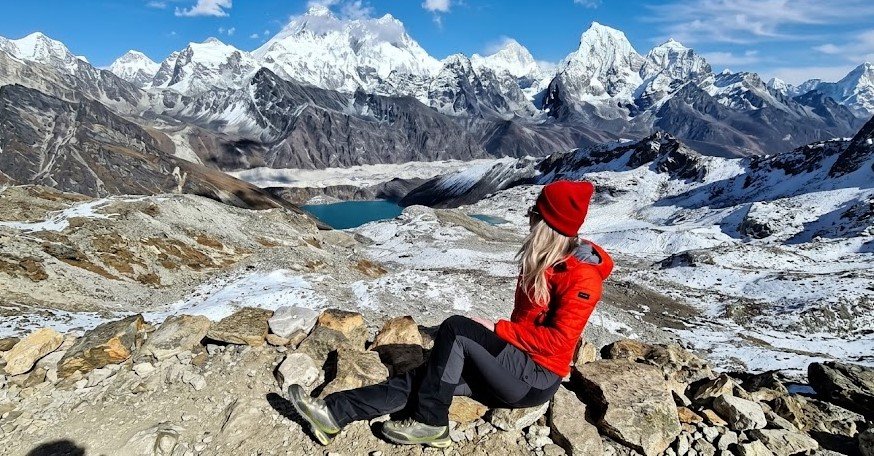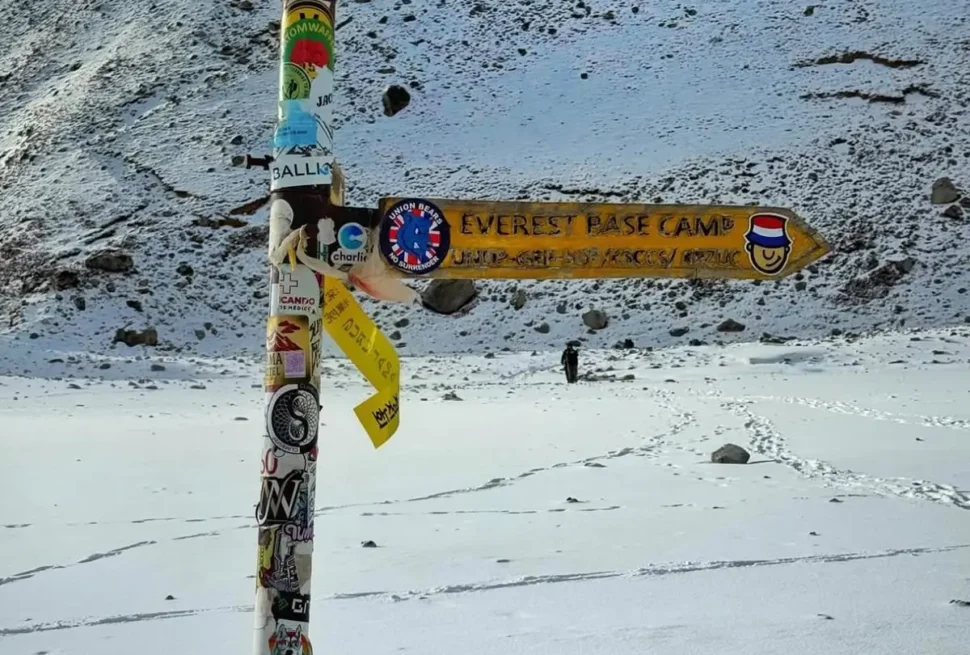

Packing for the Everest Base Camp trek with helicopter return is slightly different from packing for a standard two way trek, mainly because of the 10kg baggage limit on your helicopter flight and the fact that your trip is shorter, so every item you bring needs to genuinely earn its place in your bag. This is a full, practical packing list built from what our guides actually recommend, not a generic list copied from a general trekking guide.
Understand The Baggage Limits Before You Pack
Two separate weight limits matter on this trip. Your trekking baggage, carried by your porter between teahouses, has a 15kg limit. Your helicopter flight from Gorakshep back to Kathmandu has a stricter 10kg per person limit, since weight matters far more in a helicopter at nearly 5,140 meters than it does on the ground. Pack with the helicopter limit in mind from the start, since anything over that weight either needs to be sent separately or left behind, and dealing with that on your final morning is not how you want to spend your last hours in the mountains.
These two limits exist for genuinely different reasons and it helps to understand both. The 15kg porter limit protects the health and safety of the porters who carry trekkers’ bags along steep, uneven trails for multiple hours each day, and it is a limit our team takes seriously rather than treating as a rough guideline. The 10kg helicopter limit is a hard aviation safety constraint tied to the aircraft’s performance at high altitude, where thinner air reduces lift and engine performance, meaning every kilogram of extra weight genuinely affects the helicopter’s ability to operate safely at nearly 5,140 meters. Neither limit is arbitrary, and both are worth respecting fully rather than testing how much you can get away with on the day.
Choosing The Right Duffel Bag And Day Pack
Your gear splits across two bags on this trip, and getting that split right matters as much as what you actually pack. Your main duffel, carried by your porter, should be a soft sided bag rather than a rigid suitcase, since a soft duffel compresses to fit into loads alongside other trekkers’ bags and flexes around awkward trail sections in a way a hard shell case cannot. A 60 to 70 liter duffel in a durable fabric with a wide zip opening makes it far easier for both you and your porter to find items quickly each morning, and a bag with an internal compression strap helps keep the load stable and centered when it is carried on a porter’s back or forehead strap.
Your day pack is a separate, smaller bag, ideally 30 to 35 liters, that you carry yourself throughout each day’s walk. This is where your water, camera, extra layer, snacks, sunscreen, headlamp and any documents you need during the day live, since your duffel is not accessible again until you reach that night’s teahouse. A day pack with a padded hip belt distributes weight off your shoulders on the longer walking days, and a rain cover, either built in or purchased separately, protects your electronics and documents if you get caught in an unexpected shower lower on the trail.
Clothing: Build A Layering System, Not A Pile Of Warm Clothes
The single most useful packing principle for this trek is layering rather than bringing one or two very heavy items. Start with a base layer in merino wool or a moisture wicking synthetic fabric, both top and bottom, and pack 2 sets so you always have a dry one. Add a mid layer of fleece or a light insulated jacket for warmth that you can add or remove as the temperature shifts throughout the day. Over that, a windproof and waterproof outer shell protects you from wind chill and any unexpected precipitation, which becomes more likely the higher you climb. A proper down jacket for the coldest mornings at Gorakshep and Kala Patthar is essential, and if you do not already own one rated for extreme cold, we can loan you one as part of your package rather than you needing to buy gear you will rarely use again.
For your lower body, bring 2 pairs of trekking pants, thermal leggings to wear underneath on colder days, and warm sleepwear for the teahouses, which are not heated overnight. Do not underestimate how cold nights get above Dingboche, even inside a teahouse room.
The Science Behind Layering And Fabric Choice
Understanding why layering works helps you pack smarter rather than simply following a checklist. Your base layer’s job is moisture management, pulling sweat away from your skin so it can evaporate rather than sitting against you and cooling you down once you stop moving. Merino wool does this naturally while also resisting odor buildup over multiple days of wear, which matters on a trek where laundry access is limited, while synthetic base layers dry faster after washing but tend to develop odor more quickly. Cotton is the one fabric to actively avoid in every layer on this trek, since it holds moisture rather than wicking it away and loses almost all its insulating value once damp, a real risk given how much you sweat on the steeper climbing sections even in cold conditions.
Your mid layer’s job is trapping the warm air your body generates close to your skin, which is why fleece and synthetic insulation work through loft rather than thickness alone, and why compressing a mid layer in your pack reduces its effectiveness far less than compressing a sleeping bag does. Your outer shell’s job is blocking wind and precipitation without trapping moisture against your mid layers, which is why a genuinely breathable waterproof fabric matters more on this trek than a cheaper fully waterproof but non breathable rain jacket, since you generate significant body heat on the uphill sections and need that moisture to escape rather than condense inside your shell.
Footwear
A pair of broken in, mid weight trekking boots with good ankle support is the single most important item on this entire list, since the trail is rocky and uneven for almost the entire route. Never bring brand new boots you have not already walked in extensively before the trip. Pack 4 to 5 pairs of moisture wicking trekking socks to reduce blister risk, plus a lighter pair of camp shoes or sandals to give your feet a break once you arrive at each teahouse for the evening.
Preventing Blisters On A Multi Day Trek
Blisters are one of the most common reasons trekkers struggle on this route, and almost all of them are preventable with the right preparation. Break your boots in over several weeks before departure, including at least a few walks on hills or stairs with the exact socks you plan to wear on the trek, since a boot that feels fine on a flat sidewalk can rub in entirely different places once you are descending a steep, uneven trail. Pack a small blister kit separately from your main first aid supplies, including moleskin or blister specific tape, so you can treat a hot spot the moment you feel it rather than waiting until it becomes a full blister. Changing into dry socks at the first sign of dampness, whether from sweat or a stream crossing, is one of the simplest and most effective blister prevention habits on this entire trek.
Sleeping Gear
A sleeping bag rated for sub zero temperatures is critical, since nights above Dingboche regularly drop below minus 10 degrees Celsius, and colder still in winter. We include a quality loaned sleeping bag as part of your package, so check with us before buying your own if you do not already own one suited to these temperatures, since bringing your own on top of ours simply adds unnecessary weight.
A silk or synthetic sleeping bag liner is a small, lightweight addition worth considering, since it adds a few extra degrees of warmth, keeps the interior of a shared or loaned sleeping bag cleaner, and is far easier to wash than the bag itself if you want a fresher surface against your skin each night. An inflatable travel pillow is a small comfort item that takes up almost no space or weight, and it makes a genuine difference to sleep quality on a trip where rest matters directly for your acclimatization, since teahouse pillows vary widely in firmness and cleanliness from one stop to the next.
Accessories You Should Not Skip
Trekking poles genuinely reduce strain on your knees, particularly on the steeper climbs into Namche Bazaar and the descent sections lower on the trail. A reliable headlamp with spare batteries is essential for your early morning start to Kala Patthar on the final day, when you will be walking in the dark before sunrise. UV protective sunglasses are not optional at this altitude, since sun exposure and glare off snow are far more intense above 4,000 meters than at sea level. Warm gloves, an insulated hat, and a neck gaiter or buff round out your accessory list, and all of these matter more once you pass Namche Bazaar heading up.
Electronics And Power
A power bank is one of the single most useful items you can carry, since charging outlets at higher teahouses are limited and often cost between 1 and 2 dollars per charge, and cold temperatures drain battery life faster than you would expect at sea level. Bring spare camera or phone batteries if you plan to shoot a lot of photos, particularly on your final morning at Kala Patthar, since cold batteries drain fastest right when you want them most.
First Aid And Hygiene
Carry any prescription medication in its original packaging, along with basic pain relief, blister treatment, bandages, and oral rehydration salts. Your guide carries a more comprehensive first aid kit, but personal medication is your own responsibility to bring. Keep toiletries minimal, a toothbrush, biodegradable soap, toilet paper, lip balm with sun protection, and hand sanitizer cover the essentials without adding unnecessary weight.
Altitude Sickness Medication And What To Discuss With Your Doctor
Many trekkers on this route carry acetazolamide, commonly known by the brand name Diamox, as a preventive measure against acute mountain sickness, though whether to use it and at what dose is a conversation to have with your own doctor before departure rather than something to decide on the trail. If your doctor prescribes it, pack it in its original labeled container along with a note of the dosage schedule, since guides are trained to ask about altitude medication during daily health checks and it helps them support you properly if they know exactly what you are taking. Alongside any prescribed altitude medication, a basic anti nausea and anti diarrheal medication is worth packing, since minor stomach upset is common when your body is adjusting to new food and water sources at altitude, and having something on hand saves you an uncomfortable night if symptoms appear.
It is worth noting that medication is a backup, not a substitute for proper acclimatization. Ascending at a sensible pace, staying hydrated and reporting symptoms honestly to your guide matter more for your safety than any pill, and our guides are trained to recognize the early signs of altitude sickness and to make the call to descend if symptoms do not improve, regardless of what medication a guest has taken.
Water And Hydration
A refillable water bottle or hydration bladder is the practical choice, since teahouses provide boiled water you can use to refill throughout the trek. Water purification tablets are a smart backup in case boiled water is not available at a particular stop. Staying properly hydrated is one of the simplest and most effective things you can do to reduce your risk of altitude related symptoms, so do not skimp on water intake to save a few dollars on refills.
Documents And Money
Bring your passport, printed or digital proof of travel insurance, a few passport sized photos for permit paperwork, and enough Nepali cash for personal expenses like hot showers, wifi, snacks and tips, since ATMs and card payments essentially disappear once you leave Kathmandu. We recommend carrying more cash than you think you will need, since running short on the trail is far more inconvenient than carrying a little extra.
Camera And Photography Gear Worth The Extra Weight
Given how much of this trip’s appeal comes from the views, it is worth thinking specifically about photography gear rather than treating your phone as an afterthought backup. A dedicated camera with a versatile mid range zoom lens covers most of what you will want to shoot, from wide mountain panoramas to closer shots of prayer flags, monasteries and village life along the trail, without the weight and bulk of carrying multiple lenses. Cold temperatures drain camera batteries significantly faster than at sea level, so carry at least two spare batteries and keep them in an inside pocket close to your body when not in use, since body heat helps preserve their charge. A lightweight tripod or even a small flexible mini tripod is worth the modest extra weight for low light shots at dawn from Kala Patthar, one of the signature photo opportunities of the entire trip.
A microfiber cloth for wiping condensation off your lens when moving between cold outdoor air and a warm teahouse, along with a few extra memory cards, rounds out a sensible photography kit for this trek. Given the 10kg helicopter baggage limit, weigh your camera gear honestly against how much you will actually use it, since a single well chosen camera and lens combination typically serves better than an oversized kit you only use for a handful of shots.
Renting Gear In Kathmandu Versus Buying Before You Travel
For gear you will only use once, renting in Kathmandu is often the more sensible choice financially and logistically. Down jackets, sleeping bags, trekking poles and even some technical outerwear are widely available to rent from shops in the Thamel district at a fraction of the cost of buying new equipment, and reputable shops stock gear that is well maintained and suited to the temperatures you will actually encounter. The tradeoff is that rented gear is a slightly unknown quantity in terms of fit and condition until you actually try it on, so build in time on your arrival day in Kathmandu to visit a rental shop, try items on, and exchange anything that does not fit properly before you fly to Lukla.
Items worth buying rather than renting are the ones that fit your body specifically and that you are likely to use again, such as your own broken in trekking boots, moisture wicking base layers, and quality trekking socks, since these are the items where personal fit and prior use matter most for comfort and injury prevention. As mentioned earlier, our package already includes a loaned sleeping bag and down jacket, which removes two of the bulkiest and most expensive rental items from your list entirely.
Packing Organization: Compression And Access Strategy
How you organize items inside your duffel matters almost as much as what you bring, particularly given the 10kg helicopter limit that forces genuinely efficient packing. Packing cubes or simple stuff sacks, organized by category, clothing, electronics, first aid and toiletries, make it far faster to find what you need each morning without unpacking your entire bag onto a teahouse floor. A compression sack for your down jacket and sleeping bag liner reduces their packed volume significantly, freeing up space for the items you actually need daily access to near the top of your bag.
A useful habit many of our returning guests recommend is packing your bag in reverse order of when you will need each item, so what you need first each morning sits closest to the top. Keeping a small dry bag or ziplock bag for wet or damp items, whether sweaty base layers or a rain jacket after a shower, prevents moisture from spreading to the rest of your packed clothing, which matters more than you might expect given how limited laundry and drying opportunities are once you are above Namche Bazaar.
Laundry And Washing On The Trail
Laundry service becomes increasingly limited the higher you climb, with the most reliable options found in Namche Bazaar, where some teahouses and independent laundry shops offer washing for a fee. Above Namche, hand washing small items yourself in your room, base layers and socks in particular, using biodegradable soap is the more realistic option, though drying takes considerably longer at altitude and in cold, damp mountain air than it would at home. This is part of why packing two sets of base layers rather than five is the smarter strategy, since you genuinely can rotate and rinse items along the way rather than needing a fresh set for every single day.
Avoid washing anything the night before an early departure if you are relying on it drying in time, since a damp base layer packed into your bag can develop odor and take even longer to dry once compressed. Hanging washed items near a wood stove in the evening common room, with permission from the teahouse, is a commonly used trick among trekkers and guides alike to speed up drying overnight.
What To Leave At Your Kathmandu Hotel
Most hotels in Kathmandu that we work with allow you to store a bag free of charge while you are trekking, which is a useful option for anything you brought for the city portion of your trip but will not need on the mountain. Nicer clothing for your arrival or departure day, any electronics beyond what you are bringing on the trek, spare toiletries, and a change of clothes for your return to Kathmandu are all sensible items to leave behind rather than carry unnecessarily. This is also the right place to leave your passport’s photocopies separate from the original if you prefer added security, along with any travel documents not specifically needed for trekking permits along the route.
Common Packing Mistakes We See Guests Make
A few mistakes come up repeatedly enough to be worth calling out directly. Overpacking clothing is the most common, driven by an understandable instinct to prepare for every possible temperature, when in reality a well chosen layering system handles a far wider temperature range than most guests expect. Bringing brand new, unbroken in boots is a close second, and one of the few packing mistakes that can genuinely derail an otherwise well prepared trip through blisters or foot pain. Underestimating how cold teahouse rooms get overnight, even in seemingly mild autumn or spring conditions, leads some guests to leave warmer sleepwear behind and regret it after their first night above Dingboche. Finally, packing valuable electronics or jewelry you do not actually need on the trek, rather than leaving them securely at your Kathmandu hotel or at home, adds unnecessary risk and weight for items that serve no purpose on the mountain.
What You Genuinely Do Not Need To Bring
Because this trip is 10 days rather than the 13 to 14 days of a classic round trip trek, you can pack noticeably lighter than a standard Everest Base Camp packing list suggests. You do not need multiple heavy jackets if you have a proper layering system. You do not need your own sleeping bag or down jacket if you use our loaned equipment. You do not need a large duffel bag either, since a mid sized one comfortably fits everything on this list while staying well under both the porter and helicopter weight limits.
Packing For The Helicopter Flight Itself
Your final morning at Gorakshep is worth planning for specifically, since it involves a genuinely different set of considerations from the rest of your trekking days. You will typically weigh your bag before boarding, so keep your duffel accessible and already at or under the 10kg limit rather than trying to reorganize it in the cold at the last minute. Pack a small daypack for anything you want with you during the flight itself, such as your camera for aerial photos of Everest, Lhotse and the Khumbu Icefall, and any medication you might need during the short flight back to Kathmandu. Dress in a warm layer for the flight, since the helicopter cabin is not heavily heated and you will be at altitude for the duration of the flight before descending rapidly toward Kathmandu.
It is also worth mentally preparing for a possible weather delay, covered in detail in our separate guide to weather and helicopter delays, which means keeping a layer or two accessible in your day pack rather than fully packed away, in case you end up waiting a few extra hours at Gorakshep before departure. Trekkers who plan for this possibility tend to find a delay a minor inconvenience rather than a stressful scramble for warm clothing.
Seasonal Adjustments To Your Packing List
If you are trekking in spring, prioritize a reliable waterproof shell alongside your usual layers, since spring afternoons can bring brief showers lower on the trail. In autumn, your standard layering system covers you well, since conditions are typically dry and stable. In winter, add an extra warm layer and do not compromise on the quality of your gloves and headwear, since the biggest risk in winter is cold exposure rather than precipitation.
Our separate guide to the best time to trek covers the full seasonal breakdown in more depth, including temperature ranges, crowd levels and flight reliability by month, which is worth reading alongside this packing list if you have not yet settled on your travel dates. Whichever season you choose, the core packing principles on this page, layering, a broken in pair of boots, and staying within the 10kg helicopter limit, apply equally, with only the specific weight of your warm layers shifting meaningfully from one season to the next.
A Sample Weight Breakdown For Your 10kg Helicopter Bag
Seeing an actual weight breakdown makes the 10kg helicopter limit feel far less abstract than simply being told the number. A typical efficient pack for this trip looks something like this: your trekking boots worn rather than packed save close to a kilogram, your down jacket and sleeping bag liner together weigh around 1 kilogram if you are using our loaned down jacket weight allowance sensibly, clothing layers including base layers, a mid layer, spare socks and trekking pants come to roughly 2 to 2.5 kilograms, your first aid kit, toiletries and any personal medication add around half a kilogram, electronics including a camera, power bank and charging cables typically weigh 1 to 1.5 kilograms, and accessories such as gloves, a hat, sunglasses and a headlamp add another half kilogram. That leaves a comfortable margin below 10kg for documents, snacks and miscellaneous items, though the exact numbers shift depending on your personal camera setup and how many spare clothing items you choose to carry.
Weighing your packed duffel at home before departure, using a simple luggage scale, is worth the two minutes it takes, since discovering you are 2kg over the limit on your final morning at Gorakshep, with no easy way to send items back down, is a genuinely stressful way to end an otherwise well planned trip. If you do find yourself over the limit at Gorakshep, our guides can help you make sensible last minute decisions about what to consolidate or leave behind, but arriving already within your limit avoids that conversation entirely.
Environmental Considerations While Packing
The Khumbu region has made significant progress on managing trekker waste over the past decade, and packing thoughtfully helps support that effort rather than working against it. Choosing water purification tablets or a filter over buying bottled water at every stop meaningfully reduces plastic waste along a route that has limited capacity to manage it, since every bottle purchased on the trail eventually has to be carried back down by porters or yaks. Biodegradable soap and toiletries reduce the environmental impact of the washing water that inevitably ends up in the local water system, and packing reusable containers for snacks rather than heavily packaged single use items reduces the amount of waste generated over your 10 days on the trail. Small choices like these, multiplied across the thousands of trekkers who pass through the Khumbu each season, genuinely add up.
Frequently Asked Questions About Packing
What is the helicopter baggage limit. 10kg per person on the flight from Gorakshep back to Kathmandu, which is stricter than the 15kg porter limit used during the trekking portion.
Do I need to buy my own sleeping bag and down jacket. No. Both are available as loaned equipment through our package, so you only need to bring your own if you already own gear you are comfortable using.
How many changes of clothes do I actually need. Far fewer than you would pack for a normal 10 day trip. Base layers can be worn multiple days between washes on the trail, and a functional layering system matters far more than a large volume of clothing.
Is a water filter necessary. Purification tablets are a lighter, simpler backup than a full filter system, and boiled water from teahouses covers most of your needs throughout the trek.
Should I bring cash or can I use a card. Bring cash. Card payments are essentially unavailable once you leave Kathmandu, and ATMs become increasingly rare the higher you climb.
Should I rent or buy my trekking gear. Rent items you will only use once, such as a down jacket or sleeping bag, and buy items where personal fit matters most, such as boots and base layers, keeping in mind our package already includes loaned sleeping bags and down jackets.
Will I be able to do laundry during the trek. Paid laundry is available in Namche Bazaar, but above that point you are mostly hand washing small items yourself, so packing two sets of base layers to rotate is more practical than packing enough for every day.
Should I bring Diamox or altitude sickness medication. That is a decision to make with your own doctor before the trip, but many trekkers on this route do carry it as a preventive measure, alongside basic anti nausea and anti diarrheal medication for minor stomach upset.
Can I store extra luggage in Kathmandu while I trek. Yes, most hotels we work with offer free bag storage for anything you do not need on the trail, which is the right place for spare city clothing, extra electronics and non essential documents.
How should I organize my duffel bag. Group items by category using packing cubes or stuff sacks, use a compression sack for bulky items like your down jacket, and pack in reverse order of need so the items you reach for first each morning sit closest to the top.
Pack Smart And Enjoy The Trip
Getting your packing right removes one of the biggest sources of stress before any trek, and this list reflects exactly what our guides recommend to every guest booking this specific itinerary. If you are still unsure about a specific item, whether it is worth bringing your own trekking poles or renting locally, or how many base layers genuinely make sense for a 10 day trip, reach out to us directly before you fly, since answering these questions in advance is far easier than adjusting your kit once you are already on the trail. To see the full package details including which equipment we loan you, visit the Everest Base Camp Trek With Helicopter Return package page, or read our complete guide to the best Everest Base Camp trek with helicopter return company before your trip.