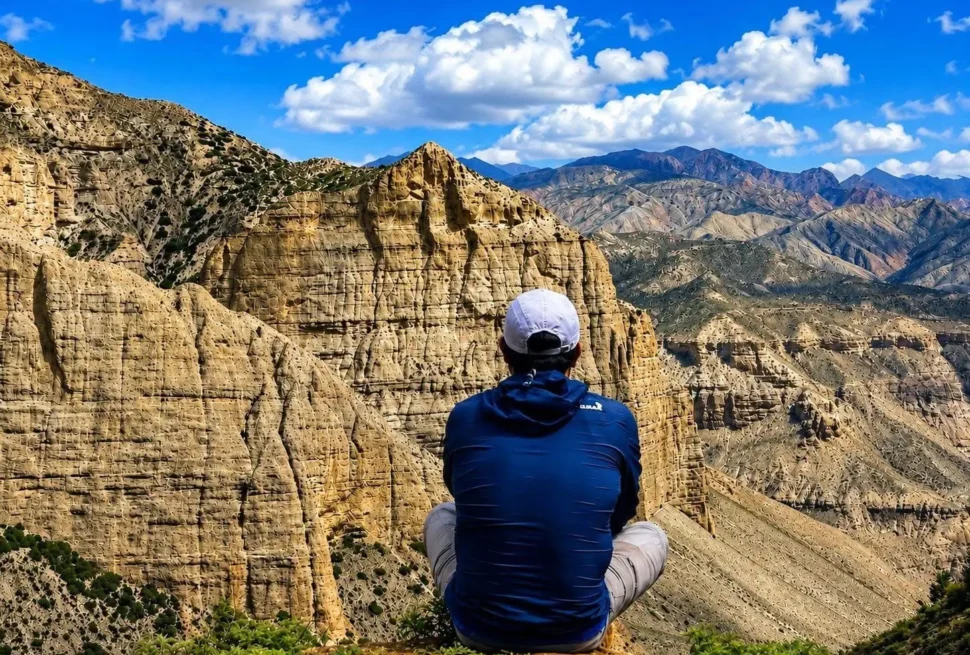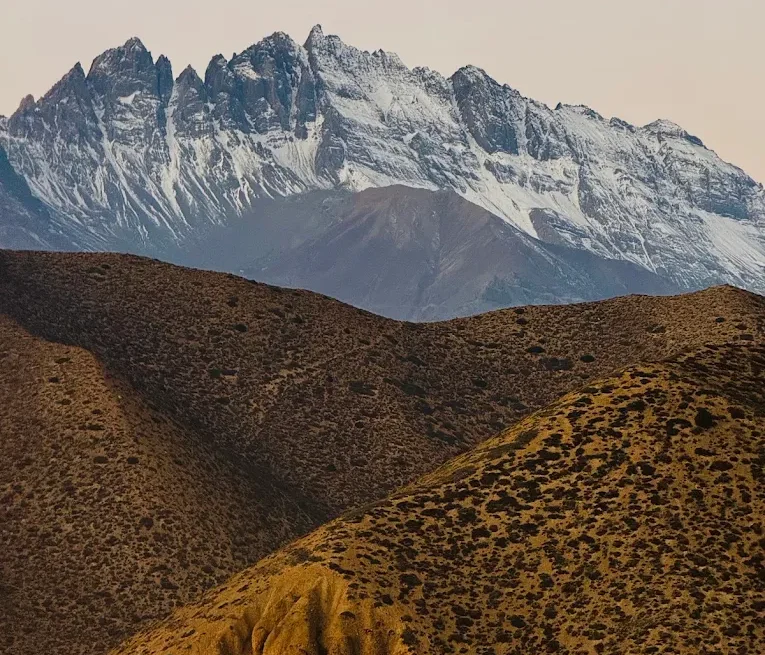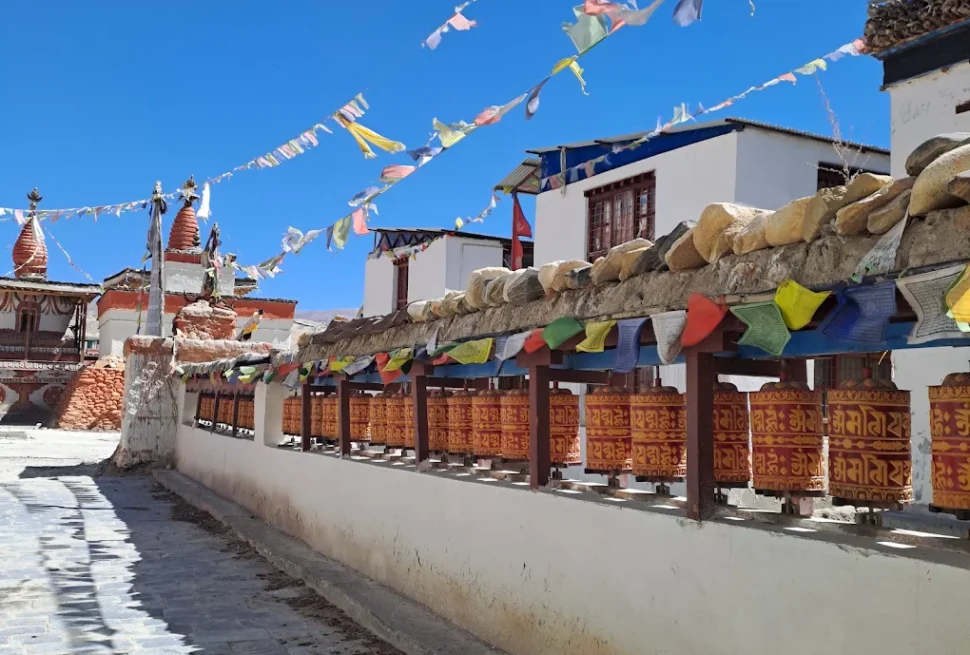
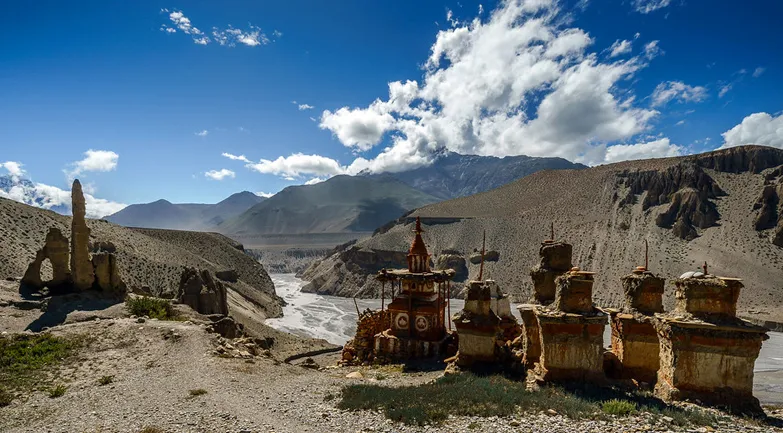
February in Upper Mustang is the quiet before the spring rush, and for many trekkers it is a better choice than either January or March.
This guide covers what to expect on an Upper Mustang Trek in February, including the latest 2026 permit rules, weather, and a day by day route.
The absolute zero cold of January has eased by a few degrees. The mustard fields in the lower Kali Gandaki valley are just beginning to push green shoots through the dry earth. The afternoon winds that make April and May exhausting have not yet arrived with full force. The trail is yours almost completely. And compared to the peak October crowds or the Tiji Festival chaos of May, February offers an Upper Mustang that feels genuinely discovered rather than organized.
Planning your Upper Mustang Trek?
Upper Mustang Trek — Complete Guide 2026 Few places on earth stop you in your tracks the way Upper Mustang…
At a Glance: February Upper Mustang Trek
| Best for | Experienced trekkers seeking solitude with slightly milder cold than January |
| Temperature at Jomsom (2,720m) | Night: -8°C to -12°C | Day: 2°C to 10°C |
| Temperature at Lo Manthang (3,840m) | Night: -12°C to -18°C | Day: -3°C to 5°C |
| Precipitation | Very low, occasional light snow possible at higher altitudes |
| Wind | Moderate, beginning to pick up compared to January |
| Crowd level | Very low (50 to 120 trekkers in entire region for the month) |
| UMAP Permit | USD 50 per day per person (no minimum) |
| Duration | 12 to 15 days typical |
| Overall rating | Excellent for prepared cold weather trekkers |
February Weather and What It Means on the Trail
February represents a genuine transition in Upper Mustang. The harshest winter cold of December and January softens toward the month’s end. The days grow noticeably longer. By late February the mid afternoon sun on south facing slopes is warm enough to trek in a single mid layer if the wind cooperates.
At Jomsom, which sits at 2,720 meters above sea level, nighttime temperatures in early February run between -10°C and -12°C. By the end of February the same nights warm to -6°C to -8°C. Daytime highs in Jomsom climb from around 2°C at the month’s start to 8°C to 12°C by late February. The difference matters when you are walking in the sun during a five hour day on the trail.
At Lo Manthang, the destination at 3,840 meters, February nights still hit -12°C to -18°C in the first two weeks and ease to -10°C to -15°C by month’s end. Daytime highs at Lo Manthang reach -3°C to 5°C. The walled city is cold in February but not with the bone deep ferocity of January. Sitting in the teahouse dining room in the afternoon sun that pours through the windows, drinking butter tea, feels genuinely comfortable.
The rain shadow effect means Upper Mustang stays extremely dry even in February. While western disturbances occasionally bring snow to the broader Himalayan region, the Mustang plateau sits behind enough protection that February snowfall is light and brief. You might wake to a dusting of 2 to 3 centimeters overnight. By 10 in the morning it has burned off under the high altitude sun.
February winds are building compared to January but nothing like the dramatic Kali Gandaki afternoon gales of April and May. You will feel the wind on exposed ridge sections and in the open river canyon but it is manageable rather than punishing. Early mornings remain calm and ideal for photography.
Temperature at Key Stops in February
| Location | Altitude | Night Low (Feb) | Day High (Feb) |
|---|---|---|---|
| Kagbeni | 2,810m | -10°C | 4°C to 10°C |
| Chele | 3,050m | -12°C | 2°C to 7°C |
| Syangboche | 3,475m | -14°C | -1°C to 4°C |
| Ghami | 3,520m | -15°C | -1°C to 4°C |
| Lo Manthang | 3,840m | -15°C to -18°C | -3°C to 5°C |
Planning your Upper Mustang Trek?
Trail Conditions in February
February trail conditions in Upper Mustang are better than January and comparable to December. The main concerns are ice on shaded sections of trail and the occasional fresh snow dusting on the higher sections between Syangboche and Lo Manthang.
The lower sections from Jomsom through Kagbeni and up to Chele are virtually clear of snow in February. These altitudes are low enough that even overnight snow melts quickly in the morning sun. The trail surface is dry and firm, occasionally dusty on the windward ridges. Walking conditions here are comfortable even in February.
Above Syangboche and on the approach to the high passes (Nyi La at around 4,010 meters, Taklam La at around 3,624 meters), ice patches occur in the mornings on north facing sections. Microspikes or light traction devices make these sections considerably safer and are worth carrying in your pack. By 10 or 11 in the morning the surface often softens enough that traction devices are no longer needed on all but the most shaded sections.
The wide jeep road that now runs through much of Upper Mustang actually helps in February. The road surface is better maintained than the old trail in many sections and the width means you can choose the part of the road with the best grip. The older trail sections are still usable and more scenic but the road provides a reliable backup on icy mornings.
The Kali Gandaki riverbed sections may still have some ice formation in early February. By late February the river runs more freely and the crossing stones are clear. Your guide will select the best crossing points based on conditions when you are there.
One February specific consideration: the days are short, particularly in the first half of the month. December 21 is the shortest day of the year and by February 1 you have gained only about 45 minutes of daylight back. Sunset in Upper Mustang comes around 6 PM in early February. This means your trekking day ends at dusk and you need to be at your teahouse destination by late afternoon. Starting each day by 7 or 8 AM is important in February.
Upper Mustang Trek — Complete Guide 2026 Few places on earth stop you in your tracks the way Upper Mustang…
Crowds and the February Advantage
February is the second quietest month in Upper Mustang after January. The entire month might see between 50 and 120 trekking permits issued for the restricted area. On most days on the trail you will encounter zero other trekking groups.
Compare this to October when thousands of trekkers enter the restricted area in a single month. The teahouses are full, the trail between villages has a steady stream of people, and Lo Manthang feels like a proper tourist destination. February is the complete opposite of that. The ancient walled city, the monasteries, the village streets are yours to explore at whatever pace suits you.
The local Lo-pa community is more present and visible in February. Without the constant flow of trekking groups, villagers do not slip into a tourist service mode. They are living their actual winter lives. Seeing children at outdoor school lessons in Ghami, watching the women at the water tap in Charang, hearing the monks chanting morning prayers in Lo Manthang without background trekking chatter, these experiences connect you to the place in a way that crowds make impossible.
Losar, the Tibetan New Year, sometimes falls in February depending on the lunar calendar. In 2026 Losar falls in late February. If you time your Lo Manthang arrival for the Losar period, you witness the monastery celebrations, the masked Cham dances performed by monks, and the community gatherings that represent the most vibrant cultural life of the entire year. This is a genuinely special experience and largely unknown to the general trekking community. Checking the Losar date in advance and building it into your schedule is worth doing.
Permits, Guides and Logistics
All Upper Mustang permits remain required in February and are identical to any other month in terms of cost and process.
The UMAP (Upper Mustang Area Permit) costs USD 50 per day in 2026, charged per person with no minimum purchase. Most February trekkers buy 12 to 14 day permits to allow time for Losar celebrations if timing aligns or simply to have flexibility in their schedule. The ACAP Permit costs NPR 3,000 and the TIMS Card costs NPR 2,000 per person.
All permits must be arranged before reaching the Kagbeni checkpoint. In practice this means sorting everything in Kathmandu through a registered trekking agency before you fly to Pokhara. The process takes 1 to 2 working days in Kathmandu.
The mandatory guide rule introduced in March 2026 applies in February. Every trekker must have a licensed Nepali guide, but solo travelers are welcome and simply hire that guide individually rather than travel as part of a larger group. This is checked at multiple points including the main Kagbeni checkpoint and various internal checkpoints throughout the route. Having a guide also means having someone who knows which teahouses are operating and can call ahead to confirm beds and meals.
Booking your February Upper Mustang Trek through Next Trip Nepal’s Upper Mustang Trek handles the entire permit and logistics process, ensuring everything is ready before you arrive in Nepal.
Accommodation and Food in February
Teahouse availability in February is slightly better than in January. Most teahouses that close for deep winter reopen by mid to late February. By the end of February essentially all main route teahouses are operating.
In early February there are still a handful of smaller guesthouses that may be closed in intermediate villages. The main stops, Kagbeni, Chele, Syangboche, Ghami, Charang, and Lo Manthang, all have operating teahouses throughout February. Your guide confirms specifics in advance.
Room conditions in February teahouses improve marginally over January because teahouse owners are beginning to prepare for the approaching spring season. Some are doing maintenance or upgrades. The core experience remains the same: cold sleeping rooms, warm dining rooms with stove fires, and basic but filling food.
The food in February teahouses begins to diversify slightly compared to January’s deep winter limitations. By late February, fresh supplies are moving up the valley more regularly. Dal bhat remains the staple and the best value, giving you rice, lentil soup, vegetable curry, and unlimited refills. Egg dishes, noodle soups, Tibetan bread with honey, and simple pasta dishes round out the menu. Fruit is limited but dried apricots and nuts from the previous autumn’s harvest are often available and are produced locally in the Kali Gandaki valley.
Hot water for showers is solar heated and works best in the early afternoon. February has more daylight than January so the solar panels have more working hours. Still, expect a lukewarm rather than hot shower experience at most teahouses.
The February Upper Mustang Experience: What Makes It Unique
February sits at an interesting point in Upper Mustang’s year. The extreme cold austerity of January is easing. The spring energy of March and April has not yet arrived. February feels like the region taking a slow deep breath before the trekking season properly begins.
The light is changing in February. The sun rises higher each day and the quality of light shifts from the blue white winter cold to something warmer and more golden. Photographers who have shot Upper Mustang in October talk about the post monsoon clarity. February offers something different: low angle light, long shadows, minimal dust in the air, and a landscape that has the clean geometric quality that frost and cold bring to rock and earth.
The ancient Mustang cave systems take on a particular quality in February. The Chhoser sky caves north of Lo Manthang, carved into a 155 meter cliff face by some of the earliest inhabitants of this plateau, feel genuinely isolated in February. You reach them after a day hike from Lo Manthang through a completely empty landscape. The silence inside the cave chambers is total. Outside, the Himalayan range fills the southern horizon. These moments stay with people who experience them in the off season in a way that busy season visits simply do not.
For those interested in Buddhist practice and monastery visits, February is excellent. The monks at Thubchen Gompa and Jampa Lhakhang in Lo Manthang follow their usual daily schedule of prayers and rituals. Without the constant parade of trekking groups coming through, they are more likely to stop and talk, to show you something specific in the monastery collections, or to invite you to observe a particular prayer session. These interactions happen only when the monastery is not managing a crowd.
Day by Day: February Trek Flow
The standard Upper Mustang route runs 12 to 15 days from Jomsom. February trekkers follow the same basic route with some timing adjustments for the shorter days and occasional icy mornings.
Jomsom to Kagbeni: The 2 hour walk along the Kali Gandaki is straightforward in February. The river canyon walls show beautiful ice formations in the early morning. Kagbeni feels like stepping back three centuries. The UMAP checkpoint here processes your permit entry. February mornings in Kagbeni are cold but the village has good teahouses and the bakery near the main square opens reliably.
Kagbeni to Chele: A steady 4 to 5 hour walk climbing into the high desert. The landscape change after Kagbeni is immediate and dramatic. Red and yellow layered cliffs rise on both sides of the valley. The trail passes through small Lo-pa villages where February morning life means residents are shoveling courtyards free of overnight frost, feeding their horses, and burning juniper incense at household shrines.
Chele to Syangboche: The first significant climb, crossing the Taklam La at around 3,624 meters. February mornings on this pass have ice patches. Start early, use poles, consider microspikes for this section. The views from the top are exceptional in February’s clear air.
Syangboche to Ghami: Crossing the Nyi La pass at 4,010 meters is the highest point of the standard route. In February this section requires attention. Start before 7 AM to get the pass crossing done before afternoon wind picks up. The descent to Ghami and the long mani wall is a highlight of the entire trek.
Ghami to Charang: A gentler day through open plateau country. Charang’s cliff monastery is visible from miles away. In February the village is very quiet and the monastery caretaker will almost certainly invite you in for extended time.
Charang to Lo Manthang: Arrival day. Coming over the final ridge and seeing the white walled city for the first time is a moment February trekkers experience in complete solitude. No other groups arriving at the same time. No tour buses parked outside. Just the ancient city and you.
Lo Manthang rest days: Two days minimum. Use them for the main monastery visits (Thubchen Gompa, Jampa Lhakhang, Chyodi Gompa), the royal palace exterior, and the morning prayer circuit around the city walls. The Chhoser sky caves are a full day excursion requiring additional transport fees.
Return: The return to Jomsom follows a variation of the outbound route, often going via Ghiling and offering different valley perspectives on the return.
Planning your Upper Mustang Trek?
Upper Mustang Trek — Complete Guide 2026 Few places on earth stop you in your tracks the way Upper Mustang…
What to Pack for February
February packing is nearly identical to January with a few small adjustments. The basic principle remains: cold gear for mornings and nights, sun protection for days.
Sleeping: A sleeping bag rated to -15°C remains essential for early February. If you are trekking in late February, a -10°C rated bag may be adequate at lower stops but keep a liner for the Lo Manthang nights. Never cut corners on sleeping bag warmth in Upper Mustang winter.
Layers: Merino wool base layer, mid layer fleece or synthetic, and a high fill down jacket covering everything is the proven system. February days occasionally warm enough to shed the down jacket during active walking but you want it back on the moment you stop.
Microspikes: Bring them. Use them on the icy morning sections of the Taklam La and Nyi La approaches. They weigh almost nothing and prevent falls on frozen trail that could end your trek.
Sun protection: The UV at altitude in February is deceptive. The cold masks the intensity of the sun. SPF 50 sunscreen, UPF 400 sunglasses, and lip balm with UV protection are all daily essentials. Goggle style sunglasses rather than fashion frames protect your eyes better from the side and below.
Camera batteries: Cold drains batteries faster than any other factor. Carry spares in a warm inside pocket. Keep your camera body close to your body when shooting in the cold. February’s light is worth capturing and running out of battery is a genuine frustration.
Hand warmers: Disposable chemical hand warmers are cheap and weigh nothing. On a -12°C February morning at the Nyi La pass they are the difference between comfortable photography and fumbling with numb fingers.
Getting to Jomsom in February
The Pokhara to Jomsom domestic flight is the standard gateway. In February the flights are more reliable than in January because the weather window is wider and there are more clear flying mornings.
Tara Air and Summit Air operate the 25 minute Pokhara to Jomsom route. Book morning flights only. Afternoon flights are more likely to be cancelled due to afternoon mountain winds building in the valley. The aircraft are small (often 9 to 19 seater propeller planes) and the mountain scenery on the approach to Jomsom is spectacular. Baggage limits are strict (15kg total including carry-on on most operators). February travelers with heavy winter gear need to pack with this in mind.
The alternative jeep road from Beni via Tatopani takes 8 to 10 hours on a good day and longer if the road is icy above Ghasa. February jeep road conditions are better than January but still require caution. Most trekkers prefer the flight and plan for a potential 1 day flight delay at either end.
Pokhara itself is pleasant in February. The lake is calm, the Annapurna range is visible from lakeside, and the tourist area has good restaurant and accommodation options for your pre and post trek nights. The Pokhara to Jomsom flight gives you one of the most dramatic mountain approach experiences in aviation, flying directly past the Annapurna massif.
Costs and Budget
February costs are essentially identical to January. The permit structure does not change seasonally. Teahouse accommodation and food are similar prices. You might find the occasional small discount on accommodation at quiet teahouses where you are the only guest.
| Item | February Cost (per person) |
|---|---|
| UMAP Permit (USD 50/day, no minimum) | USD 600 (12 days) |
| ACAP Permit | NPR 3,000 (approx USD 22) |
| TIMS Card | NPR 2,000 (approx USD 15) |
| Licensed guide (12 to 14 days) | USD 300 to 500 |
| Porter (optional) | USD 200 to 350 |
| Teahouse accommodation (per night) | USD 5 to 15 |
| Meals (per day, teahouse) | USD 10 to 20 |
| Flights Pokhara to Jomsom (return) | USD 120 to 180 |
Budget travelers who arrange their own guide and permits independently can manage the trek for around USD 1,200 to 1,500 total. Most international visitors find booking through a package provider like Next Trip Nepal’s Upper Mustang Trek the more practical option, with fully organized 12 to 14 day trips typically running USD 1,800 to 2,500 per person including all permits, guide, accommodation, and domestic flights.
February Upper Mustang Trek FAQ
Is February noticeably warmer than January in Upper Mustang?
Yes, particularly in the second half of the month. Early February temperatures are close to January but by late February you have 3°C to 5°C warmer nights at most locations. Daytime temperatures improve more noticeably because the sun is higher and the days are longer. Late February often sees genuinely pleasant afternoon temperatures in the lower sections of the route.
When is Losar (Tibetan New Year) in 2026 and can I time my trek to include it?
Losar in 2026 falls in late February. To be in Lo Manthang for the celebrations you need to time your trek so that Lo Manthang arrival falls around the Losar dates. The celebrations typically run for several days. A 14 day permit starting in early to mid February would allow good timing for Lo Manthang arrival around Losar. Confirm the exact dates with your trekking agency when booking.
Are the main monasteries in Lo Manthang open for visitors in February?
Yes. Thubchen Gompa, Jampa Lhakhang, and Chyodi Gompa all operate year round. Small entry fees apply. In February the monastery caretakers are often available for extended visits and are generally welcoming. The monks follow their regular prayer and study schedule regardless of tourist season.
How do I know which teahouses are open in February?
Your guide confirms this before you depart Jomsom. Any registered trekking agency booking your trip will have current information about teahouse availability. The main teahouses in Kagbeni, Chele, Syangboche, Ghami, Charang, and Lo Manthang are open throughout February. Smaller guesthouses in intermediate villages may vary.
Is February good for photography in Upper Mustang?
February is exceptional for photography. The air is dry and dust free, giving extraordinary mountain clarity. The light quality shifts from the blue winter cold of January toward something warmer and more golden as the month progresses. Frost and ice on rock surfaces and the frozen Kali Gandaki sections create foreground interest that simply does not exist in other seasons. Bring adequate cold weather protection for your camera gear and extra batteries.
Can children or older trekkers handle February Upper Mustang?
February Upper Mustang is suitable for experienced and fit adults who prepare properly for cold conditions. It is not recommended for children under 12 or for adults who have not previously trekked in cold mountain conditions. The altitude is moderate (maximum 3,840 meters at Lo Manthang), which is significantly lower than the high pass routes of other Nepal treks. The challenge is cold and daily trekking distances rather than extreme altitude. Experienced older trekkers in good physical condition handle February Upper Mustang well.
What other Nepal treks can I combine with February Upper Mustang?
The Annapurna Circuit Trek is nearby but the high Thorong La pass (5,416 meters) is risky in February. The lower sections of Annapurna Circuit through Manang can be combined safely. Many February Upper Mustang trekkers spend 1 to 2 nights at Muktinath (on the route back from Jomsom) as a cultural stop, visiting one of the most sacred Hindu and Buddhist sites in Nepal.
Final Verdict
February Upper Mustang occupies a sweet spot between the extreme austerity of January and the crowd buildup that begins in March and April. The cold is real but the worst of winter is behind you by mid month. The solitude is genuine. The cultural encounters are unfiltered by tourist volume. The photography is extraordinary.
If you missed January or found the deep winter prospect too daunting, February gives you nearly everything January offers with slightly more favorable conditions. And if Losar falls in February for your target year, you have access to cultural celebrations that most Upper Mustang visitors never get to experience because they choose the safe and obvious October window.
February is not the easy choice. It is the rewarding one.
Start planning your February Upper Mustang Trek with our full Upper Mustang Trek trip details, itinerary and pricing. If you are comparing winter options across Nepal, also look at our Ghorepani Poon Hill Trek for a lower altitude February option with spectacular rhododendron and mountain views.
Planning your Upper Mustang Trek?
The Mustang Plateau in February: A Landscape in Transition
One thing that February travelers often comment on is the sense of the landscape in transition. The plateau is not the frozen monochrome of deep winter. It is not the yellow blaze of mustard fields that arrives in March and April. It sits between these states and that in between quality has its own distinct beauty.
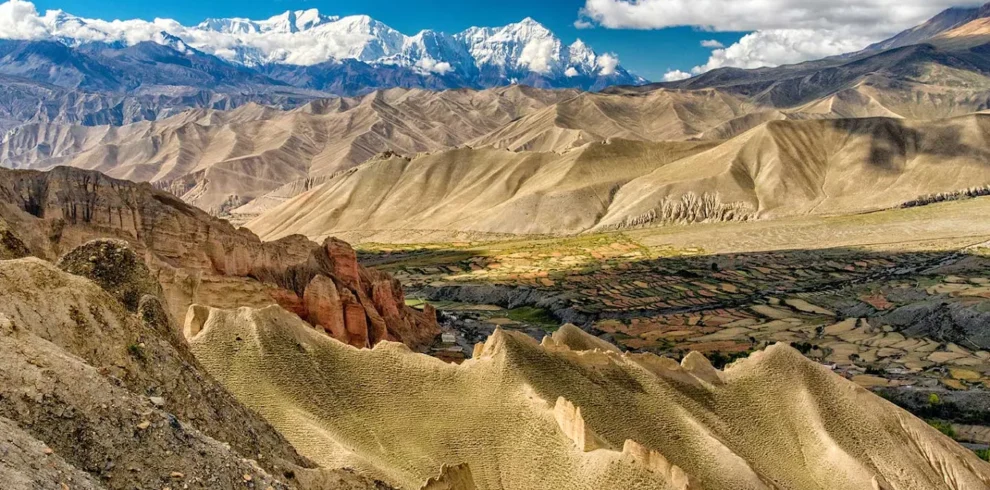
The red and ochre cliff faces that define Upper Mustang’s visual identity look their most saturated in February. Without the dust and atmospheric haze that summer months bring, the colors are vivid against the pale winter sky. The ancient cave dwellings carved into these cliffs stand out clearly. The striped geology of the Mustang sedimentary formations, millions of years of layered deposits visible in the cliff cross sections, reads almost like a painting.
The lower valley approaching Kagbeni shows the first signs of the agricultural calendar resuming. Farmers are beginning to prepare their fields. The distinctive stone walls that mark every Upper Mustang agricultural plot are being cleared and repaired. The irrigation channels that carry glacier melt water through the villages are being cleaned out. You are watching a community re-emerge from winter in real time.
The bird life in February is worth noting. The Himalayan griffon vultures that nest in the cliff faces are active year round but in February you often see them riding thermals above the canyon walls in the warming late morning air. Tibetan snowcocks, choughs, and various high altitude raptors are resident. The February quiet means you hear and see bird life that disappears when trekking groups arrive in volume.
February Vs October: Which is the Better Month for Upper Mustang?
This comparison comes up constantly and deserves a direct answer.
October wins on comfort and weather perfection. Temperatures are pleasant, trails are dry, all teahouses are fully operational, the post monsoon clarity gives extraordinary mountain views, and everything is running smoothly. If you have never trekked at altitude and want reliable, comfortable conditions, October is the right choice.
February wins on experience depth. The solitude is complete rather than partial. Cultural encounters are genuine rather than managed. The landscape has a quality that October’s green and golden tones do not provide. The cold is real but for prepared trekkers it is not dangerous. For experienced trekkers who have done various Nepal routes in October and want something fundamentally different, February Upper Mustang is often described as a life changing upgrade.
The honest assessment: most first time Upper Mustang trekkers should go in October or November. Experienced trekkers who want Upper Mustang at its most authentic should consider February seriously, especially if Losar timing aligns.
Acclimatization and Health in February
Upper Mustang reaches a maximum altitude of 3,840 meters at Lo Manthang. This is moderate altitude by Nepal trekking standards, significantly lower than the 5,000 to 5,500 meter zones of Everest or the higher Annapurna routes. Altitude sickness risk exists but is lower than on higher elevation treks.
The standard ascent profile from Jomsom through Kagbeni and then gradually north gives your body adequate time to adjust. Most healthy adults acclimatize to Lo Manthang’s altitude without significant problems if they follow basic protocols: ascend gradually, stay hydrated, avoid alcohol for the first few days, and rest if feeling headachy rather than pushing through.
In February the cold is a more significant health concern than altitude for most trekkers. Hypothermia risk is real if you are caught in unexpected weather without adequate layers. Frostbite of fingers and toes is possible if you allow extremities to become wet and cold for extended periods. Sun exposure at altitude causes cornea damage if you do not wear quality UV blocking sunglasses. These risks are all entirely manageable with proper preparation but they are real risks that February trekkers need to take seriously.
Carry a basic first aid kit including blister treatment, altitude medication (Diamox if prescribed by your doctor), an antibiotic course for potential stomach issues, and cold injury basics. Your guide should also have first aid training and know the nearest medical facilities (Jomsom has basic medical services, Pokhara has hospitals).
Upper Mustang Trek — Complete Guide 2026 Few places on earth stop you in your tracks the way Upper Mustang…