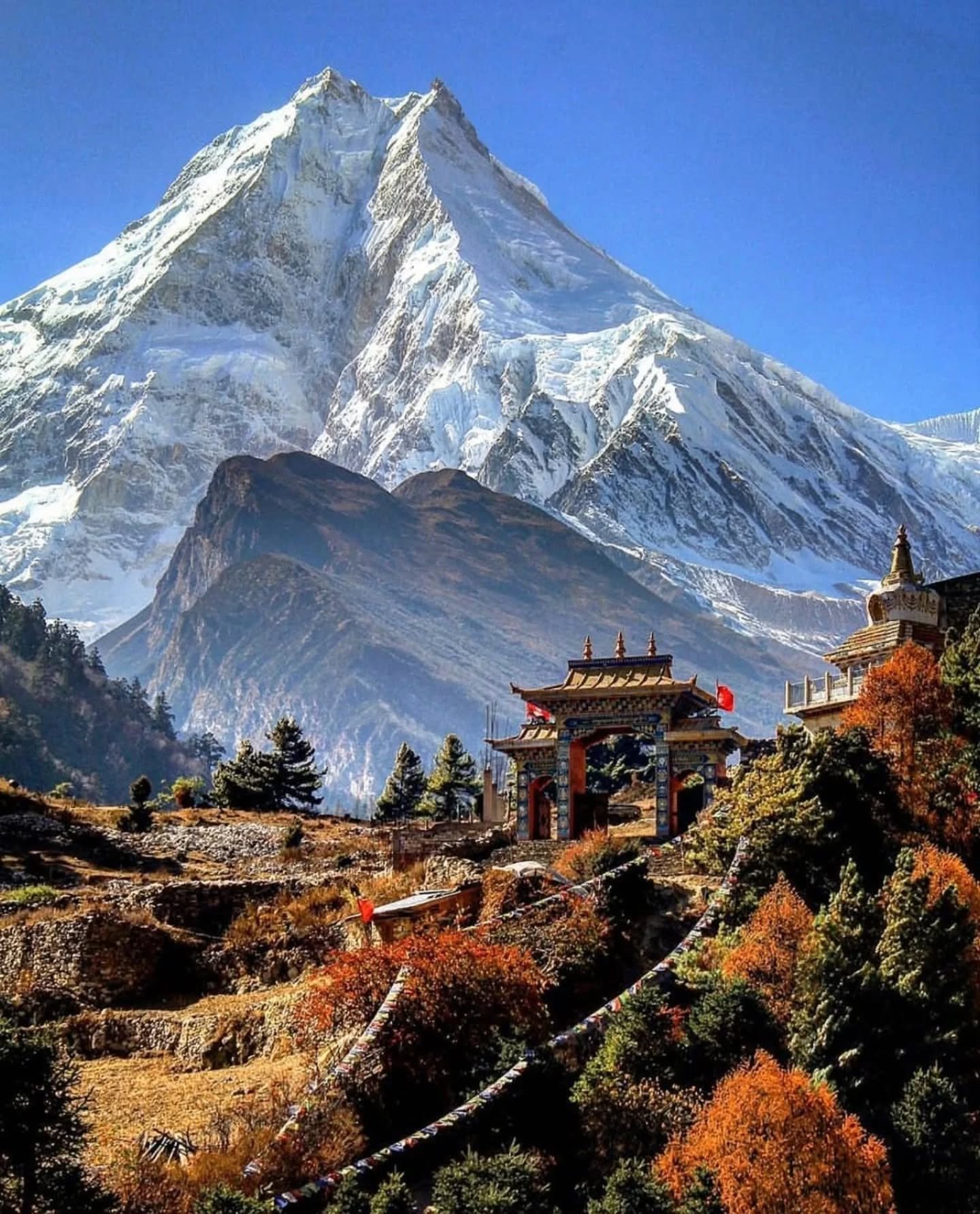


Manaslu Circuit Trek Overview
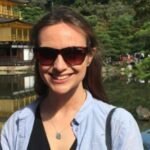
Local Guide Note — Susam Suywal, Senior Trek Leader, Next Trip Nepal: I have led the Manaslu Circuit 14 times, and the section most groups underestimate is the approach to Larkya La (5,160m) — not the pass itself, but the 04:00 am start from Dharmasala that makes or breaks the crossing before afternoon wind hits. We carry supplemental oxygen on every Larkya La crossing as a non-negotiable team standard, not an optional upgrade.
Critical Safety and Logistics
- Larkya La Pass (5,106m) crossing window: 04:00 to 09:00 daily. Total crossing day covers 14 km from Dharmasala to Bimtang. Allow 8 to 10 hours.
- Mobile network ends at Samagaon (3,530m). Satellite communication device carried by guide throughout. Evening check-in with Kathmandu operations at 19:00 daily.
- Restricted area permit checkpoint at Samagaon requires original documents, guide licence, and agency registration. Photocopies not accepted.
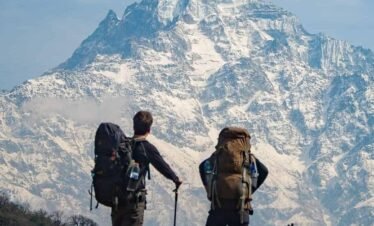
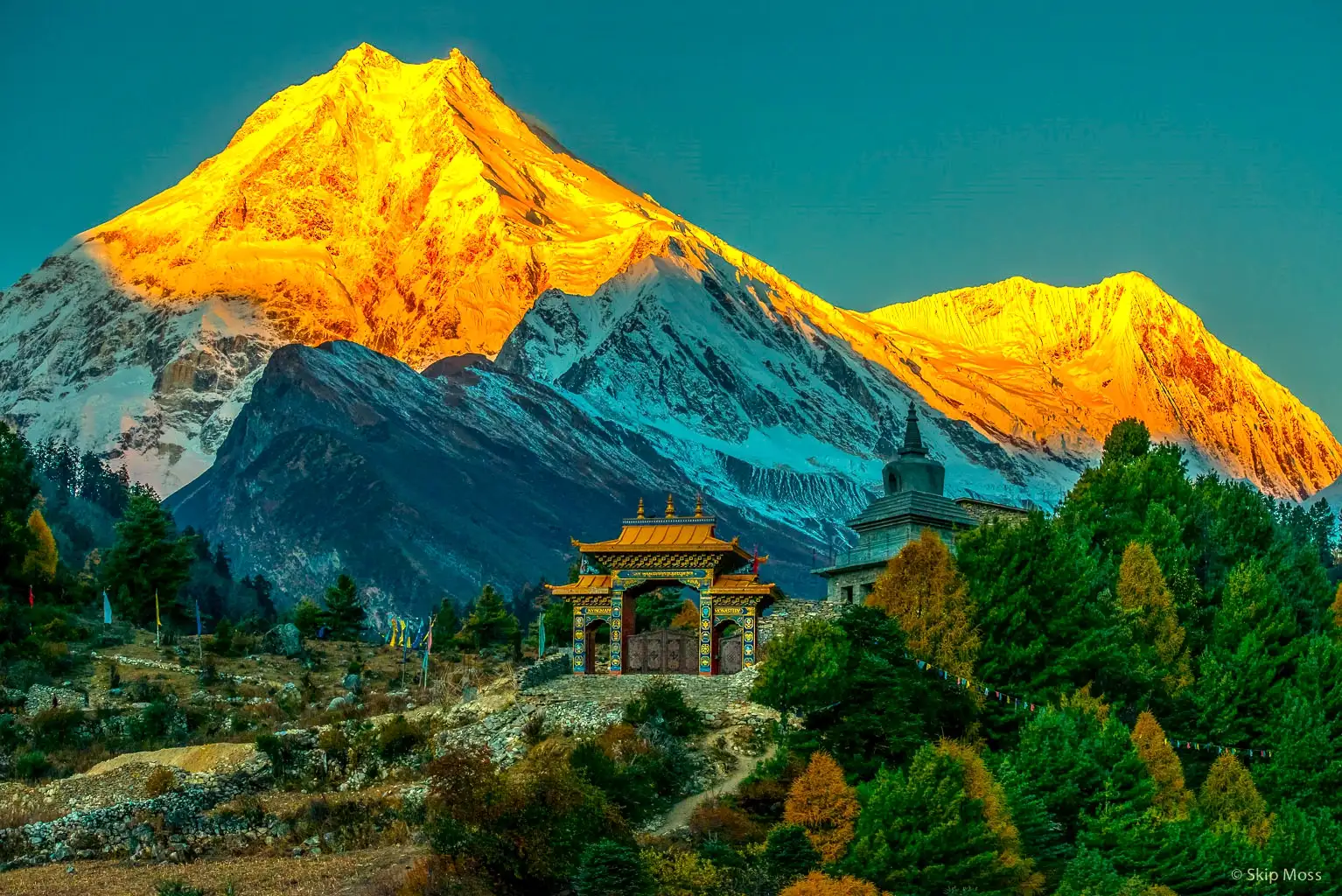
The Manaslu Circuit Trek is one of Nepal’s classic long distance trekking routes. The trail follows the border area between Nepal and Tibet and circles Mount Manaslu, the eighth highest mountain in the world at 8,163 meters. Trekking in this region officially opened in the early 1990s, making it one of the newer trekking routes compared to Everest and Annapurna.
Over the past three decades, the Manaslu Circuit Trek has been gaining steady popularity. Many trekkers now compare it with the Everest Base Camp Trek because both offer high altitude landscapes and long Himalayan journeys. However, Manaslu remains quieter and more remote. This is one of the main reasons experienced trekkers choose this route.
The 13 day Manaslu Circuit Trek starts after a drive from Kathmandu to Machha Khola. From here, the trail follows the Budhi Gandaki River and passes through villages such as Jagat, Deng, Namrung, Samagaon, and Samdo. The route then continues to Dharamsala before crossing the Larkya La Pass at 5,160 meters. After the pass, the trek descends through Bimthang and Dharapani, followed by a jeep drive back to Kathmandu.
This itinerary is designed with safety and acclimatization in mind. Unlike many standard itineraries, this package includes two acclimatization days to help the body adjust to altitude. In total, the journey includes nine trekking days, two acclimatization days, and two days of road travel. This balance makes the trek suitable even for fit first time high altitude trekkers when guided properly.
The Manaslu region lies in west central Nepal and is one of the closest remote trekking areas from Kathmandu. The drive to the trailhead takes around 8 to 10 hours and passes through rural towns, terraced farmland, rivers, and hills. Facilities along the trail are simple, which allows trekkers to experience mountain life in a more natural and traditional way.
If you are looking for a quieter alternative to Everest or Annapurna and want a well planned trek around one of the world’s highest mountains, the 13 day Manaslu Circuit Trek is a strong choice.
As of 2026, solo trekkers can apply individually for the Manaslu Restricted Area Permit, since the government removed the previous two-person minimum group requirement. A licensed guide is still mandatory for every trekker on this route regardless of group size, so solo does not mean unguided. Permit rules on this trek have changed more than once in recent years, so we recommend confirming the current requirement with us before booking. If you would simply prefer company on the trail rather than trekking alone, you are welcome to join our Manaslu Circuit Trek group and share the cost with fellow trekkers.
Manaslu Circuit Trekking – 13 Days Itinerary Outline
- Day 01: Drive from Kathmandu to Machha Khola (900m), taking around 8–9 hours.
- Day 02: Trek from Machha Khola to Jagat (1,340m) via Dovan, taking around 6–7 hours.
- Day 03: Trek from Jagat to Deng (1,860m) via Philim, taking around 7–8 hours.
- Day 04: Trek from Deng to Namrung (2,660m), taking around 7–8 hours.
- Day 05: Trek from Namrung to Shyala (3,180m), taking around 5–6 hours.
- Day 06: Trek from Shyala to Sama Gaun (3,500m), taking around 1.5–2 hours.
- Day 07: Acclimatization day at Sama Gaun, with an optional side hike (3–4 hours) to Manaslu Base Camp or Pungyen Gompa.
- Day 08: Trek from Sama Gaun to Samdo (3,875m), taking around 2–3 hours.
- Day 09: Trek from Samdo to Dharamsala/Larke Phedi (4,450m), taking around 3–4 hours.
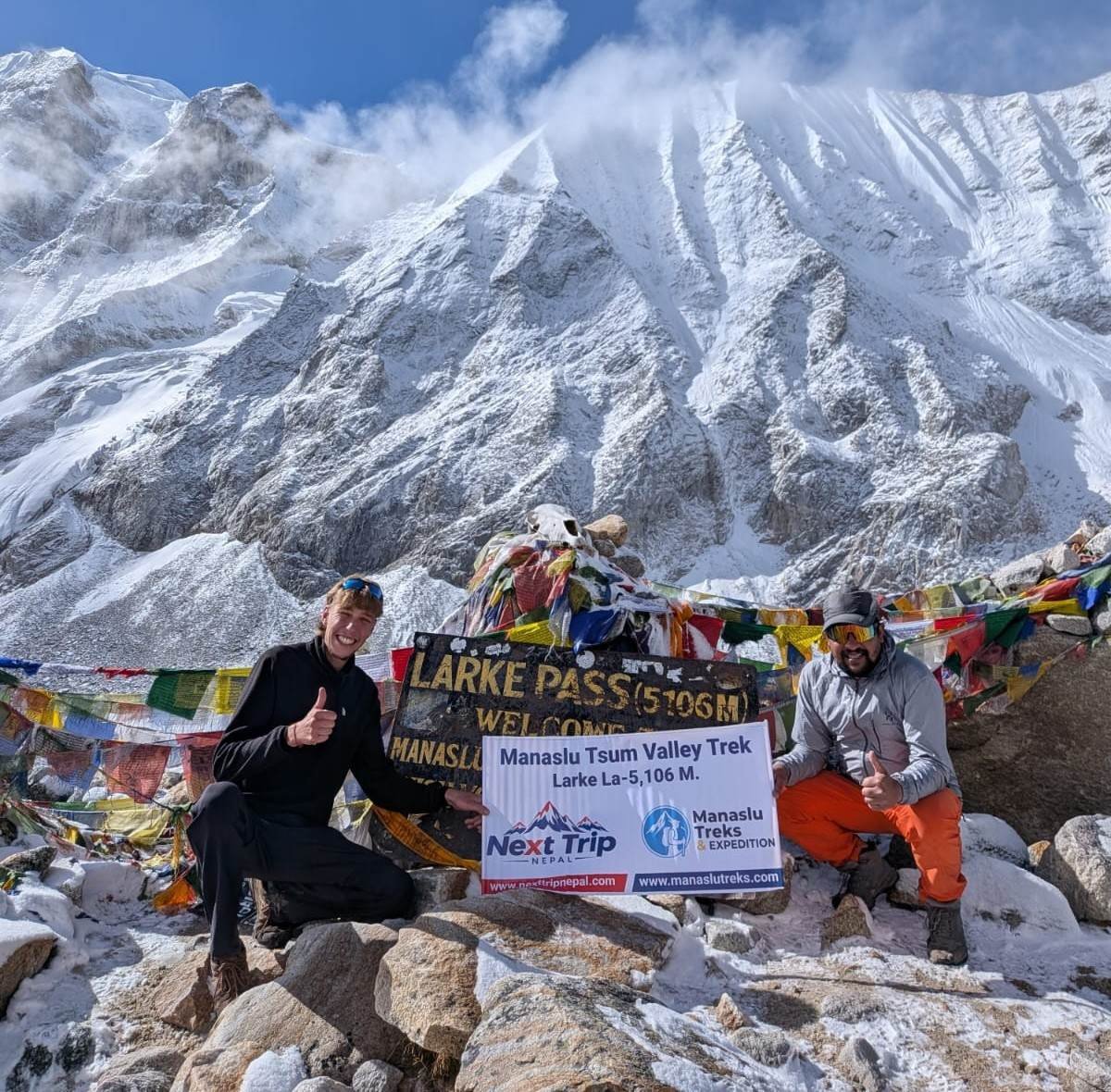
- Day 10: Cross the Larkya La Pass (5,106m) and descend to Bimthang (3,590m), taking around 8–9 hours.
- Day 11: Trek from Bimthang to Tilije (2,300m), taking around 4–5 hours.
- Day 12: Drive from Tilije to Besisahar via Dharapani, taking around 5 hours.
- Day 13: Drive from Besisahar to Kathmandu, taking around 6–7 hours.
Why Book the Manaslu Circuit Trek With Next Trip Nepal?
- Hassle free trekking experience with all required permits, transport, meals, and accommodation arranged
- No advance payment required, pay after arrival in Nepal by card, bank transfer, or cash
- Well planned itinerary designed by experienced local Manaslu trekking guides
- 24/7 personal support before and during the trek via WhatsApp, email, or phone
- Licensed guides and trained porters with first aid and altitude safety knowledge
- Private trek option with flexible pace and additional rest days if needed
- Carefully selected teahouses with clean rooms and reliable food along the route
- Strong focus on safety, clear communication, and personal care throughout the journey
Why Trek Manaslu
Manaslu sits one valley system west of the Everest region and one valley system east of Annapurna, and the trek around it reads like a route built from the better parts of both without the crowding of either. It is a restricted area under Nepali law, which means every trekker on the trail is there with a government-licensed guide and a paid permit, not a day-pass crowd. On a normal October morning you will pass a handful of other groups between villages, not a line of them.
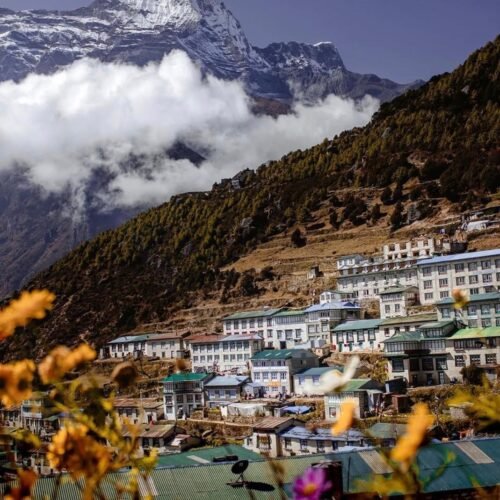
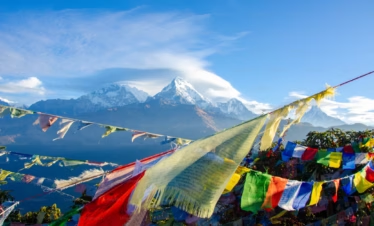
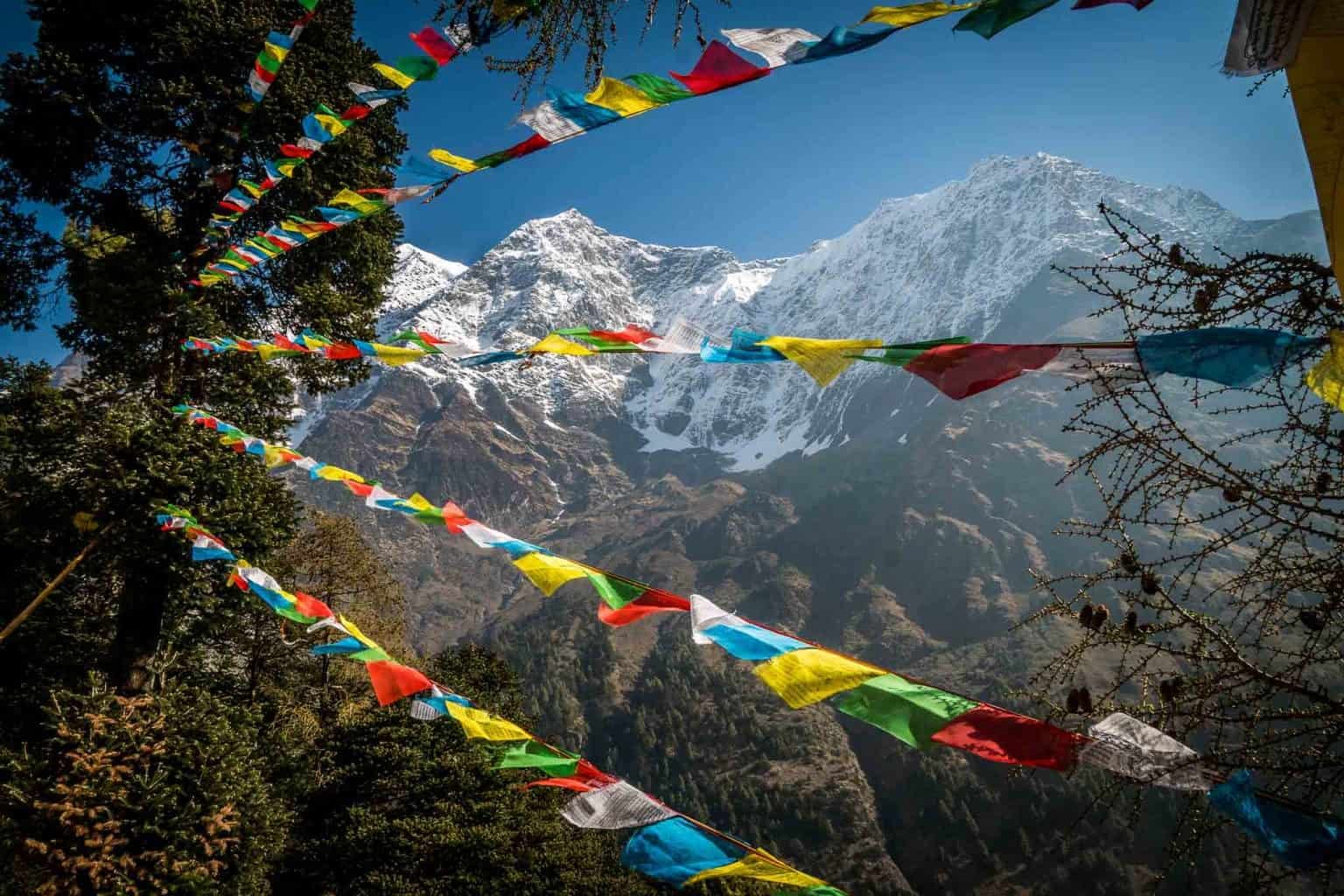
The cultural register of the trek changes as you climb. The lower Budhi Gandaki gorge around Machha Khola, Jagat and Deng is Gurung and mixed hill-caste farmland, with terraced maize and millet. Past Namrung the valley turns into Nubri, a Tibetan-Buddhist region with its own dialect, stone gompas, mani walls and chorten gates at the entrance to almost every village. Sama Gaun and Samdo, the last proper villages before the pass, are built and run by communities with direct trade and family ties across the Tibetan border, and the architecture, prayer flags and daily rhythm reflect that more than almost anywhere else on a standard Nepal trekking itinerary.
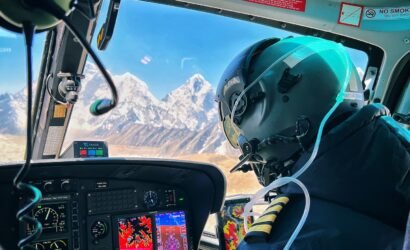
The trek’s defining day is the crossing of Larkya La at 5,106m. This is not a viewpoint pass like Poon Hill or even the Thorong La-adjacent high points on shorter routes; it is a genuine glaciated high pass with a long summit ridge, a long descent on the far side, and real exposure to weather, wind and snow depth that can close it for days at a time. In seriousness and logistics it sits closer to the Everest Three Passes trek (Renjo La, Cho La, Kongma La) than to anything on the Annapurna Base Camp trek, which never crosses a pass above roughly 3,210m.
Teahouse infrastructure on the Manaslu Circuit is real, not improvised camping, but it thins out noticeably compared with the Everest and Annapurna corridors. Below Namrung the lodges are comparable to mid-range Annapurna teahouses. Above Namrung, and especially from Samdo upward, rooms are simpler, menus shrink, and the number of lodges in each village drops to a handful rather than dozens. That is part of what keeps the trail quiet, but it also means less redundancy if a village is full or a lodge is closed for the season, which is worth planning around rather than discovering on arrival.
Trekkers who want more time in the Tibetan-Buddhist culture before tackling the pass sometimes extend into Tsum Valley, a side valley that branches off near Lokpa and adds several days to the itinerary with its own separate permit stamp (covered under the same restricted-area application). Our standard 13-day package does not include this detour, but it’s worth knowing it exists as an add-on if you’re planning a longer trip and want to go deeper into Nubri-Tsum culture before continuing on to Sama Gaun and the pass.
Manaslu Circuit Trek Permits
The Manaslu Circuit crosses two separate protected-area jurisdictions and a restricted border zone, so three permits are involved rather than the single permit most Annapurna or Everest routes require. All three are checked at physical checkpoints along the trail, and immigration officials do spot-check paperwork at Jagat, Deng, Sama Gaun and Dharapani.
Manaslu Restricted Area Permit (MRAP)
This is the permit that makes Manaslu a restricted-area trek. It can only be issued through a registered Nepali trekking agency on your behalf; it is not available at a border counter or through an online self-service system the way ACAP and MCAP are. Pricing is seasonal and charged per person:
| Season | First 7 days | Each additional day |
|---|---|---|
| September – November (autumn / peak) | USD 100 | USD 15 |
| December – August (winter, spring, summer / off-peak) | USD 75 | USD 10 |
The same rates apply to foreign and SAARC/Indian nationals; Nepali citizens are exempt. Because our standard itinerary spends roughly a week inside the restricted zone (from Jagat through to Dharapani), most groups land close to the base weekly rate plus a small number of additional days depending on the exact entry and exit dates stamped on the permit.
Manaslu Conservation Area Permit (MCAP)
MCAP covers the Manaslu Conservation Area itself, administered by the National Trust for Nature Conservation. It is a flat fee rather than a seasonal one: NPR 3,000 for foreign nationals. It is processed alongside the restricted area paperwork and does not need a separate visit or application.
Annapurna Conservation Area Permit (ACAP)
This is the permit most trekkers don’t expect on a “Manaslu” trek. The circuit’s final stretch, from Dharapani down through Tal and Jagat toward Besisahar, crosses into the Annapurna Conservation Area, so ACAP is required for that section regardless of the fact that you never go near the Annapurna sanctuary itself. Like MCAP, it is a flat fee: NPR 3,000 for foreign nationals. Carrying both conservation permits for the full trip, even though each only applies to part of the route, is standard practice and what checkpoint staff expect to see.
Group size and the 2026 rule change
Restricted-area treks in Nepal, Manaslu included, used to require a minimum of two trekkers per permit application, which forced solo travelers to either join a scheduled group or pay for a notional second permit. That minimum was removed under a Department of Immigration notice that took effect in March 2026, and solo trekkers can now be issued an individual MRAP through a registered agency. What has not changed: a licensed guide is still mandatory for any restricted-area trek, permits still have to go through an agency rather than a self-service kiosk, and the agency remains formally responsible for rescue coordination if something goes wrong on the trail. A related change caps group size at seven trekkers per licensed guide for restricted-area treks, which is a planning detail for larger groups rather than something that affects solo or small-group bookings.
In practice this means a solo trekker booking the Manaslu Circuit today pays permit fees for one person rather than two, without needing to find or fake a travel partner. Guide and agency requirements are unchanged, and the permit paperwork still needs passport details and photos submitted several working days before departure, so last-minute bookings are tighter here than on an unrestricted trek like Annapurna Base Camp.
Best Time for the Manaslu Circuit Trek
Because Larkya La is a genuine weather-dependent pass rather than a high viewpoint, timing matters more on this route than on treks that top out below 4,200m.
- March to May (spring): Rhododendron forest lower down, generally stable pass-crossing conditions by mid-to-late spring, and warmer nights at altitude than autumn. Visibility can be hazier than autumn in the lower valleys.
- June to August (summer / monsoon): Wet, with landslide risk in the Budhi Gandaki gorge section and the lowest permit rate. Leeches and slippery trail lower down are routine; above Samdo the rain often turns to snow, which can make Larkya La unpredictable. Not a season we recommend for a first Manaslu attempt.
- September to November (autumn / peak): The most reliable weather window for the pass, clearest mountain views, and the busiest trail (relative to Manaslu’s own low baseline — this still means a quiet trek by Everest or Annapurna standards). Permit cost is at its seasonal peak.
- December to February (winter): Cheapest permit rate, very quiet trail, but real risk of heavy snow closing Larkya La for multiple days at a time, and some of the simplest teahouses above Samdo may reduce services or close. Winter departures should be built with extra schedule buffer and are better suited to trekkers with prior high-altitude pass experience.
Overall, late September through early November is the season most operators, including ours, point first-time Manaslu trekkers toward, with spring as the main alternative for those who want fewer people on the trail and don’t mind marginally less reliable long-range visibility.
Early autumn (roughly the second half of September) and late spring sit in a shoulder window worth knowing about: permit pricing for September already sits at the peak autumn rate even though the trail is noticeably quieter than October, so there’s a brief stretch where you pay peak season fees without the peak season crowding. Whether that trade-off makes sense depends more on your schedule than on any fixed rule, and it’s a reasonable thing to ask us about when picking exact dates.
Altitude and Elevation Profile
The Manaslu Circuit gains altitude unevenly. The first four days, from Machha Khola to Namrung, climb gradually through river gorge and forest, from under 900m to around 2,630m — comparable in pace to the lower Everest or Annapurna approach. From Namrung onward the gradient changes:
- Namrung (2,630m) to Sama Gaun (3,530m): roughly 900m of net gain over two trekking days, with the terrain opening out of forest into high-valley grazing land.
- Sama Gaun built-in acclimatization day: most itineraries, ours included, use this day for a side excursion toward Manaslu Base Camp or Birendra Lake rather than a rest day spent entirely at the lodge, which gives a genuine high-altitude exposure-and-return before continuing.
- Sama Gaun (3,530m) to Samdo (3,860m) to Dharamsala (4,460m): roughly 930m of further net gain over two days, which is the steepest sustained altitude section of the trek.
- Dharamsala (4,460m) over Larkya La (5,106m) to Bimthang (3,720m): a single day that climbs about 650m and then descends around 1,400m, all above 4,000m.
That profile — a slow lower approach followed by a compressed high-altitude push culminating in a 5,106m crossing — puts Manaslu’s altitude risk closer to Everest Base Camp or the Everest Three Passes trek than to Annapurna Base Camp, which tops out around 4,130m and never requires a technical pass day. Ignoring the Sama Gaun acclimatization day, or treating it as optional to save time, is one of the more common mistakes we see trekkers propose, and it is not one we recommend adjusting.
Altitude Sickness and Larkya La Pass Day
Larkya La day is the single most safety-critical day on the Manaslu Circuit, and it should be treated as a full mountain day rather than “a long walk.” Starting from Dharamsala at 4,460m, groups typically leave before or around dawn so that the exposed summit ridge and the long descent to Bimthang are both crossed while snow conditions are firmer and the afternoon weather window is still open. A late start is one of the most common reasons groups get caught by deteriorating weather on the descent side.
Our Senior Trek Leader, Susam Suywal, flags this stretch specifically for a reason: the approach to Larkya La is where altitude, cold and route-finding all stack up at once, and it is not a place to push through early symptoms of altitude sickness and hope they pass. Standard warning signs — persistent headache that doesn’t resolve with rest and fluids, nausea, loss of coordination, unusual breathlessness at rest — are treated as a reason to stop and reassess, not as something to walk off on pass day specifically.
If conditions on the day are bad — heavy fresh snow, high wind on the ridge, or whiteout visibility — the standard and expected response is to wait a day at Dharamsala rather than force the crossing. This is exactly why we build schedule buffer into the itinerary rather than running it to the minimum possible number of days: a pass delay of a day is a planning inconvenience, not an emergency, as long as the itinerary has room for it. Groups that book the tightest possible schedule with no slack are the ones who end up pressured into crossing in marginal conditions, which is the pattern worth avoiding.
Supplemental oxygen and evacuation protocols on this stretch follow the same policy already set out for the trek generally: oxygen is a managed clinical response to a worsening case, not a routine aid for a hard day, and a guide who recommends descent is making a safety call that should not be argued with on the mountain.
What to Pack for the Manaslu Circuit Trek
Gear rental shops exist in Kathmandu’s Thamel district, but once you leave the city there is far less rental or replacement availability on this trail than on the Everest or Annapurna routes — Sama Gaun has a small number of basic shops, and above it there is effectively none. Arrive with your kit complete rather than planning to fill gaps along the way.
Clothing
- Layered insulation: base layers, a fleece or light down mid-layer, and a heavier down jacket for Dharamsala, pass morning and evenings at Samdo and Samagaun.
- A waterproof, windproof outer shell — non-negotiable for the pass crossing regardless of season.
- Insulated, broken-in trekking boots with ankle support, plus camp shoes or sandals for evenings.
- Warm hat, sun hat, buff or neck gaiter, insulated gloves, and a thin liner glove pair for use at lower altitude.
- Thermal base layers for sleeping at Dharamsala and Samdo, where room heating is minimal to none.
Technical gear
- Trekking poles — genuinely useful on the long, often uneven descent from Larkya La to Bimthang, not optional “nice to have” gear on this particular day.
- Microspikes or light crampons, carried as a contingency for an icy pass morning; your guide will advise whether conditions on the day call for them.
- A 4-season-rated sleeping bag (comfort rating around -15°C or colder) given how cold Dharamsala and Samdo lodges get at night.
- Headtorch with spare batteries for a pre-dawn pass departure.
- Gaiters, useful for both dust in the lower gorge and snow near the pass.
Health and documents
- A basic personal first aid kit, Diamox if prescribed by your doctor in advance, and any personal medication in your own carry bag rather than checked baggage or a porter’s load.
- Water purification tablets or a filter — bottled water becomes scarce and expensive above Namrung.
- Spare passport photos and photocopies of your passport, since permit paperwork is checked at multiple posts along the route.
- Cash in Nepali rupees sufficient for the whole trek (see the next section) — there is no ATM once you leave the Kathmandu-side access road.
Food and Connectivity on the Trek
Food on the lower section of the trek, from Machha Khola to around Namrung, is close to what you’d find on a busy Annapurna teahouse route: dal bhat, noodle and pasta dishes, fried rice, basic breakfast items, and reasonably varied menus. Past Namrung, menus start to shrink. Sama Gaun is the high-altitude exception — it has the best selection on the upper trail, including dal bhat, Tibetan bread, and simple pasta dishes, because it is the largest village above the treeline on this route. Past Samdo, menus narrow further to five or six carbohydrate-heavy options, and by Dharamsala dal bhat is typically the most reliably well-prepared dish available, which is also the most useful one for sustained energy before a pass crossing.
Connectivity is where this trek differs most sharply from Everest Base Camp, where the Everest Link WiFi card system gives near-continuous coverage. On Manaslu there is no equivalent network. Lower villages have patchy lodge WiFi and intermittent mobile signal. From roughly Namrung upward, WiFi becomes unreliable to nonexistent, and by Samdo and Dharamsala you should plan on no WiFi and no reliable mobile signal at all, with charging dependent on solar power and therefore on the weather. Trekkers who need to stay reachable for work should set expectations with family or colleagues before the trek starts rather than assuming they’ll have a signal “somewhere up there” the way they might on Everest or Annapurna.
Drinking water follows the same pattern as food and connectivity: bottled water is sold lower down but gets progressively more expensive and less available the higher you go, and single-use plastic bottles are actively discouraged on conservation-area trails. Bringing a reusable bottle and purification tablets or a filter, and refilling from lodge boiled or filtered water, is both cheaper and the standard practice we recommend to our groups.
Accommodation on the Trek
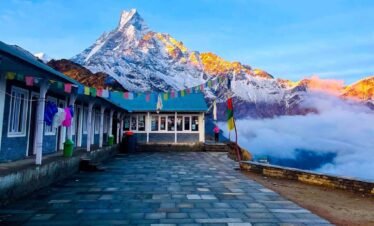
Accommodation throughout is in teahouses — simple family-run lodges rather than camping — but the number of lodges per village drops noticeably compared with Everest or Annapurna. Below Namrung, villages like Machha Khola, Jagat and Deng have a reasonable spread of options. Namrung itself has a good cluster of comparatively comfortable lodges for the altitude. Above that, Lho and Shyala have a limited number of basic lodges. Sama Gaun is the accommodation hub of the upper route, with a half-dozen or so lodges, some stone-built with heated dining halls, and is the last point on the trek with that level of choice. Samdo and Dharamsala each have only a handful of very basic lodges, with thin-walled rooms, minimal or no heating outside the dining area, and in some cases dormitory-style sleeping at the busiest times.
The practical consequence is that peak-season Manaslu trekking has less slack than peak-season Everest or Annapurna trekking: if the few lodges in Samdo or Dharamsala are full, there is no fallback lodge next door the way there often is in Namche Bazaar or Ghorepani. Booking through an operator who pre-arranges rooms for the group, rather than turning up and hoping, matters more here than on routes with deeper teahouse supply.
Rooms are almost always twin-share with two single beds rather than double beds, which is standard across Nepali teahouses generally. Solo trekkers are typically given a twin room to themselves rather than being paired with a stranger, though at the busiest lodges in peak season you may occasionally be asked to share a dormitory-style room above Samdo if advance arrangements weren’t made — another reason booking ahead through an agency that reserves rooms village by village is worth the small amount of extra planning it takes.
Physical Training and Fitness Preparation
Manaslu should be trained for as a harder trek than Annapurna Base Camp and at least as demanding as Everest Base Camp, mainly because of the pass crossing rather than the daily walking distances, which are broadly comparable to other long teahouse treks. A realistic preparation block in the two to three months before departure should combine:
- Cardiovascular base: regular hiking, running, cycling or stair climbing, building toward sessions of 3-5 hours on your feet.
- Load-bearing hill walking: training hikes with a daypack of 5-8kg, ideally on varied terrain with both ascent and descent, since the Larkya La descent to Bimthang is long and knee-intensive.
- Leg strength and stability: squats, lunges and step-ups to prepare for sustained descent on uneven ground, which is where fatigue-related falls are most common on long trekking days.
- At least one or two back-to-back long-day weekends, to simulate consecutive trekking days without full recovery between them — closer to what the Namrung-to-Dharamsala stretch demands than isolated single-day hikes.
Prior high-altitude experience is not a strict requirement, but it genuinely helps on this trek more than it would on Annapurna Base Camp, because a 5,106m pass is a different proposition from a 4,130m viewpoint. Trekkers who have already completed Everest Base Camp, Annapurna Base Camp, or another teahouse trek above 3,500m tend to have an easier time judging their own acclimatization on the Manaslu schedule.
A simple way to structure the final eight to ten weeks before departure: two to three cardio sessions a week (running, cycling, swimming, or a cardio machine circuit), one longer weighted hill walk or stair session on the weekend, and short strength sessions on alternate days focused on legs and core. In the final two to three weeks, taper the long sessions down rather than pushing a maximal effort right before you fly, so you arrive in Kathmandu rested rather than already fatigued from training.
Manaslu Circuit Trek Cost Breakdown
Our 13-day Manaslu Circuit Trek is priced from USD 850 per person. As with most restricted-area treks in Nepal, this kind of headline price typically covers guided trekking days, accommodation and meals on the trail, and ground transport on the stated itinerary, while the restricted-area permit fee itself is a government charge that is seasonal and per-person rather than something an operator can bundle at a fixed rate year-round. When you enquire about booking, ask specifically which permits and which meals are included in your quoted price, since this is the detail that varies most between operators and between departure dates on a seasonal-permit trek like this one.
Budgeting beyond the package price, trekkers should plan for:
- MRAP, MCAP and ACAP fees as set out in the permits section above, which will differ depending on your trek dates and trip length.
- Travel insurance that explicitly covers high-altitude trekking and helicopter evacuation above 5,000m — this is not optional for a trek that crosses Larkya La, and standard travel insurance policies frequently exclude it.
- Tipping for your guide and any porters, which is customary in Nepal’s trekking industry and is not included in any package price.
- Personal spending on the trail: bottled or treated water, snacks, hot showers where available, and charging, all of which cost more the higher you climb.
- Kathmandu-side costs: extra hotel nights if your flight schedule doesn’t align neatly with the itinerary, and gear you need to buy or rent before departure.
Next Trip Nepal does not require advance payment to reserve a departure — you confirm your booking and pay once you have arrived in Nepal, which is worth knowing if you’re comparing us against operators who ask for a deposit months in advance.
As a rough planning reference, a typical additional-cost tally on top of the package price for a two-week autumn trip looks like this:
| Item | Approximate range (per person) |
|---|---|
| MRAP (peak season, ~7-9 days in the restricted zone) | USD 100-130 |
| MCAP + ACAP combined | NPR 6,000 (roughly USD 45) |
| High-altitude travel insurance with evacuation cover | USD 50-150, depending on provider and trip length |
| Tips for guide and porter(s) | Customary but at your discretion; many trekkers budget USD 100-200 total for a trip of this length |
| Personal spending (water, snacks, showers, charging) | USD 50-150, higher if you drink bottled water the whole way rather than treating your own |
These are planning ranges rather than fixed figures — permit costs depend on your exact dates, and personal spending depends entirely on habit. Ask us for a line-by-line quote against your specific travel dates before you book, so there are no surprises once you’re on the trail.
How Manaslu Compares to Everest Base Camp and Annapurna Base Camp
We run all three of these treks, and the comparison questions come up constantly enough to be worth laying out directly.
| Manaslu Circuit Trek | Everest Base Camp Trek | Annapurna Base Camp Trek | |
|---|---|---|---|
| Permit type | Restricted area (MRAP) + MCAP + ACAP | Sagarmatha National Park permit + local area fee | ACAP only |
| Highest point | Larkya La, 5,106m | Kala Patthar, ~5,545m (base camp itself ~5,364m) | Base camp, ~4,130m |
| Technical high point | A genuine glaciated pass crossing | A high viewpoint, not a technical pass | A high viewpoint, not a pass |
| Crowd level | Low (restricted area) | High in peak season | High in peak season |
| Connectivity | Patchy to none above Namrung | Reliable paid WiFi (Everest Link) most of the route | Generally reliable lodge WiFi |
| Teahouse density | Low above Namrung | High throughout | High throughout |
| Solo trekker eligibility | Yes, since the 2026 rule change, via a licensed guide and agency | Yes, no restricted-area rule applies | Yes, no restricted-area rule applies |
In short: Annapurna Base Camp is the right starting trek for someone newer to multi-day trekking who wants Himalayan scenery without a high pass or a restricted-area process. Everest Base Camp is the better-known, busier, better-serviced route to a similar altitude without a technical pass crossing. Manaslu is the choice for trekkers who want the low-crowd, culturally distinct experience of a restricted area and are prepared, physically and logistically, for a genuine high pass day. See our Everest Base Camp Trek and Annapurna Base Camp Trek pages for the full itineraries of those two routes.
Why Book the Manaslu Circuit Trek with Next Trip Nepal
We are a Kathmandu-based operator and we run this trek with government-licensed guides, which is a legal requirement on a restricted-area route in any case, not just a selling point. We do not ask for advance payment to hold your place on a departure — you pay once you’ve arrived in Nepal and are ready to start, which removes the pressure to wire money to an operator you haven’t met in person.
Because Manaslu’s permit paperwork takes real processing time and depends on passport details submitted in advance, we recommend reaching out as early as you reasonably can once you’ve settled on dates, especially for an autumn departure when permit demand and lodge space both tighten. You can reach us directly on WhatsApp at +977 9869225929 or by email at nexttripnepal@gmail.com with your preferred dates, group size (including solo, which is fine under the current rules), and any questions about the itinerary, and we’ll talk you through exactly what’s required before you commit to anything.
Further Reading from Our Kathmandu Guides
- Best Time to Trek the Manaslu Circuit: Month by Month Guide
- Manaslu Circuit vs Annapurna Circuit: Which Trek Should You Choose?
- Altitude Sickness in Nepal: The Complete Guide to AMS, HACE and HAPE
- 5 Safest Treks in Nepal: A Real Look at Which Trails Protect You Best
- Top 10 Treks in Nepal 2026: Ranked by Difficulty
How to Book the Manaslu Circuit Trek
Manaslu Circuit Trek Highlights
- Trek around Mount Manaslu (8,163 m), the world’s eighth highest peak, with close mountain views throughout the route.
- Experience a quieter trekking route compared to Everest and Annapurna, with fewer trekkers and a more remote trail.
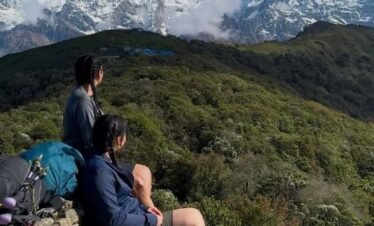
- Walk through forests, rivers, alpine meadows, and terraced farmland while following the Budhi Gandaki River
- Cross more than 25 suspension bridges, including the well known cantilever bridge at Yarubagar above the river gorge.
- Visit traditional villages such as Sama Gaon and Samdo, influenced by both Nepalese and Tibetan cultures.
- Explore important cultural sites, including Pungyen Monastery and other centuries old monasteries along the trail.
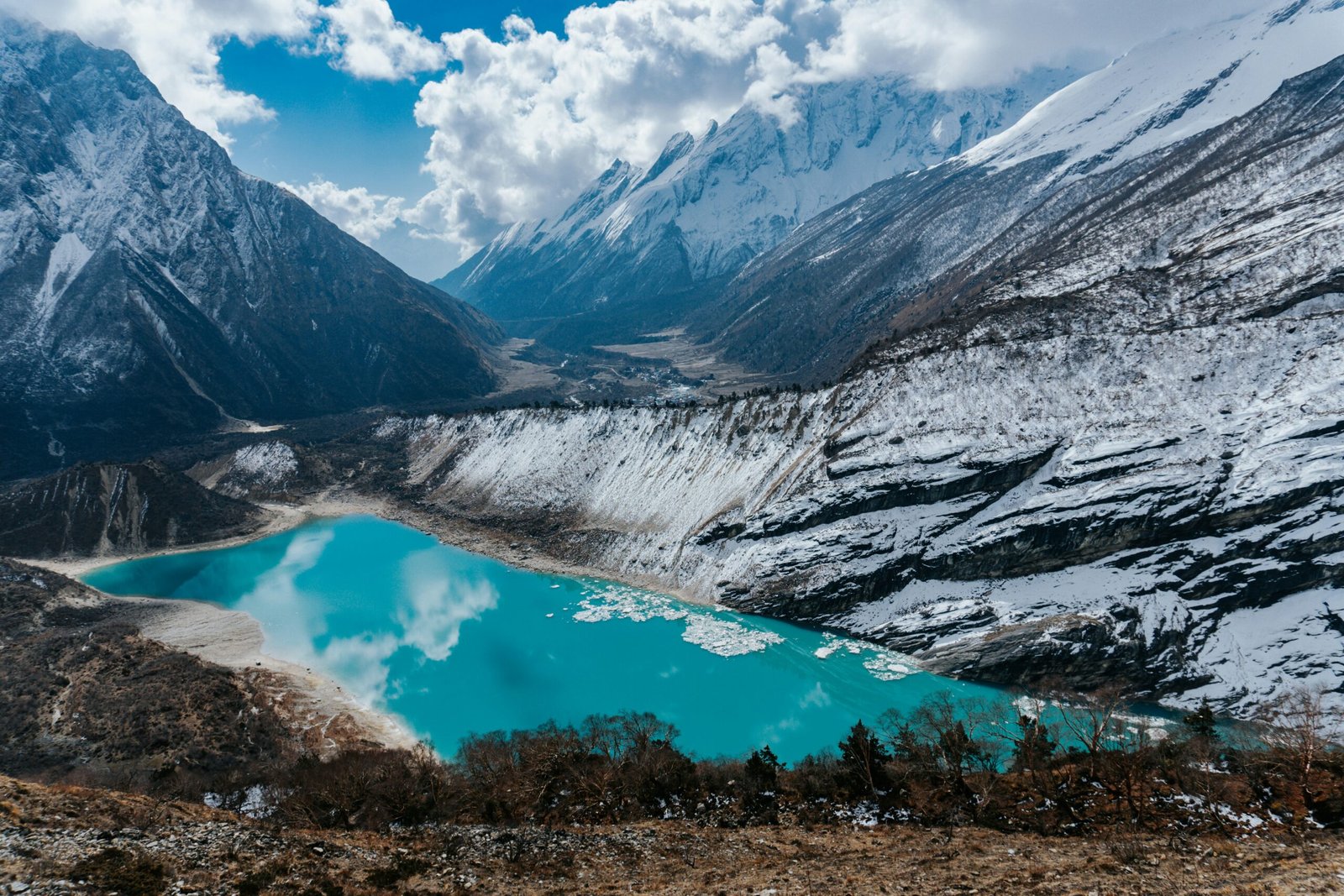
- Take an acclimatization hike to Manaslu Base Camp (4,800 m) and visit Birendra Lake near Sama Gaon. Cross Larkya La Pass (5,160 m), the highest point of the trek, offering wide views of surrounding Himalayan peaks.
- Enjoy panoramic views of major mountains such as Himlung Himal, Himalchuli, Ganesh Himal, and Annapurna II.
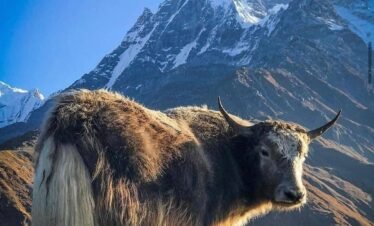
- Spot Himalayan wildlife like Himalayan tahr, pika, marmots, and diverse birdlife, with rare chances of seeing snow leopard signs.