What Kala Patthar Actually Is
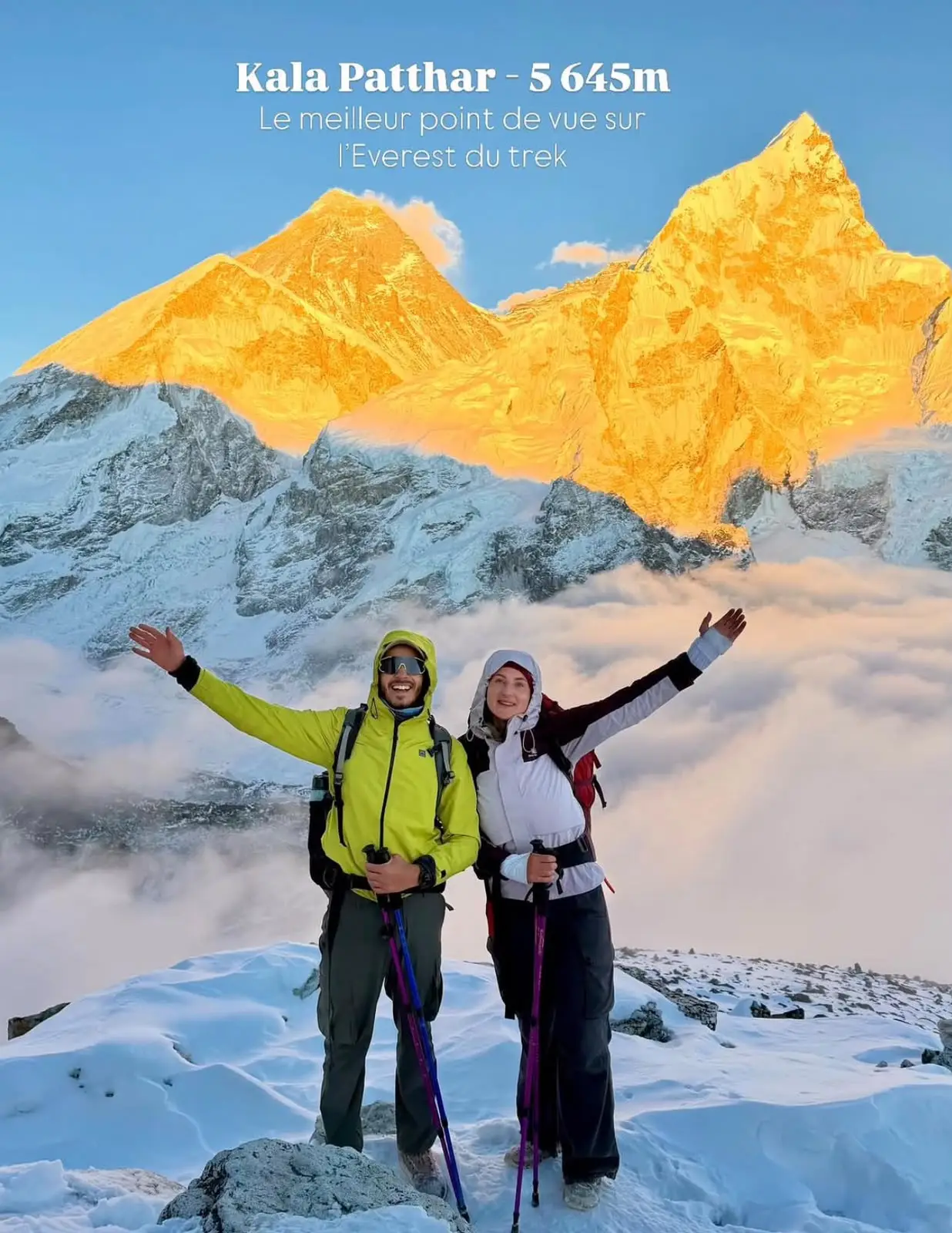
Kala Patthar sits at 5,555m, a rocky outcrop on the shoulder of Pumori mountain, and it is the highest point most trekkers reach on the Everest Base Camp trek, higher even than Base Camp itself at 5,364m. The name means black rock in Nepali and Hindi, a literal description of the dark, wind scoured stone that makes up the summit. Unlike Base Camp, which sits low in a rocky basin with limited direct views of Everest’s upper slopes due to the surrounding terrain, Kala Patthar offers the single best unobstructed view of Everest’s summit available anywhere on the standard trekking route, without any technical climbing or special permit required.
Reaching Kala Patthar on foot is one route to this viewpoint. If your itinerary includes a helicopter return afterward, our complete guide to helicopter return day covers what happens once you leave the Base Camp area.
Kala Patthar vs Everest Base Camp: The Real Difference
| Factor | Everest Base Camp | Kala Patthar |
|---|---|---|
| Altitude | 5,364m | 5,555m |
| View of Everest summit | Largely blocked by the Khumbu Icefall and West Shoulder | Clear, unobstructed view of the summit |
| Typical visit time | Afternoon, Day 9 of standard itinerary | Sunrise, Day 10 of standard itinerary |
| Climb difficulty | Flat approach across moraine from Gorak Shep | 395m ascent, done in the dark, cold, and thin air |
| Primary appeal | Standing at the literal foot of Everest, historic and symbolic significance | The single best photograph and view of Everest available on the trek |
A common misconception among first time trekkers is that Base Camp itself offers the classic postcard view of Everest’s summit. It does not. The mountain’s bulk and the surrounding ridgelines actually obscure a clean view of the summit from Base Camp. Kala Patthar, positioned differently relative to the peak, is where that iconic, unobstructed summit photograph actually comes from, which is exactly why it is included in every well designed EBC itinerary rather than treated as optional.
Why the Climb Happens Before Sunrise
Trekkers leave Gorak Shep in complete darkness, typically between 4am and 5am, specifically to reach the summit of Kala Patthar as the sun rises over the eastern peaks. This timing exists for a specific practical reason beyond simply capturing a beautiful photograph: morning air at this altitude is at its clearest and most stable, before any afternoon cloud or haze builds up over the Khumbu, giving the best possible visibility of Everest and the surrounding peaks including Nuptse, Lhotse, and Pumori itself. Afternoon attempts are possible but consistently deliver inferior views due to cloud buildup, which is why every well run itinerary schedules this climb for sunrise regardless of how uncomfortable the predawn cold makes the experience.
What the Climb Actually Feels Like
The 395m ascent from Gorak Shep (5,164m) to the Kala Patthar summit (5,555m) is short in distance but genuinely demanding, arguably the single most physically taxing hour of the entire standard EBC itinerary. You are climbing at over 5,000m, in the dark, in temperatures that commonly drop to minus 15 to minus 20 degrees Celsius, on a steep, loose, rocky trail. Blood oxygen saturation at this altitude typically sits between 70 and 85 percent even for well acclimatized trekkers, meaning every step demands more effort than the equivalent climb would at lower altitude. Most groups take 2 to 3 hours to reach the summit from Gorak Shep, moving at a deliberately slow, steady pace that respects the combination of altitude, darkness, and cold.
What You Actually See From the Summit
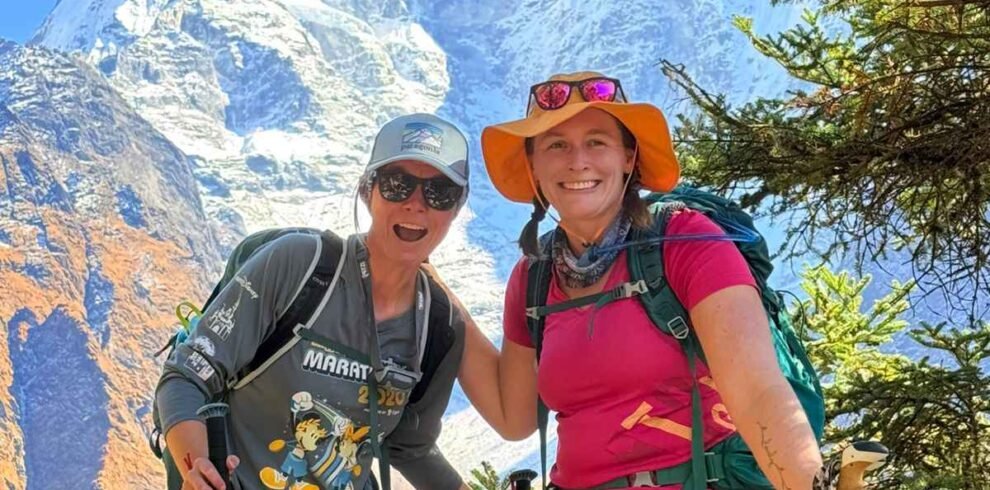
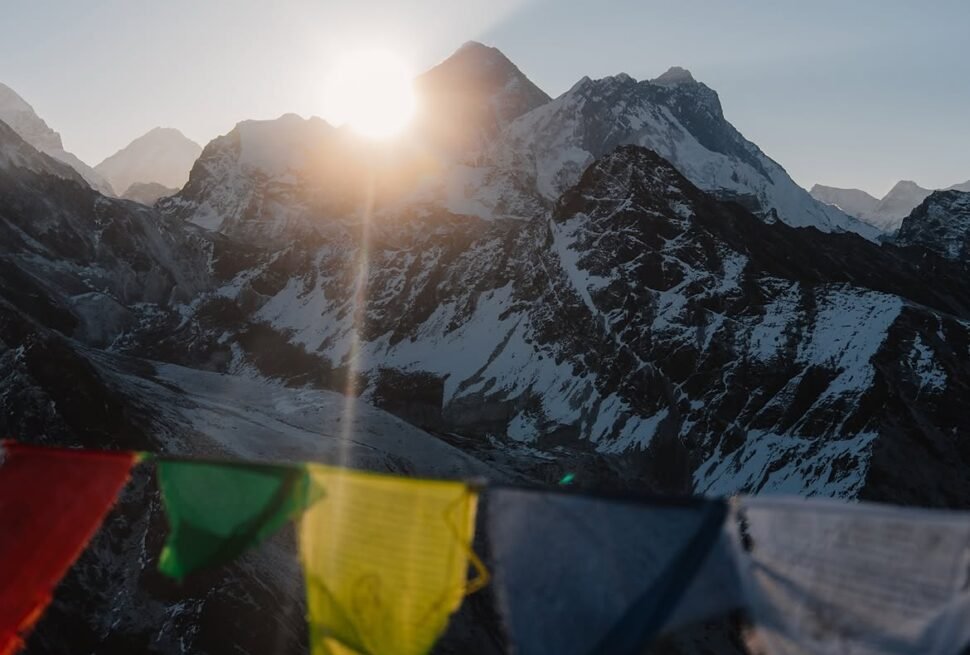
On a clear morning, the view from Kala Patthar takes in Everest’s summit directly, along with Nuptse, Lhotse, Pumori, and the broader Khumbu skyline, all lit by the first direct sunlight of the day. The Khumbu Icefall and the upper reaches of the South Col route, the path used by climbing expeditions attempting Everest’s summit, are visible from this vantage point in a way they are not from Base Camp itself, giving trekkers a genuine sense of the scale and technical challenge that Everest expeditions actually face above Base Camp. This is, for many trekkers, the single most emotionally significant moment of the entire 14 day trek, more so than reaching Base Camp itself, precisely because of the unobstructed, direct view of the mountain’s summit.
Preparing for the Cold: What You Actually Need
| Item | Why It Matters at Kala Patthar Specifically |
|---|---|
| Down jacket, 600+ fill power | Temperatures commonly reach minus 15 to minus 20C before sunrise |
| Headlamp with spare batteries | The entire ascent happens in complete darkness |
| Insulated gloves, ideally two layers | Extremities are the first to suffer in extreme cold |
| Balaclava or warm hat covering ears | Wind chill at the summit intensifies the cold significantly |
| Insulated, warm boots | Standing still at the summit for photos in extreme cold tests footwear more than any other point on the trek |
| Hot drink in an insulated flask | A warm drink at the summit makes a meaningful difference to comfort and morale |
The temptation to underpack for this specific climb is real, since the rest of the day involves descent to warmer altitude and trekkers sometimes rationalize traveling light. This is the wrong instinct. The Kala Patthar summit, in the hour around sunrise, is colder than almost anywhere else you will stand during the entire trek, and being genuinely warm changes the experience from an ordeal to be endured into a moment to be enjoyed.
Alternative: Kala Patthar in the Afternoon
Some trekkers, either due to fatigue after the Everest Base Camp day or a personal preference to avoid the predawn cold, choose to climb Kala Patthar in the late afternoon of the same day they visit Base Camp instead of the following sunrise. This is a legitimate alternative and better than skipping the climb entirely, but it consistently delivers inferior views due to afternoon cloud buildup over the peaks, a pattern that holds true across most of the trekking season. If your schedule and energy allow the sunrise attempt, it remains the better choice, but an afternoon climb still delivers views considerably better than anything visible from Base Camp itself.
Common Mistakes Trekkers Make at Kala Patthar
- Underestimating the cold and packing light gloves or a thin jacket, then cutting the summit time short due to discomfort
- Climbing too fast in the dark, running short of breath and needing extended rest stops that could have been avoided with a steadier pace
- Forgetting a headlamp or bringing one with weak batteries, a genuine problem on a trail with no ambient light whatsoever
- Skipping the sunrise attempt after an exhausting Base Camp day and settling for an inferior afternoon view
- Not bringing a hot drink or snack, then feeling the cold and altitude more acutely during the summit wait for the best light
The History Behind the Name and Its Use
Kala Patthar was never intended as a summit destination in its own right when Everest expeditions first began using the Khumbu route in the 1950s. It served primarily as a vantage point and photography position for expedition teams documenting attempts on Everest’s southeast ridge, offering a clear sightline to the upper mountain that Base Camp itself could not provide. Over subsequent decades, as trekking tourism in the Khumbu grew independently of mountaineering expeditions, Kala Patthar’s practical value as the best viewpoint for ordinary trekkers became widely recognized, and it evolved from a functional expedition tool into the signature viewpoint of the entire Everest Base Camp trekking route, now visited by the vast majority of trekkers completing the standard itinerary specifically for this reason.
Comparing Kala Patthar to Other Khumbu Viewpoints
| Viewpoint | Altitude | Best Feature |
|---|---|---|
| Kala Patthar | 5,555m | Unobstructed direct view of Everest’s summit |
| Gokyo Ri | 5,357m | Wider panoramic view including Everest, Lhotse, Makalu, and Cho Oyu simultaneously |
| Everest View Hotel | 3,880m | Easiest access, good views without high altitude exposure, reached from Namche |
| Nangkartshang Peak | 5,083m | Dingboche acclimatization hike with strong Ama Dablam and Makalu views |
Each of these viewpoints offers something distinct, and trekkers doing the standard 14 day EBC itinerary experience the Everest View Hotel and Nangkartshang Peak as acclimatization stops along the way, with Kala Patthar as the culminating viewpoint at the end of the trek. Trekkers who add the Gokyo extension, covered in our combined route guide, get the added comparison of Gokyo Ri’s wider panoramic perspective, which some experienced guides consider comparable or even superior in breadth, though Kala Patthar’s direct summit sightline remains unmatched for a focused Everest photograph.
Geology: Why It Is Called the Black Rock
The exposed rock at Kala Patthar’s summit is a dark, weathered stone, largely free of snow cover for much of the year due to wind exposure at this altitude, which is precisely where the name, black rock, comes from. This is in visual contrast to the surrounding snow and ice covered peaks, making Kala Patthar’s dark summit distinctly visible from lower points on the trail well before you reach it. The rock itself is part of the broader geological formation of the Khumbu, shaped by the same tectonic forces that pushed the Himalaya upward from what was once an ancient seabed, a detail that surprises many trekkers standing on some of the highest exposed rock on the planet.
Seasonal Differences at Kala Patthar
| Season | Conditions | Visibility |
|---|---|---|
| October to November | Very cold, minus 15 to minus 20C before sunrise, generally clear | Excellent, most reliable window of the year |
| March to May | Cold but slightly milder than autumn, occasional haze | Good, though pre monsoon haze can build by late May |
| December to February | Extremely cold, minus 20 to minus 25C, occasional high wind | Often excellent on clear days, but conditions demand serious cold weather gear |
| June to September | Mild temperatures relatively speaking, but frequent cloud cover | Poor, monsoon cloud regularly obscures the summit view entirely |
Autumn remains the single most reliable season for a clear Kala Patthar sunrise, which is one of the reasons October and November are the busiest months on the entire EBC trail. Winter climbs are possible and sometimes deliver spectacular clarity precisely because fewer weather systems move through, but the cold at this specific viewpoint becomes a genuinely serious factor that demands respect and proper equipment.
Photography Tips Specific to Kala Patthar
Bring spare camera batteries, since cold drains battery charge rapidly at this altitude and temperature, often faster than trekkers expect based on lower altitude experience. Keep your primary battery in an inner pocket close to your body until you are ready to shoot, swapping in a cold battery only when needed. Arrive at the summit with enough time before actual sunrise to set up and compose shots calmly, rather than rushing into position as the light changes, since the best light window is relatively brief. A basic understanding of manual exposure settings helps considerably here, since the extreme contrast between the dark rock foreground and the brightening sky and snow covered peaks can confuse automatic camera metering.
What Our Guides Do Differently for the Kala Patthar Climb
We pace the ascent deliberately slowly, resisting the instinct many trekkers have to push hard in the excitement of a summit attempt, since a controlled, steady pace at this altitude in the dark produces a better outcome than a rushed one. Our guides carry spare headlamp batteries and basic warming supplies specifically for this climb, and we build in enough buffer time in the schedule that a slower moving trekker is never rushed or made to feel they are holding back the group. This is one of the moments in the entire itinerary where patience and pacing matter more than almost anywhere else on the trek, and it reflects the same acclimatization and safety philosophy covered in detail in our main safety guide for this route.
The Physiology of Standing at 5,555m
At Kala Patthar’s altitude, atmospheric pressure is roughly half of sea level, meaning each breath delivers roughly half the oxygen your body is accustomed to at low elevation. This is why even well acclimatized trekkers move slowly, breathe heavily with minimal exertion, and feel their heart rate elevated simply standing still at the summit. Understanding this physiological reality helps set the right expectations: the climb feels hard not because you are unfit, but because your body is doing genuinely more work per step than it would at any lower point on the trek. This is also why the pulse oximeter monitoring practice described throughout our safety guide matters right up to this final push, since Kala Patthar represents the highest point of physical exertion combined with the lowest oxygen availability of the entire itinerary.
Descending After the Summit
The descent back to Gorak Shep after sunrise is considerably faster and easier than the ascent, typically taking 45 minutes to an hour, as the combination of daylight, a warming sun, and the psychological relief of having reached the summit all make the return trip feel dramatically less demanding than the climb up. This is also, notably, one of the more dangerous windows of the entire trek from a footing perspective, since fatigue combined with a natural eagerness to descend quickly on loose, rocky terrain has caused more minor slips and stumbles among trekkers we have guided than almost any other single section of trail. Take the descent at a controlled pace despite the temptation to move quickly toward breakfast and warmth.
Combining Kala Patthar With the Everest Base Camp Visit
The standard itinerary places the Everest Base Camp visit on Day 9, the day before the Kala Patthar sunrise climb on Day 10, which means trekkers are managing two demanding high altitude days back to back. Some trekkers ask whether reversing this order, Kala Patthar first, then Base Camp, would be easier, but the standard sequencing exists for good reason: Base Camp itself is a relatively flat approach across moraine from Gorak Shep, genuinely less physically taxing than the steep Kala Patthar ascent, making it the more sensible choice for the day immediately following the long Lobuche to Gorak Shep trekking day. Saving the harder, shorter Kala Patthar climb for the following pre dawn departure, after a night’s rest at Gorak Shep, produces better outcomes than attempting both demanding activities in immediate succession.
What Happens If Weather Blocks the View
Not every sunrise at Kala Patthar delivers the clear, unobstructed view the mountain is famous for, and trekkers should understand this honestly rather than being promised a guarantee no guide can actually make. Cloud, precipitation, or high wind can obscure the summit view on any given morning, even during the generally reliable autumn season. If conditions are clearly unfavorable, experienced guides will sometimes recommend delaying the attempt by a day if the itinerary has buffer built in, or, if no buffer exists, proceeding anyway since even a partially obscured view still offers a meaningful experience of standing at this altitude. We build schedule flexibility into our itineraries specifically to accommodate a weather delayed attempt where possible, since a clear Kala Patthar sunrise is worth waiting an extra day for when the itinerary allows it.
A Note on Altitude Sickness Risk at This Specific Point
Kala Patthar represents the highest altitude most trekkers reach on the standard route, and it comes at the point in the itinerary where cumulative altitude exposure is at its peak, following the Everest Base Camp day and an overnight at Gorak Shep, the highest sleeping altitude of the entire trek. This combination means trekkers should be particularly attentive to how they feel on this specific morning, communicating any symptoms to their guide before beginning the climb rather than pushing through in the excitement of a summit attempt. Our guides conduct a pulse oximeter check before departure specifically for this reason, applying the same monitoring protocol described in our main safety guide, since this is precisely the moment in the itinerary where the cumulative effects of altitude are most likely to show themselves.
Kala Patthar for Non Trekkers: The Helicopter Option
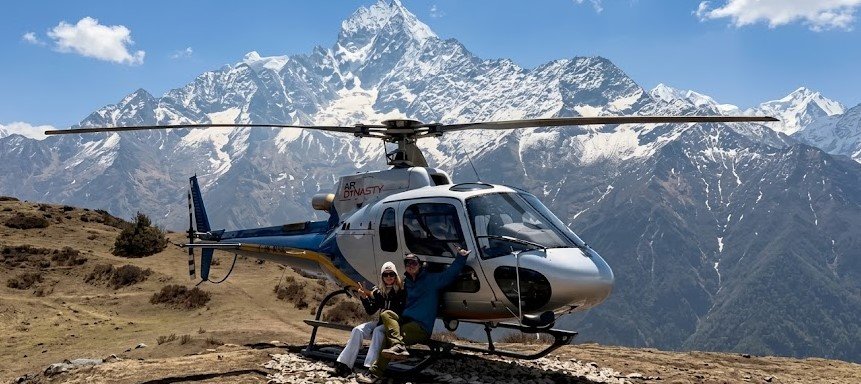
Trekkers with limited time who still want to experience Kala Patthar’s view without the full 14 day walking itinerary can reach the area via our EBC Helicopter Tour, which includes a landing near Kala Patthar for sunrise or daytime views before returning to Kathmandu the same day. This is a fundamentally different experience from earning the view through 9 days of walking, and most trekkers who have the time genuinely prefer the walked approach for the sense of accomplishment it provides, but the helicopter option remains a legitimate choice for travelers with genuine time constraints who still want to see Everest’s summit up close.
Preparing Mentally for the Climb
Beyond the physical preparation covered elsewhere in our training and packing guides, it helps to prepare mentally for what this specific morning involves: a very early wake up after a cold, often poorly slept night at Gorak Shep, a demanding climb in complete darkness, and genuine physical discomfort from cold and thin air before the reward of sunrise arrives. Trekkers who go into this morning expecting it to be genuinely hard, rather than expecting a pleasant stroll to a viewpoint, handle the experience better than those who are caught off guard by how demanding it actually is. This honest framing, hard but absolutely worth it, is what I tell every trekker before this specific morning, and it consistently produces a better outcome than either false reassurance or unnecessary alarm.
The Moment That Sticks With Most Trekkers
I have guided hundreds of trekkers to this summit, and the specific moment that consistently produces the strongest emotional reaction is not the initial sight of Everest’s summit itself, which trekkers have usually seen in photographs many times before arriving. It is the moment direct sunlight first touches the summit snow, turning it from a grey silhouette into brilliant gold and white within a matter of minutes, while the trekker stands in the still cold shadow below. This transition, watched in real time after the physical effort of the climb and the mental effort of the early start, is what people describe most vividly when they talk about their EBC trek months or years later, more often than any other single moment of the entire 14 day itinerary.
Practical Timing for Your Return Flight
Trekkers sometimes ask whether the Kala Patthar morning affects the rest of the day’s schedule meaningfully. It does not, beyond the early start itself. After descending to Gorak Shep and a proper breakfast, the standard itinerary continues with a substantial trekking day down to Pheriche, so the Kala Patthar climb, while physically demanding, is scheduled at the start of a day that still involves several more hours of walking afterward. Pace yourself accordingly, since the temptation to treat the summit as the day’s finish line, rather than its beginning, can leave trekkers unexpectedly fatigued for the descent that follows.
Kala Patthar and the Broader Story of Everest Exploration
Standing at Kala Patthar connects you, in a small but genuine way, to the history of Everest exploration itself, since this exact vantage point has been used by climbers and expedition photographers since the earliest attempts on the mountain’s southeast ridge in the 1950s. The same view that guided early expedition planning, assessing the Khumbu Icefall’s condition and the upper mountain’s visible weather, is the view you stand in front of today, largely unchanged in its essential character even as trekking infrastructure has grown up around it in the decades since. For trekkers with an interest in mountaineering history, this connection adds a layer of meaning beyond the purely visual experience, a sense of standing where the earliest Everest pioneers once stood assessing the same mountain you are now looking at yourself.
How Kala Patthar Fits Into the Bigger Itinerary Picture
It is worth stepping back and seeing where this single morning sits within the full 14 day arc of the standard EBC trek. The first eight days build toward Base Camp itself, each acclimatization stop and each village adding to your altitude tolerance and your sense of the Khumbu’s scale. Day 9 delivers Base Camp, the symbolic destination most trekkers set out with in mind from the very beginning. Day 10’s Kala Patthar sunrise, coming immediately after, is in many ways the trek’s true visual and emotional climax, arriving at a point where your body is as acclimatized as it will be for the entire trip and your appreciation for the surrounding peaks has been built up gradually over the preceding nine days rather than delivered all at once on arrival. Understanding this arc helps explain why skipping Kala Patthar, treating it as optional after already reaching Base Camp, genuinely undersells what the itinerary is building toward.
Gear Rental Options in Namche and Gorak Shep
If you are missing a specific piece of cold weather gear for the Kala Patthar climb specifically, down jackets and sleeping bags are available for rental in Namche Bazaar, and in some cases at Gorak Shep itself, though selection and quality are considerably better lower down the valley where more shops operate. We recommend arranging any needed rental gear in Kathmandu or Namche well before reaching Gorak Shep, since relying on last minute rental availability at 5,160m, the night before your summit attempt, is not a position you want to find yourself in in poor conditions with limited options.
A Realistic Timeline for Summit Morning
For trekkers who like to know exactly what a schedule looks like, a typical Kala Patthar sunrise morning runs roughly as follows: wake up around 3:30am at Gorak Shep, a light breakfast or hot drink before departure, leave the teahouse by 4am with headlamps on, climb steadily for 2 to 3 hours reaching the summit shortly before first light, spend 30 to 45 minutes at the summit through sunrise and the following golden light window, then descend in 45 minutes to an hour, arriving back at the teahouse in time for a proper breakfast around 7am to 7:30am before the day’s onward trekking begins. This full sequence, door to door, typically spans 4 to 5 hours, almost entirely before most trekkers elsewhere in the world have started their day.
Why This Climb Justifies the Entire Trek for Many Trekkers
I have had trekkers tell me, more than once, that the ten minutes spent watching sunlight hit Everest’s summit from Kala Patthar alone justified the entire cost, effort, and physical discomfort of the preceding nine days. I do not think this is exaggeration or simple enthusiasm talking. There are very few places on earth where an ordinary person, with reasonable fitness and no technical climbing skill, can stand this close to the highest point on the planet and watch it catch the first light of day. That accessibility, paired with the genuine effort required to reach it, is precisely what makes Kala Patthar the emotional and visual centerpiece of the entire Everest Base Camp experience, and why every itinerary we run treats it as essential rather than optional.
Final Advice Before You Go
Pack properly for the cold, pace yourself deliberately on the ascent, communicate honestly with your guide about how you feel, and set your expectations for a genuinely demanding but deeply rewarding morning rather than a casual viewpoint stroll. Every trekker who has stood at that summit as the sun rises over Everest has earned it through nine days of steady, patient progress up the valley, and the tenth day, this specific tenth day, is where all of that effort resolves into a single unforgettable view.
Booking a Trek That Prioritizes This Moment
When you book with us, the Kala Patthar sunrise climb is treated as a scheduled, protected part of the itinerary, not an optional add on squeezed in if energy and weather allow. We build the Gorak Shep overnight and following morning specifically around giving this climb the best possible conditions and enough buffer to handle a less than ideal weather morning if needed. This is a deliberate choice reflecting what we have learned guiding this route repeatedly: the itineraries that treat Kala Patthar as central, rather than incidental, consistently produce the trekkers who come home describing their EBC trek as one of the best experiences of their life. This philosophy runs through every part of how we structure this trek, from the acclimatization days at Namche and Dingboche through to this final, defining sunrise, because a well paced itinerary is what actually lets trekkers arrive at Kala Patthar with enough in reserve to properly enjoy it rather than simply survive it.
Closing Thought
If you take one piece of advice from this guide, let it be this: do not let exhaustion after the Everest Base Camp day talk you out of the Kala Patthar sunrise the following morning. It is cold, it is dark, and it demands more of you than almost any other single hour of the trek, but it is also, by a wide margin, the moment most trekkers point to when asked what made this journey unforgettable.
What I Tell First Time Trekkers About This Morning
Every season I meet trekkers on the trail up from Lukla who ask me, half joking, whether Kala Patthar is really worth the predawn cold. My answer has not changed in over 20 completions of this general Khumbu terrain and years of guiding groups specifically to this summit. It is worth it, and not by a small margin. The difference between seeing photographs of Everest online and standing at 5,555m watching direct sunlight hit the summit snow while your own breath freezes in front of you is not something a screen can replicate. Trekkers who commit fully to the early start, pack properly for the cold, and trust the pacing their guide sets consistently walk away from that hour describing it as the single reason the whole trek mattered. I would rather a trekker arrive tired and slightly nervous about the climb than overconfident and underprepared, because the honest respect for what this specific morning demands is exactly what gets people to the top comfortably and safely.
Frequently Asked Questions
Is Kala Patthar higher than Everest Base Camp?
Yes. Kala Patthar sits at 5,555m, while Everest Base Camp sits at 5,364m. Kala Patthar is the highest point most trekkers reach on the standard Everest Base Camp trek.
Why do you climb Kala Patthar instead of just visiting Base Camp for Everest views?
Base Camp’s position, surrounded by the Khumbu Icefall and West Shoulder terrain, largely blocks a clear view of Everest’s summit. Kala Patthar offers an unobstructed direct view of the summit that Base Camp simply does not provide.
How hard is the Kala Patthar climb?
It is short in distance, 395m of ascent, but demanding due to the combination of extreme altitude, predawn darkness, and cold temperatures often reaching minus 15 to minus 20C. Most groups take 2 to 3 hours from Gorak Shep to the summit.
What time should I start the Kala Patthar climb?
Between 4am and 5am from Gorak Shep, to reach the summit as the sun rises. Morning air offers the clearest visibility before afternoon cloud typically builds over the peaks.
Can I skip Kala Patthar and just visit Everest Base Camp?
You can, but I strongly recommend against it. Kala Patthar offers considerably better views of Everest’s summit than Base Camp, and skipping it means missing what many trekkers consider the visual highlight of the entire trek.
How cold does it get at Kala Patthar summit?
Commonly minus 15 to minus 20 degrees Celsius before sunrise, with wind chill making it feel considerably colder. A proper down jacket, insulated gloves, and warm headwear are essential, not optional.
What can I see from Kala Patthar?
Everest’s summit directly, along with Nuptse, Lhotse, Pumori, and the broader Khumbu skyline, including views of the Khumbu Icefall and upper climbing routes that are not visible from Base Camp itself.
Is Kala Patthar or Gokyo Ri the better viewpoint?
Both are excellent. Kala Patthar offers the more direct, unobstructed view of Everest’s summit specifically, while Gokyo Ri offers a wider panoramic view including Everest, Lhotse, Makalu, and Cho Oyu simultaneously. Trekkers doing the combined Gokyo route get to experience both.
Do I need crampons for Kala Patthar?
Not typically. The trail is steep and rocky rather than glaciated, so sturdy, well broken in trekking boots with good ankle support are sufficient for most conditions, though microspikes can help after fresh snowfall.
How many people typically summit Kala Patthar at sunrise during peak season?
During October and November, dozens of trekkers commonly reach the summit around the same sunrise window, making it a genuinely social, shared experience rather than a solitary one, despite the demanding conditions.
Is Kala Patthar safe for trekkers in their 60s or 70s?
With proper acclimatization and a slow, steady pace, yes. We have guided trekkers in this age range to the Kala Patthar summit successfully, following the same age related preparation guidance covered in our main safety guide.
Does the helicopter tour include a Kala Patthar landing?
Our EBC Helicopter Tour includes a landing near the Kala Patthar area for sunrise or daytime views, offering the summit experience without the full 9 day walking approach, for trekkers with genuine time constraints.
Can I rent cold weather gear for the Kala Patthar climb specifically?
Yes, down jackets and sleeping bags are available for rental in Namche Bazaar and, with more limited selection, at Gorak Shep. Arranging this in Namche or Kathmandu in advance is strongly recommended over relying on last minute availability higher up.
What is the best month specifically for a clear Kala Patthar sunrise?
October and November offer the most reliable combination of clear skies and stable weather, making them the most popular months for this reason, though this also means the summit is more crowded during the actual sunrise window.
I am Kiran Basnet, founder of Next Trip Nepal, based in Kathmandu. Kala Patthar sunrise remains, in my experience guiding this route repeatedly, the single moment trekkers describe most vividly when they talk about their trek afterward, more so even than reaching Base Camp itself.
Related reading: Everest Base Camp Trek Safety Guide, Everest Base Camp Trek Distance and Duration, Everest Base Camp Trek Packing List, How Difficult is the Everest Base Camp Trek, Everest Base Camp Trek 14 Days trip page