

Overview
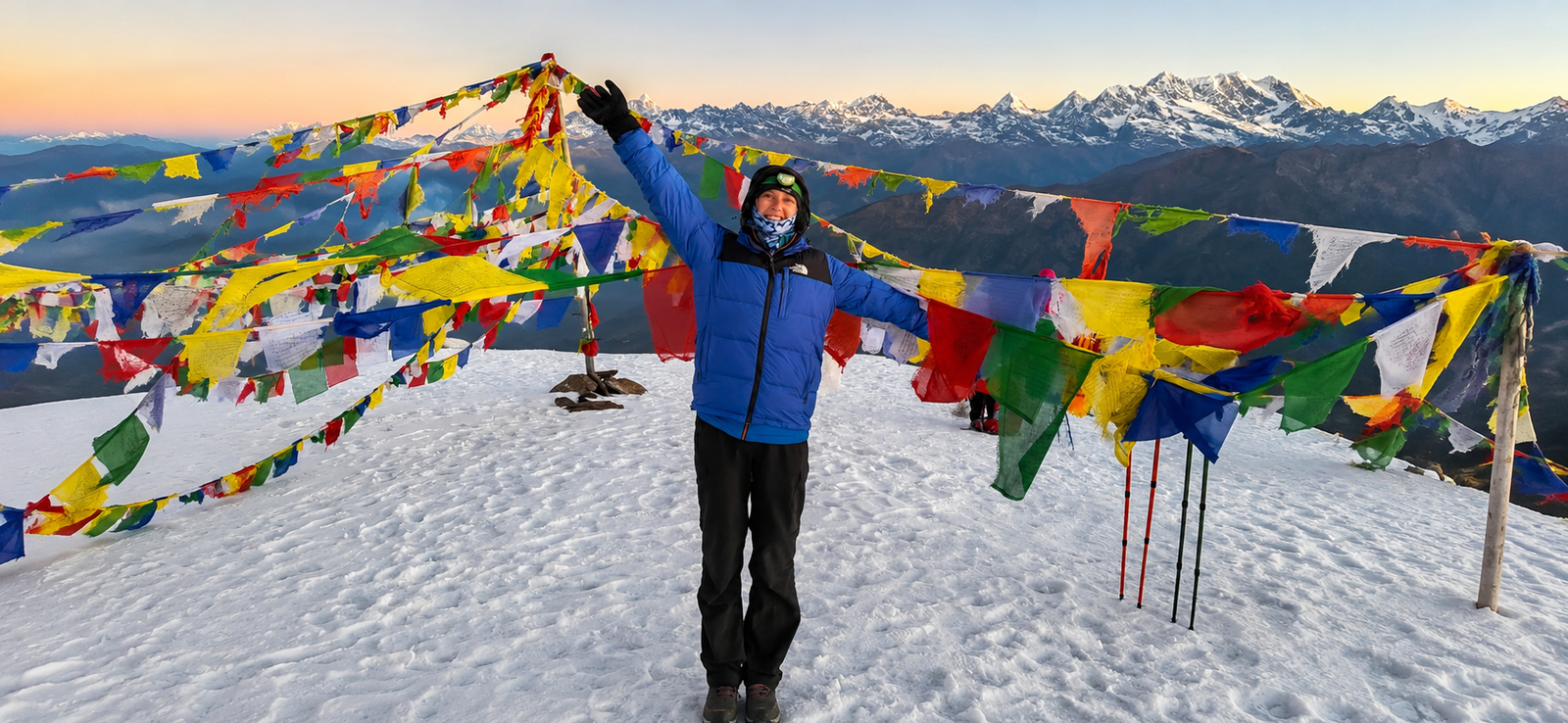
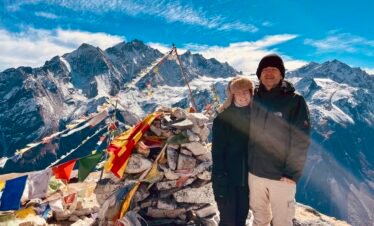
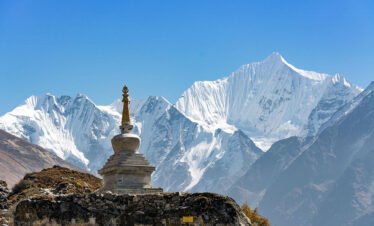
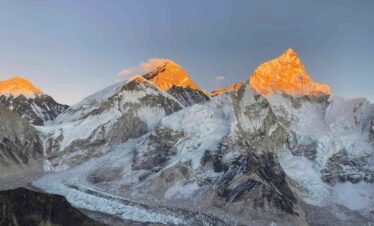
Pikey Peak Trek is a short, uncrowded trek in the lower, western foothills of the Everest region of Solukhumbu District, Koshi Province, climbing to a summit of 4,065 meters that opens onto one of the widest mountain panoramas in eastern Nepal. Unlike treks that push deep into a single valley toward one dominant peak, Pikey sits apart from the main Everest massif, on a separate ridge system south and west of the Khumbu. That position is the entire point of the trek. From the top, on a clear morning, the horizon fills with Everest, Lhotse, Makalu, and Kanchenjunga at once, four of the five highest mountains on earth visible from a single viewpoint, along with Cho Oyu, Numbur, Gaurishankar, and a long line of lesser but still enormous peaks stretching across both the Everest and Rolwaling directions.
This is a trek built for people who want genuine high altitude Himalayan scenery without the time, cost, altitude risk, or crowding of the bigger Everest region routes. It typically runs about seven days door to door from Kathmandu, follows good trails through rhododendron and pine forest, Sherpa villages, and lower hill settlements, and tops out at an altitude that is real and should be respected, but far short of the multiple nights above 4,500 or 5,000 meters that longer Everest treks demand. There is no flight involved. Access is overland, by jeep, through the village of Dhap, which keeps the trip affordable and also removes the single biggest source of delay and stress on an Everest Base Camp itinerary, the Lukla flight.
Pikey Peak Trek suits a wide range of people for different reasons. It works well for travelers with limited vacation time who still want a legitimate Himalayan summit and a wide mountain panorama rather than a forest walk with occasional glimpses. It works for people on a tighter budget, since the trek needs no flight and fewer trekking days, and it works for people with no previous high altitude trekking experience who want to test how their body handles 4,000 meters before committing to something bigger like Everest Base Camp, Annapurna Circuit, or Manaslu. It also works for returning trekkers who have already done Everest Base Camp and want a quieter, less touristed route in the same general region, through villages, monasteries, and forest that most Everest trekkers never see. What it is not is a technical mountaineering objective. There is no climbing gear, no rope work, and no glacier travel. It is a long, honest hike to a high viewpoint, and that simplicity is a large part of its appeal.
The name Pikey Peak Trek covers a route through Solukhumbu District that most travelers planning an Everest region trip never even hear about, since the marketing weight of the wider Everest story naturally pulls attention toward Everest Base Camp. That is a shame in one specific sense, because Pikey offers a kind of mountain view that the deep Khumbu valley itself cannot, a wide, open panorama rather than a narrow corridor view framed by steep valley walls. It is also a trek that rewards travelers who are comfortable with a simpler, less polished trail infrastructure than the busiest routes in Nepal, in exchange for quiet trails, lower prices, and villages that have not been reshaped around tourism in the way Namche Bazaar or Manang have been.
Pikey Peak Trek 7 Days Itinerary Outline
The detailed day by day itinerary for this trip is covered in full elsewhere on this page. The outline below is only a quick reference to the shape of the week, so you can see the overall route before reading the rest of this description.
| Day | Route | Summary |
|---|---|---|
| Day 1 | Kathmandu to Dhap | Drive roughly 230 to 250 kilometers by jeep along the B.P. Highway, climbing from 1,400 meters to about 2,850 meters. |
| Day 2 | Dhap to Jhapre | Trek through forest and Sherpa settlements to Jhapre at about 2,820 meters, a gentle introduction day. |
| Day 3 | Jhapre to Pikey Peak Base Camp | Climb steadily through rhododendron and pine forest to the base camp area near 3,640 meters. |
| Day 4 | Pikey Peak summit, then on to Jase Bhanjyang | Before dawn push to the 4,065 meter summit for sunrise views, then descend to Jase Bhanjyang at about 3,520 meters. |
| Day 5 | Jase Bhanjyang to Junbesi | Descend through forest and farmland to the Sherpa village of Junbesi at about 2,700 meters, near Thupten Choling Monastery. |
| Day 6 | Junbesi to Phaplu | Walk down to Phaplu at about 2,413 meters, passing farming villages and mixed communities. |
| Day 7 | Phaplu to Kathmandu | Return drive by jeep along the B.P. Highway back to Kathmandu. |
Why Trek Pikey Peak
Most people who research Himalayan trekking end up fixed on Everest Base Camp, and for good reason, it is a legitimate bucket list destination. But Everest Base Camp also means a flight into Lukla that is regularly delayed or cancelled by weather, an itinerary of twelve to fourteen days, a trail shared with hundreds of other trekkers during the main seasons, and a push above 5,000 meters that carries real altitude risk for anyone without prior high altitude experience. Pikey Peak Trek exists in a different category. It gives you a genuine Himalayan summit, forest trekking through rhododendron woods that bloom in spring, Sherpa villages, an important monastery, and one of the widest mountain panoramas available anywhere in Nepal, all inside about a week, without a flight, and without the crowds.
The honest reason operators keep recommending this trek, including to clients who are also considering Everest Base Camp, is the view to effort ratio. You reach 4,065 meters, which is high enough to see Everest, Lhotse, Makalu, and Kanchenjunga together across a single open horizon, something you cannot do from most viewpoints inside the Khumbu valley itself, where the terrain is steep and the sightline is often blocked by closer ridges. Pikey sits outside that valley system entirely, on an open ridge, which is exactly why the view is so wide. Trekkers who have done both routes often say the summit morning on Pikey rivals anything they saw on the way to Everest Base Camp, for a fraction of the time and cost.
There is a widely repeated claim, found on nearly every Nepal trekking company website, that Sir Edmund Hillary once called the view from Pikey Peak the best view of Everest in the entire Himalaya. It is worth being direct about this claim rather than repeating it uncritically. Despite how often it appears, no trekking company website, including this one, has produced a verifiable primary source for it, no dated interview, no book citation, no named publication. It is plausible on its face, since Hillary spent decades working in this exact region through the Himalayan Trust, building the Lukla airstrip and several schools and hospitals across the Khumbu and Solu areas, and he would certainly have had the chance to see Pikey from the air or on the ground during that work. But plausible is not the same as documented, and readers should treat the quote as a popular story that has been repeated so often it now sounds like established fact, rather than as something that has actually been verified. The view itself does not need an unverified quote to be worth seeing. On a clear day it stands on its own.
Beyond the summit view, the route has a second, quieter appeal, which is the villages and culture along the way out through Junbesi and Phaplu. These are lower Solukhumbu settlements that see far fewer tourists than Namche Bazaar or the main Everest trail, with a working mix of Sherpa, Rai, Chhetri, Tamang, and Magar communities, active monasteries, and farmland that has nothing to do with the tourist economy. For trekkers who want to see ordinary rural Nepali and Sherpa life rather than a trail built almost entirely around trekking tourism, this descent through Junbesi and Phaplu is arguably as interesting as the summit itself.
There is also a simple logistical argument in favor of this trek that often gets overlooked in the excitement over mountain views. A trip that avoids the Lukla flight removes one of the largest single sources of stress and wasted time in Nepal trekking generally. Travelers on Everest Base Camp itineraries regularly lose a day or more to weather delays at either end of that flight, sometimes more during unstable periods of the year, and that lost time can compress the rest of an itinerary or force last minute changes to flights home. Because Pikey Peak Trek runs entirely by road, your schedule is far less vulnerable to that particular kind of disruption, which matters a great deal if you are working around a fixed return flight or a limited number of vacation days.
Highlights of the Pikey Peak Trek
The appeal of this trek comes from a combination of a genuine high altitude summit, forest scenery, monastery visits, and village culture packed into a short itinerary. The main highlights are listed below, with some context on each.
- A 4,065 meter summit with a panorama that includes Everest, Lhotse, Makalu, Kanchenjunga, Cho Oyu, Numbur, and Gaurishankar from one open viewpoint, rather than a narrow slice of sky seen from inside a steep valley.
- Rhododendron forest that blooms across the middle altitudes of the trek roughly from mid March to mid April, turning entire hillsides red, pink, and white during the spring trekking season.
- A far quieter trail than Everest Base Camp, Annapurna Circuit, or Annapurna Base Camp, with long stretches where you may see only a handful of other trekkers in a day, particularly outside the main spring and autumn weeks.
- No flight required. The trek is reached entirely overland by jeep through Dhap, removing the weather delays, cancellations, and added cost that come with the Lukla flight used on most Everest region itineraries.
- Thupten Choling Monastery near Junbesi, a large Tibetan Buddhist monastery and an active community of monks and nuns, one of the more significant religious sites in the Solu area.
- Chiwong Monastery, a historic monastery near the route with strong connections to the religious history of the Solu valley, offering a quieter alternative or addition for trekkers with time to visit.
- Proximity to the Hillary School near Junbesi, built with support from Sir Edmund Hillary’s Himalayan Trust, a tangible link to the same humanitarian work that shaped the wider Everest region.
- Villages representing a genuine cultural mix along one route, Sherpa communities around Jhapre and near Pikey itself, and Rai, Chhetri, Tamang, and Magar communities concentrated lower down around Junbesi and Phaplu.
- A short, well paced altitude profile that takes you above 4,000 meters without requiring multiple nights at that height, making it a sensible first exposure to high altitude trekking.
- Significantly lower cost than Everest Base Camp or Annapurna Circuit, because the trip needs no internal flight, fewer trekking days, and generally lower permit costs.
None of these highlights individually would justify a long trip on their own, but together, inside a single week, they add up to a trek that regularly surprises people who went into it expecting a smaller, lesser version of Everest Base Camp. For many travelers it turns out to be a different and in some ways more satisfying trip, not a watered down substitute.
It is also worth mentioning what the trek deliberately does not try to be. It does not attempt to replicate the deep valley approach to Everest, it does not pass through Namche Bazaar, Tengboche, or the high Khumbu villages that give Everest Base Camp Trek its particular atmosphere, and it does not include a glacier walk or a close up view of the Khumbu Icefall. Travelers who specifically want that exact experience should choose Everest Base Camp Trek instead, covered in more detail later in this description. What Pikey Peak Trek offers is a different kind of reward, a wide angle view of the same great peaks from outside the valley, reached faster, more cheaply, and with far fewer people on the trail.
Pikey Peak Trek Permits
Permit requirements for the Pikey Peak Trek are reported inconsistently across trekking company websites, and it is worth being straightforward about that rather than inventing a confident figure that sounds precise but may not be accurate at the time you actually travel. Some operators list a Sagarmatha National Park type entry fee, reflecting the trek’s position in the wider Everest region. Others describe a Gaurishankar Conservation Area Permit, since parts of the route fall near that conservation area’s boundary. Still others mention only a small local area permit or a rural municipality fee collected at the municipal level rather than through a national park or conservation office, and some add a TIMS card, the Trekkers Information Management System card used on many routes in Nepal. These are not necessarily contradictory descriptions of different trips, they more likely reflect genuine changes in how this specific route has been administered over recent years, plus some operators simply copying older information from one another without rechecking it.
Because of that inconsistency, we recommend treating any specific permit fee figure you see quoted on a blog post or a competitor’s site with some caution. Municipal rules, conservation area boundaries, and park fee structures in Nepal do change, sometimes with little public notice, and a number that was accurate two years ago is not guaranteed to be accurate today. What we can say with confidence is that the fees involved for this particular trek are modest, generally a small local area permit charge and, depending on current rules, a TIMS card, both inexpensive in absolute terms compared to the park fees charged on routes like Everest Base Camp or Annapurna Circuit. Next Trip Nepal confirms the exact permits required for the Pikey Peak Trek at the time of your booking, and arranges them as part of your package, so you are not left trying to work out the correct permit regime yourself from conflicting online sources.
This kind of inconsistency is actually fairly common for routes that sit at the edge of two or more administrative zones, as Pikey does near the boundary of the wider Everest region and the Gaurishankar Conservation Area. A route that a decade ago fell under one clear permit regime can shift as local government structures and conservation boundaries are redrawn, and smaller, less heavily trafficked routes like this one often do not get the same prompt, visible updates on official tourism websites that a flagship route like Everest Base Camp receives. That is simply a reality of trekking in a less mainstream part of Nepal, and it is far better to be told this plainly than to be given a tidy sounding number that might already be out of date by the time you book.
One further point worth being transparent about is a rule change that has been widely reported in Nepal’s trekking industry from 2023 onward, requiring foreign trekkers to use a licensed guide on most trekking routes rather than trekking fully independently without one. The precise technical details of how this rule applies route by route, and how strictly it is enforced on a lower traffic route like Pikey Peak, are not uniformly reported, and we are not going to pretend to more certainty on the fine print than actually exists. What matters practically for anyone booking this trek through an agency is simple, every Next Trip Nepal trip already includes a licensed, government registered guide as standard, so this rule change does not alter anything about how you book or what you need to arrange. It only affects travelers who were planning to trek completely alone without any guide or agency at all.
We mention this rule not to alarm anyone but because transparency matters more to us than sounding like every other operator’s page. If you have read conflicting statements elsewhere about exactly which routes the guide requirement covers, or whether it is enforced at checkpoints along this specific trail, our position is simple, we do not know of a single, fully authoritative public source that resolves every detail of that question for every route in Nepal, and we would rather say so than invent certainty we do not have. What we can promise is that booking through Next Trip Nepal means you are covered regardless of how the fine print eventually settles, because a licensed guide is already part of every trip we run.
Best Time for the Pikey Peak Trek
Like most treks in this part of Nepal, Pikey Peak has two clearly strongest seasons, spring and autumn, with winter as a quieter and colder option and monsoon generally best avoided. Each season changes the trek in a different way, covered below, and the right choice for you depends on whether your priority is the clearest possible mountain views, the forest scenery, a quiet trail, or simply fitting the trip into whatever window your schedule allows.
Spring
Spring, running from March through May, is one of the two best windows for this trek, and it has one advantage no other season can match, the rhododendron forest. Across the middle altitudes of the route, roughly from mid March to mid April, the forests Pikey is known for turn red, pink, and white as the rhododendron trees bloom in sequence down the hillsides. This is the single most photographed period of the trek for a reason. Temperatures are also comfortable for walking, daytime highs in the lower and middle sections of the trek are mild, and nights at higher points like the base camp area are cold but manageable with good gear. Visibility is generally good, though spring afternoons in Nepal can bring haze or cloud buildup, so mornings tend to offer the clearest mountain views, which fits naturally with the before dawn summit push on Pikey anyway. Spring is also a good choice for travelers who want to combine the trek with other activities in Kathmandu before or after, since the warmer general weather across Nepal in these months makes sightseeing days in the city more pleasant as well.
Autumn
Autumn, from September through November, is the other peak season and is generally considered to offer the clearest and most reliable mountain views of the year. The monsoon rains have just cleared the air of dust and haze, skies are typically stable, and the chances of a clean, unobstructed sunrise view from the summit, with Everest, Lhotse, Makalu, and Kanchenjunga all visible at once, are at their highest. Temperatures are comfortable during the day and cold but not extreme at night. This is also the busiest season across Nepal’s trekking routes generally, though Pikey Peak remains far less crowded than Everest Base Camp or Annapurna Circuit even during these peak weeks, since it has not yet become a mainstream mass market destination in the way those routes have. If a single, maximally reliable mountain view is your top priority and you can only travel in one specific window, autumn is generally the safer bet of the two peak seasons, though spring’s rhododendron blooms remain something autumn simply cannot offer.
Winter
Winter, from December through February, is a real option for this trek, not just a technical possibility, and it suits a specific kind of traveler well. The trails are far quieter than in spring or autumn, teahouses are easier to book on short notice, and the air is often exceptionally clear and dry, which can produce outstanding mountain visibility on calm days. The tradeoff is cold. Temperatures drop well below freezing at night above roughly 3,000 meters, and snow is possible above about 3,500 meters, which can occasionally affect trail conditions near the base camp and summit area or close small sections temporarily after a heavy snowfall. Winter trekking here demands good cold weather gear and a bit more flexibility in your schedule, but for travelers who want solitude and do not mind the cold, it can be the most rewarding season of all.
Monsoon
Monsoon, from June through August, is generally not recommended for this trek, and we would rather tell you that plainly than sell you a trip you are likely to be disappointed by. Heavy daily rain is the norm across most of Nepal’s hill and mountain regions during these months, trails become muddy and slippery, leeches are common in the forested sections, and cloud cover regularly obscures the mountain views that are the entire point of climbing to the summit. It is technically possible to trek during monsoon, and a small number of travelers do, usually because it is the only window their schedule allows, but anyone with flexibility should plan for spring, autumn, or winter instead.
Altitude and Acclimatization on the Pikey Peak Trek
Pikey Peak Trek reaches a genuine high altitude, 4,065 meters at the summit, and that figure deserves to be taken seriously even though this trek is widely and correctly described as easy to moderate in difficulty. You will also see the summit listed as 4,067 or 4,068 meters on a handful of other trekking company websites. This is a small, commonly seen discrepancy across operator sites rather than a sign that anyone is being careless, and it is not resolved by one single authoritative source, so take the exact figure as approximate within a couple of meters rather than a fixed, laboratory measured number. Altitude sickness is possible above about 2,500 meters in susceptible individuals, and 4,065 meters is well within the range where symptoms like headache, mild nausea, or fatigue can appear in people who climb too fast or do not hydrate properly, regardless of overall fitness level.
That said, this trek has a structural advantage that makes it considerably gentler on the body than Everest Base Camp or similar routes, there is no multiple night stay above about 3,700 meters anywhere in the standard itinerary. You climb steadily from Dhap at 2,850 meters, through Jhapre at 2,820 meters, up to the base camp area near 3,640 meters, then push to the 4,065 meter summit before descending the same day to Jase Bhanjyang at 3,520 meters. That pattern, climb high, sleep lower, on the single day you touch the trek’s maximum altitude, is exactly the kind of profile that reduces altitude sickness risk, and it happens here almost automatically because of how short the route to the summit is, not because of any special acclimatization day built into the schedule.
Sensible precautions still matter. Drink more water than feels necessary, avoid alcohol in the days leading up to the summit push, walk at a pace that lets you hold a conversation without gasping, and tell your guide immediately if you notice a headache that does not resolve with rest and water, unusual nausea, or dizziness. Your guide is trained to recognize the signs of altitude sickness and to make the call on descending if needed, and because every Next Trip Nepal trip includes an experienced, licensed guide, you are never making that judgment alone. For most reasonably fit trekkers without a prior history of altitude problems, the altitude exposure on this trek is manageable without special preparation, but it is not something to dismiss simply because the overall trek is rated easy to moderate.
It is worth noting that individual response to altitude varies enormously and has very little to do with age, general fitness, or athletic background. Marathon runners and gym regulars can struggle with altitude sickness while less conventionally fit travelers sail through without issue, because the underlying mechanism, how quickly your body adjusts its breathing rate and red blood cell production to lower oxygen pressure, is largely unrelated to cardiovascular fitness. This is exactly why the climb high, sleep lower structure of the summit day matters more than how many kilometers you can run at sea level, and why listening to your guide and being honest about symptoms matters more than pushing through out of determination to reach the top.
Pikey Peak Trek Difficulty
Pikey Peak Trek is generally rated easy to moderate, and that rating holds up well against the actual demands of the route, provided you understand what easy to moderate actually means in a Himalayan context rather than a flat walking context. There is no technical climbing anywhere on this trek, no rope work, no exposed scrambling, and no high mountain pass on the scale of Larkya La on the Manaslu Circuit or Thorong La on the Annapurna Circuit, both of which involve long, demanding days above 5,000 meters. Pikey’s summit day, while real work, is shorter and lower than those crossings.
What the trek does require is honest daily walking, typically four to seven hours a day depending on the specific stage, on trails that climb and descend continuously through hill and forest terrain, plus one genuinely demanding day, the summit push, which starts before dawn in the cold and dark in order to reach the top for sunrise. That day combines a steep, sustained climb with low temperatures and thinner air at over 4,000 meters, and trekkers who arrive underprepared, physically or in terms of gear, will find it harder than the rest of the trip suggests. Reasonable fitness, built from regular walking, hiking, or general cardio training in the weeks before you travel, makes a real difference to how much you enjoy that morning rather than simply endure it.
For these reasons, Pikey Peak Trek is commonly recommended as a good first high altitude trek for people without previous Himalayan experience, and that recommendation is well founded, not just a marketing line. The combination of real altitude exposure, a short but demanding summit day, and daily walking similar to other moderate treks, packaged inside a trip with no multiple night stay above 3,700 meters and no technical pass crossing, makes it a sensible way to learn how your body responds to altitude and to multiple day trekking before committing to something longer and harder like Everest Base Camp, Annapurna Circuit, or Manaslu. Many trekkers use it exactly this way, as a short, lower risk test run ahead of a bigger trip later the same trip or in a future season.
Day to day, the walking itself is not technically difficult in the sense of requiring special skills, but the terrain is genuinely hilly rather than flat, with sustained climbs and descents on most days that will work your legs and lungs more than a casual walk at home. Trail surfaces range from soft forest paths through rhododendron and pine woodland to rockier, more open ground near the base camp and summit. None of this requires previous trekking experience, but a few weeks of regular walking, stair climbing, or hiking before you travel will noticeably improve how much you enjoy the trip rather than simply survive it, particularly on the summit morning when cold, darkness, and altitude combine to make the final push feel harder than the distance alone would suggest.
What to Pack for the Pikey Peak Trek
Packing for this trek means preparing for a wide temperature range inside a single week, warm walking conditions in the lower villages, and genuinely cold conditions at the base camp area and on the before dawn summit push. Layering is the right approach throughout, rather than relying on one heavy item.
Most of the gear listed below is standard trekking equipment that many travelers already own from other hiking trips, and the rest is easy to rent or buy in Kathmandu before you set off, since Thamel has a dense concentration of trekking gear shops with equipment ranging from reputable branded items to cheaper local copies. If you are traveling light or do not want to buy gear you will rarely use again at home, renting items like a down jacket, sleeping bag, or trekking poles in Kathmandu is common practice and generally inexpensive.
Clothing
- A warm insulated jacket, down or synthetic, for the base camp area and the summit morning, when temperatures can drop well below freezing before sunrise.
- A waterproof and windproof outer shell jacket, since weather at altitude can change quickly even in the generally stable spring and autumn seasons.
- Several moisture wicking base layers for both top and bottom, to manage sweat on the climbing sections and avoid getting cold once you stop moving.
- A fleece or softshell mid layer for the cooler evenings in the mid altitude villages.
- Trekking trousers that dry quickly, plus a warmer insulated layer for the summit push and cold evenings.
- Warm hat or beanie, sun hat or cap for daytime glare, and a buff or scarf for wind protection on the summit morning.
- Insulated gloves for the cold mornings and a lighter pair for general daytime use.
- Good quality wool or synthetic hiking socks, enough pairs to rotate and keep feet dry, plus a warmer pair for sleeping in cold teahouse rooms.
Technical gear
- Sturdy, well broken in hiking boots with good ankle support and a solid grip, since the trail surface varies from forest path to rocky sections near the summit.
- Trekking poles, genuinely useful on both the steep climbs and the longer descents toward Junbesi and Phaplu.
- A headlamp with spare batteries, essential for the before dawn start on summit day.
- A sleeping bag rated for cold conditions, since teahouse rooms near the base camp area are basic and not heated.
- A daypack for carrying water, snacks, camera gear, and layers during the day, if a porter is carrying your main bag.
- A reusable water bottle or hydration bladder, along with water purification tablets or a filter, since bottled water is not always available or environmentally sensible at altitude.
- A basic first aid kit including blister plasters, any personal medication, and general pain relief.
- Sunglasses with strong UV protection and a high factor sunscreen, since UV exposure increases significantly with altitude even on cool or cloudy days.
Health and documents
- Travel insurance that explicitly covers high altitude trekking up to at least 4,500 meters, including emergency evacuation, which is a genuine requirement, not an optional extra, for any trek in this altitude range.
- Your passport, with the Nepal visa arranged either on arrival or in advance, plus passport photos for permit paperwork.
- Any personal medication you take regularly, carried in hand luggage rather than checked bags, along with a basic understanding from your doctor of how altitude might interact with existing health conditions.
- Hand sanitizer and a small supply of rehydration salts, useful for general stomach upsets that can occur with changes in food and water during any trek in Nepal.
- A copy of your travel insurance policy number and emergency contact details, kept somewhere accessible rather than only on a phone that may run out of charge in areas with limited electricity.
A small power bank is worth adding to this list as well, since charging facilities in teahouses near the base camp area are limited and sometimes charge a small fee per device. Keeping your headlamp batteries, phone, and camera charged ahead of the summit morning is a simple piece of preparation that makes a real difference once you are standing in the dark and cold at the start of the final climb.
Food and Connectivity on the Trek
Food on the Pikey Peak Trek follows the standard teahouse trekking menu found across most of Nepal’s popular routes, and it is reliably filling even if it is not fine dining. Dal bhat, the traditional Nepali meal of lentil soup, rice, and vegetable curry, is the backbone of the trekking diet, and it is usually served with unlimited refills, which makes it genuinely good value and a sensible choice on the harder walking days. Beyond dal bhat, teahouses along this route typically offer noodle soup, fried rice, momo, dumplings filled with vegetables or meat, and in some of the larger villages like Junbesi and Phaplu, simple versions of pasta and even pizza. Breakfast options generally include porridge, Tibetan bread, eggs cooked various ways, and pancakes, which gives a reasonable amount of variety across a week long trip.
Prices for food rise gradually the further you are from road access, since everything has to be carried in, and the section near Pikey Peak Base Camp, being the most remote point on the route, tends to have the most limited and slightly pricier menu of the whole trek. This is normal across Nepal’s teahouse trekking regions and not specific to Pikey. Drinking water is best treated with purification tablets or a filter rather than relying entirely on bottled water, both for cost reasons and to reduce plastic waste in areas with no proper waste disposal infrastructure.
Connectivity on this trek is limited overall and gets noticeably better the lower and closer to road access you are. Near Phaplu and Junbesi, mobile signal and occasional WiFi in teahouses are reasonably common, since these villages sit closer to the road network and see more regular transport and trade. As you climb toward Pikey Peak Base Camp, signal becomes patchy and in many spots disappears entirely, and WiFi, where it exists at all, is slow and unreliable. Travelers who need to stay reachable for work should plan around this rather than assuming constant connectivity, and should let people at home know in advance that they may be unreachable for a day or two around the summit push.
This gradual drop in connectivity is actually part of what makes the trek appealing to many travelers, the forced break from constant notifications and the chance to focus entirely on the walking, the villages, and the mountains for a few days. If you do need emergency contact capability regardless of signal, your guide typically carries a means of communication for genuine emergencies, separate from personal mobile coverage, which is one more reason a licensed guide matters on a route like this.
Accommodation on the Trek
Accommodation throughout the Pikey Peak Trek is in teahouses and small lodges, the standard form of trekking accommodation across Nepal’s hill and mountain regions. Rooms are typically twin share, meaning two single beds in one room, with shared bathroom facilities down the hall rather than attached private bathrooms, which is normal for this style of trekking and part of what keeps costs reasonable compared to hotel based travel.
The quality and comfort level of these teahouses varies gradually with altitude and remoteness. Lower down, around Dhap, Jhapre, Junbesi, and Phaplu, teahouses tend to be a bit more comfortable, sometimes with better bedding, more reliable hot water for showers, and a wider range of food on the menu, since these villages are easier to resupply. As you climb toward Pikey Peak Base Camp, accommodation becomes noticeably more basic. Rooms are simpler, heating is usually limited to a single stove in the shared dining area rather than in individual rooms, and hot showers may be limited or unavailable. This is the most basic night of the whole trip, and it is worth mentally preparing for it rather than expecting the same comfort level you had lower down. A good sleeping bag earns its weight here.
None of this is unusual for Himalayan trekking generally, and trekkers who have done Everest Base Camp, Annapurna Circuit, or similar routes will find the accommodation style familiar. For those new to teahouse trekking, the honest expectation to set is basic but adequate, clean enough, warm enough with the right gear, and perfectly fine for a week long trip, but not comparable to a hotel.
Hot showers are generally available lower down, sometimes included in the room rate and sometimes charged a small additional fee, which is standard practice across teahouse regions in Nepal. Electricity for charging devices is usually available in the common dining area rather than in individual rooms, and again may carry a small charge the closer you get to the base camp area. None of this should come as an unpleasant surprise if you go in with realistic expectations, and the simplicity of the accommodation is, for many travelers, part of the appeal of a trekking trip rather than a drawback to tolerate.
Culture and People Along the Route
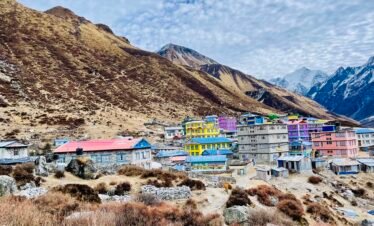
One of the genuine strengths of the Pikey Peak Trek is the cultural mix you pass through in a relatively short distance, which is more varied than many people expect from a single week long route. Around Jhapre and the areas closer to Pikey itself, the communities are predominantly Sherpa, the same ethnic group most associated with the Everest region generally, known for Tibetan Buddhist traditions, a strong mountaineering and trekking support history, and distinctive village architecture built for high altitude cold.
Lower down, around Junbesi and Phaplu, the population becomes more mixed, with Rai, Chhetri, Tamang, and Magar communities present alongside Sherpa residents, reflecting the fact that this part of Solukhumbu sits at a lower, more agriculturally productive altitude where multiple ethnic groups have farmed and traded for generations. This is a meaningful difference from the upper Khumbu valley around Everest Base Camp, where the population is overwhelmingly Sherpa. On the Pikey route you get a broader cross section of hill Nepal’s cultural diversity in addition to the Sherpa heartland areas near the summit.
Junbesi itself is one of the cultural highlights of the descent. It sits near Thupten Choling Monastery, sometimes written as Thupten Chholing Gompa, a large Tibetan Buddhist monastery with an active community of monks and nuns, founded by refugees from Tibet and now one of the more significant monastic communities in the Solu region. It is a working monastery, not a museum piece, and visiting it offers a genuine look at Tibetan Buddhist practice rather than a staged tourist stop. Nearby, the historic Chiwong Monastery adds another layer of religious history to the area, with its own long standing place in the Solu valley’s spiritual life. Junbesi is also close to the Hillary School, built with support from Sir Edmund Hillary’s Himalayan Trust as part of the same decades long program that brought schools, hospitals, and the Lukla airstrip to this wider region. Seeing the school is a reminder that Hillary’s legacy here extends well beyond mountaineering and into practical, lasting community development.
For travelers interested in rural Nepali life away from the main tourist circuits, the farming villages between Junbesi and Phaplu offer a look at agricultural life, with terraced fields, small scale livestock farming, and village routines that continue largely unaffected by trekking tourism, since the vast majority of visitors to the wider Everest region never come through this lower route at all.
Religious practice is visible throughout the route in smaller ways too, prayer flags strung across ridgelines and village entrances, mani walls and chortens along the trail that should be passed on the left as local custom dictates, and small village shrines maintained by the communities that live beside them. Guides on this route, including those provided by Next Trip Nepal, are generally well placed to explain the meaning behind these details, since many come from the Solukhumbu region themselves or have spent years working trails through it, and a good guide adds real depth to the cultural side of the trip that is easy to miss walking through alone without that context.
Pikey Peak Trek Cost
Pikey Peak Trek is considerably cheaper than the major Everest and Annapurna region treks, and the reasons are structural rather than a matter of cutting corners. The biggest single saving is the absence of a flight. Everest Base Camp and similar itineraries require a flight to and from Lukla, which is expensive relative to the short distance covered, and which also carries a real risk of weather delays and cancellations that can add unplanned extra nights, and extra cost, to a trip. Pikey Peak Trek is reached entirely overland by jeep through Dhap, which removes that cost and that risk entirely.
The trek is also shorter overall, typically around seven days compared to twelve to fourteen days for a full Everest Base Camp itinerary, which directly reduces the number of days you are paying for guide services, porter services, teahouse accommodation, and meals. Permit costs, while reported inconsistently across different sources as noted earlier in this description, are generally understood to be lower here than the national park entry fees charged on the more heavily regulated Everest and Annapurna routes.
What exactly is included in the price of a package like this matters as much as the headline figure, and travelers comparing quotes between different Nepal trekking agencies should look closely at what is and is not covered. A properly structured Pikey Peak Trek package should include your jeep transport both ways between Kathmandu and Dhap or Phaplu, a licensed guide for the full trek, porter support if included in your specific package, teahouse accommodation throughout, and the permits required for the route at the time of travel. Costs that typically fall outside the package price, as with most Nepal trekking trips, include your Nepal visa fee, personal travel insurance, meals and drinks in Kathmandu itself outside the trekking days, personal gear you need to buy or rent, and tips for your guide and porter, which are a standard and expected part of trekking culture in Nepal. Next Trip Nepal sets out exactly what is included and excluded in your specific package at the time of booking, so there is no ambiguity about what you are paying for before you commit.
It is also worth factoring in a reasonable budget for Kathmandu itself, before and after the trek, covering your own accommodation in the city, meals, and any sightseeing you want to do around the valley. Many travelers spend a day or two in Kathmandu either side of the trek, both as a buffer against any transport delays and as a chance to see the city’s temples, markets, and World Heritage sites, which are well worth the extra time if your schedule allows it. Tipping, while not formally mandatory, is a strongly established part of trekking culture in Nepal and should be budgeted for separately rather than treated as an afterthought, since guides and porters rely on it as a meaningful part of their income.
How Pikey Peak Compares to Everest Base Camp and the Everest View Trek
Travelers researching this trek are very often comparing it directly against Everest Base Camp Trek or the shorter Everest View Trek, and an honest comparison is more useful than a sales pitch for any one of them. All three routes sit in the same general region, but they offer genuinely different experiences, and the right choice depends on your time, budget, and priorities.
Everest Base Camp Trek is the longer, more demanding, and more expensive option of the three. It typically runs twelve to fourteen days, requires the Lukla flight with all its weather related uncertainty, pushes well above 5,000 meters at Kala Patthar and close to it at Everest Base Camp itself, and takes you deep into the Khumbu valley through Namche Bazaar, Tengboche, and the Sherpa heartland directly beneath Everest. It is also, by a wide margin, the busiest of the three routes, with large numbers of trekkers on the trail during peak spring and autumn weeks. The reward is standing at the base of the world’s highest mountain and walking through the single most famous trekking valley on earth, which is a genuinely different experience from seeing Everest from a distance.
Everest View Trek is a much shorter option, often five to six days, that uses the Lukla flight to reach altitude quickly and generally stops around Namche Bazaar and the Everest View Hotel area, offering mountain views without the longer trek to Base Camp itself. It is a reasonable choice for travelers who want a quick taste of the Khumbu with minimal time commitment, but it still carries flight dependent uncertainty and does not reach anywhere near the altitude or distance of a full Base Camp trip.
Pikey Peak Trek sits in a different position from both. It is shorter and cheaper than Everest Base Camp, requires no flight at all, and sees far fewer trekkers on the trail than either Everest option. Its summit altitude of 4,065 meters is lower than Kala Patthar or Everest Base Camp itself, and because it sits outside the main Khumbu valley rather than inside it, you do not walk through Namche Bazaar, Tengboche, or the deep Khumbu villages that define the Everest Base Camp experience. What you get instead is a wider, more open panorama from a single summit, since Pikey’s position apart from the main massif means less of the view is blocked by closer ridgelines, plus a cultural experience that leans more toward lower Solukhumbu’s mixed communities and monasteries than the high Sherpa villages of the upper Khumbu.
The honest way to frame the choice is this. If your priority is standing at the literal base of Everest and experiencing the full depth of the Khumbu valley, and you have the time and budget for a longer, higher, more demanding trip, Everest Base Camp Trek remains the right choice. If you want a quick, low commitment look at the Everest region without a long trek, Everest View Trek fits that need. If you want a genuine high altitude Himalayan summit with an exceptionally wide mountain panorama, meaningful cultural variety, and real value for a shorter amount of time and money, without flight risk and without the crowds, Pikey Peak Trek is very often the better fit. It also works well as a short acclimatization or taster trek ahead of a bigger trip, letting you test your body’s response to altitude and multiple day trekking at a lower stakes level before committing to Everest Base Camp, Annapurna Circuit, or Manaslu in a later trip or a later season.
The more useful question than which trek is objectively better is which trek fits the trip you are actually able to take this year, and for a large number of travelers, particularly those with a week or less to spare, that answer is Pikey Peak Trek.
If you have more time available and want to go in the opposite direction entirely, toward a longer, more remote wilderness route rather than a short scenic summit, Next Trip Nepal also operates the Manaslu Tsum Valley Trek, a roughly 20 day route into a restricted valley on the far side of the country that sees only a fraction of the foot traffic found even on Pikey. The two trips suit very different travelers, Pikey Peak Trek for a short, accessible taste of real Himalayan altitude, Manaslu Tsum Valley Trek for a long, immersive expedition into one of Nepal’s least visited corners, and knowing both options exist is useful even if this specific booking is for Pikey.
Why Book the Pikey Peak Trek With Next Trip Nepal
Next Trip Nepal is a Nepal based trekking agency built around straightforward, well organized trips through the hill and mountain regions we know directly, and the Pikey Peak Trek is exactly the kind of route where local knowledge makes a real difference to how smoothly your trip runs. Permit requirements for this specific route, as explained earlier in this description, are reported inconsistently across different sources online, and rather than guessing at which figure is current, we confirm the exact permits required at the time of your booking and handle the paperwork directly, so you are not left trying to resolve conflicting information yourself.
Every Next Trip Nepal trek, including this one, includes a licensed, government registered guide as standard, which matters both for safety, particularly around altitude awareness on the before dawn summit push, and because it means you are already fully compliant with the current rule requiring foreign trekkers to use a licensed guide on most Nepal trekking routes. You are not left wondering whether you need to arrange anything differently because of that rule, it is simply already built into how we run every trip.
We also keep our itineraries honest about difficulty, timing, and what to expect, rather than overselling an easy to moderate trek as something more dramatic than it is, or underselling the genuine altitude exposure and cold involved in the summit push. Our team has direct, practical experience with jeep transport along the B.P. Highway to Dhap, teahouse standards at each stage of the route, and seasonal conditions through spring, autumn, and winter, and that experience shapes the advice you get from us before and during your trip, not generic information copied from elsewhere.
Group sizes, porter support, and the exact inclusions in your package can be adjusted to fit your specific trip, whether you are traveling solo, as a couple, or with a small group of friends or family, and we are upfront about costs and what is and is not included before you book, rather than surprising you with added fees once you have already committed. For a trek that depends heavily on good timing, accurate permit handling, and sensible altitude management on a single demanding summit day, booking with a Nepal based agency with direct experience on this exact route is the difference between a smooth week and an avoidable headache.
We also take communication seriously before you ever set foot in Nepal. Questions about gear, fitness, season choice, or how this trek compares to other options are answered directly by people who know the route, not by a generic script. If your plans change, we work with you to adapt rather than treating the original itinerary as fixed. A short trek like this one still deserves the same care as a longer, more expensive trip, and that is how we treat every booking regardless of its size.
How to Book the Pikey Peak Trek
Booking the Pikey Peak Trek with Next Trip Nepal is a straightforward process. Start by getting in touch with our team through the contact options on this site, where you can ask any specific questions about dates, group size, porter support, or anything else covered in this description that you would like more detail on before committing. We will confirm availability for your preferred dates, taking into account the season you want to travel in and any flexibility you have around spring, autumn, or winter departures.
Once you have chosen your dates, we will walk you through exactly what is included in your specific package, the jeep transport between Kathmandu and Dhap or Phaplu, guide and any porter arrangements, teahouse accommodation, and the permits we will arrange on your behalf, along with a clear list of what is not included, such as your Nepal visa, personal travel insurance, and tips. A deposit is generally required to confirm your booking, with the balance payable before or during your trip depending on the arrangement we agree.
Before you travel, we recommend arranging travel insurance that explicitly covers trekking up to at least 4,500 meters, checking your passport validity and visa requirements for Nepal, and reviewing the packing guidance earlier in this description so you arrive with the right gear for both the warmer lower villages and the genuinely cold conditions near the base camp area and summit. If you have any health conditions that might interact with altitude, it is worth a quick conversation with your doctor before you travel, simply as a sensible precaution rather than because this trek carries unusual risk for healthy, reasonably fit travelers.
If you are still deciding between Pikey Peak Trek, Everest Base Camp Trek, or the Everest View Trek, our team is happy to talk through the comparison in more detail based on your available time, budget, and what you specifically want from the trip, rather than simply pointing you toward whichever package is easiest to sell. Once you are ready, reach out to us directly to lock in your dates and start preparing for a week that, for a surprising number of past travelers, has turned out to be one of the most memorable short treks they have done in Nepal.
Group departures and private, custom scheduled trips are both available, so you are not restricted to a fixed set of dates if your availability falls outside our standard calendar. Families, couples, solo travelers, and small groups of friends have all completed this trek successfully, and our team can advise on realistic pacing for different group compositions. Whatever stage of planning you are at, the right next step is simply to get in touch and start the conversation.
Frequently Asked Questions
How many days does the Pikey Peak Trek take?
This itinerary runs for 7 days and 6 nights, starting and ending in Kathmandu. It covers the overland drive to Dhap, several days of walking through Sherpa and mixed hill villages, the climb to the Pikey Peak summit, and the return journey back to the city, all by shared jeep with no flight involved. Some agencies list longer versions that add extra acclimatization days or alternate routes, but this compact schedule suits travelers who want the summit views without committing two full weeks to the trail. Permits and transport logistics within Nepal are built into the plan, not left for travelers to arrange separately.
What is the highest altitude on the Pikey Peak Trek?
Pikey Peak tops out at 4,065 meters, reached early on summit morning for clear skies before clouds build later in the day. A handful of trekking websites and older guidebooks list the height as 4,067 or 4,068 meters, a small and fairly common discrepancy that comes from different survey sources rather than any disagreement about the trek itself. Either figure places the summit well below the altitudes where serious sickness risk becomes a major concern on most standard acclimatization schedules, though trekkers should still expect thinner air, colder temperatures, and a noticeably harder push on the final climb.
How difficult is the Pikey Peak Trek?
Pikey Peak sits firmly in the easy to moderate category of Nepal trekking. Days combine steady uphill and downhill walking through forest and ridge lines, with no glacier crossing, no technical pass, and only a brief stretch of time above 4,000 meters. Because the altitude exposure is short and daily walking hours are manageable, guides and travel writers regularly recommend it as a solid first high altitude trek for people without prior experience in the mountains. A reasonable fitness base and a few months of walking or hiking training beforehand make the days noticeably easier and more enjoyable.
Do I need previous trekking experience for Pikey Peak?
No prior trekking background is required. Most people who complete Pikey Peak are hiking at altitude for the first time, and the route is deliberately used by many agencies as an introduction to multi day mountain walking before someone attempts a longer trek such as Everest Base Camp or the Annapurna Circuit. What matters more than past experience is general fitness, since the trail involves several hours of walking each day on uneven terrain. A guide manages pacing, altitude awareness, and route finding, so newcomers are not navigating or making turnaround decisions on their own.
When is the best time to do the Pikey Peak Trek?
Spring, from March to May, and autumn, from September to November, are the strongest seasons, offering stable weather, clear mountain views, and comfortable daytime temperatures on the trail. Rhododendrons bloom across the lower forests in spring, while autumn tends to bring the clearest skies of the year. Winter trekking is possible and draws a smaller number of visitors, though nights turn cold and snow can occasionally close the higher sections for short periods. The monsoon months of June through August are not recommended, since heavy rain, leeches, and limited visibility make the walking far less rewarding.
Did Edmund Hillary really call this the best view of Everest?
This claim appears across many trekking company websites and blog posts, usually stated as fact without any citation. Given Edmund Hillary’s decades of work and travel throughout this part of Nepal through the Himalayan Trust, it is plausible he visited the area and admired the view, but no verifiable primary source, interview, or written record of the exact quote has surfaced. Treat it as a popular story repeated within the trekking industry rather than a confirmed fact. What is not in dispute is that Pikey Peak offers one of the widest panoramic views of Everest and its neighboring peaks found on any trek of this length.
Is a licensed guide required for the Pikey Peak Trek?
Nepal introduced a widely reported rule from 2023 onward requiring licensed guides on most trekking routes, a change aimed mainly at independent trekkers who previously walked without any support. For anyone booking through an agency, this rule changes little in practice, since a trained and licensed guide is already included as standard on every Next Trip Nepal departure. Travelers do not need to research the regulation, apply for separate paperwork, or hire a guide independently before arriving. The requirement simply formalizes what a responsible trekking company was already providing to its clients.
What permits are required for the Pikey Peak Trek?
Reported permit requirements for Pikey Peak vary noticeably from one trekking company website to another, since the trek sits near the edge of more than one administrative zone and rules are not always described consistently online. Rather than relying on outdated or conflicting information found elsewhere, Next Trip Nepal checks the current permit situation directly at the time of booking and arranges whatever documentation applies to that specific route and season. Travelers do not need to track down permits themselves, compare conflicting advice, or verify which rules currently apply before arriving in Nepal.
What type of accommodation is available on the trek?
Trekkers stay in teahouses throughout the route, simple family run lodges offering twin share rooms with basic beds and blankets. Shared bathrooms are standard, and hot showers are usually available for a small fee at lower elevations, becoming less reliable higher up. Rooms are unheated, so a warm sleeping bag matters even when the lodge itself feels comfortable. Facilities are at their most basic near Pikey Peak Base Camp, where the limited number of lodges means simpler rooms, colder nights, and less choice of menu compared to villages lower on the trail.
What food is available during the Pikey Peak Trek?
Teahouse menus follow a familiar pattern across the trail, built around dal bhat, the traditional Nepali meal of rice, lentil soup, and vegetable curry, often served with a free second helping. Other regular options include noodle soups, fried rice, momos, pancakes, porridge, and basic pasta dishes, with prices rising gradually at higher elevations due to transport costs. Tea, coffee, and hot lemon drinks are available throughout and are worth drinking often to help with hydration. Meat dishes become less reliable and less advisable the higher the trail climbs, so most trekkers lean vegetarian during the final days near base camp.
How does Pikey Peak compare to the Everest Base Camp Trek?
Pikey Peak takes roughly a week compared to the twelve to fourteen days usually needed for Everest Base Camp, which keeps both the cost and the physical demand noticeably lower. There is no mountain flight involved, since the trek starts and ends by road from Kathmandu, removing a step that often causes delays on the Base Camp route. Trails see far fewer trekkers, so villages and lodges feel quieter and less crowded. The tradeoff is that Pikey Peak does not reach Everest Base Camp itself, though it offers a wider panorama of Everest and nearby peaks from a single open summit.
Is there WiFi or phone signal on the Pikey Peak Trek?
Mobile signal reaches many points along the lower and middle sections of the trail, though coverage becomes patchy and unreliable as the route climbs toward base camp. Most teahouses lower down offer WiFi for a small fee, with connection speed slow and occasionally unavailable rather than something to depend on for calls or video. Buying a local SIM card in Kathmandu before departure gives the most consistent coverage along the way. Travelers expecting constant connectivity should treat this trek as a chance to disconnect, with occasional signal rather than guaranteed access throughout the route.
How should I prepare physically for the Pikey Peak Trek?
A combination of cardio and leg strength work in the two to three months before departure makes the biggest difference. Regular walking or hiking on hilly terrain, stair climbing, and longer weekend walks with a loaded backpack all build the stamina needed for four to seven hours of daily walking. Jogging, cycling, or swimming a few times a week improves general endurance without needing specialized mountain fitness. Breaking in trekking boots well before arrival prevents blisters, and a few practice hikes carrying the pack you plan to use help identify problems while there is still time to fix them.
How much does the Pikey Peak Trek cost?
Pricing for the Pikey Peak Trek through Next Trip Nepal typically covers jeep transport to and from the trailhead, teahouse accommodation, three meals a day while trekking, a licensed guide, and all required permits. International flights, Nepal visa fees, travel insurance, personal gear, tips, and drinks beyond meals are usually excluded and should be budgeted separately. Exact pricing depends on group size and season, with smaller private groups costing more per person than larger set departures. Reach out directly for a current quote matched to specific travel dates and group size.
Highlights
- A 4,065 meter summit with a panorama of Everest, Lhotse, Makalu and Kanchenjunga from one open viewpoint
- Rhododendron forest blooming across the trek roughly from mid March to mid April
- A far quieter trail than Everest Base Camp or Annapurna Circuit
- No flight required, reached entirely overland by jeep through Dhap
- Thupten Choling Monastery near Junbesi, a large active Tibetan Buddhist monastery
- Chiwong Monastery, a historic monastery near the route
- Proximity to the Hillary School near Junbesi
- A genuine cultural mix of Sherpa, Rai, Chhetri, Tamang and Magar communities
- A short, well paced altitude profile above 4,000 meters with no multiple night stay at that height
Write a Review
You must be logged in to post a comment.