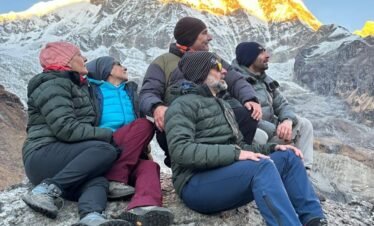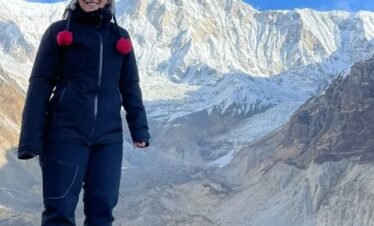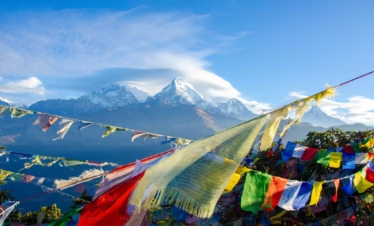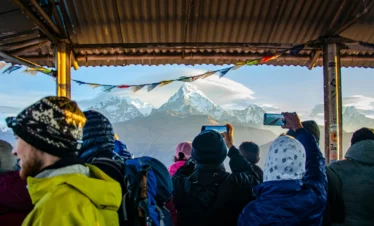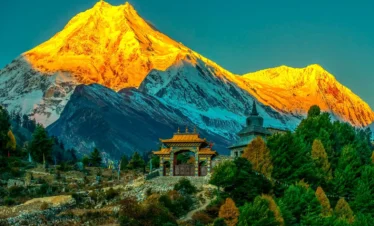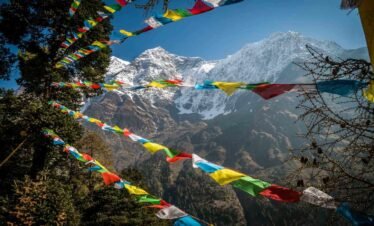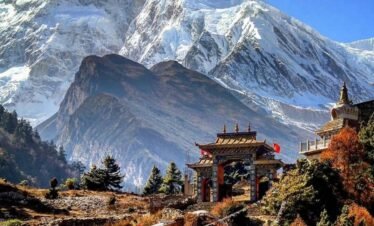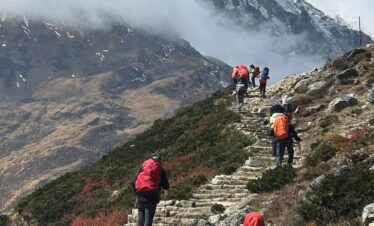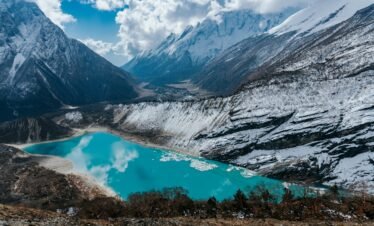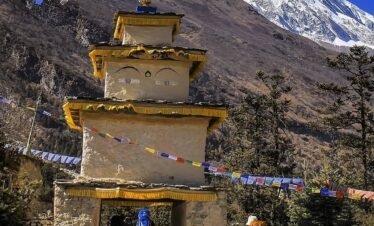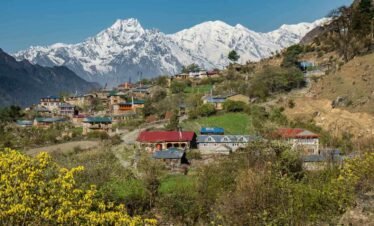
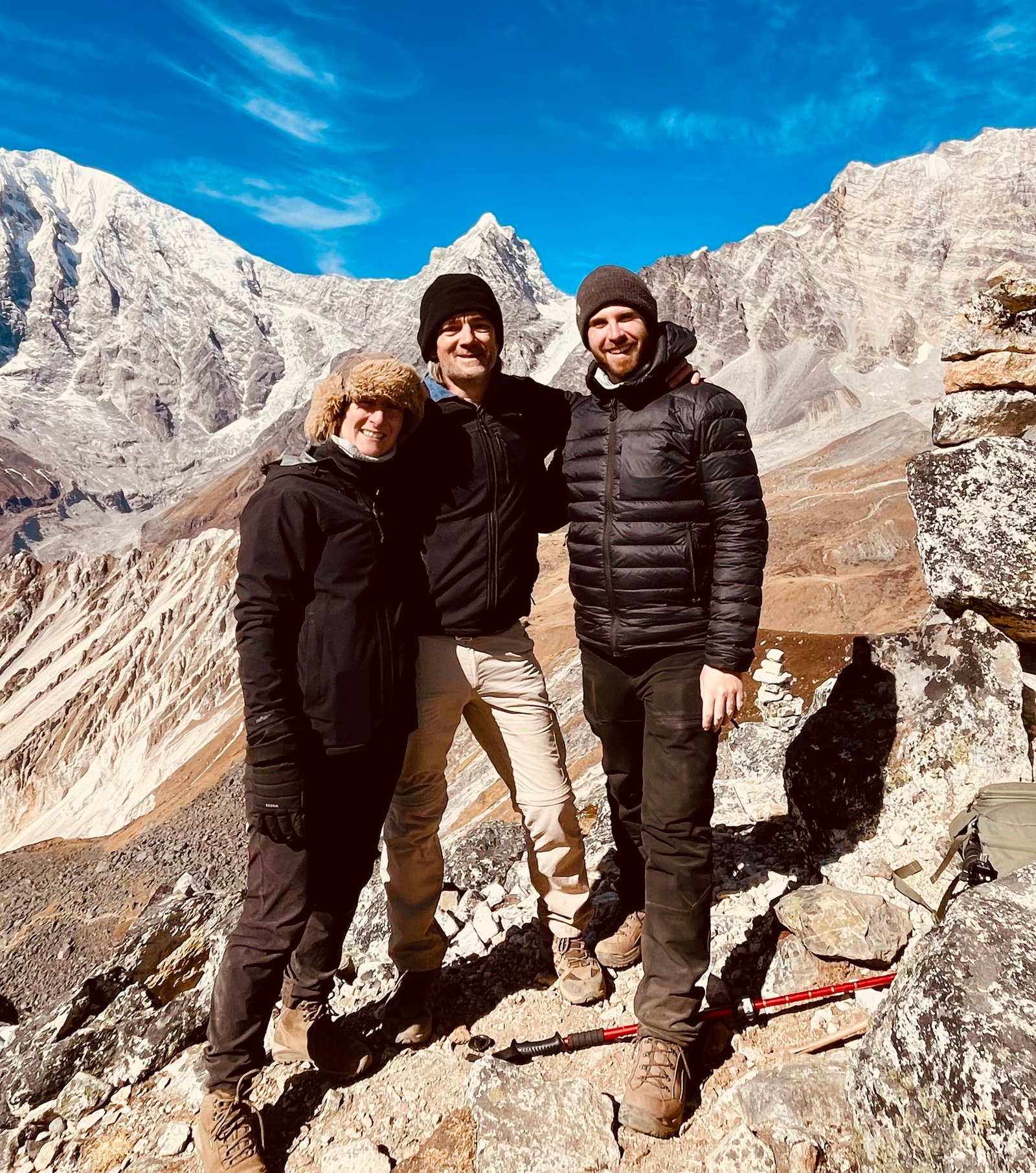
The Langtang Valley Trek is one of Nepal’s finest trekking destinations, sitting just north of Kathmandu inside Langtang National Park. At 7,227 metres, Langtang Lirung towers above a valley that holds dense rhododendron forests, glacier-fed rivers, high alpine meadows and a string of Tamang villages that have preserved their Tibetan-influenced culture for centuries. Few treks in Nepal give you this combination of big mountain scenery, genuine cultural immersion and easy access from the capital, all within a single 7 to 10 day journey.
Syabrubesi, the starting point of the trek, is roughly 7 to 8 hours by road from Kathmandu. That drive alone tells you something about how different this region is from the heavily trafficked Everest and Annapurna corridors. The Langtang Valley sees far fewer trekkers, which means the teahouses are quieter, the trails less worn and the interactions with local Tamang people more genuine. By the time you reach Kyanjin Gompa at 3,870 metres, you are standing at the foot of glaciers, surrounded by peaks on three sides, with a 12th century monastery at your back.
The 2015 earthquake caused severe damage to several villages in this valley, particularly Langtang village itself, where an avalanche buried much of the settlement. The local community rebuilt with remarkable resilience. Today the rebuilt Langtang village and all the lodges along the route are fully operational, and trekking here directly supports the livelihoods of families who depend on tourism to recover and grow.
Why Trek Langtang Valley
The Langtang Valley Trek earns its place as one of the best short treks in Nepal for several reasons that are hard to find together on a single route elsewhere.
- Close to Kathmandu. You reach the trailhead at Syabrubesi in one day by road. No flights, no extra cost, no weather delays at mountain airports.
- Low traffic. Compared to Everest Base Camp and Annapurna Circuit, Langtang sees a fraction of the trekkers, yet the scenery is just as spectacular.
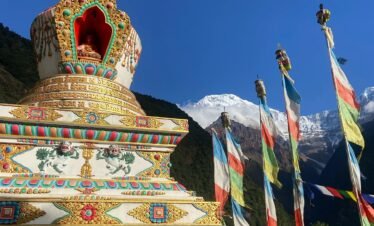
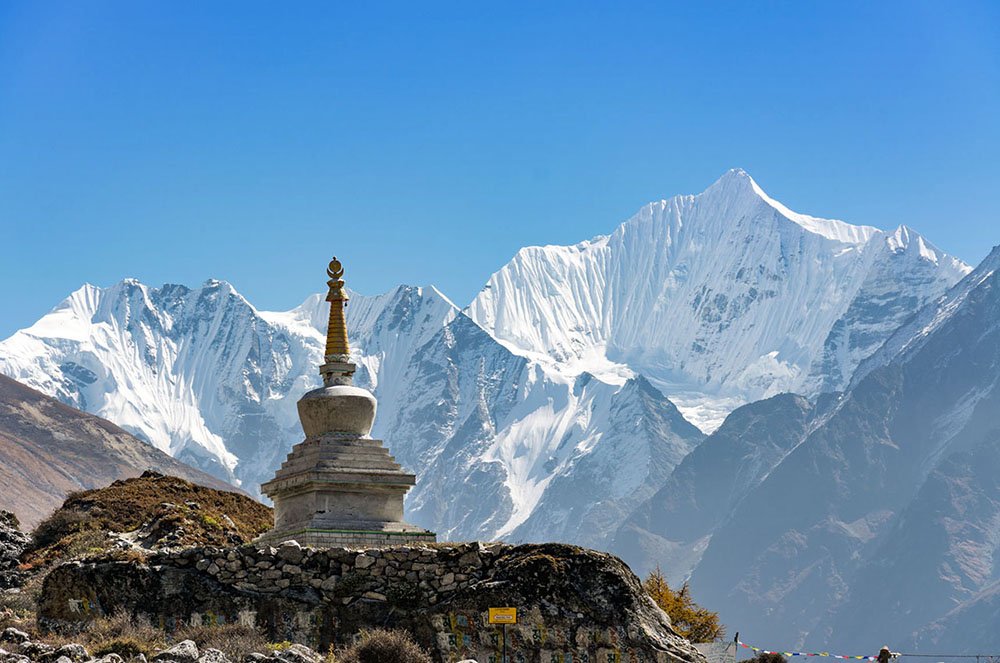
- Rich Tamang culture. The valley is the heartland of the Tamang people. You sleep in family-run lodges, walk past ancient chortens and mani walls, and visit active Buddhist monasteries at Kyanjin Gompa and Sindu Gompa.
- Accessible for most fitness levels. The standard 7 to 8 day itinerary is rated easy to moderate. No prior trekking experience is required, though regular exercise before departure makes a noticeable difference.
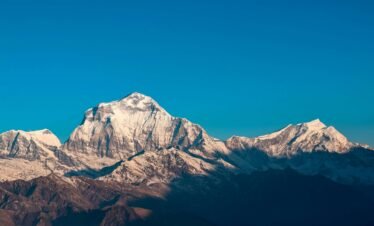
- Glacier views from Tserko Ri. The optional climb to Tserko Ri at 4,984 metres gives one of the finest panoramas in the entire Himalayan region, covering Langtang Lirung, Gang Chenpo, Dorje Lakpa and on a clear day, Shishapangma across the Tibetan border.
- Yak cheese at Kyanjin Ri. The Kyanjin Gompa cheese factory, run by the Swiss-supported dairy cooperative, produces genuinely excellent hard cheese that you can buy directly and carry home.
Langtang Valley Trek Difficulty
The Langtang Valley Trek is rated easy to moderate. The trail follows a clear path along the Langtang Khola river valley, gaining altitude gradually over several days. The steepest section is the climb from Lama Hotel to Langtang village, and the optional ascent of Tserko Ri or Kyanjin Ri for better views. Anyone who walks regularly and can manage 5 to 6 hours of uphill hiking per day is a suitable candidate for this trek.
The maximum altitude on the standard itinerary is Kyanjin Gompa at 3,870 metres. If you add the Tserko Ri viewpoint hike, you reach 4,984 metres. Altitude sickness is always a possibility above 3,000 metres, so the itinerary is planned with acclimatisation days at Kyanjin Gompa built in. Our guides are trained in wilderness first aid and carry pulse oximeters and supplemental oxygen for emergencies.
Best Time for Langtang Valley Trek
The Langtang Valley Trek can be completed in most months of the year, but two seasons offer the best conditions.
Spring (March to May) is the most popular season. Rhododendron forests are in full bloom from March through April, temperatures are mild, and mountain views are generally clear before the pre-monsoon haze builds in late May. This is also when most wildlife in the national park is most active.
Autumn (September to November) delivers the clearest skies of the year after the monsoon has washed the atmosphere clean. October in particular offers crisp air, sharp mountain panoramas and comfortable daytime temperatures. The nights get cold above 3,500 metres from October onward, so proper sleeping bag and insulation layers are essential.
Winter (December to February) is cold at altitude but the trail to Kyanjin Gompa remains walkable for experienced trekkers with the right gear. Snow above 3,500 metres is common, and temperatures at Kyanjin Gompa can drop below minus 15°C at night. Teahouses along the main route stay open through winter.
Monsoon (June to August) brings heavy rainfall, leeches on the lower trail sections and reduced visibility. Experienced trekkers who do not mind wet conditions can still complete the trek, but most visitors prefer the dry seasons.
Langtang Valley Trek Route Overview
The standard Langtang Valley Trek route follows a single valley corridor up and back, with the option to exit via Gosaikunda and Helambu for a more varied return journey.
The trek begins with a drive from Kathmandu to Syabrubesi (1,460m). From Syabrubesi the trail climbs through subtropical forest to Lama Hotel (2,480m) on day one, passing small Tamang settlements and crossing several suspension bridges over the Langtang Khola. Day two continues upward through bamboo and rhododendron forest to Langtang village (3,430m), rebuilt after the 2015 earthquake, and then to Mundu (3,543m). Day three reaches Kyanjin Gompa (3,870m), the base camp of the valley where most trekkers spend two nights to acclimatise and explore.
From Kyanjin Gompa, day hikes to Tserko Ri (4,984m) and Kyanjin Ri (4,773m) are the highlights of the entire trek. Both viewpoints give uninterrupted sight lines to Langtang Lirung, Shishapangma (Tibet), Dorje Lakpa and the Langtang glacier. The descent back to Syabrubesi generally takes two days, reversing the ascent route, followed by a drive back to Kathmandu.
Langtang Valley Trek Cost
The cost of the Langtang Valley Trek depends on the number of days, group size and level of service. Our standard 8-day package starts from USD 650 per person in a group of two or more, covering all permits, guide and porter fees, teahouse accommodation with breakfast and dinner, and ground transportation from Kathmandu.
The main permit costs for the Langtang Valley Trek in 2026 are:
- Langtang National Park Entry Fee: NPR 3,000 (approximately USD 22) per person
- TIMS Card (Trekkers Information Management System): NPR 2,000 (approximately USD 15) per person for individual trekkers, NPR 1,000 for organised group members
These permits are obtained in Kathmandu before departure. We handle all permit paperwork for clients who book through Next Trip Nepal, so you arrive at the trailhead ready to walk without any administrative delays.
Personal expenses such as additional meals, drinks, snacks, hot showers, phone charging, Wi-Fi at teahouses, tips for guide and porter, and any gear purchases in Kathmandu are not included in the package price. Budget roughly USD 15 to 25 per day for personal spending on the trail.
Permits for Langtang Valley Trek
Every trekker entering the Langtang Valley is required to carry two permits: the Langtang National Park Entry Permit and a TIMS Card. Both are issued in Kathmandu at the Nepal Tourism Board office in Pradarshani Marg or at the Trekking Agencies Association of Nepal (TAAN) office. Checkpoints at Dhunche and along the trail will ask to see both documents, so carry them in your daypack throughout the trek.
You will need two recent passport-sized photos and a photocopy of your passport photo page to obtain both permits. When you book your trek with us, we can arrange the permits on your behalf if you provide the necessary documents in advance, saving you the queue time in Kathmandu.
Langtang Valley Trek Packing List
Packing right for the Langtang Valley Trek means carrying enough for cold nights at altitude without overloading yourself for the trail. The following covers the essentials for a standard 7 to 10 day itinerary in spring or autumn.
Clothing: Moisture-wicking base layers, fleece mid-layer, waterproof and windproof outer jacket, trekking trousers, warm hat and gloves, sun hat, gaiters for muddy or snowy sections. At Kyanjin Gompa temperatures drop sharply after sunset even in October, so a down jacket or heavy fleece is essential for evenings.
Footwear: Broken-in waterproof trekking boots with ankle support. The trail to Kyanjin Gompa crosses several rocky and rooted sections where ankle stability matters. Light camp shoes or sandals for rest days at the teahouse.
Gear: 35 to 45 litre daypack (if using a porter for main luggage), sleeping bag rated to minus 10°C, trekking poles, headlamp with spare batteries, water purification tablets or filter, sunscreen SPF 50 and UV-blocking sunglasses. A porter will carry luggage up to 15 kg, so a separate duffel bag for the porter and a daypack for yourself is the most practical setup.
Health and safety: Personal first aid kit, blister plasters, altitude medication (Diamox, to be prescribed by your doctor before departure), insect repellent for lower elevation sections in spring and monsoon.
Accommodation on the Langtang Valley Trek
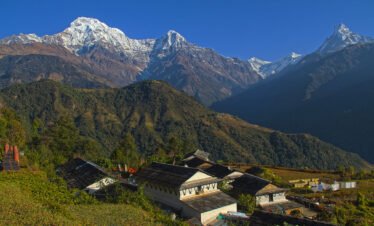
The Langtang Valley Trek is a fully serviced teahouse trek. You sleep indoors every night in basic but comfortable lodges run by local Tamang families. Rooms are simple twin-share with wooden beds, thick mattresses and blankets. Most lodges also provide sleeping bag rental if you have not brought your own.
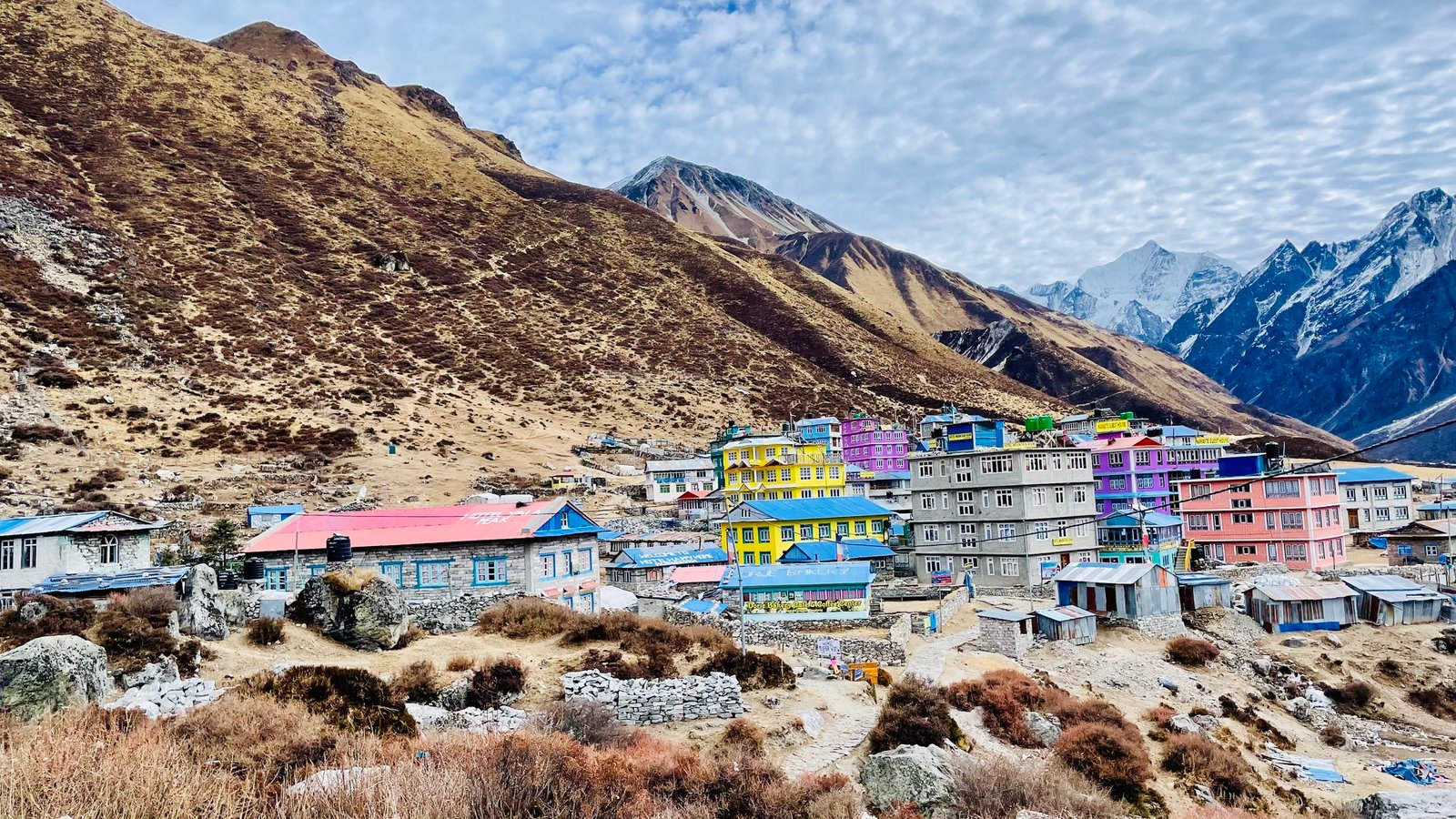
Teahouses along the main route from Syabrubesi to Kyanjin Gompa serve breakfast and dinner as part of the standard trekking menu: porridge, eggs, dal bhat, noodles, pasta, soups and Tibetan bread. Kyanjin Gompa has the widest selection of lodges on the trail and several comfortable options including hot showers (at an extra charge), solar-powered electricity for phone charging and Wi-Fi access.
Getting to the Langtang Valley Trek Trailhead
The Langtang Valley Trek starts from Syabrubesi, which is 117 kilometres north of Kathmandu via the Prithvi Highway and then the Pasang Lhamu Highway through Dhunche. The drive takes 7 to 8 hours in a private jeep or 9 to 10 hours by local bus due to road conditions in the mountain section above Dhunche.
We arrange private jeep transport from Kathmandu for all clients. Departure is typically at 6:00 to 7:00 AM from Thamel to reach Syabrubesi by early afternoon, allowing time to settle in and walk the first short section of trail if desired. On the return journey, you drive back from Syabrubesi to Kathmandu and are dropped at your hotel in Thamel.
Kyanjin Gompa: The Heart of the Trek
Kyanjin Gompa at 3,870 metres is the cultural and geographic centrepiece of the Langtang Valley Trek. The village holds an active Buddhist monastery, a yak cheese factory that has been running since 1955, several teahouses and a meteorological station. Most trekkers spend two nights here, using the rest day to explore the immediate surroundings and acclimatise before attempting the Tserko Ri or Kyanjin Ri viewpoint hikes.
The monastery at Kyanjin Gompa is open to visitors. Local monks conduct morning and evening prayers that you can observe respectfully. The cheese factory sells blocks of hard yak cheese and yak butter at fixed prices and is genuinely one of the more unusual shopping experiences available on any Nepal trek.
Tserko Ri: The Best Viewpoint on the Trek
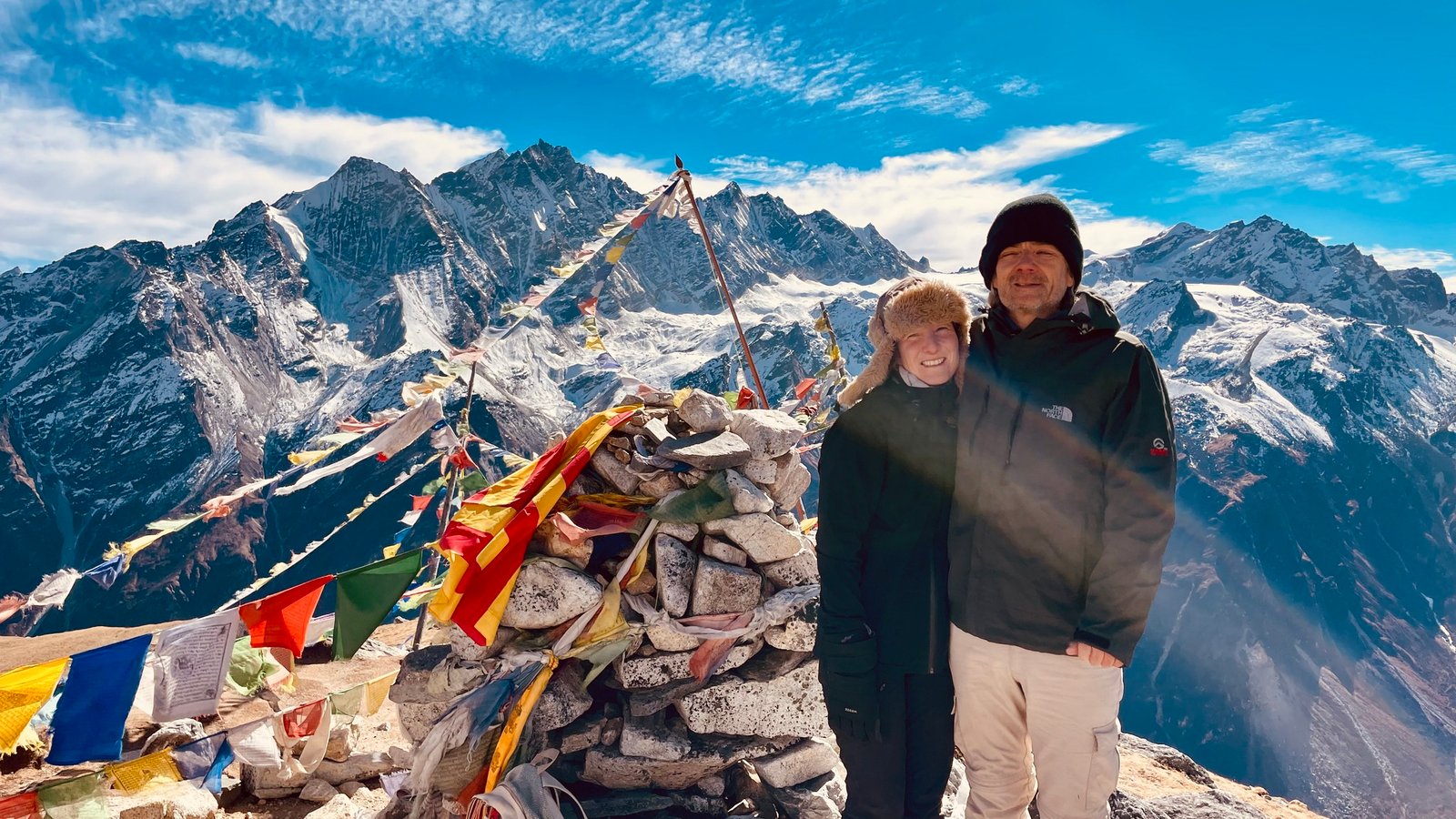
Tserko Ri (4,984m) is an optional day hike from Kyanjin Gompa and the single best viewpoint on the entire Langtang Valley Trek. The ascent takes 4 to 5 hours from Kyanjin Gompa and involves a steep climb of over 1,100 metres of elevation gain. It is a demanding hike but requires no technical skill, and the panorama at the top is extraordinary.
From the summit of Tserko Ri you can see Langtang Lirung (7,227m), Gang Chenpo (6,388m), Dorje Lakpa (6,988m), Langshisa Ri (6,427m) and on clear days the outline of Shishapangma (8,027m) across the Tibetan border. The view north down the Langtang glacier is one of the most dramatic glacier panoramas accessible without ropes or crampons anywhere in the Himalayas.
Langtang Valley Trek FAQs
How long is the Langtang Valley Trek?
The standard Langtang Valley Trek takes 7 to 8 days including the drive from Kathmandu and back. A shorter 5 to 6 day version is possible for experienced trekkers who want a faster pace. Extending to 10 to 12 days allows you to include the Gosaikunda Lakes or the Helambu circuit as a return route variation.
Is the Langtang Valley Trek suitable for beginners?
Yes. The Langtang Valley Trek is one of the most beginner-friendly multi-day treks in Nepal. The trail is well-marked, the altitude gain is gradual and the teahouse infrastructure means you carry only a daypack if you hire a porter. Good general fitness is helpful but no prior trekking experience is needed.
Do I need a guide for the Langtang Valley Trek?
A licensed guide is not legally mandatory for the Langtang Valley Trek, though the Nepal government requires all trekkers to use a registered guide for remote restricted areas. We strongly recommend hiring a guide for the Langtang Valley Trek. Guides provide safety support, arrange teahouses, navigate permit checkpoints, interpret local culture and carry emergency equipment. Our guides are all licensed by the Nepal Tourism Board and speak fluent English.
What is the maximum altitude of the Langtang Valley Trek?
The highest point on the standard itinerary is Kyanjin Gompa at 3,870 metres. The optional Tserko Ri viewpoint hike reaches 4,984 metres and the Kyanjin Ri hike reaches 4,773 metres. These are day hikes from Kyanjin Gompa, not overnight destinations.
How much does the Langtang Valley Trek cost?
Our standard 8-day Langtang Valley Trek package starts from USD 650 per person for a group of two. The price includes all permits, guide and porter, teahouse accommodation with breakfast and dinner, and private jeep transport from Kathmandu. Solo trekkers and custom itineraries are available at different rates. Contact us for a personalised quote.
Is altitude sickness a risk on the Langtang Valley Trek?
Altitude sickness is possible above 3,000 metres, which includes the upper sections of the Langtang Valley Trek from Langtang village to Kyanjin Gompa. The standard itinerary includes a rest and acclimatisation day at Kyanjin Gompa specifically to reduce this risk. Our guides monitor trekkers for altitude sickness symptoms throughout the trek and carry supplemental oxygen and a pulse oximeter. If symptoms develop, the guide will arrange descent to a lower altitude immediately.
Can I do the Langtang Valley Trek in winter?
Yes. The trail is accessible in December, January and February for trekkers with cold-weather gear and experience in snow conditions. Temperatures at Kyanjin Gompa drop to minus 15°C or lower at night in January. The trail can be icy above 3,500 metres after snowfall. Winter does offer exceptional clarity of mountain views and very few other trekkers on the trail.


Langtang Valley Trek Overview
Local Guide Note — Amar Khand, Trekking Guide, Next Trip Nepal: I have guided Langtang Valley 19 times and the lodge situation above Kyanjin Gompa (3,870m) changes every season — knowing which teahouses are family-run and which are newly opened matters significantly for food quality and warmth at altitude. We pre-book every lodge for all Langtang groups to guarantee a reliable, warm stop at the end of each day.
Critical Safety and Logistics
- Langtang National Park entry permit issued at Dhunche gate. TIMS card checked at the same point. Both must be originals.
- No mobile network above Kyanjin Gompa (3,870m). Guide carries satellite communication for all groups above this elevation.
- Post-earthquake teahouse rebuilding is complete. All lodges from Lama Hotel to Kyanjin Ri are family-run community businesses.
Duration: The standard Langtang Valley Trek takes 7 to 8 days including driving from and to Kathmandu. Some trekkers complete it in 6 days by combining the return to Syabrubesi into a single long day, while others take 9 to 10 days if they add side trips to Gosaikunda Lake or the Tamang Heritage Trail.
Total Distance: Approximately 70 to 80 kilometers of trekking, split roughly equally between ascent and descent on the same route.
Maximum Altitude: The highest point depends on your acclimatization hike choice. Tserko Ri summit reaches 4,984 meters (16,351 feet), while Kyanjin Ri tops out at 4,773 meters (15,659 feet). If you skip the peaks, Kyanjin Gompa at 3,870 meters (12,697 feet) is your maximum sleeping altitude.
Trek Style: This is a teahouse trek, meaning you stay in family-run lodges along the route rather than camping. The trail is well-established with clear paths, regular villages, and good facilities compared to more remote regions.
Season Accessibility: The Langtang Valley Trek is accessible nearly year-round, though winter (December to February) brings cold temperatures and occasional snow that can close the high passes. Spring (March to May) and autumn (September to November) offer the most stable weather and best mountain visibility.
Langtang Valley Trek 8 Days Itinerary
- Day 1: Drive from Kathmandu to Syabrubesi (1,550m) – 6 to 8 hours
- Day 2: Trek from Syabrubesi to Lama Hotel (2,380m) – 5 to 6 hours
- Day 3: Trek from Lama Hotel to Langtang Village (3,430m) – 5 to 6 hours
- Day 4: Trek from Langtang Village to Kyanjin Gompa (3,870m) – 3 to 4 hours
- Day 5: Hike to Tserko Ri (4,984m) or Kyanjin Ri (4,773m), return to Kyanjin Gompa – 7 to 8 hours
- Day 6: Trek from Kyanjin Gompa to Lama Hotel (2,380m) – 6 to 7 hours
- Day 7: Trek from Lama Hotel to Syabrubesi (1,550m) – 4 to 5 hours
- Day 8: Drive from Syabrubesi to Kathmandu – 6 to 8 hours
Langtang Valley Trek Difficulty Level
The Langtang Valley Trek is classified as moderate difficulty, making it accessible to first-time trekkers who have reasonable fitness levels and proper preparation. Understanding the specific challenges helps you prepare appropriately.
Physical Demands: You will walk 4 to 7 hours daily on mountain trails that include both ascents and descents. The paths are generally well-maintained, but some sections are rocky or involve stone steps that require careful footing. Previous trekking experience is helpful but not essential. The key requirement is cardiovascular fitness—you should be comfortable walking uphill for several hours without excessive fatigue.
Altitude Challenges: The maximum altitude on standard itineraries is around 3,870 meters at Kyanjin Gompa, with optional peaks reaching 4,773 meters (Kyanjin Ri) to 4,984 meters (Tserko Ri). This is high enough that altitude sickness can occur, particularly if you ascend too quickly or have no previous altitude experience. The itinerary includes gradual ascent and rest days to aid acclimatization, but some people still experience mild symptoms like headaches, difficulty sleeping, or reduced appetite.
Technical Skills Required: None. The Langtang Valley Trek requires no mountaineering skills, rope work, or technical equipment. It is a walking trek on established trails. However, sections can be steep and require good balance and coordination, especially during descent.
Daily Routine: A typical trekking day begins around 7 AM with breakfast, followed by 4 to 7 hours of walking with breaks for tea, snacks, and lunch. You usually reach your destination by early afternoon, leaving time to rest, explore the village, and enjoy dinner before an early night. This routine continues for 5 to 6 consecutive days, which requires stamina and mental resilience.
Weather Considerations: Mountain weather is unpredictable. Even in peak season, you might encounter rain, wind, or occasional snow at higher elevations. The trek is manageable in various weather conditions with proper gear, but severe storms can make trails dangerous and uncomfortable.
Who Can Do This Trek? The Langtang Valley Trek suits healthy adults from teens to 60s or beyond who maintain reasonable fitness. Success depends more on preparation and attitude than age. We have guided fit 65-year-olds who excelled and younger people who struggled due to poor conditioning. Families with children (typically 12+ years old) can also complete this trek, though they might skip the highest altitude peaks.
Training Preparation: We recommend at least 6 to 8 weeks of cardiovascular training before your trek. Activities like hiking with a daypack, stair climbing, running, or cycling build the endurance needed. Focus on activities that strengthen legs and improve aerobic capacity. Some hill walking with elevation gain is ideal preparation.
Further Reading from Our Kathmandu Guides
Langtang Valley Trek Highlights
- Close proximity to Kathmandu with just 6 to 8 hours of scenic mountain driving to reach the trailhead at Syabrubesi
- Spectacular mountain panoramas including Langtang Lirung (7,227m), Gang Chenpo, Dorje Lakpa, and glimpses of Shishapangma in Tibet
- Tserko Ri summit (4,984m) offering 360-degree Himalayan views across the Langtang range, Ganesh Himal, and Tibetan peaks
- Rich Tamang and Tibetan culture with ancient monasteries, Buddhist stupas, prayer wheels, and traditional villages preserving centuries-old customs
- Langtang National Park home to red pandas, Himalayan black bears, snow leopards, and over 250 species of birds
- Kyanjin Gompa (3,870m) a high-altitude Buddhist monastery and the spiritual heart of the Langtang Valley
- Kyanjin Ri viewpoint (4,773m) accessible sunrise climb with stunning close-up views of Langtang Lirung's massive north face
- Traditional yak cheese factory at Kyanjin where you can taste locally produced cheese and witness traditional cheese-making methods
- Moderate difficulty level suitable for first-time trekkers with reasonable fitness levels
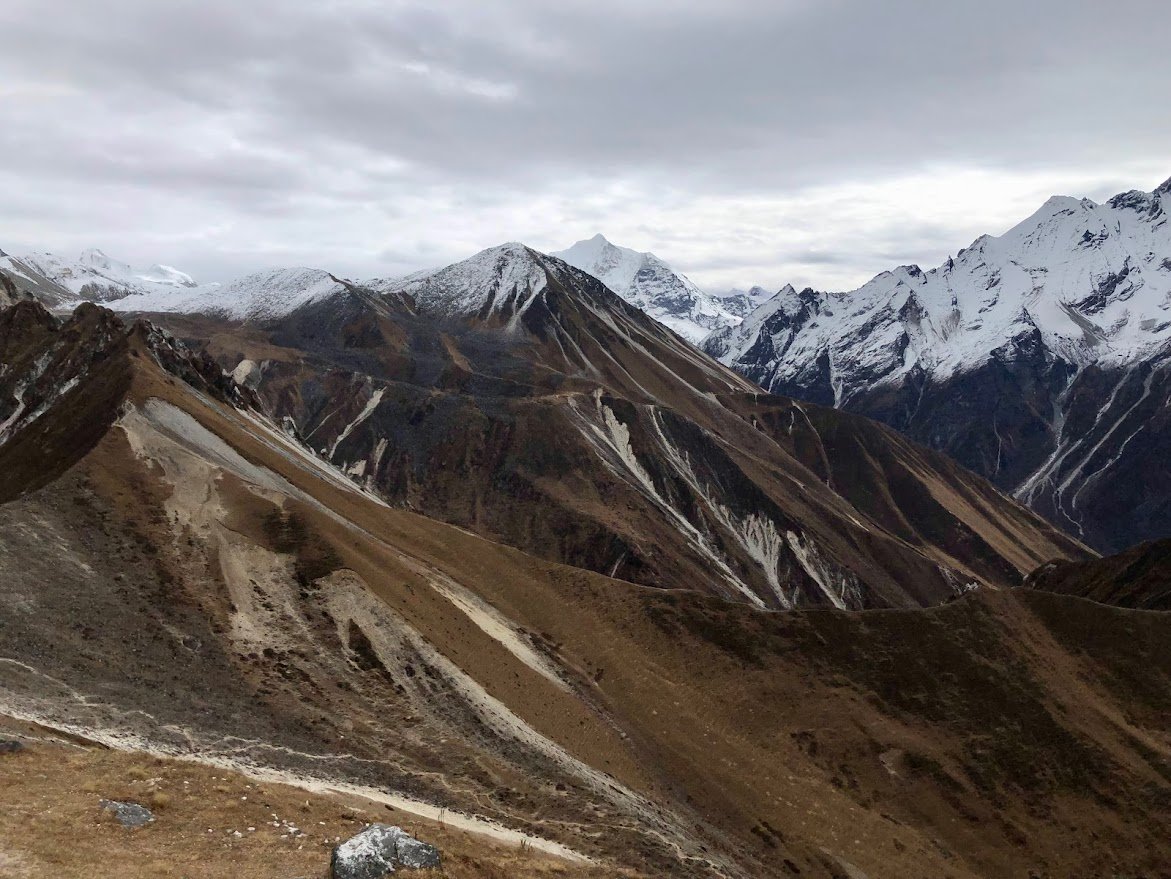
- Diverse landscapes from subtropical forests with rhododendrons and bamboo to alpine meadows and glacial moraines
- Authentic teahouse experience staying with local families who rebuilt their lodges after the 2015 earthquake