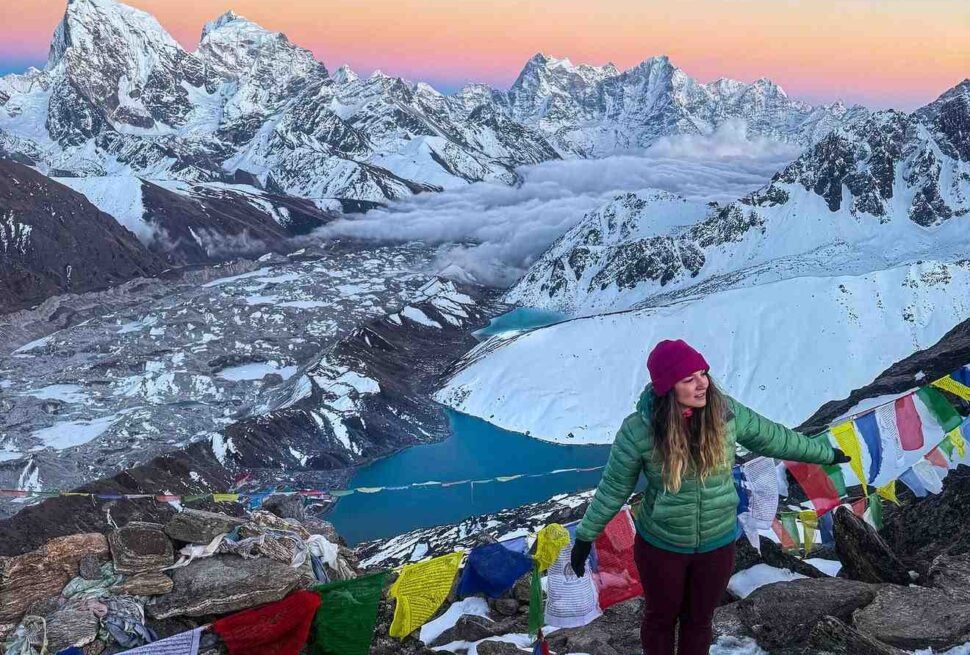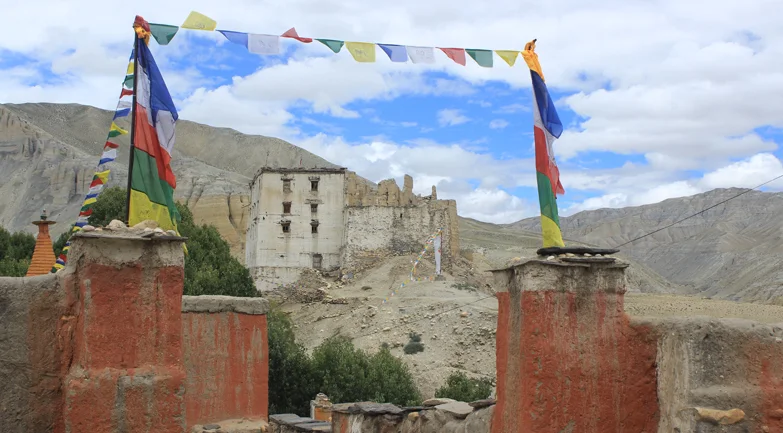
Every year, thousands of women arrive in Kathmandu alone, planning to trek through some of the most remote and beautiful terrain on earth, and every year, the same worried questions come up before they leave home. Is Nepal actually safe for a woman traveling alone. What has changed since Nepal introduced its mandatory guide rule. What does solo female trekking realistically look like today, given that fully independent, unguided trekking is no longer possible on most major routes. This guide answers all of it honestly, based on Nepal’s current 2026 trekking regulations, real safety data, and practical advice drawn from how women actually prepare for and experience trekking in Nepal today.
Health preparation matters just as much as safety planning. See our guide to vaccinations and altitude sickness for what to arrange before you fly and how to manage acclimatization on the trail.
The Most Important Fact First: Solo Trekking Rules Have Changed
Before anything else, it matters to understand what solo trekking actually means in Nepal today, because the rules shifted significantly in recent years. Nepal’s mandatory guide policy, officially implemented April 1, 2023 and fully enforced through 2026, now requires every foreign trekker, regardless of gender, to hire a licensed guide through a registered trekking agency on virtually every major trekking route requiring a permit, including Everest Base Camp, the Annapurna Circuit and Base Camp routes, Langtang Valley, the Manaslu Circuit, and restricted areas like Upper Mustang and Dolpo.
The old style of fully independent trekking, walking alone with just a map and a TIMS card and no guide at all, no longer exists as a legal option on these routes. The independent TIMS card issued to solo trekkers has been discontinued, and permits in these permit controlled areas are now issued only to guided trekkers.
For solo female trekkers specifically, this change is worth understanding clearly, because it reframes the entire safety conversation. Solo trekking today means traveling and beginning your trip alone, without a companion of your own, but walking the actual trail with a licensed, vetted guide by your side every day. This is a meaningfully different, and for most women, considerably safer, experience than the fully unguided solo trekking that was legal and common in Nepal until 2023.
Is Nepal Actually Safe for Women Traveling Alone
The honest answer, based on both crime statistics and the collective experience of the large number of women who trek in Nepal every season, is yes, Nepal is a comparatively safe country for solo female travelers, particularly once you understand a few practical realities rather than relying on vague reassurance alone.
- Nepal has a lower rate of violent crime against tourists compared with many popular travel destinations, and serious incidents involving solo female trekkers, while not zero, remain rare relative to the number of women who trek here every year
- The mandatory guide requirement, whatever its original purpose, has the practical side effect of meaning a solo female trekker is genuinely never actually alone on the trail itself, since a vetted, licensed guide accompanies her throughout each day’s walk
- Nepali trekking culture, particularly in the well established teahouse regions like Everest, Annapurna, and Langtang, is built around welcoming and hosting travelers, with an economy and social norm that generally treats visitors, and particularly women traveling respectfully, with genuine hospitality rather than suspicion or hostility
- The main safety risks most solo female trekkers actually encounter relate to altitude sickness, weather, and trail conditions, the same risks any trekker faces regardless of gender, rather than personal safety incidents specifically targeting women
None of this means risk is zero, and this guide will not pretend otherwise. It means the realistic picture is considerably more reassuring than the anxious version many first time visitors imagine before they arrive, and that sensible, specific precautions, covered in detail below, address the genuine risks that do exist.
Choosing the Right Guide as a Solo Female Trekker
Since every solo female trekker now walks with a guide by law, choosing the right guide and the right trekking company is genuinely the single most important safety and comfort decision in the entire planning process.
| Consideration | Why It Matters |
|---|---|
| Company registration and licensing | Confirms the guide assigned to you is genuinely licensed and trained, not an informal arrangement operating outside official oversight |
| Female guide availability | Some women specifically prefer a female guide, and a growing, though still limited, number of Nepali women now work as licensed trekking guides, a genuine option worth asking about directly |
| Reviews specifically from past solo female clients | Reading reviews from other women who trekked solo with the same company gives far more relevant insight than generic company reviews |
| A clear pre trip introduction call or meeting with your assigned guide | Meeting or speaking with your guide before the trek begins, even briefly, lets you assess comfort and communication before committing to days on the trail together |
| Company responsiveness and communication before booking | How a company answers your questions before you pay is a genuinely reliable signal of how they will support you during the trek itself |
It is entirely reasonable, and increasingly common, for a solo female trekker to request a female guide specifically when booking, or to ask detailed questions about exactly who will be guiding her before finalizing a booking. A reputable company will answer these questions directly rather than deflecting them, and this conversation itself is a useful way to gauge whether a company takes solo female trekkers’ comfort seriously.
Practical Safety Precautions Beyond Having a Guide
A licensed guide addresses the majority of on trail safety concerns, but a few additional practical habits genuinely matter for solo female trekkers specifically.
- Share your full itinerary, including your trekking company’s contact details and your guide’s name and phone number, with someone at home before you depart, and check in with them at agreed points where phone signal allows
- Keep a copy of your travel insurance details, passport information, and emergency contacts accessible both digitally and on paper, in case your phone is lost or out of battery
- Dress modestly and in line with local cultural norms, particularly in villages and around religious sites, which is both respectful and, practically, reduces unwanted attention
- Trust your own instincts about accommodation, teahouse rooms, and any situation that feels wrong, and do not hesitate to ask your guide to help you change rooms, teahouses, or plans if something feels off
- Consider a trekking company with a female staff member available by phone at their Kathmandu office, someone you could call directly if you ever felt uncomfortable raising a concern with your guide himself
- Carry a whistle or personal safety alarm as a simple, low cost precaution, more for peace of mind than because incidents are common
- Avoid sharing detailed real time location information publicly on social media while actively trekking, saving detailed posts for after you have safely completed each stage
What About Trekking With Other Women, Not Fully Alone?
Many women who describe themselves as solo trekkers are not, in fact, trekking as the only client on their route. Group joining departures, where individual trekkers book onto a shared, fixed departure date and end up walking with a small group of strangers who quickly become trekking companions, are extremely popular specifically among solo travelers, including many women who prefer not to be the only client with just a guide for company. This is worth knowing about explicitly, since it is not always obvious from marketing language that a solo booking does not necessarily mean a solo trekking experience.
| Option | What It Means | Best Suited For |
|---|---|---|
| Solo booking, private guide | You alone with a licensed guide, no other trekking clients | Travelers who value flexibility and a highly personalized pace above all else |
| Group joining departure | You booked individually, joined with other solo travelers on a fixed group departure date | Solo travelers wanting company on the trail and often a lower per person cost |
| Private group booking | You and a self organized group of friends or family, with your own dedicated guide | Small groups of friends or family traveling together |
Many solo female trekkers specifically choose a group joining departure precisely because it combines the practical safety and convenience of a full trekking package with genuine social company on the trail, without needing to arrange travel companions of their own in advance.
Cultural Norms Worth Understanding Before You Go
Nepal is a culturally diverse country spanning Hindu, Buddhist, and various indigenous traditions, and a little cultural awareness goes a long way toward a smoother, more respectful trip, particularly for women navigating rural, traditional communities alone.
- Modest dress, covering shoulders and knees, is respectful in villages, monasteries, and temples throughout the trekking regions, even in relatively warm lower altitude sections of a trek
- Physical affection or overt friendliness that might be entirely normal at home can be read differently in rural Nepali communities, and taking a slightly more reserved, observant approach in your first interactions in any new village is a sensible general habit
- Removing shoes before entering someone’s home, a monastery, or certain other spaces is standard practice and appreciated when followed without needing to be reminded
- Direct eye contact and handshakes, common social norms in many Western countries, are not universal here, and following your guide’s lead in unfamiliar social situations is generally the easiest way to navigate this comfortably
- Asking before photographing local people, particularly in smaller villages away from the busiest tourist routes, is both respectful and, generally, well received when done politely
None of this is complicated or restrictive in practice. Most solo female trekkers find that a reasonable degree of cultural awareness, combined with the natural warmth Nepali trekking communities show toward visitors, leads to some of the most genuinely welcoming interactions of the entire trip.
Best Routes for First Time Solo Female Trekkers
Not every trekking route offers the same balance of infrastructure, trail traffic, and support services, and choosing a well established route for a first solo trek in Nepal genuinely makes the experience smoother.
| Route | Why It Suits a First Solo Trek |
|---|---|
| Everest Base Camp Trek | Extremely well established teahouse infrastructure, heavy trail traffic during peak season meaning you are rarely far from other trekkers, strong guide and support network |
| Annapurna Base Camp Trek | Shorter and generally considered less physically demanding than Everest Base Camp, excellent teahouse network, very popular with solo travelers of all genders |
| Ghorepani Poon Hill Trek | A shorter, lower altitude trek, an excellent lower commitment introduction to Nepal trekking for a first time solo female trekker unsure about a longer route |
| Langtang Valley Trek | Closer to Kathmandu than the Everest or Annapurna regions, meaning shorter and cheaper access logistics, with a well rebuilt trail and teahouse network since the 2015 earthquake |
More remote, less trafficked routes, including restricted areas like Upper Mustang or Dolpo, are entirely feasible for a solo female trekker with a good guide, but generally better suited to someone who has already completed at least one well established trek in Nepal and has a clearer sense of how they personally handle the physical and logistical demands of trekking here.
What to Pack With Solo Female Trekking Specifically in Mind
- Standard trekking gear appropriate to your chosen route and season, covered in detail in route specific packing guides, remains the foundation of any packing list
- A modest, quick drying set of clothing suitable for village and monastery visits, layered easily over standard trekking base layers
- A personal safety whistle or alarm, small and lightweight, more for reassurance than because it is likely to be needed
- Feminine hygiene products sufficient for your entire trip, since these are not reliably available once you leave Kathmandu or Pokhara, and higher altitude teahouses in particular will not stock them
- A portable charger and offline maps downloaded before departure, ensuring you can reach your guide, your trekking company, or emergency contacts even where connectivity is unreliable
- A comprehensive travel insurance policy explicitly covering emergency evacuation at altitude, a genuine requirement rather than an optional extra for any Nepal trek
Handling Unwanted Attention
Most solo female trekkers report that unwanted attention in Nepal is relatively rare, particularly compared with some other popular solo female travel destinations, but it is honest to acknowledge it does occasionally happen, most often in the form of persistent but generally harmless curiosity or overly friendly attention from local men or fellow trekkers, rather than anything more serious.
- A firm, clear, polite decline is usually sufficient and respected, both from local Nepali men and from fellow travelers you meet along the trail
- Your guide is a genuine resource here, not just for trail navigation. A good guide will intervene naturally and appropriately if he senses a situation making you uncomfortable, and it is entirely reasonable to communicate directly with your guide if you want his support in this way
- Teahouse owners, particularly women running or working in lodges along the main trekking routes, are generally attentive and protective toward solo female guests, and are a reliable source of support if you ever feel you need it
- Trust your instincts fully. If a specific person, situation, or teahouse makes you uncomfortable for any reason, act on that instinct immediately rather than second guessing yourself out of politeness
Mental Preparation: The Part Nobody Talks About Enough
Beyond physical safety, solo trekking carries a real psychological dimension that deserves honest attention, since the emotional experience of trekking alone, even with a guide, differs meaningfully from trekking with friends or family.
Many women describe an initial period of genuine loneliness or self doubt in the first day or two of a solo trek, particularly if their guide is quiet or the language barrier limits easy conversation. This is completely normal and, for the great majority of solo trekkers, fades considerably as the trek progresses, replaced by a growing confidence and, often, a specific kind of clarity and self reliance that becomes one of the most valued parts of the entire experience. Trekkers who have done this before consistently describe solo trekking, even in its current guided form, as one of the more genuinely transformative experiences of their travels, precisely because it asks something real of you, physically and mentally, and rewards that effort with a distinct sense of personal accomplishment.
A few practical habits help manage this emotional dimension.
- Set a genuine intention for why you are undertaking this trek beyond simply reaching a destination, since this internal motivation matters more on the harder days than any external factor
- Make active conversation with your guide about his own life, family, and community, both because it genuinely enriches the experience and because it naturally builds the kind of rapport that makes the days pass more easily
- Journal or otherwise process your experience daily if that suits you, a habit many solo trekkers find genuinely valuable for working through the emotional highs and lows of a demanding trek
- Give yourself explicit permission to have hard days without treating them as evidence you made the wrong decision to trek solo, since even experienced trekkers have difficult days that pass
Money and Practical Logistics for Solo Female Trekkers
Budgeting for a solo trek carries a specific consideration worth understanding clearly: solo bookings, whether private guide or group joining, sometimes carry a modestly higher per person cost than a trek booked by a larger self organized group, since fixed costs like a guide’s daily wage are shared across fewer people. Group joining departures largely offset this by pooling multiple solo travelers onto shared group logistics, making them a genuinely cost effective option specifically for solo trekkers, including many women who choose this route for both the social company and the more favorable pricing it usually offers compared with a fully private solo booking.
Health and Physical Safety Specific to Solo Trekking
Beyond personal safety concerns, the physical health risks of trekking, altitude sickness chief among them, deserve extra attention specifically because a solo trekker does not have a trekking partner of her own constantly monitoring her for the subtle early symptoms that friends or family might notice first.
- Learn the early symptoms of altitude sickness thoroughly before you depart, including headache, nausea, dizziness, and unusual fatigue, and communicate honestly and immediately with your guide the moment any of these appear, rather than downplaying symptoms out of a desire not to slow the group down
- A good guide is trained specifically to monitor clients for altitude sickness signs, but your own honest self reporting remains the single most important input into catching a problem early
- Discuss your acclimatization plan and any personal medical history relevant to altitude, including any history of altitude sickness on previous trips, with your guide and trekking company before the trek begins, not after a problem develops
- Carry a personal first aid kit with any medications specific to your own health needs, since remote teahouses will not stock anything beyond the most basic supplies
- Confirm your travel insurance explicitly covers solo trekkers and helicopter evacuation at the altitude of your specific route before you depart, reading the policy wording carefully rather than assuming standard travel insurance automatically covers this
Real Stories: What Solo Female Trekkers Actually Say
Beyond statistics and safety advice, it helps to hear how women who have actually done this describe the experience. A consistent pattern emerges across countless accounts from solo female trekkers who have completed routes like Everest Base Camp and Annapurna Base Camp in recent years. The apprehension before departure is nearly universal, a mix of excitement and genuine nervousness about handling unfamiliar terrain, culture, and logistics without a companion of their own choosing. That apprehension, just as consistently, gives way within the first few days to a specific kind of confidence that many describe as different from anything achieved through group travel, precisely because every logistical and emotional challenge along the way was met and handled personally, with the steady support of a guide rather than a friend making decisions alongside them.
Common themes in these accounts include an initial period of adjusting to constant guide companionship after having imagined a more solitary experience, genuine surprise at how welcoming and protective teahouse communities are toward solo female guests, and a recurring observation that the mandatory guide system, whatever its original intent, has made many women feel considerably more comfortable choosing to trek without a companion than they would have felt attempting the older, fully independent style of solo trekking. Nearly all such accounts conclude with some version of the same sentiment, that the experience delivered a specific kind of personal growth that would have been genuinely different, and for many, less complete, had they trekked as part of a larger group of friends rather than navigating the experience largely on their own terms.
Building Confidence Before You Go
For women who have not trekked at altitude before, or who feel uncertain about undertaking a solo trip even with a guide, a few preparatory steps genuinely help build the confidence needed to commit to booking.
- Complete a shorter, lower altitude trek or a multi day hike in your home country first, if you have no prior trekking experience at all, simply to build a realistic sense of your own physical capability and how your body handles multiple consecutive days of walking
- Research your chosen route thoroughly, including realistic daily distances, altitude gains, and the specific challenges of your chosen season, so your expectations going in are grounded in accurate information rather than either overconfidence or unnecessary anxiety
- Speak directly with your trekking company about any specific concerns you have, whether about pace, altitude, cultural norms, or safety, before booking, since a company willing to have this detailed a conversation before you have paid is a genuinely good sign about how they will support you during the trek itself
- Connect with other women who have completed solo treks in Nepal, through online trekking forums or social media groups specifically for female trekkers, for candid, first hand perspective beyond what any company or guide can offer
- Trust that a well chosen, well prepared solo trek in Nepal is a realistic, achievable goal for the great majority of reasonably fit women, not an extreme undertaking reserved for a rare few
What Changed for the Better Since the Mandatory Guide Rule
It is worth stating plainly, since the trekking industry itself remains somewhat divided on this policy, that the mandatory guide requirement has specifically improved the safety picture for solo female trekkers in several concrete ways, whatever its broader costs and benefits for the trekking industry as a whole.
| Before the Mandatory Guide Rule | Under the Current Rule |
|---|---|
| A solo female trekker could legally walk entirely alone, with no guide, relying purely on trail markers and other trekkers encountered along the way | Every solo female trekker walks with a licensed, vetted guide present throughout each day’s trekking |
| Getting lost, injured, or encountering an emergency far from other trekkers was a genuine risk on quieter sections of remote routes | A trained guide familiar with the specific route provides immediate support for navigation, medical concerns, and emergency coordination |
| Local language and cultural navigation depended entirely on the individual trekker’s own preparation | A local guide bridges language and cultural gaps naturally throughout the trek |
| No formal vetting existed for who a solo trekker might encounter or rely on along an unfamiliar trail | Guides are licensed through Nepal’s official trekking guide certification system, providing a baseline level of accountability |
This is not to suggest the older system was inherently unsafe, since the great majority of solo trekkers under the previous rules also had entirely positive experiences. It is simply an honest acknowledgment that the current system, whatever inconvenience or added cost it introduces, genuinely does address several of the specific vulnerabilities that solo female trekkers most commonly worried about under the old, fully independent model.
A Note on Choosing Between Kathmandu and Pokhara as Your Starting Point
Depending on your chosen route, your trek will begin either from Kathmandu, for routes like Everest Base Camp, Langtang, and Manaslu, or from Pokhara, for the Annapurna region routes. Both cities are genuinely comfortable, well set up bases for solo female travelers to spend a day or two acclimatizing to Nepal generally before heading into the mountains, with a dense concentration of tourist friendly guesthouses, restaurants, and trekking gear shops where English is widely spoken and solo women travelers are an entirely normal, unremarkable sight. Spending at least one full day in your starting city before your trek begins, rather than flying in and departing immediately, is a genuinely good idea for any solo trekker, giving you time to meet your guide, finalize gear, and simply adjust to being in Nepal before the more physically demanding part of your trip begins.
One More Honest Point Worth Making
It is worth saying directly that no amount of preparation, guide vetting, or safety planning eliminates every conceivable risk from any form of travel, solo or otherwise, and this guide has not tried to suggest otherwise. What it has tried to offer is an honest, current picture of what solo female trekking in Nepal actually involves today, the real regulatory changes that have reshaped it, and the practical steps that genuinely reduce risk without turning a genuinely rewarding trip into a source of constant anxiety. The great majority of women who trek Nepal solo each year do so safely and come home describing it as one of the better decisions they have made, and there is no compelling reason to expect a well prepared, thoughtfully planned trip to be any different for you.
Book with a company that takes these questions seriously, prepare honestly, and trust yourself. Nepal has welcomed solo female trekkers for decades, and the mountains are, quite genuinely, waiting.
Whatever route you choose, whatever season you pick, and whatever apprehension you might feel right now reading this before booking, know that the infrastructure, the regulation, and the community of women who have walked this exact path before you all point toward the same conclusion: this is genuinely achievable, genuinely rewarding, and genuinely worth doing.
Frequently Asked Questions About Solo Female Trekking in Nepal
Can I still trek completely alone without a guide in Nepal?
No, not on any of the major permit controlled trekking routes as of the current regulations. A licensed guide is legally required for foreign trekkers on routes including Everest Base Camp, the Annapurna region, Langtang, Manaslu, and restricted areas. Fully independent, unguided trekking on these routes is no longer a legal option.
Is it possible to request a female guide specifically?
Yes, a growing number of licensed female guides now work in Nepal’s trekking industry, and reputable trekking companies can often accommodate this request, though availability varies by company and by the specific season and route, so it is worth asking directly and early in your planning process.
What is the single most important safety step for a solo female trekker?
Booking through a genuinely reputable, registered trekking company with a track record of supporting solo female clients well, rather than the cheapest available option, is consistently identified as the single factor that matters most for both safety and overall experience quality.
Are there specific times of year better suited to solo female trekking?
The main spring and autumn trekking seasons, offering the most stable weather and the heaviest trail traffic, are generally the most comfortable choice for a first solo trek, since more fellow trekkers on the trail at the same time adds a further layer of natural company and reassurance beyond your guide alone.
How does the mandatory guide rule actually make solo trekking safer for women?
It removes the genuine isolation that fully unguided solo trekking once involved, ensuring every solo female trekker has a trained, licensed local companion with her on the trail every day, someone familiar with the route, the language, local customs, and how to respond to both medical and personal safety concerns.
Should I tell my guide if I feel uncomfortable about something during the trek?
Yes, directly and without hesitation. A good guide wants to know if something is affecting your comfort or safety, and addressing a concern early, whether about pace, accommodation, another person on the trail, or anything else, is far easier than letting it compound over several more days of trekking.
Final Word
Solo female trekking in Nepal today looks meaningfully different than it did a few years ago, and largely for the better. The mandatory guide requirement, whatever debate it has sparked within the trekking industry, means no solo female trekker walks Nepal’s major trails genuinely alone, and the country’s broader safety record, cultural hospitality, and well established teahouse infrastructure combine into a genuinely welcoming environment for women trekking without a companion of their own. Choose your trekking company carefully, prepare honestly for both the physical and emotional demands of the experience, and trust the preparation you have done. The women who trek Nepal solo each season consistently describe it as one of the most rewarding decisions of their travels, and there is no structural reason your experience should be any different.