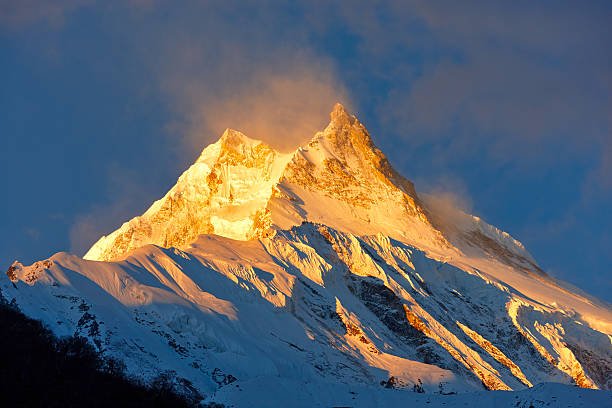
The Kanchenjunga Circuit Trek is Nepal’s ultimate wilderness trekking experience, circling the base of the world’s third highest mountain through two remote valleys that see a genuine fraction of the visitors found on any other major Nepal trekking route. This guide covers the real itinerary, an honest difficulty assessment, the actual permit requirements, and exactly what makes this 22 day expedition worth the considerable time and effort it demands, whether you are an experienced high altitude trekker seeking Nepal’s most remote major route or simply researching what a genuinely off the beaten path Himalayan trek actually involves.
The short answer: the Kanchenjunga Circuit is a 22 day trek starting from Taplejung in far eastern Nepal, following two remote valleys to reach both the North Base Camp at Pangpema around 5,140 meters and the South Base Camp viewpoint at Oktang around 4,730 meters, connected by the high Sele La pass, all within Kanchenjunga Conservation Area, a restricted region requiring special permits and a minimum group size of two trekkers.
Kanchenjunga Circuit Trek at a Glance
| Factor | Detail |
|---|---|
| Duration | 22 days including Kathmandu and Taplejung travel |
| Maximum Altitude | 5,140 meters at Pangpema, North Base Camp |
| Difficulty | Difficult, genuinely strenuous |
| Starting Point | Taplejung, reached by flight or long drive from Kathmandu |
| Trek Style | Teahouse and lodge trek with some camping style lodges |
| Best Seasons | April to May and October to November |
| Price From | USD 1,550 per person with Next Trip Nepal |
Why the Kanchenjunga Circuit Remains Genuinely Remote
Kanchenjunga, at 8,586 meters the third highest mountain on earth, sits in far eastern Nepal near the border with India’s Sikkim state, considerably further from Kathmandu than any of the country’s other major trekking regions. This geographic remoteness, combined with restricted area status that has limited independent trekking here for decades, means the Kanchenjunga Circuit sees only a small fraction of the trekker traffic found on Everest, Annapurna, or even the increasingly popular Manaslu Circuit. For trekkers who have already experienced Nepal’s more famous routes and are specifically seeking a genuine wilderness experience, with days spent walking through valleys where meeting another trekking group is a rare event rather than a constant occurrence, the Kanchenjunga Circuit remains one of the very few Nepal routes that still delivers this level of authentic remoteness.
Sample Kanchenjunga Circuit Trek Itinerary
| Day | Route |
|---|---|
| Days 1 to 2 | Kathmandu to Taplejung via flight and road connection |
| Day 3 | Trek from Taplejung to Mitlung |
| Day 4 | Trek from Mitlung to Chirwa |
| Day 5 | Trek from Chirwa to Sekathum |
| Day 6 | Trek from Sekathum to Amjilassa |
| Day 7 | Trek from Amjilassa to Gyabla |
| Day 8 | Trek from Gyabla to Ghunsa (3,595m) |
| Day 9 | Acclimatization day at Ghunsa |
| Day 10 | Trek from Ghunsa to Kambachen (4,050m) |
| Day 11 | Trek from Kambachen to Lhonak (4,780m) |
| Day 12 | Day hike to Pangpema, North Base Camp (5,140m), return to Lhonak |
| Day 13 | Trek from Lhonak back to Ghunsa |
| Day 14 | Trek from Ghunsa over Sele La pass toward Sele Le or Tseram |
| Day 15 | Trek from Sele La area to Tseram (3,870m) |
| Day 16 | Day hike to Oktang, South Base Camp viewpoint (4,730m), return to Tseram |
| Day 17 | Trek from Tseram to Torongding or Yamphudin |
| Day 18 | Trek from Yamphudin toward Khebang |
| Day 19 | Trek from Khebang toward Taplejung road access |
| Day 20 | Drive or trek to Taplejung |
| Days 21 to 22 | Return flight and road connection to Kathmandu |
How Difficult Is the Kanchenjunga Circuit Trek
The Kanchenjunga Circuit is genuinely rated difficult, reflecting both the sustained duration and the remote, occasionally rough trail conditions found throughout both the north and south valleys. Unlike shorter regional treks, this route demands genuine multi week trekking stamina, with several consecutive days above 4,000 meters and two separate high altitude viewpoint excursions, to Pangpema and Oktang, each requiring a full day of sustained climbing and descent. The Sele La pass crossing connecting the two valleys, at over 4,200 meters, adds a further genuinely demanding high altitude crossing partway through the circuit, and trail conditions in the more remote sections between Ghunsa and Lhonak can be rougher and less maintained than the well trodden paths of Nepal’s more popular trekking regions.
Altitude Profile and Acclimatization
The Kanchenjunga Circuit’s extended 22 day duration allows for a genuinely gradual altitude profile compared to shorter high altitude treks, with the itinerary’s built in acclimatization days at Ghunsa specifically structured to support safe adjustment before pushing higher into the Kambachen and Lhonak sections. The two base camp excursions, to Pangpema at 5,140 meters and Oktang at 4,730 meters, both follow the standard high altitude principle of climbing high and returning to a lower overnight elevation the same day, reducing the risk associated with sleeping at the trek’s highest points. Trekkers should still treat the days between Ghunsa and Lhonak with genuine care, since the elevation gain across this stretch is significant even with the itinerary’s built in pacing.
Permits Required for the Kanchenjunga Circuit Trek
| Permit | Cost |
|---|---|
| Kanchenjunga Restricted Area Permit | USD 10 per week for the first four weeks, per person, minimum two trekkers required |
| Kanchenjunga Conservation Area Permit | NPR 2,000, approximately USD 15 |
The Kanchenjunga region carries restricted area status, meaning independent trekking without a licensed guide is not permitted, and a minimum group size of two trekkers is required to obtain the restricted area permit, both requirements enforced considerably more strictly here than in Nepal’s more mainstream trekking regions. Next Trip Nepal arranges both permits on your behalf when you book, requiring passport copies well in advance given the additional processing this restricted area designation involves. For a broader breakdown of how permits work across other Nepal trekking regions, including which areas carry restricted status, see our Nepal Trekking Permits guide.
Kanchenjunga Circuit Compared to Other Major Nepal Circuits
| Factor | Kanchenjunga Circuit | Manaslu Circuit | Everest Three Passes |
|---|---|---|---|
| Duration | 22 days | 14 to 16 days | 18 to 20 days |
| Max Altitude | 5,140m | 5,160m at Larkya La | 5,550m at Kongma La |
| Crowd Level | Very Low | Low to Moderate | Moderate |
| Restricted Area | Yes | Yes, partial | No |
| Price From | USD 1,550 | USD 1,200 approximate | USD 1,800 approximate |
This comparison highlights exactly where the Kanchenjunga Circuit fits among Nepal’s major long distance trekking routes: the longest duration of the three, the lowest crowd levels by a considerable margin, and a genuinely comparable maximum altitude to the more frequently chosen Manaslu and Everest Three Passes circuits.
Best Time to Trek the Kanchenjunga Circuit
Spring, from April to May, is a genuinely excellent season for the Kanchenjunga Circuit, with blooming rhododendron forest through the lower valley sections and increasingly stable weather as the season progresses toward late May. Autumn, from October to November, offers the most reliable clear skies and mountain visibility, making it the preferred season for trekkers specifically prioritizing unobstructed views from Pangpema and Oktang. Winter trekking from December to February is genuinely challenging given the region’s remoteness and the risk of heavy snowfall closing the higher sections of trail, and is not typically recommended without significant prior high altitude winter trekking experience. Monsoon season from June to September is not recommended, since the lower valley trails become muddy and leech prone, and cloud cover regularly obscures the mountain views that form much of this trek’s appeal.
What Next Trip Nepal’s Package Includes
The 22 day Kanchenjunga Circuit package from Next Trip Nepal costs from USD 1,550 per person for two or more trekkers and includes teahouse and lodge accommodation with breakfast and dinner throughout, a licensed guide experienced specifically with this restricted region, porter support, the restricted area and conservation area permits, and all necessary ground transport between Kathmandu and Taplejung. International flights, Nepal visa fees, travel insurance, and lunches on walking days are not included in the package price. Given the trek’s remoteness, our guides carry comprehensive emergency communication equipment and follow a strict altitude assessment protocol throughout the higher sections of both valleys.
Frequently Asked Questions
Is the Kanchenjunga Circuit suitable for first time trekkers?
No. This trek genuinely demands prior multi week trekking experience and solid high altitude acclimatization history, given its extended duration and the remoteness of the region, making it best suited to experienced Himalayan trekkers rather than a first Nepal trek.
How does the Kanchenjunga Circuit compare to the Everest Three Passes trek?
Kanchenjunga is considerably longer and reaches a comparable maximum altitude, but with dramatically fewer other trekkers on the trail, making it the better choice for trekkers specifically prioritizing genuine solitude over trail infrastructure and services.
Do I need a minimum group size for this trek?
Yes, the restricted area permit requires a minimum of two trekkers, meaning solo travelers will need to join a group departure or travel with at least one companion to obtain the necessary permits.
What is the best viewpoint on the Kanchenjunga Circuit?
Pangpema, the North Base Camp at 5,140 meters, delivers the most dramatic close range view of Kanchenjunga’s north face, while Oktang, the South Base Camp viewpoint, offers a genuinely different and equally rewarding perspective on the mountain’s southern aspect.
How remote is this trek really?
Genuinely remote. Teahouse infrastructure exists but is considerably more basic than on Nepal’s more popular routes, and trekkers should expect meaningfully fewer amenities and far fewer fellow trekkers throughout the circuit.
Packing List for the Kanchenjunga Circuit Trek
Given the trek’s extended duration and genuine remoteness, packing carefully matters more here than on shorter, more heavily serviced routes: moisture wicking base layers, a thermal mid layer, fleece jacket, down or synthetic insulated jacket, waterproof and windproof outer shell, waterproof trousers, a warm hat, gloves, and at least four to five pairs of trekking socks, wool preferred. For footwear, well broken in waterproof trekking boots with strong ankle support and good grip are essential given the trail’s rougher, less maintained sections in the remote valleys between Ghunsa and Lhonak. Additional gear should include a larger daypack given the extended duration, collapsible locking trekking poles, a reliable headlamp with ample spare batteries, a sleeping bag rated to at least minus 15 Celsius, a comprehensive personal first aid kit given the region’s remoteness, water purification tablets or a filter, and a reusable water bottle of at least two liters. A more complete general packing breakdown that applies well to extended high altitude treks is available in our Everest Base Camp Packing List.
Accommodation Along the Route
Teahouse infrastructure along the Kanchenjunga Circuit is considerably more basic than on Nepal’s more popular routes, particularly in the remote sections between Ghunsa and Lhonak, where lodges are simpler and amenities like hot showers and reliable charging are less consistently available. Ghunsa, the largest settlement on the northern side of the circuit, offers the most comfortable accommodation on the route, with several established lodges. Trekkers should approach this trek with realistic expectations about accommodation quality, understanding that the genuine wilderness experience this circuit offers comes with meaningfully more basic infrastructure than the teahouse comfort found on Everest or Annapurna region routes.
Altitude Sickness on the Kanchenjunga Circuit
Given the sustained high altitude exposure across this 22 day trek, altitude sickness risk is a genuine and ongoing consideration throughout the itinerary, particularly during the push from Ghunsa through Kambachen to Lhonak and during both base camp excursions. Guides carry pulse oximeters and follow a strict assessment protocol at each overnight stop above 3,500 meters, with trekkers showing concerning symptoms descended immediately as standard practice. Preventive measures include staying well hydrated with three to four liters of water daily above 3,000 meters, respecting the itinerary’s built in acclimatization days rather than rushing ahead, and taking Diamox if prescribed by your doctor before departure. For a complete breakdown of altitude sickness prevention and symptom management, see our Altitude Sickness Prevention and Safety Guide.
The North and South Valleys: Two Genuinely Different Experiences
The Kanchenjunga Circuit’s structure, linking two separate valleys via the Sele La pass, delivers a genuinely varied trekking experience rarely found within a single Nepal circuit. The northern valley toward Pangpema offers a more dramatic, high alpine landscape, with the trail passing directly beneath Kanchenjunga’s imposing north face in its final approach. The southern valley toward Oktang, by contrast, retains a somewhat gentler character through its lower sections before opening into the equally dramatic amphitheater of peaks surrounding the South Base Camp viewpoint. Trekkers who complete the full circuit, rather than an out and back itinerary focused on only one valley, gain a genuinely more complete understanding of Kanchenjunga’s scale, visible from two meaningfully different angles across the full trek.
Wildlife and Biodiversity in Kanchenjunga Conservation Area
Kanchenjunga Conservation Area protects one of the most biodiverse regions in the entire Nepal Himalaya, home to snow leopards, red pandas, and a wide range of high altitude bird species across its varied forest and alpine ecosystems. The lower valley sections, particularly between Taplejung and Ghunsa, pass through genuinely dense forest supporting this biodiversity, a meaningful contrast to the more heavily trekked and correspondingly more disturbed forest corridors found on Nepal’s most popular routes. Trekkers with a specific interest in wildlife and conservation often find the Kanchenjunga region offers a genuinely more intact ecosystem than the country’s better known trekking areas, a direct result of the region’s restricted access limiting visitor numbers over the past several decades and allowing local conservation efforts considerably more room to succeed without the pressure of constant heavy foot traffic.
Cultural Diversity Along the Circuit
The Kanchenjunga region is home to a genuinely diverse mix of ethnic communities, including Limbu, Rai, and Tibetan influenced populations in the higher villages like Ghunsa, each contributing distinct cultural traditions along different sections of the trail. This cultural diversity is meaningfully different from the more culturally uniform Sherpa or Tamang communities found along single ethnic group dominated routes like Everest Base Camp or Langtang Valley, adding a genuinely layered cultural dimension to an already demanding trekking experience. Trekkers passing through the lower Limbu and Rai villages before ascending into the higher Tibetan influenced settlements near Ghunsa experience a genuine cultural transition alongside the trek’s physical altitude gain, a distinctive feature of this particular circuit.
Training Recommendations Before Departure
Given the Kanchenjunga Circuit’s genuinely demanding 22 day duration and sustained high altitude exposure, thorough physical preparation is considerably more important here than for shorter regional treks. A training period of at least eight to twelve weeks before departure, focused on cardiovascular endurance, leg strength, and genuine multi day hiking stamina, is a reasonable minimum for trekkers considering this route. Back to back long hiking days during training, ideally with a loaded daypack similar to what you will carry on trek, help build the specific sustained endurance this circuit demands far more than shorter, single session workouts. Trekkers who arrive with proven multi week trekking experience from a previous major Himalayan route generally find the Kanchenjunga Circuit’s physical demands considerably more manageable than first time long distance trekkers attempting this as an introduction to extended high altitude trekking.
Solo Trekkers and Group Requirements
The Kanchenjunga Circuit’s restricted area status means a minimum group size of two trekkers is required to obtain permits, in addition to the standard licensed guide requirement that applies across all of Nepal since April 2023. Solo travelers interested in this route should plan to join one of Next Trip Nepal’s scheduled group departures or coordinate with at least one travel companion in advance, since this permit requirement is enforced considerably more strictly than the general guide requirement applying elsewhere in the country. Trekkers traveling as part of a small dedicated group often find the shared experience genuinely valuable given the trek’s extended duration and remoteness, with the sustained time together over three weeks building a meaningfully different group dynamic than shorter treks typically allow.
Common Mistakes Trekkers Make on This Route
A few specific mistakes come up repeatedly among trekkers planning the Kanchenjunga Circuit, and understanding them in advance helps avoid unnecessary difficulty. Underestimating the cumulative fatigue of a 22 day itinerary, treating it as simply a longer version of a shorter trek rather than a genuinely different physical undertaking, is the most common mistake, since sustained multi week trekking demands a different kind of endurance than shorter, more intense treks. Insufficient advance permit planning is a second common oversight, since the restricted area permit process and minimum group size requirement demand considerably more lead time than the straightforward permit process for mainstream routes. Underpacking for the trek’s more basic accommodation infrastructure, expecting a similar level of comfort to Everest or Annapurna region teahouses, is a third mistake worth avoiding through realistic expectation setting before departure.
Why Next Trip Nepal Recommends This Route
Next Trip Nepal genuinely considers the Kanchenjunga Circuit the ultimate choice for experienced trekkers specifically seeking Nepal’s most authentic remaining wilderness trekking experience. We offer the full 22 day circuit connecting both the north and south valleys, along with guides specifically experienced in this restricted region’s particular logistical and cultural considerations. Every itinerary includes a licensed guide, porter support, both required permits, and accommodation throughout this genuinely demanding but exceptionally rewarding route.
What Previous Trekkers Say About This Route
Feedback from trekkers who have completed the Kanchenjunga Circuit consistently highlights the genuine sense of remoteness and solitude as the trek’s defining feature, distinguishing it clearly from every other major Nepal circuit in trekkers’ own comparisons. The cultural diversity encountered across the Limbu, Rai, and Tibetan influenced villages receives particular praise, alongside the dramatic contrast between the north and south valley landscapes. Many trekkers specifically describe the Kanchenjunga Circuit as the most demanding but also the most genuinely rewarding trek of their Nepal trekking experience, a common sentiment among the relatively small number of trekkers who have completed this considerably less traveled route.
Understanding the Trek’s Remote Logistics
The Kanchenjunga Circuit’s remoteness extends well beyond the trail itself into every aspect of trip logistics, and trekkers should understand these practical realities before committing to this route. Reaching Taplejung, the trek’s starting point, typically involves a flight to Bhadrapur followed by a long road journey, or in some cases a direct flight into the smaller Suketar airstrip near Taplejung when weather and scheduling allow, both options requiring considerably more advance planning flexibility than the straightforward Kathmandu to Lukla or Kathmandu to Pokhara routes used for more popular treks. Supply logistics along the trail itself are correspondingly more basic, since everything consumed at the more remote teahouses between Ghunsa and Lhonak must be carried in over considerable distances, a genuine contrast to the more established supply chains supporting Everest and Annapurna region teahouses. Trekkers should build in schedule flexibility around the Taplejung travel days specifically, since flight delays to the smaller regional airports serving this route are genuinely more common than on the busier Lukla route.
Mobile Coverage and Connectivity
Mobile network coverage along the Kanchenjunga Circuit is considerably less reliable than on Nepal’s more popular trekking routes, reflecting the region’s genuine remoteness and limited telecommunications infrastructure investment compared to the busier Everest and Annapurna regions. Trekkers should expect largely unavailable mobile coverage through much of the more remote northern and southern valley sections, with only intermittent connectivity at the larger settlements like Ghunsa. Given this limited connectivity, guides on this route carry satellite communication equipment as a standard safety measure, and trekkers planning this trip should set realistic expectations with family and colleagues about being largely unreachable for extended periods during the more remote sections of the itinerary.
Food and Water on the Trail
Food options along the Kanchenjunga Circuit narrow considerably compared to Nepal’s more popular trekking routes, particularly in the remote sections between Ghunsa and Lhonak where supply logistics limit the variety available at each teahouse. Dal bhat, the traditional Nepali meal of rice, lentil soup, and vegetable curry, remains the most reliable and nutritionally sound choice throughout the trek and is available at essentially every stop along the route. Trekkers should expect a more limited breakfast and dinner menu than on Everest or Annapurna region routes, particularly in the higher, more remote sections of both valleys. Drinking water should always be treated, either through boiled water purchased from teahouses, purification tablets, or a filter, since untreated water anywhere along this remote route carries a genuine risk of gastrointestinal illness that is considerably harder to manage given the limited access to medical support along much of the circuit.
Guide and Porter Costs Beyond the Package Price
Tipping guides and porters is a well established and genuinely expected practice on Nepal treks, and given the Kanchenjunga Circuit’s extended 22 day duration, trekkers should budget meaningfully more for this than on shorter regional routes. Customary tipping rates for a trek of this length are typically NPR 2,000 to 3,500 per day for a guide and NPR 1,200 to 1,800 per day for a porter, reflecting both the extended duration and the genuinely demanding nature of supporting trekkers through this remote region. Across the full 22 day trip, this represents a meaningful additional cost worth planning for well in advance, typically totaling somewhere in the range of USD 200 to 350 per trekker when both guide and porter tips are included across the entire circuit.
Photography Opportunities Along the Circuit
The Kanchenjunga Circuit offers genuinely exceptional photography opportunities precisely because so few photographers have captured this particular combination of remote valleys and dramatic base camp perspectives compared to Nepal’s more frequently photographed routes. Pangpema at dawn, with Kanchenjunga’s north face catching first light before cloud typically builds later in the morning, delivers one of the most dramatic and comparatively rarely photographed mountain views available anywhere in Nepal. The Oktang viewpoint on the southern side offers an equally rewarding but visually distinct perspective, framed by a different arrangement of surrounding peaks than the northern approach provides. The lower valley forest sections, particularly the diverse Limbu and Rai village architecture encountered before the trail climbs into higher, more Tibetan influenced territory, offer genuinely worthwhile cultural photography opportunities that many trekkers overlook while focused purely on the trek’s high altitude highlights.
Extending Your Trip Beyond the Kanchenjunga Circuit
Trekkers who have committed the considerable time required for the full Kanchenjunga Circuit often build in additional days either before or after the trek to make the most of the journey to this remote region. A few extra days in Kathmandu before departure, allowing genuine rest and final preparation ahead of such a demanding itinerary, is a reasonable addition for trekkers arriving from long haul international flights. Trekkers with additional time after completing the circuit sometimes combine it with a visit to eastern Nepal’s tea growing regions around Ilam, a genuinely different and considerably more relaxed experience that offers a meaningful contrast to the physical demands of the preceding three weeks on trail.
Who Should Choose the Kanchenjunga Circuit Trek
The Kanchenjunga Circuit genuinely suits experienced trekkers who have already completed at least one major multi week Himalayan trek and are specifically seeking Nepal’s most remote and demanding major circuit as their next serious undertaking. It fits trekkers with proven high altitude acclimatization history, a genuine appetite for extended time away from typical travel comforts and modern connectivity, and a specific interest in cultural diversity and wildlife conservation alongside the trek’s dramatic mountain scenery and genuinely varied terrain. This is genuinely not the right choice for first time Himalayan trekkers, or for anyone without the extended vacation time or physical conditioning the 22 day itinerary demands, and trekkers considering this route should honestly assess their own experience level before committing to what remains one of Nepal’s most serious trekking undertakings.
Weather Patterns Specific to the Kanchenjunga Region
Weather across the Kanchenjunga region follows a broadly similar seasonal pattern to the rest of eastern Nepal, though the specific microclimates of the north and south valleys mean conditions can differ meaningfully between the two sides of the circuit on any given day. The northern valley toward Pangpema tends to see clearer, more stable morning conditions during the peak autumn season, while the southern approach toward Oktang can experience somewhat more variable cloud cover given its exposure to weather systems moving up from lower elevation river valleys. Given the trek’s genuinely remote location, weather forecasting resources available to guides are considerably more limited than in Nepal’s more developed trekking regions, making a guide’s accumulated local experience and judgment particularly valuable for making real time decisions about summit day timing at both Pangpema and Oktang.
Health and Safety Considerations Given the Trek’s Remoteness
Beyond the standard altitude sickness precautions that apply to any high altitude Nepal trek, the Kanchenjunga Circuit’s genuine remoteness introduces additional health and safety considerations worth understanding honestly before departure. Emergency evacuation from the more remote sections of the route, particularly between Ghunsa and Lhonak or in the southern Tseram and Oktang area, takes considerably longer than from more accessible regions, since helicopter access points are fewer and further apart along this circuit than on Everest or Annapurna routes. Comprehensive travel insurance covering high altitude trekking and helicopter evacuation is genuinely essential for this trek, more so than for shorter, more accessible regional routes, and trekkers should confirm their policy specifically covers the maximum altitude reached at Pangpema before departure. A well stocked personal first aid kit, including basic wound care supplies and any personal medications, is also more important here given the extended distance from medical facilities throughout most of the circuit.
Booking Considerations for This Restricted Route
Booking the Kanchenjunga Circuit requires considerably more advance planning than most Nepal treks, given the restricted area permit process, the minimum two person group requirement, and the genuine value of choosing a guide specifically experienced with this remote region’s particular logistical challenges. Next Trip Nepal recommends booking at least two to three months ahead of your intended departure date, allowing sufficient time for permit processing and, where needed, coordination with other trekkers to meet the minimum group size requirement. Private group departures remain available for trekkers who already have a travel companion, while solo travelers should expect to be matched with a scheduled group departure to satisfy the restricted area permit’s group size requirement before final confirmation of dates.
Final Word on the Kanchenjunga Circuit Trek
The Kanchenjunga Circuit Trek delivers Nepal’s most genuinely remote major trekking experience, circling the base of the world’s third highest mountain through two dramatically different valleys within a demanding but exceptionally rewarding 22 day itinerary. For experienced trekkers who have already completed one or more of Nepal’s more popular routes and are specifically seeking an authentic wilderness experience with genuine solitude, cultural diversity, and dramatic high altitude scenery, the Kanchenjunga Circuit deserves serious consideration as the natural next step in a serious Himalayan trekking career, delivering an experience that few of Nepal’s other major routes can still genuinely offer given how much trekker traffic has grown across the country’s more accessible regions. For trekkers with the time, fitness, and genuine appetite for this level of commitment, few experiences in Nepal, or anywhere else in the Himalaya, deliver a comparable sense of authentic discovery across three demanding but consistently rewarding weeks on trail.