


Helambu Trek Overview
The Helambu Trek is a short, culturally rich trek through the Hyolmo region just north of Kathmandu, climbing from the forested ridge above Sundarijal into a cluster of Buddhist villages, Chisapani, Kutumsang, Tharepati, Tarkeghyang, and Sermathang, before dropping back down to the Melamchi valley and the road connection at Melamchi Pul Bazaar. It sits inside Shivapuri Nagarjun National Park at the lower end and Langtang National Park at the higher end, which means two separate park permits are involved even though the trek never goes near either park’s better known destinations.
At Next Trip Nepal, we recommend this trek most often to travelers who want a genuine Himalayan trekking experience without committing two or three weeks to it, and to anyone whose schedule in Nepal is tight but who still wants to sleep in a mountain teahouse, walk through rhododendron forest, and spend an evening in a village where Tibetan Buddhist culture is still the daily norm rather than a tourist backdrop. It is also one of the very few treks in Nepal that starts and ends within a short drive of Kathmandu, with no domestic flight and no long jeep transfer required at either end.
This page sets out exactly what a 7 day Helambu Trek involves: the route day by day, what the permits actually cost in 2027, how difficult the trail really is, the best months to go, and the honest tradeoffs between this trek and other short options near Kathmandu such as Poon Hill or the Langtang Valley. Where sources disagree on a specific figure, and on this particular trek they sometimes do, we say so directly rather than quoting whichever number is easiest to print.
Why Trek Helambu
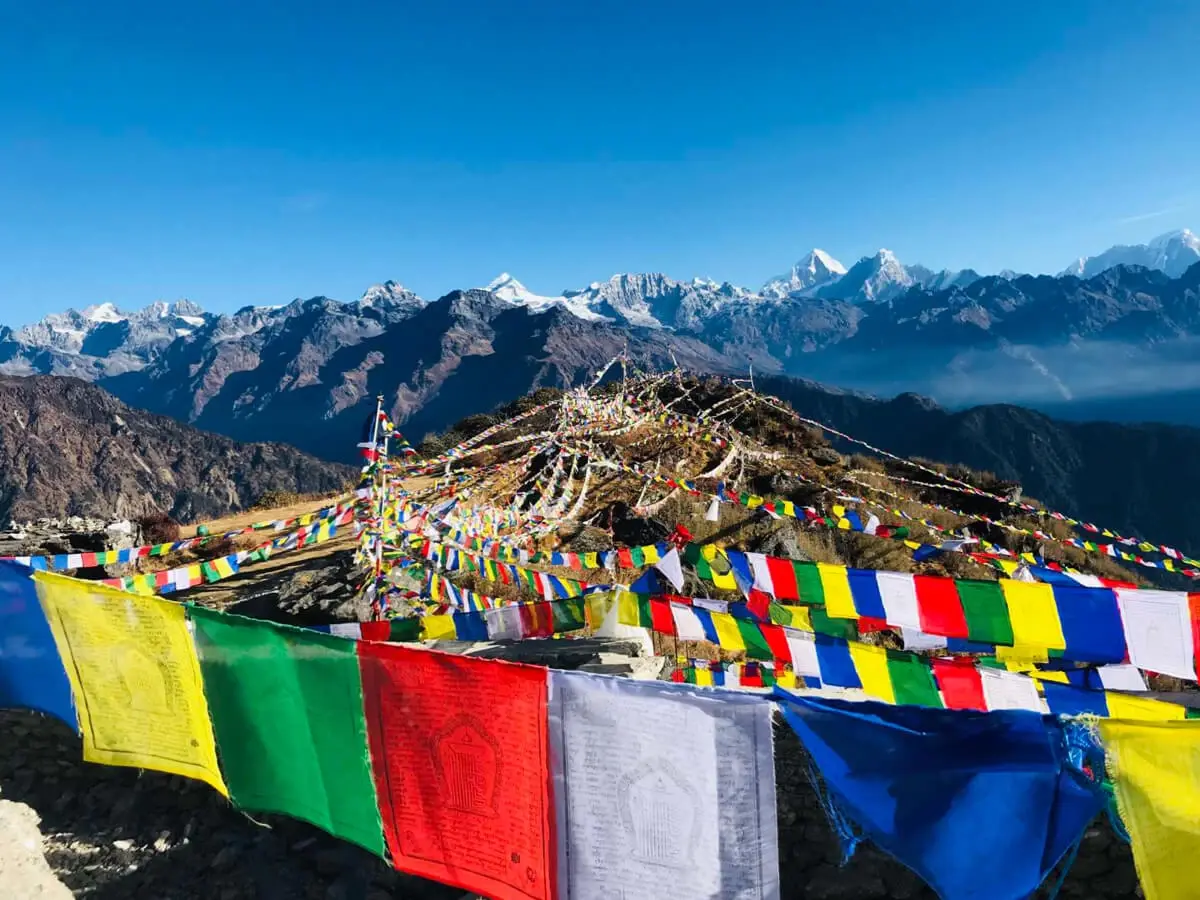
Helambu is one of the closest genuinely high altitude trekking regions to Kathmandu, yet it sees only a small fraction of the trekkers who walk to Everest Base Camp, Annapurna Base Camp, or even Langtang Valley in a typical season. Part of the reason is straightforward: it does not have one single dramatic set piece, no base camp, no iconic pass, so it tends to be overlooked by trekkers building a bucket list trip. What it does have is a continuous week of forest trail, mountain views toward Dorje Lakpa and the Langtang range, and a string of Hyolmo villages where monasteries, prayer flags, and mani walls are simply part of everyday life rather than a set piece for visitors.
It also works well as a standalone trip for travelers with roughly a week to spend in Nepal, and as an acclimatization or warm up trek for anyone planning a longer, higher trip later in their trip. Because the route stays below 3,700 meters at its absolute highest point and spends only a night or two above 3,000 meters, it carries a meaningfully lower altitude risk than treks that push toward 5,000 meters, while still delivering several full days of real mountain walking.
Helambu Trek Permits and Costs 2027
Two separate protected areas cover this route, and the exact permit structure has shifted over recent years, so we lay out what we found and flag the one point where current sources genuinely disagree.
Shivapuri Nagarjun National Park Entry Permit
If your trek starts on foot from Sundarijal, as the standard itinerary below does, you pass through Shivapuri Nagarjun National Park on day one. The foreigner entry fee is around USD 5 per person, with a lower rate for SAARC nationals. This is a flat one time entry fee rather than a daily charge, and it is normally arranged at the park entry gate at Sundarijal.
Langtang National Park Entry Permit
The upper half of the Helambu route, from around Tharepati downward through Tarkeghyang and Sermathang, falls inside Langtang National Park. The foreigner entry fee is around USD 30, plus Nepal’s standard 13 percent value added tax, which brings the practical cost closer to USD 34 per person. SAARC nationals pay a lower rate of around USD 15 plus tax. Children under 10 are exempt. This permit can be arranged in Kathmandu before departure or, in some cases, at the park office along the route.
TIMS card and local area permit, a genuine point of confusion
This is the one area where we found real disagreement across the operator and travel guide sites we checked while researching this page. Some sources still list a Trekkers Information Management System, or TIMS, card as a requirement for Helambu, at a published rate of around USD 20 for an individual foreign trekker. Other sources state that TIMS was replaced for several regions, Helambu included, by a local area entry fee collected at the trailhead sometime around 2018, and that TIMS itself is no longer the operative document here. We were not able to settle this disagreement to our own satisfaction from publicly available information alone, so rather than quote a confident figure that might be wrong, we confirm the exact current requirement, whichever document applies, when we process your specific booking and dates.
What this adds up to
Taken together, most trekkers on this route should budget somewhere in the region of USD 40 to 55 per person for the combined park entry fees and whichever trailhead document currently applies, separate from your trek package price. Government fees and the exact permit structure for this particular region have changed more than once in recent years, so we treat any number published online, including our own, as a planning estimate rather than a locked figure until we confirm it against current rules for your travel dates.
| Permit or fee | Foreigner cost | Collected where |
|---|---|---|
| Shivapuri Nagarjun National Park entry | Around USD 5 | Sundarijal entry gate |
| Langtang National Park entry | Around USD 30 plus 13 percent VAT | Kathmandu or park checkpoint |
| TIMS card or local area fee | Around USD 20, exact document under review, see note above | Nepal Tourism Board or trailhead |
Helambu Trek Itinerary, 7 Days
The outline below is the structure we use most often for this trek: a drive out to Sundarijal to start walking immediately, a climb up through Chisapani and Kutumsang to the high point at Tharepati, then a descent through the Hyolmo villages of Tarkeghyang and Sermathang to the roadhead at Melamchi Pul Bazaar, with a drive back to Kathmandu to close the loop. Some operators stretch this same route over eight or nine days by adding a night at Melamchigaon or an extra rest day, and we are glad to add either if your schedule allows it, but the table below reflects the standard 7 day version most travelers ask us for.
| Day | Route | Approx altitude |
|---|---|---|
| Day 1 | Drive from Kathmandu to Sundarijal, trek to Chisapani | 2,215 m |
| Day 2 | Trek from Chisapani to Kutumsang | 2,470 m |
| Day 3 | Trek from Kutumsang to Tharepati | 3,640 m |
| Day 4 | Trek from Tharepati to Tarkeghyang | 2,600 m |
| Day 5 | Trek from Tarkeghyang to Sermathang | 2,590 m |
| Day 6 | Trek from Sermathang to Melamchi Pul Bazaar, drive to Kathmandu | 870 m |
| Day 7 | Final departure from Kathmandu | 1,320 m |
Helambu Trek Full Day by Day Itinerary
Day 1: Drive from Kathmandu to Sundarijal, trek to Chisapani
The trek begins with a short drive of around an hour from Kathmandu to Sundarijal, on the northern edge of the Kathmandu valley where the city gives way almost immediately to forest. From the park entry gate, the trail climbs through Shivapuri Nagarjun National Park along a stone stepped path and past a small hydropower intake, gaining height steadily through forest before reaching the ridge top village of Chisapani at around 2,215 meters. Walking time is typically five to six hours. On a clear afternoon or the following morning, Chisapani offers a genuinely good first taste of the views to come, with the Langtang range and Dorje Lakpa visible to the north.
Day 2: Trek from Chisapani to Kutumsang
From Chisapani, the trail continues along a mostly forested ridge, passing through a string of small Tamang and Hyolmo settlements and patches of rhododendron and oak forest, before reaching Kutumsang at around 2,470 meters. Walking time is typically six to seven hours. Kutumsang is a reasonably developed trail village with a small army post, and it is the last point on the route with this level of facilities before the trail climbs more seriously toward Tharepati the following day.
Day 3: Trek from Kutumsang to Tharepati
This is the longest climbing day of the trek. The trail leaves the last settlements behind and climbs steadily through rhododendron forest and then increasingly open alpine terrain, crossing into Langtang National Park along the way, before reaching Tharepati at around 3,640 meters, the highest point of the standard itinerary. Walking time is typically five to six hours. Tharepati itself is a small, exposed collection of lodges rather than a proper village, and weather here can change quickly, so an early start and a flexible attitude to pace matter more on this day than on any other.
Day 4: Trek from Tharepati to Tarkeghyang
The trail descends steadily from Tharepati through forest and increasingly open hillside, dropping more than a thousand meters over the course of the day before reaching Tarkeghyang at around 2,600 meters, one of the largest and most established villages in the Helambu region. Walking time is typically five to six hours. Tarkeghyang is home to an old Hyolmo Buddhist monastery that remains a genuine center of village religious life, and most trekkers spend part of the afternoon exploring the village itself rather than simply passing through.
Day 5: Trek from Tarkeghyang to Sermathang
A comparatively gentle day covers the walk from Tarkeghyang to Sermathang at around 2,590 meters, following a trail that stays largely at the same altitude rather than climbing or dropping significantly. Walking time is typically four to five hours. Sermathang sits at the upper edge of a belt of apple orchards that the Helambu region is locally known for, and its monastery, set at the highest point of the village, is one of the more frequently visited in the area.
Day 6: Trek from Sermathang to Melamchi Pul Bazaar, drive to Kathmandu
The final trekking day descends from Sermathang through terraced farmland and lower, warmer forest to Melamchi Pul Bazaar at around 870 meters, where the trek meets the road. Walking time is typically four hours. From here, a drive of roughly three to four hours, depending on road conditions, returns the group to Kathmandu, usually arriving in the late afternoon or early evening.
Day 7: Final departure from Kathmandu
A free day in Kathmandu for rest, shopping, or sightseeing, with transfer to Tribhuvan International Airport for your onward flight, or additional time if you are continuing elsewhere in Nepal.
Helambu Trek Highlights
- A genuine Himalayan trek that starts and ends within a short drive of Kathmandu, with no domestic flight required
- Views toward Dorje Lakpa, the Langtang range, and Ganesh Himal from Chisapani and the high point at Tharepati
- A full week inside Hyolmo Buddhist villages, including Tarkeghyang and Sermathang, each with its own monastery
- A genuinely low trekker count compared with Everest Base Camp, Annapurna Base Camp, or even the Langtang Valley
- A trek that stays below 3,700 meters throughout, with a correspondingly lower altitude risk than higher routes
- Rhododendron and oak forest for much of the route, especially rewarding during the spring flowering season
- A realistic option for travelers with around a week to spend in Nepal, or as a warm up trek before a longer trip
How Difficult Is the Helambu Trek
We rate this trek as easy to moderate, which makes it one of the more approachable multi day treks we run, though it should still be taken seriously rather than treated as a casual walk. Three factors shape that rating.
Altitude
The highest point of the standard itinerary, Tharepati at around 3,640 meters, is reached on day three and left behind the following morning, so trekkers typically spend only one night above 3,000 meters. This is a meaningfully lower altitude exposure than treks that spend a week or more above that line, and it is a large part of why Helambu suits trekkers who want a genuine mountain experience without the altitude planning that a higher route demands.
Daily walking demands
Most days on this itinerary run five to seven hours, with day two, from Chisapani to Kutumsang, and day three, from Kutumsang to Tharepati, being the longest. The climb from Sundarijal to Chisapani on day one is steep in sections, mostly stone steps through forest, and is often the day that surprises trekkers who expected an easy opening stage. None of the walking is technical, and no specialized equipment is required at any point.
Trail conditions
The trail is well established throughout, following forest paths and village tracks rather than exposed or glaciated terrain. The main seasonal concern is the monsoon months, when forest sections can become slippery and leeches are common at lower altitude, which is one of the reasons we do not recommend this trek during the core monsoon period.
Who this trek suits
Helambu is a realistic choice for trekkers with general fitness and some hiking background, even without previous high altitude experience, provided they are comfortable walking five to seven hours on consecutive days on hilly terrain. It also works well as a first multi day trek in Nepal for travelers who want to test their interest in trekking before committing to a longer or higher route later in their trip.
Best Time to Trek Helambu
Because this trek stays below 3,700 meters and spends most of its time in forest and village terrain rather than exposed high altitude ground, it has a slightly wider usable season than treks that cross a high pass, though two periods still stand out clearly as the best choices.
| Season | Months | Our assessment |
|---|---|---|
| Spring | March to May | Very good. Rhododendron forest in bloom through the mid elevation sections, with daytime temperatures in the lower villages typically between 16 and 22 degrees Celsius. |
| Summer, monsoon | June to August | Not recommended. Heavy rain, slippery forest trails, and leeches at lower altitude. Daytime temperatures are warm, typically 20 to 25 degrees Celsius, but visibility and trail conditions both suffer. |
| Autumn | September to November | Best overall window. Clear skies, the most reliable mountain views, and daytime temperatures typically between 15 and 20 degrees Celsius, cooling toward 5 to 10 degrees by November. |
| Winter | December to February | Workable for experienced trekkers. Daytime temperatures around 9 to 12 degrees Celsius in the lower villages, but night temperatures at Tharepati can drop to 5 degrees below freezing or lower, and some of the most basic lodges reduce services. |
Autumn, particularly October and early November, is the window we point most first time trekkers toward, since it combines the most reliable weather with comfortable daytime walking temperatures. Spring is a strong second choice, especially for trekkers who want to see rhododendron forest in bloom and do not mind slightly hazier long range mountain views later in the season.
Altitude and Safety on the Helambu Trek
Altitude sickness risk on this trek is genuinely lower than on routes that climb above 4,000 or 5,000 meters, since the highest point, Tharepati, sits at around 3,640 meters and is reached after two full days of gradual ascent rather than a rushed climb. That said, altitude illness can still affect individual trekkers at this height, and we do not treat the lower altitude of this trek as a reason to skip basic precautions.
Headache, nausea, unusual fatigue, and disturbed sleep are the standard early warning signs of altitude sickness and should be reported to your guide rather than pushed through. Drinking enough water, pacing the climb from Kutumsang to Tharepati rather than rushing it, and telling your guide immediately if you feel unwell are the most practical steps available on a trek this length. Travel insurance that covers trekking at this altitude is sensible, though the high altitude helicopter evacuation cover required for treks above 5,000 meters is not generally necessary for Helambu specifically.
Hyolmo Culture and the Villages of Helambu
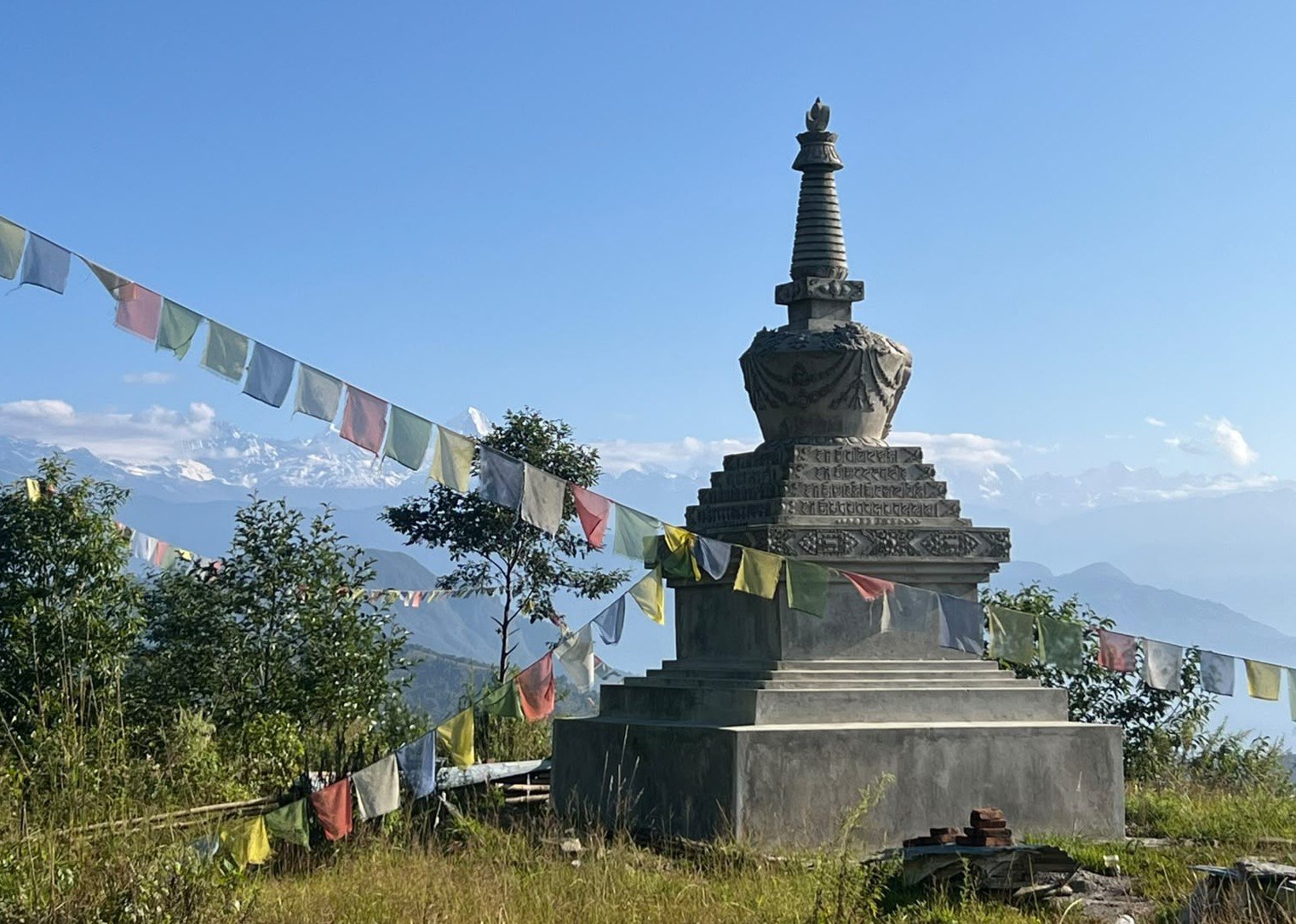
The Helambu region is home to the Hyolmo people, also written Yolmo, a Tibetan Buddhist community with their own distinct language and customs, alongside Tamang communities in the lower and middle sections of the route. Monasteries, mani walls, chortens, and prayer flags mark the approach to nearly every settlement from Kutumsang upward, and village life here remains shaped by Buddhist practice in a way that is immediately visible to anyone walking through.
Tarkeghyang
Tarkeghyang is one of the largest and most established villages on the route, and home to an old Hyolmo monastery that remains an active center of religious life rather than a preserved curiosity. Many trekkers describe the afternoon spent here, walking through the village and visiting the monastery, as the cultural high point of the trek.
Sermathang
Sermathang sits within a belt of apple orchards that the wider Helambu region is known for, and its monastery, positioned at the highest point of the village, offers wide views back across the valley. The village has a settled, unhurried feel that many trekkers find a welcome contrast to the climbing of the earlier days.
Daily life along the route
Because trekker numbers through Helambu remain modest compared with Nepal’s busier routes, daily life in these villages continues largely on its own terms: farming, herding, and the rhythms of monastery life rather than a schedule built around visitors. Trekkers who take the time to sit for tea in a village home, rather than only passing through, often come away with a clearer sense of the region than the walking alone provides.
Accommodation on the Helambu Trek
Accommodation throughout this trek is in teahouses, family run lodges rather than organized camping, and the standard is generally a step up from what trekkers find on more remote routes, since Helambu sits close enough to Kathmandu for supplies to move in relatively easily.
Chisapani and Kutumsang
Lodges here are reasonably comfortable by Nepal teahouse standards, typically twin share rooms with two single beds, a shared bathroom down the hall, and a communal dining hall that doubles as the social center of the lodge in the evening.
Tharepati
This is the most basic stop on the route, a small handful of simple lodges rather than a proper village, with thin walls and minimal heating outside the dining area. Bringing a warm sleeping bag matters most on this one night of the trip.
Tarkeghyang and Sermathang
Both villages offer a good range of teahouses, generally more comfortable than Tharepati given their size and position closer to the lower, more accessible end of the route. Hot showers and charging are usually available for a small fee at both stops.
Food and Water on the Helambu Trek
Meals are generally closer to standard Nepal teahouse fare throughout this trek than on more remote routes, since supplies move in relatively easily from both the Kathmandu side and the Melamchi valley. Dal bhat, the Nepali staple of rice, lentil soup, and vegetable curry, is available everywhere and is the most reliably well prepared dish on the menu, alongside noodle dishes, fried rice, and simple breakfast items. Menu choice narrows somewhat at Tharepati given its size, but even there a basic hot meal is always available.
Treat all drinking water on this trek rather than assuming mountain water is safe without treatment. Teahouses commonly sell boiled water, and carrying a water filter or purification tablets is a cheaper and more reliable backup, particularly useful given how close together the trekking days are on this itinerary.
What to Pack for the Helambu Trek
Because this trek stays below 3,700 meters and never spends more than one night at its coldest point, the packing list is noticeably lighter than what a high pass trek demands, though a few items still matter more than trekkers expect.
- Layered clothing: a base layer, a fleece or light insulating mid layer, and a waterproof outer shell, since weather at Tharepati can turn quickly
- A warm hat, sun hat, and a light pair of gloves for the one cold night at Tharepati
- Broken in trekking boots with good ankle support, given the steep stone steps on day one and the sustained descent on day four
- A three season sleeping bag, adequate for this trek’s altitude range, rather than the heavier four season bag needed on a high pass route
- Trekking poles, genuinely useful on the steep sections between Sundarijal and Chisapani and on the long descent from Tharepati
- A basic personal first aid kit, any prescribed medication, and a water filter or purification tablets
- Sun protection, including sunscreen and sunglasses, for the open ridge sections around Chisapani and Tharepati
- A headtorch, a power bank, and a small amount of Nepali rupees in cash for the full trek, since cash access becomes limited once you leave Kathmandu
Physical Preparation for the Helambu Trek
This trek does not demand the same training commitment as a high pass route, but a reasonable level of general fitness makes a genuine difference to how much you enjoy it. In the month or so before departure, regular hiking, walking, or stair climbing, building toward sessions of three to four hours on your feet, is generally enough preparation for most trekkers. Some hill walking with a light daypack, five to seven kilograms, helps prepare specifically for the steep sections on day one and day three. Trekkers with little or no hiking background can still complete this trek comfortably, provided they set a realistic pace and listen to their guide on the steeper days.
Helambu Trek Cost
Pricing on this trek depends mainly on group size and the exact season, and we are cautious about quoting a single flat figure without knowing your specific dates. As a planning reference, group pricing for a 7 day trek of this kind commonly follows a tiered structure based on how many people are traveling together.
| Group size | Approximate price per person |
|---|---|
| 1 traveler | From USD 650 |
| 2 to 4 travelers | From USD 580 |
| 5 to 8 travelers | From USD 520 |
| 9 or more travelers | From USD 480 |
These figures are a planning range rather than a locked quote, and they are separate from the park permit and trailhead fees detailed earlier on this page. Budget additionally for travel insurance, tips for your guide and porter, which is customary in Nepal’s trekking industry though never included in a package price, and personal spending on the trail such as hot showers, charging, and snacks. Next Trip Nepal does not require advance payment to reserve a departure. You confirm your booking and pay once you have arrived in Nepal.
Helambu Trek Versus Other Short Treks Near Kathmandu
| Helambu Trek | Poon Hill Trek | Langtang Valley Trek | |
|---|---|---|---|
| Typical duration | 7 days | 4 to 5 days | 7 to 8 days |
| Highest point | Around 3,640 m at Tharepati | Around 3,210 m at Poon Hill | Around 4,984 m at Kyanjin Ri |
| Starting point from Kathmandu | Short drive, no flight | Drive plus flight or long drive to Pokhara | Drive, no flight |
| Crowd level | Low | High in peak season | Moderate |
| Cultural focus | Hyolmo Buddhist villages | Gurung and Magar villages | Tamang Buddhist villages |
Poon Hill is shorter and more heavily visited, built around a single famous sunrise viewpoint rather than a full week of varied village walking. The Langtang Valley Trek climbs considerably higher and delivers a more dramatic high mountain finish, but it also demands more altitude planning and a longer commitment. Helambu sits between the two, longer and quieter than Poon Hill, lower and less demanding than Langtang Valley, which is exactly the gap it is best suited to fill.
Why Book the Helambu Trek With Next Trip Nepal
- Hassle free trekking experience with permits, ground transport, meals, and teahouse accommodation arranged for you
- No advance payment required. Confirm your booking, then pay after you arrive in Nepal
- Licensed guides familiar specifically with the Helambu region, not generalist guides filling in on an unfamiliar trail
- Honest, direct communication about permit requirements, trip difficulty, and current trail conditions rather than marketing copy designed to close a booking
- 24/7 personal support before and during the trek by WhatsApp, email, or phone
- Private trek option with a flexible pace and start date if the standard 7 day schedule does not fit your plans
Reach us directly on WhatsApp at +977 9869225929 or by email at nexttripnepal@gmail.com with your preferred dates and group size, and we will talk you through exactly what this trek involves before you commit to anything.
Helambu Trek Frequently Asked Questions
How many days does the Helambu Trek take?
Our standard itinerary runs 7 days from Kathmandu back to Kathmandu. Some operators stretch the same basic route to 8 or 9 days by adding a rest day or an extra night at Melamchigaon, and we are glad to adjust the schedule on request.
What is the maximum altitude on the Helambu Trek?
Tharepati, reached on day three, is the highest point of the standard itinerary at around 3,640 meters. Published figures for this point vary slightly between sources, generally between 3,600 and 3,650 meters.
Do I need previous trekking experience for this route?
No. This trek is realistic for trekkers with general fitness and little or no previous trekking background, provided you are comfortable walking five to seven hours on consecutive days on hilly terrain.
What permits do I need for the Helambu Trek?
You need a Shivapuri Nagarjun National Park entry permit and a Langtang National Park entry permit, plus whichever trailhead document, TIMS card or local area fee, currently applies. We confirm the exact current requirement when you book, since published guidance on this specific point has changed more than once in recent years.
Is a guide required for the Helambu Trek?
A guide is not strictly mandated by law the way it is on a restricted area trek, but we do not recommend attempting this route without one, given the number of trail junctions, the basic facilities at Tharepati, and the value a guide adds in navigating permit requirements along the way.
What is the best time of year for the Helambu Trek?
Autumn, from September to November, offers the most reliable weather and the clearest mountain views. Spring, particularly March and April, is a strong second choice, with rhododendron forest in bloom through the mid elevation sections.
What kind of accommodation can I expect?
Teahouse accommodation throughout, generally twin share rooms with a shared bathroom, ranging from comfortable at Tarkeghyang and Sermathang to basic at Tharepati specifically.
How much does the Helambu Trek cost?
Package pricing commonly starts in the region of USD 480 to 650 per person depending on group size, separate from permit fees, insurance, and personal spending. Contact us directly for a quote against your specific travel dates and group size.
Can the Helambu Trek be combined with another trek or trip?
Yes. Its short length and proximity to Kathmandu make it easy to combine with a few days in Pokhara or Chitwan, or to use as a warm up before a longer, higher trek later in your trip.
Is this trek suitable for children or older trekkers?
Given its lower altitude and moderate daily walking demands, this trek is a realistic option for fit older trekkers and for children old enough to walk five to seven hours on hilly terrain, though we recommend discussing your specific group with us before booking so we can set a realistic pace.

Helambu Trek Overview
Helambu Trek Overview
The Helambu Trek is a short, culturally rich trek through the Hyolmo region just north of Kathmandu, climbing from the forested ridge above Sundarijal into a cluster of Buddhist villages, Chisapani, Kutumsang, Tharepati, Tarkeghyang, and Sermathang, before dropping back down to the Melamchi valley and the road connection at Melamchi Pul Bazaar. It sits inside Shivapuri Nagarjun National Park at the lower end and Langtang National Park at the higher end, which means two separate park permits are involved even though the trek never goes near either park’s better known destinations.
At Next Trip Nepal, we recommend this trek most often to travelers who want a genuine Himalayan trekking experience without committing two or three weeks to it, and to anyone whose schedule in Nepal is tight but who still wants to sleep in a mountain teahouse, walk through rhododendron forest, and spend an evening in a village where Tibetan Buddhist culture is still the daily norm rather than a tourist backdrop. It is also one of the very few treks in Nepal that starts and ends within a short drive of Kathmandu, with no domestic flight and no long jeep transfer required at either end.
This page sets out exactly what a 7 day Helambu Trek involves: the route day by day, what the permits actually cost in 2027, how difficult the trail really is, the best months to go, and the honest tradeoffs between this trek and other short options near Kathmandu such as Poon Hill or the Langtang Valley. Where sources disagree on a specific figure, and on this particular trek they sometimes do, we say so directly rather than quoting whichever number is easiest to print.
Why Trek Helambu
Helambu is one of the closest genuinely high altitude trekking regions to Kathmandu, yet it sees only a small fraction of the trekkers who walk to Everest Base Camp, Annapurna Base Camp, or even Langtang Valley in a typical season. Part of the reason is straightforward: it does not have one single dramatic set piece, no base camp, no iconic pass, so it tends to be overlooked by trekkers building a bucket list trip. What it does have is a continuous week of forest trail, mountain views toward Dorje Lakpa and the Langtang range, and a string of Hyolmo villages where monasteries, prayer flags, and mani walls are simply part of everyday life rather than a set piece for visitors.
It also works well as a standalone trip for travelers with roughly a week to spend in Nepal, and as an acclimatization or warm up trek for anyone planning a longer, higher trip later in their trip. Because the route stays below 3,700 meters at its absolute highest point and spends only a night or two above 3,000 meters, it carries a meaningfully lower altitude risk than treks that push toward 5,000 meters, while still delivering several full days of real mountain walking.
Helambu Trek Permits and Costs 2027
Two separate protected areas cover this route, and the exact permit structure has shifted over recent years, so we lay out what we found and flag the one point where current sources genuinely disagree.
Shivapuri Nagarjun National Park Entry Permit
If your trek starts on foot from Sundarijal, as the standard itinerary below does, you pass through Shivapuri Nagarjun National Park on day one. The foreigner entry fee is around USD 5 per person, with a lower rate for SAARC nationals. This is a flat one time entry fee rather than a daily charge, and it is normally arranged at the park entry gate at Sundarijal.
Langtang National Park Entry Permit
The upper half of the Helambu route, from around Tharepati downward through Tarkeghyang and Sermathang, falls inside Langtang National Park. The foreigner entry fee is around USD 30, plus Nepal’s standard 13 percent value added tax, which brings the practical cost closer to USD 34 per person. SAARC nationals pay a lower rate of around USD 15 plus tax. Children under 10 are exempt. This permit can be arranged in Kathmandu before departure or, in some cases, at the park office along the route.
TIMS card and local area permit, a genuine point of confusion
This is the one area where we found real disagreement across the operator and travel guide sites we checked while researching this page. Some sources still list a Trekkers Information Management System, or TIMS, card as a requirement for Helambu, at a published rate of around USD 20 for an individual foreign trekker. Other sources state that TIMS was replaced for several regions, Helambu included, by a local area entry fee collected at the trailhead sometime around 2018, and that TIMS itself is no longer the operative document here. We were not able to settle this disagreement to our own satisfaction from publicly available information alone, so rather than quote a confident figure that might be wrong, we confirm the exact current requirement, whichever document applies, when we process your specific booking and dates.
What this adds up to
Taken together, most trekkers on this route should budget somewhere in the region of USD 40 to 55 per person for the combined park entry fees and whichever trailhead document currently applies, separate from your trek package price. Government fees and the exact permit structure for this particular region have changed more than once in recent years, so we treat any number published online, including our own, as a planning estimate rather than a locked figure until we confirm it against current rules for your travel dates.
| Permit or fee | Foreigner cost | Collected where |
|---|---|---|
| Shivapuri Nagarjun National Park entry | Around USD 5 | Sundarijal entry gate |
| Langtang National Park entry | Around USD 30 plus 13 percent VAT | Kathmandu or park checkpoint |
| TIMS card or local area fee | Around USD 20, exact document under review, see note above | Nepal Tourism Board or trailhead |
Helambu Trek Itinerary, 7 Days
The outline below is the structure we use most often for this trek: a drive out to Sundarijal to start walking immediately, a climb up through Chisapani and Kutumsang to the high point at Tharepati, then a descent through the Hyolmo villages of Tarkeghyang and Sermathang to the roadhead at Melamchi Pul Bazaar, with a drive back to Kathmandu to close the loop. Some operators stretch this same route over eight or nine days by adding a night at Melamchigaon or an extra rest day, and we are glad to add either if your schedule allows it, but the table below reflects the standard 7 day version most travelers ask us for.
| Day | Route | Approx altitude |
|---|---|---|
| Day 1 | Drive from Kathmandu to Sundarijal, trek to Chisapani | 2,215 m |
| Day 2 | Trek from Chisapani to Kutumsang | 2,470 m |
| Day 3 | Trek from Kutumsang to Tharepati | 3,640 m |
| Day 4 | Trek from Tharepati to Tarkeghyang | 2,600 m |
| Day 5 | Trek from Tarkeghyang to Sermathang | 2,590 m |
| Day 6 | Trek from Sermathang to Melamchi Pul Bazaar, drive to Kathmandu | 870 m |
| Day 7 | Final departure from Kathmandu | 1,320 m |
Helambu Trek Full Day by Day Itinerary
Day 1: Drive from Kathmandu to Sundarijal, trek to Chisapani
The trek begins with a short drive of around an hour from Kathmandu to Sundarijal, on the northern edge of the Kathmandu valley where the city gives way almost immediately to forest. From the park entry gate, the trail climbs through Shivapuri Nagarjun National Park along a stone stepped path and past a small hydropower intake, gaining height steadily through forest before reaching the ridge top village of Chisapani at around 2,215 meters. Walking time is typically five to six hours. On a clear afternoon or the following morning, Chisapani offers a genuinely good first taste of the views to come, with the Langtang range and Dorje Lakpa visible to the north.
Day 2: Trek from Chisapani to Kutumsang
From Chisapani, the trail continues along a mostly forested ridge, passing through a string of small Tamang and Hyolmo settlements and patches of rhododendron and oak forest, before reaching Kutumsang at around 2,470 meters. Walking time is typically six to seven hours. Kutumsang is a reasonably developed trail village with a small army post, and it is the last point on the route with this level of facilities before the trail climbs more seriously toward Tharepati the following day.
Day 3: Trek from Kutumsang to Tharepati
This is the longest climbing day of the trek. The trail leaves the last settlements behind and climbs steadily through rhododendron forest and then increasingly open alpine terrain, crossing into Langtang National Park along the way, before reaching Tharepati at around 3,640 meters, the highest point of the standard itinerary. Walking time is typically five to six hours. Tharepati itself is a small, exposed collection of lodges rather than a proper village, and weather here can change quickly, so an early start and a flexible attitude to pace matter more on this day than on any other.
Day 4: Trek from Tharepati to Tarkeghyang
The trail descends steadily from Tharepati through forest and increasingly open hillside, dropping more than a thousand meters over the course of the day before reaching Tarkeghyang at around 2,600 meters, one of the largest and most established villages in the Helambu region. Walking time is typically five to six hours. Tarkeghyang is home to an old Hyolmo Buddhist monastery that remains a genuine center of village religious life, and most trekkers spend part of the afternoon exploring the village itself rather than simply passing through.
Day 5: Trek from Tarkeghyang to Sermathang
A comparatively gentle day covers the walk from Tarkeghyang to Sermathang at around 2,590 meters, following a trail that stays largely at the same altitude rather than climbing or dropping significantly. Walking time is typically four to five hours. Sermathang sits at the upper edge of a belt of apple orchards that the Helambu region is locally known for, and its monastery, set at the highest point of the village, is one of the more frequently visited in the area.
Day 6: Trek from Sermathang to Melamchi Pul Bazaar, drive to Kathmandu
The final trekking day descends from Sermathang through terraced farmland and lower, warmer forest to Melamchi Pul Bazaar at around 870 meters, where the trek meets the road. Walking time is typically four hours. From here, a drive of roughly three to four hours, depending on road conditions, returns the group to Kathmandu, usually arriving in the late afternoon or early evening.
Day 7: Final departure from Kathmandu
A free day in Kathmandu for rest, shopping, or sightseeing, with transfer to Tribhuvan International Airport for your onward flight, or additional time if you are continuing elsewhere in Nepal.
Helambu Trek Highlights
- A genuine Himalayan trek that starts and ends within a short drive of Kathmandu, with no domestic flight required
- Views toward Dorje Lakpa, the Langtang range, and Ganesh Himal from Chisapani and the high point at Tharepati
- A full week inside Hyolmo Buddhist villages, including Tarkeghyang and Sermathang, each with its own monastery
- A genuinely low trekker count compared with Everest Base Camp, Annapurna Base Camp, or even the Langtang Valley
- A trek that stays below 3,700 meters throughout, with a correspondingly lower altitude risk than higher routes
- Rhododendron and oak forest for much of the route, especially rewarding during the spring flowering season
- A realistic option for travelers with around a week to spend in Nepal, or as a warm up trek before a longer trip
How Difficult Is the Helambu Trek
We rate this trek as easy to moderate, which makes it one of the more approachable multi day treks we run, though it should still be taken seriously rather than treated as a casual walk. Three factors shape that rating.
Altitude
The highest point of the standard itinerary, Tharepati at around 3,640 meters, is reached on day three and left behind the following morning, so trekkers typically spend only one night above 3,000 meters. This is a meaningfully lower altitude exposure than treks that spend a week or more above that line, and it is a large part of why Helambu suits trekkers who want a genuine mountain experience without the altitude planning that a higher route demands.
Daily walking demands
Most days on this itinerary run five to seven hours, with day two, from Chisapani to Kutumsang, and day three, from Kutumsang to Tharepati, being the longest. The climb from Sundarijal to Chisapani on day one is steep in sections, mostly stone steps through forest, and is often the day that surprises trekkers who expected an easy opening stage. None of the walking is technical, and no specialized equipment is required at any point.
Trail conditions
The trail is well established throughout, following forest paths and village tracks rather than exposed or glaciated terrain. The main seasonal concern is the monsoon months, when forest sections can become slippery and leeches are common at lower altitude, which is one of the reasons we do not recommend this trek during the core monsoon period.
Who this trek suits
Helambu is a realistic choice for trekkers with general fitness and some hiking background, even without previous high altitude experience, provided they are comfortable walking five to seven hours on consecutive days on hilly terrain. It also works well as a first multi day trek in Nepal for travelers who want to test their interest in trekking before committing to a longer or higher route later in their trip.
Best Time to Trek Helambu
Because this trek stays below 3,700 meters and spends most of its time in forest and village terrain rather than exposed high altitude ground, it has a slightly wider usable season than treks that cross a high pass, though two periods still stand out clearly as the best choices.
| Season | Months | Our assessment |
|---|---|---|
| Spring | March to May | Very good. Rhododendron forest in bloom through the mid elevation sections, with daytime temperatures in the lower villages typically between 16 and 22 degrees Celsius. |
| Summer, monsoon | June to August | Not recommended. Heavy rain, slippery forest trails, and leeches at lower altitude. Daytime temperatures are warm, typically 20 to 25 degrees Celsius, but visibility and trail conditions both suffer. |
| Autumn | September to November | Best overall window. Clear skies, the most reliable mountain views, and daytime temperatures typically between 15 and 20 degrees Celsius, cooling toward 5 to 10 degrees by November. |
| Winter | December to February | Workable for experienced trekkers. Daytime temperatures around 9 to 12 degrees Celsius in the lower villages, but night temperatures at Tharepati can drop to 5 degrees below freezing or lower, and some of the most basic lodges reduce services. |
Autumn, particularly October and early November, is the window we point most first time trekkers toward, since it combines the most reliable weather with comfortable daytime walking temperatures. Spring is a strong second choice, especially for trekkers who want to see rhododendron forest in bloom and do not mind slightly hazier long range mountain views later in the season.
Altitude and Safety on the Helambu Trek
Altitude sickness risk on this trek is genuinely lower than on routes that climb above 4,000 or 5,000 meters, since the highest point, Tharepati, sits at around 3,640 meters and is reached after two full days of gradual ascent rather than a rushed climb. That said, altitude illness can still affect individual trekkers at this height, and we do not treat the lower altitude of this trek as a reason to skip basic precautions.
Headache, nausea, unusual fatigue, and disturbed sleep are the standard early warning signs of altitude sickness and should be reported to your guide rather than pushed through. Drinking enough water, pacing the climb from Kutumsang to Tharepati rather than rushing it, and telling your guide immediately if you feel unwell are the most practical steps available on a trek this length. Travel insurance that covers trekking at this altitude is sensible, though the high altitude helicopter evacuation cover required for treks above 5,000 meters is not generally necessary for Helambu specifically.
Hyolmo Culture and the Villages of Helambu
The Helambu region is home to the Hyolmo people, also written Yolmo, a Tibetan Buddhist community with their own distinct language and customs, alongside Tamang communities in the lower and middle sections of the route. Monasteries, mani walls, chortens, and prayer flags mark the approach to nearly every settlement from Kutumsang upward, and village life here remains shaped by Buddhist practice in a way that is immediately visible to anyone walking through.
Tarkeghyang
Tarkeghyang is one of the largest and most established villages on the route, and home to an old Hyolmo monastery that remains an active center of religious life rather than a preserved curiosity. Many trekkers describe the afternoon spent here, walking through the village and visiting the monastery, as the cultural high point of the trek.
Sermathang
Sermathang sits within a belt of apple orchards that the wider Helambu region is known for, and its monastery, positioned at the highest point of the village, offers wide views back across the valley. The village has a settled, unhurried feel that many trekkers find a welcome contrast to the climbing of the earlier days.
Daily life along the route
Because trekker numbers through Helambu remain modest compared with Nepal’s busier routes, daily life in these villages continues largely on its own terms: farming, herding, and the rhythms of monastery life rather than a schedule built around visitors. Trekkers who take the time to sit for tea in a village home, rather than only passing through, often come away with a clearer sense of the region than the walking alone provides.
Accommodation on the Helambu Trek
Accommodation throughout this trek is in teahouses, family run lodges rather than organized camping, and the standard is generally a step up from what trekkers find on more remote routes, since Helambu sits close enough to Kathmandu for supplies to move in relatively easily.
Chisapani and Kutumsang
Lodges here are reasonably comfortable by Nepal teahouse standards, typically twin share rooms with two single beds, a shared bathroom down the hall, and a communal dining hall that doubles as the social center of the lodge in the evening.
Tharepati
This is the most basic stop on the route, a small handful of simple lodges rather than a proper village, with thin walls and minimal heating outside the dining area. Bringing a warm sleeping bag matters most on this one night of the trip.
Tarkeghyang and Sermathang
Both villages offer a good range of teahouses, generally more comfortable than Tharepati given their size and position closer to the lower, more accessible end of the route. Hot showers and charging are usually available for a small fee at both stops.
Food and Water on the Helambu Trek
Meals are generally closer to standard Nepal teahouse fare throughout this trek than on more remote routes, since supplies move in relatively easily from both the Kathmandu side and the Melamchi valley. Dal bhat, the Nepali staple of rice, lentil soup, and vegetable curry, is available everywhere and is the most reliably well prepared dish on the menu, alongside noodle dishes, fried rice, and simple breakfast items. Menu choice narrows somewhat at Tharepati given its size, but even there a basic hot meal is always available.
Treat all drinking water on this trek rather than assuming mountain water is safe without treatment. Teahouses commonly sell boiled water, and carrying a water filter or purification tablets is a cheaper and more reliable backup, particularly useful given how close together the trekking days are on this itinerary.
What to Pack for the Helambu Trek
Because this trek stays below 3,700 meters and never spends more than one night at its coldest point, the packing list is noticeably lighter than what a high pass trek demands, though a few items still matter more than trekkers expect.
- Layered clothing: a base layer, a fleece or light insulating mid layer, and a waterproof outer shell, since weather at Tharepati can turn quickly
- A warm hat, sun hat, and a light pair of gloves for the one cold night at Tharepati
- Broken in trekking boots with good ankle support, given the steep stone steps on day one and the sustained descent on day four
- A three season sleeping bag, adequate for this trek’s altitude range, rather than the heavier four season bag needed on a high pass route
- Trekking poles, genuinely useful on the steep sections between Sundarijal and Chisapani and on the long descent from Tharepati
- A basic personal first aid kit, any prescribed medication, and a water filter or purification tablets
- Sun protection, including sunscreen and sunglasses, for the open ridge sections around Chisapani and Tharepati
- A headtorch, a power bank, and a small amount of Nepali rupees in cash for the full trek, since cash access becomes limited once you leave Kathmandu
Physical Preparation for the Helambu Trek
This trek does not demand the same training commitment as a high pass route, but a reasonable level of general fitness makes a genuine difference to how much you enjoy it. In the month or so before departure, regular hiking, walking, or stair climbing, building toward sessions of three to four hours on your feet, is generally enough preparation for most trekkers. Some hill walking with a light daypack, five to seven kilograms, helps prepare specifically for the steep sections on day one and day three. Trekkers with little or no hiking background can still complete this trek comfortably, provided they set a realistic pace and listen to their guide on the steeper days.
Helambu Trek Cost
Pricing on this trek depends mainly on group size and the exact season, and we are cautious about quoting a single flat figure without knowing your specific dates. As a planning reference, group pricing for a 7 day trek of this kind commonly follows a tiered structure based on how many people are traveling together.
| Group size | Approximate price per person |
|---|---|
| 1 traveler | From USD 650 |
| 2 to 4 travelers | From USD 580 |
| 5 to 8 travelers | From USD 520 |
| 9 or more travelers | From USD 480 |
These figures are a planning range rather than a locked quote, and they are separate from the park permit and trailhead fees detailed earlier on this page. Budget additionally for travel insurance, tips for your guide and porter, which is customary in Nepal’s trekking industry though never included in a package price, and personal spending on the trail such as hot showers, charging, and snacks. Next Trip Nepal does not require advance payment to reserve a departure. You confirm your booking and pay once you have arrived in Nepal.
Helambu Trek Versus Other Short Treks Near Kathmandu
| Helambu Trek | Poon Hill Trek | Langtang Valley Trek | |
|---|---|---|---|
| Typical duration | 7 days | 4 to 5 days | 7 to 8 days |
| Highest point | Around 3,640 m at Tharepati | Around 3,210 m at Poon Hill | Around 4,984 m at Kyanjin Ri |
| Starting point from Kathmandu | Short drive, no flight | Drive plus flight or long drive to Pokhara | Drive, no flight |
| Crowd level | Low | High in peak season | Moderate |
| Cultural focus | Hyolmo Buddhist villages | Gurung and Magar villages | Tamang Buddhist villages |
Poon Hill is shorter and more heavily visited, built around a single famous sunrise viewpoint rather than a full week of varied village walking. The Langtang Valley Trek climbs considerably higher and delivers a more dramatic high mountain finish, but it also demands more altitude planning and a longer commitment. Helambu sits between the two, longer and quieter than Poon Hill, lower and less demanding than Langtang Valley, which is exactly the gap it is best suited to fill.
Why Book the Helambu Trek With Next Trip Nepal
- Hassle free trekking experience with permits, ground transport, meals, and teahouse accommodation arranged for you
- No advance payment required. Confirm your booking, then pay after you arrive in Nepal
- Licensed guides familiar specifically with the Helambu region, not generalist guides filling in on an unfamiliar trail
- Honest, direct communication about permit requirements, trip difficulty, and current trail conditions rather than marketing copy designed to close a booking
- 24/7 personal support before and during the trek by WhatsApp, email, or phone
- Private trek option with a flexible pace and start date if the standard 7 day schedule does not fit your plans
Reach us directly on WhatsApp at +977 9869225929 or by email at nexttripnepal@gmail.com with your preferred dates and group size, and we will talk you through exactly what this trek involves before you commit to anything.
Helambu Trek Frequently Asked Questions
How many days does the Helambu Trek take?
Our standard itinerary runs 7 days from Kathmandu back to Kathmandu. Some operators stretch the same basic route to 8 or 9 days by adding a rest day or an extra night at Melamchigaon, and we are glad to adjust the schedule on request.
What is the maximum altitude on the Helambu Trek?
Tharepati, reached on day three, is the highest point of the standard itinerary at around 3,640 meters. Published figures for this point vary slightly between sources, generally between 3,600 and 3,650 meters.
Do I need previous trekking experience for this route?
No. This trek is realistic for trekkers with general fitness and little or no previous trekking background, provided you are comfortable walking five to seven hours on consecutive days on hilly terrain.
What permits do I need for the Helambu Trek?
You need a Shivapuri Nagarjun National Park entry permit and a Langtang National Park entry permit, plus whichever trailhead document, TIMS card or local area fee, currently applies. We confirm the exact current requirement when you book, since published guidance on this specific point has changed more than once in recent years.
Is a guide required for the Helambu Trek?
A guide is not strictly mandated by law the way it is on a restricted area trek, but we do not recommend attempting this route without one, given the number of trail junctions, the basic facilities at Tharepati, and the value a guide adds in navigating permit requirements along the way.
What is the best time of year for the Helambu Trek?
Autumn, from September to November, offers the most reliable weather and the clearest mountain views. Spring, particularly March and April, is a strong second choice, with rhododendron forest in bloom through the mid elevation sections.
What kind of accommodation can I expect?
Teahouse accommodation throughout, generally twin share rooms with a shared bathroom, ranging from comfortable at Tarkeghyang and Sermathang to basic at Tharepati specifically.
How much does the Helambu Trek cost?
Package pricing commonly starts in the region of USD 480 to 650 per person depending on group size, separate from permit fees, insurance, and personal spending. Contact us directly for a quote against your specific travel dates and group size.
Can the Helambu Trek be combined with another trek or trip?
Yes. Its short length and proximity to Kathmandu make it easy to combine with a few days in Pokhara or Chitwan, or to use as a warm up before a longer, higher trek later in your trip.
Is this trek suitable for children or older trekkers?
Given its lower altitude and moderate daily walking demands, this trek is a realistic option for fit older trekkers and for children old enough to walk five to seven hours on hilly terrain, though we recommend discussing your specific group with us before booking so we can set a realistic pace.
Helambu Trek Highlights
- A genuine Himalayan trek that starts and ends within a short drive of Kathmandu, with no domestic flight required
- Views toward Dorje Lakpa, the Langtang range, and Ganesh Himal from Chisapani and the high point at Tharepati
- A full week inside Hyolmo Buddhist villages, including Tarkeghyang and Sermathang, each with its own monastery
- A genuinely low trekker count compared with Everest Base Camp, Annapurna Base Camp, or even the Langtang Valley
- A trek that stays below 3,700 meters throughout, with a correspondingly lower altitude risk than higher routes
Helambu Trek Itinerary
The outline below covers the standard 7 day route from Sundarijal through Chisapani, Kutumsang, and Tharepati, into the Hyolmo villages of Tarkeghyang and Sermathang, and down to Melamchi Pul Bazaar for the drive back to Kathmandu.
Helambu Trek Overview
The Helambu Trek is a short, culturally rich trek through the Hyolmo region just north of Kathmandu, climbing from the forested ridge above Sundarijal into a cluster of Buddhist villages, Chisapani, Kutumsang, Tharepati, Tarkeghyang, and Sermathang, before dropping back down to the Melamchi valley and the road connection at Melamchi Pul Bazaar. It sits inside Shivapuri Nagarjun National Park at the lower end and Langtang National Park at the higher end, which means two separate park permits are involved even though the trek never goes near either park’s better known destinations.
At Next Trip Nepal, we recommend this trek most often to travelers who want a genuine Himalayan trekking experience without committing two or three weeks to it, and to anyone whose schedule in Nepal is tight but who still wants to sleep in a mountain teahouse, walk through rhododendron forest, and spend an evening in a village where Tibetan Buddhist culture is still the daily norm rather than a tourist backdrop. It is also one of the very few treks in Nepal that starts and ends within a short drive of Kathmandu, with no domestic flight and no long jeep transfer required at either end.
This page sets out exactly what a 7 day Helambu Trek involves: the route day by day, what the permits actually cost in 2027, how difficult the trail really is, the best months to go, and the honest tradeoffs between this trek and other short options near Kathmandu such as Poon Hill or the Langtang Valley. Where sources disagree on a specific figure, and on this particular trek they sometimes do, we say so directly rather than quoting whichever number is easiest to print.
Why Trek Helambu
Helambu is one of the closest genuinely high altitude trekking regions to Kathmandu, yet it sees only a small fraction of the trekkers who walk to Everest Base Camp, Annapurna Base Camp, or even Langtang Valley in a typical season. Part of the reason is straightforward: it does not have one single dramatic set piece, no base camp, no iconic pass, so it tends to be overlooked by trekkers building a bucket list trip. What it does have is a continuous week of forest trail, mountain views toward Dorje Lakpa and the Langtang range, and a string of Hyolmo villages where monasteries, prayer flags, and mani walls are simply part of everyday life rather than a set piece for visitors.
It also works well as a standalone trip for travelers with roughly a week to spend in Nepal, and as an acclimatization or warm up trek for anyone planning a longer, higher trip later in their trip. Because the route stays below 3,700 meters at its absolute highest point and spends only a night or two above 3,000 meters, it carries a meaningfully lower altitude risk than treks that push toward 5,000 meters, while still delivering several full days of real mountain walking.
Helambu Trek Permits and Costs 2027
Two separate protected areas cover this route, and the exact permit structure has shifted over recent years, so we lay out what we found and flag the one point where current sources genuinely disagree.
Shivapuri Nagarjun National Park Entry Permit
If your trek starts on foot from Sundarijal, as the standard itinerary below does, you pass through Shivapuri Nagarjun National Park on day one. The foreigner entry fee is around USD 5 per person, with a lower rate for SAARC nationals. This is a flat one time entry fee rather than a daily charge, and it is normally arranged at the park entry gate at Sundarijal.
Langtang National Park Entry Permit
The upper half of the Helambu route, from around Tharepati downward through Tarkeghyang and Sermathang, falls inside Langtang National Park. The foreigner entry fee is around USD 30, plus Nepal’s standard 13 percent value added tax, which brings the practical cost closer to USD 34 per person. SAARC nationals pay a lower rate of around USD 15 plus tax. Children under 10 are exempt. This permit can be arranged in Kathmandu before departure or, in some cases, at the park office along the route.
TIMS card and local area permit, a genuine point of confusion
This is the one area where we found real disagreement across the operator and travel guide sites we checked while researching this page. Some sources still list a Trekkers Information Management System, or TIMS, card as a requirement for Helambu, at a published rate of around USD 20 for an individual foreign trekker. Other sources state that TIMS was replaced for several regions, Helambu included, by a local area entry fee collected at the trailhead sometime around 2018, and that TIMS itself is no longer the operative document here. We were not able to settle this disagreement to our own satisfaction from publicly available information alone, so rather than quote a confident figure that might be wrong, we confirm the exact current requirement, whichever document applies, when we process your specific booking and dates.
What this adds up to
Taken together, most trekkers on this route should budget somewhere in the region of USD 40 to 55 per person for the combined park entry fees and whichever trailhead document currently applies, separate from your trek package price. Government fees and the exact permit structure for this particular region have changed more than once in recent years, so we treat any number published online, including our own, as a planning estimate rather than a locked figure until we confirm it against current rules for your travel dates.
| Permit or fee | Foreigner cost | Collected where |
|---|---|---|
| Shivapuri Nagarjun National Park entry | Around USD 5 | Sundarijal entry gate |
| Langtang National Park entry | Around USD 30 plus 13 percent VAT | Kathmandu or park checkpoint |
| TIMS card or local area fee | Around USD 20, exact document under review, see note above | Nepal Tourism Board or trailhead |
Helambu Trek Itinerary, 7 Days
The outline below is the structure we use most often for this trek: a drive out to Sundarijal to start walking immediately, a climb up through Chisapani and Kutumsang to the high point at Tharepati, then a descent through the Hyolmo villages of Tarkeghyang and Sermathang to the roadhead at Melamchi Pul Bazaar, with a drive back to Kathmandu to close the loop. Some operators stretch this same route over eight or nine days by adding a night at Melamchigaon or an extra rest day, and we are glad to add either if your schedule allows it, but the table below reflects the standard 7 day version most travelers ask us for.
| Day | Route | Approx altitude |
|---|---|---|
| Day 1 | Drive from Kathmandu to Sundarijal, trek to Chisapani | 2,215 m |
| Day 2 | Trek from Chisapani to Kutumsang | 2,470 m |
| Day 3 | Trek from Kutumsang to Tharepati | 3,640 m |
| Day 4 | Trek from Tharepati to Tarkeghyang | 2,600 m |
| Day 5 | Trek from Tarkeghyang to Sermathang | 2,590 m |
| Day 6 | Trek from Sermathang to Melamchi Pul Bazaar, drive to Kathmandu | 870 m |
| Day 7 | Final departure from Kathmandu | 1,320 m |
Helambu Trek Full Day by Day Itinerary
Day 1: Drive from Kathmandu to Sundarijal, trek to Chisapani
The trek begins with a short drive of around an hour from Kathmandu to Sundarijal, on the northern edge of the Kathmandu valley where the city gives way almost immediately to forest. From the park entry gate, the trail climbs through Shivapuri Nagarjun National Park along a stone stepped path and past a small hydropower intake, gaining height steadily through forest before reaching the ridge top village of Chisapani at around 2,215 meters. Walking time is typically five to six hours. On a clear afternoon or the following morning, Chisapani offers a genuinely good first taste of the views to come, with the Langtang range and Dorje Lakpa visible to the north.
Day 2: Trek from Chisapani to Kutumsang
From Chisapani, the trail continues along a mostly forested ridge, passing through a string of small Tamang and Hyolmo settlements and patches of rhododendron and oak forest, before reaching Kutumsang at around 2,470 meters. Walking time is typically six to seven hours. Kutumsang is a reasonably developed trail village with a small army post, and it is the last point on the route with this level of facilities before the trail climbs more seriously toward Tharepati the following day.
Day 3: Trek from Kutumsang to Tharepati
This is the longest climbing day of the trek. The trail leaves the last settlements behind and climbs steadily through rhododendron forest and then increasingly open alpine terrain, crossing into Langtang National Park along the way, before reaching Tharepati at around 3,640 meters, the highest point of the standard itinerary. Walking time is typically five to six hours. Tharepati itself is a small, exposed collection of lodges rather than a proper village, and weather here can change quickly, so an early start and a flexible attitude to pace matter more on this day than on any other.
Day 4: Trek from Tharepati to Tarkeghyang
The trail descends steadily from Tharepati through forest and increasingly open hillside, dropping more than a thousand meters over the course of the day before reaching Tarkeghyang at around 2,600 meters, one of the largest and most established villages in the Helambu region. Walking time is typically five to six hours. Tarkeghyang is home to an old Hyolmo Buddhist monastery that remains a genuine center of village religious life, and most trekkers spend part of the afternoon exploring the village itself rather than simply passing through.
Day 5: Trek from Tarkeghyang to Sermathang
A comparatively gentle day covers the walk from Tarkeghyang to Sermathang at around 2,590 meters, following a trail that stays largely at the same altitude rather than climbing or dropping significantly. Walking time is typically four to five hours. Sermathang sits at the upper edge of a belt of apple orchards that the Helambu region is locally known for, and its monastery, set at the highest point of the village, is one of the more frequently visited in the area.
Day 6: Trek from Sermathang to Melamchi Pul Bazaar, drive to Kathmandu
The final trekking day descends from Sermathang through terraced farmland and lower, warmer forest to Melamchi Pul Bazaar at around 870 meters, where the trek meets the road. Walking time is typically four hours. From here, a drive of roughly three to four hours, depending on road conditions, returns the group to Kathmandu, usually arriving in the late afternoon or early evening.
Day 7: Final departure from Kathmandu
A free day in Kathmandu for rest, shopping, or sightseeing, with transfer to Tribhuvan International Airport for your onward flight, or additional time if you are continuing elsewhere in Nepal.
Helambu Trek Highlights
- A genuine Himalayan trek that starts and ends within a short drive of Kathmandu, with no domestic flight required
- Views toward Dorje Lakpa, the Langtang range, and Ganesh Himal from Chisapani and the high point at Tharepati
- A full week inside Hyolmo Buddhist villages, including Tarkeghyang and Sermathang, each with its own monastery
- A genuinely low trekker count compared with Everest Base Camp, Annapurna Base Camp, or even the Langtang Valley
- A trek that stays below 3,700 meters throughout, with a correspondingly lower altitude risk than higher routes
- Rhododendron and oak forest for much of the route, especially rewarding during the spring flowering season
- A realistic option for travelers with around a week to spend in Nepal, or as a warm up trek before a longer trip
How Difficult Is the Helambu Trek
We rate this trek as easy to moderate, which makes it one of the more approachable multi day treks we run, though it should still be taken seriously rather than treated as a casual walk. Three factors shape that rating.
Altitude
The highest point of the standard itinerary, Tharepati at around 3,640 meters, is reached on day three and left behind the following morning, so trekkers typically spend only one night above 3,000 meters. This is a meaningfully lower altitude exposure than treks that spend a week or more above that line, and it is a large part of why Helambu suits trekkers who want a genuine mountain experience without the altitude planning that a higher route demands.
Daily walking demands
Most days on this itinerary run five to seven hours, with day two, from Chisapani to Kutumsang, and day three, from Kutumsang to Tharepati, being the longest. The climb from Sundarijal to Chisapani on day one is steep in sections, mostly stone steps through forest, and is often the day that surprises trekkers who expected an easy opening stage. None of the walking is technical, and no specialized equipment is required at any point.
Trail conditions
The trail is well established throughout, following forest paths and village tracks rather than exposed or glaciated terrain. The main seasonal concern is the monsoon months, when forest sections can become slippery and leeches are common at lower altitude, which is one of the reasons we do not recommend this trek during the core monsoon period.
Who this trek suits
Helambu is a realistic choice for trekkers with general fitness and some hiking background, even without previous high altitude experience, provided they are comfortable walking five to seven hours on consecutive days on hilly terrain. It also works well as a first multi day trek in Nepal for travelers who want to test their interest in trekking before committing to a longer or higher route later in their trip.
Best Time to Trek Helambu
Because this trek stays below 3,700 meters and spends most of its time in forest and village terrain rather than exposed high altitude ground, it has a slightly wider usable season than treks that cross a high pass, though two periods still stand out clearly as the best choices.
| Season | Months | Our assessment |
|---|---|---|
| Spring | March to May | Very good. Rhododendron forest in bloom through the mid elevation sections, with daytime temperatures in the lower villages typically between 16 and 22 degrees Celsius. |
| Summer, monsoon | June to August | Not recommended. Heavy rain, slippery forest trails, and leeches at lower altitude. Daytime temperatures are warm, typically 20 to 25 degrees Celsius, but visibility and trail conditions both suffer. |
| Autumn | September to November | Best overall window. Clear skies, the most reliable mountain views, and daytime temperatures typically between 15 and 20 degrees Celsius, cooling toward 5 to 10 degrees by November. |
| Winter | December to February | Workable for experienced trekkers. Daytime temperatures around 9 to 12 degrees Celsius in the lower villages, but night temperatures at Tharepati can drop to 5 degrees below freezing or lower, and some of the most basic lodges reduce services. |
Autumn, particularly October and early November, is the window we point most first time trekkers toward, since it combines the most reliable weather with comfortable daytime walking temperatures. Spring is a strong second choice, especially for trekkers who want to see rhododendron forest in bloom and do not mind slightly hazier long range mountain views later in the season.
Altitude and Safety on the Helambu Trek
Altitude sickness risk on this trek is genuinely lower than on routes that climb above 4,000 or 5,000 meters, since the highest point, Tharepati, sits at around 3,640 meters and is reached after two full days of gradual ascent rather than a rushed climb. That said, altitude illness can still affect individual trekkers at this height, and we do not treat the lower altitude of this trek as a reason to skip basic precautions.
Headache, nausea, unusual fatigue, and disturbed sleep are the standard early warning signs of altitude sickness and should be reported to your guide rather than pushed through. Drinking enough water, pacing the climb from Kutumsang to Tharepati rather than rushing it, and telling your guide immediately if you feel unwell are the most practical steps available on a trek this length. Travel insurance that covers trekking at this altitude is sensible, though the high altitude helicopter evacuation cover required for treks above 5,000 meters is not generally necessary for Helambu specifically.
Hyolmo Culture and the Villages of Helambu
The Helambu region is home to the Hyolmo people, also written Yolmo, a Tibetan Buddhist community with their own distinct language and customs, alongside Tamang communities in the lower and middle sections of the route. Monasteries, mani walls, chortens, and prayer flags mark the approach to nearly every settlement from Kutumsang upward, and village life here remains shaped by Buddhist practice in a way that is immediately visible to anyone walking through.
Tarkeghyang
Tarkeghyang is one of the largest and most established villages on the route, and home to an old Hyolmo monastery that remains an active center of religious life rather than a preserved curiosity. Many trekkers describe the afternoon spent here, walking through the village and visiting the monastery, as the cultural high point of the trek.
Sermathang
Sermathang sits within a belt of apple orchards that the wider Helambu region is known for, and its monastery, positioned at the highest point of the village, offers wide views back across the valley. The village has a settled, unhurried feel that many trekkers find a welcome contrast to the climbing of the earlier days.
Daily life along the route
Because trekker numbers through Helambu remain modest compared with Nepal’s busier routes, daily life in these villages continues largely on its own terms: farming, herding, and the rhythms of monastery life rather than a schedule built around visitors. Trekkers who take the time to sit for tea in a village home, rather than only passing through, often come away with a clearer sense of the region than the walking alone provides.
Accommodation on the Helambu Trek
Accommodation throughout this trek is in teahouses, family run lodges rather than organized camping, and the standard is generally a step up from what trekkers find on more remote routes, since Helambu sits close enough to Kathmandu for supplies to move in relatively easily.
Chisapani and Kutumsang
Lodges here are reasonably comfortable by Nepal teahouse standards, typically twin share rooms with two single beds, a shared bathroom down the hall, and a communal dining hall that doubles as the social center of the lodge in the evening.
Tharepati
This is the most basic stop on the route, a small handful of simple lodges rather than a proper village, with thin walls and minimal heating outside the dining area. Bringing a warm sleeping bag matters most on this one night of the trip.
Tarkeghyang and Sermathang
Both villages offer a good range of teahouses, generally more comfortable than Tharepati given their size and position closer to the lower, more accessible end of the route. Hot showers and charging are usually available for a small fee at both stops.
Food and Water on the Helambu Trek
Meals are generally closer to standard Nepal teahouse fare throughout this trek than on more remote routes, since supplies move in relatively easily from both the Kathmandu side and the Melamchi valley. Dal bhat, the Nepali staple of rice, lentil soup, and vegetable curry, is available everywhere and is the most reliably well prepared dish on the menu, alongside noodle dishes, fried rice, and simple breakfast items. Menu choice narrows somewhat at Tharepati given its size, but even there a basic hot meal is always available.
Treat all drinking water on this trek rather than assuming mountain water is safe without treatment. Teahouses commonly sell boiled water, and carrying a water filter or purification tablets is a cheaper and more reliable backup, particularly useful given how close together the trekking days are on this itinerary.
What to Pack for the Helambu Trek
Because this trek stays below 3,700 meters and never spends more than one night at its coldest point, the packing list is noticeably lighter than what a high pass trek demands, though a few items still matter more than trekkers expect.
- Layered clothing: a base layer, a fleece or light insulating mid layer, and a waterproof outer shell, since weather at Tharepati can turn quickly
- A warm hat, sun hat, and a light pair of gloves for the one cold night at Tharepati
- Broken in trekking boots with good ankle support, given the steep stone steps on day one and the sustained descent on day four
- A three season sleeping bag, adequate for this trek’s altitude range, rather than the heavier four season bag needed on a high pass route
- Trekking poles, genuinely useful on the steep sections between Sundarijal and Chisapani and on the long descent from Tharepati
- A basic personal first aid kit, any prescribed medication, and a water filter or purification tablets
- Sun protection, including sunscreen and sunglasses, for the open ridge sections around Chisapani and Tharepati
- A headtorch, a power bank, and a small amount of Nepali rupees in cash for the full trek, since cash access becomes limited once you leave Kathmandu
Physical Preparation for the Helambu Trek
This trek does not demand the same training commitment as a high pass route, but a reasonable level of general fitness makes a genuine difference to how much you enjoy it. In the month or so before departure, regular hiking, walking, or stair climbing, building toward sessions of three to four hours on your feet, is generally enough preparation for most trekkers. Some hill walking with a light daypack, five to seven kilograms, helps prepare specifically for the steep sections on day one and day three. Trekkers with little or no hiking background can still complete this trek comfortably, provided they set a realistic pace and listen to their guide on the steeper days.
Helambu Trek Cost
Pricing on this trek depends mainly on group size and the exact season, and we are cautious about quoting a single flat figure without knowing your specific dates. As a planning reference, group pricing for a 7 day trek of this kind commonly follows a tiered structure based on how many people are traveling together.
| Group size | Approximate price per person |
|---|---|
| 1 traveler | From USD 650 |
| 2 to 4 travelers | From USD 580 |
| 5 to 8 travelers | From USD 520 |
| 9 or more travelers | From USD 480 |
These figures are a planning range rather than a locked quote, and they are separate from the park permit and trailhead fees detailed earlier on this page. Budget additionally for travel insurance, tips for your guide and porter, which is customary in Nepal’s trekking industry though never included in a package price, and personal spending on the trail such as hot showers, charging, and snacks. Next Trip Nepal does not require advance payment to reserve a departure. You confirm your booking and pay once you have arrived in Nepal.
Helambu Trek Versus Other Short Treks Near Kathmandu
| Helambu Trek | Poon Hill Trek | Langtang Valley Trek | |
|---|---|---|---|
| Typical duration | 7 days | 4 to 5 days | 7 to 8 days |
| Highest point | Around 3,640 m at Tharepati | Around 3,210 m at Poon Hill | Around 4,984 m at Kyanjin Ri |
| Starting point from Kathmandu | Short drive, no flight | Drive plus flight or long drive to Pokhara | Drive, no flight |
| Crowd level | Low | High in peak season | Moderate |
| Cultural focus | Hyolmo Buddhist villages | Gurung and Magar villages | Tamang Buddhist villages |
Poon Hill is shorter and more heavily visited, built around a single famous sunrise viewpoint rather than a full week of varied village walking. The Langtang Valley Trek climbs considerably higher and delivers a more dramatic high mountain finish, but it also demands more altitude planning and a longer commitment. Helambu sits between the two, longer and quieter than Poon Hill, lower and less demanding than Langtang Valley, which is exactly the gap it is best suited to fill.
Why Book the Helambu Trek With Next Trip Nepal
- Hassle free trekking experience with permits, ground transport, meals, and teahouse accommodation arranged for you
- No advance payment required. Confirm your booking, then pay after you arrive in Nepal
- Licensed guides familiar specifically with the Helambu region, not generalist guides filling in on an unfamiliar trail
- Honest, direct communication about permit requirements, trip difficulty, and current trail conditions rather than marketing copy designed to close a booking
- 24/7 personal support before and during the trek by WhatsApp, email, or phone
- Private trek option with a flexible pace and start date if the standard 7 day schedule does not fit your plans
Reach us directly on WhatsApp at +977 9869225929 or by email at nexttripnepal@gmail.com with your preferred dates and group size, and we will talk you through exactly what this trek involves before you commit to anything.
Helambu Trek Frequently Asked Questions
How many days does the Helambu Trek take?
Our standard itinerary runs 7 days from Kathmandu back to Kathmandu. Some operators stretch the same basic route to 8 or 9 days by adding a rest day or an extra night at Melamchigaon, and we are glad to adjust the schedule on request.
What is the maximum altitude on the Helambu Trek?
Tharepati, reached on day three, is the highest point of the standard itinerary at around 3,640 meters. Published figures for this point vary slightly between sources, generally between 3,600 and 3,650 meters.
Do I need previous trekking experience for this route?
No. This trek is realistic for trekkers with general fitness and little or no previous trekking background, provided you are comfortable walking five to seven hours on consecutive days on hilly terrain.
What permits do I need for the Helambu Trek?
You need a Shivapuri Nagarjun National Park entry permit and a Langtang National Park entry permit, plus whichever trailhead document, TIMS card or local area fee, currently applies. We confirm the exact current requirement when you book, since published guidance on this specific point has changed more than once in recent years.
Is a guide required for the Helambu Trek?
A guide is not strictly mandated by law the way it is on a restricted area trek, but we do not recommend attempting this route without one, given the number of trail junctions, the basic facilities at Tharepati, and the value a guide adds in navigating permit requirements along the way.
What is the best time of year for the Helambu Trek?
Autumn, from September to November, offers the most reliable weather and the clearest mountain views. Spring, particularly March and April, is a strong second choice, with rhododendron forest in bloom through the mid elevation sections.
What kind of accommodation can I expect?
Teahouse accommodation throughout, generally twin share rooms with a shared bathroom, ranging from comfortable at Tarkeghyang and Sermathang to basic at Tharepati specifically.
How much does the Helambu Trek cost?
Package pricing commonly starts in the region of USD 480 to 650 per person depending on group size, separate from permit fees, insurance, and personal spending. Contact us directly for a quote against your specific travel dates and group size.
Can the Helambu Trek be combined with another trek or trip?
Yes. Its short length and proximity to Kathmandu make it easy to combine with a few days in Pokhara or Chitwan, or to use as a warm up before a longer, higher trek later in your trip.
Is this trek suitable for children or older trekkers?
Given its lower altitude and moderate daily walking demands, this trek is a realistic option for fit older trekkers and for children old enough to walk five to seven hours on hilly terrain, though we recommend discussing your specific group with us before booking so we can set a realistic pace.
Cost Includes and Excludes
Cost Includes
- Airport pickup and drop off by private vehicle
- Ground transportation on the stated itinerary
- Twin share teahouse accommodation throughout the trek
- Full board meals during the trekking days
- Licensed English speaking guide
- Porter support
- All required park entry permits and trailhead fees
- A basic first aid kit carried by your guide
- Farewell dinner in Kathmandu at the end of the trip
Cost Excludes
- Nepal entry visa fee
- International flights to and from Kathmandu
- Travel insurance
- Personal expenses such as bottled or boiled water and snacks
- Hot showers, WiFi, and battery charging fees along the trek
- Laundry costs
- Tips for your guide and porter team
365 Days Fixed Departure
Planning a private trip? Fill out the form and our travel experts will be in touch shortly.
[contact-form-7 id="970fa5d" title="Contact form"]
-
Guaranteed Available PackagesFridayNovember 20, 2026ThursdayNovember 26, 2026$580Available
-
Guaranteed Available PackagesThursdayApril 8, 2027WednesdayApril 14, 2027$580Available
Frequently Asked Questions
Our standard itinerary runs 7 days from Kathmandu back to Kathmandu. Some operators stretch the same basic route to 8 or 9 days by adding a rest day or an extra night at Melamchigaon, and we are glad to adjust the schedule on request.
Tharepati, reached on day three, is the highest point of the standard itinerary at around 3,640 meters. Published figures for this point vary slightly between sources, generally between 3,600 and 3,650 meters.
No. This trek is realistic for trekkers with general fitness and little or no previous trekking background, provided you are comfortable walking five to seven hours on consecutive days on hilly terrain.
You need a Shivapuri Nagarjun National Park entry permit and a Langtang National Park entry permit, plus whichever trailhead document, TIMS card or local area fee, currently applies. We confirm the exact current requirement when you book, since published guidance on this specific point has changed more than once in recent years.
A guide is not strictly mandated by law the way it is on a restricted area trek, but we do not recommend attempting this route without one, given the number of trail junctions, the basic facilities at Tharepati, and the value a guide adds in navigating permit requirements along the way.
Autumn, from September to November, offers the most reliable weather and the clearest mountain views. Spring, particularly March and April, is a strong second choice, with rhododendron forest in bloom through the mid elevation sections.
Teahouse accommodation throughout, generally twin share rooms with a shared bathroom, ranging from comfortable at Tarkeghyang and Sermathang to basic at Tharepati specifically.
Package pricing commonly starts in the region of USD 480 to 650 per person depending on group size, separate from permit fees, insurance, and personal spending. Contact us directly for a quote against your specific travel dates and group size.
Yes. Its short length and proximity to Kathmandu make it easy to combine with a few days in Pokhara or Chitwan, or to use as a warm up before a longer, higher trek later in your trip.
Given its lower altitude and moderate daily walking demands, this trek is a realistic option for fit older trekkers and for children old enough to walk five to seven hours on hilly terrain, though we recommend discussing your specific group with us before booking so we can set a realistic pace.
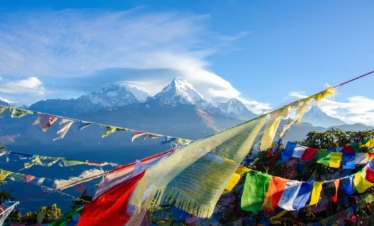
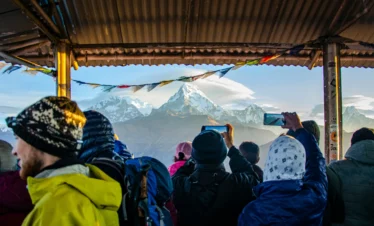
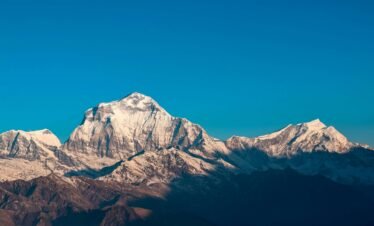
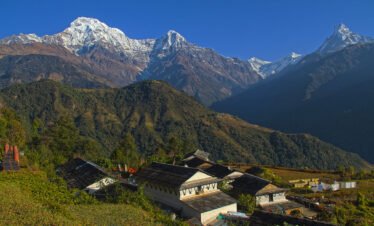
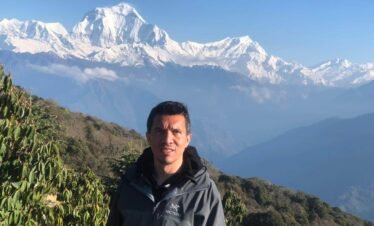
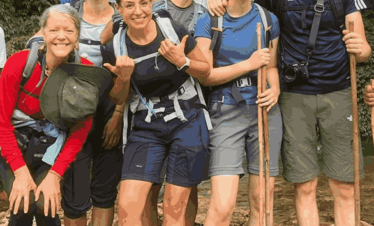
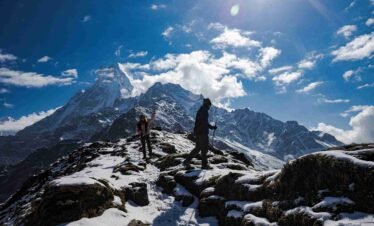
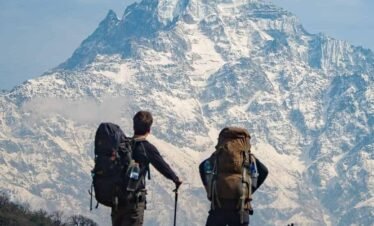
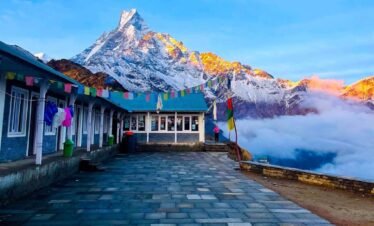
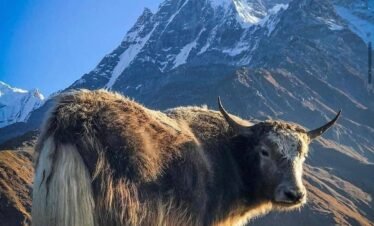
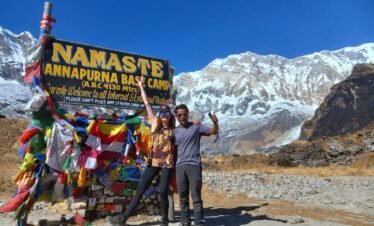
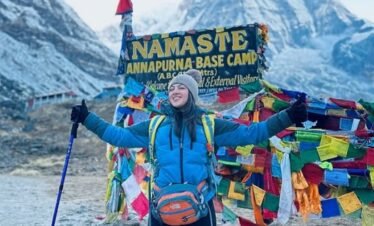
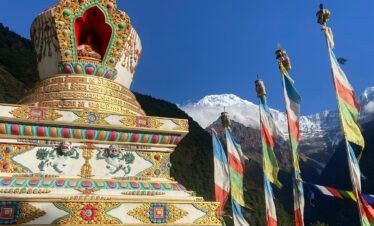
Write a Review
You must be logged in to post a comment.