
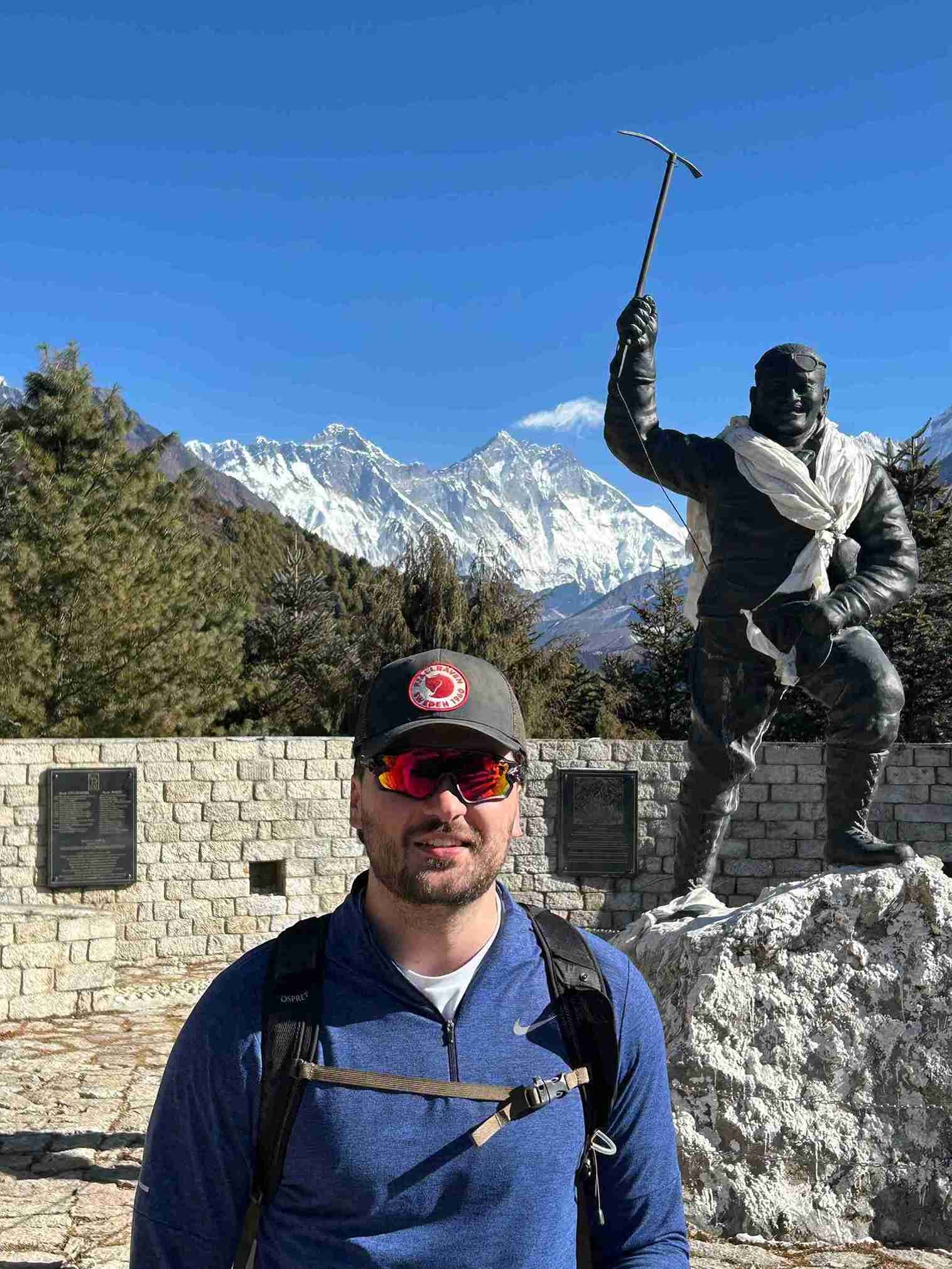
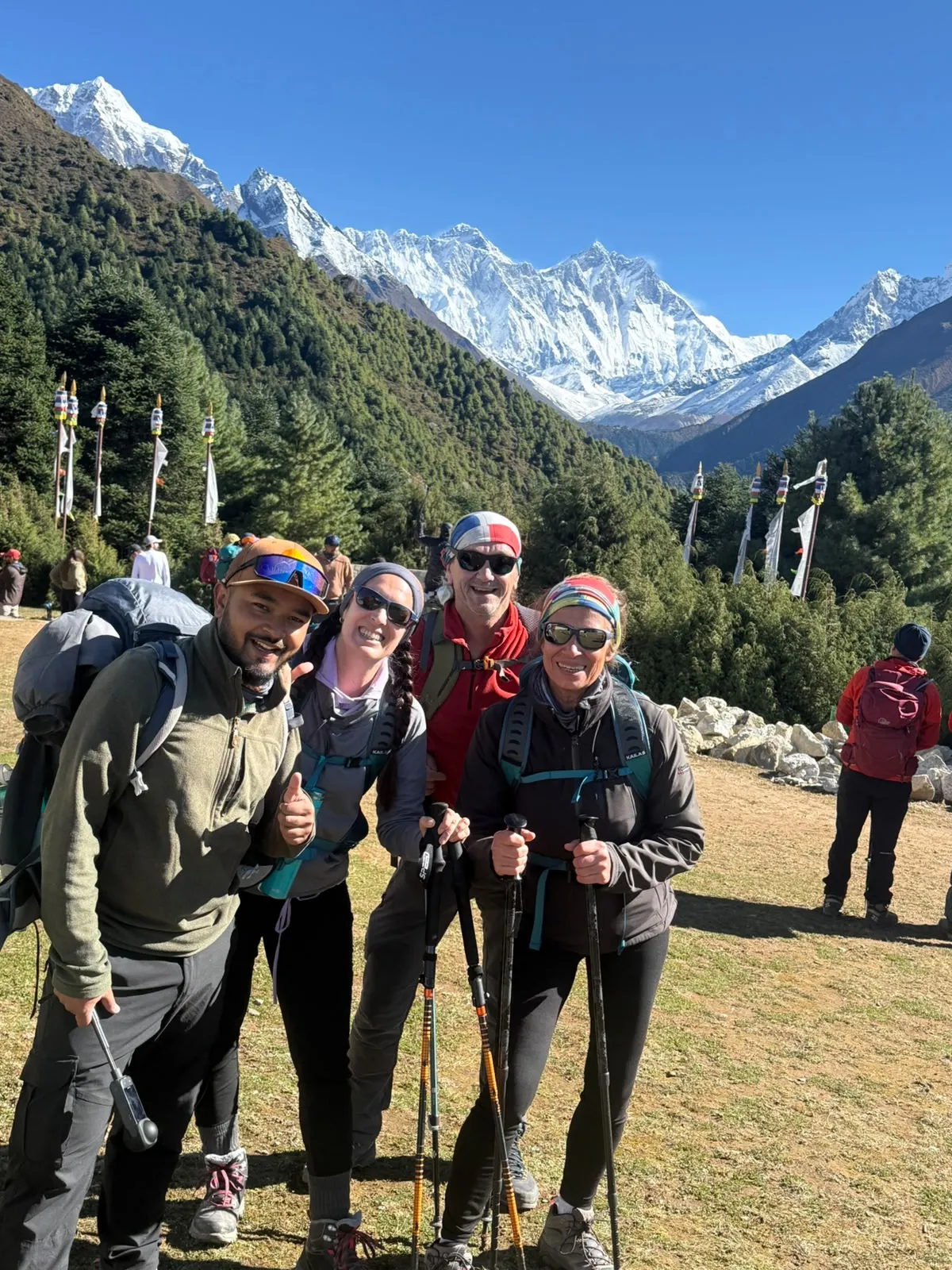
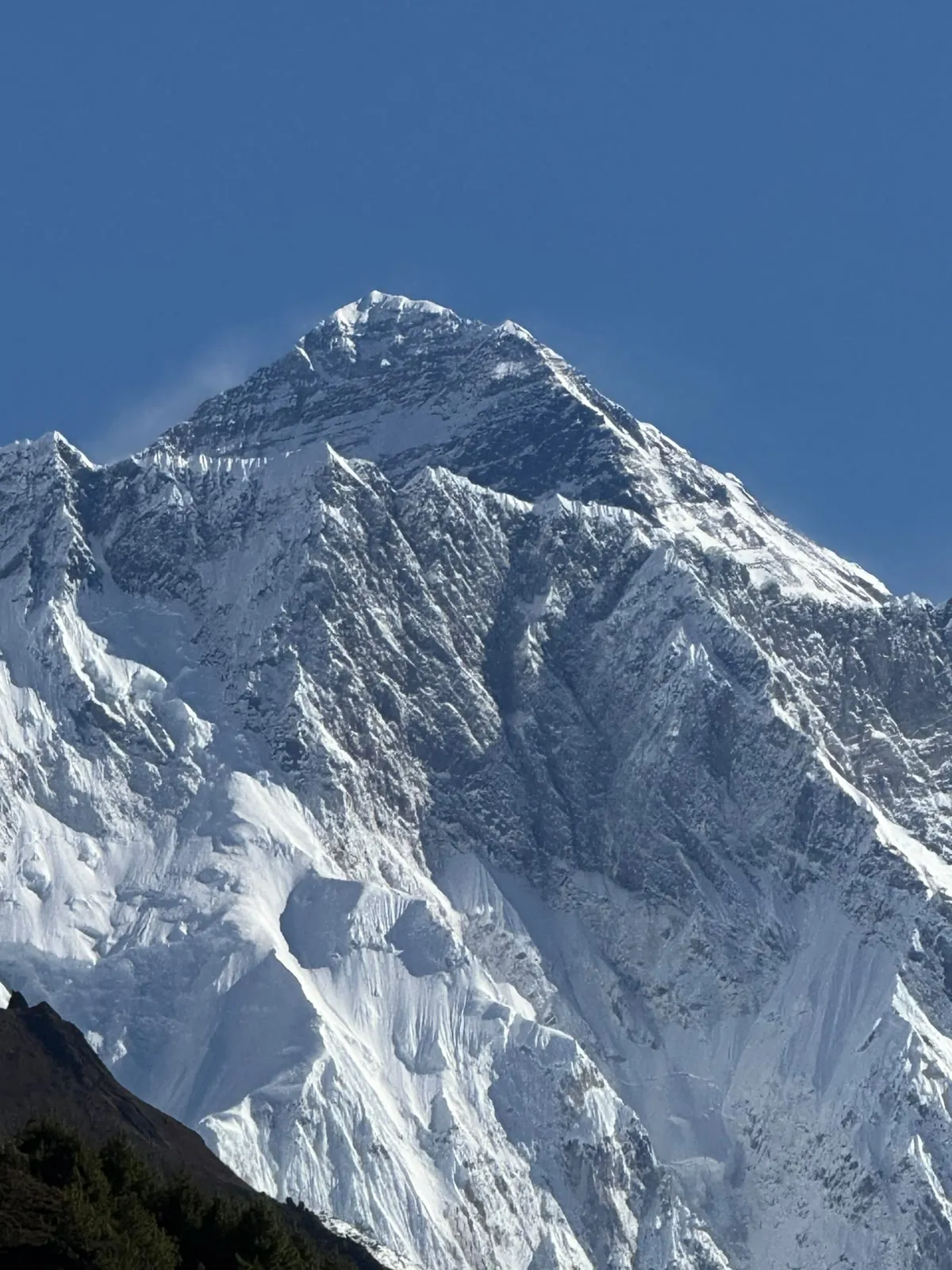
The Everest View Trek is Nepal’s most rewarding short trekking adventure in the Khumbu region, offering breathtaking panoramic views of Mount Everest and the surrounding Himalayan giants without the extreme altitude or duration of the full Everest Base Camp Trek route. In just 8 days, this carefully designed route takes you from Kathmandu through classic Sherpa villages, past roaring glacial rivers, all the way up to the world-famous Hotel Everest View at 3,880 meters, and on to the sacred Tengboche Monastery at 3,860 meters. The result is a genuine, deeply fulfilling Himalayan experience that is accessible to first-time trekkers, families, older adventurers, and anyone with limited time who still wants to stand face to face with the world’s highest mountain.
What Is the Everest View Trek?
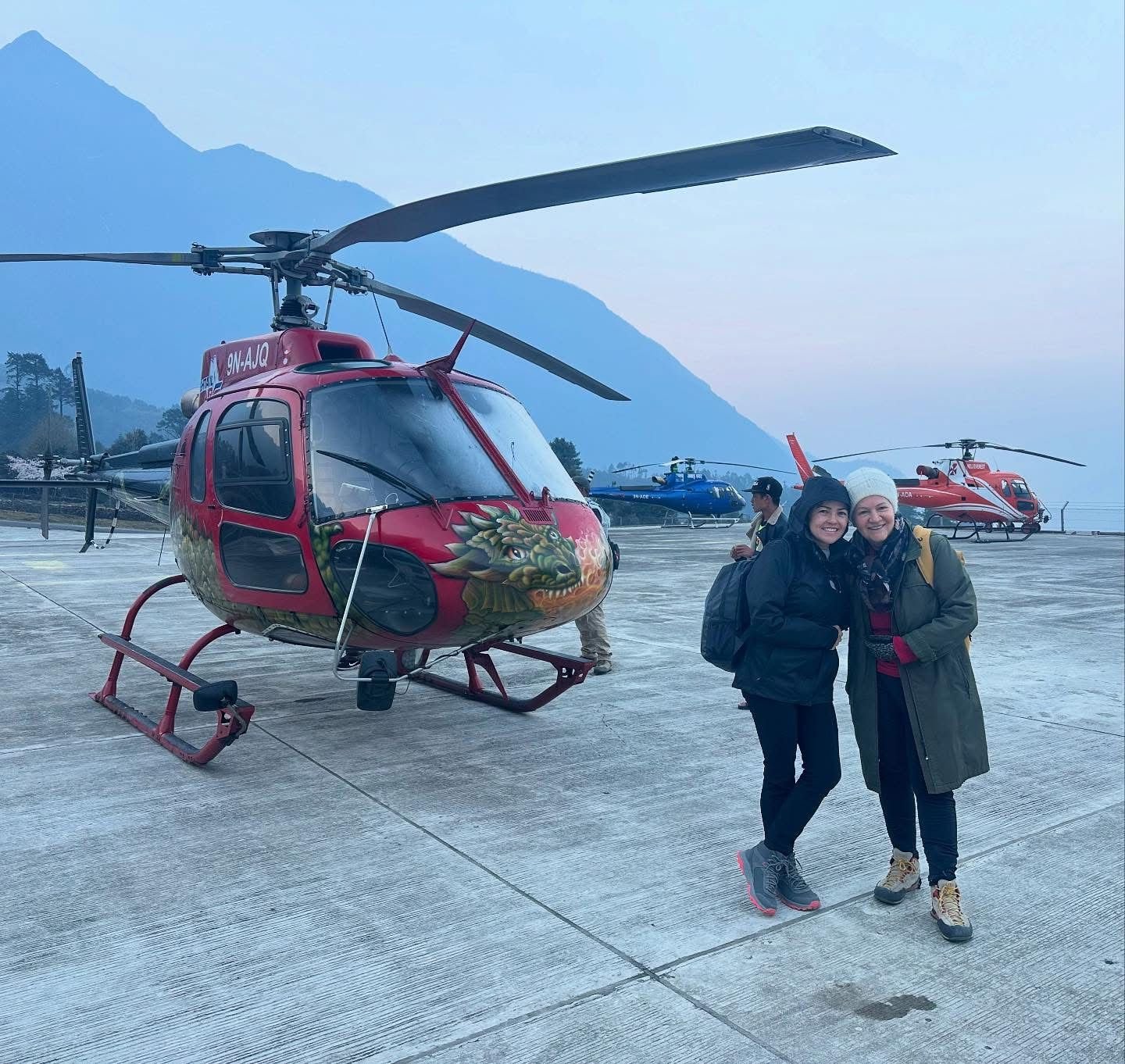
The Everest View Trek is a classic short trekking route in the Solukhumbu district of northeastern Nepal that follows the lower section of the iconic Everest Base Camp trail. It begins with a scenic 35-minute mountain flight from Kathmandu to Tenzing Hillary Airport in Lukla, one of the most thrilling airstrips in the world. From Lukla the trail passes through the Sherpa village of Phakding, crosses the famous Hillary Suspension Bridge above the Dudh Kosi River gorge, and climbs steeply to Namche Bazaar at 3,440 meters the commercial capital and cultural heart of the Sherpa people.
From Namche the route branches upward to Syangboche ridge and the world-famous Hotel Everest View, recognized by the Guinness World Records as the highest-placed hotel on earth. The view from its outdoor terrace Mount Everest (8,848m), Lhotse (8,516m), Nuptse, and Ama Dablam filling every inch of the horizon is the defining experience that gives this trek its name. The trail then continues to Tengboche Monastery, one of the most sacred and scenically dramatic religious sites in the entire Himalayan region, before descending back to Lukla for the return flight to Kathmandu.
The maximum altitude on the Everest View Trek is 3,880 meters. This is well within comfortable reach for most healthy adults given proper acclimatization, making this trek suitable for beginners, older trekkers, and anyone who has been put off by the extreme altitude of the full Everest Base Camp route. Despite being a shorter and lower journey, the Everest View Trek delivers some of the most iconic scenery, Sherpa culture, and mountain drama available anywhere in Nepal.
Why the Everest View Trek Is Not a Consolation Prize
Many trekkers assume the Everest View Trek is a lesser version of Everest Base Camp chosen by people who could not manage the full route. This is a misunderstanding. The Everest View Trek is a genuinely different experience that many experienced trekkers who have done both routes prefer. Above Namche Bazaar the trail is noticeably quieter than the main EBC route. The pace is unhurried. The views from Tengboche Monastery, looking up at Ama Dablam with Everest behind it, are widely considered more dramatic than the flat glacial view at Base Camp itself.
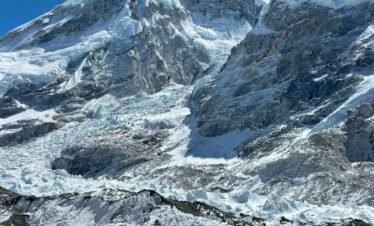
You are looking at Everest from the front, from a position where the full mountain and its neighbours fill your entire field of vision. At Everest Base Camp you are standing at the foot of the Khumbu Icefall looking up at a wall of ice. Both are extraordinary. But the panoramic mountain views available on the Everest View Trek, particularly from Hotel Everest View and from Tengboche, have a scale and drama that many trekkers find even more visually powerful.
Hotel Everest View: The World’s Highest Hotel
The single most memorable moment on the Everest View Trek for most people is the acclimatization day hike up to Hotel Everest View. This remarkable lodge sits at 3,880 meters on Syangboche ridge, a 3 to 4 hour hike above Namche Bazaar. It was built in 1971 by a Japanese entrepreneur, and in 2004 it was entered into the Guinness World Records as the world’s highest-placed hotel on earth. The design of the hotel was controversial at the time the original guests frequently suffered altitude sickness and had to be helicoptered back down but today the hotel is accessible to any reasonably fit trekker.
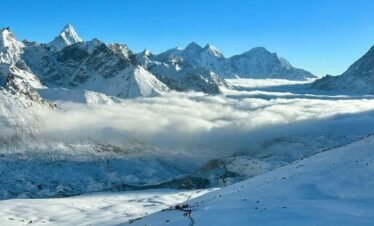
The outdoor terrace of Hotel Everest View offers one of the most extraordinary unobstructed panoramas available anywhere on the planet. Mount Everest, the summit pyramid that dominates everything, rises directly ahead. Lhotse and Nuptse flank it on either side. Ama Dablam soars to the right, one of the most beautiful mountains in the world. Thamserku and Kangteiga complete the horizon. Sitting at a table on this terrace with a steaming cup of tea or coffee while Everest fills the sky above you is a bucket list moment that no photograph can fully prepare you for.
Namche Bazaar: The Sherpa Capital of the Khumbu
Namche Bazaar is the most important and interesting stop on the Everest View Trek. Situated at 3,440 meters in a natural amphitheater scooped into the hillside above the Dudh Kosi River, Namche is a surprisingly well-equipped mountain town with teahouses, bakeries, coffee shops, gear stores, ATMs, and a lively weekend market that has been running for centuries. Walking into Namche for the first time after the steep climb from the valley feels like discovering a secret world hidden in the mountains.
The town is a hub for everyone passing through the Khumbu trekkers, climbers, traders, Sherpa guides, and local villagers. The Sherpa Culture Museum in Namche provides an excellent introduction to the history, religion, and traditions of the Sherpa people and is well worth a visit. The weekly market on Friday and Saturday brings Tibetan traders and local farmers together in a gathering that feels genuinely unchanged from decades ago. On clear mornings the very tip of Mount Everest is visible above the ridge from the upper streets of Namche — your first real sight of the summit you have come so far to find.
Khumjung Village: Where Sir Edmund Hillary Left His Legacy
A short walk from Hotel Everest View across the Syangboche ridge brings you to Khumjung village at 3,790 meters — one of the most authentic and well-preserved Sherpa villages in the entire Khumbu. The Khumjung Monastery is famous worldwide for housing what is claimed to be a genuine Yeti scalp, kept in a wooden box inside the monastery and shown to visitors on request. Whether you believe in the Yeti or not, the monastery is beautifully maintained and the monks inside are welcoming.
Khumjung is also home to the Hillary School, established in 1961 by Sir Edmund Hillary as part of his lifelong commitment to giving back to the Sherpa community that supported his historic 1953 Everest summit. The school is still operating today, providing education to children from Khumjung and surrounding villages. Seeing it in the middle of this high-altitude Sherpa village is a quietly moving reminder of the deep and lasting relationship between the outside world and the people of the Khumbu.
Tengboche Monastery: A Sacred Encounter with the Himalayas
Tengboche Monastery at 3,860 meters is one of the most photographed and spiritually significant sites in all of Nepal. Standing on a dramatic ridge at the entrance to the upper Khumbu Valley, the monastery was originally established in 1916 by the revered lama Ngawang Tenzin Norbu. It was damaged by the 1934 earthquake and destroyed by fire in 1989, then rebuilt in 1993 with international support. The rebuilt monastery is stunning both inside and out.
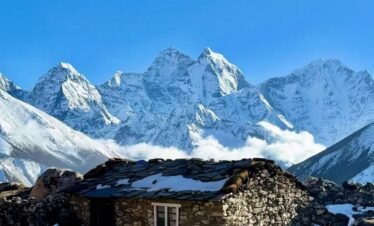
The interior of the monastery contains large thangka paintings, elaborate wall murals, traditional Buddhist sculptures, and a central statue of the future Buddha that radiates peace and intention. The setting is extraordinary: Ama Dablam rises directly behind the monastery like a natural spire, Mount Everest and Lhotse dominate the northern horizon, and Thamserku and Kantega fill the eastern sky. Arriving at Tengboche in the late afternoon and witnessing the evening prayer ceremony, monks chanting, drums sounding, incense drifting through the golden light is one of the most atmospheric and memorable experiences available on any trek in Nepal.
If your timing aligns with the Mani Rimdu festival, held during the full moon of October or November, Tengboche becomes even more extraordinary. The festival features traditional mask dances, music, and ceremonies performed by the monastery’s monks, drawing pilgrims and trekkers from across the Khumbu region. Witnessing Mani Rimdu at Tengboche Monastery adds a remarkable cultural dimension to the Everest View Trek that makes the experience truly unique.
Difficulty Level: Who Can Do the Everest View Trek?
The Everest View Trek is rated easy to moderate and is suitable for most people in reasonable health without any prior mountaineering or trekking experience. Daily walking distances average between 12 and 18 kilometers over 3 to 7 hours depending on the day. The trails are well-established, clearly signposted, and traveled enough that you will rarely be walking without other trekkers nearby.
The two most demanding sections of the trek are the steep 600-meter climb from the Dudh Kosi valley to Namche Bazaar on Day 3, and the long return descent from Namche to Lukla on Day 7. Both sections are entirely manageable with a steady pace and good footwear. Trekking poles are especially helpful on the descent days. The altitude gain throughout the itinerary is gradual and the acclimatization day at Namche Bazaar gives most trekkers what they need to move comfortably to Tengboche.
The Everest View Trek is ideal for first-time trekkers in Nepal, people over 50 who are in good health, families with children above 10 years old, travelers with only one week available, and anyone seeking stunning Himalayan views without the challenge of very high altitude. It is also popular as a preparation trek for those planning to attempt Everest Base Camp in a future season.
Altitude Sickness on the Everest View Trek
Acute Mountain Sickness (AMS) can affect anyone at elevations above 2,500 meters regardless of age, fitness, or prior experience at altitude. Symptoms typically include persistent headache, nausea, dizziness, fatigue, and difficulty sleeping. On the Everest View Trek the main risk points are the climb to Namche Bazaar on Day 3 and the higher elevations at Hotel Everest View and Tengboche on Days 4 and 5.
The built-in acclimatization day at Namche Bazaar significantly reduces the risk of altitude sickness by giving your body time to adapt before moving higher. The classic acclimatization principle climb high, sleep low is exactly what the Hotel Everest View hike on Day 4 achieves. Our guides are trained to recognize AMS symptoms and know when and how to respond, including making the decision to descend if symptoms worsen. The most important preventive measures are staying well hydrated (drink 3 to 4 liters of water daily), walking slowly, eating regularly, getting adequate sleep, and avoiding alcohol for the first few days.
Sagarmatha National Park: A UNESCO World Heritage Site
The Everest View Trek takes you through Sagarmatha National Park, a 1,148 square kilometer protected area established in 1976 and designated a UNESCO World Heritage Site in 1979. The park is home to Mount Everest and several of the world’s highest peaks and protects a remarkable range of Himalayan flora and fauna. Wildlife includes the snow leopard, red panda, Himalayan tahr, musk deer, and over 150 species of birds including the Danphe (Himalayan monal), Nepal’s national bird.
The forests at lower elevations are dominated by rhododendron, birch, and juniper trees, which put on a spectacular display of pink and red blossoms during the spring trekking season. The park entrance checkpoint is at Monjo, just below Namche Bazaar, where you will present your entry permits before continuing into the upper Khumbu. Walking through this protected landscape with its suspension bridges, prayer flags, and views of the world’s highest peaks is one of the most extraordinary natural experiences available to any traveler.
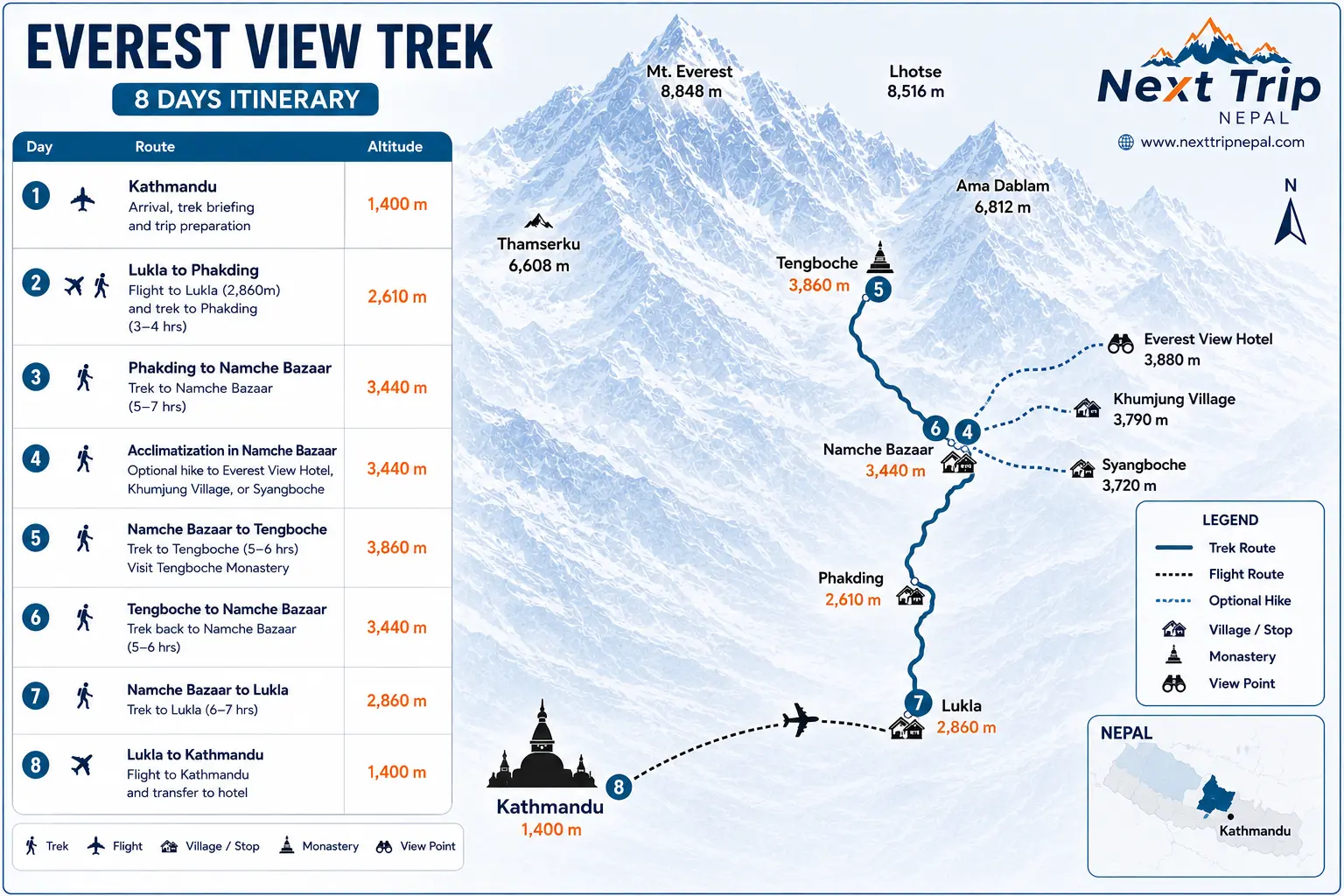
Everest View Trek Outline Itinerary
| Day | Route | Altitude |
|---|---|---|
| Day 01 | Arrive in Kathmandu, trek briefing and trip preparation | 1,400 m |
| Day 02 | Flight to Lukla and trek to Phakding (3–4 hours) | 2,610 m |
| Day 03 | Trek from Phakding to Namche Bazaar (5–7 hours) | 3,440 m |
| Day 04 | Acclimatization day in Namche Bazaar. Optional hike to Everest View Hotel, Khumjung Village, or Syangboche | 3,440 m |
| Day 05 | Trek from Namche Bazaar to Tengboche (5–6 hours). Visit the famous Tengboche Monastery with panoramic Himalayan views | 3,860 m |
| Day 06 | Trek from Tengboche back to Namche Bazaar (5–6 hours) | 3,440 m |
| Day 07 | Trek from Namche Bazaar to Lukla (6–7 hours) | 2,860 m |
| Day 08 | Flight from Lukla to Kathmandu and transfer to hotel | 1,400 m |
Food and Teahouses on the Everest View Trek
The teahouses along the Everest View Trek route provide simple but comfortable accommodation and all three meals per day. Rooms are typically twin-share with blankets provided, and most lodges in Namche Bazaar and Lukla offer hot showers for a small additional charge. At higher elevations like Tengboche accommodation is more basic but warm and perfectly adequate.
The food in Khumbu teahouses has improved enormously in recent years. Dal bhat the classic Nepali meal of lentil soup, steamed rice, and vegetables is the staple and is available everywhere. Pasta, noodle soup, fried rice, eggs, pancakes, momo dumplings, and apple pie can be found at larger stops like Namche. Tea, coffee, hot chocolate, and the ever-popular lemon honey ginger tea are available throughout the route. Prices increase with altitude so budget accordingly for extra drinks and snacks.
Sherpa Culture and the People of the Khumbu
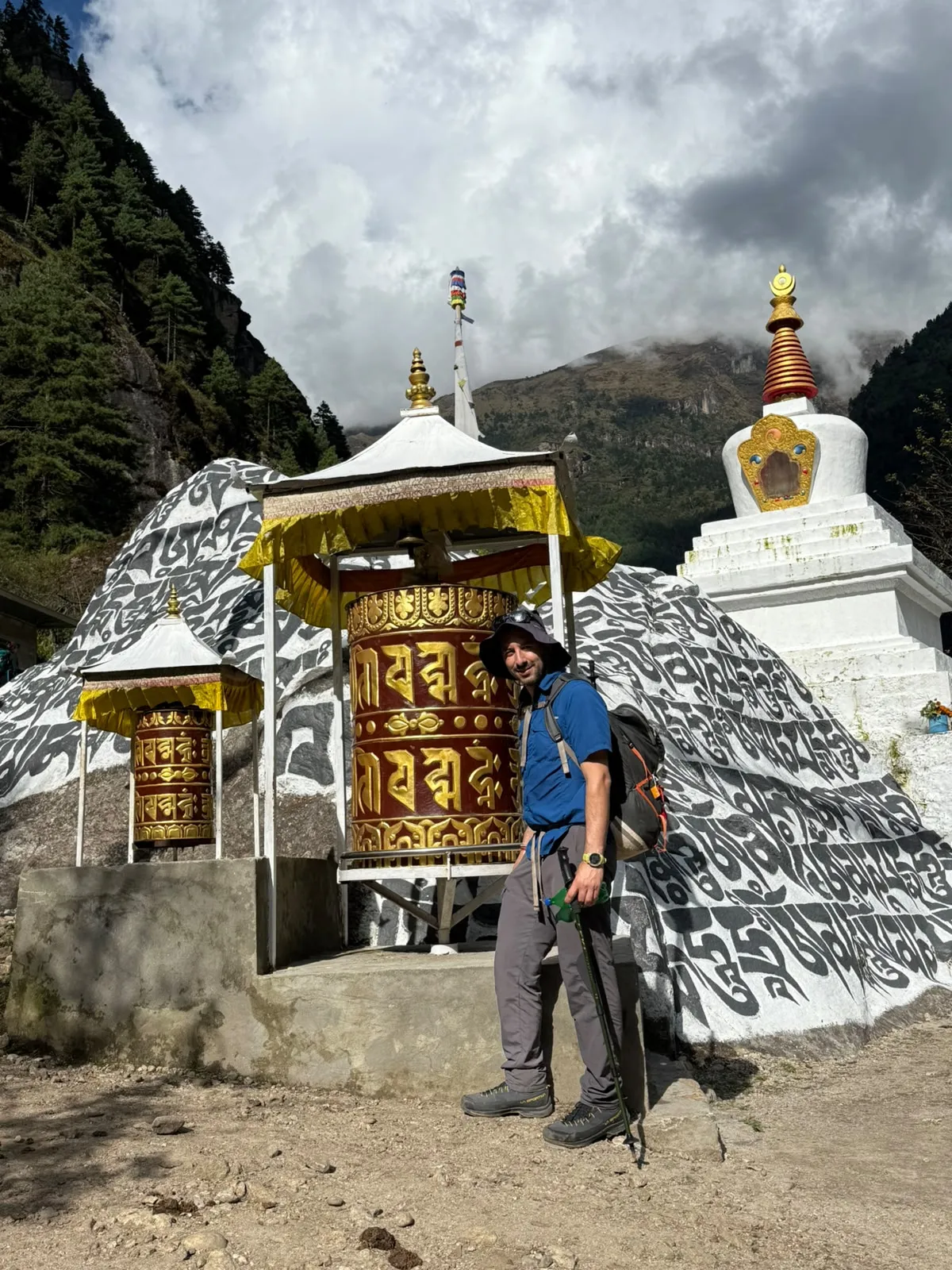
One of the most enriching aspects of the Everest View Trek is the opportunity to experience Sherpa culture up close and authentically. The Sherpa people are an ethnic group originally from the Kham region of Tibet who migrated to the Solukhumbu area of Nepal several centuries ago. Today they are renowned worldwide as exceptional mountain guides and climbers, but their culture is rich, warm, and deeply rooted in Tibetan Buddhism. The monasteries, prayer wheels, mani walls, and colorful prayer flags you encounter throughout the trek are all expressions of a living and active religious tradition.
As you walk through Phakding, Namche Bazaar, Khumjung, and Tengboche you will see how the Sherpa people have built a remarkable community in one of the world’s most challenging environments. Taking the time to spin a prayer wheel clockwise as you pass, observe a monastery ceremony, or share a cup of tea with your guide and ask about local life will enrich your Everest View Trek experience far beyond what any itinerary can describe. The warmth and pride that Sherpa guides and teahouse owners bring to their interactions with visitors is one of the defining qualities of trekking in the Khumbu.
Book Your Everest View Trek with Next Trip Nepal
The Everest View Trek is available throughout the year with flexible departure dates to suit your travel plans. Next Trip Nepal is a locally owned and operated trekking company based in Kathmandu with experienced and licensed Sherpa guides who know the Khumbu trails intimately. Our fully inclusive packages cover everything from airport transfers and Lukla flights to all permits, accommodation, meals, and guide and porter support. Group sizes are kept small to ensure a personal and attentive experience at every stage of the journey.
Whether you are traveling solo, as a couple, with family, or in a small group, our team will tailor the Everest View Trek to match your pace, interests, and fitness level. For detailed package costs, available departure dates, and to start planning your Himalayan adventure, get in touch with our team. We are available by phone, email, and WhatsApp to answer your questions and help you prepare for one of the most beautiful journeys on earth.


Everest Base Camp Trek Overview
The Everest View Trek is one of Nepal’s best short trekking adventures, designed for travelers who want to experience the legendary Khumbu region and see Mount Everest up close without the extreme altitude and duration of the full Everest Base Camp trek. In just 7 days, this route takes you from a dramatic mountain flight to Lukla through classic Sherpa villages, across iconic suspension bridges, up to the world-famous Hotel Everest View at 3,880 meters, and on to Tengboche Monastery, one of the most sacred and scenically positioned sites in the entire Himalayan region.
The maximum altitude is 3,880 meters, making this trek accessible to most healthy adults without prior high-altitude experience. The built-in acclimatization day at Namche Bazaar ensures your body adjusts safely before reaching the high points of the route. Along the way you will walk through Sagarmatha National Park, explore the vibrant Sherpa market town of Namche Bazaar, visit the historic Khumjung village, and experience the warmth of the Sherpa people who have called these mountains home for centuries.
Next Trip Nepal offers fully guided Everest View Trek packages with licensed Sherpa guides, dedicated porters, all permits, domestic flights, teahouse accommodation, and all meals on the trail. A genuine Himalayan experience made accessible for trekkers of all backgrounds.
14 Days Everest Base Camp Trek Highlights
- Panoramic views of Mount Everest (8,848m), Lhotse, Nuptse, and Ama Dablam throughout the trek
- Visit Hotel Everest View (3,880m) at Syangboche — the world's highest placed hotel listed by Guinness World Records
- Explore Namche Bazaar, the vibrant Sherpa capital and cultural hub of the entire Khumbu region
- Scenic 35-minute mountain flight to Tenzing Hillary Airport in Lukla
- Visit Tengboche Monastery (3,860m), the largest and most famous monastery in the Khumbu
- Walk across the iconic Hillary Suspension Bridge over the roaring Dudh Kosi River gorge
- Explore Khumjung village, home to the Hillary School and the monastery with the famous Yeti scalp
- Trek through Sagarmatha National Park, a UNESCO World Heritage Site
- Experience authentic Sherpa culture, teahouse hospitality, and high mountain lifestyle
- Maximum altitude 3,880m — no extreme altitude, suitable for fit beginners and families
Write a Review
You must be logged in to post a comment.