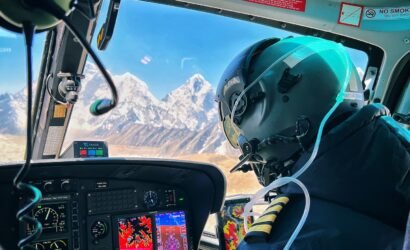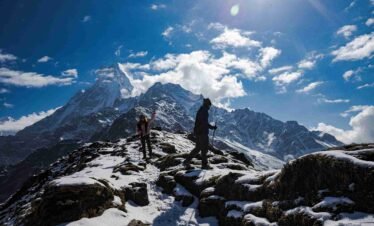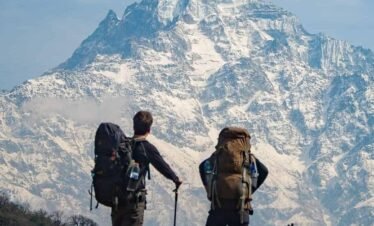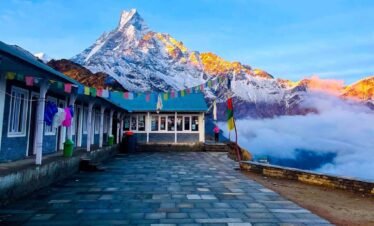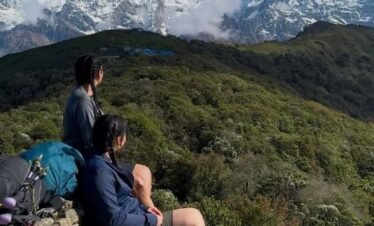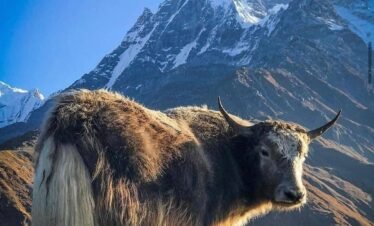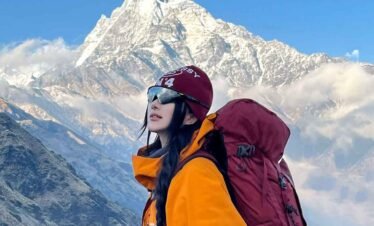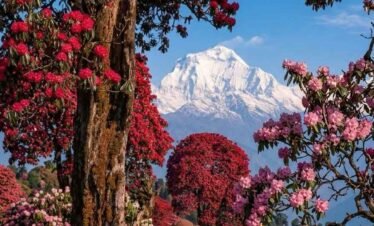
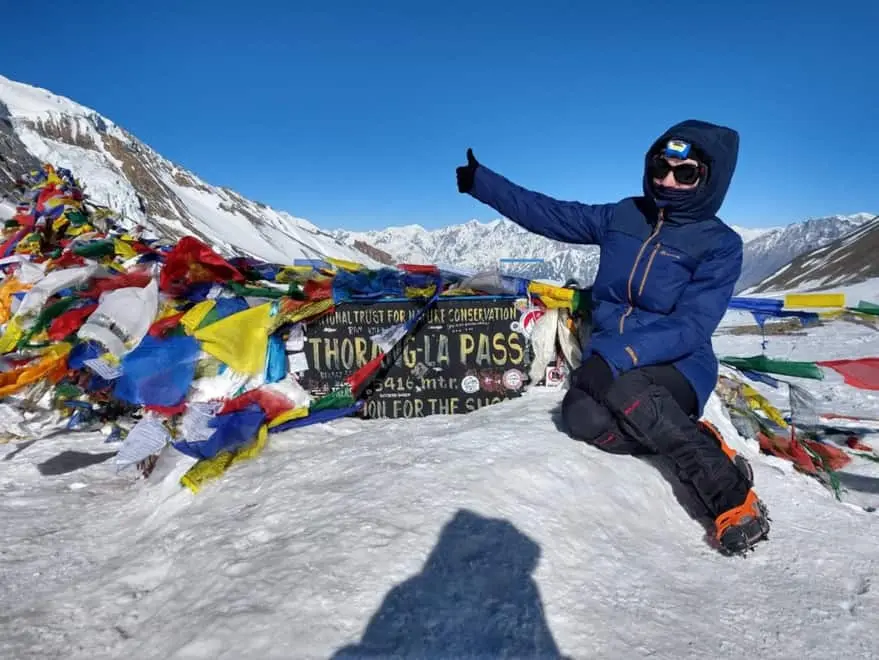
The Annapurna Circuit Trek is one of the most popular and diverse trekking routes in Nepal, offering a complete Himalayan experience in a single journey. ACT classic trek circles the Annapurna Massif, passing through traditional villages, lush valleys, and high-altitude landscapes before crossing the famous Thorong La Pass (5,416 m).
Known for its scenic beauty, cultural richness, and gradual altitude gain, the Annapurna Circuit trek is ideal for trekkers seeking a balanced mix of adventure and comfort. With flexible itineraries, tea house accommodation, and stunning views of peaks like Annapurna I and Dhaulagiri, it remains one of the best trekking options in Nepal.
Annapurna Circuit Trek Cost – 14 Days
| Group Size | Price Per Person | Duration | Action |
|---|---|---|---|
| 1 Person | USD 1445 | 14 Days | Inquiry |
| 2 Persons | USD 1375 | 14 Days | Inquiry |
| 3–5 Persons | USD 1275 | 14 Days | Inquiry |
| 6–8 Persons | USD 1175 | 14 Days | Inquiry |
| 9–12 Persons | USD 1075 | 14 Days | Inquiry |
| 13+ Persons | USD 975 | 14 Days | Inquiry |
The above cost includes permits, accommodation, meals during the trek, transportation, and an experienced guide. Contact us directly on WhatsApp for custom itinerary and best price.


Annapurna Circuit Trek Overview
The Annapurna Circuit Trek stands as one of the most rewarding long distance treks in the world, circling the entire Annapurna massif through a remarkable variety of landscapes, cultures, and ecosystems. This 14 day journey takes you from subtropical forests at 800 meters to the challenging Thorong La Pass at 5,416 meters, offering an unmatched Himalayan experience that combines natural beauty with deep cultural immersion.
Starting from Dharapani in the Marsyangdi Valley, the trail gradually ascends through terraced farmlands, dense pine forests, and traditional Gurung villages before entering the high alpine zone of Manang. Here, Tibetan Buddhist culture dominates, with ancient monasteries, prayer flags, and stone houses reflecting centuries of mountain tradition. After proper acclimatization in Manang, trekkers continue toward the trek’s highlight: crossing Thorong La Pass, where panoramic views of Annapurna, Dhaulagiri, and dozens of other peaks create a Best moment.
The descent leads to Muktinath, a sacred pilgrimage site for both Hindus and Buddhists, before continuing through the arid Mustang region. The trek concludes with a scenic flight from Jomsom to Pokhara, offering aerial views of the world’s deepest gorge between Dhaulagiri and Annapurna.
In contrast to many Himalayan treks that follow a single valley up and back, the Annapurna Circuit offers a diverse range of scenery. You walk through multiple climate zones from monsoon-influenced southern slopes to the dry rain shadow of the Tibetan plateau. Temperature variations range from warm valley temperatures of 20 degrees Celsius to freezing conditions of minus 15 degrees at Thorong La Pass.
The cultural diversity matches the landscape variety. Hindu communities in the lower valleys give way to Buddhist Manangi and Tibetan influenced settlements at higher elevations. Each village offers unique architecture, food traditions, and local customs, creating a cultural journey as rich as the physical one.
The 14-day Annapurna Circuit trek requires good physical fitness and mental preparation but does not demand technical climbing skills. With proper acclimatization, steady pacing, and experienced guidance, trekkers of various backgrounds successfully complete the circuit each year. The key lies in realistic preparation, gradual altitude gain, and listening to your body throughout the journey.
Annapurna Circuit Trek – 14 Days Itinerary Outline
- Day 1: Drive from Kathmandu to Besisahar (760m) and continue to Dharapani (1,960m)
- Day 2: Trek from Dharapani to Chame (2,670m)
- Day 3: Trek from Chame to Pisang (3,200m)
- Day 4: Trek from Pisang to Manang (3,540m)
- Day 5: Acclimatization Day in Manang (visit Ice Lake or Gangapurna Lake)
- Day 6: Trek from Manang to Yak Kharka (4,050m)
- Day 7: Trek from Yak Kharka to Thorong Phedi (4,540m)
- Day 8: Cross Thorong La Pass (5,416m) and trek to Muktinath (3,760m)
- Day 9: Drive from Muktinath to Tatopani (1,200m) via Jomsom
- Day 10: Trek from Tatopani to Ghorepani (2,860m)
- Day 11: Early hike to Poon Hill (3,210m), trek to Tadapani (2,630m)
- Day 12: Trek from Tadapani to Ghandruk (1,940m) and drive to Pokhara
- Day 13: Drive or fly from Pokhara to Kathmandu
- Day 14: Final departure from Kathmandu
14 Days Annapurna Circuit Trek Highlight
- Cross Thorong La Pass at 5,416 meters, one of the highest trekking passes in the world
- Witness panoramic views of Annapurna I (8,091m), Annapurna II (7,937m), Annapurna III (7,555m), and Annapurna IV (7,525m)
- Trek alongside the Marsyangdi River through dramatic gorges and valleys
- Experience the world's deepest gorge, the Kali Gandaki, between Dhaulagiri and Annapurna
- Walk through landscapes ranging from subtropical forests to high alpine desert
- Visit Manang village and attend altitude sickness briefing at Himalayan Rescue Association clinic
- Explore ancient Braga Monastery with 500 year old murals and religious artifacts
- Witness Tibetan Buddhist culture in Manang and upper valley settlements
- Circle the entire Annapurna massif rather than retracing your steps
- Experience dramatic climate and vegetation changes within a single trek
Detailed 14 Day Annapurna Circuit Trek Itinerary
Your adventure begins when you land at Tribhuvan International Airport in Kathmandu. Our representative from Next Trip Nepal will be waiting at the arrival gate holding a sign with your name, ready to welcome you with traditional Nepali greeting and white khata (ceremonial scarf). The drive to your hotel in Thamel takes approximately 30 minutes depending on traffic conditions.
After settling into your hotel, you can rest or explore the vibrant Thamel neighborhood known for its trekking shops, restaurants, and colorful streets. In the evening, you will meet your trekking guide at the hotel for a comprehensive trek briefing. During this session, your guide will review the complete 14 day itinerary with daily plans and altitude profiles, discuss altitude sickness symptoms and prevention methods, check your trekking gear, answer all questions, provide included equipment (duffel bag, down jacket, sleeping bag), and collect copies of your passport and insurance documents.
The journey begins early, typically departing Kathmandu between 6 and 7 AM to maximize daylight driving hours. The route follows the Prithvi Highway, one of Nepal’s main roads connecting Kathmandu to Pokhara. Initially, the road descends toward the Trishuli River, passing through small towns and roadside settlements.
The first major stop comes at Mugling, where the Trishuli and Marsyangdi rivers meet. From Besisahar, a rough jeep track follows the Marsyangdi River through increasingly narrow valley sections. The road passes through Ngadi, Bahundanda, Syange, and Jagat, with waterfalls cascading beside the route and dramatic cliff faces rising above.
The landscape transforms from lowland rice paddies to hill farms and eventually pine forests as elevation increases. Small suspension bridges cross side streams, and the roar of the Marsyangdi River provides constant background sound.
Dharapani sits at approximately 1,860 meters where the main Annapurna Circuit trail meets the route from Manaslu region. The village features basic but comfortable teahouses with stone houses and slate roofs. Upon arrival, you check into your lodge, settle into your room, and enjoy your first dinner on the trek.
Walking Distance: 14 to 15 kilometers
Elevation Gain: 810 meters
Accommodation: Teahouse lodge in Chame
Meals: Breakfast, lunch, dinner
Your first full day of trekking begins after breakfast, typically starting between 7 and 8 AM. The trail initially follows the valley floor through pine and oak forests, with occasional glimpses of snow peaks through the trees. The path alternates between forest sections and open areas where the river valley widens.
Bagarchap village appears within the first hour of walking. This settlement marks a clear transition into Tibetan Buddhist cultural zones, with characteristic white painted houses, flat roofs, and ornate wooden windows. A large chorten at the village entrance displays prayer wheels that locals spin while passing.
Beyond Bagarchap, the trail continues through Danakyu and then climbs to Timang village. This section offers expanding mountain views when weather permits. The trail narrows in some sections where it has been carved into cliff faces above the river. These passages include steel cable handrails for safety.
Chame appears after crossing a final suspension bridge. As the district headquarters of Manang, Chame feels more developed than previous villages. Stone buildings line the main street, housing lodges, shops, a post office, and administrative offices. The village is known for nearby hot springs located about 10 to 15 minutes walk from the main settlement.
Your lodge in Chame typically offers rooms with attached bathrooms and hot showers (for a small charge). The dining room provides a cozy space to rest, journal, or chat with other trekkers. Evening temperatures drop noticeably compared to lower elevations, making the wood stove warmth particularly welcome.
Walking Distance: 14 to 15 kilometers
Elevation Gain: 630 meters
Accommodation: Teahouse lodge in Upper Pisang
Meals: Breakfast, lunch, dinner
After breakfast in Chame, the trail continues climbing gradually through forest and occasional open sections. One of the trek’s most dramatic sections appears about 90 minutes from Chame where the valley narrows considerably with sheer rock walls rising hundreds of meters on both sides.
Bhratang village marks an important stop, known for its extensive apple orchards. Locals produce fresh apple products including pies, crumbles, juice, cider, and dried apple slices. The village’s bakeries serve trekkers seeking sweet treats and caffeine.
Beyond Bhratang, the trail crosses to the north side of the river via a long suspension bridge. The landscape opens dramatically as you approach Dhukur Pokhari area. Suddenly, the view expands to reveal massive peaks ahead. Annapurna II dominates the northern skyline while Pisang Peak rises impressively to the northeast.
The village of Pisang splits into two sections: Lower Pisang beside the river and Upper Pisang on the hillside about 200 meters higher. Most trekkers choose Upper Pisang for its superior views and quieter atmosphere. Upper Pisang maintains traditional character with stone houses clustered together and extensive agricultural terraces below the village.
The mountain panorama from Upper Pisang lodges is exceptional. From your lodge’s windows or outdoor seating areas, you can see Annapurna II, Annapurna IV, Annapurna III, and Pisang Peak
Walking Distance: Approximately 16 kilometers
Elevation Gain: 240 meters
Accommodation: Teahouse lodge in Manang
Meals: Breakfast, lunch, dinner
Today presents a choice between two routes to Manang: the lower route following the valley floor and road, or the upper route via ancient villages of Ghyaru and Ngawal. We take the upper route, which offers far superior views and cultural experiences despite requiring more climbing.
The trail climbs steeply from Upper Pisang, gaining approximately 300 meters in the first 90 minutes. Looking back, the Marsyangdi valley stretches south with a patchwork of agricultural terraces, scattered villages, and the massive Annapurna II and IV peaks forming the eastern wall.
Ghyaru village perches dramatically on a ridgetop at approximately 3,670 meters. The settlement exemplifies traditional Tibetan style architecture with flat roofed stone houses, covered walkways, and buildings clustered tightly together for wind protection. Narrow stone lanes wind between buildings with prayer flags fluttering from rooftops throughout the village.
From Ghyaru, the trail continues contouring along the hillside with minimal elevation change. The landscape has become noticeably drier as you enter the rain shadow effect of the Annapurna range.
Ngawal village appears after about 90 minutes of walking from Ghyaru. Larger and slightly more developed than Ghyaru, Ngawal maintains similar traditional architecture and atmosphere.
From Ngawal, the trail begins descending gradually toward Manang. The route passes through Braga, another traditional village notable for its ancient monastery clinging to the cliff face above the settlement. Braga Monastery dates back approximately 500 years and houses impressive wall murals, religious texts, and sculptures.
The final section from Braga to Manang follows a nearly level path, taking about 30 to 45 minutes. Manang stands as the largest settlement in this region and the cultural heart of Manangi culture.
In the late afternoon around 3 PM, trekkers can attend a free altitude sickness lecture at the Himalayan Rescue Association aid post. This informative session covers how altitude affects the human body, symptoms of altitude sickness, prevention strategies, and when to descend.
Rest Day with Optional Short Hikes
Optional Hiking: 3 to 4 hours
Accommodation: Same teahouse lodge in Manang
Meals: Breakfast, lunch, dinner
This rest day follows the critical mountaineering principle of “climb high, sleep low” for proper acclimatization. Rather than complete rest, you will take a short hike to higher elevation before returning to Manang’s altitude for the night.
Option 1: Gangapurna Lake and Glacier (Most Popular)
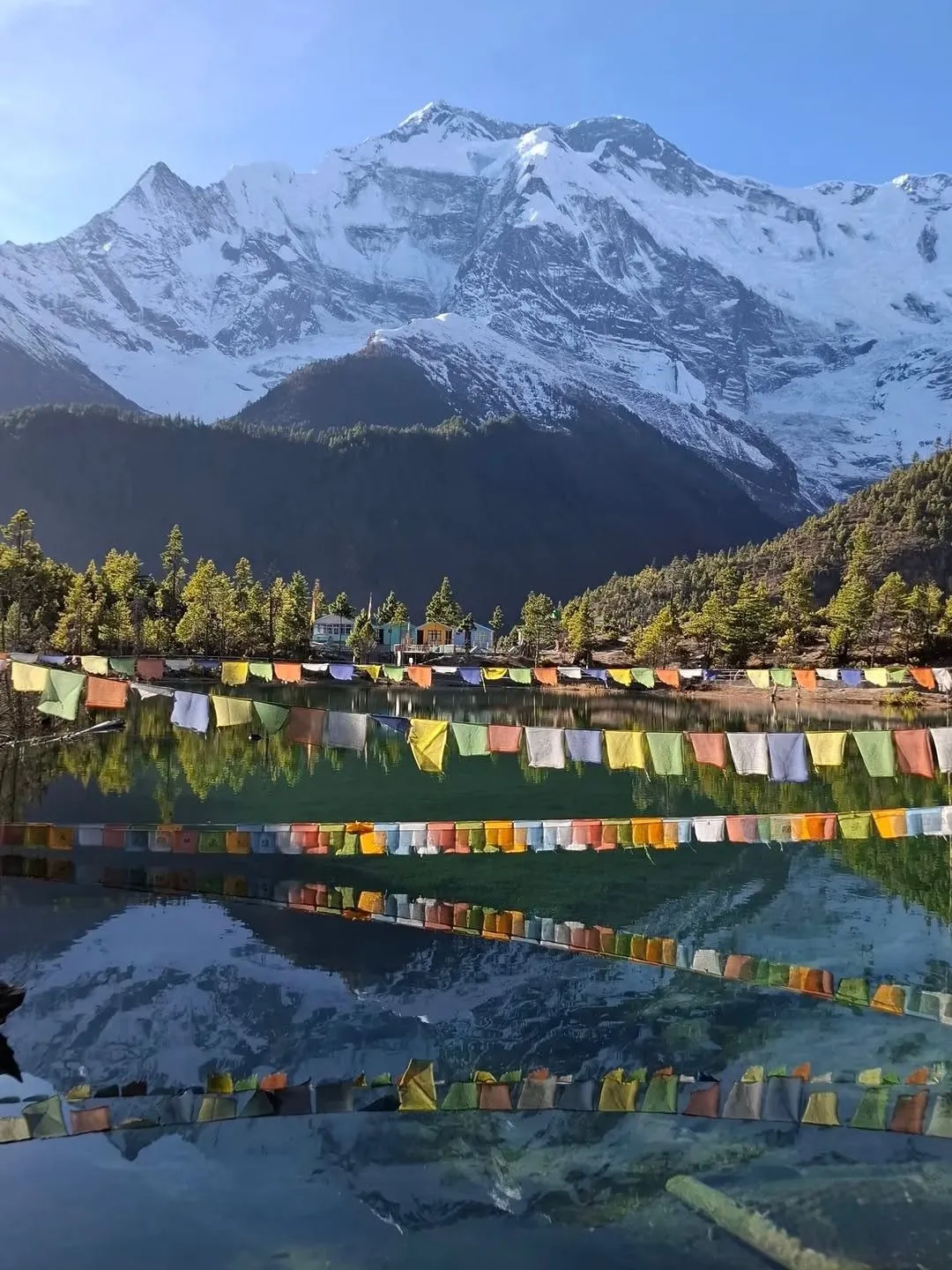
This hike takes approximately 3 to 4 hours round trip and reaches around 3,900 meters maximum elevation. Gangapurna Lake sits in a basin below the towering south face of Gangapurna peak (7,455m). The milky turquoise water comes from glacial melt, giving it a distinctive color. Beyond the lake, a rough trail continues to the glacier tongue where you can observe the massive river of ice descending from Gangapurna’s higher slopes.
Option 2: Milarepa’s Cave and Ridge Viewpoint
This alternative hike climbs the ridge east of Manang to approximately 4,000 meters. The steep trail passes Milarepa’s Cave, a religious site where the famous Tibetan Buddhist yogi Milarepa reportedly meditated. Continuing above the cave, the ridge trail reaches open slopes offering panoramic views of the entire Manang valley.
Option 3: Khangsar Village and Tilicho Lake Base Camp Trail
More ambitious trekkers might walk toward Khangsar village at the entrance to Tilicho Lake trek. This longer option (4 to 5 hours) reaches about 4,000 meters.
After returning from the morning hike, the afternoon provides time to relax, wash clothes, catch up on journaling, or explore Manang village. The village has several bakeries serving fresh baked goods, coffee, and hot chocolate.
Walking Distance: 10 to 11 kilometers
Elevation Gain: 510 meters
Accommodation: Basic teahouse lodge in Yak Kharka
Meals: Breakfast, lunch, dinner
Leaving Manang marks the beginning of the high altitude section of the trek. The trail climbs more noticeably today, and the air feels perceptibly thinner. The first village beyond Manang is Tengi, a small settlement. Beyond Tengi, the valley narrows and the trail begins climbing more steadily through juniper scrubland.
Gunsang village appears after about 2 to 3 hours of walking. This tiny settlement consists of just a few stone buildings serving as teahouses. From Gunsang, the landscape becomes progressively more barren. Vegetation reduces to low grasses, hardy shrubs, and occasional alpine flowers.
The trail climbs into genuine alpine zone habitat. Yaks graze these high pastures during summer months, giving Yak Kharka its name which literally means “yak pasture.” You might see these shaggy animals grazing the slopes. Blue sheep occasionally appear on distant slopes.
Yak Kharka settlement consists of just three or four basic lodges built to serve trekkers and seasonal herders at approximately 4,050 meters. The lodges offer basic twin rooms with foam mattresses and heavy blankets. Sleeping bags are absolutely essential. Bathroom facilities are shared outhouses.
Dining rooms center around a yak dung or wood burning stove. Temperature drops significantly after sunset, often reaching 0 degrees Celsius or below. Some people experience mild altitude symptoms tonight including slight headache, reduced appetite, or broken sleep. These are normal adjustments.
Walking Distance: 6 to 7 kilometers
Elevation Gain: 400 meters (or 800m if continuing to High Camp)
Accommodation: Basic lodge at Thorong Phedi or High Camp
Meals: Breakfast, lunch, dinner
Today’s relatively short walking day allows continued gradual acclimatization before tomorrow’s challenging pass crossing. The trail continues up the valley from Yak Kharka, initially crossing relatively flat sections before beginning steady climbing.
The trail passes through Letdar, a seasonal settlement even smaller than Yak Kharka. Beyond Letdar, the trail climbs more noticeably. The landscape becomes increasingly stark and rocky. The trail crosses the Jarsang Khola via a substantial suspension bridge before climbing through switchbacks carved into the mountainside.
Thorong Phedi comes into view after this climb. The name translates as “base of the hill” referring to Thorong La Pass rising steeply above. The tiny settlement consists of three or four lodges at approximately 4,450 meters.
Upon arrival, you face a decision with your guide: stay at Thorong Phedi for the night, or continue climbing another hour to High Camp at 4,850 meters. Most groups with members feeling strong continue to High Camp, which shortens tomorrow significantly. However, anyone showing altitude sickness symptoms should definitely stay lower at Phedi.
High Camp consists of a single lodge complex with basic dormitory style accommodation. The facilities are minimal, reflecting the extremely difficult logistics of operating at this altitude.
Regardless of where you stay, tomorrow requires an extremely early start. Dinner is served early, around 5 or 6 PM. Organize your gear for tomorrow, ensuring your warmest layers are easily accessible. Your guide will discuss the plan: wake up around 3 or 4 AM, simple breakfast, departure by 4:30 or 5 AM.
Walking Distance: Approximately 16 kilometers
Elevation Gain: 966 meters (from Phedi) or 566m (from High Camp)
Elevation Loss: 1,616 meters total descent
Accommodation: Lodge in Muktinath
Meals: Breakfast, packed lunch, dinner
This is the trek’s longest and most challenging day. Your alarm sounds around 3 AM (from Phedi) or 4 AM (from High Camp). The pre dawn cold is intense, with temperatures typically between minus 10 and minus 15 Celsius. Dress in all your warm layers.
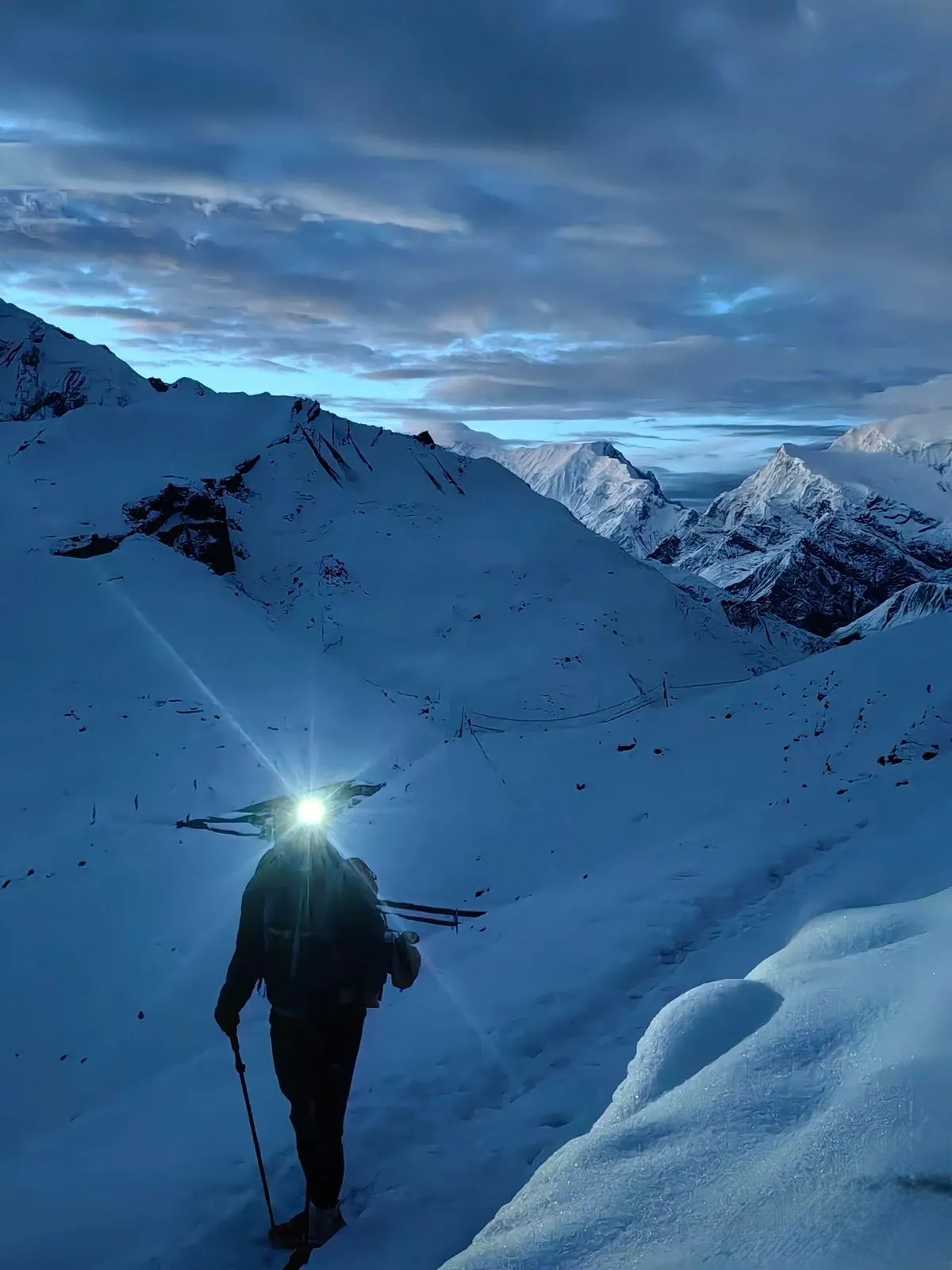
Breakfast consists of simple items: porridge, bread, eggs, and hot tea or coffee. Headlamps light the trail as you start walking in complete darkness. The trail climbs steadily, following a broad ridge or gully system toward the pass. The path zigzags in switchbacks, gaining elevation gradually.
The most important strategy is moving slowly and steadily. Walking too fast leads to exhaustion at altitude. As dawn approaches around 5:30 to 6 AM, the sky begins lightening and surrounding peaks emerge from darkness.
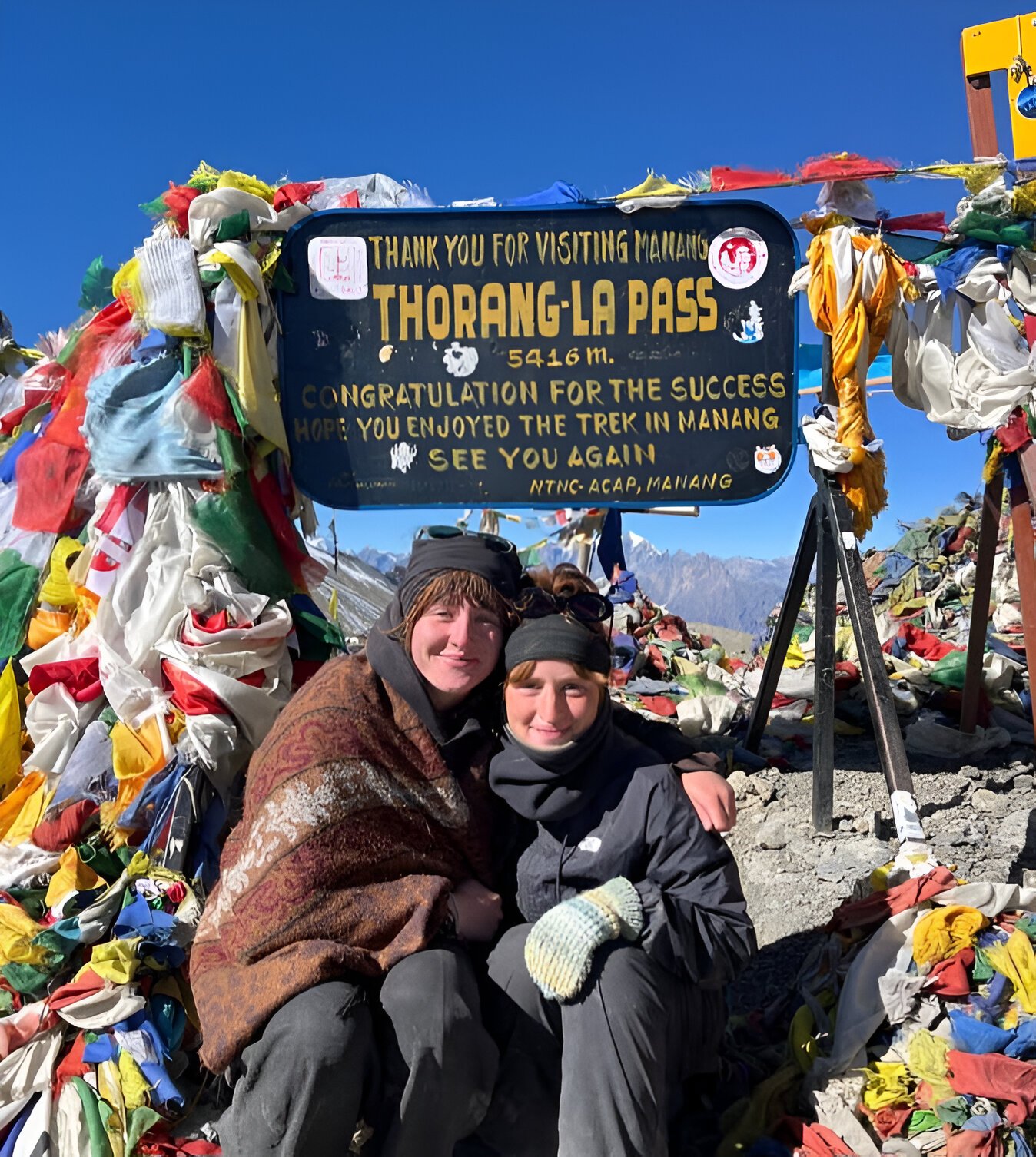
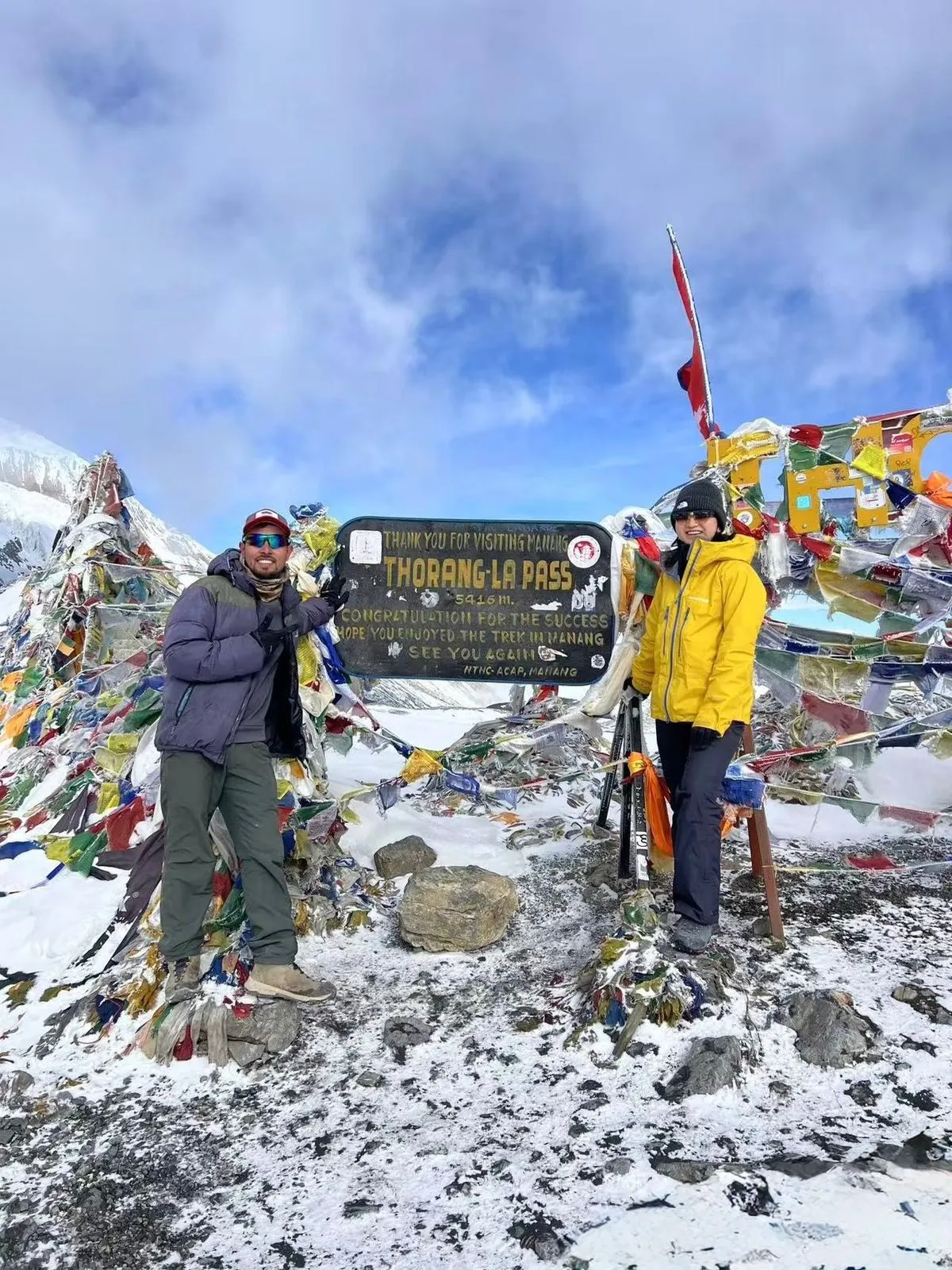
Around 6:30 to 7:30 AM, depending on your starting point and pace, you reach Thorong La Pass at 5,416 meters. The pass is marked by a wooden sign surrounded by prayer flags in all five colors. Views extend in multiple directions with the Annapurna range to the south and glimpses of the Tibetan plateau to the north.
Most groups spend 15 to 30 minutes at the pass taking photos and resting before the descent. Strong winds often build by mid morning, making prolonged stops uncomfortable.
The descent begins on the north side of the pass, dropping steeply down a rocky hillside. Some sections may have snow or ice. After about 1.5 to 2 hours of steady descent, you reach Chambar Phedi where some lodges operate for lunch or rest.
Muktinath comes into view across a flat plain. Muktinath is a significant pilgrimage site for both Hindus and Buddhists. The temple complex features 108 water spouts arranged around a courtyard. An eternal flame burns inside the temple, fueled by natural gas seeping from the rocks.
Your lodge in Muktinath provides welcome comfort after the challenging day with heated dining rooms and hot showers available.
Walking Distance: 16 to 17 kilometers
Elevation Loss: 1,080 meters
Accommodation: Lodge in Jomsom
Meals: Breakfast, lunch, dinner
After yesterday’s intensity, today’s trek feels like a recovery walk. The trail descends continuously but gradually. The first village south of Muktinath is Jharkot, an ancient settlement clinging to the hillside with historic monastery and sky caves.
The trail continues through Khingar before reaching Kagbeni, one of the most atmospheric medieval villages in Nepal. Kagbeni sits at the official entrance to Upper Mustang with fortified appearance and narrow alleyways. Kagbeni makes an excellent lunch stop.
From Kagbeni, the trail enters the heart of the Kali Gandaki valley. The landscape is remarkably arid with brown hills and sparse vegetation. The Kali Gandaki River flows powerfully through the center. Black stones called shaligrams can be found along the riverbanks – fossil ammonites considered sacred in Hinduism.
The valley is famous for strong winds that build during the day, sometimes reaching gale force speeds by afternoon. Most groups try to complete walking by midday.
Jomsom appears as a substantial town with government offices, an airport, shops, restaurants, and the largest permanent population between Manang and Pokhara. Jomsom’s lodges range from basic to surprisingly comfortable. The afternoon provides free time to rest, wash clothes, or explore the town.
Your guide will discuss tomorrow’s flight plan. Flights from Jomsom to Pokhara operate frequently but can be delayed or cancelled due to wind or weather.
Flight Duration: 20 minutes
Backup Option: 5 to 7 hour jeep drive if flight cancelled
Accommodation: Hotel in Pokhara
Meals: Breakfast included
The morning starts early with wake up around 5 or 6 AM. Jomsom Airport operates only during early morning before strong valley winds develop. After breakfast, you transfer to the airport for check in.
The aircraft used are small Twin Otter or Dornier planes with capacity for 15 to 20 passengers. Weather conditions determine whether flights operate. Your group might wait hours if conditions are marginal.
The flight south through the Kali Gandaki valley offers spectacular mountain views with Dhaulagiri to the west and Annapurna to the east. The aircraft flies at relatively low altitude. About halfway through, the aircraft crosses a pass and the landscape changes dramatically from arid browns to greens.
A vehicle transfers you to your hotel in the Lakeside area of Pokhara. The rest of the day is free time to relax. Many trekkers take long hot showers and enjoy being clean and warm. Lakeside offers numerous restaurants serving international cuisine.
Alternative: If flights don’t operate, a jeep drive to Pokhara takes 5 to 7 hours along a rough but scenic road through the valley.
Driving Distance: Approximately 200 kilometers
Accommodation: Hotel in Kathmandu
Meals: Breakfast included
After breakfast and hotel checkout, you board a tourist bus for the journey back to Kathmandu. Departure is typically around 7 or 8 AM. Tourist buses are more comfortable than local buses with cushioned seats and fewer stops.
The Prithvi Highway winds through mountainous terrain. The route passes through Dumre, Mugling, and follows the Trishuli River valley. Traffic increases noticeably as you approach Kathmandu with arrival in mid afternoon.
After checking into your Kathmandu hotel, the afternoon provides free time for shopping, visiting local sites, or resting.
Alternative: Flight from Pokhara to Kathmandu
A 25 minute domestic flight is available at approximately USD 100 to 150 per person (paid separately). The flight offers excellent mountain views on clear days.
Free Day for Rest or Exploration
Accommodation: Hotel in Kathmandu
Meals: Breakfast included
This extra day serves as buffer for any delays during the trek, particularly flight cancellations from Jomsom. If your trek proceeded on schedule, today becomes a bonus day to explore Kathmandu Valley or rest.
Popular activities include visiting UNESCO World Heritage sites like Swayambhunath, Pashupatinath Temple, Boudhanath Stupa, Patan Durbar Square, or Bhaktapur. You might book an Everest mountain flight, take a cooking class, visit the Garden of Dreams, or simply shop and relax.
Airport Transfer
Meals: Breakfast included
Your final morning in Nepal. The company arranges airport transfer three hours before your scheduled international departure. The drive from Thamel to Tribhuvan International Airport usually takes 20 to 40 minutes depending on traffic.
As you depart Nepal, you carry memories of mountain passes crossed, cultures experienced, challenges overcome, and landscapes that will remain vivid for years.
Cost Details
What’s Included in Annapurna Circuit Trek
- Accommodation
- 3 nights in 3-star category hotel in Kathmandu (twin sharing) with breakfast
- 1 night in 3-star category hotel in Pokhara (twin sharing) with breakfast
- 9 nights in teahouse lodges during trek (twin sharing rooms)
- Meals
- Full board meals during trek: breakfast, lunch, and dinner
- Tea and coffee with meals throughout the trek
- Breakfast included during hotel stays in Kathmandu and Pokhara
- Transportation
- Private vehicle transfer from airport to hotel upon arrival
- Private vehicle transfer from hotel to airport upon departure
- Private jeep transportation from Kathmandu to Dharapani
- Flight from Jomsom to Pokhara (one way)
- Tourist bus from Pokhara to Kathmandu
- Trekking Permits and Documentation
- Annapurna Conservation Area Permit (ACAP)
- All required government permits and entry fees
- All government and local taxes
- Professional Staff
- Experienced English speaking government licensed trekking guide
- Porter service: 1 porter for every 2 trekkers (carries up to 20kg combined)
- Guide and porter salaries, food, accommodation, insurance, and equipment
- All expenses for trekking staff
- Equipment Provided
- Down jacket for the trek (must be returned after trek)
- Sleeping bag rated to minus 15 Celsius (must be returned after trek)
- Duffel bag to pack your trekking gear (yours to keep)
- Trekking map of the Annapurna Circuit
- Next Trip Nepal t-shirt (yours to keep)
- Safety and Support
- Comprehensive first aid kit carried by guide
- Pulse oximeter for monitoring oxygen levels at high altitude
- Emergency rescue coordination assistance if needed
- 24-hour support from Next Trip Nepal Kathmandu office
- Administrative
- All official expenses and paperwork
- Trek completion certificate
- Pre-trek briefing and gear check
What’s Excluded in Your 13 Days Annapurna Base Camp Trek?
- Meals in Kathmandu (Lunch and Dinner).
- Meals in Pokhara (Lunch and Dinner).
- Nepal entry visa fee:
- $30 USD for 15 days
- $50 USD for 30 days
- $125 USD for 90 days
- (Visa can be obtained on arrival at Tribhuvan International Airport, Kathmandu).
- Travel and medical insurance.
- International airfare to and from Nepal.
- Personal expenses (such as laundry, telephone, souvenirs, and extra snacks).
- Alcoholic and non-alcoholic drinks (including tea, coffee, hot chocolate, and soft drinks) on the trek.
- Desserts and sweet items (chocolate, cake, pie, pudding).
- Hot shower and battery charging fees at tea houses (if applicable).
- Tips for your guide, porter, and driver (Tipping is expected).
Availability & Departure Dates
Planning a private trip? Fill out the form and our travel experts will be in touch shortly.
-
Guaranteed Group Discount Available Available PackagesWednesdayJune 10, 2026MondayJune 22, 2026$1,560$1,4497% OffAvailable
-
Guaranteed Group Discount Available Available PackagesThursdayJune 11, 2026TuesdayJune 23, 2026$1,560$1,4497% OffAvailable
-
Guaranteed Group Discount Available Available PackagesFridayJune 12, 2026WednesdayJune 24, 2026$1,560$1,4497% OffAvailable
Annapurna Circuit Trek Important information
Best Time for 14 Days Annapurna Circuit Trek with Temperature and Weather
The best time for the 14 days Annapurna Circuit Trek is during spring from March to May and autumn from September to November. These seasons provide stable weather, clear mountain views, and safer conditions for crossing Thorong La Pass at 5416 meters.
Due to the large altitude variation from low valleys to high mountain passes, temperature and weather conditions change significantly throughout the Annapurna Circuit Trek.
Spring Season March to May
Spring is one of the best seasons for the Annapurna Circuit Trek, with warming temperatures and improving trail conditions.
- Lower elevations: Day 15 to 25°C, Night 5 to 15°C
- Mid elevations: Day 10 to 20°C, Night 0 to 10°C
- High elevations: Day 5 to 15°C, Night -10 to 0°C
- Thorong La Pass (5416 m): Day -5 to 5°C, Night -15 to -5°C
Rhododendron forests bloom in lower sections, creating beautiful scenery. Snow may still be present at higher elevations, especially in March, but conditions improve toward May.
Advantages: Warmer temperatures, blooming landscapes, fewer crowds than autumn, good trekking conditions.
Disadvantages: Early spring may still have snow challenges, while May brings humidity and afternoon cloud build up.
Autumn Season September to November
Autumn is considered the best overall time for the 14 days Annapurna Circuit Trek due to clear skies and stable weather.
- Lower elevations: Day 15 to 25°C, Night 10 to 15°C
- Mid elevations: Day 10 to 20°C, Night 0 to 10°C
- High elevations: Day 5 to 15°C, Night -5 to 0°C
- Thorong La Pass: Day 0 to 10°C, Night -10 to -5°C
This season offers the clearest mountain views, dry trails, and the highest success rate for crossing Thorong La Pass.
Advantages: Stable weather, excellent visibility, comfortable trekking temperatures, fully operational lodges.
Disadvantages: October is busy with trekkers, popular sections can feel crowded, and advance booking is recommended.
Winter Season December to February
Winter trekking on the Annapurna Circuit is possible but challenging, especially at high altitude.
- Very cold temperatures at higher elevations
- Thorong La Pass may be blocked due to snow
- Some lodges in high altitude areas may close
Advantages: Quiet trails, clear skies, unique snow covered landscapes.
Disadvantages: Extreme cold, risk of pass closure, shorter daylight hours, suitable only for experienced trekkers.
Monsoon Season June to August
Monsoon brings heavy rain to the southern sections of the Annapurna Circuit, while areas like Manang remain relatively dry due to rain shadow.
- Heavy rain and muddy trails in lower regions
- Leeches below 2500 meters
- Cloud cover reduces mountain visibility
Advantages: Lush green landscapes, fewer trekkers, lower prices.
Disadvantages: Slippery trails, landslide risk, poor visibility, not ideal for first time trekkers.
Our Expert Recommendation
For the best experience on the 14 days Annapurna Circuit Trek, October is the most reliable month with clear views and stable weather. April is another excellent option with good conditions and fewer crowds.
If you prefer quieter trails, early March or late November can also offer good trekking conditions with fewer people on the route.
14 Days Annapurna Circuit Trek Difficulty and Physical Requirements
The 14 days Annapurna Circuit Trek is considered a moderate to strenuous trek due to its high altitude, long walking days, and varied terrain. The biggest challenge is crossing Thorong La Pass at 5416 meters, where oxygen levels drop to around 50 percent compared to sea level.
Trekkers should be prepared for daily walking, changing weather conditions, and basic accommodation throughout the route.
Overall Difficulty Level
The Annapurna Circuit Trek difficulty is influenced by several key factors:
- Maximum altitude of 5416 meters at Thorong La Pass
- Walking 5 to 7 hours per day for around 12 days
- Total trekking distance of approximately 160 to 180 kilometers
- Terrain including stone steps, rocky trails, river crossings, and high mountain passes
- Temperature variation from 20°C in lower areas to -15°C at high altitude
- Unpredictable mountain weather and wind conditions
Physical Requirements
To complete the 14 days Annapurna Circuit Trek comfortably, you should be able to:
- Walk continuously for 5 to 7 hours per day
- Carry a light daypack of around 5 to 7 kg
- Handle steady uphill climbs and long descents
- Maintain balance on uneven and rocky terrain
Recommended Preparation
Proper preparation significantly improves your trekking experience. We recommend starting training at least 8 to 12 weeks before your trek.
Cardiovascular Training
- Hiking with elevation gain
- Stair climbing with a backpack
- Running, jogging, or cycling
- Build endurance from 30 minutes up to 90 minutes per session
Strength Training
- Squats, lunges, and step ups
- Calf strengthening exercises
- Core workouts for stability
- Balance training for uneven trails
Practical Preparation
- Break in trekking boots before arrival
- Practice hiking with a loaded backpack
- Do multi day hikes if possible
- Test all gear before the trek
Who Can Complete the Annapurna Circuit Trek
The 14 days Annapurna Circuit Trek is achievable for many trekkers, including first time multi day hikers, as long as they prepare properly and follow a realistic pace. The trek is regularly completed by people of different age groups, including trekkers in their 60s and beyond.
Fitness, preparation, and mindset are more important than age.
Signs You Are Ready
- You can walk 6 to 7 hours with a light backpack without extreme fatigue
- You can climb around 800 to 1000 meters in a day
- You can handle several days of continuous physical activity
- You are comfortable with basic accommodation and simple meals
- You can stay mentally positive in challenging conditions
Real Field Advice
- Walk at a steady pace and avoid rushing at altitude
- Drink plenty of water throughout the day
- Take acclimatization seriously, especially in Manang
- Start early on Thorong La Pass day to avoid strong winds
Accommodation and Food on 14 Days Annapurna Circuit Trek
Accommodation and food on the 14 days Annapurna Circuit Trek vary significantly with altitude. As you move higher, facilities become more basic, and understanding this helps set realistic expectations for the trek.
Accommodation by Altitude
Lower Elevations Dharapani to Chame 1860 m to 2670 m
- Twin sharing rooms with comfortable foam mattresses and clean bedding
- Many lodges offer attached bathrooms with running water
- Hot showers available for small extra cost
- Dining areas with wood stove and mountain views
- Electricity and charging available, some lodges offer WiFi
Mid Elevations Pisang to Manang 3300 m to 3540 m
- Rooms become more basic with thinner mattresses
- Mostly shared bathrooms with limited hot water
- Dining rooms heated with wood or yak dung stove
- Solar electricity with limited charging facilities
- WiFi available but slow and paid
High Elevations Above Manang 4050 m to 4850 m
- Very basic rooms with thin mattresses and no heating
- Sleeping bag is essential at this altitude
- Shared toilets, often outside and sometimes frozen in the morning
- No showers available at higher lodges
- Limited electricity and expensive charging
After Thorong La Pass Muktinath and Jomsom
- Accommodation improves after crossing Thorong La Pass
- Rooms with attached bathrooms available again
- Hot showers, WiFi, and better facilities return
- Jomsom has some of the most comfortable lodges on the route
Food and Meals During the Trek
Food on the Annapurna Circuit Trek is simple but nutritious, designed to provide enough energy for long trekking days.
Typical Meals
- Breakfast: porridge, eggs, pancakes, Tibetan bread, toast, tea or coffee
- Lunch and dinner: dal bhat, fried rice, noodles, thukpa, momos, soups, pasta, and basic Western options
Food Quality by Altitude
- Lower areas: wide menu and fresh ingredients
- Manang: good food quality with bakeries and fresh options
- Higher areas: limited menu, slower service, higher prices
Recommended Eating Strategy
- Dal bhat is the most reliable meal with good nutrition and unlimited refill
- Avoid meat at higher elevations due to storage limitations
- Drink hot beverages like tea and soup to stay warm and hydrated
- Eat regularly even if appetite decreases at altitude
Food Cost on Annapurna Circuit Trek
- Lower regions: USD 5 to 8 per meal
- Higher regions: USD 10 to 15 per meal
Special Dietary Requirements
- Vegetarian meals are easily available
- Vegan options possible with simple planning
- Gluten free is limited but rice based meals are available
Drinking Water and Hydration
- Boiled water is safest and widely available
- Water purification tablets or filters are recommended
- Drink at least 3 to 4 liters per day at altitude
Real Field Advice
- Rooms are mainly for sleeping, most time is spent in dining area
- Carry snacks for long trekking days
- Always keep water bottle inside sleeping bag at night to prevent freezing
- Expect simpler facilities as you go higher, this is part of the experience
Packing List for 14 Days Annapurna Circuit Trek
Packing properly for the 14 days Annapurna Circuit Trek is essential due to changing conditions from warm lower valleys to freezing temperatures near Thorong La Pass at 5416 meters. Using a proper layering system helps you stay comfortable throughout the trek.
What We Provide
- Down jacket suitable for high altitude
- Sleeping bag rated for cold conditions
- Waterproof duffel bag for porter use
Your main duffel bag is carried by porter (10 to 12 kg limit), while you carry a light daypack.
Clothing Layering System
Base Layer
- 3 to 4 long sleeve tops (merino wool or synthetic)
- 2 to 3 thermal bottoms
- 1 to 2 short sleeve shirts
- Avoid cotton as it retains moisture
Mid Layer
- 1 fleece jacket
- 1 warm insulated jacket
- Optional insulated vest
Outer Layer
- Waterproof jacket with hood (essential)
- Waterproof pants (essential)
Additional Clothing
- 2 trekking pants
- Thermal leggings
- 5 to 6 underwear
- 5 to 6 pairs trekking socks
Headwear and Gloves
- Warm hat covering ears
- Sun hat or cap
- Buff or neck gaiter
- Liner gloves and insulated gloves
- Waterproof outer gloves
Footwear
- Waterproof trekking boots with ankle support
- Properly broken in before trek
- Lightweight camp shoes or sandals
Backpack and Bags
- 25 to 35 liter daypack
- Rain cover essential
- Carry water, snacks, documents, and extra layers
Essential Equipment
- Trekking poles for stability and knee support
- Sleeping bag rated to -15°C (provided if needed)
- Headlamp with spare batteries
- 2 liter water capacity minimum
- UV protection sunglasses
Personal Items and Health
- Sunscreen SPF 50 and lip balm
- Toiletries and hand sanitizer
- Personal medications and basic first aid
- Diamox if recommended by doctor
Electronics
- Mobile phone and camera
- Power bank (10000 to 20000 mAh)
- Charging cables and adapter
Documents and Money
- Passport and copies
- Travel insurance documents
- Cash for personal expenses
What Not to Bring
- Heavy or unnecessary clothing
- Cotton clothes
- Expensive jewelry
- Large electronics or heavy books
Real Packing Advice
- Pack light and use layering
- Keep daily essentials in your daypack
- Weather changes quickly at altitude
- Most trekkers overpack, avoid unnecessary items
Altitude Sickness on 14 Days Annapurna Circuit Trek Prevention and Management
Altitude sickness is one of the main challenges on the 14 days Annapurna Circuit Trek, especially when crossing Thorong La Pass at 5416 meters. At this altitude, oxygen levels drop to around 50 percent compared to sea level, which affects how your body performs.
Understanding Altitude Sickness
Acute Mountain Sickness (AMS) occurs when you ascend too quickly without proper acclimatization. It can affect anyone regardless of age or fitness level.
Types and Symptoms
Mild AMS
- Headache
- Nausea or reduced appetite
- Fatigue
- Dizziness
- Difficulty sleeping
Moderate AMS
- Severe headache not relieved by medication
- Vomiting
- Increasing weakness
- Shortness of breath at rest
- Poor coordination
Severe AMS (Medical Emergency)
- High Altitude Pulmonary Edema: severe breathlessness, chest tightness
- High Altitude Cerebral Edema: confusion, loss of balance, altered consciousness
Severe altitude sickness is life threatening and requires immediate action.
Prevention Strategies
Gradual Ascent
- Follow the planned itinerary
- Do not skip acclimatization day in Manang
- Climb high and sleep low when possible
Hydration
- Drink 3 to 4 liters of water daily
- Avoid alcohol at altitude
Diet
- Eat regular meals even if appetite is low
- Carbohydrate rich foods help maintain energy
Pacing
- Walk slowly and steadily
- Avoid rushing or overexertion
Medication
Diamox (Acetazolamide) is commonly used to help acclimatization. It increases breathing rate and improves oxygen intake.
- Typical dose: 125 mg to 250 mg twice daily
- Start before reaching high altitude if advised by doctor
- Possible side effects: tingling, frequent urination
Medication supports acclimatization but does not replace proper pacing and rest.
Daily Monitoring During the Trek
Guides monitor trekkers daily using observation and basic tools.
- Oxygen saturation checks with pulse oximeter
- Monitoring symptoms and energy level
- Adjusting pace when needed
Normal oxygen levels decrease with altitude:
- Sea level: 95 to 100 percent
- 3000 m: 90 to 95 percent
- 4000 m: 85 to 90 percent
- 5000 m: 80 to 85 percent
Treatment and Response
Mild Symptoms
- Stop ascending and rest
- Drink fluids
- Take pain relief if needed
- Only continue after symptoms improve
Moderate Symptoms
- Do not go higher
- Descend 300 to 500 meters
- Rest and monitor closely
Severe Symptoms
- Immediate descent is required
- Descend at least 500 to 1000 meters
- Emergency evacuation may be necessary
Golden Rules for Altitude Safety
- Never continue ascending with symptoms
- Always descend if symptoms worsen
- Do not ignore early signs
- Inform your guide immediately
On the 14 days Annapurna Circuit Trek, proper acclimatization, awareness, and communication with your guide are the most effective ways to stay safe at high altitude.
Overall Trip Rating:
-
Verified Purchase
By Hugh Carmichael June 8, 2026 Perfectly Organised Trek with Stunning Scenery Every DayMy partner and I did the Annapurna Circuit trek last autumn and it was genuinely one of the best holidays we have ever had. Next Trip Nepal handled every detail from the permits to the teahouse bookings without us having to worry about anything. Our guide Gyalzen was experienced, warm, and had very good English which made communication easy throughout the trek. He had a great ability to judge the right pace for both of us and we arrived at each teahouse feeling tired but not destroyed. The variety of scenery on the circuit is hard to believe until you are actually there. From the lush green lower valleys to the harsh high altitude plateau around Thorong La and then the ancient cultural villages in the Kali Gandaki gorge, it genuinely feels like walking through several different countries in two weeks. The crossing of Thorong La at dawn was the emotional highlight. The world looks completely different from 5416 meters and we stood there together just taking it all in. Porter Tenzin was brilliant and hardworking throughout the whole circuit. We would absolutely use Next Trip Nepal again for any future trekking in Nepal.Date of Experience: December 11, 2024
-
Verified Purchase
By Vera Kostova June 8, 2026 My First High Altitude Pass and I Could Not Have Done It Without This TeamBefore this trip the highest I had ever been was about 2000 meters. The idea of crossing a 5416 meter pass was honestly quite daunting. But our guide from Next Trip Nepal, Purna Sherpa, made me believe I could do it from day one. He explained the acclimatisation process in a very clear way, told me what to eat and drink, how to breathe on the steep sections, and when to slow down. He checked on me every morning and every evening. When I was struggling above 4000 meters he walked right beside me and just talked quietly to keep my mind off the altitude. By the time we reached the base of Thorong La I actually felt ready. The crossing itself was long and cold and the last section before the top felt endless. But when I reached the prayer flags at the summit and Purna said well done I felt completely overwhelmed. I sat down and just looked at the mountains around me for a long time. Our porter Dorje was also great every day. The Annapurna Circuit with Next Trip Nepal was the best thing I have ever done for myself.Date of Experience: June 16, 2024
-
Verified Purchase
By Nathan Osei June 8, 2026 Two Weeks of Walking and I Would Do It All Again TomorrowThe Annapurna Circuit trek with Next Trip Nepal was so good that I was sad when it ended. I know that sounds odd to say about a trek where you walk for hours every day through wind and cold and altitude, but it is true. Our guide Ang Tshering made every day feel like something special was waiting around the next corner. And almost every day something special was. The terraced fields below Pisang, the medieval village of Braga carved into the cliff face, the wild horses in the Mustang valley, the ancient temple at Muktinath. Every section of this circuit has something that takes your breath away. Ang Tshering knew all the history and stories behind everything we saw and shared them generously. When we finally crossed Thorong La it was a grey and cloudy day but even through the mist the scale of what we had done was clear. We had walked from one side of the Himalayan range to the other. Our porter Chhewang was fantastic throughout. The teahouses were warm and welcoming and the food was always filling and tasty. Next Trip Nepal delivered a truly outstanding experience.Date of Experience: September 04, 2024
-
Verified Purchase
By Clara Dubois June 8, 2026 Small Details Show How Much This Company CaresI have done a few treks over the years and I notice the small things that show whether a company really cares about its clients. Next Trip Nepal impressed me with those details from the start. Before the trek Kiran contacted me by email to check all my dietary requirements and any health concerns. On the trek our guide Sange always made sure I had a window seat at breakfast so I could see the mountains while eating. He remembered that I wanted to photograph the Annapurna range in the evening light and positioned us at the right teahouse in Manang for that view. These sound like small things but they add up to an experience that feels personal and well looked after. The trek itself was spectacular of course. Thorong La was one of the hardest physical things I have done but also one of the most rewarding. The descent into the Mustang landscape after the pass felt like landing on a different planet. Dry red rock, blue sky, and complete silence. Our porter Jangbu was patient and strong throughout the whole circuit. I would recommend Next Trip Nepal to anyone doing any trek in Nepal.Date of Experience: January 29, 2025
-
Verified Purchase
By Joel Eriksson June 8, 2026 Our Guide Made the Circuit Feel Like an Adventure Not a ChallengeI came to Nepal with my sister for the Annapurna Circuit and we booked with Next Trip Nepal after reading good things about them online. We were not disappointed. Our guide Lobsang was absolutely wonderful. He was funny, knowledgeable, and very attentive to how we were both feeling throughout the trek. On the acclimatisation day in Manang he took us up to a viewpoint above the village where we could see Gangapurna glacier and the whole Annapurna range laid out in front of us. That view alone was worth the whole journey. The night before Thorong La we barely slept from the mix of excitement and nerves but Lobsang had us up at 4am with hot tea and we were on the trail before most other trekkers. The sunrise as we climbed through the snow was stunning. When we reached the top and rang the bell at the cairn my sister and I hugged and cried a little. Lobsang took the photo and was beaming as proudly as we were. Our porter Pemba was excellent and reliable every single day. The Kali Gandaki section after the pass was scenic and relaxed and a perfect way to wind down from the high point of the trek. Next Trip Nepal is brilliant.Date of Experience: May 03, 2025
-
Verified Purchase
By Zara Ahmed June 8, 2026 Everything Was Taken Care of So We Could Just Enjoy the TrekWhat I liked most about trekking with Next Trip Nepal was that I did not have to think about anything except walking and enjoying the views. All the logistics, the teahouse bookings, the permits, the airport transfers, everything was handled before we even arrived in Nepal. Our guide Tenzing was professional and friendly and had a great sense of humour that kept the whole group in good spirits even on the harder days. He was especially good at reading the altitude. He slowed us down around Manang when a couple of people in the group were getting mild headaches and made sure everyone felt fully adjusted before we attempted the pass. The Thorong La crossing was tough but Tenzing was calm and encouraging the whole way. Standing at the top of the pass and looking out at the mountains stretching in every direction was the kind of moment that makes you feel very small and very lucky at the same time. The rest of the circuit, through Muktinath, the Kali Gandaki valley, and down to Pokhara, was also beautiful. Porter Rinzin was great throughout. Highly recommend this company.Date of Experience: August 17, 2024
-
Verified Purchase
By Liam Connors June 8, 2026 A Trek That Tests You and Rewards You in Equal MeasureThe Annapurna Circuit is not an easy trek. There are long days, cold nights, and the altitude above 4000 meters is no joke. But with the right guide and the right company it becomes one of the most rewarding things you can do. Next Trip Nepal gave us both. Our guide Karma Sherpa was experienced, calm, and very good at managing a group with different fitness levels. He never made anyone feel slow or behind and always found ways to keep everyone together and motivated. The section through the Kali Gandaki gorge, the deepest gorge in the world, was something I was not prepared for. The scale of it is just hard to believe. Walking with those enormous walls of rock above you on both sides and the river far below was incredible. The village of Kagbeni with its old mud brick houses felt like stepping back in time. And then the crossing of Thorong La in the early morning with the whole white Himalayan world spread out around you was the kind of experience you never forget. Our porter Dorje was excellent and cheerful the whole trip. Next Trip Nepal made this happen seamlessly.Date of Experience: March 08, 2025
-
Verified Purchase
By Aiko Tanaka June 8, 2026 Best Trek in Nepal and the Best Company to Do It WithI have trekked in a few countries but the Annapurna Circuit with Next Trip Nepal was the best trekking experience I have had anywhere. The route itself is outstanding. You walk through so many different cultures, landscapes, and villages that every day feels like a new adventure. Our guide Dawa Lama was one of the most knowledgeable guides I have ever trekked with. He explained everything from the local Tibetan Buddhist traditions around Manang and Muktinath to the geology of the Thorong La and the ecology of the Annapurna Conservation Area. He made every rest stop interesting. The food along the circuit was also better than I expected, especially the bakeries in Manang which were a lovely surprise at that altitude. The acclimatisation hike up to the Ice Lake above Manang on our rest day was hard but the views from up there were spectacular. Porter Mingma was quiet and efficient and always made sure our bags arrived at the teahouse before we did. Crossing Thorong La was the highlight of the whole trip and Dawa made sure every single person in our group made it over safely. Highly recommend Next Trip Nepal.Date of Experience: April 24, 2025
-
Verified Purchase
By Stefan Muller June 8, 2026 Thorong La Pass at Sunrise Was Absolutely UnforgettableMy friend and I chose the Annapurna Circuit for our first big Nepal trek and we are so glad we went with Next Trip Nepal. Everything from the first briefing in Kathmandu to the last day in Pokhara was handled really well. Our guide Phurba knew the circuit inside out and had a great way of keeping morale high on the tougher days. He was also very safety conscious and would check on everyone every morning before we started walking. The night before the Thorong La crossing we woke up at 4am and started in the dark with headlamps. It was cold and the trail was steep but Phurba kept us together and moving at a good pace. When the sun came up over the Annapurna range as we neared the top it was one of the most dramatic sights I have ever seen. The crossing took us about six hours and the feeling at the top was pure joy. We had cups of hot tea at the tea stall and just sat there grinning at each other. Our porter Pasang was brilliant and always in good spirits. If you want to do the Annapurna Circuit with a reliable and caring company, Next Trip Nepal is a great choice.Date of Experience: November 21, 2024
-
Verified Purchase
By Rachel Donovan June 8, 2026 The Annapurna Circuit Was Better Than I Ever ImaginedI did the Annapurna Circuit trek with Next Trip Nepal and it honestly exceeded every expectation I had. The variety of landscapes you walk through is incredible. From the subtropical forests and rice paddies in the lower valleys to the high desert terrain around Manang and then over the Thorong La pass at 5416 meters, every day on this trek looks completely different from the last. Our guide Nima Sherpa was fantastic. He had done this route many times and knew exactly how to pace us for the altitude. He was very careful about the acclimatisation days in Manang and made sure we did not rush. When we crossed Thorong La pass the views of the Annapurna and Mustang ranges all around us were absolutely breathtaking. I could not believe we were standing that high. Coming down the other side to Muktinath was one of the most dramatic descents I have ever done. The hot spring in Tatopani on the way back was a perfect reward after all those big days. Our porter Tashi was strong and dependable throughout the whole trek. Next Trip Nepal organised everything smoothly and I would recommend them without any hesitation.Date of Experience: October 13, 2024

Write a Review Cancel reply
Thank you. Your review will appear after admin approves it.
Please fill all the fields.
You must be logged in to post a comment.