TREK AT A GLANCE
How the Mardi Himal Trek Compares
| Factor | Mardi Himal Trek | Poon Hill Trek | Annapurna Base Camp |
|---|---|---|---|
| Duration | 9 days | 5 to 6 days | 11 to 13 days |
| Max Altitude | 4,500m | 3,210m | 4,130m |
| Difficulty | Easy to Moderate | Easy | Moderate |
| Crowd Level | Low | Very High | Very High |
| Machhapuchhre View | Extremely close | Distant | Close |
| Price from | $499 | $380 | $680 |
Altitude Profile: Mardi Himal Trek
The Mardi Himal Trek has a gradual altitude gain profile suitable for first-time high-altitude trekkers. Starting from Kande at 1,770 metres, the trail climbs through four camp zones over four consecutive days, giving your body adequate time to adjust at each level: Pritam Deurali (2,100m), Forest Camp (2,600m), Low Camp (3,150m), High Camp (3,580m), and finally Mardi Himal Base Camp (4,500m) on the summit day. Total elevation gain from Kande to Base Camp is approximately 2,730 metres spread across five walking days — a manageable gain of 400 to 550 metres on most days. The steepest single section is the summit day push from High Camp to Base Camp: 920 metres over 3 to 4 hours on a narrow ridge trail with some exposure. Trekking poles are strongly recommended from Low Camp onward.
Mardi Himal Trek Difficulty
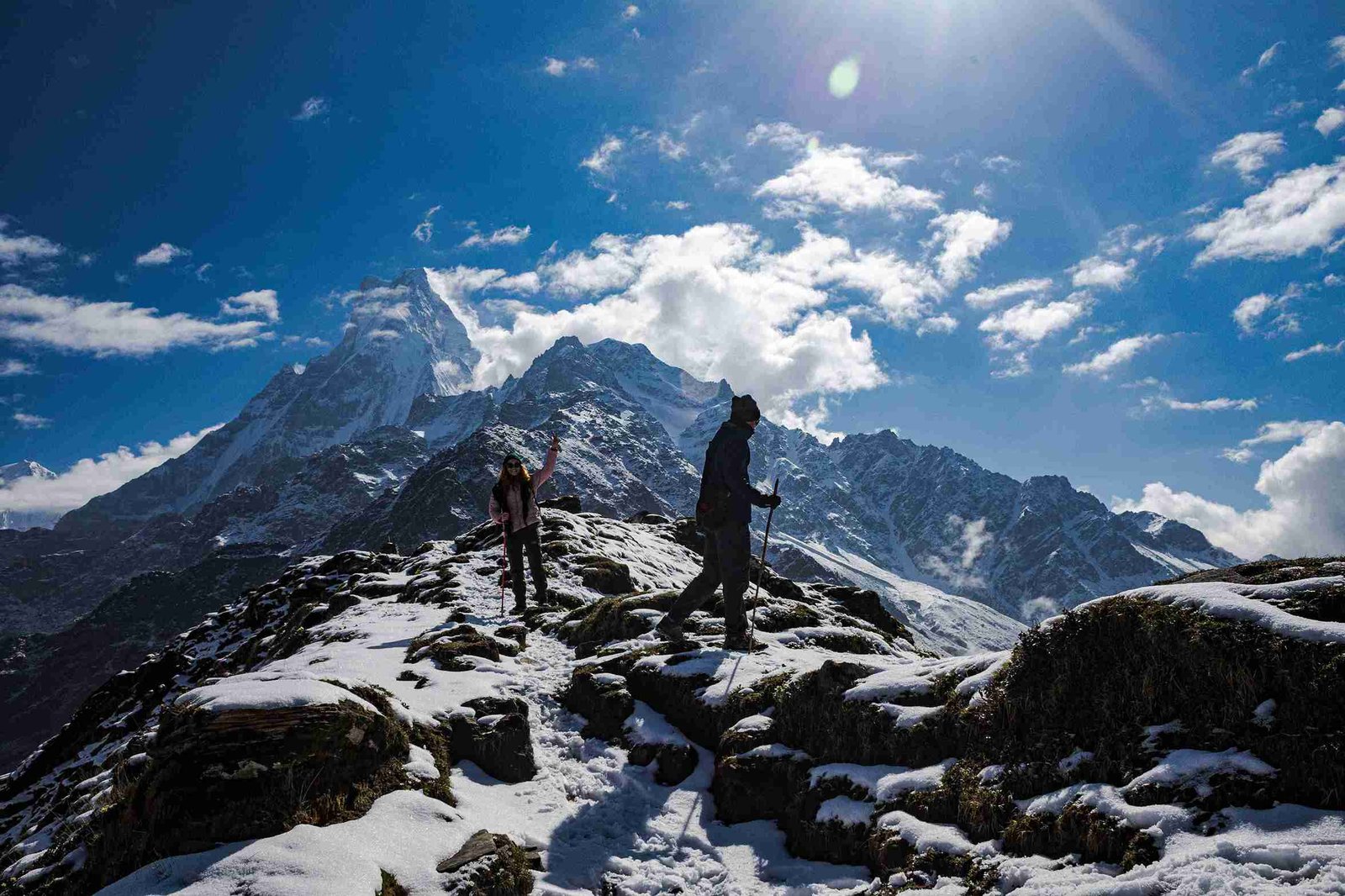
The trek is non-technical — no ropes, crampons or glacier crossings are required in normal conditions. Difficulty comes from cumulative daily elevation gain and the altitude at High Camp (3,580m) and Base Camp (4,500m). The single most demanding moment is the summit day ridge walk from High Camp to Upper Viewpoint (4,250m) and then to Mardi Himal Base Camp (4,500m). The trail narrows above High Camp and the footing becomes rocky with loose scree in the upper section. Early morning departure at 5:00 AM to 5:30 AM from High Camp is essential to reach the viewpoints before clouds build from the south after 11:00 AM. The Day 8 descent via Siding drops 2,300 metres in a single day — trekking poles with working locking mechanisms are essential.
Best Season for the Mardi Himal Trek
Autumn (October to November) is the peak season. Skies clear after the monsoon ends in late September, temperatures at High Camp drop to 0°C to minus 5°C at night, and visibility from Base Camp is at its best. Spring (March to April) brings the rhododendron bloom through the forest sections from Kande to Forest Camp — spectacular in March and April, with good mountain views through mid-April. Winter (December to February) is possible with cold-weather gear but High Camp can receive heavy snowfall and temperatures at High Camp drop to minus 15°C. Monsoon (June to September) is not recommended — the ridge is cloud-covered, leeches are active in the forest sections, and mountain views are largely absent.
Permits for the Mardi Himal Trek
Two permits are required: the Annapurna Conservation Area Permit (ACAP) at NPR 3,000 per person (approximately USD 22), checked at the Kande entry booth; and the TIMS Card at NPR 2,000 per person (approximately USD 15) for individual trekkers, checked at the Pokhara TAAN/NTB checkpoint before departure. We arrange both permits on your behalf when you book through Next Trip Nepal — you provide passport copies and two passport photos.
Packing List for the Mardi Himal Trek
Clothing layers (critical for the ridge above 3,500m): Moisture-wicking base layer top and bottom, thermal mid layer, fleece jacket, down or synthetic insulated jacket, waterproof and windproof outer shell, waterproof trousers, warm hat covering ears, balaclava or neck gaiter for High Camp nights, liner gloves plus insulated outer gloves, trekking socks (3 to 4 pairs, wool preferred).
Footwear: Waterproof mid-ankle trekking boots with good grip, broken in before the trek. Trail runners are insufficient above Forest Camp where the trail becomes rocky and wet. Light sandals for teahouse evenings.
Gear: 25 to 30 litre daypack for the trail, trekking poles (collapsible, locking), headlamp with spare batteries, sleeping bag rated to minus 10°C, water purification tablets or UV pen, reusable water bottle (2 litres minimum), sunscreen SPF 50, UV-blocking sunglasses.
Medical: Personal first aid kit, Diamox 250mg if prescribed by your doctor, blister treatment, anti-diarrhoeal medication, hand sanitiser. Our guides carry a pulse oximeter on all treks.
Accommodation on the Mardi Himal Trek
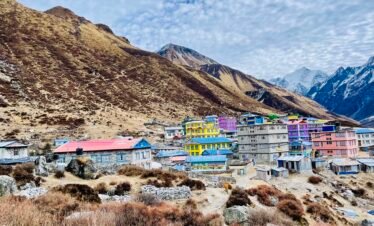
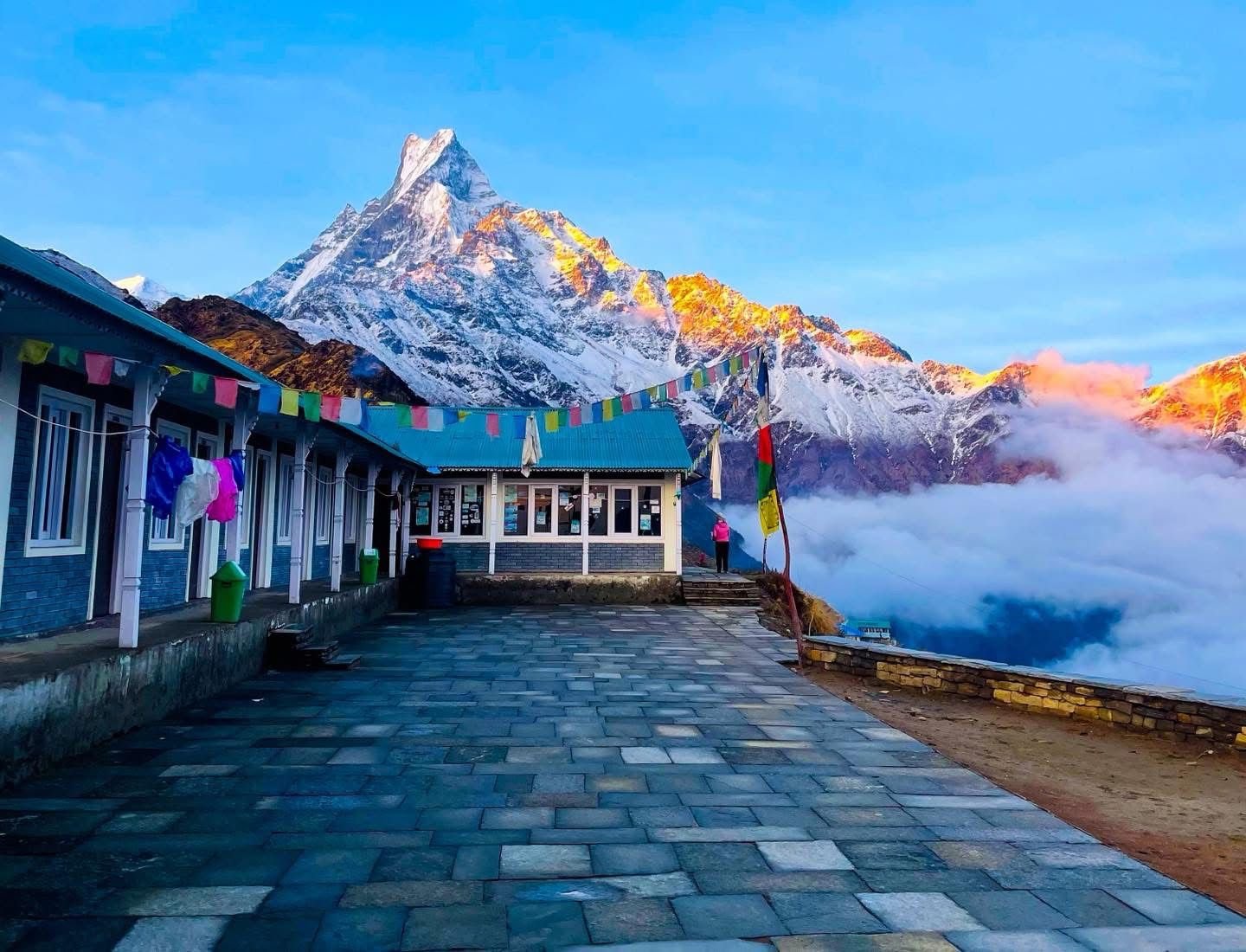
Teahouses at Pritam Deurali and Forest Camp are relatively comfortable with en-suite or shared bathrooms, hot showers at extra cost, and phone charging. Low Camp teahouses are simpler with shared facilities and thin mattresses. High Camp lodges are basic mountain shelters — no hot showers, limited charging, bunk-style beds — but the ridge location with Machhapuchhre rising overhead makes them worth it. All accommodation in the package includes breakfast and dinner. Lunches on walking days are at your expense (NPR 400 to 700 per meal).
Altitude Sickness on the Mardi Himal Trek
AMS is possible above 3,000 metres. Most trekkers notice mild symptoms at Low Camp (3,150m) or High Camp (3,580m). Our guides carry a pulse oximeter and follow a strict assessment protocol at each camp — trekkers with SpO2 below 85% and worsening symptoms are descended immediately. Preventive measures: stay hydrated (3 to 4 litres per day above 3,000m), ascend slowly, and take Diamox if prescribed by your doctor before departure.
Why Book with Next Trip Nepal
We have guided trekkers on the Mardi Himal Trail since the route opened officially in 2012. Our guides know every section of this trail in every season, every lodge from Kande to High Camp, and every permit checkpoint on the route. The package costs from USD 499 per person for two or more trekkers and covers all accommodation with breakfast and dinner, a licensed NTB guide, a porter for luggage up to 10 kg per person, ACAP and TIMS permits, and private transport. Contact us to customise the itinerary, add acclimatisation days, or combine with the Annapurna Base Camp route or a Langtang Valley Trek.


9 Days Mardi Himal Trek Overview
Local Guide Note — Amar Khand, Trekking Guide, Next Trip Nepal: I have guided Mardi Himal 16 times and the campsite at High Camp (4,500m) delivers the most unobstructed view of Machhapuchhre in the entire Annapurna region — but only if you arrive before 15:00 before afternoon cloud builds from the south. We time every Mardi Himal group to reach High Camp by early afternoon without exception.
Critical Safety and Logistics
- Thorong La Pass (5,416m) crossing window on the circuit: 04:30 to 10:00 from High Camp. Afternoon wind averages 50 to 60 km per hour on the western col after 10:00.
- Road construction impact: Besisahar to Chame motorable road active during peak months. Classic walking trail intact from Chame northward and throughout all sections above 3,000m.
- ACAP and TIMS permits must be carried at all times. Spot checks occur at Ghasa, Manang, and Jomsom checkpoints.
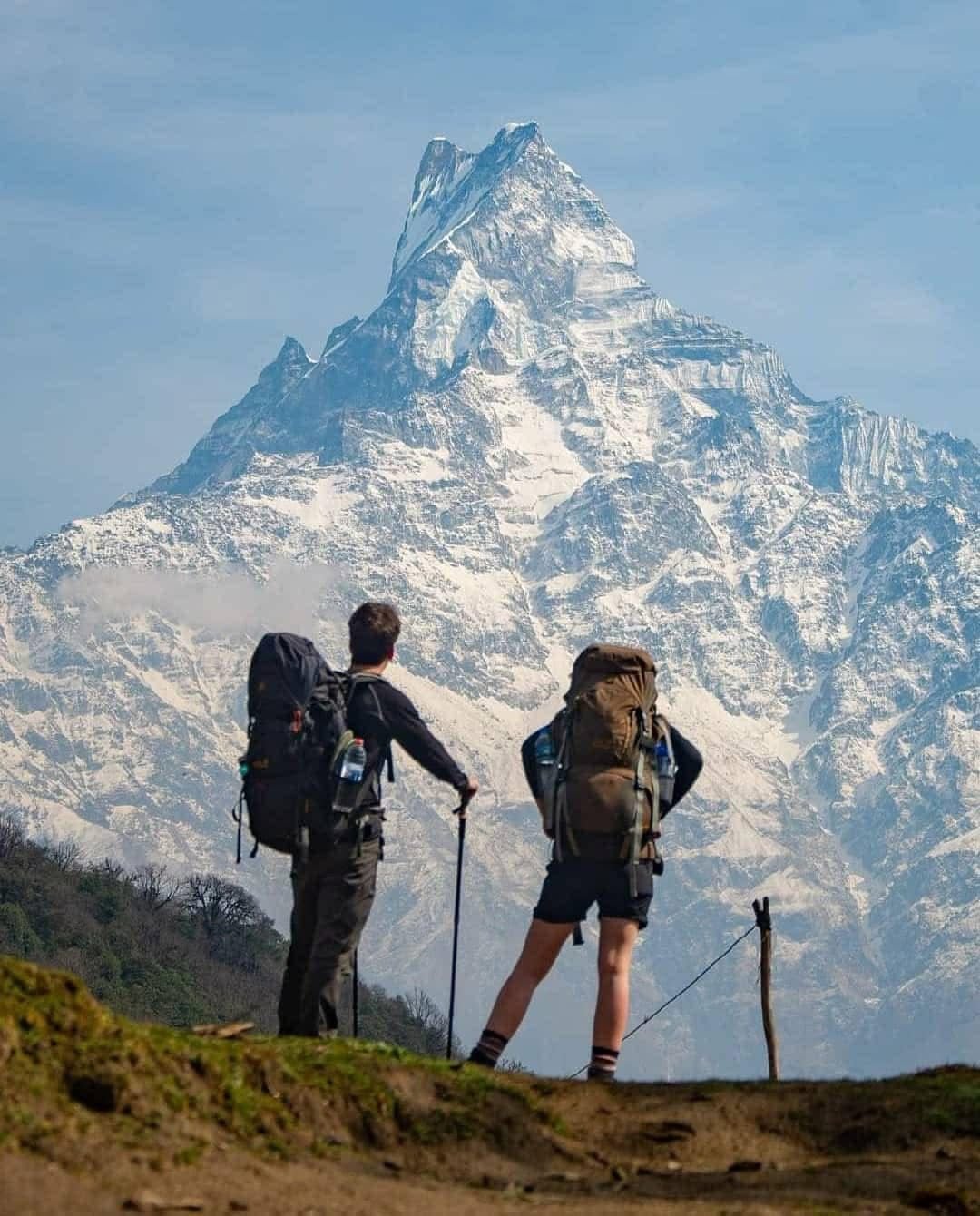
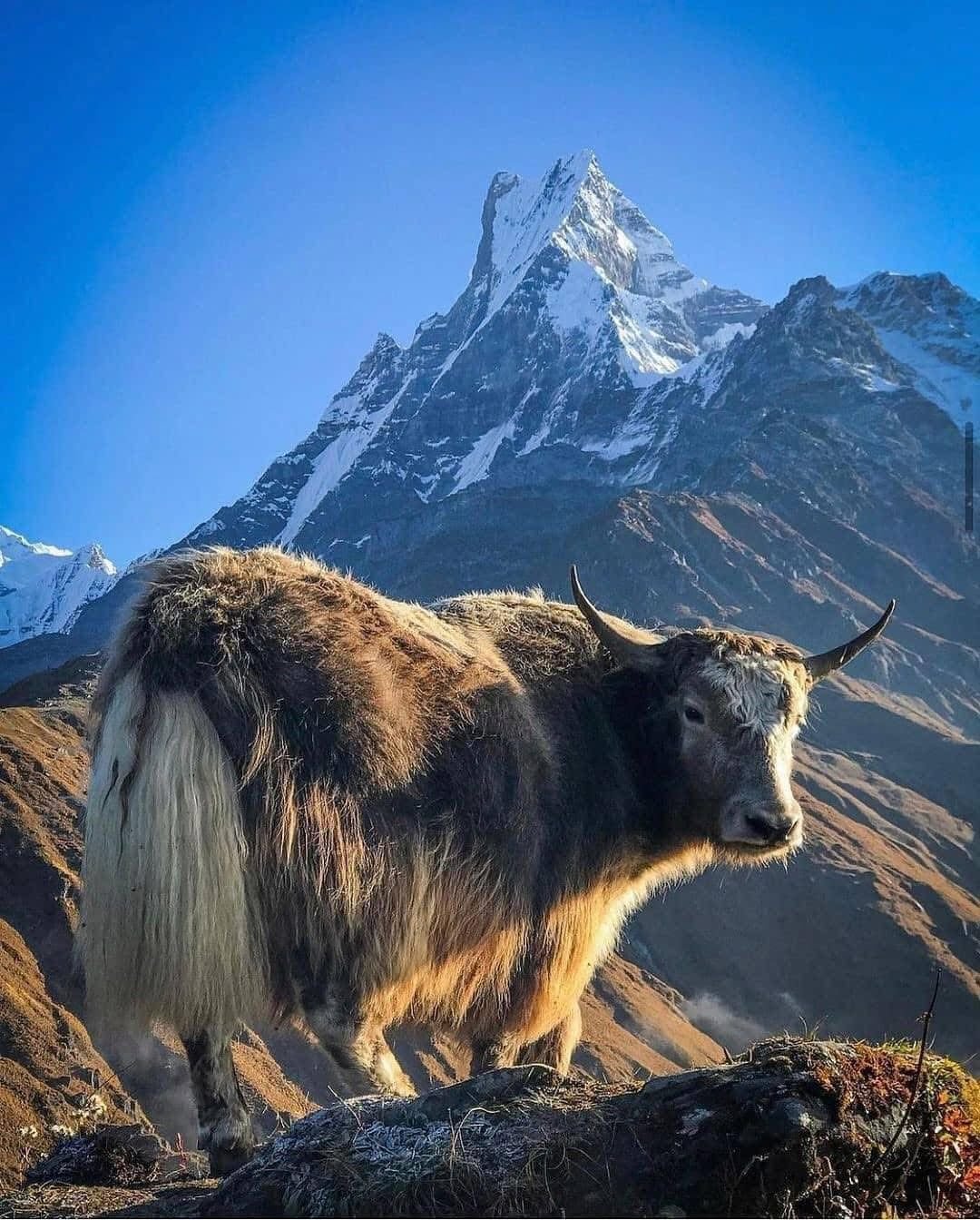
The Mardi Himal Trek is a 9-day trekking route in the Annapurna region of Nepal that climbs a long ridge above the Modi Khola valley to reach Mardi Himal Base Camp at 4,500 metres. The route starts from Kande, a roadhead above Pokhara, passes through dense rhododendron and oak forest in the lower sections, then follows an open ridgeline above the treeline all the way to the base camp. The defining feature of this trek is the proximity to Machhapuchhre (Fishtail), one of Nepal’s most recognisable peaks. From High Camp and the upper ridge, Machhapuchhre rises almost directly overhead at a distance that feels closer than on any other trekking route in the Annapurna circuit.
This route was formally opened to trekkers in 2012 and remained relatively little known compared to the Poon Hill circuit and the Annapurna Base Camp trail for most of the following decade. That has changed gradually since 2020, but the trail still sees a fraction of the foot traffic found on the main Annapurna trails. On a typical October day, you will pass 20 to 40 other trekkers on the ridge, compared to 200 to 400 on the Annapurna Base Camp route. The teahouse infrastructure has improved considerably over the last five years. There are now reliable lodges with beds, meals and phone charging at Pritam Deurali, Forest Camp, Low Camp and High Camp. The lodges at High Camp are basic by necessity — the ridge location makes supply logistics difficult — but they are warm enough and well run by local families who have built their businesses on this trail.
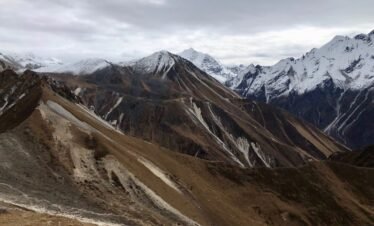
The technical difficulty of the Mardi Himal Trek is rated easy to moderate. The trail is non-technical throughout — no ropes, fixed lines or crampons are required in normal conditions. However, the sustained ridge walk from Low Camp to High Camp and then to Base Camp involves significant cumulative elevation gain on narrow, sometimes exposed trail. The summit day (Day 7) is the most physically demanding, with 920 metres of ascent from High Camp to Base Camp and a long descent to Low Camp in the afternoon. Trekkers who have completed day hikes at altitude, hill walking in mountainous terrain, or basic fitness training will handle this route comfortably. Complete beginners are also successful on this route, particularly with the support of an experienced guide and the proper acclimatisation schedule we build into the 9-day itinerary.
The altitude at Mardi Himal Base Camp (4,500m) is significant enough to cause altitude sickness in susceptible individuals. Our 9-day schedule includes sufficient acclimatisation nights at Forest Camp (2,600m), Low Camp (3,150m) and High Camp (3,580m) to allow most trekkers to ascend without symptoms. Our guides carry a pulse oximeter and follow a strict assessment protocol at each camp. Trekkers showing deteriorating SpO2 or worsening AMS symptoms are descended immediately — we do not push trekkers through altitude symptoms on this route.
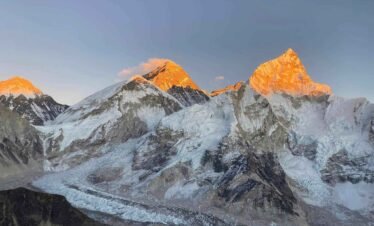
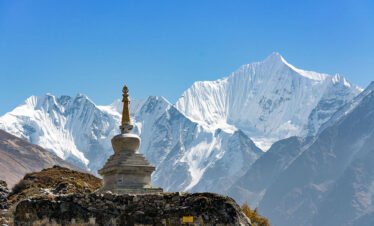
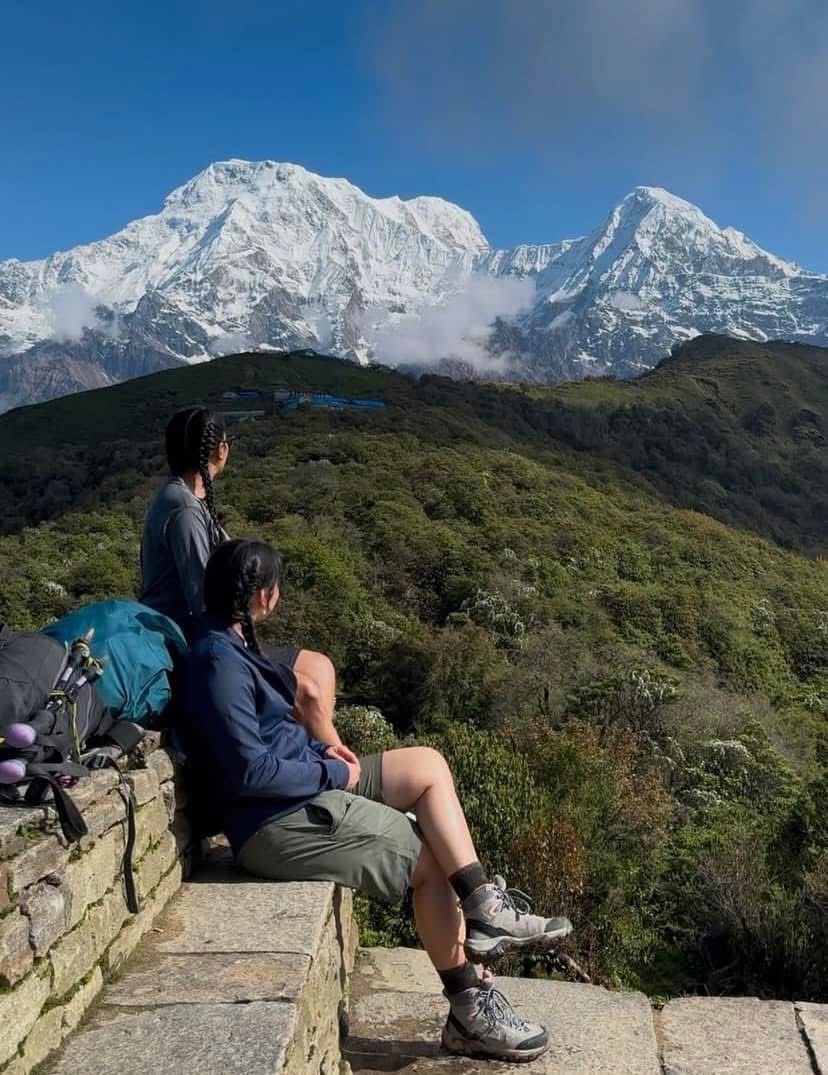
The views from the upper ridge and Mardi Himal Base Camp include Machhapuchhre (6,993m), Annapurna South (7,219m), Annapurna I (8,091m), Hiunchuli (6,441m) and Mardi Himal itself (5,587m). On a clear morning, the 360-degree panorama from the Base Camp plateau shows more than a dozen Himalayan peaks above 6,000 metres within a single field of view. The lower sections of the trail through rhododendron forest are particularly notable in March and April when the trees are in bloom, covering the trail corridor in red and pink flowers from Kande to Forest Camp.
The 9-day package from Next Trip Nepal costs from USD 499 per person for two or more trekkers and includes all accommodation with breakfast and dinner, a licensed NTB guide, a porter for luggage up to 10 kg per person, both ACAP and TIMS permits, and private transport from Pokhara to Kande and from Siding back to Pokhara. International flights and travel insurance are not included. The package can be customised: contact us to add extra acclimatisation days, a pre-trek Pokhara sightseeing day, a Chitwan or Bardiya extension, or a combination with the Annapurna Base Camp route.
Further Reading from Our Kathmandu Guides
Highlights of the Mardi Himal Trek
- Reach Mardi Himal Base Camp at 4,500m beneath the best Machhapuchhre (Fishtail)
- Enjoy sunrise from Upper View Point (4,250m) with panoramic views of the Annapurna range
- Trek through peaceful rhododendron and oak forests filled with Himalayan flora and fauna
- Start and end your adventure in Pokhara, Nepal’s beautiful lakeside city
- Visit traditional Gurung and Magar villages with warm hospitality and local culture
- Witness close-up views of Annapurna South, Hiunchuli, Machhapuchhre, and Dhaulagiri
- Ideal for beginners and experienced trekkers with a moderate and rewarding trail
- Trek responsibly with an eco-friendly approach that protects the environment and promotes sustainability.