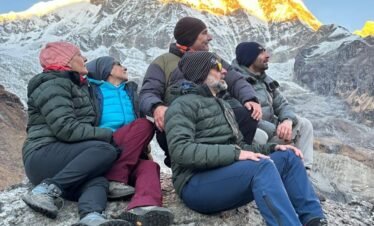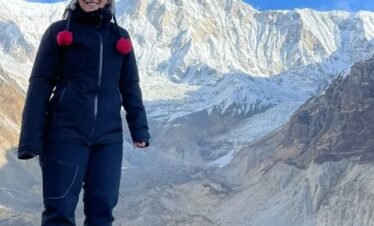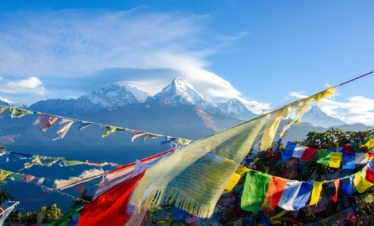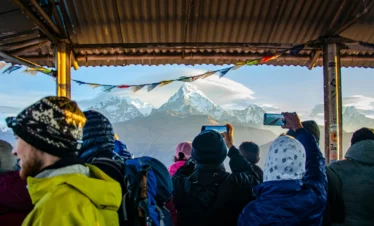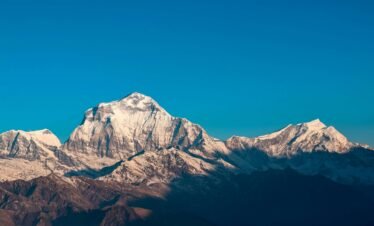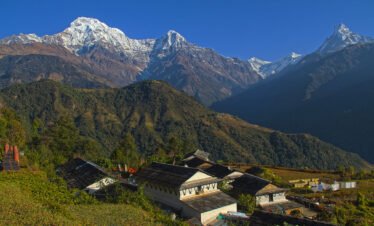
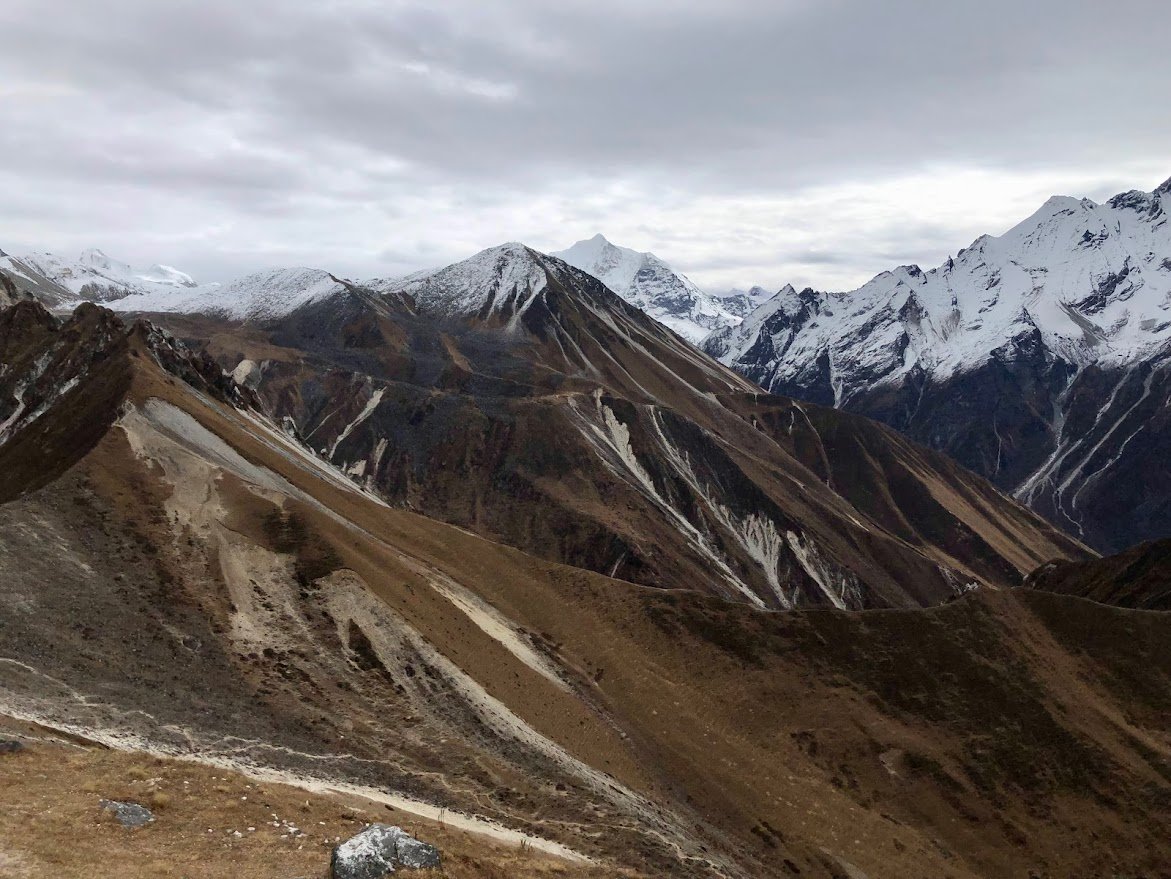
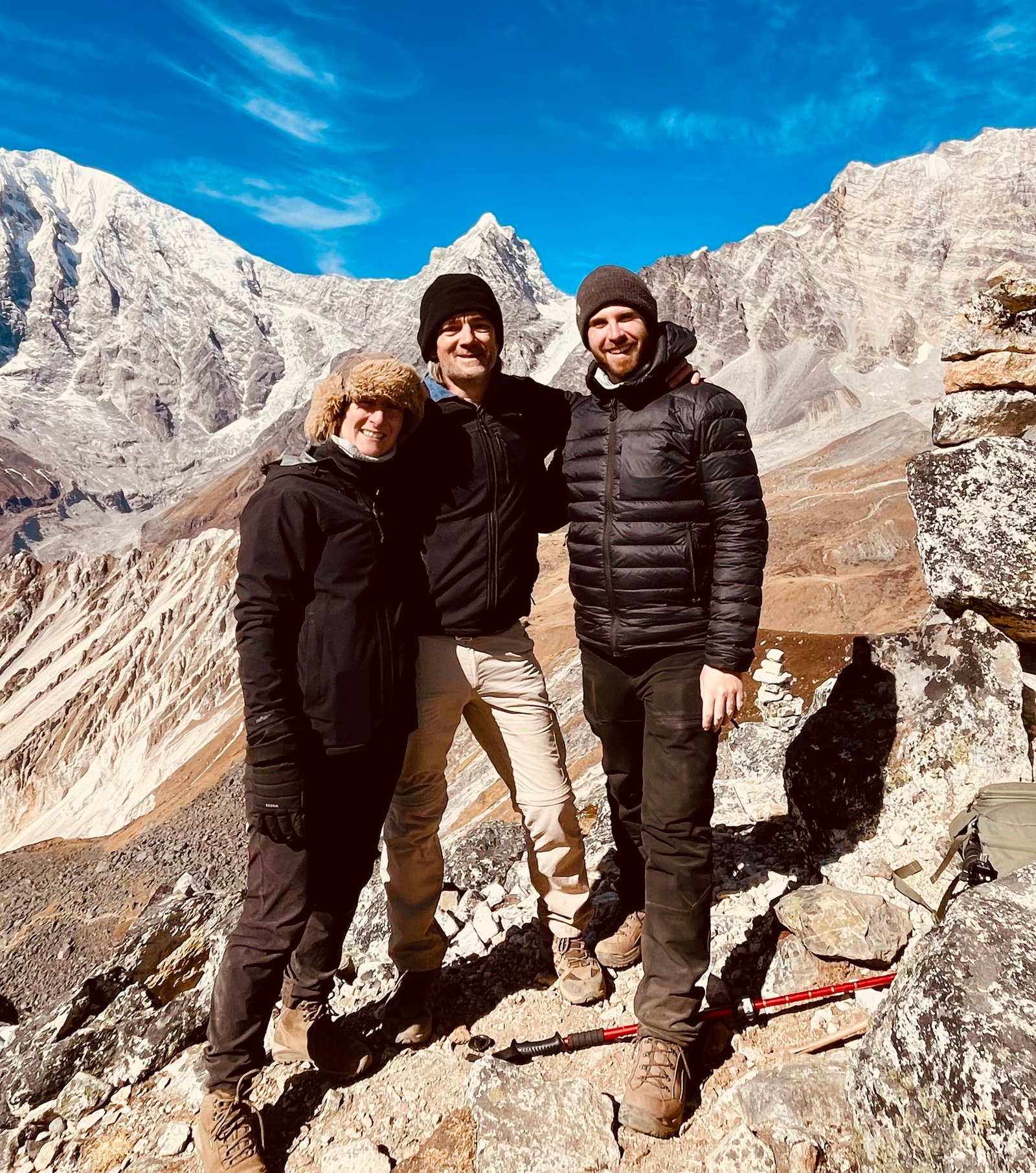
The Langtang Valley Trek is one of Nepal’s most rewarding trekking adventures, offering a perfect combination of stunning Himalayan scenery, rich Tamang culture, and accessible mountain trails just north of Kathmandu. Located in the Langtang National Park, this trek takes you through dense rhododendron forests, traditional mountain villages, and high-altitude valleys surrounded by towering peaks including Langtang Lirung (7,227m), Gang Chenpo (6,388m), and the sacred Langtang ranges.
What makes Langtang Valley Trek special is its proximity to Kathmandu. Within just 6 to 8 hours of driving, you leave behind the chaos of the capital and enter a pristine mountain world where glaciers descend from snowy peaks, yaks graze in alpine meadows, and prayer flags flutter in the crisp mountain air. The valley was once a major trade route to Tibet, and the cultural heritage remains strong, with Buddhist monasteries, chortens, and traditional stone houses built in the Tibetan architectural style.
Despite being less crowded than the Annapurna or Everest regions, Langtang Valley Trek delivers equally spectacular mountain views and often surpasses other treks in terms of authentic cultural experiences. The 2015 earthquake devastated parts of this region, but the resilient local communities have rebuilt their villages and lodges, welcoming trekkers back with the same warm hospitality that has always defined Langtang.
This complete guide covers everything you need to know about the Langtang Valley Trek, from detailed daily itineraries and cost breakdowns to permits, packing lists, and practical advice based on real trekking experience in the Langtang region.


Langtang Valley Trek Overview
Duration: The standard Langtang Valley Trek takes 7 to 8 days including driving from and to Kathmandu. Some trekkers complete it in 6 days by combining the return to Syabrubesi into a single long day, while others take 9 to 10 days if they add side trips to Gosaikunda Lake or the Tamang Heritage Trail.
Total Distance: Approximately 70 to 80 kilometers of trekking, split roughly equally between ascent and descent on the same route.
Maximum Altitude: The highest point depends on your acclimatization hike choice. Tserko Ri summit reaches 4,984 meters (16,351 feet), while Kyanjin Ri tops out at 4,773 meters (15,659 feet). If you skip the peaks, Kyanjin Gompa at 3,870 meters (12,697 feet) is your maximum sleeping altitude.
Trek Style: This is a teahouse trek, meaning you stay in family-run lodges along the route rather than camping. The trail is well-established with clear paths, regular villages, and good facilities compared to more remote regions.
Season Accessibility: The Langtang Valley Trek is accessible nearly year-round, though winter (December to February) brings cold temperatures and occasional snow that can close the high passes. Spring (March to May) and autumn (September to November) offer the most stable weather and best mountain visibility.
Langtang Valley Trek 8 Days Itinerary
- Day 1: Drive from Kathmandu to Syabrubesi (1,550m) – 6 to 8 hours
- Day 2: Trek from Syabrubesi to Lama Hotel (2,380m) – 5 to 6 hours
- Day 3: Trek from Lama Hotel to Langtang Village (3,430m) – 5 to 6 hours
- Day 4: Trek from Langtang Village to Kyanjin Gompa (3,870m) – 3 to 4 hours
- Day 5: Hike to Tserko Ri (4,984m) or Kyanjin Ri (4,773m), return to Kyanjin Gompa – 7 to 8 hours
- Day 6: Trek from Kyanjin Gompa to Lama Hotel (2,380m) – 6 to 7 hours
- Day 7: Trek from Lama Hotel to Syabrubesi (1,550m) – 4 to 5 hours
- Day 8: Drive from Syabrubesi to Kathmandu – 6 to 8 hours
Langtang Valley Trek Difficulty Level
The Langtang Valley Trek is classified as moderate difficulty, making it accessible to first-time trekkers who have reasonable fitness levels and proper preparation. Understanding the specific challenges helps you prepare appropriately.
Physical Demands: You will walk 4 to 7 hours daily on mountain trails that include both ascents and descents. The paths are generally well-maintained, but some sections are rocky or involve stone steps that require careful footing. Previous trekking experience is helpful but not essential. The key requirement is cardiovascular fitness—you should be comfortable walking uphill for several hours without excessive fatigue.
Altitude Challenges: The maximum altitude on standard itineraries is around 3,870 meters at Kyanjin Gompa, with optional peaks reaching 4,773 meters (Kyanjin Ri) to 4,984 meters (Tserko Ri). This is high enough that altitude sickness can occur, particularly if you ascend too quickly or have no previous altitude experience. The itinerary includes gradual ascent and rest days to aid acclimatization, but some people still experience mild symptoms like headaches, difficulty sleeping, or reduced appetite.
Technical Skills Required: None. The Langtang Valley Trek requires no mountaineering skills, rope work, or technical equipment. It is a walking trek on established trails. However, sections can be steep and require good balance and coordination, especially during descent.
Daily Routine: A typical trekking day begins around 7 AM with breakfast, followed by 4 to 7 hours of walking with breaks for tea, snacks, and lunch. You usually reach your destination by early afternoon, leaving time to rest, explore the village, and enjoy dinner before an early night. This routine continues for 5 to 6 consecutive days, which requires stamina and mental resilience.
Weather Considerations: Mountain weather is unpredictable. Even in peak season, you might encounter rain, wind, or occasional snow at higher elevations. The trek is manageable in various weather conditions with proper gear, but severe storms can make trails dangerous and uncomfortable.
Who Can Do This Trek? The Langtang Valley Trek suits healthy adults from teens to 60s or beyond who maintain reasonable fitness. Success depends more on preparation and attitude than age. We have guided fit 65-year-olds who excelled and younger people who struggled due to poor conditioning. Families with children (typically 12+ years old) can also complete this trek, though they might skip the highest altitude peaks.
Training Preparation: We recommend at least 6 to 8 weeks of cardiovascular training before your trek. Activities like hiking with a daypack, stair climbing, running, or cycling build the endurance needed. Focus on activities that strengthen legs and improve aerobic capacity. Some hill walking with elevation gain is ideal preparation.
Langtang Valley Trek Highlights
- Close proximity to Kathmandu with just 6 to 8 hours of scenic mountain driving to reach the trailhead at Syabrubesi
- Spectacular mountain panoramas including Langtang Lirung (7,227m), Gang Chenpo, Dorje Lakpa, and glimpses of Shishapangma in Tibet
- Tserko Ri summit (4,984m) offering 360-degree Himalayan views across the Langtang range, Ganesh Himal, and Tibetan peaks
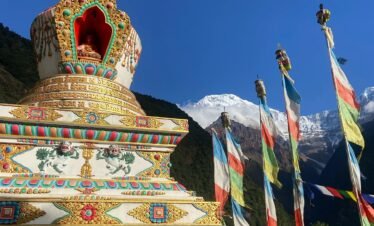
- Rich Tamang and Tibetan culture with ancient monasteries, Buddhist stupas, prayer wheels, and traditional villages preserving centuries-old customs
- Langtang National Park home to red pandas, Himalayan black bears, snow leopards, and over 250 species of birds
- Kyanjin Gompa (3,870m) a high-altitude Buddhist monastery and the spiritual heart of the Langtang Valley
- Kyanjin Ri viewpoint (4,773m) accessible sunrise climb with stunning close-up views of Langtang Lirung's massive north face
- Traditional yak cheese factory at Kyanjin where you can taste locally produced cheese and witness traditional cheese-making methods
- Moderate difficulty level suitable for first-time trekkers with reasonable fitness levels
- Diverse landscapes from subtropical forests with rhododendrons and bamboo to alpine meadows and glacial moraines
- Authentic teahouse experience staying with local families who rebuilt their lodges after the 2015 earthquake
Detailed Langtang Valley Trek Itinerary
Your Langtang Valley Trek begins early in the morning with a scenic drive from Kathmandu to Syabrubesi, the trek’s starting point. The journey covers approximately 117 kilometers but takes 6 to 8 hours due to the winding mountain roads. Leaving Kathmandu, you follow the Pasang Lhamu Highway through Trishuli Bazaar, a busy market town where the road splits toward Pokhara and Langtang.
Continuing north, the road climbs steadily through terraced farmlands growing rice, millet, and vegetables. The landscape changes as you gain elevation, with subtropical forests replacing cultivated fields. You pass through Dhunche, the district headquarters of Rasuwa, where many trekking agencies stop for permit checks and lunch.
From Dhunche, the road descends dramatically in a series of tight switchbacks to the Bhote Koshi River, then follows the riverbank to Syabrubesi. This small village sits at the confluence of the Langtang Khola and Bhote Koshi rivers, surrounded by terraced fields and forested hillsides. Syabrubesi has developed significantly as Langtang’s main trailhead, with comfortable lodges, restaurants, and shops selling trekking supplies.
The drive itself is an adventure, offering glimpses of village life in Nepal’s middle hills. You will see children walking to school in blue uniforms, women carrying enormous loads of grass for livestock, and terraced fields that demonstrate generations of agricultural expertise. The roads are paved but narrow, with occasional landslide-prone sections that can cause delays during monsoon season.
Upon reaching Syabrubesi, you check into a lodge and have time to explore the village, organize your gear, and meet your trekking guide and porter if you have hired them. The evening is relaxed, with most trekkers gathering in lodge dining rooms to share travel stories and anticipation for the trek ahead.
Walking Hours: None (driving day)
Elevation Gain/Loss: 1,400m to 1,550m
Accommodation: Teahouse lodge in Syabrubesi
The real trekking begins. After breakfast, you leave Syabrubesi and cross a suspension bridge over the Bhote Koshi River. The trail immediately enters the Langtang National Park, where you register your permit at the entrance gate. From here, the path begins a gradual ascent through beautiful forests of oak, rhododendron, and maple trees.
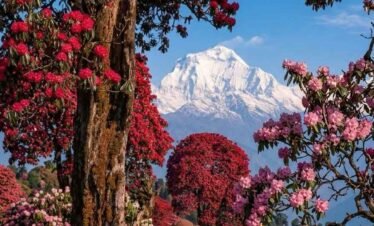
The trail follows the Langtang Khola (river) upstream through a narrow gorge. The forest is thick and green, with moss-covered trees creating a almost mystical atmosphere. During spring (March to May), rhododendrons bloom in brilliant shades of red, pink, and white, carpeting the hillsides with color. The air is humid and rich with the earthy smell of forest vegetation.
You pass through small settlements at Bamboo (1,850m) and Rimche (2,400m), where simple lodges offer tea and lunch stops. The trail is mostly uphill but never too steep, following the river valley as it narrows between forest-covered ridges. You might see langur monkeys swinging through the canopy or hear the call of Himalayan birds echoing through the trees.
Wildlife is abundant in this lower section of Langtang National Park. Red pandas live in these forests, though they are shy and rarely seen. Himalayan black bears also inhabit the area, though attacks on humans are extremely rare. The forest provides habitat for musk deer, wild boar, and numerous bird species including the colorful Danphe, Nepal’s national bird.
Lama Hotel sits in a forest clearing beside the river. The name is somewhat misleading as there is no actual hotel or temple here, just several comfortable lodges built in the traditional style. The altitude gain today is moderate, allowing your body to begin adjusting to higher elevations gradually.Walking Hours: 5 to 6 hours
Distance: Approximately 11 km
Elevation Gain: 830m (1,550m to 2,380m)
Accommodation: Teahouse lodge at Lama Hotel
Today the landscape begins to change dramatically. The trail continues climbing through forests, but the trees become smaller and more sparse as you gain altitude. You pass through Ghoratabela (3,030m), meaning “horse stable,” a name from the days when Tibetan traders brought horses through this valley loaded with salt and wool.
Above Ghoratabela, the forest opens into occasional clearings with stunning views of Langtang Lirung ahead. The massive mountain dominates the horizon, its summit soaring over 7,000 meters above the valley floor. The valley widens considerably here, with the trail traversing through meadows and past water-driven prayer wheels set in small streams.
The vegetation transitions from thick forest to alpine scrub. Rhododendrons still grow but as smaller, hardier bushes rather than trees. The air feels thinner, and you notice yourself breathing more heavily on uphill sections. This is normal and expected as your body adjusts to reduced oxygen levels.
You reach Langtang Village in the afternoon. This settlement was once one of the largest in the valley, home to over 50 families before the 2015 earthquake. The disaster completely destroyed the old village when massive avalanches and landslides swept down from Langtang Lirung. The tragedy killed hundreds of people, including many trekkers who happened to be in the village that day.
The rebuilt Langtang Village stands slightly upstream from the original location, constructed in a safer position. The new lodges are solidly built with earthquake-resistant techniques. Walking through Langtang Village today is a humbling experience. Memorials honor those who died, and the resilience of the surviving community members who chose to return and rebuild is inspiring.
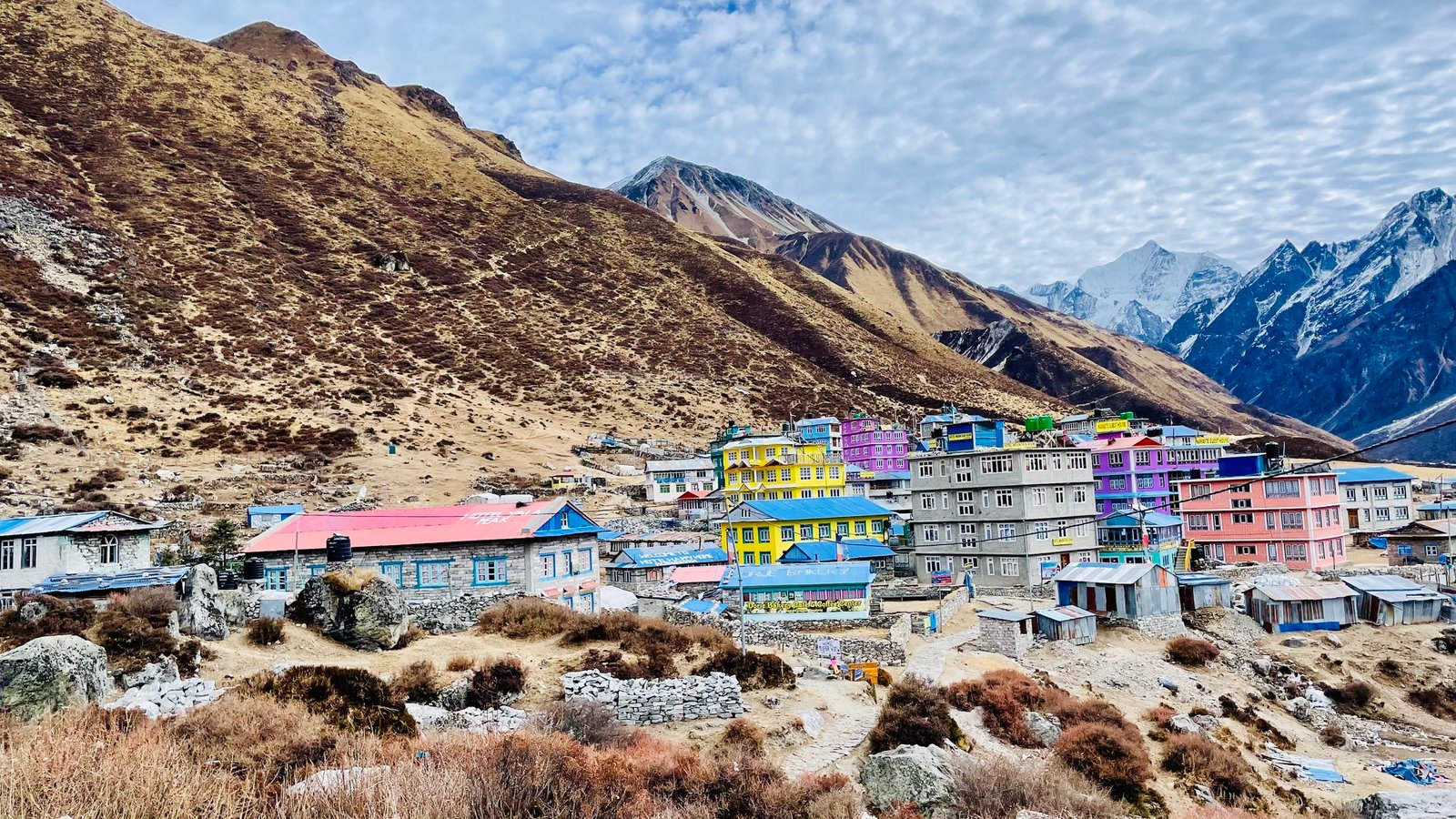
The village is unmistakably Tibetan in character. Houses are built of stone with flat roofs, prayer flags flutter from every rooftop, and the local people speak a Tamang dialect closely related to Tibetan. Yaks graze in nearby pastures, and you might see women weaving traditional carpets or spinning yak wool.Walking Hours: 5 to 6 hours
Distance: Approximately 9 km
Elevation Gain: 1,050m (2,380m to 3,430m)
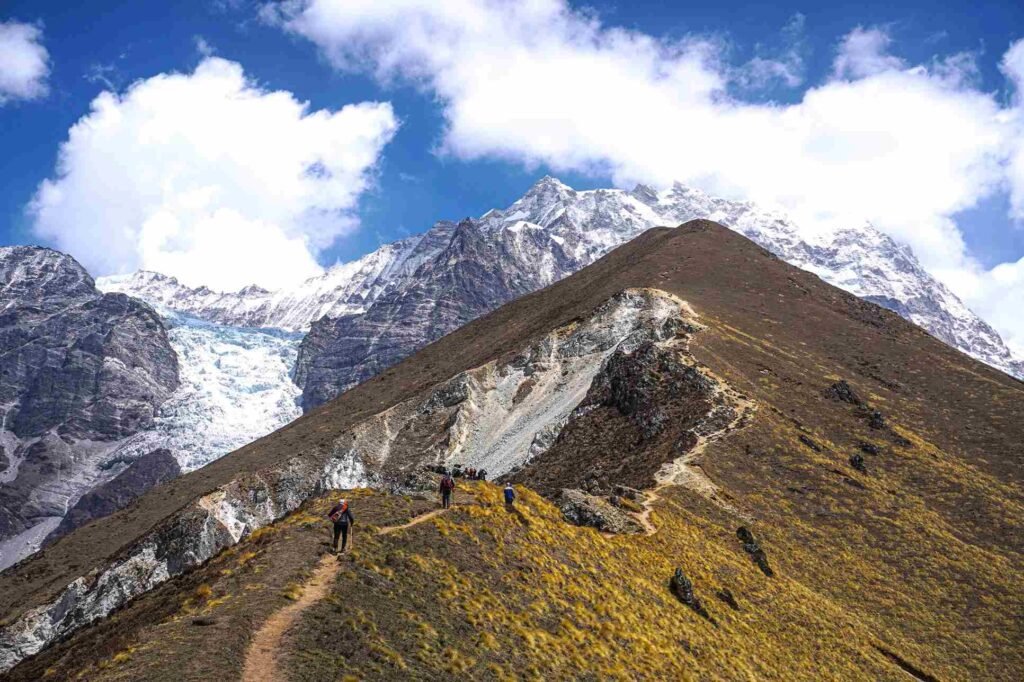
Today is deliberately short to aid acclimatization. The trail continues up the valley through increasingly sparse vegetation. You walk across open grasslands dotted with grazing yaks and cross several glacial streams on wooden bridges. The mountains close in on both sides, creating a dramatic high-altitude amphitheater.
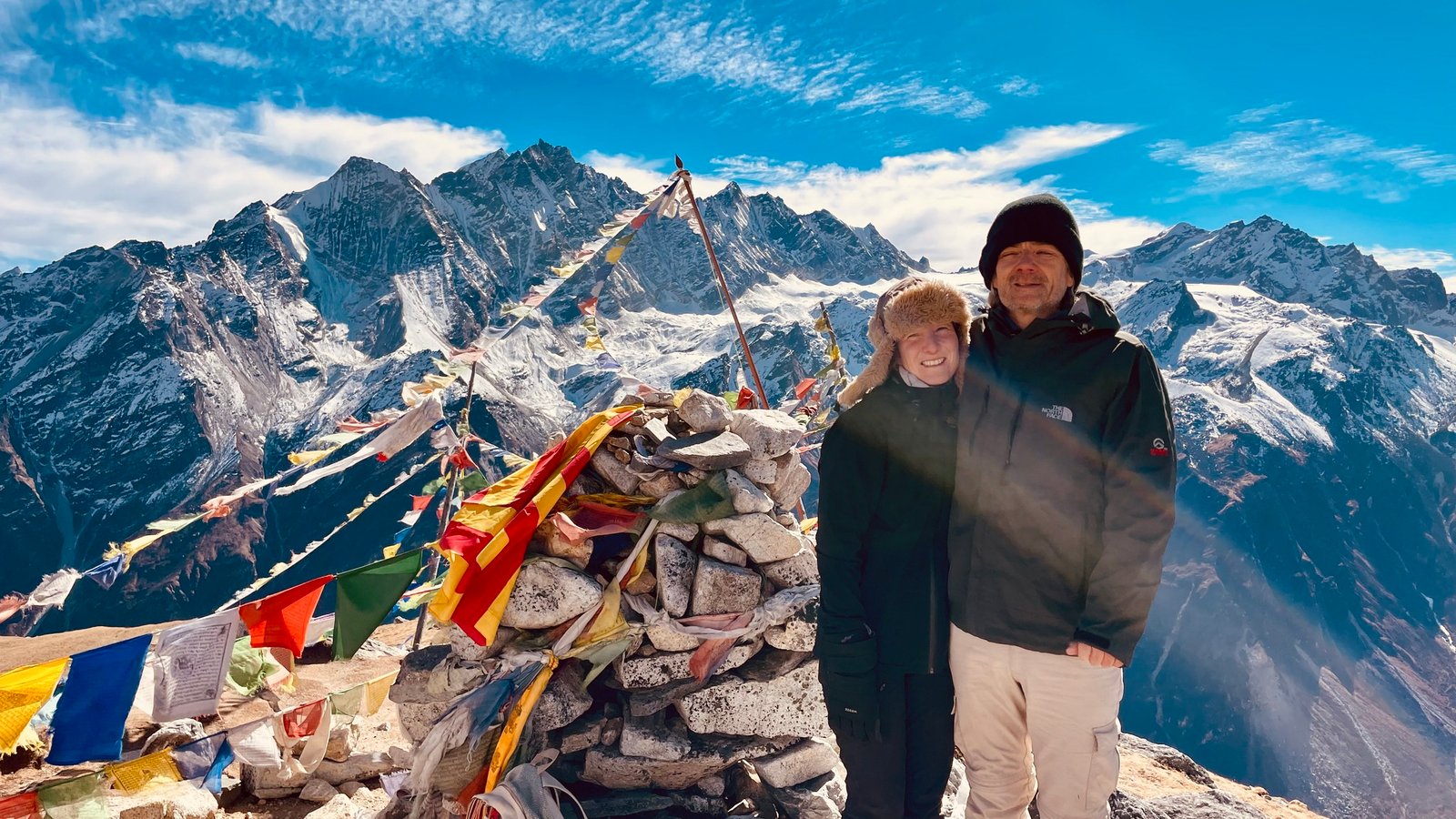
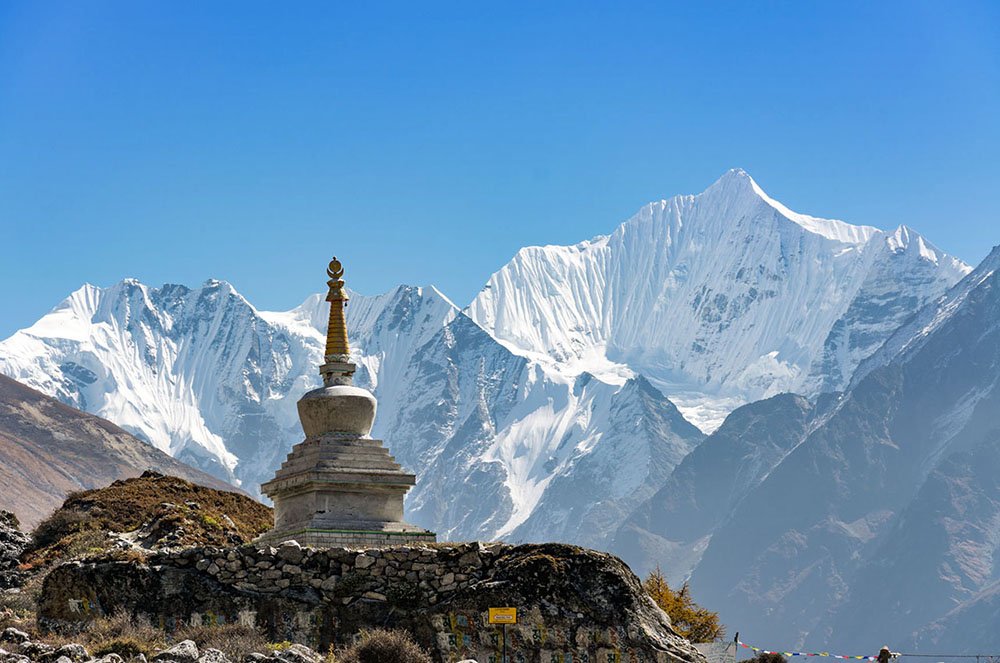
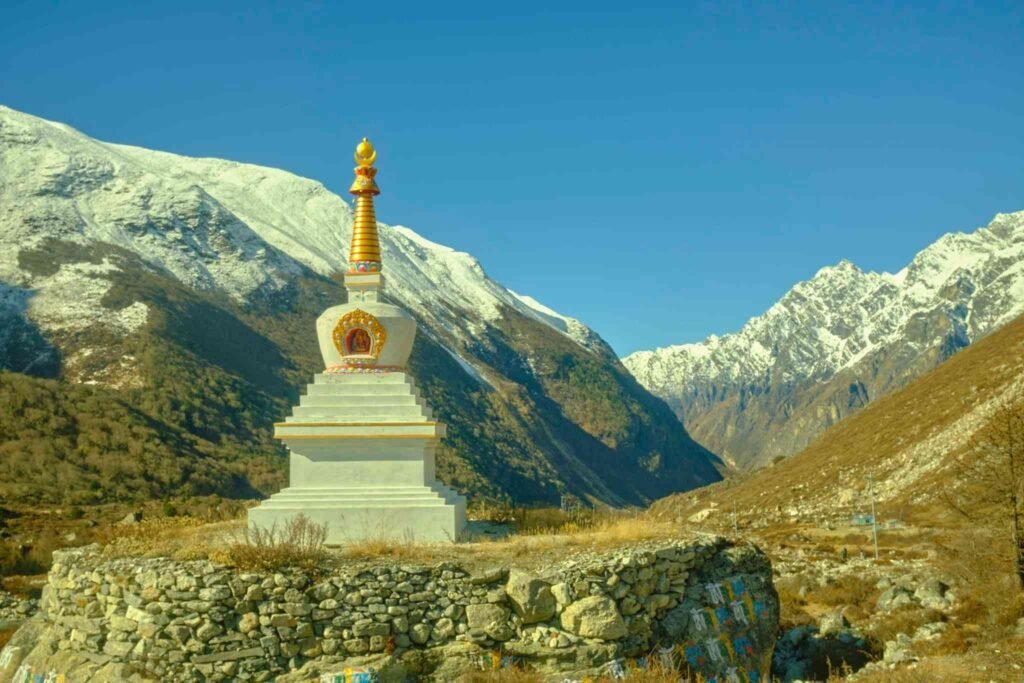
The landscape here is pure Himalayan alpine zone. Vegetation is limited to hardy grasses and low shrubs. The ground is often rocky, with moraines left by retreating glaciers. Prayer flags mark sacred sites and stupas dot the landscape, vibrant colors contrasting with the gray rock and white snow.
You pass several small settlements including Mundu, which has a few simple lodges. The valley floor is wide and relatively flat here, making for easy walking. However, the altitude is now significant, and you will notice yourself moving more slowly than at lower elevations. This is completely normal and actually beneficial—walking slowly at altitude allows better acclimatization.
Kyanjin Gompa appears ahead, a cluster of stone buildings dominated by the ancient Buddhist monastery that gives the settlement its name. The gompa (monastery) sits on a small rise overlooking the valley, its colorful prayer flags visible from a distance. Behind the village, glaciers descend from Langtang Lirung, while ahead, the valley continues toward the Tibetan border.
Kyanjin Gompa at 3,870m is the highest permanent settlement in the Langtang Valley and the spiritual heart of the region. The monastery is several hundred years old and remains an active place of worship. Monks live here year-round, maintaining the gompa and performing daily prayers. You can visit the monastery to see its interior murals, statues, and butter lamps, though donations are appreciated.
The village has several lodges offering comfortable accommodation considering the altitude. There is also a yak cheese factory where villagers make traditional cheese using methods passed down through generations. You can buy cheese here and watch the production process if you visit in the morning.
After settling into your lodge, you have the afternoon to explore. Many trekkers make a short acclimatization walk to the small hill behind the village for views, or simply rest and prepare for tomorrow’s early morning hike to Kyanjin Ri or Tserko Ri.
Walking Hours: 3 to 4 hours
Distance: Approximately 6 km
Elevation Gain: 440m (3,430m to 3,870m)
Accommodation: Teahouse lodge in Kyanjin Gompa
This is the Langtang Valley Trek’s highlight day. You wake before dawn, around 4 or 5 AM, eat a quick breakfast, and begin climbing toward either Tserko Ri or Kyanjin Ri by headlamp. The goal is to reach the summit for sunrise, when the first light illuminates the surrounding peaks in shades of pink and gold.
Tserko Ri (4,984m) is the higher and more challenging option. The trail climbs steeply from Kyanjin Gompa, gaining over 1,100 vertical meters. The path zigzags up barren slopes with no vegetation, just rock and occasional patches of snow. At this altitude, you move slowly, breathing hard with each step. The air contains significantly less oxygen than sea level, and even fit trekkers struggle with the thin atmosphere.
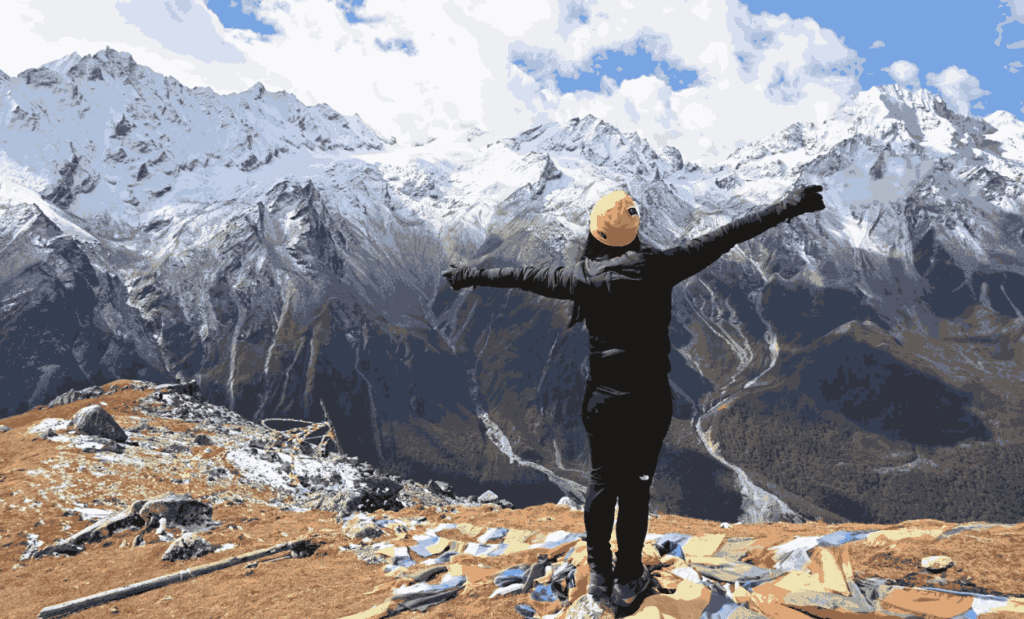
The climb takes 3 to 4 hours depending on your pace and acclimatization level. Reaching the summit as the sun rises is an unforgettable moment. The panorama includes Langtang Lirung dominating the view to the south, Ganjala Peak and Yala Peak to the east, and in good visibility, you can see Shishapangma (8,027m) across the border in Tibet. Below, the Langtang Valley spreads out like a map, with glaciers, moraines, and the tiny cluster of buildings at Kyanjin Gompa.
Kyanjin Ri (4,773m) is the more moderate alternative, popular with trekkers who want spectacular views without the extreme altitude and difficulty of Tserko Ri. The trail also begins from Kyanjin Gompa but follows a different route up a ridge to the northwest. The climb is steadier and slightly shorter, taking 2 to 3 hours to the summit.
From Kyanjin Ri, the views of Langtang Lirung’s north face are extraordinary. The mountain rises almost vertically, a massive wall of rock and ice. You also see Langtang II, Dorje Lakpa, and the peaks surrounding the valley. Many trekkers prefer Kyanjin Ri because the summit is less crowded and the views, while different from Tserko Ri, are equally stunning.
Whichever peak you choose, you descend back to Kyanjin Gompa for late breakfast or lunch. The descent is faster but requires care—loose scree and tired legs can lead to slips. By early afternoon, you are back at the lodge, exhausted but elated, replaying the sunrise views in your mind.
Some trekkers skip the peak climbs and instead hike to Langtang Glacier or explore the upper valley toward Langshisha Kharka. These alternatives offer different perspectives and are good options if you are not feeling well acclimatized or if weather makes the peak climbs dangerous.
Walking Hours: 7 to 8 hours (including ascent and descent)
Distance: 10 to 12 km round trip
Maximum Altitude: Tserko Ri 4,984m or Kyanjin Ri 4,773m
Elevation Gain/Loss: 1,114m gain and loss for Tserko Ri; 903m for Kyanjin Ri
Accommodation: Teahouse lodge in Kyanjin Gompa
After yesterday’s high-altitude exertion, today is a long downhill day. You retrace your steps down the valley, covering in one day what took two days to ascend. The descent is straightforward but harder on the knees than you might expect. Trekking poles are valuable for reducing impact on knee joints during long descents.
Leaving Kyanjin Gompa, you walk back through the open grasslands, past Langtang Village, and continue descending through the forest. The air becomes noticeably thicker and warmer as you lose altitude. What felt like a challenging climb a few days ago now seems relatively easy in the downhill direction.
You pass through Ghoratabela and continue to Lama Hotel, where you spend the night. Some trekkers push further to Riverside or even Syabrubesi if they are strong and want to finish the trek faster, but the standard itinerary stops at Lama Hotel to avoid over-stressing knees and ankles on the steep descent.
The return journey offers different perspectives on familiar scenery. Details you missed while focusing on the uphill climb become visible. You might spot wildlife more easily now that you know what to look for. The forest feels welcoming after days in the sparse high-altitude landscape.Walking Hours: 6 to 7 hours
Distance: Approximately 15 km
Elevation Loss: 1,490m (3,870m to 2,380m)
Accommodation: Teahouse lodge at Lama Hotel
The final trekking day is relatively easy and short. The trail descends through the forest, following the Langtang Khola downstream. The path is familiar now, and you can walk at a relaxed pace, enjoying the forest atmosphere one last time.
You pass through Bamboo and Rimche, perhaps stopping for tea at lodges you remember from the way up. The forest eventually opens as you approach Syabrubesi. Crossing the suspension bridge over the Bhote Koshi brings you back to the trailhead village.
In Syabrubesi, you can enjoy a celebratory meal, take a hot shower (luxury after days of basic washing facilities), and reflect on the trek. Some lodges have terraces with views back up the valley you just descended from, allowing a final glimpse of the mountains.Walking Hours: 4 to 5 hours
Distance: Approximately 11 km
Elevation Loss: 830m (2,380m to 1,550m)
Accommodation: Teahouse lodge in Syabrubesi
The return drive to Kathmandu reverses your arrival route. Local buses depart Syabrubesi early in the morning, usually between 6 and 7 AM. Private jeeps can be arranged for more comfort and flexibility. The journey takes 6 to 8 hours depending on road conditions and traffic.
As you descend from the mountains back toward Kathmandu valley, the landscape transitions from alpine to subtropical. The elevation drops, the air warms, and vegetation becomes lush again. By the time you reach the outskirts of Kathmandu, the mountains seem almost dreamlike, as if the trek happened in another world.
Re-entering Kathmandu after a week in the mountains is always jarring. The noise, pollution, and crowds feel overwhelming after days of relative quiet and clean mountain air. But this contrast also makes you appreciate the journey—you have just experienced a completely different Nepal, one that most tourists never see.Walking Hours: None (driving day
Langtang Valley Trek Cost Includes & Excludes
Langtang Valley Trek Includes
- Airport pick up and drop off service in a private vehicle on arrival and departure in Kathmandu
- Public transportation from Kathmandu to Syabrubesi and return to Kathmandu
- Two nights accommodation in Kathmandu with breakfast in a standard hotel
- Seven nights teahouse accommodation during the Langtang Valley Trek in clean and well-managed lodges
- All meals during the trek including breakfast, lunch, and dinner with tea or coffee
- Licensed, experienced trekking guide for the entire trek with strong local knowledge of the Langtang region
- Langtang National Park entry permit and all required trekking permits
- Staff insurance, meals, accommodation, and logistics support for guide and crew
- Sleeping bag suitable for high altitude conditions if you do not have your own
- Pulse oximeter for daily health monitoring at higher elevations
- Safe drinking water support including purification tablets and reusable water bottles
- First aid kit carried by the guide including emergency oxygen support if required
- Seasonal fresh fruits served after dinner during the trek
- Branded duffle bag provided for the trek if a porter is hired
- Trekking T-shirt and cap as a souvenir from Next Trip Nepal
- All government taxes, local fees, and administrative charges included in the package
Langtang Valley Trek Cost Excludes
- Extra nights accommodation in Kathmandu due to early arrival, late departure, or itinerary changes
- Porter service (can be arranged on request)
- Lunch and dinner in Kathmandu
- Nepal entry visa fee
- Travel insurance and medical insurance (mandatory for trekking)
- International flight tickets
- Excess baggage charges at the airport
- Personal trekking gear, clothing, and equipment
365 Days Fixed Departure
Planning a private trip? Fill out the form and our travel experts will be in touch shortly.
Error: Contact form not found.
-
Guaranteed Group Discount Available Available PackagesFridayMay 22, 2026FridayMay 29, 2026$790$69013% OffAvailable
-
Guaranteed Group Discount Available Available PackagesSaturdayMay 23, 2026SaturdayMay 30, 2026$790$69013% OffAvailable
-
Guaranteed Group Discount Available Available PackagesSundayMay 24, 2026SundayMay 31, 2026$790$69013% OffAvailable
Overall Trip Rating:
-
Verified Purchase
By Sophia M(Morocco)May 2, 2026 8 days Langtang Valley TrekHad an amazing experience on the Langtang Valley Trek with Next Trip Nepal. Our guide Sunil was fantastic, professional, knowledgeable, and genuinely fun to be around throughout the trek. The route itself is short but very rewarding, with beautiful mountain views, peaceful trails, and just the right level of challenge. What really made the trip special were the small moments: learning new card games in the teahouses, sharing stories, and enjoying the relaxed atmosphere after each day’s walk. Everything was well organized, and you could feel the experience behind the team. If you’re looking for a smooth, enjoyable, and authentic Langtang trek, Next Trip Nepal with Sunil is a great choice.Date of Experience: April 22, 2026
-
Verified Purchase
By Jamie C April 23, 2026 Best experience with Next Trip NepalAn amazing introduction to trekking in Nepal My wife and I recently completed an 8 day Langtang Valley Trek with Next Trip Nepal and the experience was excellent from start to finish. Kiran was very responsive and helpful during the planning process and everything was organized smoothly before we arrived in Nepal. Once in Kathmandu we received a clear briefing which gave us confidence for the trek. Our guide was outstanding. He was professional, caring, and always checking on us throughout the journey. He managed the pace well and shared useful knowledge about the region and local culture which made the trek more meaningful. Langtang Valley is beautiful and this trek was a perfect first experience in Nepal. We would definitely recommend Next Trip Nepal and will return again in the future.Date of Experience: April 08, 2026
-
Verified Purchase
By Jack M September 26, 2025 Langtang Valley Trekking – Next Trip NepalI completed the Langtang Valley Trek in September with Next Trip Nepal, and the whole experience was smooth from start to finish. Booking and communication before arrival were clear and reliable, which made planning much easier. Kiran and his team handled everything professionally, and the trek itself was a great mix of culture, scenery, and manageable challenge. Our guide was experienced and shared a lot of insight about the Langtang region, local lifestyle, and the mountains, which added real depth to the journey. Overall, it was a well-organized and enjoyable trek. I’d definitely recommend Next Trip Nepal to anyone considering Langtang or other treks in Nepal, and I’ll be back again in the future.Date of Experience: September 12, 2025
-
Verified Purchase
By Christopher G(United States (US))March 28, 2025 Best Langtang valley Trek CompanyWe completed the Langtang Valley Trek in March 2025 with Next Trip Nepal, and it turned out to be one of the most memorable experiences we’ve had in the Himalaya. From the first message to the final day, everything was handled smoothly. Kiran and the team were easy to communicate with and flexible in adjusting the trip to match our pace and preferences. From airport pickup in Kathmandu to the end of the trek, we always felt well prepared, safe, and looked after. Our guide was excellent professional, knowledgeable, and genuinely enjoyable to spend time with on the trail. He kept us motivated throughout, especially on the climb to Tsergo Ri, making sure we felt confident and safe while still enjoying the challenge. Every detail was taken care of, from comfortable teahouses to meals and even small touches that made a big difference during the trek. Our porter was equally supportive always smiling, helpful on the trail, and making sure we were comfortable each day. Having that kind of support really allowed us to enjoy the journey without stress. Langtang is a beautiful and rewarding trek, and with the right team it becomes even more special. We’ll definitely be back in Nepal and will choose Next Trip Nepal again for our next adventure.Date of Experience: March 12, 2025
-
Verified Purchase
![]() By Thorfan L(Singapore)September 20, 2024 Short Trek, Big Views, Tserko Ri Was Worth ItI recently did the Langtang trek with Next Trip Nepal, and it was such a beautiful and peaceful experience. The trail is fairly short and not too difficult, with amazing scenery all around. We ended up at Kyangin Gompa, the last village on the route, and from there I hiked up to Tserko Ri early in the morning. It was a tough climb, but 100% worth it—the views at the top were absolutely stunning. Our guide Rupak was super friendly and helpful the whole way, and really made the trip enjoyable. Highly recommend this trek if you want something shorter but still incredibly rewarding.
By Thorfan L(Singapore)September 20, 2024 Short Trek, Big Views, Tserko Ri Was Worth ItI recently did the Langtang trek with Next Trip Nepal, and it was such a beautiful and peaceful experience. The trail is fairly short and not too difficult, with amazing scenery all around. We ended up at Kyangin Gompa, the last village on the route, and from there I hiked up to Tserko Ri early in the morning. It was a tough climb, but 100% worth it—the views at the top were absolutely stunning. Our guide Rupak was super friendly and helpful the whole way, and really made the trip enjoyable. Highly recommend this trek if you want something shorter but still incredibly rewarding.![]()
![]()
![]()
![]()
![]()

Write a Review Cancel reply
Thank you. Your review will appear after admin approves it.
Please fill all the fields.
You must be logged in to post a comment.
Important Information
Best Time for Langtang Valley Trek
Choosing the right season significantly affects your trekking experience. The Langtang Valley sits in a transitional climate zone between the monsoon-influenced southern slopes and the drier Tibetan plateau, creating distinct seasonal patterns.
Spring Season (March to May) is one of the two peak trekking seasons. March can still be cold at high altitudes with possible snow on the ground at Kyanjin Gompa, but temperatures warm progressively through April and May. Daytime walking is pleasant, with temperatures at lower elevations reaching 15 to 25°C (59 to 77°F), though mornings and evenings remain cold at higher altitudes.
Spring’s defining feature is rhododendron blooms. The forests between Syabrubesi and Lama Hotel transform into gardens of red, pink, and white flowers, particularly spectacular in April. The blooms attract numerous birds, making this season excellent for birdwatching enthusiasts.
Visibility can be variable in spring. Early morning often offers clear mountain views, but clouds frequently build by midday, obscuring peaks. Late May can be hazy with dust in the air, and pre-monsoon showers become more frequent as the monsoon approaches.
Autumn Season (September to November) is generally considered the best time for Langtang Valley Trek. The monsoon rains have washed away dust, leaving crystal-clear air and exceptional mountain visibility. Temperatures are moderate—comfortable for walking with cool nights. September can still have monsoon tail-end weather, but by October, conditions typically stabilize.
October is the prime month, offering stable weather, clear skies, warm days, and comfortable temperatures. Lodges are fully operational and well-stocked. The trails are dry and easy to follow. November brings colder temperatures, especially at night, but daytime walking remains pleasant. By late November, snow begins accumulating at higher elevations.
Autumn is the busiest season on Langtang Valley Trek, though it remains far less crowded than the Everest or Annapurna regions. You will encounter other trekkers daily, but lodges rarely fill completely except during major holidays.
Winter Season (December to February) is challenging but possible for properly equipped trekkers. Temperatures drop significantly, with nighttime lows at Kyanjin Gompa reaching -15 to -20°C (5 to -4°F). Days are shorter, limiting walking hours. Snow accumulates above 3,000 meters, making trails icy and potentially dangerous without proper equipment like microspikes.
Many lodges close for winter or operate with minimal staff. Food options become limited, and services like hot showers are often unavailable. However, winter offers exceptional clarity, spectacular snow-covered landscapes, and almost complete solitude. Only experienced winter trekkers should attempt Langtang in these months.
Summer/Monsoon Season (June to August) is not recommended. Heavy monsoon rains make trails muddy, slippery, and dangerous. Leeches infest lower-elevation forests. Landslides frequently block trails and roads. Mountains are usually hidden by clouds. Most lodges close or operate minimally. The few trekkers who go during monsoon accept these challenges for the experience of lush green landscapes and solitude, but it is genuinely difficult and potentially risky.
Seasonal Temperature Ranges:
- Spring/Autumn at Kyanjin Gompa: Daytime 5 to 15°C (41 to 59°F), Night -5 to 5°C (23 to 41°F)
- Winter at Kyanjin Gompa: Daytime -5 to 5°C (23 to 41°F), Night -15 to -20°C (5 to -4°F)
- Summer at Kyanjin Gompa: Daytime 10 to 15°C (50 to 59°F), Night 0 to 5°C (32 to 41°F)
Permits Required for Langtang Valley Trek
Trekking in the Langtang region requires two permits, both relatively easy to obtain compared to restricted area treks like Manaslu or Upper Mustang.
Langtang National Park Entry Permit costs NPR 3,000 (approximately USD 23) per person for foreign nationals and NPR 1,500 for SAARC country citizens. This permit supports conservation efforts in Langtang National Park, which protects diverse ecosystems from subtropical forests to alpine zones. The revenue funds park management, wildlife conservation, and community development projects.
You can obtain this permit at the Nepal Tourism Board office in Kathmandu before your trek, or at the park entrance gate in Dhunche or at the actual park entry checkpoint above Syabrubesi. Most trekking agencies include permit processing in their package and handle the paperwork for you. You need to provide a passport copy and passport-sized photo.
TIMS Card (Trekkers’ Information Management System) is no longer required for Langtang Valley Trek as of recent regulations. Previously, this card cost NPR 2,000 for independent trekkers and NPR 1,000 for those with agencies. The card system was designed to track trekkers for safety purposes. Current regulations have eliminated this requirement for most popular trekking routes including Langtang, though rules can change, so verify current requirements when you plan your trek.
Permit Checkpoints: Your permits will be checked at several points along the trek. Keep them accessible in a waterproof pouch. The main checkpoints are:
- Park entrance above Syabrubesi when you first enter Langtang National Park
- Occasionally at lodges as part of tourism monitoring
- Sometimes at army or police posts along the route
Processing Time: If your trekking agency arranges permits, they typically need 1 working day in Kathmandu. If you obtain them yourself, you can get permits the same day from the Nepal Tourism Board office if you have all required documents.
Accommodation and Food on Langtang Valley Trek
The Langtang Valley Trek follows the teahouse system, staying in family-run lodges that provide both accommodation and meals. Understanding what to expect helps you prepare appropriately.
Teahouse Lodges: These are basic but comfortable guesthouses built by local families. Most lodges were rebuilt or renovated after the 2015 earthquake with improved earthquake resistance and modern amenities. Rooms typically contain two single beds with foam mattresses, pillows, and thick blankets. Some lodges offer double rooms for couples.
At lower elevations (Syabrubesi to Lama Hotel), lodges are relatively comfortable with attached bathrooms in some rooms, solar-powered electricity for charging devices and lighting, and sometimes hot showers included or available for a small fee (NPR 200 to 400 / USD 1.50 to 3).
At higher elevations (Langtang Village to Kyanjin Gompa), facilities become more basic. Bathrooms are shared and might be squat toilets. Hot water is limited or unavailable. Electricity comes from solar panels, meaning it is only available when the sun shines and batteries are charged. Heating in rooms is rare; warmth comes from the dining room wood stove.
Dining Rooms: The social heart of every lodge is the dining room, where trekkers gather around a central wood-burning stove. These communal spaces create wonderful opportunities to meet fellow trekkers, share stories, and learn from guides and lodge owners. On cold evenings, everyone crowds close to the stove, drying wet socks and gear while enjoying hot meals.
Food Options: Lodge menus are surprisingly extensive, offering Nepali, Tibetan, Chinese, Indian, and basic Western dishes. Quality varies, but most lodges prepare food hygienically and serve filling, nutritious meals.
Typical breakfast options include:
- Porridge with honey or jam
- Toast with peanut butter, jam, or cheese
- Pancakes (plain, apple, chocolate)
- Tibetan bread
- Eggs (fried, scrambled, boiled, omelet)
- Hash browns
- Corn flakes or muesli with milk
Lunch and dinner menus feature:
- Dal Bhat (rice, lentil soup, curry vegetables, pickle) – the most nutritious option and typically unlimited refills
- Fried rice (vegetable, egg, chicken, or mixed)
- Noodles (chow mein, fried noodles, or noodle soup)
- Thukpa (Tibetan noodle soup)
- Momos (steamed or fried dumplings)
- Pizza (basic but surprisingly good at some lodges)
- Pasta dishes
- Soups (vegetable, tomato, garlic)
- Sherpa stew
Dal Bhat Recommendation: We strongly recommend eating dal bhat for at least one meal daily. This traditional Nepali meal provides balanced nutrition with carbohydrates, protein, and vegetables. The “dal bhat power, 24 hour” saying among trekkers exists for good reason—it provides sustained energy. Many lodges offer unlimited rice and dal, making it economical and filling.
Drinks Available:
- Tea (black, milk, lemon, ginger, masala chai, herbal teas)
- Coffee (instant or filter coffee, espresso at some lodges)
- Hot lemon (excellent for sore throats)
- Hot chocolate
- Soft drinks (Coca-Cola, Sprite, Fanta)
- Bottled water (expensive and environmentally poor choice)
- Beer (available at most lodges except highest altitudes)
Water Purification: Never drink untreated water. Options include:
- Boiled water from lodges (usually free or NPR 50 to 100 per liter)
- Water purification tablets (iodine or chlorine dioxide)
- Water filters or UV purification devices
- Bottled water (expensive and creates plastic waste)
We recommend bringing reusable bottles and using purification tablets or filters. Most lodges will fill your bottles with boiled water if you ask.
Vegetarian vs. Non-Vegetarian: At high altitudes, we recommend vegetarian meals. Meat must be carried from lower elevations without refrigeration, creating food safety concerns. Vegetables, rice, lentils, and eggs are fresh and safe. Lower down, chicken dishes are generally safe if well-cooked.
Meal Costs: Food prices increase with altitude due to transportation costs. Expect to spend approximately:
- Lower elevations: NPR 400 to 800 (USD 3 to 6) per meal
- Higher elevations: NPR 600 to 1,200 (USD 5 to 9) per meal
- Dal bhat: NPR 600 to 1,000 (USD 5 to 8)
- Snacks and drinks: NPR 100 to 400 (USD 1 to 3)
Dietary Restrictions: Vegetarian options are plentiful. Vegan food is possible with advance communication to lodge owners. Gluten-free options are limited but manageable with rice-based meals. Inform your guide about dietary restrictions so they can communicate ahead to lodges.
Transportation: Kathmandu to Syabrubesi
Getting to and from the Langtang Valley Trek trailhead requires overland transportation between Kathmandu and Syabrubesi.
Public Bus Option (Cheapest): Local buses depart Kathmandu from Machapokhari bus park near Balaju, usually between 6 and 7 AM. The journey takes 7 to 9 hours depending on road conditions, stops, and bus speed. Tickets cost NPR 700 to 1,000 (USD 5 to 8) per person.
These buses are basic: hard seats, crowded conditions, frequent stops to pick up passengers, and bumpy rides on rough mountain roads. You will share space with local people, chickens, vegetables, and rice bags. The experience is authentic but not comfortable.
Buses stop for breakfast and lunch at roadside restaurants. Toilet facilities along the way are basic pit toilets. Despite the discomfort, many budget travelers choose this option for the low cost and cultural experience.
Shared Jeep Option (Middle Ground): Tourist companies run shared jeeps that are more comfortable than buses but less expensive than private vehicles. These 4WD jeeps hold 10 to 12 passengers plus luggage on the roof. Seats are assigned, and departure is typically scheduled around 7 AM.
Shared jeeps cost NPR 1,500 to 2,500 (USD 12 to 20) per person and take 6 to 8 hours. They make fewer stops than buses and drive more directly. You can often arrange these through your trekking agency or guesthouse in Kathmandu.
Private Jeep Option (Most Comfortable): Hiring a private 4WD jeep provides maximum comfort and flexibility. The vehicle carries only your group (5 to 7 people comfortably), you control stops for photos and meals, and the journey is more direct without picking up passengers along the way.
Private jeeps cost NPR 18,000 to 25,000 (USD 140 to 190) total for the vehicle, making them economical for groups of four or more. The drive takes 6 to 7 hours in good conditions.
The Road Journey: Regardless of transport choice, the journey is spectacular. Leaving Kathmandu valley, the road descends to the Trishuli River, then follows the river valley north. You pass through small towns like Trishuli Bazaar and climb steadily toward Dhunche.
The final section from Dhunche to Syabrubesi is dramatic, with the road switchbacking down to the Bhote Koshi River then following the riverbank. Views include terraced fields, village houses, and occasional glimpses of snow-capped peaks.
The road is mostly paved but narrow, with occasional rough sections. Landslides during and after monsoon can cause delays. Traffic jams are rare except during major festivals.
Return Journey: The return from Syabrubesi to Kathmandu follows the same route. Buses depart early morning (6 to 7 AM). Shared jeeps can be arranged through lodges. Private jeeps can be pre-booked. The journey takes similar time as the outbound trip.
Some trekkers continue to Pokhara instead of returning to Kathmandu, though this requires different routing and is less common.
Essential Packing List for Langtang Valley Trek
Packing correctly ensures comfort and safety without carrying unnecessary weight. This list reflects practical experience on the Langtang trail.
Clothing (Layer System):
Base layers:
- 2 to 3 sets thermal or synthetic long underwear (top and bottom)
- 3 to 4 trekking shirts (long sleeve, moisture-wicking)
- 1 to 2 short-sleeve shirts
Insulation layers:
- Fleece jacket or synthetic insulated jacket
- Down jacket (essential for evenings and high altitudes)
Outer layers:
- Waterproof and windproof jacket (quality is important)
- Waterproof pants or rain pants
- Softshell or trek pants (2 pairs, one convertible is useful)
Extremities:
- Warm hat (wool or synthetic)
- Sun hat or cap with brim
- Buff or neck gaiter (versatile and useful)
- Gloves: liner gloves plus insulated gloves or mittens
- Underwear: 4 to 5 pairs
- Socks: 4 to 5 pairs thick trekking socks (wool or synthetic, avoid cotton)
Footwear:
- Broken-in hiking boots with good ankle support and grip
- Camp shoes (sandals, crocs, or light shoes for evenings)
- Gaiters (optional but useful for snow or rain)
Equipment:
- Daypack (25 to 35 liters for carrying daily essentials)
- Trekking poles (highly recommended for knee protection)
- Headlamp with extra batteries
- Sunglasses with UV protection (category 3 or 4)
- Water bottles or hydration bladder (2 liter capacity total)
- Water purification tablets, filter, or UV device
- Sleeping bag liner (sleeping bags usually provided by lodges but liner adds warmth and hygiene)
Toiletries and Personal Items:
- Biodegradable soap and shampoo
- Toothbrush and toothpaste
- Toilet paper (lodges provide but carry extra)
- Wet wipes (useful when showers unavailable)
- Quick-dry towel (small)
- Sunscreen SPF 50+
- Lip balm with SPF
- Hand sanitizer
- Personal medications
- Blister treatment (Compeed, moleskin)
- Basic first aid kit (plasters, pain relievers, anti-diarrhea medication)
Electronics:
- Camera with extra batteries and memory cards
- Smartphone
- Power bank (10,000 to 20,000 mAh capacity)
- Charging cables
- Universal adapter
- E-reader or book (for evening entertainment)
Documents:
- Passport with Nepal visa
- Travel insurance policy details
- Passport-size photos (for permits)
- Emergency contact information
- Cash in USD and Nepali Rupees
Optional but Useful:
- Earplugs (lodges can be noisy)
- Eye mask (for early morning light)
- Snacks from home (energy bars, favorite treats)
- Cards or small games
- Notebook and pen
- Dry bags or waterproof stuff sacks
What Not to Bring:
- Excessive clothing changes (laundry facilities limited)
- Heavy books (one lightweight book or e-reader sufficient)
- Valuable jewelry
- Hair dryer or hair styling tools
- Full-size toiletries (bring travel sizes)
- Cotton clothing (poor insulation when wet)
Weight Guidelines: Your porter carries your main bag (duffel bag or backpack) with limit of 10 to 12kg per trekker maximum. Your daypack should weigh 5 to 7kg with daily essentials: water, snacks, camera, rain gear, warm layer, first aid kit, documents.
Altitude Sickness and Safety Tips
Altitude sickness is the primary health concern on Langtang Valley Trek. Understanding prevention, recognition, and treatment can save your trek and potentially your life.
What Is Altitude Sickness? Acute Mountain Sickness (AMS) occurs when you ascend too rapidly for your body to adjust to reduced oxygen levels. At 3,870 meters (Kyanjin Gompa), air contains approximately 60 percent of the oxygen available at sea level. Your body needs time to compensate through increased breathing rate, heart rate, and red blood cell production.
Common Symptoms:
- Headache (most common, experienced by most trekkers)
- Nausea or loss of appetite
- Dizziness or lightheadedness
- Fatigue despite adequate rest
- Difficulty sleeping
- Shortness of breath during activity
Serious Symptoms Requiring Immediate Descent:
- Severe headache not relieved by pain medication
- Vomiting
- Confusion or altered mental state
- Loss of coordination or difficulty walking
- Extreme fatigue or weakness
- Shortness of breath at rest
- Fluid in lungs (crackling sound when breathing)
Prevention Strategies:
Ascend Gradually: The itinerary includes rest days and gradual altitude gain for good reason. Never skip acclimatization days to “save time.”
Climb High, Sleep Low: Hiking to higher elevations during the day then returning to sleep lower aids acclimatization. The Kyanjin Ri or Tserko Ri climbs follow this principle.
Hydration: Drink 3 to 4 liters of water daily. Dehydration worsens altitude symptoms. Urine should be clear or pale yellow.
Avoid Alcohol and Sleeping Pills: Both depress breathing and interfere with acclimatization above 3,000 meters.
Eat Well: Maintain caloric intake even if appetite decreases. Carbohydrates are easier to digest at altitude.
Recognize Symptoms Early: Everyone gets mild headaches at altitude. This is normal. But monitor symptoms and report worsening to your guide.
The Golden Rules:
- If you feel unwell, do not ascend higher
- If symptoms worsen despite rest, descend immediately
- Never ascend alone if experiencing symptoms
- Do not leave someone with altitude sickness alone
Diamox (Acetazolamide): This medication helps prevent and treat mild AMS by increasing breathing rate and aiding acclimatization. Standard dose is 125mg twice daily, starting 1 to 2 days before reaching 3,000 meters. Side effects include tingling fingers, more frequent urination, and flat-tasting carbonated drinks.
Consult your doctor before the trek about whether Diamox is appropriate for you. It is not a substitute for proper acclimatization.
Other Safety Considerations:
Weather: Mountain weather changes rapidly. Always carry rain gear. If a storm develops, seek shelter and wait rather than pushing forward in dangerous conditions.
Trail Safety: Watch your footing, especially on descents. Loose rocks, wet sections, and steep drop-offs require attention. Trekking poles help with balance.
Wildlife: Langtang National Park is home to Himalayan black bears and other wildlife. Bears rarely attack humans but make noise while trekking to avoid surprising them. Do not feed wildlife or leave food accessible.
Lodges and Fire Safety: Wood stoves warm lodges but pose fire and carbon monoxide risks. Ensure proper ventilation in sleeping rooms. Never dry clothes directly on stoves.
River Crossings: Bridges are generally safe, but use handrails and cross one person at a time on suspension bridges.
Emergency Procedures: Your guide carries a first aid kit and has wilderness first aid training. In serious emergencies, helicopter evacuation is possible from Kyanjin Gompa or lower. This requires:
- Valid travel insurance covering helicopter evacuation
- Ability to pay upfront (USD 3,000 to 5,000) with insurance reimbursement later
- Weather suitable for helicopter flight
- Satellite phone or radio communication to arrange evacuation
Travel Insurance: Comprehensive travel insurance covering up to 5,000 meters elevation and helicopter evacuation is mandatory. Verify your policy covers these before trekking. Keep insurance details and emergency numbers accessible.
Why Choose Langtang Valley Trek
After guiding trekkers through Nepal’s mountain regions for years, we consistently recommend Langtang Valley Trek for specific reasons that make it exceptional.
Proximity to Kathmandu: No other trek offering this level of mountain scenery is accessible so quickly from Nepal’s capital. Within 7 to 8 hours of driving, you transition from urban chaos to pristine mountain wilderness. This makes Langtang perfect for travelers with limited time who still want an authentic Himalayan experience.
Authentic Cultural Experience: The Tamang and Tibetan Buddhist culture in Langtang villages remains strong and genuine. Unlike more commercialized routes where culture has become performance, here you witness real village life. People still wear traditional clothing, practice Buddhism devoutly, and maintain customs largely unchanged for generations.
The 2015 earthquake, despite its devastation, brought renewed purpose to the communities. Rebuilding their villages and welcoming trekkers back became acts of resilience. Supporting tourism here directly helps these communities recover and thrive.
Less Crowded Trails: While the Annapurna Circuit sees thousands of trekkers monthly and Everest Base Camp feels like a highway during peak season, Langtang maintains a quieter atmosphere. You will encounter other trekkers but never feel overwhelmed by crowds. This allows for peaceful mountain experiences and more meaningful interactions with local people.
Spectacular and Varied Scenery: The trek transitions through multiple ecological zones from subtropical forests to alpine tundra. The diversity keeps every day interesting. Rhododendron forests, glacial valleys, traditional villages, Buddhist monasteries, and towering peaks create a visual feast.
The mountain views rival anywhere in Nepal. Langtang Lirung is a magnificent peak, and the panoramas from Kyanjin Ri or Tserko Ri include dozens of summits above 6,000 meters. The glaciers and ice formations are easily accessible and dramatic.
Wildlife and Nature: Langtang National Park protects diverse ecosystems. Red pandas inhabit the rhododendron forests. Himalayan tahr and blue sheep graze alpine slopes. Over 250 bird species have been recorded. Spring and autumn bring migrating birds. The park represents one of Nepal’s most important conservation areas.
Moderate Difficulty: The trek challenges you without requiring extreme fitness or technical skills. First-time trekkers regularly complete it successfully. The acclimatization profile is sensible with gradual ascent. The teahouse system provides comfort and support.
Value for Money: Compared to treks requiring flights (Everest region) or more days (Annapurna Circuit), Langtang offers exceptional value. The costs are reasonable, the logistics simple, and the rewards immense.
Supporting Earthquake Recovery: Choosing Langtang directly supports communities that suffered tremendously in 2015. Tourism revenue helps families rebuild, send children to school, and maintain traditional livelihoods. Your presence makes a difference.
Frequently Asked Questions About Langtang Valley Trek
Legally, you can trek independently in Langtang without a guide. However, we strongly recommend hiring a guide for multiple reasons: safety in case of altitude sickness or emergencies, navigation support (trails can be confusing in fog or snow), cultural insights that transform the experience, and economic support for local guide communities. Guides also handle lodge bookings and help with language barriers.
Yes, families with children typically 12 years and older can complete this trek comfortably if the children have good fitness and previous hiking experience. The moderate difficulty, gradual ascent, and comfortable lodges make it family-friendly. We recommend skipping the highest peaks (Tserko Ri, Kyanjin Ri) for younger children or those struggling with altitude.
October is generally the best single month, offering stable weather, clear mountain views, moderate temperatures, and dry trails. However, April, May, and November are also excellent. March can work but might have snow. Avoid June, July, and August due to monsoon rains.
Yes, the trek is completely safe. The trails have been rebuilt and improved. Lodges are constructed with earthquake-resistant techniques. The route has been extensively used since reopening in 2016 with no safety issues. Geologists have assessed the area and confirmed it is safe for trekking.
You need moderate cardiovascular fitness and the ability to walk uphill for 5 to 7 hours daily for multiple consecutive days. If you can comfortably hike 10 to 15 kilometers with 500 to 800 meters elevation gain, you should manage this trek. We recommend 6 to 8 weeks of training before departing.