Best Time for Ghorepani Poon Hill Trek
Choosing your trekking season significantly impacts the experience. While Ghorepani Poon Hill Trek is possible year-round, distinct seasonal differences affect views, weather, trail conditions, and overall enjoyment.
Spring Season (March to May) is one of the two peak trekking periods. March sees moderate temperatures with cooler mornings and evenings but pleasant midday walking. As spring progresses through April and May, temperatures warm considerably, making lower elevations quite hot while upper sections remain comfortable.
Spring's defining feature is rhododendron blooms. The forests between Ulleri and Ghorepani transform into gardens of red, pink, and white flowers, creating spectacular walking through colorful tunnels. Peak bloom typically occurs mid-March to mid-April, though timing varies with elevation and annual weather patterns.
Visibility can be variable in spring. Morning views are often clear, but clouds frequently build by midday, obscuring peaks. May particularly sees increasing haze and pre-monsoon afternoon clouds. However, when clear, spring offers excellent mountain views and comfortable trekking temperatures.
Autumn Season (September to November) is generally considered the best time for Ghorepani Poon Hill Trek. The monsoon rains wash dust from the air, leaving crystal-clear visibility. Mountain views are consistently spectacular throughout the day. Temperatures are moderate: cool mornings and evenings, warm midday walking.
September can still experience monsoon tail-end showers, but by mid-September, weather typically stabilizes. October is the prime month with stable weather, clear skies, perfect temperatures, and dry trails. November continues excellent conditions though temperatures drop, especially at night. By late November, winter approaches with cold mornings and potential snow at higher elevations.
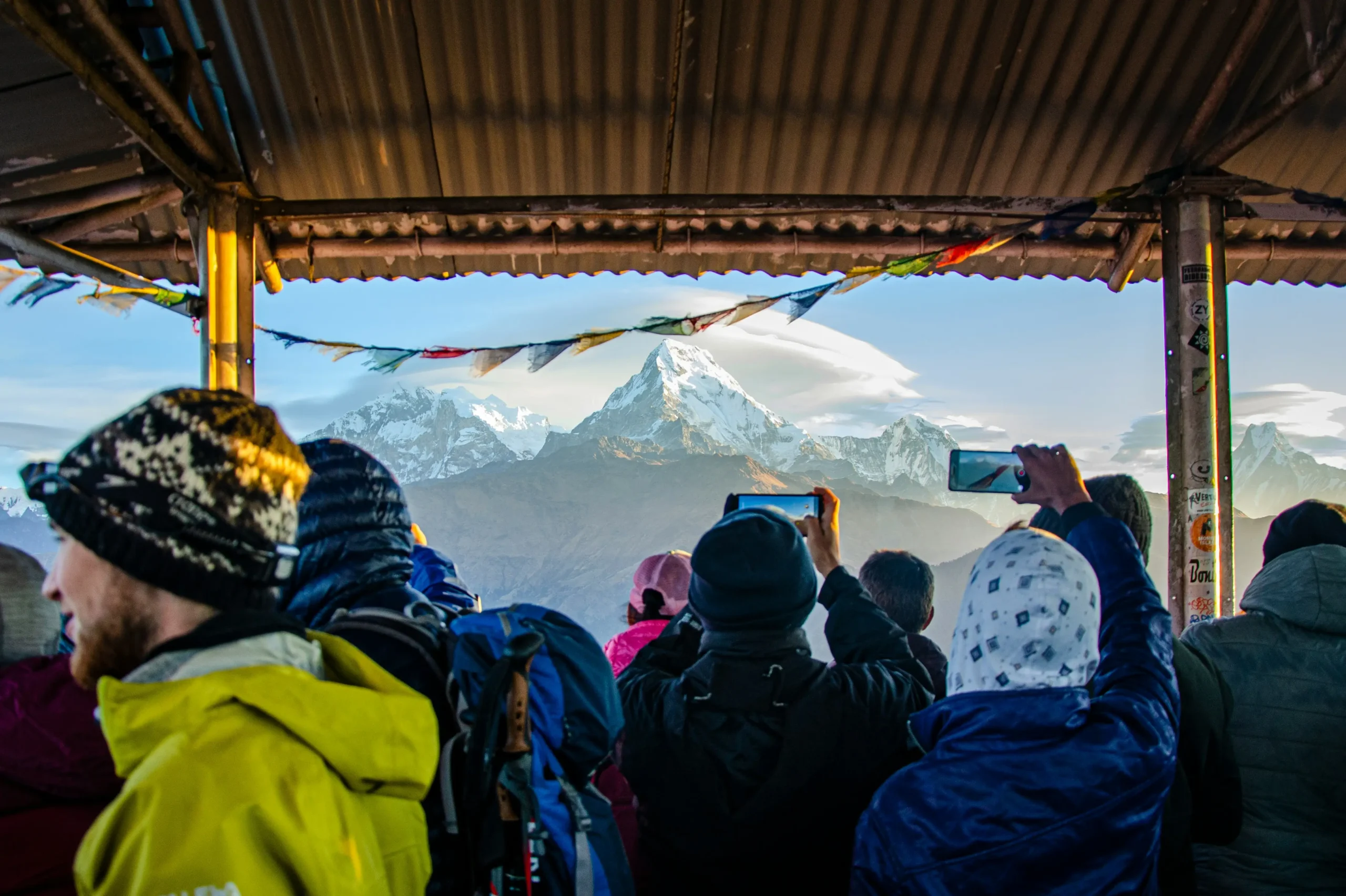
Autumn is the busiest season on Ghorepani Poon Hill Trek. Lodges fill quickly, and the trail sees hundreds of trekkers daily during October. Book accommodation early and expect to share the sunrise Poon Hill experience with crowds.
Winter Season (December to February) offers a completely different trekking experience. Temperatures drop significantly with nighttime lows at Ghorepani reaching -5 to -10°C (14 to 23°F). Snow occasionally covers trails above 2,500 meters, particularly after winter storms.
Despite cold, winter offers advantages: crystal-clear air with exceptional visibility, snow-covered peaks and forests creating winter wonderland landscapes, minimal crowds, and lower lodge prices. Proper winter gear is essential including down jacket, warm sleeping bag, and good boots.
Many lodges at higher elevations close for winter or operate minimally. Tadapani particularly has limited open lodges December through February. However, Ghorepani and Ghandruk maintain services year-round.
Summer/Monsoon Season (June to August) is the least popular trekking period. Heavy monsoon rains make trails muddy, slippery, and difficult. Leeches infest lower-elevation forests. Mountains are usually hidden by clouds and rain. The trails are nearly empty of trekkers.
However, some advantages exist: lush green landscapes, blooming flowers, dramatically lower prices, complete solitude on trails. Hardy trekkers willing to accept poor weather and obscured views can enjoy peaceful trekking and authentic village experiences without tourism crowds.
Monthly Breakdown:
- March: Good weather, rhododendron blooms begin, increasing crowds
- April: Peak rhododendron blooms, moderate temperatures, some afternoon clouds
- May: Warmer temperatures, pre-monsoon haze, fewer crowds than March/April
- June-August: Monsoon rains, leeches, obscured views, very few trekkers
- September: Post-monsoon transition, clearing weather, increasing crowds
- October: Best overall conditions, clear views, perfect temperatures, peak crowds
- November: Excellent conditions, colder temperatures, good visibility
- December-February: Winter conditions, cold temperatures, snow possible, minimal crowds
We recommend October for first-time trekkers seeking optimal conditions, or April for those seeking rhododendron blooms. November and March offer excellent compromises with good conditions and fewer crowds than peak months.
Permits Required for Ghorepani Poon Hill Trek
Trekking in the Annapurna Conservation Area requires specific permits, both mandatory and enforced at multiple checkpoints along the route. Understanding permit requirements helps avoid delays and complications.
Annapurna Conservation Area Permit (ACAP) costs NPR 3,000 (approximately USD 23) per person for foreign nationals and NPR 1,000 for SAARC country citizens. This permit supports conservation efforts, trail maintenance, and community development in the Annapurna Conservation Area Project, one of Nepal's most successful conservation initiatives.
The permit is mandatory for all trekkers in the Annapurna region and is checked at multiple points: Nayapul entry, Birethanti checkpoint, and occasionally at lodges. Keep your permit accessible in a waterproof pouch throughout the trek.
TIMS Card (Trekkers' Information Management System) regulations have changed recently. As of current regulations (verify when booking as rules sometimes change), TIMS cards are not required for Ghorepani Poon Hill Trek when traveling with a registered trekking agency. Independent trekkers may still need TIMS cards depending on current regulations.
Previously, TIMS cards cost NPR 2,000 for independent trekkers and NPR 1,000 for agency-organized treks. The card system tracked trekker safety and provided emergency contact information. Current status should be verified with your trekking agency or Nepal Tourism Board.
Where to Obtain Permits:
In Kathmandu: Nepal Tourism Board office in Bhrikuti Mandap near Kathmandu Durbar Square issues both ACAP permits and TIMS cards (if required). The office is open Sunday to Friday, 10 AM to 5 PM (closed Saturdays and public holidays). Processing takes 10 to 30 minutes if you have all required documents.
In Pokhara: Nepal Tourism Board office near the airport and ACAP office in Damside both issue permits. Many trekkers obtain permits in Pokhara the day before starting the trek, which is convenient and avoids Kathmandu processing.
At Nayapul: Permits can be issued at the checkpoint in Nayapul on the trek's first day, though lines can be long during peak season. Having permits pre-arranged saves time and avoids delays.
Required Documents for Permits:
- Passport (original)
- 2 passport-size photos (recent)
- Completed application form (provided at permit offices)
- Payment in Nepali Rupees cash (credit cards not accepted)
Next Trip Nepal Permit Service: We handle all permit processing for our clients as part of the trek package. You simply provide passport copies and photos before the trek, and we obtain all necessary permits in advance. This saves you time and ensures compliance with all requirements.
Permit Checkpoints: Your permits are registered at:
- Nayapul entry checkpoint
- Birethanti ACAP office
- Occasionally at lodges as part of tourism monitoring
- Ghandruk checkpoint upon exiting
Always carry permits with your passport in a waterproof document pouch. Losing permits creates complications, and replacements are difficult to obtain mid-trek.
Accommodation and Food on Ghorepani Poon Hill Trek
The Ghorepani Poon Hill Trek features well-developed teahouse lodge infrastructure offering surprisingly comfortable accommodation and good food considering the remote mountain environment. Understanding what to expect helps set appropriate expectations.
Teahouse Lodges: These family-run guesthouses range from basic to quite comfortable. Most lodges rebuilt or renovated in recent years offer clean rooms with:
- Twin beds with foam mattresses (approximately 10cm thick)
- Pillows and blankets (thick, warm, sometimes heavy)
- Shared bathrooms with squat or western toilets
- Some lodges offer attached bathrooms (request when booking, additional cost)
- Solar-powered electricity for lighting and charging (when sunny)
- Hot showers available for fee (NPR 200 to 500 / USD 1.50 to 4)
Room quality varies by location. Ghorepani and Ghandruk have the most developed infrastructure with some lodges offering private rooms with attached bathrooms, wifi, western toilets, and hot showers. Smaller villages like Tadapani have more basic facilities with shared bathrooms and limited electricity.
Dining Rooms: The social center of every lodge is the dining room featuring a central wood-burning stove (bukhari). Trekkers gather around this stove, especially in evenings, creating a cozy atmosphere for socializing, playing cards, reading, or simply warming cold hands. The dining room is often the only heated space in the lodge.
Seating is typically on benches at long tables covered with plastic tablecloths. Walls display lodge information, trekking route maps, and photos of past guests. The atmosphere is friendly and communal, with trekkers from around the world sharing experiences.
Food Quality and Variety: Lodge menus are surprisingly extensive, offering Nepali, Tibetan, Chinese, Indian, and basic Western dishes. While quality varies between lodges, most prepare food hygienically and serve filling, nutritious meals.
Breakfast Options:
- Porridge (oatmeal) with honey, sugar, or jam
- Toast with peanut butter, jam, cheese, or honey
- Pancakes (plain, banana, apple, chocolate chip)
- Tibetan bread (fried bread, delicious with honey)
- Eggs (fried, scrambled, boiled, omelet, poached)
- Hash browns or fried potatoes
- Muesli or corn flakes with milk
- French toast
- Set breakfast (combination of toast, eggs, potato, tea/coffee)
Lunch and Dinner Menus:
- Dal Bhat (rice, lentil soup, curry vegetables, pickle) – unlimited refills, most nutritious option
- Fried rice (vegetable, egg, chicken, mixed)
- Noodles (chow mein, fried noodles)
- Thukpa (Tibetan noodle soup)
- Momos (steamed or fried dumplings with vegetable, buff, or chicken filling)
- Pizza (basic but surprisingly decent)
- Pasta (spaghetti, macaroni)
- Spring rolls
- Fried potatoes
- Soups (vegetable, tomato, mushroom, garlic, noodle)
- Sherpa stew
- Yak steak (available in some upper lodges)
- Sandwiches
Our Dal Bhat Recommendation: We strongly encourage eating dal bhat for at least one meal daily. This traditional Nepali meal provides balanced nutrition with carbohydrates, protein, vitamins, and minerals. The "dal bhat power, 24 hour" saying exists because it genuinely fuels trekking energy. Most lodges offer unlimited refills of rice and dal, making it economical and filling.
Drinks Available:
- Tea (black, milk, lemon, ginger, masala chai, green, herbal)
- Coffee (instant Nescafe, filter coffee, sometimes espresso)
- Hot lemon (excellent for sore throats)
- Hot chocolate
- Hot water (for those with their own tea bags)
- Soft drinks (Coca-Cola, Sprite, Fanta)
- Bottled water (expensive, environmentally poor)
- Beer (available most lodges except highest elevations)
- Local spirits (raksi, tongba in some villages)
Water Purification: Tap water is not safe to drink. Options include:
- Boiled water from lodges (free or NPR 50 to 100 per liter)
- Water purification tablets (iodine, chlorine dioxide, or Aquatabs)
- Water filter systems (Sawyer, LifeStraw, SteriPen)
- Bottled water (NPR 100 to 300 / USD 0.75 to 2.50 per liter depending on altitude)
We strongly recommend using refillable bottles with purification tablets or filters rather than buying plastic bottles. This saves money and dramatically reduces plastic waste in the mountains.
Vegetarian vs. Non-Vegetarian: Vegetarian food is abundant, safe, and actually recommended. At higher altitudes, meat must be transported without refrigeration, creating food safety concerns. Vegetable dishes, dal bhat, eggs, and cheese are fresh and safe. If eating meat, buffalo (buff) is safer than chicken, and ensure it is thoroughly cooked.
Meal Costs: Food prices increase with altitude due to porter transportation costs. Approximate costs:
Lower elevations (Ulleri, Ghandruk):
- Breakfast: NPR 300 to 600 (USD 2 to 4)
- Lunch/Dinner: NPR 400 to 900 (USD 3 to 7)
- Dal bhat: NPR 500 to 700 (USD 4 to 5)
Higher elevations (Ghorepani, Tadapani):
- Breakfast: NPR 400 to 800 (USD 3 to 6)
- Lunch/Dinner: NPR 600 to 1,200 (USD 4.50 to 9)
- Dal bhat: NPR 700 to 1,000 (USD 5 to 8)
Drinks and snacks:
- Tea/coffee: NPR 100 to 250 (USD 0.75 to 2)
- Soft drinks: NPR 150 to 300 (USD 1 to 2.50)
- Beer: NPR 400 to 700 (USD 3 to 5)
- Chocolate bars: NPR 150 to 400 (USD 1 to 3)
Dietary Restrictions: Vegetarian options are plentiful. Vegan food is manageable with advance communication to lodge owners (no dairy, eggs, ghee). Gluten-free is challenging but possible with rice-based meals. Inform your guide about restrictions so they can communicate ahead to lodges.
Lodge Etiquette:
- Order meals where you sleep (lodges earn from food, not rooms)
- Be patient as kitchens serve many trekkers simultaneously
- Understand that hot showers and electricity cost extra
Ghorepani Poon Hill Trek Cost and Budget Breakdown
Understanding realistic costs helps you budget appropriately for the Ghorepani Poon Hill Trek. Prices vary based on group size, season, services included, and choice of agency. At Next Trip Nepal, we believe in transparent pricing with no hidden costs.
Standard 7-Day Trek Package Cost:
Group packages (4 to 6 people): USD 350 to 500 per person
Private trek (2 people): USD 450 to 600 per person
Solo traveler: USD 550 to 700
Daily Extra Expenses During Trek:
Budget approximately USD 10 to 20 per day for extras:
- Bottled/filtered water: USD 2 to 5 daily
- Hot showers: USD 2 to 3 each (every 2 to 3 days)
- Battery charging: USD 1 to 2 daily
- Extra tea, coffee, hot chocolate: USD 2 to 6 daily
- Snacks (chocolate, cookies, fruits): USD 2 to 5 daily
- Wifi access: USD 2 to 3 daily (where available)
Tipping Guidelines:
Standard amounts:
- Trekking guide: USD 75 to 100 total for 7-day trek
- Porter: USD 75 to 50 total for 90-day trek
Adjust based on service quality. Tips are typically given on the last trekking day. If the group splits tips, coordinate together. Provide tips in sealed envelopes with thank you notes if desired.
Total Trip Cost Estimate:
For 7-day Ghorepani Poon Hill Trek including package, extras, tips, and Kathmandu expenses:
Budget traveler: USD 500 to 650
- Package: USD 400
- Trek extras: USD 50
- Tips: USD 50
- Kathmandu (1 night): USD 20
- Kathmandu meals: USD 20
Mid-range traveler: USD 650 to 850
- Package: USD 500
- Trek extras: USD 100
- Tips: USD 80
- Kathmandu (2 nights): USD 60
- Kathmandu meals/activities: USD 60
Comfortable budget: USD 850 to 1,100
- Package: USD 600
- Trek extras: USD 150
- Tips: USD 100
- Kathmandu (2 nights): USD 100
- Kathmandu meals/activities/shopping: USD 100
Money Matters:
- Bring sufficient Nepali Rupees cash before starting trek
- No ATMs exist on the trek route
- Some lodges in Ghorepani/Ghandruk accept credit cards but with 5 to 10% fees
- USD can sometimes be used but at poor exchange rates
- Keep small denominations (NPR 100, 500 notes) for easy transactions
Cost-Saving Tips:
- Join group departure to share costs
- Book well in advance for better rates
- Trek in shoulder season (March, November) instead of peak October
- Carry your own pack if fit (save porter cost)
- Use water purification instead of buying bottles
- Limit hot showers (every 2 to 3 days sufficient)
- Choose dal bhat meals (best value, unlimited refills)
- Bring snacks from Kathmandu/Pokhara (cheaper than mountain prices)
Transportation: Kathmandu to Pokhara and Trek Access
Understanding transportation logistics helps you plan arrival times, pack appropriately for road journeys, and know what to expect from Nepal's mountain roads.
Kathmandu to Pokhara (Day 1 and Day 7):
The 200-kilometer journey takes 6 to 7 hours along the Prithvi Highway. Next Trip Nepal typically arranges tourist buses offering more comfort than local buses:
Tourist Bus Features:
- Assigned seats (choose window or aisle when booking)
- Slightly more legroom than local buses
- Luggage storage underneath or on roof racks
- Air conditioning (though not always working)
- Fewer stops than local buses
- Scheduled lunch break included
Departure Points:
- Kathmandu: Various locations in Thamel or designated tourist bus park
- Pokhara: Tourist bus park near Lakeside or Mustang Chowk
Journey Experience:
The road quality varies from good paved sections to rough, potholed stretches. The route is scenic, following the Trishuli River through terraced hillsides and small towns. Expect:
- Winding mountain roads with curves and switchbacks
- Dramatic views of river gorges and distant peaks
- Passing through small market towns
- Sharing roads with trucks, buses, motorcycles
- Occasional traffic delays during peak season
- Dust during dry season, mud during monsoon
Scheduled Stops:
- Breakfast/restroom stop (if departing very early)
- Lunch stop in Malekhu or Mugling (30 to 45 minutes)
- Occasional brief stops for roadside stalls or viewpoints
Road Safety Note:
Nepal's mountain roads can seem adventurous to visitors unused to such conditions. Buses and trucks navigate narrow roads with steep drops visible from windows. While this appears dramatic, accidents are statistically rare on the main Kathmandu-Pokhara route. Drivers are experienced and familiar with the roads.
For nervous passengers:
- Sit in middle seats away from windows
- Focus on the scenery rather than the immediate road edge
- Trust that drivers navigate this route daily
- Consider travel sickness medication if prone to motion sickness
Private Vehicle Option:
For added comfort, Next Trip Nepal can arrange private car or jeep (additional cost):
- Toyota HiAce van: 8 to 10 passengers, USD 180 to 220
- Private car: 3 to 4 passengers, USD 150 to 180
- SUV/Jeep: 4 to 5 passengers, USD 160 to 200
Advantages include:
- Flexibility for stops (photos, restrooms, meals)
- More comfortable seating
- No waiting for other passengers
- Direct hotel-to-hotel service
- Ability to adjust departure time
Pokhara to Nayapul (Day 2):
The 42-kilometer drive takes 1.5 hours on mostly paved roads. Next Trip Nepal arranges private jeep or tourist vehicle for this section, typically departing your hotel around 7 to 7:30 AM.
The route follows the Seti River valley through:
- Pokhara suburbs and outskirts
- Tea gardens and orange orchards near Lumle
- Traditional villages with terraced fields
- Final descent to Nayapul trailhead
Nayapul to Pokhara (Day 6):
The return journey reverses the morning route, taking 1.5 hours. Vehicles typically meet you at Nayapul around 2 to 3 PM after trekking down from Ghandruk. The afternoon drive returns you to Pokhara in time for evening relaxation, shopping, or celebration dinner.
Luggage During Transportation:
- Main luggage travels in bus/vehicle storage compartments
- Keep valuables, documents, and medications in carry-on daypack
- Pack breakables carefully as roads are bumpy
- Luggage may be placed on roof racks (usually covered with tarps)
Alternative: Fly Kathmandu to Pokhara:
For those with limited time or preferring to avoid long bus journeys, domestic flights operate multiple times daily:
- Flight time: 25 to 30 minutes
- Cost: USD 100 to 150 per person one-way
- Airlines: Buddha Air, Yeti Airlines, Shree Airlines
- Morning flights offer spectacular mountain views
However, flights face frequent delays and cancellations due to weather. The bus journey, while longer, is more reliable and includes scenic highway views.
Essential Packing List for Ghorepani Poon Hill Trek
Packing correctly ensures comfort without carrying unnecessary weight. This practical list reflects what you actually need based on real trekking experience.
Clothing (Layer System):
Base Layers:
- 2 to 3 sets moisture-wicking thermal underwear (top and bottom)
- 3 to 4 trekking shirts (long sleeve, quick-dry synthetic or merino wool)
- 1 to 2 short-sleeve shirts
- Avoid cotton (holds moisture and loses insulation when wet)
Insulation Layers:
- Fleece jacket or synthetic insulated jacket (mid-layer warmth)
- Down jacket (essential for evenings and Poon Hill sunrise)
- Down vest (optional, adds versatility)
Outer Layers:
- Waterproof jacket (quality matters; must be actually waterproof, not just water-resistant)
- Waterproof pants or rain pants (essential during monsoon, useful any season)
- Trekking pants: 2 pairs (one convertible zip-off is useful)
- Trekking shorts (optional for warm lower elevations)
Extremities:
- Warm wool or synthetic hat (essential for early mornings)
- Sun hat or cap with brim
- Buff or neck gaiter (versatile, protects from sun and cold)
- Gloves: liner gloves plus insulated gloves or mittens
- Underwear: 4 to 5 pairs (quick-dry synthetic)
- Socks: 4 to 5 pairs thick trekking socks (wool or synthetic, NEVER cotton)
Footwear:
- Hiking boots (broken in, waterproof, ankle support, good tread)
- Camp shoes (sandals, Crocs, or lightweight shoes for evenings)
- Gaiters (optional, useful for rain, mud, or snow)
Backpack and Bags:
- Daypack: 25 to 35 liters for carrying daily essentials
- Duffel bag or backpack for porter to carry (provided by Next Trip Nepal)
- Dry bags or waterproof stuff sacks for organizing gear
- Daypack rain cover (or built-in rain cover)
Trekking Equipment:
- Trekking poles (highly recommended for knee protection on descents)
- Headlamp with extra batteries (essential for Poon Hill pre-dawn hike)
- Sunglasses with UV protection (category 3 or 4, essential at altitude)
- Water bottles: 2 x 1-liter (or hydration bladder system)
- Water purification tablets, filter, or UV device
- Sleeping bag liner (sleeping bags provided but liner adds warmth and hygiene)
Personal Care and Medical:
- Sunscreen SPF 50+ (sun is intense at altitude)
- Lip balm with SPF (essential, lips burn and crack easily)
- Biodegradable soap and shampoo (small travel sizes)
- Toothbrush and toothpaste
- Toilet paper (lodges provide but carry extra)
- Wet wipes (useful when showers unavailable)
- Hand sanitizer
- Quick-dry towel (small)
- Personal medications
- First aid kit:
- Plasters/band-aids
- Blister treatment (Compeed or moleskin)
- Pain relievers (ibuprofen, paracetamol)
- Anti-diarrhea medication (Imodium)
- Altitude sickness medication (Diamox, if prescribed)
- Throat lozenges
- Antiseptic cream
Electronics and Accessories:
- Camera with extra batteries and memory cards
- Smartphone
- Power bank (10,000 to 20,000 mAh capacity, essential as charging costs add up)
- Charging cables for all devices
- Universal adapter (Nepal uses European-style round pins)
- E-reader or book (for evening entertainment)
- Earbuds or headphones
Documents and Money:
- Passport with Nepal visa
- Travel insurance policy details and emergency numbers
- Passport-size photos (2 to 3 for permits if not already arranged)
- Cash in Nepali Rupees (sufficient for entire trek)
- Some USD bills (emergency backup)
- Credit/debit card (backup, limited use on trek)
Optional but Useful:
- Earplugs (lodge walls are thin, neighbors snore)
- Eye mask (helpful for early morning disturbances)
- Snacks from home (energy bars, favorite treats lighter than buying in Nepal)
- Playing cards or small games
- Notebook and pen
- Ziplock bags (various sizes, waterproofing small items)
- Duct tape (wrapped around trekking pole, emergency repairs)
- Safety pins
- Sewing kit (minimal: needle, thread)
- Whistle (emergency signaling)
What NOT to Bring:
- Excessive clothing changes (laundry limited, repeat wearing is normal)
- Heavy books (one lightweight book or e-reader sufficient)
- Valuable jewelry or accessories
- Hair dryer or styling tools (no power for such items)
- Full-size toiletries (bring travel sizes, buy if needed)
- Cotton clothing (poor insulation when wet)
- New, unbroken boots (guaranteed blisters)
Weight Guidelines:
Your porter carries your main bag (duffel) with a maximum limit of 10kg per trekker (20kg shared between two trekkers). Your daypack should weigh 5 to 7kg maximum with daily essentials:
- Water (1 to 2 liters)
- Snacks and lunch
- Camera and electronics
- Rain gear and warm layer
- First aid kit
- Sunscreen and sunglasses
- Documents and money
Seasonal Variations:
Spring/Autumn: Standard packing list as above
Winter (Dec-Feb): Add:
- Heavier down jacket rated to -15°C
- Warmer gloves and hat
- Thermal long underwear (extra set)
- Sleeping bag rated to -10°C (Next Trip Nepal's provided bag may not suffice)
- Microspikes or crampons (if trekking after snowfall)
Monsoon (Jun-Aug): Add:
- Extra waterproof clothing
- Waterproof pack liner or multiple dry bags
- Leech socks (if trekking lower elevations)
- Extra quick-dry clothing
Altitude Sickness and Safety Tips for Ghorepani Poon Hill Trek
While the Ghorepani Poon Hill Trek reaches relatively moderate altitudes compared to other Nepal treks, understanding altitude effects and general safety protocols ensures a successful, enjoyable journey.
Altitude Sickness (Acute Mountain Sickness - AMS):
The maximum sleeping altitude on this trek (2,860m at Ghorepani) and highest point (3,210m at Poon Hill) stay well below the 3,500-meter threshold where altitude sickness commonly occurs. Most healthy trekkers experience minimal altitude effects at these elevations.
However, some people are more susceptible to altitude than others, regardless of fitness level. Even at 2,800 to 3,200 meters, you might notice:
- Mild headache
- Reduced appetite
- Difficulty sleeping or unusual dreams
- Slightly increased breathing rate
- Mild fatigue
These symptoms are normal and usually resolve with rest and hydration. They do not indicate serious altitude sickness.
Serious Symptoms (Rare at These Altitudes but Know Them):
- Severe headache not relieved by medication
- Nausea or vomiting
- Dizziness or loss of balance
- Confusion or altered mental state
- Extreme fatigue or weakness
If you experience serious symptoms, inform your guide immediately. Descent and medical evaluation are necessary.
Prevention Strategies:
Hydration: Drink 3 to 4 liters of water daily. Dehydration worsens altitude symptoms. Your urine should be clear or pale yellow.
Gradual Ascent: The itinerary is designed with appropriate elevation gain. Avoid rushing or skipping rest stops.
Eat Well: Maintain caloric intake even if appetite decreases. Carbohydrates are especially important.
Avoid Alcohol: Alcohol dehydrates and can worsen altitude effects, especially at Ghorepani and during Poon Hill climb.
Listen to Your Body: If feeling unwell, rest. Don't push through serious symptoms to "keep up" with your group.
Diamox (Acetazolamide):
This medication helps prevent mild altitude sickness by increasing breathing rate. Standard dose is 125mg twice daily, starting 1 to 2 days before reaching Ghorepani. Side effects include tingling fingers, more frequent urination, and altered taste of carbonated drinks.
For Ghorepani Poon Hill Trek, Diamox is generally unnecessary due to moderate altitudes. However, if you have history of altitude sensitivity or want extra protection, consult your doctor about whether it's appropriate.
General Safety Tips:
Trail Safety:
- Watch your footing on uneven stone steps and rocky sections
- Use trekking poles for stability on descents
- Let faster trekkers pass rather than feeling rushed
- Be extra cautious on wet or icy sections
- Stay on established trails; shortcuts erode hillsides and can be dangerous
Weather Awareness:
- Mountain weather changes rapidly
- Always carry rain gear in your daypack
- If a storm develops, seek shelter and wait rather than pushing forward
- Lightning is rare but possible; avoid exposed ridges during electrical storms
Pack Animals:
- Mules and donkeys carry supplies to mountain lodges
- Traditional right-of-way: step to uphill side to let animals pass
- Never stand directly downhill from animals (they can kick)
- Give animals space; they can be skittish
Wildlife:
- Langur monkeys are common; don't feed them or leave food accessible
- Himalayan black bears exist but human encounters are extremely rare
- Make noise while walking through forest to avoid surprising wildlife
- Never approach or attempt to feed any wild animal
Drinking Water:
- Never drink untreated water
- Use purification tablets, filters, or UV devices
- Boiled water from lodges is safe
- Avoid ice in drinks (made from potentially untreated water)
Food Safety:
- Stick to well-cooked, hot food
- Avoid raw vegetables and salads (washed in potentially contaminated water)
- Peel fruits yourself
- Choose vegetarian at higher altitudes (meat storage concerns)
Sun Protection:
- UV radiation increases with altitude
- Use SPF 50+ sunscreen daily, reapplying every 2 to 3 hours
- Wear sunglasses with proper UV protection
- Lips burn easily; use lip balm with SPF
Hygiene:
- Wash hands regularly, especially before eating
- Use hand sanitizer when water unavailable
- Bring your own toilet paper
- Dispose of toilet paper properly (burn or bin, never litter)
Emergency Procedures:
Next Trip Nepal guides carry:
- First aid kits with essential medications and supplies
- Emergency contact information
- Knowledge of nearest health posts and evacuation points
In case of serious illness or injury:
- Guide assesses situation and provides first aid
- If necessary, guide contacts Next Trip Nepal office via phone
- Office coordinates with insurance company and arranges evacuation if needed
- Helicopter evacuation possible from Ghorepani or Ghandruk to Pokhara hospitals
- Costs covered by your travel insurance (advance payment required, reimbursed later)
Health Posts:
Small health posts exist in Ghorepani and Ghandruk offering basic medical care. For serious issues, evacuation to Pokhara hospitals is necessary.
Why Choose Ghorepani Poon Hill Trek
After years of organizing treks throughout Nepal, Next Trip Nepal consistently recommends Ghorepani Poon Hill Trek for specific reasons that make it exceptional.
Perfect Introduction to Himalayan Trekking:
This trek provides authentic mountain experience without extreme challenges. First-time trekkers gain confidence for future longer treks. Families introduce children to multi-day hiking. Older adults test their abilities in a supportive environment. The moderate altitude, comfortable lodges, and 4 to 6-hour daily walking create an accessible yet rewarding adventure.
Spectacular Mountain Views:
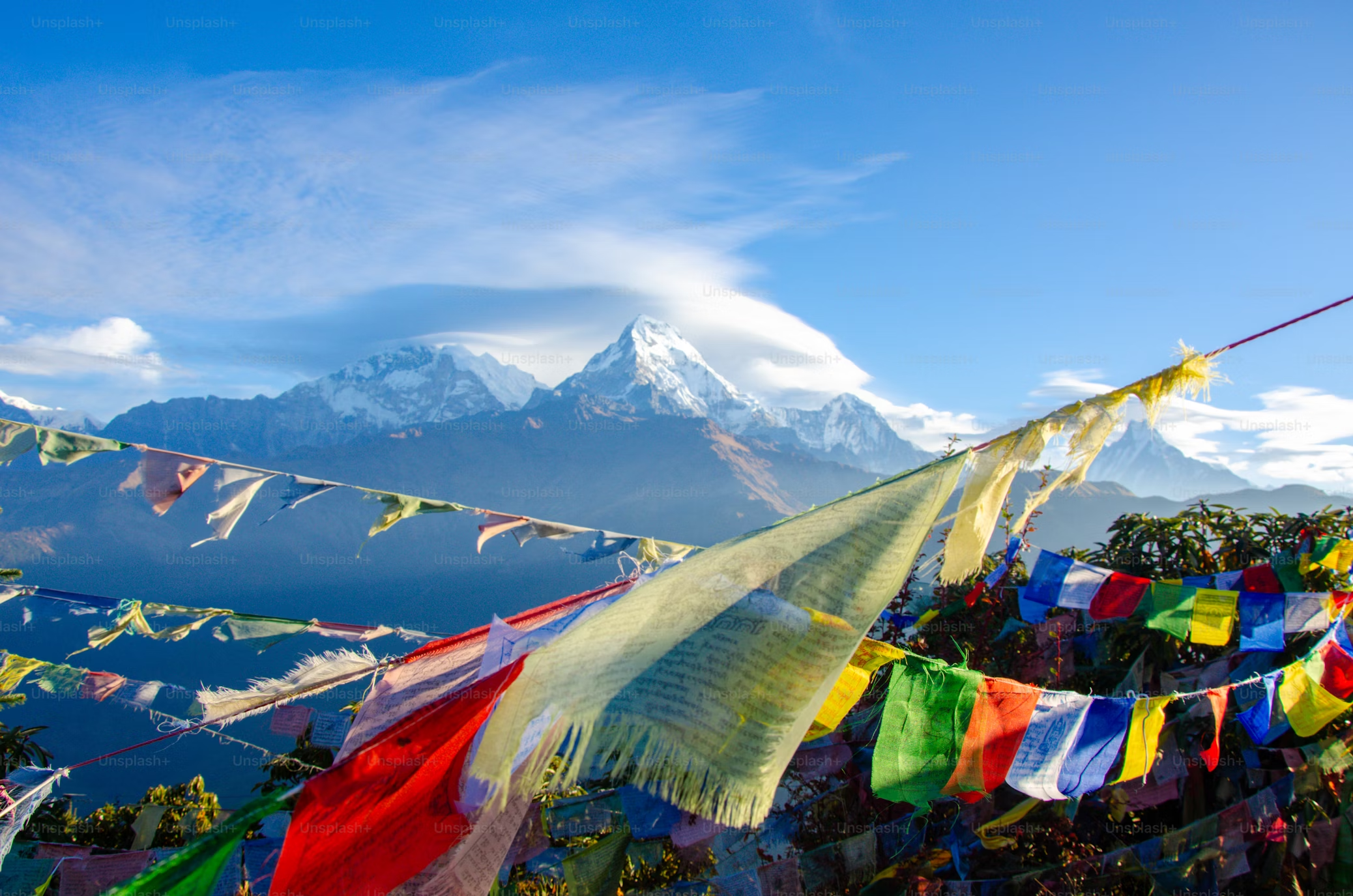
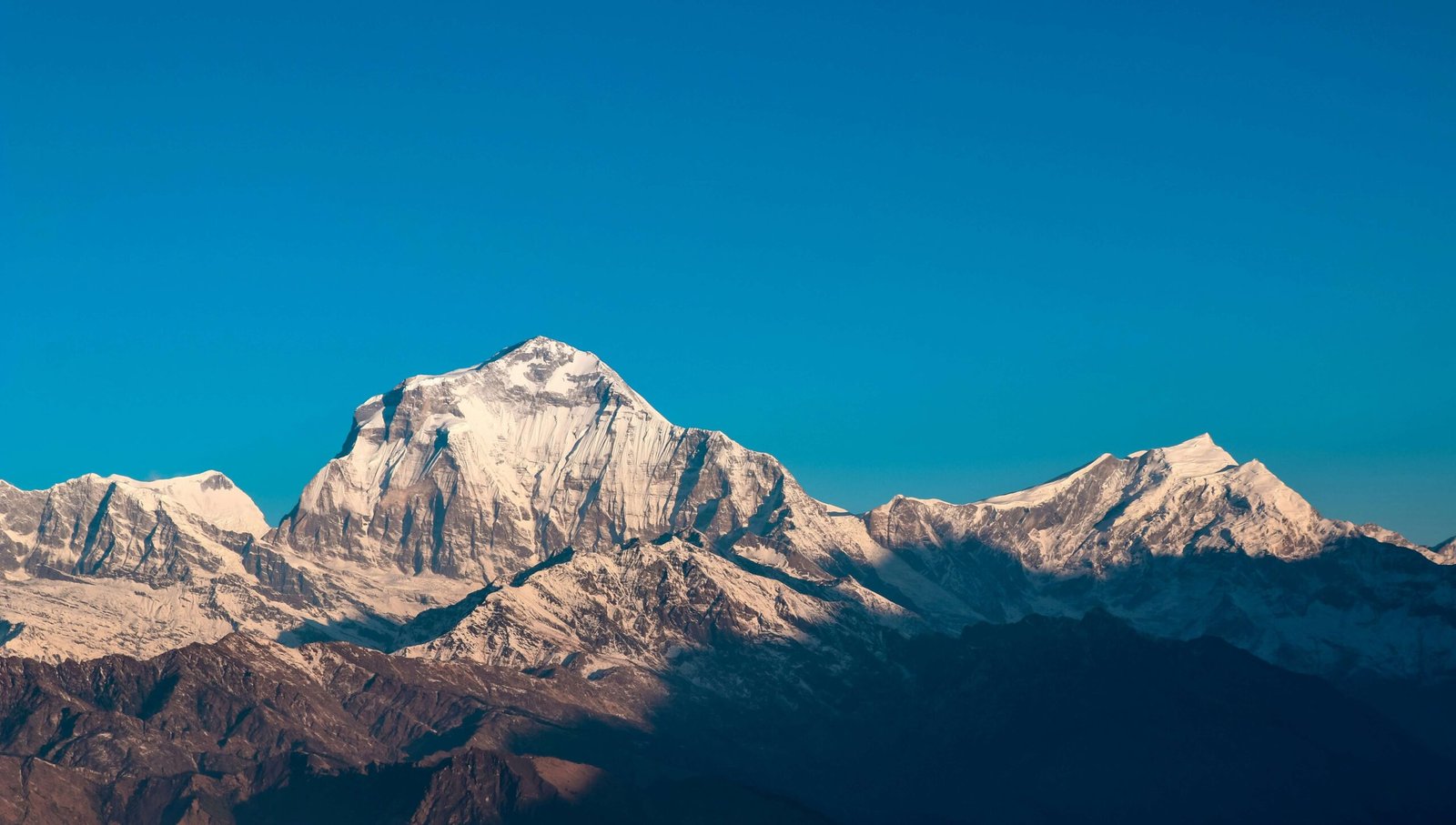
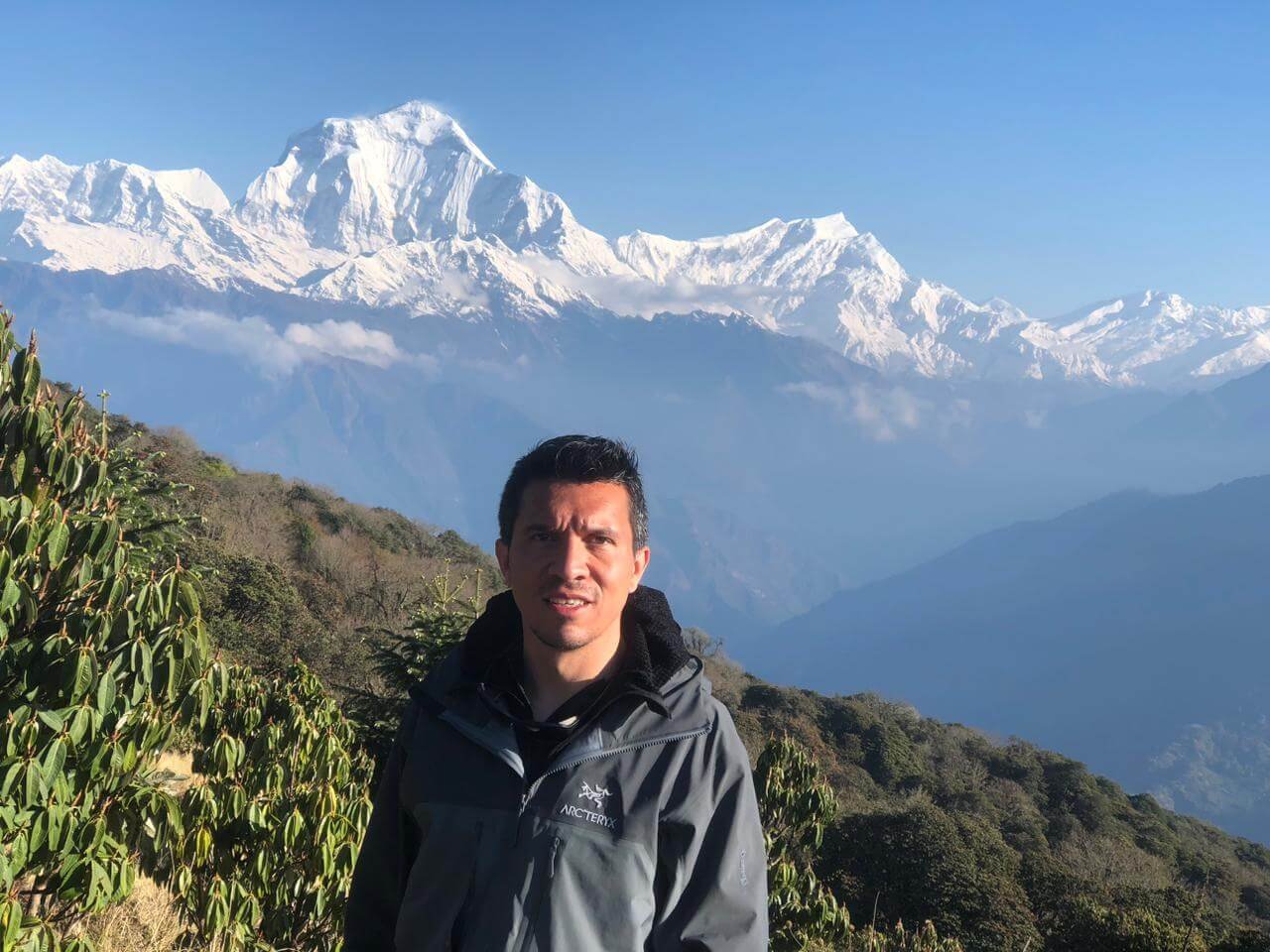
The Poon Hill sunrise panorama includes over 20 peaks above 6,000 meters. Few places on Earth offer such concentrated mountain magnificence accessible with just 4 days of moderate trekking. The views rival or surpass much longer, more difficult treks.
Rich Cultural Experience:
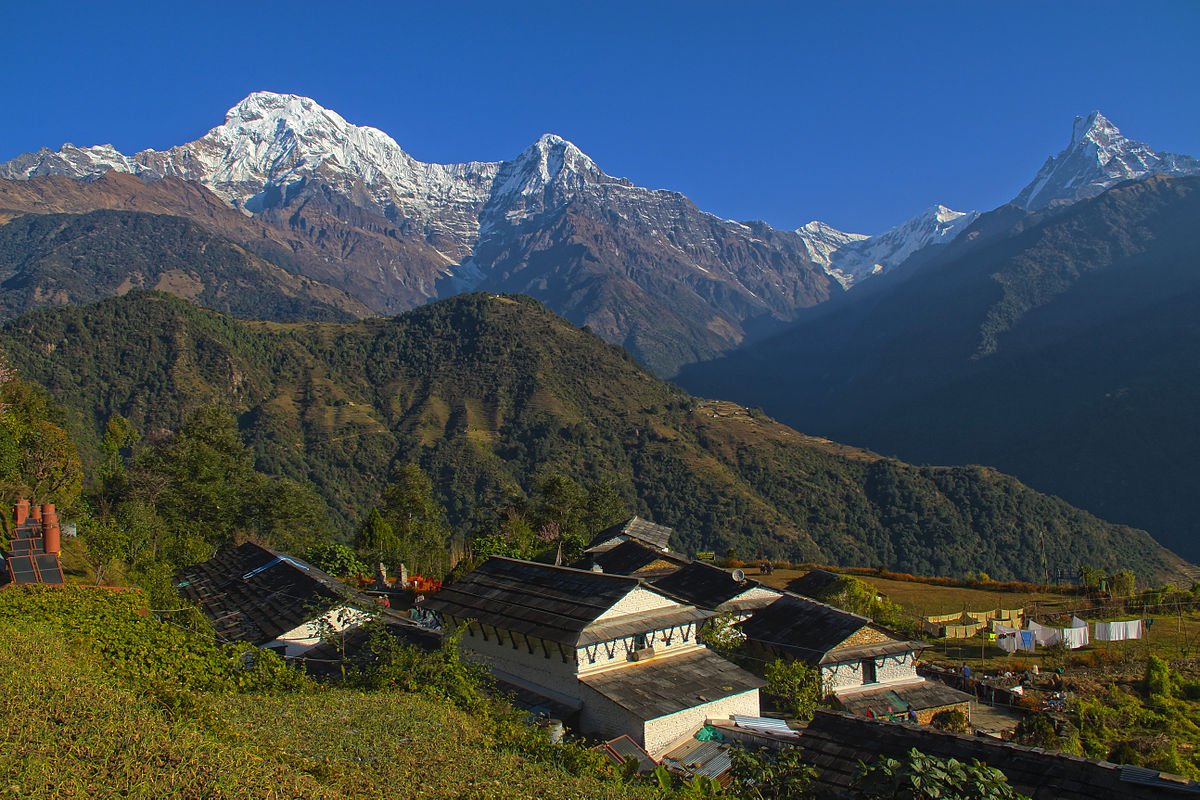
Ghandruk village preserves authentic Gurung culture. You witness traditional lifestyles, visit working monasteries, see ancient customs maintained across generations. Unlike more commercialized routes where culture becomes performance, here you experience genuine village life.
Rhododendron Forests:
In spring, the forests transform into floral wonderlands. Walking through tunnels of red, pink, and white rhododendron blooms creates magical moments. The forests are beautiful year-round but spring blooms make the trek exceptional.
Accessible from Kathmandu:
No flights required. The entire adventure completes in 7 days from Kathmandu including road transportation. This makes it perfect for travelers with limited time or those wanting to avoid flight costs and delays associated with Everest region treks.
Comfortable Infrastructure:
The well-developed lodge system offers hot showers, electricity, varied food menus, and surprisingly good facilities. While still "rustic" by western hotel standards, the lodges provide comfort that allows you to focus on enjoying the trek rather than enduring it.
Lower Costs:
Compared to Everest Base Camp or Annapurna Circuit, Ghorepani Poon Hill costs significantly less. No expensive flights, shorter duration, and good infrastructure keep prices manageable while delivering exceptional value.
Less Crowded Than Famous Routes:
While busier than remote treks, Ghorepani Poon Hill sees far fewer trekkers than Everest Base Camp or the most popular Annapurna routes. You experience Nepal's mountains without feeling like you're in a tourist procession.
Year-Round Accessibility:
The moderate altitude and good infrastructure mean this trek works nearly year-round. Winter brings cold and occasional snow but remains doable with proper gear. Even monsoon sees some hardy trekkers, though we recommend spring or autumn.
Family-Friendly:
Children 8+ years old with regular exercise habits complete this trek successfully. The daily distances are manageable, lodges are comfortable, and the maximum altitude rarely causes problems for healthy kids. Many families use Ghorepani Poon Hill as their first Himalayan adventure together.
Perfect Acclimatization Trek:
Planning Annapurna Base Camp, Annapurna Circuit, or other higher treks? Ghorepani Poon Hill makes an excellent acclimatization trek, preparing your body for higher altitudes while giving you a feel for Nepal trekking logistics.
Supporting Local Communities:
Your trekking fees and spending directly support Gurung, Magar, and other mountain communities. The lodge system creates employment and income for hundreds of families. Tourism has brought prosperity to villages that previously survived on subsistence agriculture alone.
Safe and Well-Established:
Decades of trekking traffic have created robust infrastructure and safety systems. Trails are well-maintained, guides are experienced, and emergency evacuation routes are established. This trek has an excellent safety record.