Mardi Himal Trek 9 Days!

9 Days

TREK AT A GLANCE

9 Days
Duration
4,500m
Max Altitude
Easy to Moderate
Difficulty
From $499
Per Person
Oct to Nov & Mar to Apr
Best Season

How the Mardi Himal Trek Compares

Factor Mardi Himal Trek Poon Hill Trek Annapurna Base Camp
Duration9 days5 to 6 days11 to 13 days
Max Altitude4,500m3,210m4,130m
DifficultyEasy to ModerateEasyModerate
Crowd LevelLowVery HighVery High
Machhapuchhre ViewExtremely closeDistantClose
Price from$499$380$680

Altitude Profile: Mardi Himal Trek

The Mardi Himal Trek has a gradual altitude gain profile suitable for first-time high-altitude trekkers. Starting from Kande at 1,770 metres, the trail climbs through four camp zones over four consecutive days, giving your body adequate time to adjust at each level: Pritam Deurali (2,100m), Forest Camp (2,600m), Low Camp (3,150m), High Camp (3,580m), and finally Mardi Himal Base Camp (4,500m) on the summit day. Total elevation gain from Kande to Base Camp is approximately 2,730 metres spread across five walking days — a manageable gain of 400 to 550 metres on most days. The steepest single section is the summit day push from High Camp to Base Camp: 920 metres over 3 to 4 hours on a narrow ridge trail with some exposure. Trekking poles are strongly recommended from Low Camp onward.

Mardi Himal Trek Difficulty

The trek is non-technical — no ropes, crampons or glacier crossings are required in normal conditions. Difficulty comes from cumulative daily elevation gain and the altitude at High Camp (3,580m) and Base Camp (4,500m). The single most demanding moment is the summit day ridge walk from High Camp to Upper Viewpoint (4,250m) and then to Mardi Himal Base Camp (4,500m). The trail narrows above High Camp and the footing becomes rocky with loose scree in the upper section. Early morning departure at 5:00 AM to 5:30 AM from High Camp is essential to reach the viewpoints before clouds build from the south after 11:00 AM. The Day 8 descent via Siding drops 2,300 metres in a single day — trekking poles with working locking mechanisms are essential.

Best Season for the Mardi Himal Trek

Autumn (October to November) is the peak season. Skies clear after the monsoon ends in late September, temperatures at High Camp drop to 0°C to minus 5°C at night, and visibility from Base Camp is at its best. Spring (March to April) brings the rhododendron bloom through the forest sections from Kande to Forest Camp — spectacular in March and April, with good mountain views through mid-April. Winter (December to February) is possible with cold-weather gear but High Camp can receive heavy snowfall and temperatures at High Camp drop to minus 15°C. Monsoon (June to September) is not recommended — the ridge is cloud-covered, leeches are active in the forest sections, and mountain views are largely absent.

Permits for the Mardi Himal Trek

Two permits are required: the Annapurna Conservation Area Permit (ACAP) at NPR 3,000 per person (approximately USD 22), checked at the Kande entry booth; and the TIMS Card at NPR 2,000 per person (approximately USD 15) for individual trekkers, checked at the Pokhara TAAN/NTB checkpoint before departure. We arrange both permits on your behalf when you book through Next Trip Nepal — you provide passport copies and two passport photos.

Packing List for the Mardi Himal Trek

Clothing layers (critical for the ridge above 3,500m): Moisture-wicking base layer top and bottom, thermal mid layer, fleece jacket, down or synthetic insulated jacket, waterproof and windproof outer shell, waterproof trousers, warm hat covering ears, balaclava or neck gaiter for High Camp nights, liner gloves plus insulated outer gloves, trekking socks (3 to 4 pairs, wool preferred).

Footwear: Waterproof mid-ankle trekking boots with good grip, broken in before the trek. Trail runners are insufficient above Forest Camp where the trail becomes rocky and wet. Light sandals for teahouse evenings.

Gear: 25 to 30 litre daypack for the trail, trekking poles (collapsible, locking), headlamp with spare batteries, sleeping bag rated to minus 10°C, water purification tablets or UV pen, reusable water bottle (2 litres minimum), sunscreen SPF 50, UV-blocking sunglasses.

Medical: Personal first aid kit, Diamox 250mg if prescribed by your doctor, blister treatment, anti-diarrhoeal medication, hand sanitiser. Our guides carry a pulse oximeter on all treks.

Accommodation on the Mardi Himal Trek

Teahouses at Pritam Deurali and Forest Camp are relatively comfortable with en-suite or shared bathrooms, hot showers at extra cost, and phone charging. Low Camp teahouses are simpler with shared facilities and thin mattresses. High Camp lodges are basic mountain shelters — no hot showers, limited charging, bunk-style beds — but the ridge location with Machhapuchhre rising overhead makes them worth it. All accommodation in the package includes breakfast and dinner. Lunches on walking days are at your expense (NPR 400 to 700 per meal).

Altitude Sickness on the Mardi Himal Trek

AMS is possible above 3,000 metres. Most trekkers notice mild symptoms at Low Camp (3,150m) or High Camp (3,580m). Our guides carry a pulse oximeter and follow a strict assessment protocol at each camp — trekkers with SpO2 below 85% and worsening symptoms are descended immediately. Preventive measures: stay hydrated (3 to 4 litres per day above 3,000m), ascend slowly, and take Diamox if prescribed by your doctor before departure.

Why Book with Next Trip Nepal

We have guided trekkers on the Mardi Himal Trail since the route opened officially in 2012. Our guides know every section of this trail in every season, every lodge from Kande to High Camp, and every permit checkpoint on the route. The package costs from USD 499 per person for two or more trekkers and covers all accommodation with breakfast and dinner, a licensed NTB guide, a porter for luggage up to 10 kg per person, ACAP and TIMS permits, and private transport. Contact us to customise the itinerary, add acclimatisation days, or combine with the Annapurna Base Camp route or a Langtang Valley Trek.

9 Days Mardi Himal Trek Overview

Local Guide Note — Amar Khand, Trekking Guide, Next Trip Nepal: I have guided Mardi Himal 16 times and the campsite at High Camp (4,500m) delivers the most unobstructed view of Machhapuchhre in the entire Annapurna region — but only if you arrive before 15:00 before afternoon cloud builds from the south. We time every Mardi Himal group to reach High Camp by early afternoon without exception.

Live Trail and Permit Status

Permits required: Annapurna Conservation Area Permit (NPR 3,000) + TIMS Card (NPR 2,000)
Current rule: Mardi Himal trail permit is included within the ACAP framework. No separate restricted area permit needed. Fewer than 5,000 trekkers per year use this route.
Trail status: OPEN. Significantly less crowded than the main ABC or Poon Hill routes.
Entry point: Road from Pokhara to Kande trailhead, 45 minutes. Return from Siding village, 30 minutes to Pokhara.
Verified by Next Trip Nepal operations team, June 2026

Critical Safety and Logistics
  • Thorong La Pass (5,416m) crossing window on the circuit: 04:30 to 10:00 from High Camp. Afternoon wind averages 50 to 60 km per hour on the western col after 10:00.
  • Road construction impact: Besisahar to Chame motorable road active during peak months. Classic walking trail intact from Chame northward and throughout all sections above 3,000m.
  • ACAP and TIMS permits must be carried at all times. Spot checks occur at Ghasa, Manang, and Jomsom checkpoints.

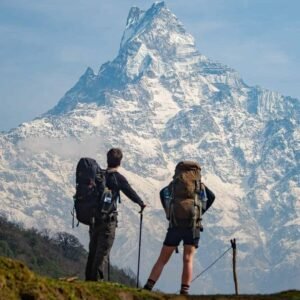
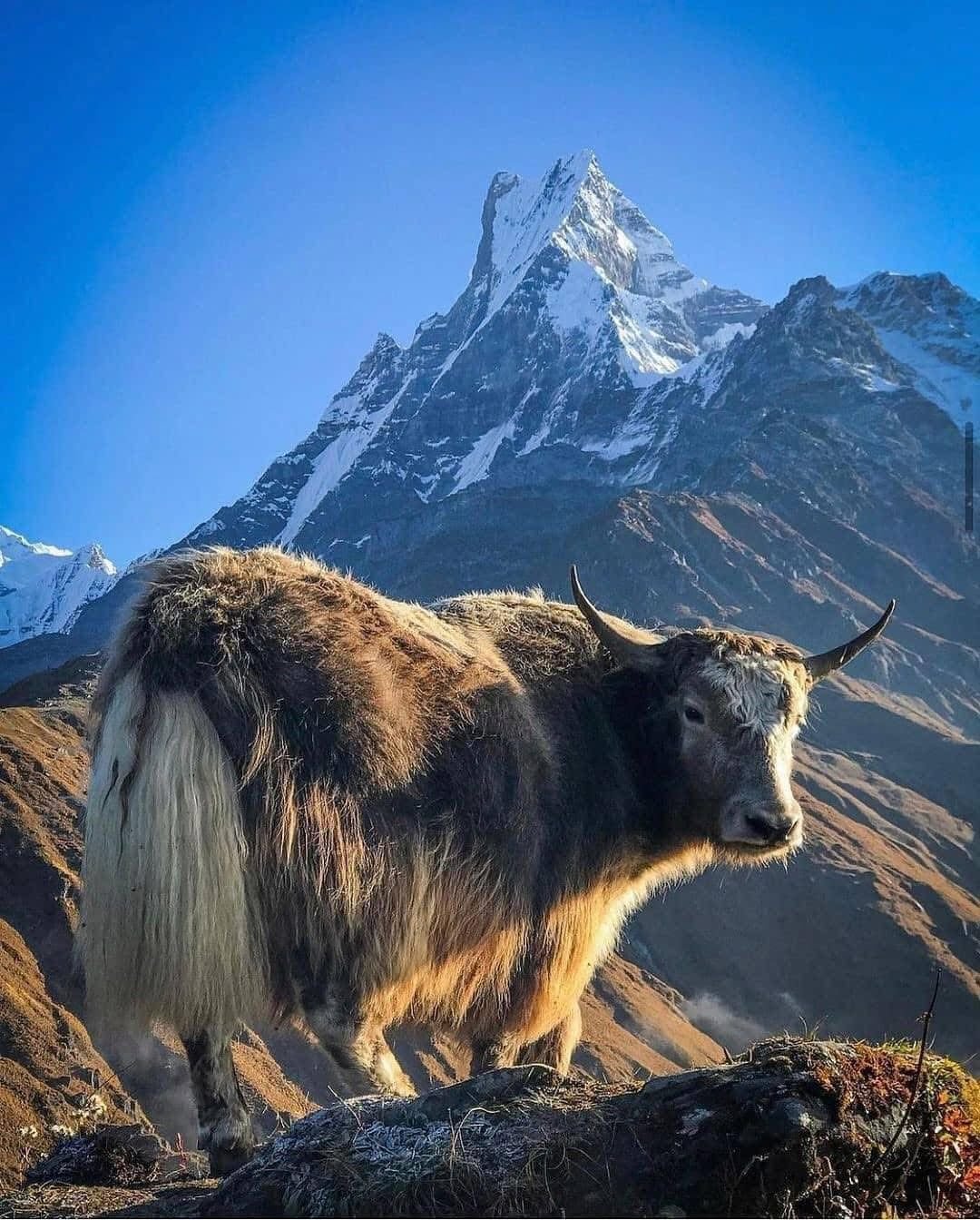
The Mardi Himal Trek is a 9-day trekking route in the Annapurna region of Nepal that climbs a long ridge above the Modi Khola valley to reach Mardi Himal Base Camp at 4,500 metres. The route starts from Kande, a roadhead above Pokhara, passes through dense rhododendron and oak forest in the lower sections, then follows an open ridgeline above the treeline all the way to the base camp. The defining feature of this trek is the proximity to Machhapuchhre (Fishtail), one of Nepal's most recognisable peaks. From High Camp and the upper ridge, Machhapuchhre rises almost directly overhead at a distance that feels closer than on any other trekking route in the Annapurna circuit.

This route was formally opened to trekkers in 2012 and remained relatively little known compared to the Poon Hill circuit and the Annapurna Base Camp trail for most of the following decade. That has changed gradually since 2020, but the trail still sees a fraction of the foot traffic found on the main Annapurna trails. On a typical October day, you will pass 20 to 40 other trekkers on the ridge, compared to 200 to 400 on the Annapurna Base Camp route. The teahouse infrastructure has improved considerably over the last five years. There are now reliable lodges with beds, meals and phone charging at Pritam Deurali, Forest Camp, Low Camp and High Camp. The lodges at High Camp are basic by necessity — the ridge location makes supply logistics difficult — but they are warm enough and well run by local families who have built their businesses on this trail.

The technical difficulty of the Mardi Himal Trek is rated easy to moderate. The trail is non-technical throughout — no ropes, fixed lines or crampons are required in normal conditions. However, the sustained ridge walk from Low Camp to High Camp and then to Base Camp involves significant cumulative elevation gain on narrow, sometimes exposed trail. The summit day (Day 7) is the most physically demanding, with 920 metres of ascent from High Camp to Base Camp and a long descent to Low Camp in the afternoon. Trekkers who have completed day hikes at altitude, hill walking in mountainous terrain, or basic fitness training will handle this route comfortably. Complete beginners are also successful on this route, particularly with the support of an experienced guide and the proper acclimatisation schedule we build into the 9-day itinerary.

The altitude at Mardi Himal Base Camp (4,500m) is significant enough to cause altitude sickness in susceptible individuals. Our 9-day schedule includes sufficient acclimatisation nights at Forest Camp (2,600m), Low Camp (3,150m) and High Camp (3,580m) to allow most trekkers to ascend without symptoms. Our guides carry a pulse oximeter and follow a strict assessment protocol at each camp. Trekkers showing deteriorating SpO2 or worsening AMS symptoms are descended immediately — we do not push trekkers through altitude symptoms on this route.

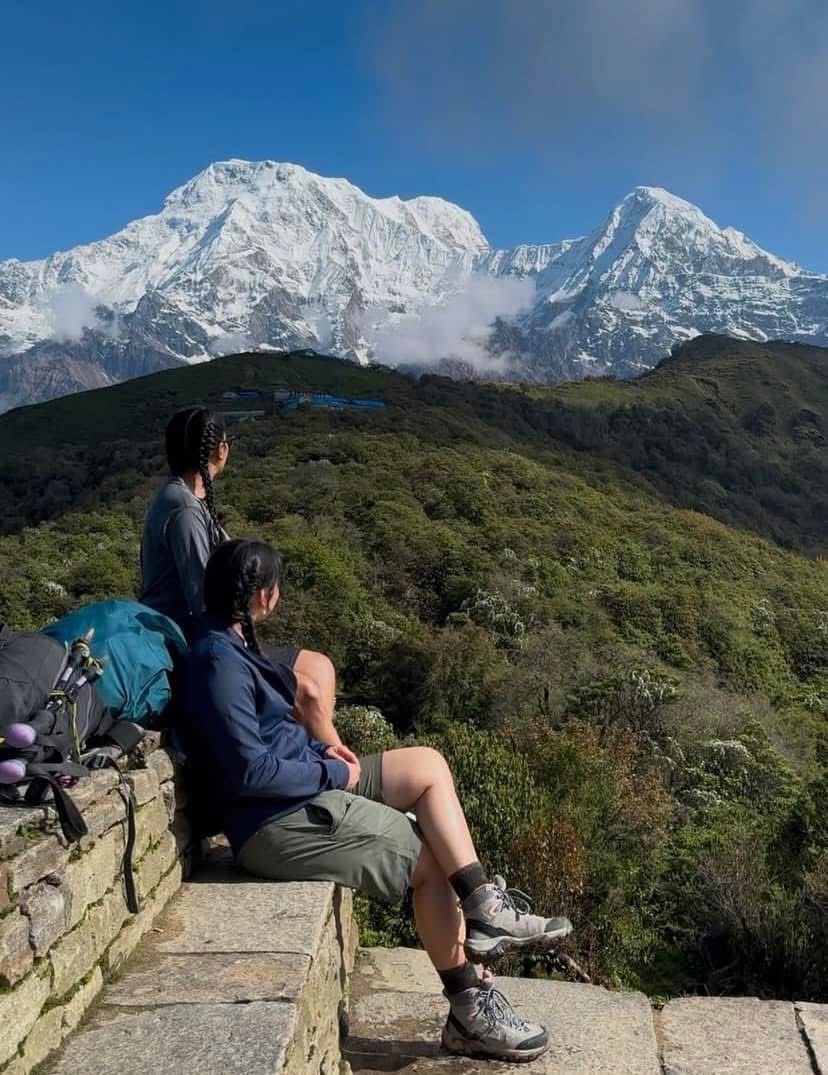
The views from the upper ridge and Mardi Himal Base Camp include Machhapuchhre (6,993m), Annapurna South (7,219m), Annapurna I (8,091m), Hiunchuli (6,441m) and Mardi Himal itself (5,587m). On a clear morning, the 360-degree panorama from the Base Camp plateau shows more than a dozen Himalayan peaks above 6,000 metres within a single field of view. The lower sections of the trail through rhododendron forest are particularly notable in March and April when the trees are in bloom, covering the trail corridor in red and pink flowers from Kande to Forest Camp.

The 9-day package from Next Trip Nepal costs from USD 499 per person for two or more trekkers and includes all accommodation with breakfast and dinner, a licensed NTB guide, a porter for luggage up to 10 kg per person, both ACAP and TIMS permits, and private transport from Pokhara to Kande and from Siding back to Pokhara. International flights and travel insurance are not included. The package can be customised: contact us to add extra acclimatisation days, a pre-trek Pokhara sightseeing day, a Chitwan or Bardiya extension, or a combination with the Annapurna Base Camp route.

How to Book the Mardi Himal Trek 9 Days!

1Choose Your Trip. First, choose the Mardi Himal Trek 9 Days! package that matches your travel plan, budget, and travel style.
2Check Availability. Go to the Availability section on this trip page. There you can see our departure dates for different months.
3Group Departure or Private Trip. Join one of our group departures, or choose a private trip for more flexibility, personal care, and your own travel date.
4Customize If Needed. Want to change the itinerary, add extra days, upgrade transport or accommodation, or include a porter? Contact us directly.
5Contact Us. Reach us anytime on WhatsApp at +977 9869225929 or email nexttripnepal@gmail.com.
6Book Your Trip. Choose your package and date, then book. No advance payment is required. Confirm first, pay after arrival in Nepal.
7Use the Booking Box. On a laptop or desktop, use the booking box on the right side of this page to book your trip or send us your question.

Highlights of the Mardi Himal Trek

  • Reach Mardi Himal Base Camp at 4,500m beneath the best Machhapuchhre (Fishtail)
  • Enjoy sunrise from Upper View Point (4,250m) with panoramic views of the Annapurna range
  • Trek through peaceful rhododendron and oak forests filled with Himalayan flora and fauna
  • Start and end your adventure in Pokhara, Nepal’s beautiful lakeside city
  • Visit traditional Gurung and Magar villages with warm hospitality and local culture
  • Witness close-up views of Annapurna South, Hiunchuli, Machhapuchhre, and Dhaulagiri
  • Ideal for beginners and experienced trekkers with a moderate and rewarding trail
  • Trek responsibly with an eco-friendly approach that protects the environment and promotes sustainability.

Mardi Himal Trek – 9 Days Itinerary (Start from Kathmandu)

  • Day
    01

    Arrival in Kathmandu (1,350m)

    Your guide from Next Trip Nepal will meet you at Tribhuvan International Airport (KTM) and transfer you to your hotel in Thamel. The drive takes 20 to 40 minutes depending on traffic. The day is free to rest, walk Thamel, exchange currency or pick up any last trekking items. Thamel has a wide range of gear shops with rental and purchase options for sleeping bags, down jackets and trekking poles. In the evening your guide will meet you for a full trek briefing covering the daily itinerary, altitude management, permit requirements and practical logistics. Overnight in Kathmandu.

    Dinner
  • Day
    02

    Drive from Kathmandu to Pokhara (850m) — 6 to 7 hours

    After breakfast, travel to Pokhara by tourist bus or private vehicle along the Prithvi Highway. The journey takes 6 to 7 hours by bus, following the Trishuli and Marsyangdi rivers through the mid-hills before descending into the Pokhara valley. On arrival, check in to your lakeside hotel. This afternoon we finalise your ACAP and TIMS permits in Pokhara — bring two passport photos and a copy of your passport. Overnight in Pokhara.

    7 hour
    Breakfast + Dinner
  • Day
    03

    Drive to Kande and Trek to Pritam Deurali (2,100m) — 4 to 5 hours walking

    After an early breakfast, drive from Pokhara to Kande (1,770m) in 30 to 45 minutes by private vehicle. The trail begins here with a stone-stepped path climbing through terraced farmland and rhododendron forest. Pass Australian Camp (2,060m) in about 1.5 hours — the first open views of Annapurna South and Machhapuchhre appear here. Continue northeast through dense forest to Pritam Deurali, a small cluster of teahouses at a forest saddle at 2,100 metres. Tonight is your first teahouse night. Overnight at Pritam Deurali.

    5 hour
    Breakfast + Dinner
  • Day
    04

    Trek from Pritam Deurali to Forest Camp (2,600m) — 5 to 6 hours

    Today the trail climbs steadily through rhododendron and oak forest, gaining 500 metres over 5 to 7 kilometres. In spring (March to April) this section is spectacular with tree rhododendrons in full bloom lining the trail corridor. The forest path is well defined but often wet and muddy in sections. Around 2,400 metres the canopy begins to open, giving glimpses of the ridge above. Forest Camp at 2,600 metres is a spread of teahouses in a forest clearing. A mild headache at this elevation is normal and should clear with rest and hydration. Overnight at Forest Camp.

    6 hour
    Breakfast + Dinner
  • Day
    05

    Trek from Forest Camp to Low Camp (3,150m) — 4 to 5 hours

    The trail today exits the rhododendron forest within the first 30 minutes and emerges onto the open Mardi Himal ridge. This is a defining transition on the trek: the landscape opens fully, Annapurna South and Machhapuchhre come into clear view, and the ridge trail stretches ahead with exposure on both sides. Low Camp at 3,150 metres sits on a wide section of the ridge with teahouses on both sides of the path. Your guide will check your oxygen saturation with a pulse oximeter this afternoon and again tomorrow morning. Stay well hydrated and avoid strenuous activity after arriving at camp. The sunrise from Low Camp looking toward Machhapuchhre is one of the highlights of the trek. Overnight at Low Camp.

    5 hour
    Breakfast + Dinner
  • Day
    06

    Trek from Low Camp to High Camp (3,580m) — 5 to 6 hours

    The trail from Low Camp to High Camp follows the Mardi Himal ridge continuously north, gaining 430 metres over 3 to 4 hours of steady walking. This is one of the most scenic days of the trek. Machhapuchhre rises directly in your line of sight ahead as you climb the narrowing ridge. The upper approach to High Camp involves exposed, rocky terrain with steep drops on the western side — good grip footwear is essential. High Camp at 3,580 metres is a small cluster of basic teahouses built into the ridge. Accommodation is more rustic here, with limited hot water and charging. The location makes it worth it: a 270-degree panorama of the Annapurna range and Pokhara valley. Your guide briefs you tonight on the summit day plan, wake-up time and weather conditions. Overnight at High Camp.

    6 hour
    Breakfast + Dinner
  • Day
    07

    Hike to Mardi Himal Base Camp (4,500m) and Return to Low Camp — 7 to 8 hours

    The summit day. Departure from High Camp at 5:00 AM to 5:30 AM, before sunrise and before southern clouds build. The trail climbs the upper ridge to the Upper Viewpoint at 4,250 metres in 2 to 2.5 hours, where Machhapuchhre rises overhead at closer range than from any other trekking route in Nepal. Continue 30 to 45 minutes further on increasingly rocky terrain to Mardi Himal Base Camp at 4,500 metres. The panorama here includes Mardi Himal (5,587m), Machhapuchhre (6,993m), Annapurna South (7,219m), Annapurna I (8,091m) and Hiunchuli (6,441m). After time at Base Camp for photos and rest, descend all the way to Low Camp for the overnight. Total walking time is 7 to 8 hours. This is a long and physically demanding day — poles, early departure and breakfast before starting are non-negotiable. Overnight at Low Camp.

    8 hour
    Breakfast + Dinner
  • Day
    08

    Trek to Siding Village (1,280m) and Drive to Pokhara — 6 to 7 hours walking

    The final trekking day descends 1,870 metres from Low Camp to Siding village at 1,280 metres. From Low Camp, drop steeply through Forest Camp and then veer southeast off the ridge trail toward the Modi Khola valley, descending through dense mixed forest to the traditional Gurung settlement of Siding. This village sees very few trekkers despite its proximity to the main trail. Walk through terraced fields, stone-built houses and community forests. The descent takes 5 to 6 hours of continuous downhill — trekking poles with locking mechanisms are essential to protect your knees. At Siding, a private vehicle meets your group for the 45-minute drive back to Pokhara. Check in to your lakeside hotel and enjoy your first hot shower in several days. Overnight in Pokhara.

    7 hour
    Breakfast + Dinner
  • Day
    09

    Drive or Fly from Pokhara to Kathmandu — 6 to 7 hours (drive) or 25 minutes (fly)

    The final day returns you from Pokhara to Kathmandu by tourist bus, private vehicle or domestic flight. The tourist bus takes 6 to 7 hours and costs USD 15 to 20 per person. A private vehicle takes 5 to 6 hours. A domestic flight takes 25 minutes at USD 90 to 120 per person — strongly recommended if you have an international connection the same day or the next morning. Multiple daily flights operate from Pokhara Airport (PKR) on Buddha Air, Yeti Airlines and Shree Airlines. On arrival in Kathmandu, transfer to your hotel. The evening is free for a final Thamel walk or dinner. Your guide assists with any departure logistics. Your Mardi Himal Trek concludes on arrival at your Kathmandu hotel.

    7 hour
    Breakfast

Cost Includes

  • All teahouse accommodation: double or twin room with breakfast and dinner included at each lodge (Days 3 through 8)
  • Licensed NTB (Nepal Tourism Board) trekking guide throughout the 9-day itinerary
  • One porter per two trekkers, carrying up to 10 kg of luggage per person on the trail
  • Annapurna Conservation Area Permit (ACAP)
  • TIMS Card (Trekkers Information Management System)
  • Private vehicle transfer from Pokhara to Kande on Day 3
  • Private vehicle transfer from Siding to Pokhara on Day 8
  • Emergency communication device (guide carries satellite communicator on all treks)
  • Government taxes and service charges
  • Next Trip Nepal programme management and 24-hour emergency support

Cost Excludes

  • International flights to and from Kathmandu
  • Nepal entry visa fee (USD 30 for 15-day, USD 50 for 30-day visa on arrival)
  • Travel and trekking insurance (mandatory — must cover helicopter rescue to 5,000m)
  • Kathmandu to Pokhara transport (tourist bus USD 15 to 20, or domestic flight USD 90 to 120 each way)
  • Lunch on all walking days (budget NPR 400 to 700 per meal)
  • Hot showers at teahouses (NPR 200 to 400 per shower below High Camp)
  • Bottled or purified drinking water (NPR 100 to 300 per litre depending on altitude)
  • Personal trekking gear and clothing (sleeping bag rated to minus 10°C required)
  • Tips for guide and porter (customary: guide NPR 2,000 to 3,000 per day, porter NPR 1,000 to 1,500 per day)
  • Personal travel expenses, souvenirs, snacks and extras
  • Expenses from flight delays, weather cancellations or medical evacuation

Trek Comparison & Details

Mardi Himal Trek — Quick Facts

Everything you need to plan your trek at a glance

9
Days
4,500m
Max Altitude
Easy to Moderate
Difficulty
$499
Price From
Oct to Nov & Mar to Apr
Best Season

How Mardi Himal Compares to Other Popular Treks

Comparison Factor Mardi Himal Trek Poon Hill Trek Annapurna Base Camp
Duration 9 days 5 to 6 days 11 to 13 days
Max Altitude 4,500m 3,210m 4,130m
Difficulty Easy to Moderate Easy Moderate
Crowd Level Low Very High Very High
Machhapuchhre Proximity Extremely close Distant (panorama) Close
Technical Skills None required None required None required
Rhododendron Forest Dense (Days 3 to 4) Yes (Ghorepani) Some (Chomrong)
Starting Price $499 From $380 From $680

Who Is the Mardi Himal Trek For?

The Mardi Himal Trek is a good fit for trekkers who want a high-altitude experience above 4,000 metres but prefer lower crowd levels and a shorter overall duration than the classic Annapurna Base Camp route. It suits first-time high-altitude trekkers who are reasonably fit, returning Nepal trekkers looking for a route off the main trail network, and anyone specifically interested in seeing Machhapuchhre (Fishtail) from very close range. The 9-day schedule from Next Trip Nepal includes two hotel nights in Kathmandu and two in Pokhara, making it a self-contained Nepal itinerary without the need to add city days around the edges.

Need a longer or shorter version?

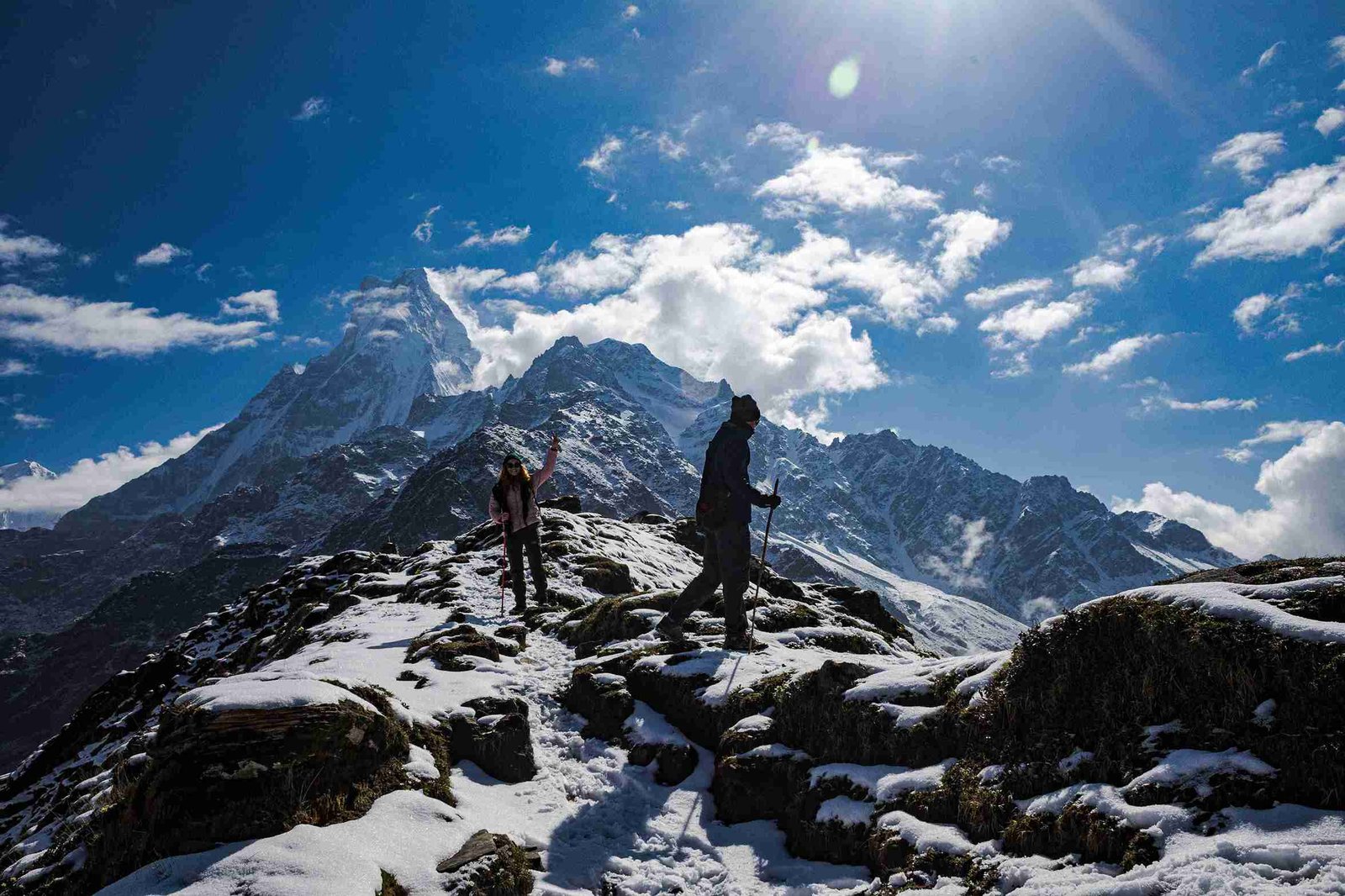
We can modify this itinerary — add an extra acclimatisation night at Low Camp, extend to Annapurna Base Camp, or build a combined Poon Hill and Mardi Himal route. Contact our team for a customised quote.

FAQs

How difficult is the Mardi Himal Trek?

The Mardi Himal Trek is rated easy to moderate. The trail is non-technical — no ropes, crampons or glacier experience are required. The difficulty comes from cumulative daily elevation gain and the altitude at High Camp (3,580m) and Mardi Himal Base Camp (4,500m). The hardest single day is Day 7, the summit push from High Camp to Base Camp with 920 metres of ascent on a narrow exposed ridge, followed by a long descent to Low Camp. Trekkers with general fitness and some hiking experience handle this route well. Complete beginners are also successful with proper acclimatisation and guide support.

What is the best time to do the Mardi Himal Trek?

Autumn (October to November) and spring (March to April) are the best seasons. Autumn gives the clearest skies and most stable weather after the monsoon ends in late September — October is the single best month for views. Spring brings rhododendron blooms through the forest sections from Kande to Forest Camp, with good visibility through mid-April before pre-monsoon haze builds. Winter (December to February) is possible with cold-weather gear but High Camp can receive heavy snowfall. Monsoon (June to September) is not recommended due to cloud cover, leeches and poor visibility on the ridge.

Do I need a permit for the Mardi Himal Trek?

Yes. Two permits are required: the Annapurna Conservation Area Permit (ACAP) at NPR 3,000 per person (approximately USD 22) and a TIMS Card (Trekkers Information Management System) at NPR 2,000 per person (approximately USD 15) for individual trekkers. Both are checked at entry points on the trail. When you book with Next Trip Nepal, we arrange both permits on your behalf in Pokhara before the trek. You need to provide passport copies and two passport-sized photos.

What is the maximum altitude on the Mardi Himal Trek?

The highest point is Mardi Himal Base Camp at 4,500 metres above sea level, reached on Day 7 of the itinerary. Before the final push, you sleep at High Camp (3,580m) on Day 6. The Upper Viewpoint at 4,250 metres is reached before Base Camp on the summit day and offers very close views of Machhapuchhre. Most trekkers spend 30 to 60 minutes at Base Camp before beginning the descent.

Is altitude sickness a risk on the Mardi Himal Trek?

Altitude sickness (AMS) is possible above 3,000 metres. Most trekkers notice mild symptoms — headache, reduced appetite, fatigue — at Low Camp (3,150m) or High Camp (3,580m). The risk increases on summit day at Base Camp (4,500m). Our guides carry a pulse oximeter and check blood oxygen readings at Low Camp and High Camp every morning and evening. Trekkers with SpO2 below 85% and worsening symptoms are descended immediately. Preventive measures include staying well hydrated (3 to 4 litres per day above 3,000m), ascending slowly, and taking Diamox if prescribed by your doctor before departure.

How much does the Mardi Himal Trek cost?

The Mardi Himal Trek package from Next Trip Nepal starts at USD 499 per person for groups of two or more. This includes all teahouse accommodation with breakfast and dinner, a licensed NTB guide, a porter for luggage up to 10 kg per person, ACAP and TIMS permits, and private transport from Pokhara to Kande and from Siding to Pokhara. International flights, travel insurance, Nepal visa fee, lunches on the trail, hot showers, bottled water and tips are not included. Solo traveller supplements apply — contact us for the exact rate for your travel dates.

How fit do I need to be for the Mardi Himal Trek?

You do not need to be an athlete, but basic fitness makes a significant difference on this route. You should be comfortable walking 5 to 7 hours per day with a daypack (3 to 5 kg) on consecutive days. The ability to sustain uphill walking for 2 to 3 hours at a time is particularly important on Day 6 (Low Camp to High Camp) and Day 7 (summit day). In the 4 to 6 weeks before your trek, aim for regular walking or hiking sessions, stair climbing, and light cardiovascular exercise. Strong fitness also reduces AMS risk by allowing you to maintain better hydration and breathing patterns at altitude.

What should I pack for the Mardi Himal Trek?

Essential items include: waterproof, mid-ankle trekking boots (broken in before the trek); a down or synthetic insulated jacket; a waterproof shell jacket and trousers; warm hat, gloves and neck gaiter for High Camp; a sleeping bag rated to minus 10°C (some lodges provide blankets but not at High Camp); trekking poles with locking mechanisms (critical for the summit day and the descent to Siding on Day 8); headlamp with spare batteries; sunscreen SPF 50; UV-blocking sunglasses; water purification tablets or UV pen; and a first aid kit with Diamox if prescribed. A porter carries your main luggage (up to 10 kg per person) — you carry only a 25 to 30 litre daypack on the trail.

Can I do the Mardi Himal Trek without a guide?

Independent trekking on the Mardi Himal route is permitted, but a licensed guide is strongly recommended for several practical reasons. The upper ridge trail above Low Camp is unmarked in sections and can become disorienting in cloud or poor visibility. Altitude monitoring above 3,000 metres requires a pulse oximeter and someone trained to make evacuation decisions. Lodge bookings in peak season at High Camp need to be arranged in advance. Our guides know every section of this trail in every weather condition, have relationships with all the teahouse owners, and carry emergency communication equipment. A guide also significantly reduces the administrative burden of permits, transport coordination and daily route decisions.

How is the Mardi Himal Trek different from the Annapurna Base Camp Trek?

The Mardi Himal Trek reaches a higher base camp (4,500m vs. 4,130m) but in fewer total trekking days (7 walking days vs. 9 to 11 days). It has far lower foot traffic — typically 10 to 15 times fewer trekkers per day on the trail. The Mardi Himal route is a ridge trail with open views throughout the upper section, whereas the ABC route is predominantly a valley walk up the Modi Khola gorge. Machhapuchhre is visible at much closer range from the Mardi Himal ridge than from the ABC trail. For trekkers with limited time who want a high-altitude experience with good views and low crowds, Mardi Himal is often the better choice.

What accommodation is available on the Mardi Himal Trek?

The trek uses teahouse lodges at each overnight stop: Pritam Deurali, Forest Camp, Low Camp and High Camp on the trail, and hotels in Kathmandu and Pokhara on arrival and departure nights. Teahouses at Pritam Deurali and Forest Camp are relatively comfortable with en-suite or shared bathrooms, hot showers (at extra cost) and phone charging. Low Camp teahouses are simpler with shared facilities and thin mattresses. High Camp lodges are basic mountain shelters — no hot showers, limited charging, and bunk-style beds. All accommodation in the package includes breakfast and dinner. Lunches are at your expense (NPR 400 to 700 per meal) at teahouses along the trail.

Is the Mardi Himal Trek suitable for solo travellers?

Yes. Solo travellers are very welcome on our Mardi Himal Trek package. A solo supplement applies because fixed costs including the guide, porter, transport and permits are spread across one person rather than a group. Contact us for the current solo supplement rate. Some solo travellers choose to join a small group departure to reduce costs — we can advise on scheduled group dates if available for your travel period. A solo trek with a private guide and porter is also a very comfortable way to experience the route, as you set your own pace each day without needing to accommodate other trekkers.