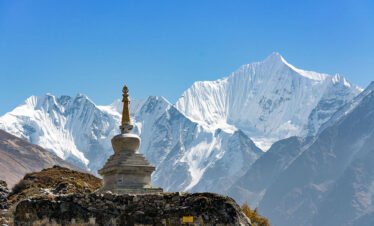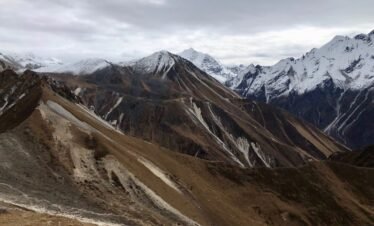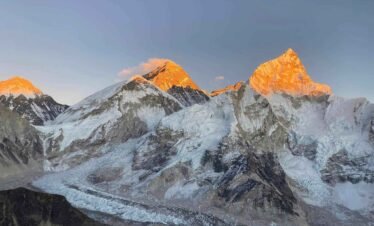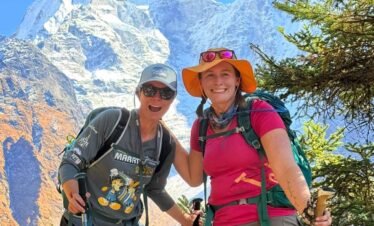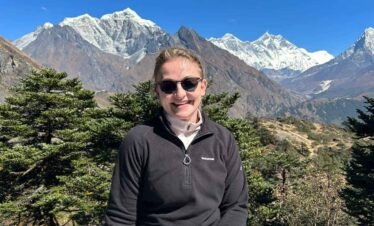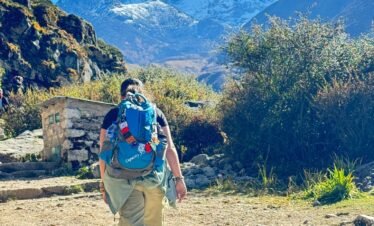
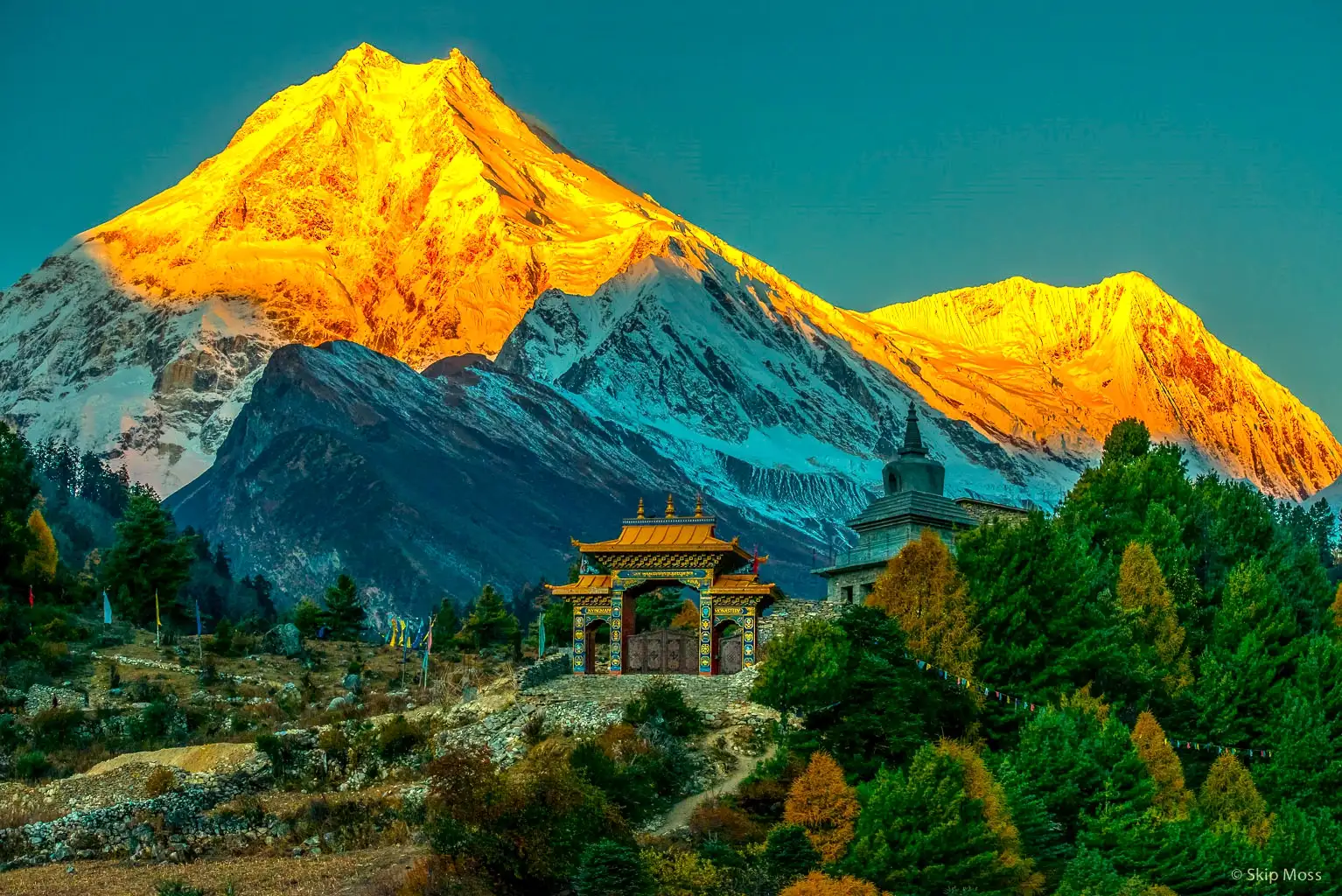
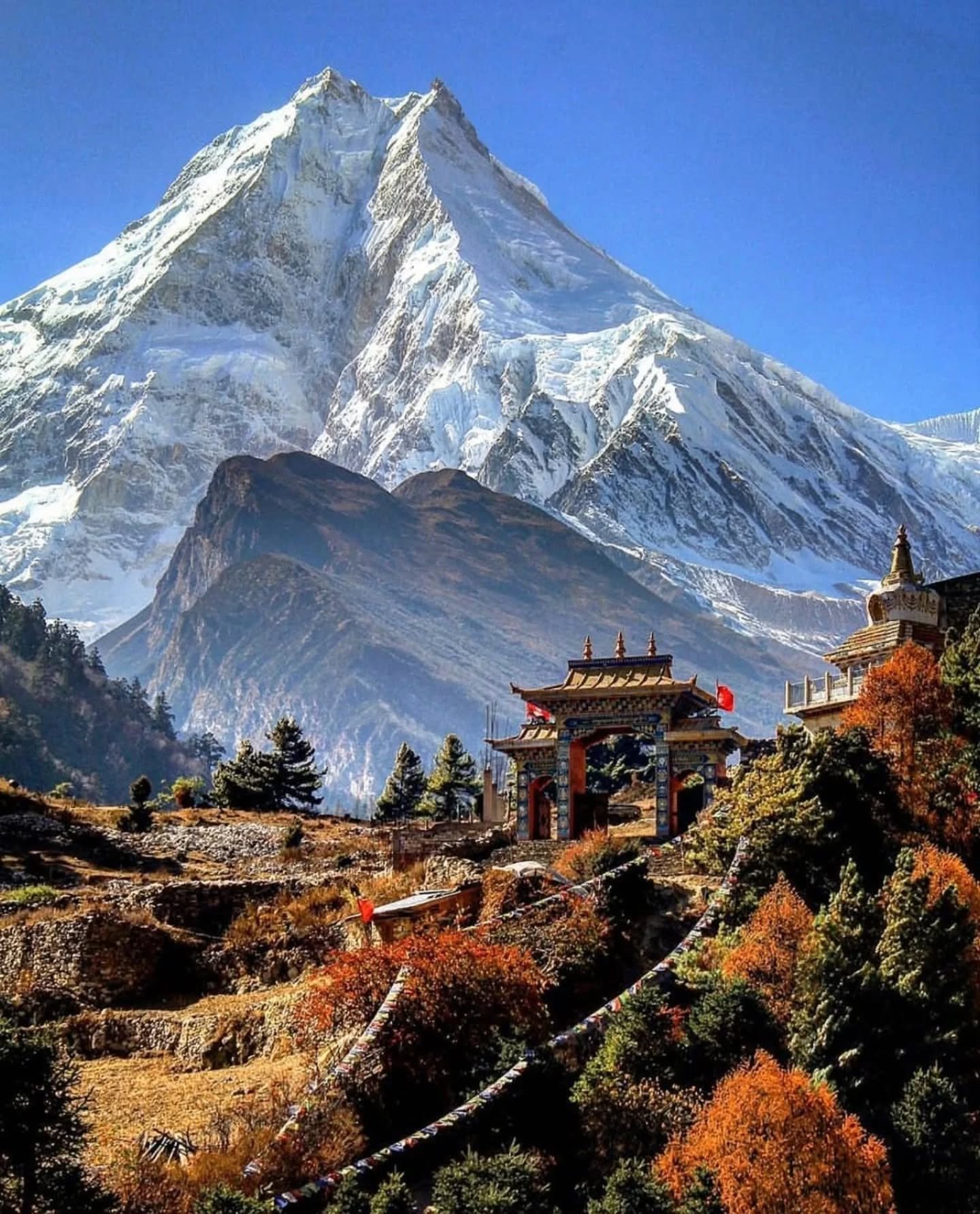
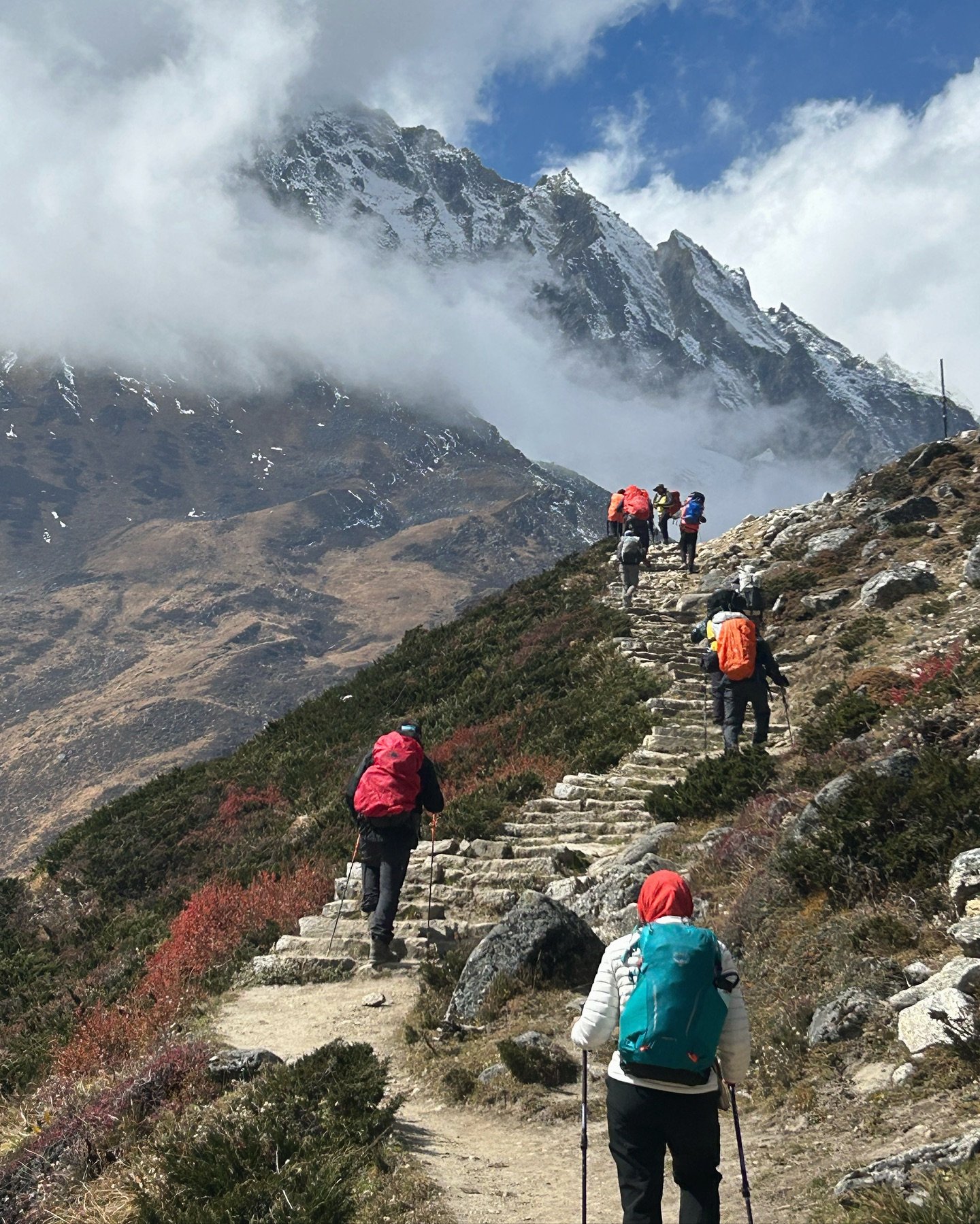
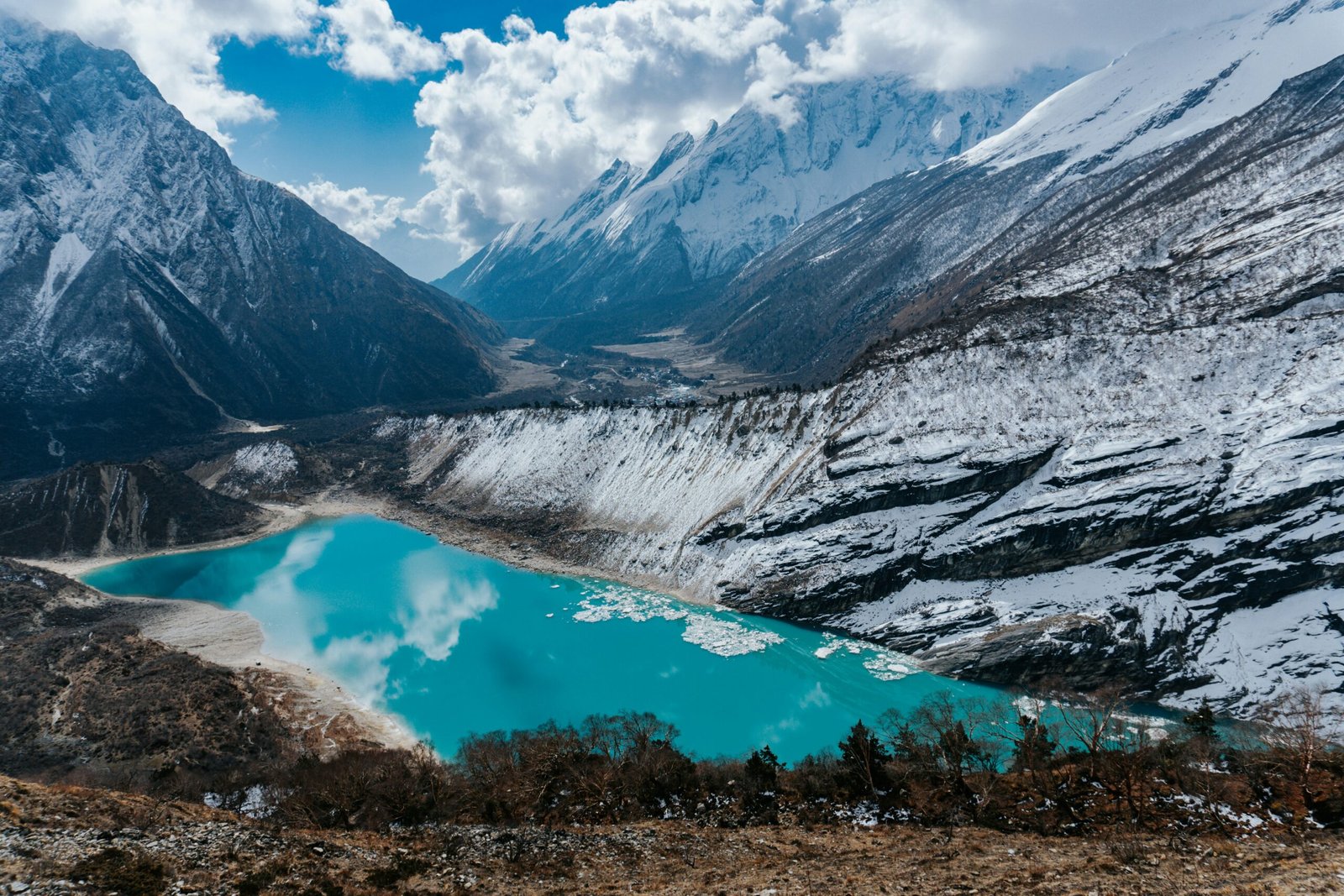
The Manaslu Circuit Trek is one of Nepal’s most rewarding and authentic long-distance trekking routes. The trail circles Mount Manaslu, the world’s eighth highest mountain at 8,163 metres, through the Gorkha District of Gandaki Province. The Manaslu region was closed to foreign trekkers until the early 1990s, which means that the villages, monasteries and landscapes here have changed very little over the centuries, unlike the crowded Everest and Annapurna trails.
The route follows the Budhi Gandaki River through dramatic gorges, terraced farmland, dense rhododendron forests and high alpine meadows over 13 days before crossing the Larkya La Pass at 5,106 metres, one of the most spectacular high mountain passes in Nepal. It then drops down into the Marsyangdi Valley, thus linking up with the Annapurna Circuit trek at Dharapani in a natural way.
Manaslu Circuit Trek Facts at a Glance
| Duration | 13 days (11 trekking + 2 drive days) |
| Difficulty | Moderate to Challenging |
| Maximum Altitude | 5,106 m / 16,752 ft (Larkya La Pass) |
| Trek Start | Machha Khola (900 m / 2,953 ft) |
| Trek End | Tilje / Dharapani (1,860 m) |
| Total Distance | Approximately 177 km / 110 miles |
| Location | Gorkha District, Gandaki Province, Nepal |
| Best Seasons | March to May (Spring), September to November (Autumn) |
| Trek Type | Teahouse trekking (camping optional) |
| Permits Required | RAP, MCAP, ACAP, Chum Nubri Rural Municipality Permit |
| Hardest Day | Larkya La Pass crossing (Day 10 in our itinerary) |
| Guide Required | Yes — mandatory by Nepal government regulation |
| Accommodation | Teahouses / Mountain lodges |
| Meals | Full board (breakfast, lunch, dinner) included |
| Conservation Area | 1,663 sq km Manaslu Conservation Area |
Latest Updates for Manaslu Circuit Trek 2026
Solo Manaslu Trekking Rule Update
Solo travelers can trek in the Manaslu region, but a licensed guide is mandatory at all times. Guide requirements are strictly enforced at permit checkpoints throughout the trek.
Four Permits Required for Manaslu Trek
The Manaslu Circuit Trek requires four permits:
- Manaslu Restricted Area Permit (RAP)
- Manaslu Conservation Area Permit (MCAP)
- Annapurna Conservation Area Permit (ACAP)
- Chumnubri Rural Municipality Permit
Current Permit Fees for Manaslu Circuit Trek
Manaslu Restricted Area Permit (RAP)
September to November:
- USD 100 per person for the first 7 days
- USD 15 per person per day after 7 days
December to August:
- USD 75 per person for the first 7 days
- USD 10 per person per day after 7 days
Manaslu Conservation Area Permit (MCAP)
- NPR 3,000 per person
Annapurna Conservation Area Permit (ACAP)
- NPR 3,000 per person
Chumnubri Rural Municipality Permit
- NPR 1,000 per person
Next Trip Nepal arranges all four permits and required documentation on your behalf.
Carry Physical Copies of Permits
Trekkers should carry printed copies of all permits throughout the trek, as they may be checked at multiple locations along the route.
Road Access and Transportation
- The road from Kathmandu to Aarughat is mostly paved and comfortable.
- Beyond Aarughat, the road becomes rough and off road until Machha Khola.
- Jeep access is available between Machha Khola and Jagat.
- Road construction is ongoing between Jagat and Deng.
- The traditional trekking trail remains open and trekkers continue to use it throughout this section.
- Temporary trail diversions may be required depending on road construction progress and seasonal conditions.
Teahouse and Accommodation Updates of Manaslu Trek
- Teahouse facilities have improved significantly in recent years.
- Many lodges offer WiFi, charging facilities, hot showers, and attached bathrooms for an additional cost.
- Private rooms are available in most villages when booked in advance.
- Deng has fewer teahouses and limited room availability compared to other stops on the trek.
- Villages such as Namrung, Lho, Samagaun, and Samdo generally offer better accommodation options.
What to Expect on the Manslu Trek
- The Manaslu Circuit offers comfortable mountain teahouses rather than luxury accommodation.
- Rooms are typically simple, clean, and equipped with twin beds and blankets.
- Facilities become more basic at higher elevations, especially around Dharamsala before crossing Larkya La Pass.
- Trekkers should expect authentic mountain hospitality and reasonable comfort in a remote Himalayan region.
Trail Conditions Of Manaslu Trekking
- The main trekking route is well established and regularly used by trekkers.
- Suspension bridges, stone paths, and traditional village trails remain the highlight of the trek.
- Seasonal landslides can occasionally affect certain sections after the monsoon, but alternative routes are usually available when necessary.
Who Can Do the Manaslu Circuit Trek?
The Manaslu Circuit Trek is suitable for a wide range of trekkers, provided they are reasonably fit and prepared for multi day hiking at high altitude.
Manaslu Circuit trek is ideal for:
- Trekkers with a moderate to good level of physical fitness.
- People who can walk 5 to 8 hours per day for multiple consecutive days.
- Travelers with previous hiking or trekking experience.
- First time high altitude trekkers who follow a proper acclimatization itinerary.
- Adventure seekers looking for a less crowded trekking route in Nepal.
- Nature and mountain lovers who enjoy remote landscapes and local culture.
- Solo travelers, couples, friends, and small groups (with the required guide).
- Trekkers willing to prepare through regular walking, hiking, or fitness training before the trip.
You do not need:
- Technical climbing skills.
- Mountaineering experience.
- Special equipment beyond standard trekking gear.
With proper preparation, a suitable itinerary, and experienced guides, most healthy and active travelers can successfully complete the Manaslu Circuit Trek.
Can Solo Trekkers Join the Manaslu Circuit Trek?
Yes, solo travelers can join the Manaslu Circuit Trek. However, according to current Nepal government regulations, independent trekking is not permitted in the Manaslu region. All trekkers must be accompanied by a licensed guide and obtain the required restricted area permits through a registered trekking company.
If you are traveling alone, you have two options:
Book a private trek with your own dedicated guide and a fully personalized itinerary.
Join one of our scheduled group departures and share costs with other trekkers.
Is the Manaslu Circuit Trek Safe for Solo Female Trekkers?
Yes, the Manaslu Circuit Trek is considered a safe and rewarding trek for solo female travelers. The route passes through traditional Tibetan Buddhist villages where local people are known for their hospitality and respect toward visitors.
Since a licensed guide is mandatory in the Manaslu region, solo female trekkers are never required to trek alone. Our experienced, English speaking guides provide support throughout the journey and help ensure a safe and comfortable trekking experience.
Hygiene and Women’s Essentials in Manaslu Trek
- Basic toilet and washing facilities are available throughout the route.
- Hot showers are available in many villages for an additional charge.
- Sanitary pads and other personal hygiene products can be purchased in some larger villages, but availability is limited and prices are higher than in Kathmandu.
- We recommend bringing enough personal hygiene supplies for the entire trek.
Why Many Solo Female Travelers Choose Manaslu
- Mandatory guide system adds an extra level of safety.
- Friendly local communities and teahouse owners.
- Less crowded than the Everest and Annapurna regions.
- Strong support from guides and trekking staff throughout the trek.
Manaslu Circuit Trek for Families
The Manaslu Circuit Trek is suitable for families with active children and teenagers, typically aged 12 years and above. The trail does not require any technical climbing skills, and our guides can adjust the pace and itinerary to suit your family’s needs.
Family Friendly Features
- Suitable for families with older children and teenagers.
- No technical climbing or mountaineering experience required.
- Flexible itineraries can include additional acclimatization or rest days.
- Experienced guides help ensure a safe and comfortable trekking experience.
- A great opportunity to experience Himalayan culture, villages, and mountain scenery together.
Family Accommodation
Early reservations help secure the best available accommodation throughout the trek.
Families do not need to share rooms with other trekkers.
Private rooms can be arranged for family members at most teahouses along the route.
Advance booking is recommended, especially during the spring and autumn trekking seasons.
Manaslu Circuit Trek for Seniors
The Manaslu Circuit Trek is possible for active and healthy senior trekkers. Age itself is not a barrier. We have successfully guided many trekkers in their 60s and 70s who completed the trek comfortably with proper preparation and a well planned itinerary.
Why Seniors Can Enjoy the Manaslu Circuit Trek
- No technical climbing or mountaineering experience is required.
- The trek can be completed at a comfortable pace with experienced guides.
- Extra acclimatization days can be added in Samagaun or Samdo if needed.
- Porters can carry your main luggage, allowing you to trek with only a daypack.
- Private treks can be arranged for maximum flexibility and comfort.
Health and Safety
- Our guides carry a pulse oximeter and monitor oxygen saturation levels during the trek.
- Daily health checks help identify altitude related issues early.
- Guides are trained in altitude awareness and emergency procedures.
- The itinerary can be adjusted when necessary based on your condition and acclimatization progress.
Important Considerations
- Good physical fitness is more important than age.
- We recommend regular walking, hiking, or fitness training before the trek.
- A medical checkup is advisable for trekkers with pre existing health conditions.
- Taking enough time for acclimatization greatly improves comfort and safety at higher elevations.
Best Time for the Manaslu Circuit Trek
The best time to trek the Manaslu Circuit is during the spring (March to May) and autumn (September to November) seasons. These months offer the most stable weather, clear mountain views, and comfortable trekking conditions.
Spring Season (March to May)
Spring is one of the most popular times for the Manaslu Circuit Trek.
- Clear mountain views and stable weather.
- Rhododendron forests bloom across the lower hills.
- Comfortable daytime temperatures for trekking.
- Longer daylight hours.
- Excellent visibility of Manaslu, Himalchuli, Ngadi Chuli, and Ganesh Himal.
- April and May are generally the warmest and most popular spring months.
Autumn Season (September to November)
Autumn is considered by many trekkers to be the best season overall.
- Crystal clear skies after the monsoon.
- Outstanding mountain visibility.
- Stable weather and dry trail conditions.
- Pleasant daytime temperatures at most elevations.
- October is widely regarded as the best month for the Manaslu Circuit Trek.
- Late November can be colder, especially around Larkya La Pass.
Winter Season (December to February)
Winter trekking is possible but comes with additional challenges.
- Fewer trekkers and quieter trails.
- Clear skies and excellent mountain views on many days.
- Very cold temperatures at higher elevations.
- Heavy snowfall can affect or temporarily close Larkya La Pass.
- Some teahouses may close during the coldest months.
Monsoon Season (June to August)
The monsoon is the least popular trekking season.
- Frequent rainfall, especially at lower elevations.
- Muddy trails and an increased risk of landslides.
- Cloudy conditions can limit mountain views.
- Fewer trekkers on the trail.
- The upper Nubri Valley often receives less rainfall than other trekking regions in Nepal, but weather conditions can still be challenging.
Our Recommendation
For the best overall experience, we recommend trekking during April, May, October, or early November. These months typically provide the most reliable weather, the clearest mountain views, and the best conditions for crossing Larkya La Pass.
Short Manaslu Circuit Trek: 10 Day Itinerary
If you have limited time in Nepal, it is possible to complete the Manaslu Circuit Trek in 10 days. This shorter itinerary uses private jeep transportation for the road sections, reduces acclimatization time, and requires longer walking days.
Who Is This Trek Suitable For?
- Experienced trekkers with previous high altitude trekking experience.
- Physically fit hikers comfortable walking 7 to 9 hours per day.
- Travelers with limited time who still want to experience the Manaslu region.
- Trekkers who have already completed routes such as Everest Base Camp, Annapurna Circuit, or similar high altitude treks.
Important Considerations
- Only one acclimatization day is usually included at Samagaun.
- Daily walking distances are longer than on the standard itinerary.
- Less time is available for rest, exploration, and altitude adjustment.
- Crossing Larkya La Pass at 5,106 meters requires good fitness and proper preparation.
Accommodation on the Manaslu Circuit Trek
Accommodation on the Manaslu Circuit Trek is provided in traditional family run teahouses. Facilities have improved significantly in recent years, and many villages now offer comfortable rooms, hot showers, WiFi, charging facilities, and attached bathrooms. While the Manaslu region remains a remote trekking destination, most trekkers find the accommodation comfortable throughout the journey.
Where Can You Get the Best Rooms?
The best accommodation on the Manaslu Circuit is generally found in:
- Machha Khola
- Jagat
- Namrung
- Shyala
- Sama Gaon
- Samdo
- Bimthang
In these villages, many teahouses offer comfortable private rooms, attached bathrooms, hot showers, charging facilities, and WiFi for an additional charge.
Deng Accommodation
Deng is one of the smaller villages on the trek.
- There are only around 6 teahouses in Deng.
- Room availability can be limited during peak trekking seasons.
- Facilities are more basic compared to Namrung, Shyala, Sama Gaon, and Samdo.
- Private rooms are usually available, but accommodation choices are limited.
Dharamsala (Larkya Phedi)
Dharamsala is the final overnight stop before crossing Larkya La Pass and has the most basic accommodation on the trek.
- There are currently 5 teahouses in Dharamsala.
- Accommodation is limited due to the remote high altitude location.
- Rooms fill quickly during the busy trekking seasons.
- Shared rooms or dormitory style accommodation may be necessary.
- Charging facilities are limited and usually powered by solar energy.
- WiFi is generally not available.
Facilities Available Along the Trek
Most teahouses along the Manaslu Circuit provide:
- Twin sharing rooms with beds, mattresses, pillows, and blankets.
- Hot meals and warm communal dining halls.
- Hot showers in most villages.
- WiFi and charging facilities for an additional fee.
- Private rooms in many villages when booked in advance.
Food on the Manaslu Circuit Trek
All three meals per day are included throughout the trekking days. The food is nutritious, freshly prepared, and varied to sustain high daily energy expenditure.
Breakfast Options
- Tibetan bread with honey, jam, or peanut butter
- Pancakes (plain or banana) with honey or maple syrup
- Eggs to order: boiled, scrambled, fried, or vegetable omelette
- Porridge or muesli with hot milk
- Toast with butter and jam
- Cornflakes with hot milk
- Hash brown potatoes
- Hot drinks: black tea, milk tea, butter tea, coffee, hot chocolate, ginger lemon honey
Lunch Options
- Dal Bhat — lentil soup with rice, vegetables, and pickle (unlimited refills)
- Fried rice with vegetables or egg
- Fried noodles or chow mein
- Tenthuk (Tibetan hand-pulled noodle soup)
- Thukpa (Tibetan noodle soup with vegetables)
- Momos (steamed or fried dumplings)
- Potato dishes: fried, boiled, or with curry sauce
- Pasta with tomato or cheese sauce
- Sandwiches
Dinner Options
- Dal Bhat — the classic Nepali trekker’s meal with unlimited rice refills (highly recommended for energy)
- Pasta or spaghetti with various sauces
- Pizza (available at many Manaslu teahouses)
- Fried rice with vegetables or egg
- Chow mein noodles
- Thukpa or Tenthuk noodle soup
- Garlic soup or mixed vegetable soup
- Momos as a starter or side dish
- Seasonal vegetable curry with rice
- Seasonal fresh fruits served after dinner (Next Trip Nepal inclusion)
Vegetarian, vegan, and gluten-free options are available throughout the route, though choices narrow at higher altitudes. Please inform us of any dietary requirements when booking.
Transportation: Getting to the Trailhead and Back
Tourist Bus (Included in the Package)
Our standard Manaslu Circuit Trek package includes tourist bus transportation between Kathmandu and Machha Khola, as well as the return journey from Besisahar to Kathmandu.
- Tourist buses are comfortable and suitable for most trekkers.
- The drive from Kathmandu to Machha Khola takes approximately 8 to 10 hours, depending on road and traffic conditions.
- The return drive from Besisahar to Kathmandu takes approximately 5 to 6 hours.
- This option is an economical and convenient way to reach the trailhead.
Private Jeep or Hiace (Optional Upgrade)
For greater comfort and flexibility, you can upgrade to a private jeep or Hiace van.
Benefits include:
- Flexible departure times.
- More comfortable travel experience.
- Fewer stops and a faster journey.
- Freedom to stop for meals, photos, and rest breaks.
- Ideal for families, couples, and private groups.
A private vehicle is especially recommended for groups and trekkers who prefer a more comfortable start and finish to their adventure.
Tilje to Besisahar Transfer
After completing the trek, transportation begins from Tilje.
- A local jeep transfers trekkers from Tilje to Besisahar.
- The journey takes approximately 4 to 5 hours depending on road conditions.
- This section follows a rugged mountain road through villages, rivers, waterfalls, and terraced hillsides.
- The drive is adventurous but offers beautiful scenery along the Marsyangdi Valley.
Besisahar to Kathmandu
From Besisahar, the road conditions improve significantly.
- Tourist bus transportation to Kathmandu is included in the package.
- Private vehicle upgrades are also available upon request.
- The drive usually takes around 5 to 6 hours depending on traffic conditions.
Manaslu Circuit Trek Group Size and Guide-to-Trekker Ratio
We keep our Manaslu Circuit Trek groups small to ensure a safe, comfortable, and well supported trekking experience in the remote Manaslu region.
Group Size
- Group departures are limited to a maximum of 10 trekkers.
- Most departures typically consist of 2 to 6 trekkers from different countries.
- Small groups allow for better flexibility, personalized service, and a more enjoyable trekking experience.
Guide-to-Trekker Ratio
- Groups of 1 to 6 trekkers are accompanied by one licensed trekking guide.
- For groups of more than 6 trekkers, an assistant guide is mandatory in accordance with Nepal government trekking regulations.
- Larger groups are accompanied by one lead guide and at least one assistant guide to ensure proper supervision and safety throughout the trek.
Porter Support
- One porter is assigned for every two trekkers.
- Each porter carries up to 20 kg of luggage.
- Trekkers only need to carry a daypack with personal items needed during the day.
A Social Trekking Experience
The Manaslu Circuit Trek attracts solo travelers, couples, friends, and small groups from around the world. Most group departures include 2 to 6 trekkers, creating a friendly and supportive atmosphere while maintaining the flexibility and personal attention that smaller groups provide.
Manaslu Circuit Trek Altitude Profile and Acclimatization Strategy
A gradual ascent is one of the key reasons why the Manaslu Circuit Trek is considered one of Nepal’s best high altitude treks. Our itinerary is designed to provide sufficient acclimatization before crossing Larkya La Pass (5,106 m), helping reduce the risk of altitude sickness while maximizing trekking enjoyment.
| Day | Route | Distance | Sleeping Altitude | Elevation Gain | Elevation Loss |
|---|---|---|---|---|---|
| 1 | Machha Khola to Jagat | 22 km | 1,340 m | +440 m | -50 m |
| 2 | Jagat to Deng | 20 km | 1,804 m | +750 m | -280 m |
| 3 | Deng to Namrung | 19 km | 2,630 m | +1,050 m | -220 m |
| 4 | Namrung to Shyala | 16 km | 3,500 m | +980 m | -110 m |
| 5 | Shyala to Sama Gaon | 5 km | 3,530 m | +120 m | -90 m |
| 6 | Acclimatization Day at Sama Gaon | 8–14 km (optional hike) | 3,530 m | Up to +1,270 m | Same descent |
| 7 | Sama Gaon to Samdo | 8 km | 3,875 m | +420 m | -80 m |
| 8 | Samdo to Dharamsala | 7 km | 4,460 m | +650 m | -65 m |
| 9 | Dharamsala to Larkya La Pass to Bimthang | 24 km | 3,720 m | +700 m | -1,440 m |
| 10 | Bimthang to Tilje | 19 km | 2,300 m | +250 m | -1,670 m |
Day 1: Machha Khola to Jagat (22 km)
- Starting altitude: 900 m
- Sleeping altitude: 1,340 m
- Elevation gain: approximately 440 m
The trail follows the Budhi Gandaki River through subtropical forests, waterfalls, and suspension bridges. Most trekkers experience no altitude related effects at this stage.
Day 2: Jagat to Deng (20 km)
- Sleeping altitude: 1,804 m
- Elevation gain: approximately 750 m
The trail enters the restricted Manaslu region and passes through traditional villages and deep river gorges.
Day 3: Deng to Namrung (19 km)
- Sleeping altitude: 2,630 m
- Elevation gain: approximately 1,050 m
This is the first major altitude gain of the trek. The scenery begins to change as the trail enters the Nubri Valley.
Day 4: Namrung to Shyala (16 km)
- Sleeping altitude: 3,500 m
- Elevation gain: approximately 980 m
One of the most scenic days of the trek with panoramic views of Manaslu, Himalchuli, Ngadi Chuli, and Ganesh Himal.
Day 5: Shyala to Sama Gaon (5 km)
- Sleeping altitude: 3,530 m
- Elevation gain: minimal
A short trekking day designed to support gradual acclimatization before higher elevations.
Day 6: Acclimatization Day at Sama Gaon
Optional acclimatization hikes include:
- Birendra Lake (3,691 m)
- Pungyen Gompa (around 4,000 m)
- Manaslu Base Camp (4,800 m)
This is one of the most important days for successful acclimatization.
Day 7: Sama Gaon to Samdo (8 km)
- Sleeping altitude: 3,875 m
- Elevation gain: approximately 420 m
A gradual ascent into the high alpine zone with spectacular mountain scenery.
Day 8: Samdo to Dharamsala (7 km)
- Sleeping altitude: 4,460 m
- Elevation gain: approximately 650 m
The highest overnight stop of the trek. Proper hydration and rest are essential.
Day 9: Dharamsala to Larkya La Pass (5,106 m) to Bimthang (24 km)
- Highest altitude: 5,106 m
- Sleeping altitude: 3,720 m
- Elevation gain: approximately 700 m
- Elevation loss: approximately 1,440 m
Most trekkers start before sunrise and reach the pass after 4 to 5 hours of climbing. The summit offers breathtaking views of Manaslu, Himlung Himal, Cheo Himal, Kang Guru, Annapurna II, and surrounding glaciers.
Day 10: Bimthang to Tilje (19 km)
- Sleeping altitude: 2,300 m
- Elevation loss: approximately 1,670 m
The trail descends through alpine meadows, rhododendron forests, and traditional villages, marking the final trekking day.
Acclimatization and Safety
Our itinerary follows internationally recommended acclimatization guidelines:
- Gradual altitude gain.
- Dedicated acclimatization day at Sama Gaon.
- Daily health monitoring by experienced guides.
- Pulse oximeter checks at higher elevations.
- Flexible pacing and itinerary adjustments when required.
This approach significantly increases the success rate of crossing Larkya La Pass safely while ensuring trekkers enjoy the full experience of the Manaslu Circuit Trek.
Weather on the Manaslu Circuit Trek
The weather on the Manaslu Circuit Trek varies significantly with altitude and season. While lower villages such as Machha Khola and Jagat remain relatively mild, temperatures become much colder above Sama Gaon and around Larkya La Pass (5,106 m).
March
March marks the beginning of the spring trekking season.
- Daytime temperatures at 3,500 m: 5°C to 15°C
- Night temperatures at 3,500 m: -5°C to 0°C
- Cold mornings and evenings.
- Snow may still be present on higher sections of the trail.
- Larkya La Pass can be icy, especially during early March.
- Mountain views are often excellent with relatively few trekkers on the trail.
April
April is one of the best months for the Manaslu Circuit Trek.
- Daytime temperatures at 3,500 m: 8°C to 15°C
- Night temperatures at 3,500 m: -2°C to 3°C
- Stable weather and clear skies.
- Rhododendron forests are in full bloom.
- Comfortable trekking conditions throughout the route.
- Excellent visibility of Manaslu and surrounding peaks.
May
May is the warmest month of the spring season.
- Daytime temperatures at 3,500 m: 10°C to 18°C
- Night temperatures at 3,500 m: 0°C to 5°C
- Warm days and comfortable evenings.
- Snow is usually limited to the highest elevations.
- Afternoon clouds may develop as the pre-monsoon season approaches.
- Excellent conditions for crossing Larkya La Pass.
June to August
The summer monsoon affects the lower sections of the trail.
- Frequent rainfall below 3,000 m.
- Wet and muddy trail conditions.
- Increased risk of landslides in some areas.
- Clouds can reduce mountain visibility.
- Upper sections of the Nubri Valley often receive less rainfall than many other trekking regions in Nepal.
- Fewer trekkers on the route.
September
September marks the transition from monsoon to autumn.
- Rainfall gradually decreases throughout the month.
- Fresh mountain air and lush green landscapes.
- Improving mountain views as the month progresses.
- Pleasant temperatures for trekking.
- Fewer trekkers compared to October.
October
October is widely considered the best month for the Manaslu Circuit Trek.
- Daytime temperatures at 3,500 m: 8°C to 15°C
- Night temperatures at 3,500 m: -2°C to 3°C
- Stable weather and dry trails.
- Crystal clear mountain views.
- Comfortable temperatures across most elevations.
- Ideal conditions for crossing Larkya La Pass.
November
November offers some of the clearest mountain views of the year.
- Daytime temperatures at 3,500 m: 5°C to 12°C
- Night temperatures at 3,500 m: -5°C to -10°C
- Dry and stable weather.
- Excellent visibility.
- Fewer trekkers after the first half of the month.
- Temperatures around Larkya La Pass can drop below -10°C at night.
December to February
Winter brings the coldest conditions on the Manaslu Circuit.
- Daytime temperatures at 3,500 m: 0°C to 8°C
- Night temperatures at 3,500 m: -10°C to -20°C
- Heavy snowfall is possible at higher elevations.
- Larkya La Pass may become difficult or temporarily inaccessible after major snowstorms.
- Very few trekkers on the route.
- Suitable only for experienced trekkers prepared for winter conditions.
Best Months for the Manaslu Circuit Trek
For the best combination of weather, trail conditions, and mountain views, we recommend:
- March
- April
- May
- October
- Early November
Among these months, October is generally considered the most reliable month for clear skies, stable weather, and comfortable trekking conditions throughout the Manaslu Circuit.
Wildlife and Nature on the Manaslu Circuit Trek
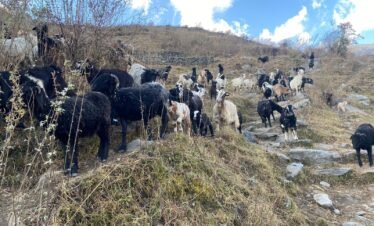
- Snow leopard: Present in high-altitude zones above 3,500 m. A sighting is extremely rare and memorable.
- Himalayan tahr: Visible on rocky slopes between Namrung and Samagaon.
- Blue sheep (Bharal): Frequently seen above 3,500 m, particularly on the Tibet border hike from Samdo.
- Marmots and pika: Common at higher elevations around Samdo and on the approach to Larkya La.
- Yaks and nak: Constant companions above 3,500 m, herded between seasonal pastures by local families.
- Rhododendron forests: Spectacular in spring at altitudes between 2,000 m and 3,500 m. Giant trees up to 10 metres tall.
- Alpine meadows: Wide-open yak pastures around Bimthang and the upper Manaslu valley.
Culture and History Along the Manaslu Circuit
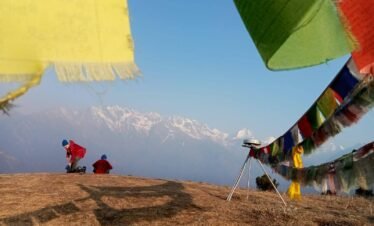
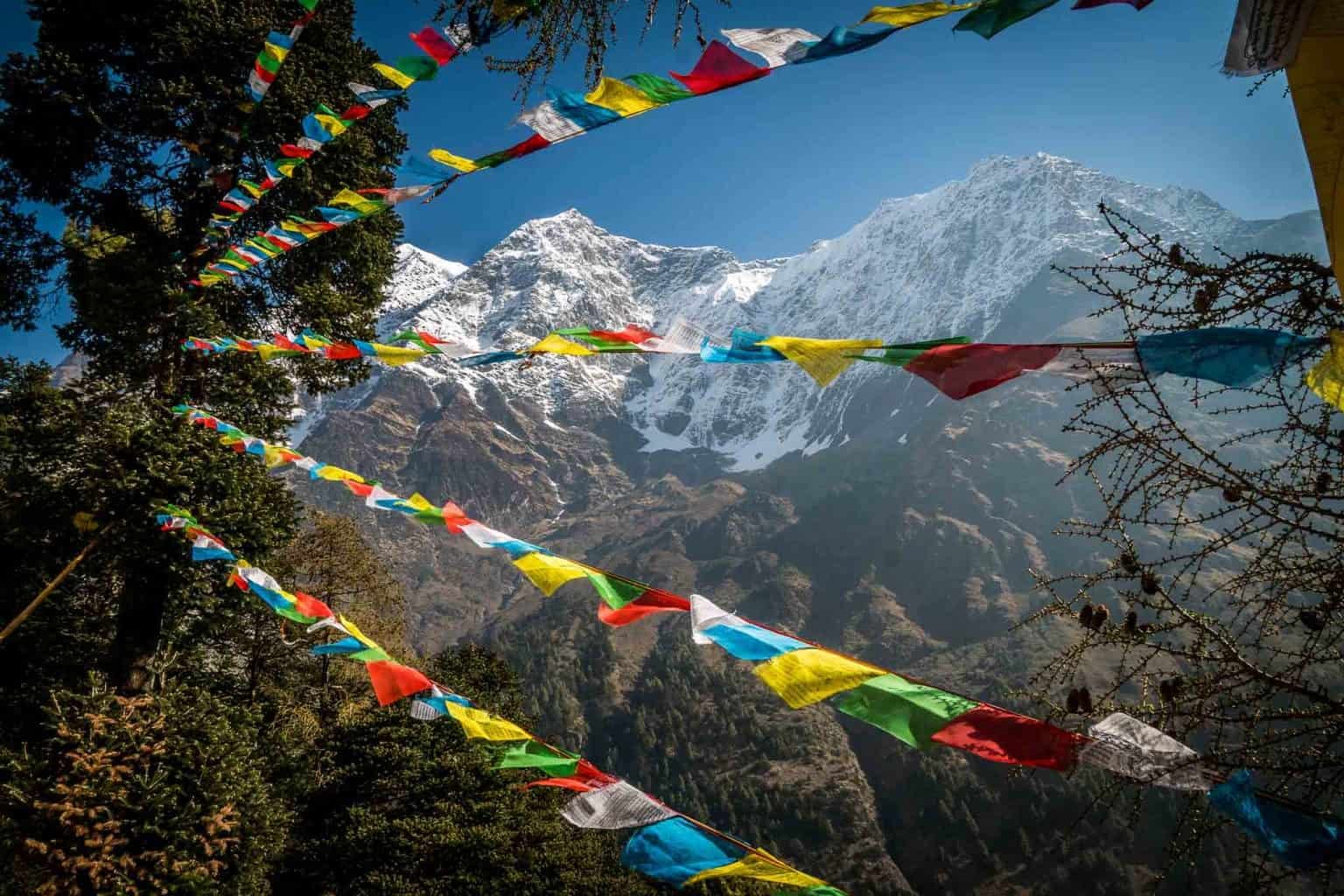
The upper Manaslu valley was historically part of the Tibetan salt trade routes. Tibetan Buddhist influence is visible everywhere: mani walls carved with Buddhist prayers, prayer flags strung across mountain passes, stupas at village entrances, and monks chanting in ancient gompas.
- Sama Gaon: The most culturally rich village on the route. Local people are of Tibetan-Gurung ancestry. The village has a bakery, small shops, and an ancient monastery.
- Pungyen Monastery: Over 600 years old, located above Sama Gaon. Offers spectacular glacier and Manaslu views. One of the most sacred sites in the region.
- Samdo: A small village at 3,875 m with connections to Tibet just a short hike away. Local residents still undertake annual yak caravan journeys to Tibet.
- Deng and Namrung: Early Buddhist villages where Tibetan cultural influence begins to replace Hindu traditions of lower Nepal.
- Tatopani Hot Springs: Natural geothermal hot springs near Doban on Day 2 — a welcome soak after the first day’s walking.
Manaslu Circuit Trek Add Ons and Extensions
Looking to make your Manaslu adventure even more rewarding? Several excellent extensions can be added before, during, or after the Manaslu Circuit Trek depending on your interests, available time, and fitness level.
Tsum Valley Extension (7 to 10 Additional Days)
For trekkers seeking a deeper cultural experience, the Tsum Valley extension is the best addition to the Manaslu Circuit Trek.
Highlights include:
- Ancient Tibetan Buddhist villages.
- Mu Gompa and Rachen Gompa monasteries.
- Traditional Tsumba culture and lifestyle.
- Fewer trekkers and a more remote experience.
- Incredible views of Ganesh Himal and surrounding peaks.
Related Trip:
Manaslu Circuit with Tsum Valley Trek – 19 Days Manaslu Circuit with Tsum Valley Trek – 19 Days
For a more comprehensive exploration of the region:
Tsum Valley & Manaslu Circuit Trek – 23 Days Tsum Valley & Manaslu Circuit Trek – 23 Days
Annapurna Circuit Extension
After completing the Manaslu Circuit Trek, trekkers can continue directly from Dharapani into the Annapurna region.
Highlights include:
- Extending your Himalayan journey by several days.
- Additional mountain scenery and cultural diversity.
- Opportunity to combine two of Nepal’s most famous trekking regions.
- Flexible itinerary options based on available time.
Helicopter Return to Kathmandu
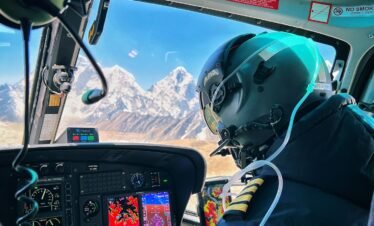
For trekkers with limited time or those seeking a unique finish to their adventure, a helicopter return can be arranged.
Options may include:
- Sama Gaon to Kathmandu.
- Bimthang to Kathmandu.
- Shared or private helicopter arrangements.
All helicopter flights are subject to weather conditions and operational availability.
Serang Gompa Side Trip
Serang Gompa is one of the least visited monasteries in the Manaslu region.
Highlights include:
- Authentic Buddhist monastery experience.
- Spectacular mountain scenery.
- Fewer visitors than the main trekking route.
- A unique cultural detour for trekkers seeking a deeper local experience.
Luxury Upgrade Option
Trekkers seeking additional comfort can upgrade to a premium trekking experience with private transportation, upgraded accommodation where available, and personalized services.
Related Trip:
Luxury Manaslu Circuit Trek Luxury Manaslu Circuit Trek
Private Departures
All Manaslu Circuit Trek itineraries can be booked as a private departure.
Benefits include:
- Start on any date.
- Flexible itinerary adjustments.
- Private guide and porter team.
- Personalized pace and trekking experience.
- Ideal for couples, families, and small groups.
There is no need to wait for a scheduled group departure. Your trek can begin on any available date throughout the trekking season.
Physical Fitness and Training Tips
- Begin training at least 2 to 3 months before your trek.
- Focus on cardiovascular fitness: hiking, cycling, running, or stair climbing for 45 to 60 minutes, 4 to 5 times per week.
- Practise day hikes of 6 to 8 hours with a light daypack (5 to 8 kg) on hilly terrain.
- Strengthen your legs and core: lunges, squats, step-ups, and planks.
- Complete one overnight hike of 2 to 3 days before the trek to test your gear and fitness.
Packing List for the Manaslu Circuit Trek
Next Trip Nepal provides: sleeping bag (rated to -25°C), down jacket, duffle bag for porter, first aid kit with altitude medications, and pulse oximeter. You need to bring:
- Footwear: Waterproof trekking boots with ankle support (broken in before arrival), gaiters, camp sandals, microspike crampons for Larkya La Pass (available to rent in Kathmandu)
- Clothing layers: Moisture-wicking base layers, mid-layer fleece, waterproof outer shell jacket and trousers, trekking trousers, warm hat, balaclava, sun hat, warm gloves (inner and outer)
- Daypack: 20 to 30 litres for daily essentials
- Hydration: 2 x 1-litre water bottles or hydration bladder, water purification tablets (provided)
- Sun and eye protection: Sunscreen SPF 50+, UV-protective sunglasses, lip balm with SPF
- Electronics: Camera, headlamp with spare batteries, portable power bank, earplugs
- Documents: Original passport, travel insurance with helicopter evacuation cover to 5,500 m, emergency contact card
Health, Safety and Altitude Sickness on the Manaslu Circuit
The Manaslu Circuit Trek crosses the Larkya La pass at 5,106 metres, making altitude sickness the most serious health risk on the route. Understanding the symptoms of Acute Mountain Sickness (AMS) and knowing how to respond is essential for every trekker.
Understanding Acute Mountain Sickness (AMS)
AMS can affect anyone regardless of fitness level. Symptoms typically appear above 2,500 metres and include headache, nausea, loss of appetite, fatigue, dizziness, and difficulty sleeping. Mild symptoms are common and usually resolve with rest and proper hydration. Severe AMS can progress to High Altitude Pulmonary Oedema (HAPE) or High Altitude Cerebral Oedema (HACE), both of which are life-threatening and require immediate descent.
Key Acclimatisation Rules
- Climb high, sleep low: Day hikes to higher elevations followed by returning to sleep lower are the most effective acclimatisation strategy
- Ascend slowly: Above 3,000 metres, limit daily sleeping altitude gain to 300–500 metres
- Rest days: The standard Manaslu Circuit itinerary includes acclimatisation rest days at Samagaon (3,530 m) and Samdo (3,860 m)
- Stay hydrated: Drink 3–4 litres of water daily at altitude. Avoid alcohol and sleeping pills above 3,000 metres
- Never ascend with symptoms: If you have a headache that does not respond to paracetamol or ibuprofen, do not gain altitude the next day
Medications and Medical Equipment
- Diamox (Acetazolamide): The standard preventive medication for AMS. Consult your doctor before the trek. Typical dose is 125–250 mg twice daily starting one day before significant altitude gain. Note: Diamox increases urine output and sun sensitivity
- Ibuprofen: Effective for treating altitude headaches. Take 400–600 mg with food
- Pulse oximeter: Next Trip Nepal provides a pulse oximeter for every group. Readings below 75% SpO2 at altitude are a warning sign. Below 60% requires immediate descent
- First aid kit: Provided by Next Trip Nepal, including altitude medication, antiseptic, bandages, blister care, and oral rehydration salts
Emergency Evacuation
In a genuine altitude emergency, helicopter evacuation from upper Manaslu Valley is possible in good weather. Landing zones exist at Samagaon, Samdo, and Larkya High Camp. Travel insurance with helicopter evacuation cover to at least 5,500 metres is mandatory for all Next Trip Nepal trekkers. Our guides carry satellite communication devices on all Manaslu Circuit departures and have protocols for requesting helicopter rescue through the Kathmandu operations team. The nearest fully equipped hospital is in Kathmandu (approximately 45–90 minutes by helicopter from the upper valley).
Other Health Considerations
- Stomach illness: Drink only boiled, filtered, or treated water. Avoid raw salads and undercooked food at teahouses above Jagat
- Blisters and joint care: Break in your boots before arriving. Trekking poles are strongly recommended for descent sections
- Sun exposure: UV radiation increases approximately 10% for every 1,000 metres of altitude. Use SPF 50+ sunscreen, UV sunglasses, and a wide-brimmed hat
- Frostbite risk: At Larkya La in cold conditions, cover all exposed skin. Mittens over liner gloves are recommended for the high camp night and early morning pass crossing
Nepal Travel Tips for First-Time Visitors
Visa for Nepal
Most nationalities can obtain a Nepal Tourist Visa on arrival at Tribhuvan International Airport in Kathmandu. The process takes 30–60 minutes. Bring two passport photos and USD cash for the fee. As of 2025–2026, visa fees are approximately USD 30 for 15 days, USD 50 for 30 days, and USD 125 for 90 days. Indian nationals do not require a visa. Citizens of a small number of countries must obtain a visa from the Nepal Embassy before travel — check the official Nepal Immigration website for the current list.
Arriving in Kathmandu
Most Manaslu Circuit trekkers fly into Kathmandu Tribhuvan International Airport (KTM). The city sits at 1,400 metres. Spending 1–2 nights in Kathmandu before driving to the trailhead allows some adjustment to the local time zone and is a good opportunity to finalise permits, rent gear, and exchange currency.
Next Trip Nepal’s office and guesthouse partners are located in Thamel, Kathmandu’s trekking hub. Our team will meet you at the airport on arrival and assist with any last-minute preparations. From Kathmandu, the drive to Machha Khola (the standard trek start) takes 8–9 hours via the Prithvi Highway and the Araniko Highway junction at Arughat.
Currency and Money
- Currency: Nepalese Rupee (NPR). As of 2025, approximately NPR 135 = USD 1
- ATMs: Available throughout Kathmandu and in Besisahar (before Annapurna trailhead area). There are no ATMs on the Manaslu Circuit route itself. Withdraw enough cash in Kathmandu before departure
- Cash needed on trek: Budget NPR 3,000–5,000 per day for teahouse meals, hot showers, phone/battery charging, and personal expenses. Higher altitude teahouses charge more
- Exchange: Exchange money at licensed moneychangers in Thamel (better rates than hotels or airport). USD, EUR, GBP, and AUD are widely accepted
Communication and SIM Cards on the Manaslu Circuit Trek
Staying connected on the Manaslu Circuit Trek is easier than many trekkers expect, although internet speeds and mobile coverage can vary depending on location and weather conditions.
Best SIM Card for the Manaslu Circuit Trek
We strongly recommend purchasing a Nepal Telecom (NTC) SIM card in Kathmandu before starting the trek.
- NTC provides the most reliable coverage throughout the Manaslu region.
- NTC signal is available in most major villages along the route.
- Tourist SIM cards can be purchased in Kathmandu with a passport and photo.
- Data packages are affordable and suitable for messaging, emails, and basic internet use.
While Ncell is available in Nepal, its coverage on the Manaslu Circuit is limited and significantly less reliable than NTC.
Mobile Network Coverage
With an NTC SIM card, mobile coverage is available in most villages including:
- Machha Khola
- Jagat
- Namrung
- Shyala
- Sama Gaon
- Samdo
- Bimthang
Signal may be weak or unavailable in some narrow gorges, remote sections of the trail, and around Dharamsala due to the surrounding terrain.
WiFi Availability
- Most teahouses now offer WiFi for an additional charge.
- WiFi is generally available in Machha Khola, Jagat, Namrung, Shyala, Sama Gaon, Samdo, and Bimthang.
- Internet speeds can be slow, especially during busy trekking seasons.
- Higher altitude villages typically have less reliable connections.
- Dharamsala generally does not offer dependable WiFi service.
Staying in Contact with Family
Most trekkers are able to send messages and make internet calls from major villages using NTC mobile data or teahouse WiFi.
For emergency situations, our guides maintain communication with our office and local support network. Family members can also contact the Next Trip Nepal team if necessary during the trek.
Our Recommendation
For the best connectivity on the Manaslu Circuit Trek, purchase an NTC SIM card in Kathmandu before departure and do not rely on Ncell coverage in the Manaslu region.
Gear Rental for the Manaslu Circuit Trek
Kathmandu, particularly the Thamel area, offers a wide range of trekking gear rental and purchase shops. If you do not want to travel with bulky trekking equipment, most essential items can be rented upon arrival in Nepal.
Common Gear Available for Rent
- Sleeping bags rated for temperatures between -15°C and -25°C.
- Down jackets suitable for high altitude trekking.
- Trekking poles.
- Microspikes for snow and icy trail conditions.
- Waterproof gaiters.
- Duffel bags and backpacks.
Complimentary Gear Provided by Next Trip Nepal
When you book the Manaslu Circuit Trek with Next Trip Nepal, we provide the following items free of charge for use during the trek:
- Sleeping bag.
- Down jacket.
- Trekking poles.
- Microspikes (when required based on trail conditions).
- Manaslu Circuit Trek map.
All gear is checked before your trek to ensure it is suitable for the conditions and season.
Gear Check Before the Trek
Our team will conduct a gear briefing in Kathmandu before departure. If any additional equipment is required, we can help arrange rentals or purchases from trusted trekking shops in Thamel.
Travel Light
Many trekkers prefer to bring only their personal clothing and hiking boots while using our complimentary trekking equipment. This makes international travel easier and helps reduce luggage weight without compromising comfort and safety on the trail.

Manaslu Circuit Trek Overview
The Manaslu Circuit Trek is one of Nepal’s classic long distance trekking routes. The trail follows the border area between Nepal and Tibet and circles Mount Manaslu, the eighth highest mountain in the world at 8,163 meters. Trekking in this region officially opened in the early 1990s, making it one of the newer trekking routes compared to Everest and Annapurna.
Over the past three decades, the Manaslu Circuit Trek has been gaining steady popularity. Many trekkers now compare it with the Everest Base Camp Trek because both offer high altitude landscapes and long Himalayan journeys. However, Manaslu remains quieter and more remote. This is one of the main reasons experienced trekkers choose this route.
The 13 day Manaslu Circuit Trek starts after a drive from Kathmandu to Machha Khola. From here, the trail follows the Budhi Gandaki River and passes through villages such as Jagat, Deng, Namrung, Samagaon, and Samdo. The route then continues to Dharamsala before crossing the Larkya La Pass at 5,160 meters. After the pass, the trek descends through Bimthang and Dharapani, followed by a jeep drive back to Kathmandu.
This itinerary is designed with safety and acclimatization in mind. Unlike many standard itineraries, this package includes two acclimatization days to help the body adjust to altitude. In total, the journey includes nine trekking days, two acclimatization days, and two days of road travel. This balance makes the trek suitable even for fit first time high altitude trekkers when guided properly.
The Manaslu region lies in west central Nepal and is one of the closest remote trekking areas from Kathmandu. The drive to the trailhead takes around 8 to 10 hours and passes through rural towns, terraced farmland, rivers, and hills. Facilities along the trail are simple, which allows trekkers to experience mountain life in a more natural and traditional way.
If you are looking for a quieter alternative to Everest or Annapurna and want a well planned trek around one of the world’s highest mountains, the 13 day Manaslu Circuit Trek is a strong choice.
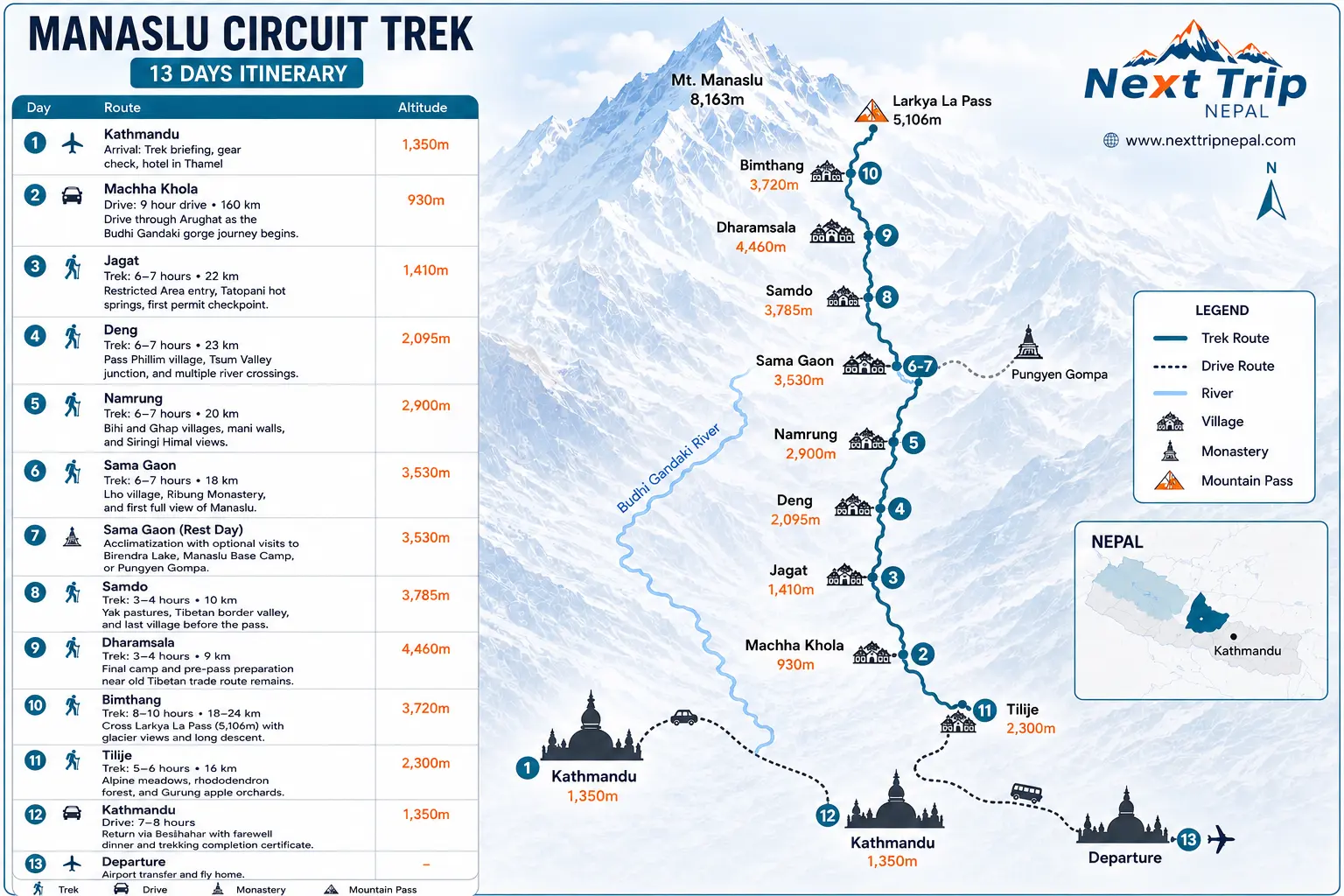
Manaslu Circuit Trekking – 13 Days Itinerary Outline
- Day 01: Drive from Kathmandu to Machha Khola, taking approximately 8–9 hours by road.
- Day 02: Trek from Machha Khola to Jagat in about 6–7 hours along the Budhi Gandaki River.
- Day 03: Trek from Jagat to Deng, which takes around 6–7 hours through forested trails and villages.
- Day 04: Trek from Deng to Namrung in approximately 6–7 hours, entering the upper Manaslu region.
- Day 05: Trek from Namrung to Lho in about 4–5 hours with clear views of Manaslu.
- Day 06: Trek from Lho to Sama Gaon, taking around 4–5 hours at a steady pace.
- Day 07: Acclimatization day at Sama Gaon with an optional 3–4 hour hike to Pungyen Gumba.
- Day 08: Trek from Sama Gaon to Samdo in approximately 3–4 hours.
- Day 09: Acclimatization day at Samdo with an optional 4–5 hour hike toward the Tibet border.
- Day 10: Trek from Samdo to Dharamshala in about 4–5 hours.
- Day 11: Trek from Dharamshala to Bhimthang via Larkya La Pass, taking around 8–9 hours.
- Day 12: Trek from Bhimthang to Dharapani in approximately 6–7 hours.
- Day 13: Drive from Dharapani to Kathmandu, taking around 9–10 hours by road.
Why Book the Manaslu Circuit Trek With Next Trip Nepal?
- Hassle free trekking experience with all required permits, transport, meals, and accommodation arranged
- No advance payment required, pay after arrival in Nepal by card, bank transfer, or cash
- Well planned itinerary designed by experienced local Manaslu trekking guides
- 24/7 personal support before and during the trek via WhatsApp, email, or phone
- Licensed guides and trained porters with first aid and altitude safety knowledge
- Private trek option with flexible pace and additional rest days if needed
- Carefully selected teahouses with clean rooms and reliable food along the route
- Strong focus on safety, clear communication, and personal care throughout the journey
Manaslu Circuit Trek Highlights
- Trek around Mount Manaslu (8,163 m), the world’s eighth highest peak, with close mountain views throughout the route.
- Experience a quieter trekking route compared to Everest and Annapurna, with fewer trekkers and a more remote trail.
- Walk through forests, rivers, alpine meadows, and terraced farmland while following the Budhi Gandaki River
- Cross more than 25 suspension bridges, including the well known cantilever bridge at Yarubagar above the river gorge.
- Visit traditional villages such as Sama Gaon and Samdo, influenced by both Nepalese and Tibetan cultures.
- Explore important cultural sites, including Pungyen Monastery and other centuries old monasteries along the trail.
- Take an acclimatization hike to Manaslu Base Camp (4,800 m) and visit Birendra Lake near Sama Gaon. Cross Larkya La Pass (5,160 m), the highest point of the trek, offering wide views of surrounding Himalayan peaks.
- Enjoy panoramic views of major mountains such as Himlung Himal, Himalchuli, Ganesh Himal, and Annapurna II.
- Spot Himalayan wildlife like Himalayan tahr, pika, marmots, and diverse birdlife, with rare chances of seeing snow leopard signs.