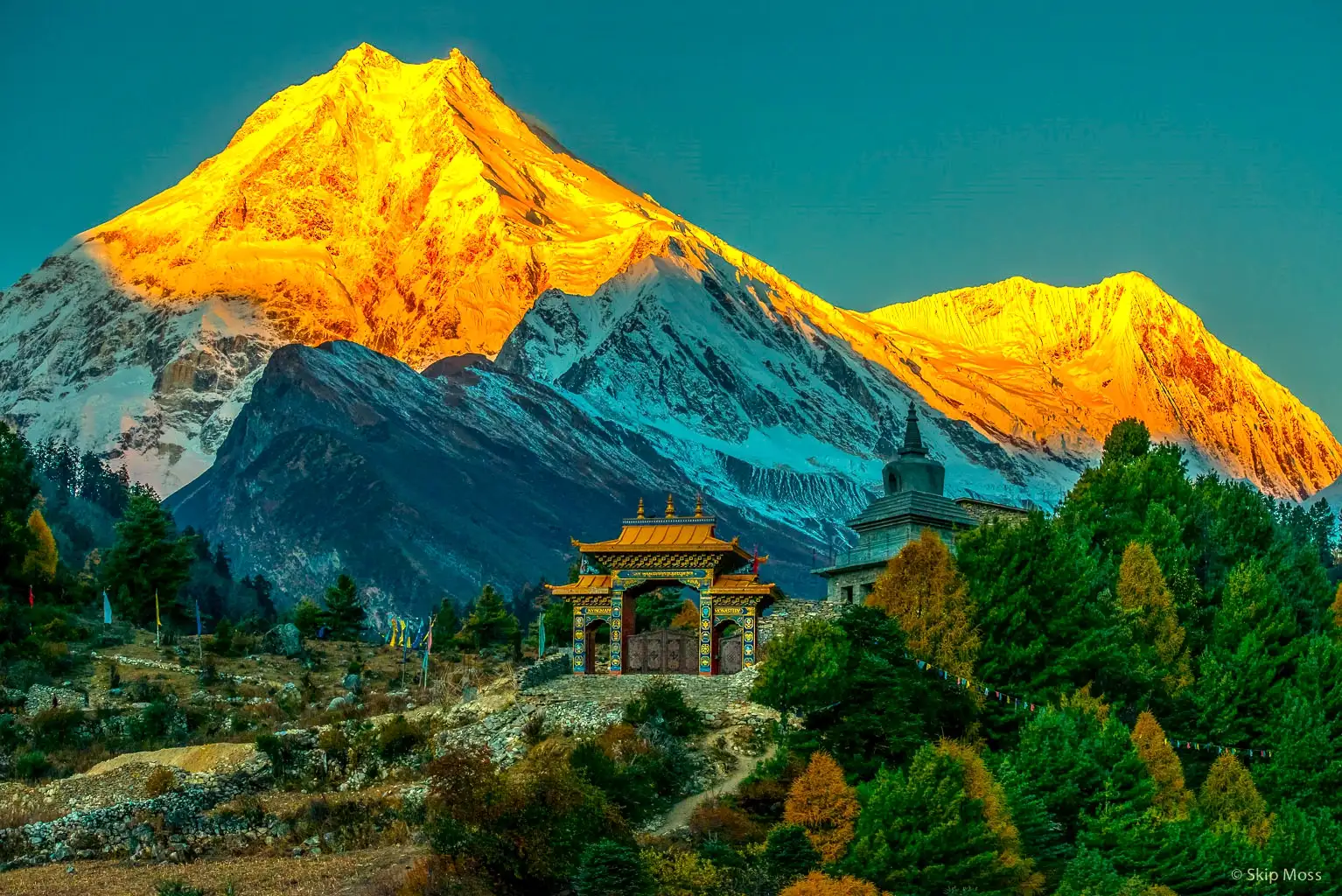
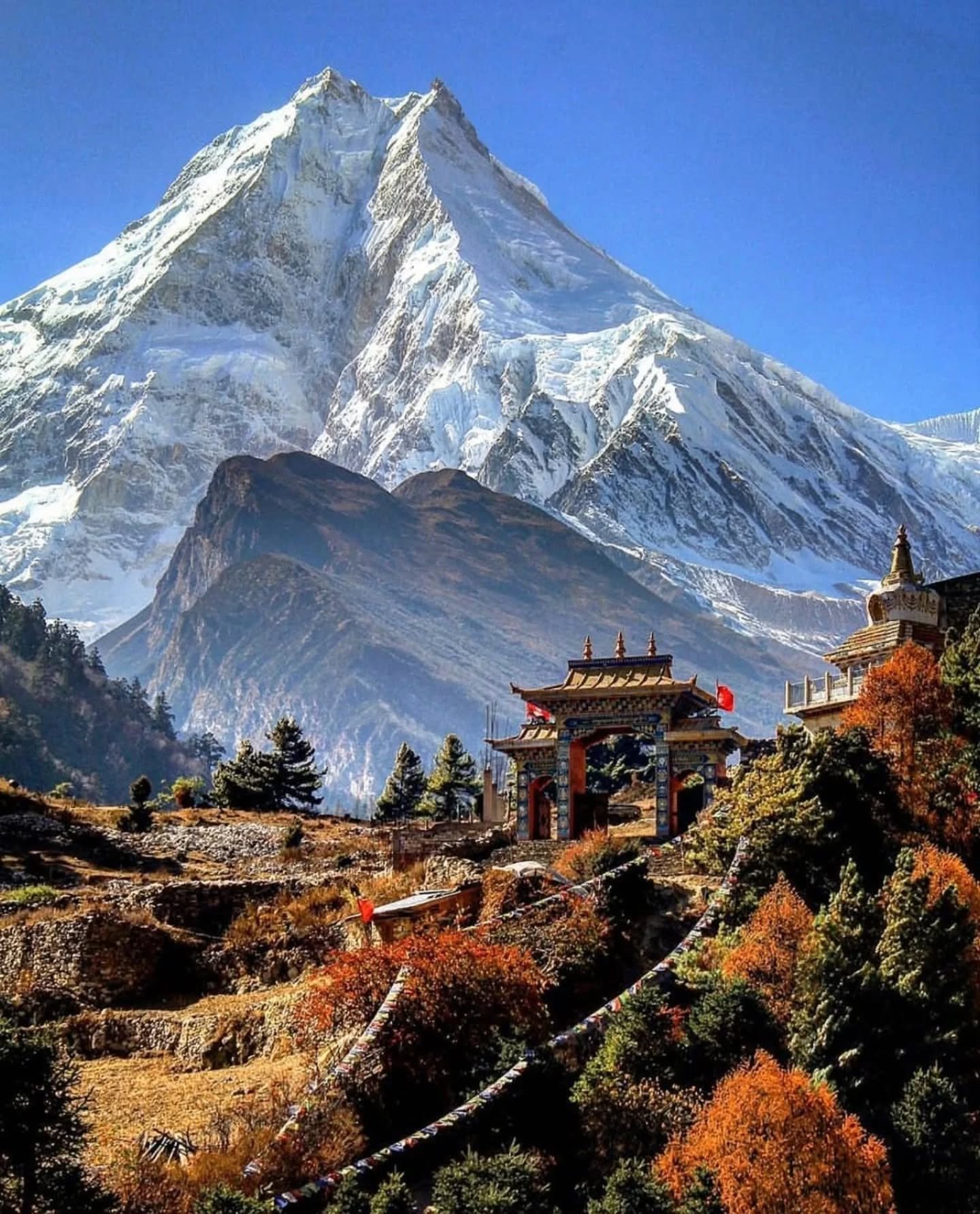
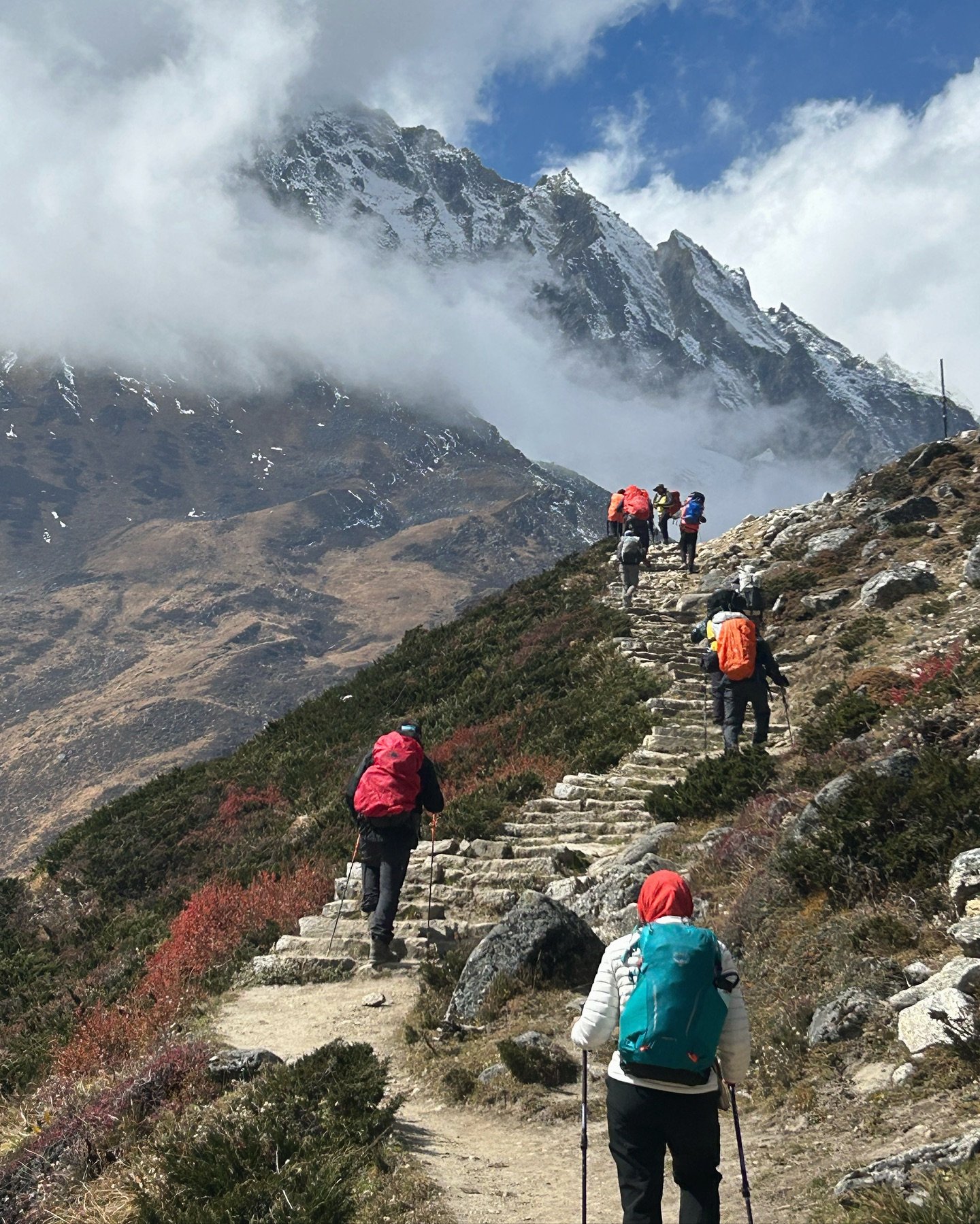
The Manaslu Circuit Trek is becoming a popular choice in Nepal for trekkers looking for a quieter alternative to the Everest region. The route circles Mount Manaslu, the eighth highest mountain in the world, and passes through the protected Manaslu Conservation Area near the Tibetan border.
Many trekkers compare the Manaslu Circuit Trek with the Everest Base Camp Trek due to similar high altitude scenery and trek duration. However, Manaslu remains less crowded and more remote, making it suitable for those who prefer peaceful trails and steady walking days.
The standard 13 day Manaslu Circuit Trek starts at Machha Khola and finishes at Besisahar, crossing the Larkya La Pass at 5,160 meters. With proper acclimatization and a licensed guide, it is a well planned trek for travelers seeking a genuine Himalayan trekking experience.

Manaslu Circuit Trek Overview
The Manaslu Circuit Trek is one of Nepal’s classic long distance trekking routes. The trail follows the border area between Nepal and Tibet and circles Mount Manaslu, the eighth highest mountain in the world at 8,163 meters. Trekking in this region officially opened in the early 1990s, making it one of the newer trekking routes compared to Everest and Annapurna.
Over the past three decades, the Manaslu Circuit Trek has been gaining steady popularity. Many trekkers now compare it with the Everest Base Camp Trek because both offer high altitude landscapes and long Himalayan journeys. However, Manaslu remains quieter and more remote. This is one of the main reasons experienced trekkers choose this route.
The 13 day Manaslu Circuit Trek starts after a drive from Kathmandu to Machha Khola. From here, the trail follows the Budhi Gandaki River and passes through villages such as Jagat, Deng, Namrung, Samagaon, and Samdo. The route then continues to Dharamsala before crossing the Larkya La Pass at 5,160 meters. After the pass, the trek descends through Bimthang and Dharapani, followed by a jeep drive back to Kathmandu.
This itinerary is designed with safety and acclimatization in mind. Unlike many standard itineraries, this package includes two acclimatization days to help the body adjust to altitude. In total, the journey includes nine trekking days, two acclimatization days, and two days of road travel. This balance makes the trek suitable even for fit first time high altitude trekkers when guided properly.
The Manaslu region lies in west central Nepal and is one of the closest remote trekking areas from Kathmandu. The drive to the trailhead takes around 8 to 10 hours and passes through rural towns, terraced farmland, rivers, and hills. Facilities along the trail are simple, which allows trekkers to experience mountain life in a more natural and traditional way.
If you are looking for a quieter alternative to Everest or Annapurna and want a well planned trek around one of the world’s highest mountains, the 13 day Manaslu Circuit Trek is a strong choice.
Manaslu Circuit Trekking – 13 Days Itinerary Outline
- Day 01: Drive from Kathmandu to Machha Khola, taking approximately 8–9 hours by road.
- Day 02: Trek from Machha Khola to Jagat in about 6–7 hours along the Budhi Gandaki River.
- Day 03: Trek from Jagat to Deng, which takes around 6–7 hours through forested trails and villages.
- Day 04: Trek from Deng to Namrung in approximately 6–7 hours, entering the upper Manaslu region.
- Day 05: Trek from Namrung to Lho in about 4–5 hours with clear views of Manaslu.
- Day 06: Trek from Lho to Sama Gaon, taking around 4–5 hours at a steady pace.
- Day 07: Acclimatization day at Sama Gaon with an optional 3–4 hour hike to Pungyen Gumba.
- Day 08: Trek from Sama Gaon to Samdo in approximately 3–4 hours.
- Day 09: Acclimatization day at Samdo with an optional 4–5 hour hike toward the Tibet border.
- Day 10: Trek from Samdo to Dharamshala in about 4–5 hours.
- Day 11: Trek from Dharamshala to Bhimthang via Larkya La Pass, taking around 8–9 hours.
- Day 12: Trek from Bhimthang to Dharapani in approximately 6–7 hours.
- Day 13: Drive from Dharapani to Kathmandu, taking around 9–10 hours by road.
Why Book the Manaslu Circuit Trek With Next Trip Nepal?
- Hassle free trekking experience with all required permits, transport, meals, and accommodation arranged
- No advance payment required, pay after arrival in Nepal by card, bank transfer, or cash
- Well planned itinerary designed by experienced local Manaslu trekking guides
- 24/7 personal support before and during the trek via WhatsApp, email, or phone
- Licensed guides and trained porters with first aid and altitude safety knowledge
- Private trek option with flexible pace and additional rest days if needed
- Carefully selected teahouses with clean rooms and reliable food along the route
- Strong focus on safety, clear communication, and personal care throughout the journey
Manaslu Circuit Trek Highlights
- Trek around Mount Manaslu (8,163 m), the world’s eighth highest peak, with close mountain views throughout the route.
- Experience a quieter trekking route compared to Everest and Annapurna, with fewer trekkers and a more remote trail.
- Walk through forests, rivers, alpine meadows, and terraced farmland while following the Budhi Gandaki River
- Cross more than 25 suspension bridges, including the well known cantilever bridge at Yarubagar above the river gorge.
- Visit traditional villages such as Sama Gaon and Samdo, influenced by both Nepalese and Tibetan cultures.
- Explore important cultural sites, including Pungyen Monastery and other centuries old monasteries along the trail.
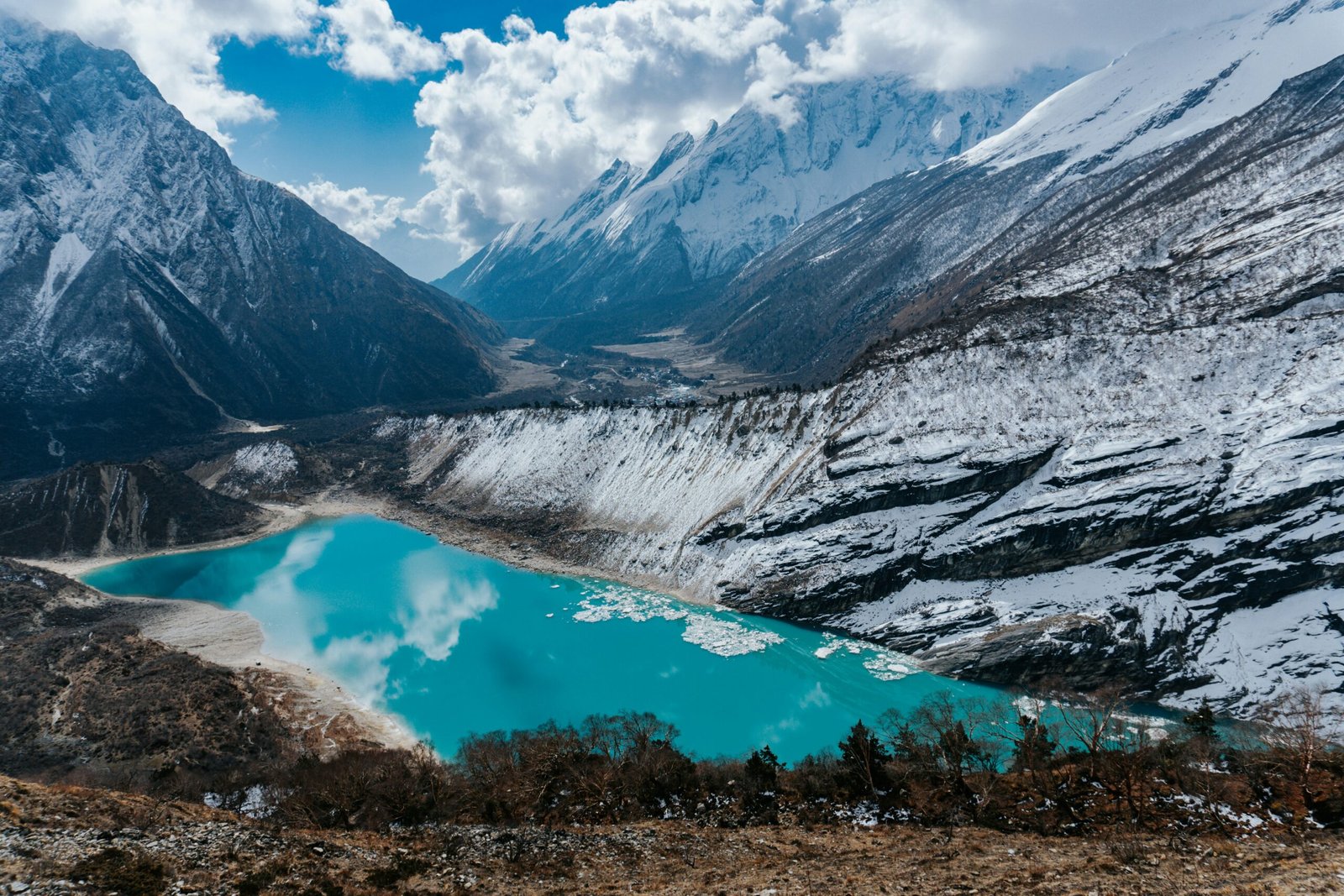
- Take an acclimatization hike to Manaslu Base Camp (4,800 m) and visit Birendra Lake near Sama Gaon. Cross Larkya La Pass (5,160 m), the highest point of the trek, offering wide views of surrounding Himalayan peaks.
- Enjoy panoramic views of major mountains such as Himlung Himal, Himalchuli, Ganesh Himal, and Annapurna II.
- Spot Himalayan wildlife like Himalayan tahr, pika, marmots, and diverse birdlife, with rare chances of seeing snow leopard signs.
Manaslu Circuit Trek 13 Day Itinerary
We can adjust the itinerary, duration, or services to match your needs. Contact us directly on WhatsApp or Email.Chat on WhatsApp Email Us
The Manaslu Circuit Trek begins with an early morning overland journey from Kathmandu to Machha Khola. After breakfast, your trekking guide meets you at the hotel around 8:00 a.m., and the drive starts toward the trailhead.
The journey follows the main highway briefly before turning toward the hill districts of Dhading and Gorkha. As the road leaves the valley, the scenery gradually changes to terraced farmland, river valleys, and rural settlements.
After Besisahar, the drive continues on narrower mountain roads with rough sections as you travel deeper into remote farming areas. Short stops are made along the way to rest, enjoy local tea, and observe village life outside the city.
By late afternoon, you arrive at Machha Khola, a small riverside settlement with basic trekking lodges. You check into the best available lodge, have time to rest after the long drive, and enjoy dinner before preparing for the first trekking day.
Day Highlights
- Scenic drive through the hills of Dhading and Gorkha
- First views of rural villages, rivers, and terraced farmland
- Arrival at the Manaslu trekking trailhead in Machha Khola
After breakfast, you begin trekking from Machha Khola, leaving the road behind and following the Budhi Gandaki River upstream. It feels good to start walking after the long drive of the previous day, and the trail quickly settles into a steady rhythm.
The path passes through scattered farms and small settlements before entering shaded forest sections. Walking along the river on a narrow trail, the route includes gentle climbs and descents. You cross the Tharo Khola and reach Khorla Besi, then continue through a series of ups and downs to Tatopani, known for its natural hot springs, where a short rest is usually taken.
From Tatopani, the trail climbs over a ridge and crosses a suspension bridge over the Budhi Gandaki River. Beyond this point, the route becomes more structured, with stone-paved steps and clearly defined trekking paths. You continue to Dovan, a small riverside settlement with basic lodges, where lunch is normally taken.
In the afternoon, the trail crosses another suspension bridge over the Yaru Khola and climbs stone steps to Tharo Bhanjyang. You then pass through traditional Gurung villages surrounded by green forests before following the western bank of the Budhi Gandaki River toward Jagat.
By late afternoon, you arrive at Jagat, a pleasant village with good lodges and small shops. Jagat is the official entry checkpoint to the restricted Manaslu region, where trekking permits are checked. After checking into the lodge, you have time to rest and enjoy dinner.
Day Highlights
- First full day of trekking along the Budhi Gandaki River
- Multiple suspension bridges and traditional Gurung villages
- Arrival at Jagat, the official gateway to the Manaslu restricted area
After breakfast, you begin today’s trek from Jagat on a moderate trail with a mix of gentle uphill and downhill walking. For the first two to two and a half hours, the route follows wider tracks and short road sections, passing through terraced fields, river valleys, and small villages.
The trail crosses a long rocky ridge before descending to Sirdibas, where the valley gradually opens. Continuing onward, you follow the path toward Ghatta Khola, crossing a suspension bridge before reaching Philim, one of the largest and most important villages in the region. Philim has a school, government offices, and a checkpoint, marking a clear transition deeper into the Manaslu area.
Beyond Philim, the walk becomes noticeably quieter as you leave the road behind and enter a proper trekking trail. The path passes through cultivated millet fields and the small settlement of Ekle Bhatti. Waterfalls, green hillsides, and a narrow trail carved into the mountainside add to the changing scenery.
In the afternoon, the trail descends through a narrow gorge before opening onto grassy slopes. Passing through a bamboo forest, you cross the Deng Khola and make the final climb of the day to Deng.
Deng is a small and peaceful village where you spend the night. From here onward, Tibetan cultural influence becomes more visible in local architecture, lifestyle, and traditions. Mule caravans carrying supplies are common along the trail, and trekkers are advised to step to the inside of the path to allow them to pass safely.
After reaching the lodge, you have time to rest, enjoy dinner, and prepare for the higher and more remote sections of the Manaslu Circuit Trek ahead.
Day Highlights
- Walk through Philim, a key village with schools and government offices
- Shift from road sections to quieter mountain trekking trails
- Bamboo forest, waterfalls, and narrow gorge landscapes
- First clear signs of Tibetan cultural influence and mule caravans
After an early morning start, today’s walk from Deng to Namrung becomes more scenic and culturally rich as you move deeper into the Manaslu region. This is a slightly longer trekking day, but the gradual ascent and changing landscapes make the walk enjoyable and steady.
Shortly after leaving Deng, the trail crosses the Budhi Gandaki River and climbs gradually toward the small settlement of Bihi, surrounded by forest. The path then follows the northwestern side of the valley through dense vegetation and quiet forest trails, passing a few scattered farming villages along the way.
As the walk continues, clear views of Sringi Himal begin to appear. The trail crosses the Budhi Gandaki several times and passes mani walls, prayer wheels, and small gompas, showing the strong Tibetan Buddhist influence that becomes more noticeable from this point onward.
A short stop is often made at Bhur village, a good place for tea or coffee with mountain views. After another steady walk of around one and a half hours, you reach Ghap, where lunch is usually taken.
In the afternoon, the trail continues through the Manaslu Conservation Area, with a quieter and more remote feel. The final section includes a steady uphill climb leading to Namrung, a well-established mountain village where you stay overnight.
Namrung is known for its comfortable lodges and better food options compared to lower villages. After checking into the lodge, you have time to relax, enjoy dinner, and prepare for the higher altitude sections ahead.
Day Highlights
- Gradual transition into stronger Tibetan Buddhist culture
- Views of Sringi Himal and surrounding mountain landscapes
- Walk through forested trails and traditional villages
- Overnight stay in Namrung with improved lodge facilities
As you trek from Namrung toward Shyala, the valley gradually opens and the landscape becomes wider and more alpine. This section of the trail is known for its open views and steady walking, making it one of the more visually engaging days of the trek.
After passing through Lho village, the north face of Mount Manaslu (8,163 m) comes clearly into view for the first time. As the trail continues toward Shyala, the mountain appears closer and more prominent, rising directly above the valley and dominating the surrounding landscape.
Several other Himalayan peaks are visible along this section. Himal Chuli and Ngadi Chuli (Peak 29) stand nearby, while Baudha Himal and Shiringi Himal add depth to the scenery. On clear days, parts of the Ganesh Himal range can also be seen from sections of the trail.
Shyala lies in a wide glacial valley and is known for its open setting and uninterrupted mountain views. The village offers a broad panorama of the Manaslu range and surrounding peaks, making it a popular overnight stop for trekkers who want time to enjoy the scenery.
Shyala has comfortable lodges and a quiet atmosphere. After reaching the village, you have time to rest, explore the area, visit the local monastery, and enjoy the views before dinner.
Day Highlights
- First close and clear views of Mount Manaslu
- Wide glacial valley and open alpine landscapes
- Panoramic views of Manaslu, Himal Chuli, and Ngadi Chuli
- Overnight stay in Shyala, one of the best viewpoint villages on the route
After breakfast, the trek from Shyala to Sama Gaun is a short and relaxed walk, making it one of the easier days on the Manaslu Circuit. The trail has minimal elevation change and usually takes around one and a half hours, leaving plenty of time to enjoy the surroundings and settle comfortably into the village.
The path follows an open valley with wide mountain views, passing yak pastures, mani walls, and traditional stone houses as you approach Sama Gaun. With the short walking time, this day is well suited for rest, photography, and gentle acclimatization.
For trekkers who prefer a longer and more active walk, an optional hike via Pungyen Gompa is available. This route takes around four hours and offers close views of Mount Manaslu, surrounding glaciers, and high alpine terrain. It is a good option for those feeling strong and well acclimatized.
Sama Gaun is one of the main villages in the Manaslu region and sits below the Manaslu Glacier. The village has comfortable lodges, small cafés, and bakeries, making it one of the most pleasant places to stay on the trek. Tibetan influenced culture is clearly visible through monasteries, prayer flags, mani walls, and daily village life.
You spend the night in Sama Gaun, enjoying the peaceful atmosphere and preparing for the higher altitude days ahead.
Day Highlights
- Short and easy walk with wide valley and mountain views
- Optional hike to Pungyen Gompa with close glacier scenery
- Arrival at Sama Gaun, a key village beneath the Manaslu Glacier
- Comfortable lodges and strong Tibetan cultural presence
Today is a rest and acclimatization day in Sama Gaun, an ideal location to help your body adjust to the altitude before heading toward the highest point of the trek, Larkya La Pass. Taking this day seriously is important for a safe and comfortable Manaslu Circuit Trek.
Sama Gaun is a traditional mountain village with strong Tibetan influenced culture. You can spend time walking around the village, visiting local monasteries, observing daily life, or relaxing at cafés. It is also a good place to check gear, do light stretching, and recover energy.
Several optional hikes are available today, and your guide will help you choose based on your fitness and acclimatization:
- Pungyen Gompa hike: Around 4 to 5 hours round trip, offering close views of the Manaslu Glacier and surrounding peaks
- Manaslu Base Camp hike: Around 7 to 8 hours round trip, physically demanding and suitable for strong trekkers only
- Birendra Lake hike: An easy option taking about 1.5 to 3 hours round trip, ideal for light movement and recovery
Day Highlights
- Acclimatization day at Sama Gaun, an ideal altitude for safe adjustment before Larkya La Pass
- Optional hike to Birendra Lake, an easy and relaxing walk with views of Manaslu Glacier
- Optional hike to Manaslu Base Camp, a challenging but rewarding day trip for strong trekkers
- Optional hike to Pungyen Gompa, offering close views of glaciers and a quiet alpine setting
- Time to enjoy good coffee and rest at local cafés in Sama Gaun, including popular mountain cafés
After a peaceful morning in Sama Gaun, the trek begins with a gentle descent toward the Budhi Gandaki River. The trail crosses a small bridge and passes long mani walls and Buddhist monuments, creating a calm and spiritual start to the day.
After about an hour of walking, the valley opens wider and the trail becomes broad and comfortable. This section is one of the most pleasant walks of the trek, with open terrain and steady gradients. Yaks are often seen grazing in the fields, and with some luck, you may spot blue sheep on the surrounding hillsides or mountain birds circling above.
As you continue toward Samdo, the trail offers continuous views of snow-covered peaks. Along the way, you will see local villagers collecting grass, firewood, and yak dung, which is traditionally used as fuel in this high-altitude region, offering insight into daily mountain life.
A short final climb brings you to Samdo, the last permanent settlement in the Manaslu region. The village sits on a high plateau near the Nepal–Tibet border and lies on the historic trade route toward Manang via Larkya La Pass.
After reaching Samdo, you have time to rest, walk around the village, and enjoy the quiet high Himalayan surroundings before the higher altitude days ahead.
Day Highlights
- Easy and scenic walk with wide valley views
- Mani walls and Buddhist monuments along the trail
- Chances to see yaks, blue sheep, and mountain birdlife
- Arrival at Samdo, the last village before the high mountain pass
After breakfast, you begin a short morning walk from Samdo to Dharamsala, the final settlement before crossing Larkya La Pass (5,106 m). Although the distance is not long and the walk usually takes around three hours, the high altitude makes the pace slower and more demanding.
The trail follows the edge of the valley and gradually descends to a wide riverbed, crossing small streams along the way. As you continue, the landscape becomes more open and rugged, with clear views of surrounding peaks and glaciers flowing down from the Larkya Pass area.
Dharamsala is a small and basic stop with limited teahouses that serve as the last overnight point before the pass crossing. During peak seasons, accommodation here can be crowded, and some trekkers may stay in simple dorm rooms or tented shelters arranged by the lodge. Meals are taken together in a shared dining area.
The afternoon is spent resting, hydrating, and preparing for the next day’s early start. Your guide will brief you on the pass crossing, weather conditions, and safety measures. Walking slowly and conserving energy is important at this altitude.
You spend the night at Dharamsala, ready for the most challenging and rewarding day of the Manaslu Circuit Trek.
Day Highlights
- Short but important high altitude walk toward Larkya La Pass
- Open alpine terrain with glacier and mountain views
- Overnight stay at Dharamsala, the final stop before the pass
- Preparation and rest for the Larkya La crossing day
Today is the most demanding day of the Manaslu Circuit Trek. You wake up very early, usually around 3:00 a.m., have a light breakfast, and begin walking in the dark with your headlamp, following your guide toward Larkya La Pass (5,160 m). An early start is essential to cross the pass safely before afternoon winds and changing weather conditions.
Leaving Dharamsala behind, the trail climbs gradually across rocky moraine, glacial terrain, and uneven paths. The ascent is long and physically demanding, but with a slow and steady pace and regular short breaks, the climb is manageable. In cold, windy, or snowy conditions, careful footing and guidance are especially important.
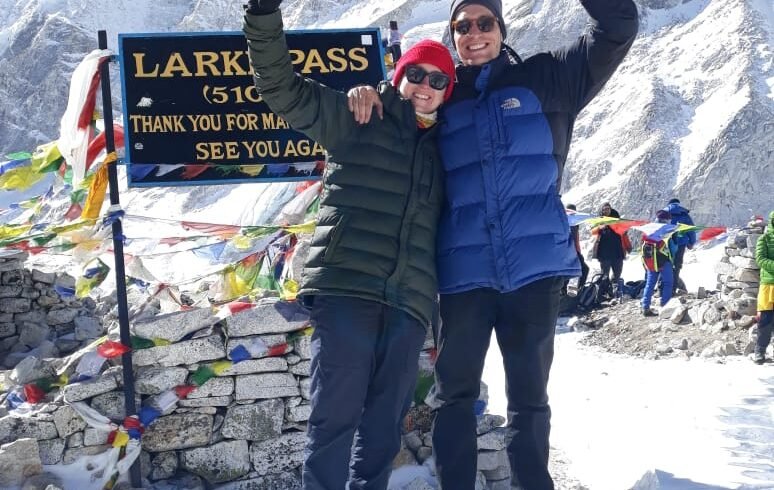
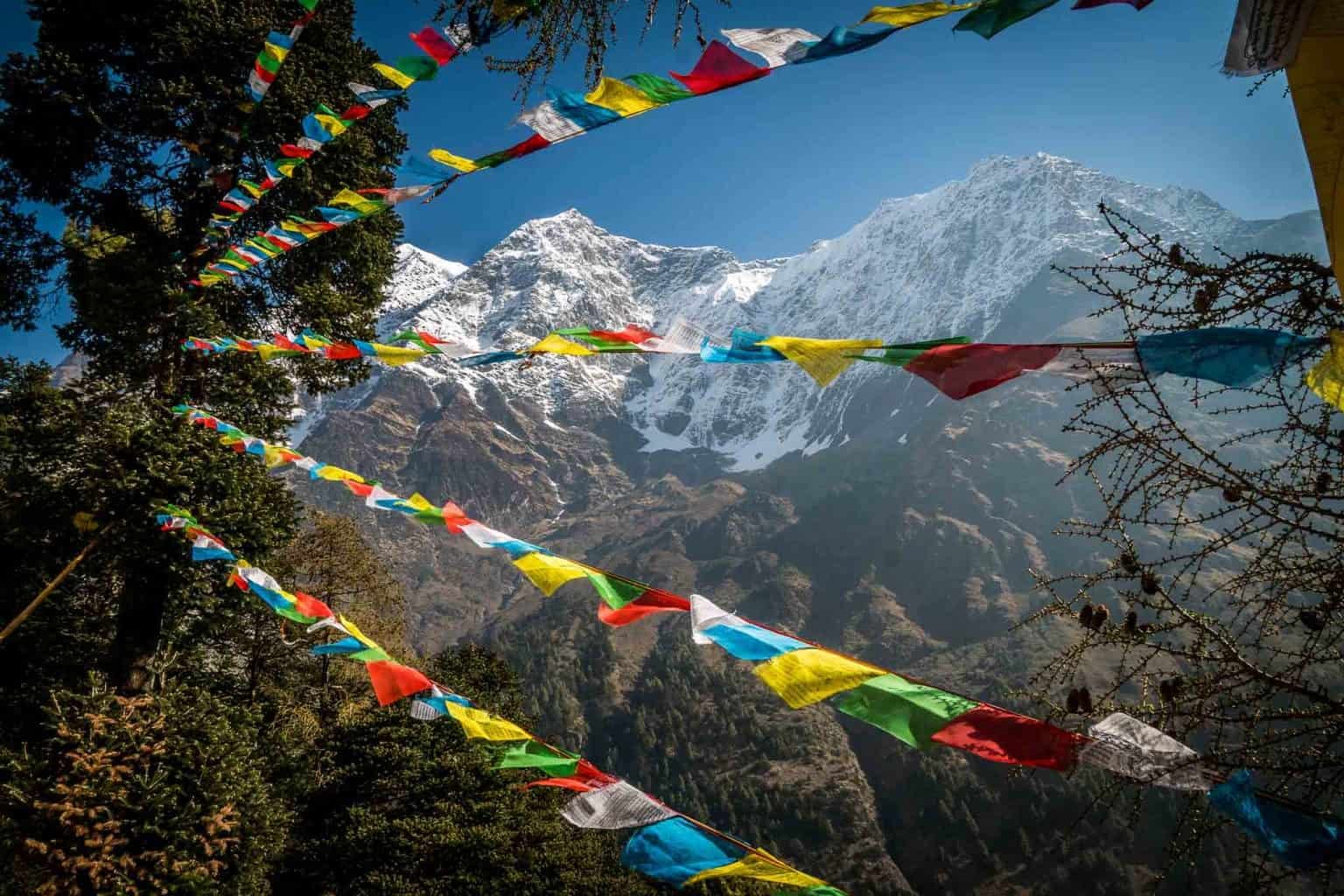
After several hours of ascent, you reach the top of Larkya La Pass, marked by prayer flags, stone cairns, and an altitude signboard. From the pass, wide mountain views open in every direction. Peaks such as Himlung Himal, Cheo Himal, Kang Guru, and Annapurna II, III, and IV dominate the horizon. On clear days, the views extend toward the Ganesh Himal range.
After a short rest at the pass, the trail begins a long descent. You pass Cheo Danda and small yak herder settlements before reaching the area around Pongkar Tal, a beautiful high altitude lake set between the Pongkar and Salpu Danda glaciers. The scenery here feels stark and remote, with glaciers and ice fields nearby.
As you descend further on the western side of the pass, the landscape changes noticeably. You enter the Manang district and gradually return to forests of rhododendron, pine, and oak. The walking becomes easier as you approach Bimthang, a scenic settlement located in a wide grassy valley surrounded by forest and mountains.
Bimthang offers some of the most comfortable lodges on the Manaslu Circuit. After a long day, you can rest, enjoy a warm meal, and relax with tea or coffee while reflecting on the successful crossing of the pass.
You spend the night in Bimthang, resting and recovering after completing the highest and most challenging section of the trek.
Day Highlights
- Early morning ascent to Larkya La Pass (5,160 m), the highest point of the trek
- Panoramic views of Himlung Himal, Cheo Himal, Kang Guru, and Annapurna II, III, and IV
- Descent past glaciers and Pongkar Tal into changing landscapes
- Comfortable overnight stay in Bimthang after a demanding day
After breakfast, you begin the descent from Bimthang to Tilije, walking through a noticeably different landscape as you now see the mountains from the opposite side of the Manaslu range. The views change throughout the day, offering new perspectives of the peaks crossed during the Larkya La Pass.
The trail descends through forests of rhododendron and juniper, creating a calm and refreshing walking environment. During spring, this section is especially pleasant when rhododendron forests are in bloom. After the high alpine terrain of the previous day, the lower altitude and forested trails feel comfortable and relaxed.
As you continue downhill, the surroundings become greener, with small streams, wooden bridges, and open meadows along the route. The walking is mostly downhill and steady, allowing time for short breaks and enjoying the scenery.
Gradually, the trail enters the Marsyangdi Valley, where the climate becomes warmer and villages appear more settled. By afternoon, you reach Tilije, a traditional village with stone houses, cultivated fields, and a peaceful atmosphere.
Tilije offers comfortable lodges and is a pleasant place to rest, marking a smooth transition from the remote Manaslu region toward the Annapurna area.
Day Highlights
- Descending from high alpine terrain into forested landscapes
- Rhododendron and juniper forests with greener surroundings
- Entry into the Marsyangdi Valley and warmer climate
- Overnight stay in Tilije, a traditional mountain village
After breakfast, you take a jeep drive from Tilije to Besisahar via Dharapani. The drive follows the Marsyangdi Valley, passing through settled villages, terraced fields, and river valleys as the landscape gradually becomes greener and warmer.
The road includes both rough mountain sections and smoother tracks, offering views of hills, rivers, and local village life along the way. This drive marks the end of the remote trekking section and a return to easier travel conditions.
By afternoon, you arrive in Besisahar at 760 meters, where you can relax after completing the Manaslu Circuit Trek and prepare for the final return journey.
Day Highlights
- Scenic jeep drive through the Marsyangdi Valley
- Views of villages, rivers, and terraced farmland along the route
- Passing through Dharapani, the meeting point of Manaslu and Annapurna trails
- Arrival at Besisahar, marking the end of the trekking section
After breakfast, you begin the jeep drive from Besisahar back to Kathmandu, enjoying the final journey through river valleys, rolling hills, and rural countryside. As the road follows the Marsyangdi and Trishuli river corridors, the scenery gradually changes from mountain terrain to lowland landscapes.
By afternoon, you arrive in Kathmandu and are transferred to your hotel. You have time to freshen up, rest, or take a short walk around the city after the long drive.
In the evening, Next Trip Nepal invites you to a farewell dinner to mark the successful completion of the Manaslu Circuit Trek. This is a relaxed opportunity to reflect on the journey, share experiences with your guide and trekking team, and celebrate the achievement together.
During the dinner, you receive a trek achievement certificate as a small recognition of completing one of Nepal’s most rewarding long-distance treks. After the dinner, you return to your hotel for the night.
Day Highlights
- Scenic drive from the mountains back to Kathmandu
- Comfortable hotel transfer and time to rest
- Farewell dinner hosted by Next Trip Nepal
- Trek achievement certificate and journey reflection
Cost Included & Excluded
Cost Includes
- Airport pickup and drop-off by private vehicle
- Ground transportation as per itinerary using comfortable local transportation, including:
- Bus from Kathmandu to Machha Khola
- Shared jeep from Tilije to Besisahar
- Tourist bus from Besisahar to Kathmandu
- Twin-sharing accommodation in the best available teahouses during the trek
- All required trekking permits and fees, including Restricted Area Permit, Manaslu Conservation Area Permit, and Annapurna Conservation Area Permit
- Full board meals during the trek, including breakfast, lunch, and dinner, with tea or coffee served with breakfast
- Experienced, friendly English-speaking trekking guide
- One porter to carry luggage (up to 20–22 kg total)
- All expenses of the guide and porter, including salary, meals, accommodation, transportation, and insurance
- Sleeping bag, down jacket, and duffle bag provided if required (to be returned after the trek)
- Seasonal fresh fruits served after dinner during the trek
- Well-equipped first aid kit and oximeter for altitude monitoring
- Farewell dinner on the last night in Kathmandu
- Trek completion certificate as a lifetime memory
- All government taxes, VAT, and service charges
Cost Excludes
- Nepal entry visa fee (easily obtainable on arrival at Tribhuvan International Airport, Kathmandu)
- Travel insurance (compulsory and must cover high altitude trekking and emergency evacuation)
- Personal expenses including bottled drinking water, hot and cold drinks, and bar bills
- Laundry, telephone calls, hot showers, and internet or Wi Fi charges during the trek
- Tips for the guide, porter
365 Days Fixed Departure
Planning a private trip? Fill out the form and our travel experts will be in touch shortly.
Error: Contact form not found.
-
Guaranteed Group Discount Available Available PackagesTuesdayFebruary 3, 2026SundayFebruary 15, 2026$1,500$1,4007% OffAvailable
-
Guaranteed Group Discount Available Available PackagesWednesdayFebruary 4, 2026MondayFebruary 16, 2026$1,500$1,4007% OffAvailable
-
Guaranteed Group Discount Available Available PackagesThursdayFebruary 5, 2026TuesdayFebruary 17, 2026$1,500$1,4007% OffAvailable
Overall Trip Rating:
-
Verified Purchase
By Jordan L(United States (US))October 10, 2025 Seamless Manaslu Circuit Trek with Next Trip Nepal.The Next Trip Nepal team was super responsive from the start. I reached out on WhatsApp, and they quickly provided all the information I needed and helped me feel confident about booking the Manaslu Circuit Trek. The trek itself was incredible. My guide, Dinesh, was experienced and calm and shared so much about the mountains, villages, and culture. I felt safe and well taken care of the whole time. Ram, my porter, was equally amazing, always positive and so helpful on the trail. If you're thinking about doing this trek, I highly recommend going with Next Trip Nepal, especially with Dinesh and Ram. It was an best experience. -
Verified Purchase
By Laura(Australia)May 14, 2025 Amazing Manaslu Trek with Susam and Next Trip NepalWe had an incredible time on the Manaslu Circuit trek with Next Trip Nepal. As a couple, we felt completely looked after by our guide, Susam. He was kind, experienced, and always made sure we were comfortable and safe. The whole trip was hassle-free, well-organized, and the scenery was absolutely breathtaking. Highly recommend this trek and team -
Verified Purchase
By Alex T(United States (US))October 9, 2024 Best trekking agency for Manaslu trek – next level serviceI recently completed the Manaslu Circuit Trek with Next Trip Nepal, and it was an unforgettable experience. Our guide, Kiran, was calm, supportive, and incredibly knowledgeable. Even during the tougher sections of the trek, he made everything feel manageable and safe. We trusted him completely throughout the journey. Our two porters, Rajan and Deepak, were amazing. Rajan always had a smile on his face, and Deepak moved along the trail with such ease it was inspiring. We truly couldn’t have completed the trek without their support. The Manaslu region itself is stunning breathtaking views, diverse landscapes, authentic village life, and some physically rewarding challenges. I’m so glad we chose this route and this team. I highly recommend Next Trip Nepal to anyone looking for a well-organized and authentic trekking experience in Nepal.
Write a Review Cancel reply
Thank you. Your review will appear after admin approves it.
Please fill all the fields.
Frequently Asked Questions (FAQs)
The Manaslu Circuit Trek is considered moderately challenging. It involves long walking days, changing terrain, and high altitude, with the highest point at Larkya La Pass (5,160 m). Good fitness and some prior trekking experience are recommended.
Yes. The Manaslu region is a restricted area, and trekking without a licensed guide is not allowed. You must trek with a registered trekking agency and an authorized guide.
You need three permits: the Manaslu Restricted Area Permit (RAP), Manaslu Conservation Area Permit (MCAP), and Annapurna Conservation Area Permit (ACAP). These permits are arranged by Next Trip Nepal.
The best seasons for the Manaslu Circuit Trek are spring (March to May) and autumn (September to November). These periods offer stable weather, good trail conditions, and clear mountain views. They also avoid the heavy rain of the monsoon and the deep snow of winter, which can block high passes.
Spring (March to May)
Spring is a popular time for the Manaslu Circuit Trek, especially for those who enjoy warmer days and blooming landscapes.
Pros
- Rhododendron forests and wildflowers in bloom
- Gradually warming temperatures
- Clear mornings with good mountain visibility
- Teahouses fully open along the route
Cons
- Popular season, especially in April and May
- Trails and lodges can be busier
Autumn (September to November)
Autumn is considered the most stable season for trekking in the Manaslu region.
Pros
- Dry and stable weather
- Excellent visibility of high Himalayan peaks
- Clear trails after the monsoon
- Cultural festivals such as Dashain and Tihar
Cons
- Peak trekking season with more visitors
- Advance booking recommended for permits and lodges
Off-Season Trekking
Winter (December to February)
Winter brings cold temperatures and snowfall. Trails are quiet, but Larkya La Pass may be blocked by snow, making the trek more challenging and suitable only for experienced trekkers.
Monsoon (June to August)
The monsoon season brings heavy rain, muddy trails, and difficult road conditions. However, the landscape is lush and green, with strong rivers and waterfalls. Trekking during this time is generally not recommended.
Larkya La Pass is 5,160 meters above sea level and is the highest point of the Manaslu Circuit Trek.
Yes, altitude sickness can be a risk due to the high elevation. The itinerary includes acclimatization days at Sama Gaun and Samdo to help your body adjust safely.
Accommodation is in local teahouses and lodges. Rooms are simple but comfortable, usually with twin beds. Facilities become more basic at higher altitudes.
Meals are taken at local teahouses along the Manaslu Circuit. Food is simple, freshly prepared, and designed to give enough energy for long trekking days. As altitude increases, menu choices become more limited, but hot meals are available in every village.
Typical Meals You Can Expect
Local Nepali Food
- Dal Bhat (rice, lentil soup, seasonal vegetables, and pickles) – the most common and filling meal
- Tibetan style bread, chapati, and rice dishes
- Vegetable curries and local potatoes
International and Simple Trekking Food
- Fried rice, noodles, and pasta
- Vegetable soups and garlic soup (popular at higher altitude)
- Pancakes, porridge, and eggs for breakfast
Drinks
- Tea (black tea, milk tea, ginger tea, lemon tea)
- Instant coffee and local style milk coffee
- Hot chocolate and soup drinks in colder areas
Fit beginners with good preparation can complete the trek, especially with a well planned itinerary and proper acclimatization. Prior hiking experience is helpful but not mandatory.
The standard Manaslu Circuit Trek usually takes 11 to 15 days, depending on the itinerary, acclimatization days, and starting and ending points.
If a trekker feels unwell, the guide first manages the situation on the trail using rest, hydration, and basic first aid. If symptoms do not improve, the trek plan is adjusted or descent is arranged. Safety always comes first.
Yes. Helicopter rescue is available in emergency situations such as severe altitude sickness or injury. Rescue depends on weather conditions and visibility.
Yes. Travel insurance is mandatory and must cover high-altitude trekking and emergency helicopter evacuation up to at least 5,500 meters.
Licensed guides carry mobile phones and stay in contact where network is available. In remote areas, coordination is done through nearby villages and emergency services.
Yes, when done with a licensed guide and proper acclimatization. The route is well established, but it is remote, so good planning, fitness, and following guide instructions are important.
Yes. The itinerary can be adjusted due to weather, health conditions, or trail situations. Guides make decisions based on safety and group condition.