
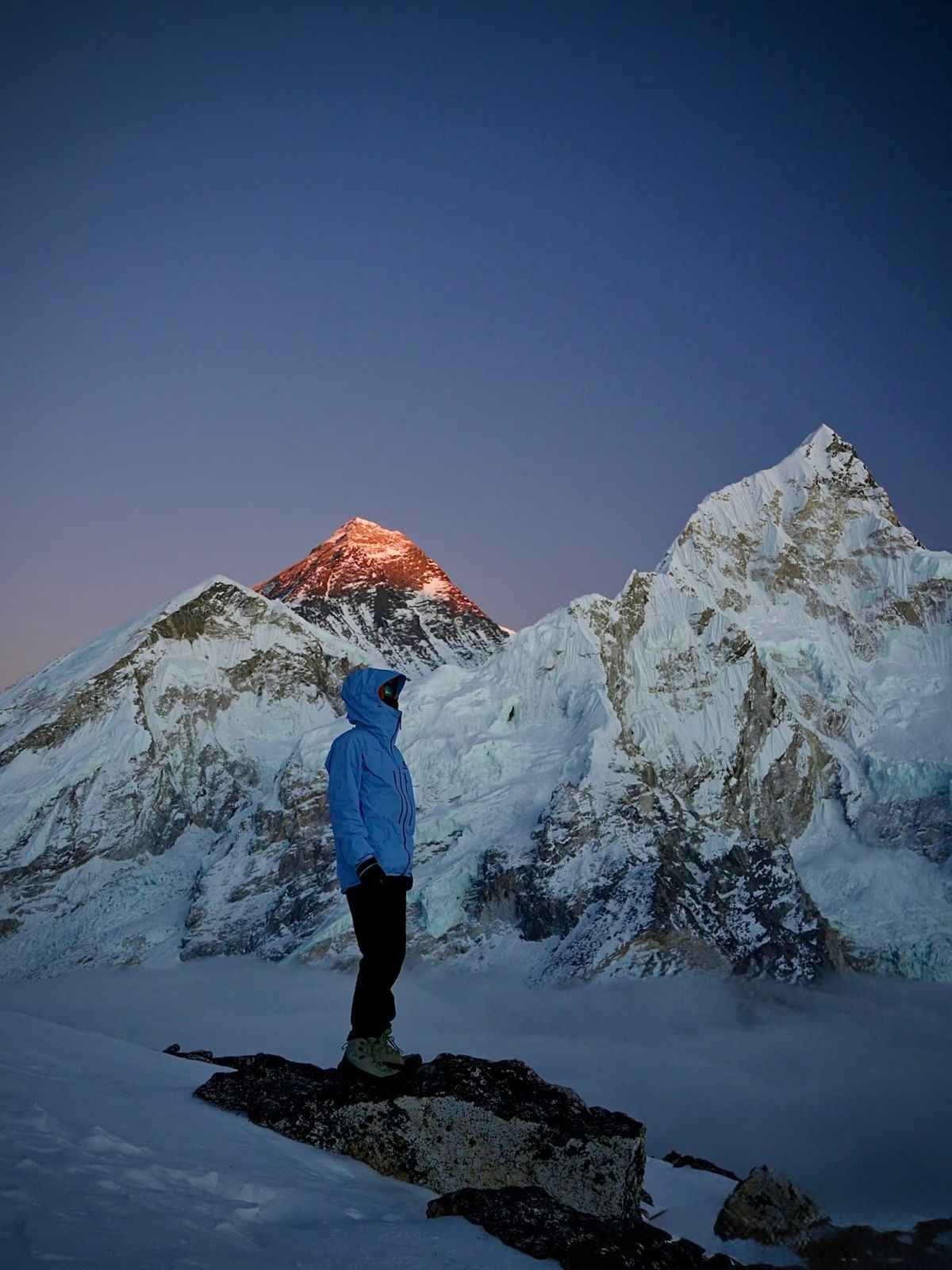
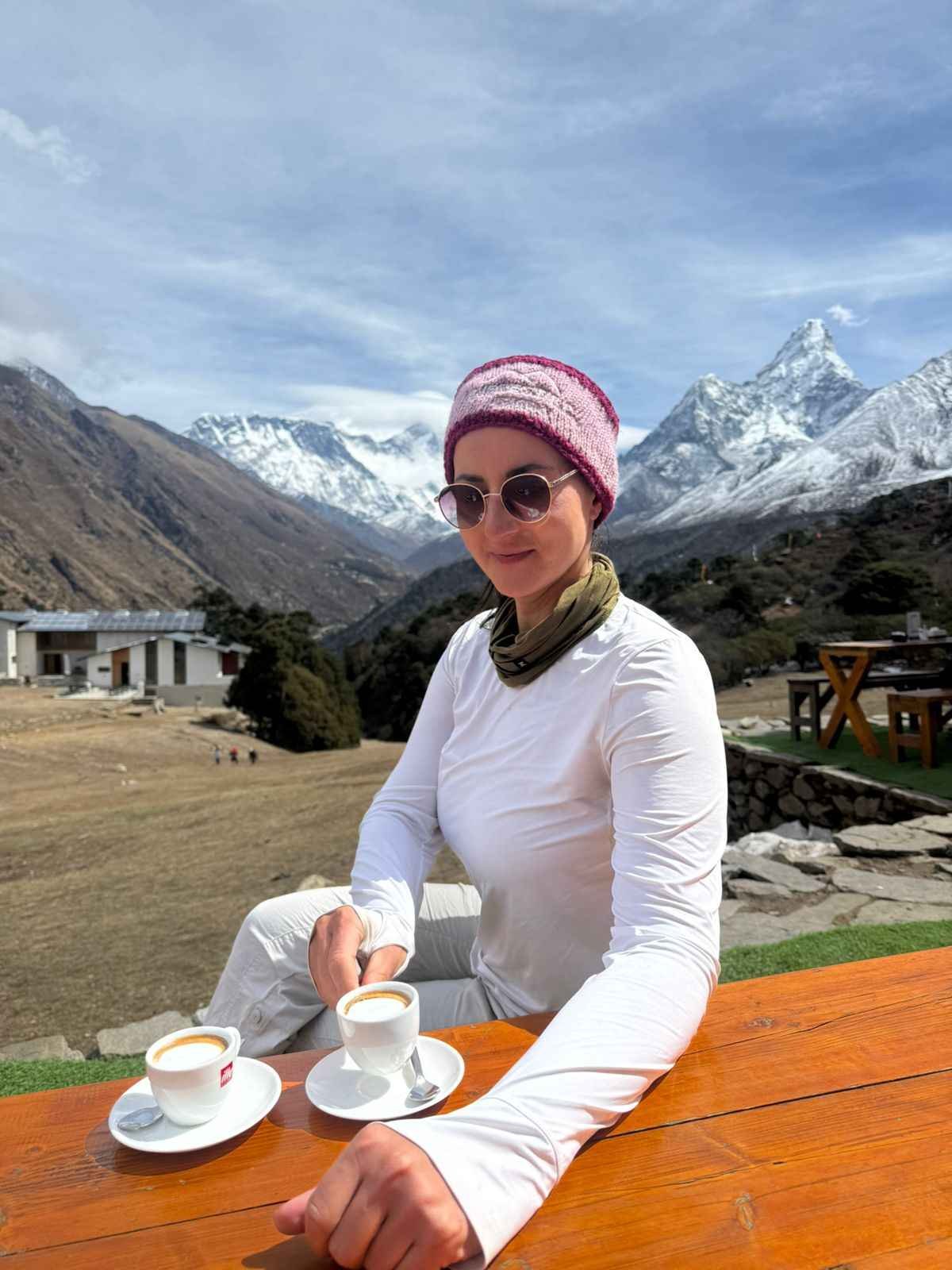
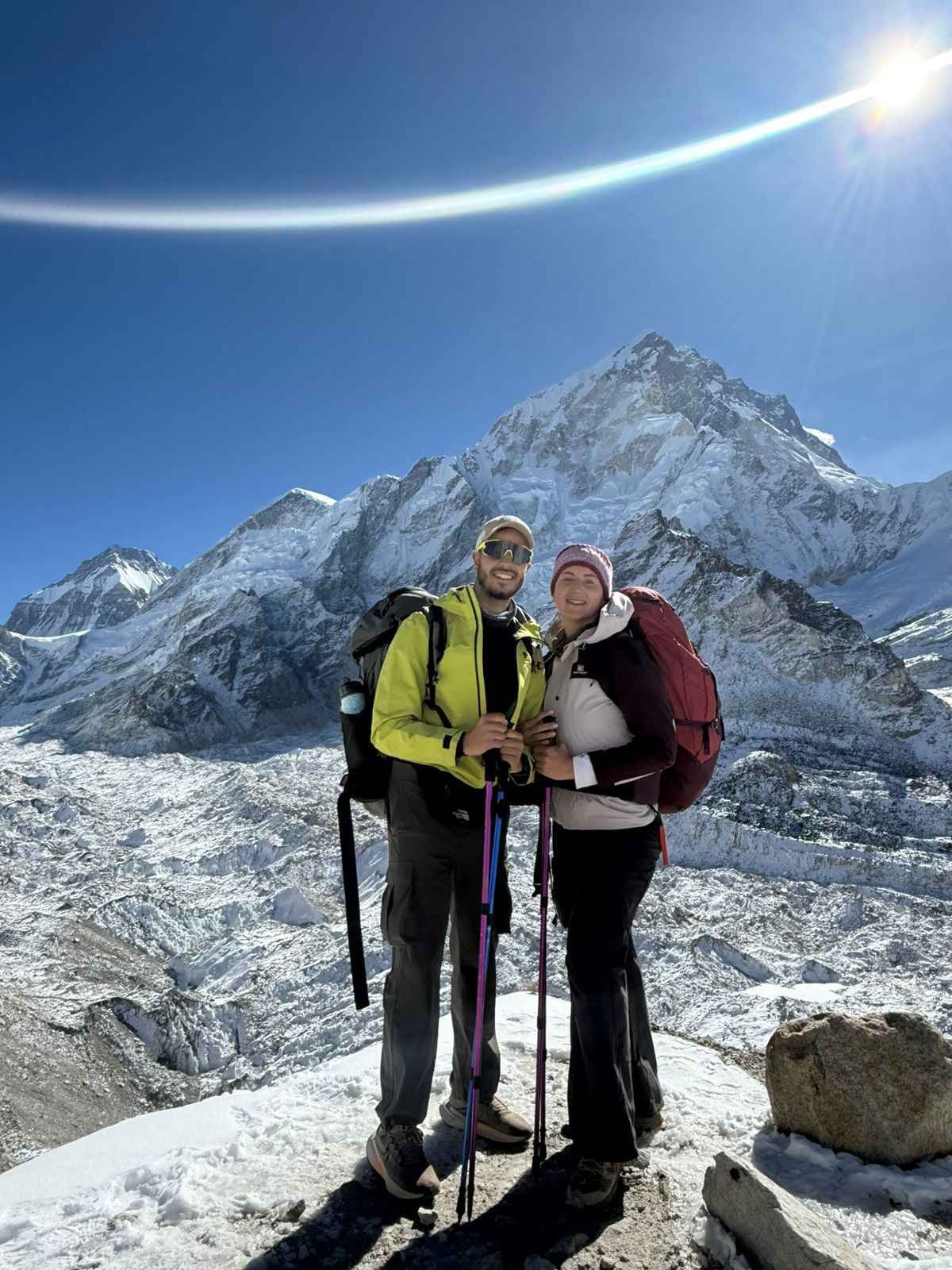
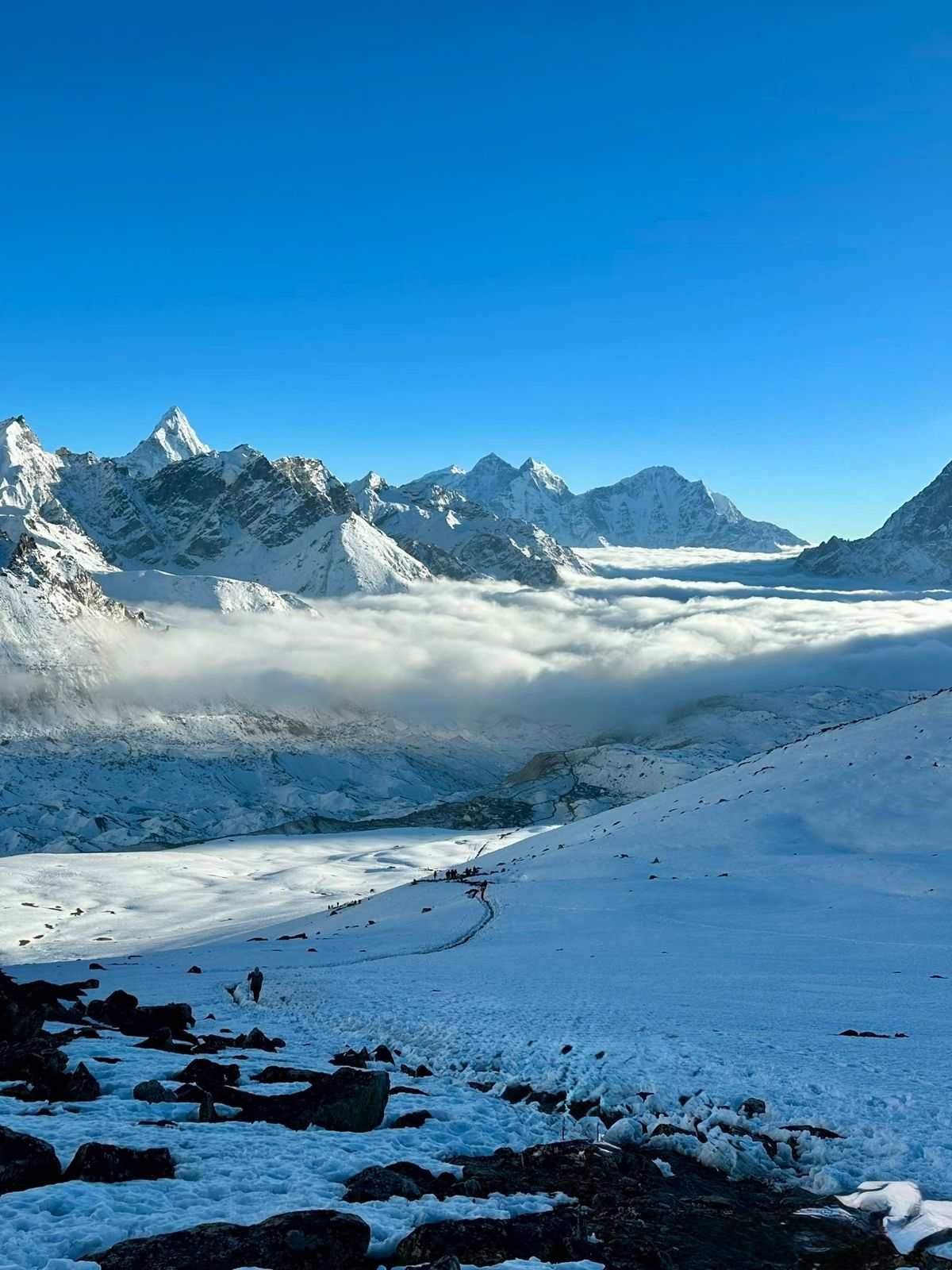
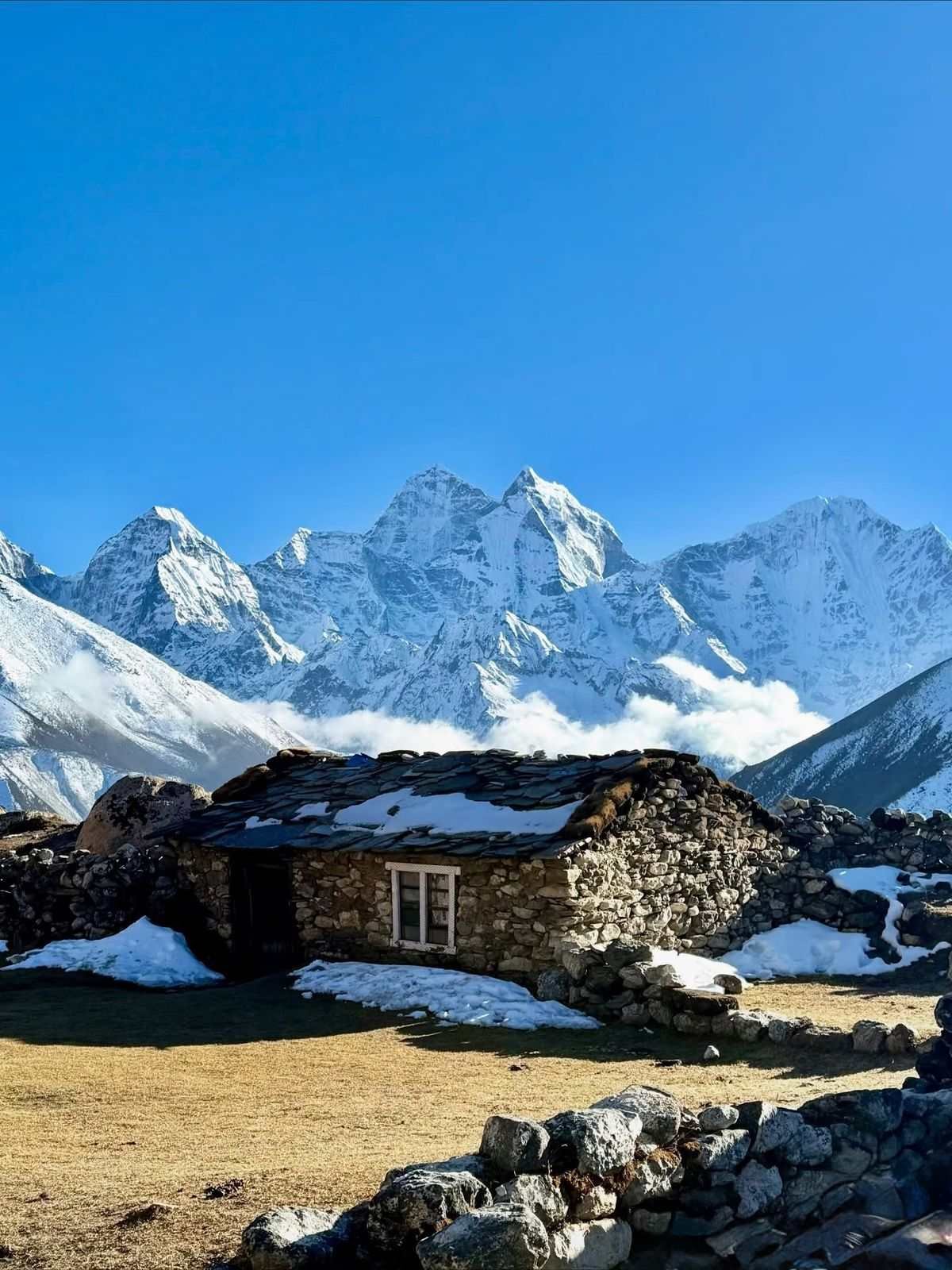
The Everest Base Camp photography trek is planned with extra time at key viewpoints so you can shoot during sunrise and sunset, when the light is best in the mountains. The Everest Base Camp Trek itinerary includes proper acclimatisation and a flexible pace which is important for both safety and getting consistent shooting conditions.
For those looking for an Everest Base Camp trek for content creators and videographers, this route gives a wide range of subjects throughout the journey. You’ll capture major peaks like Everest, Ama Dablam, and Nuptse, along with daily life in Sherpa villages, monasteries, suspension bridges, and high-altitude landscapes.
There is enough time at places like Namche Bazaar, Dingboche, and Kala Patthar to plan shots, wait for clear weather, and work with changing light. Early mornings and late afternoons are especially useful for both photography and video.
Whether you are using a DSLR, mirrorless camera, action camera, or mobile phone, the Everest region offers reliable conditions for creating strong visual content across the entire trek.
Everest Base Camp Photography Trek Outline Itinerary
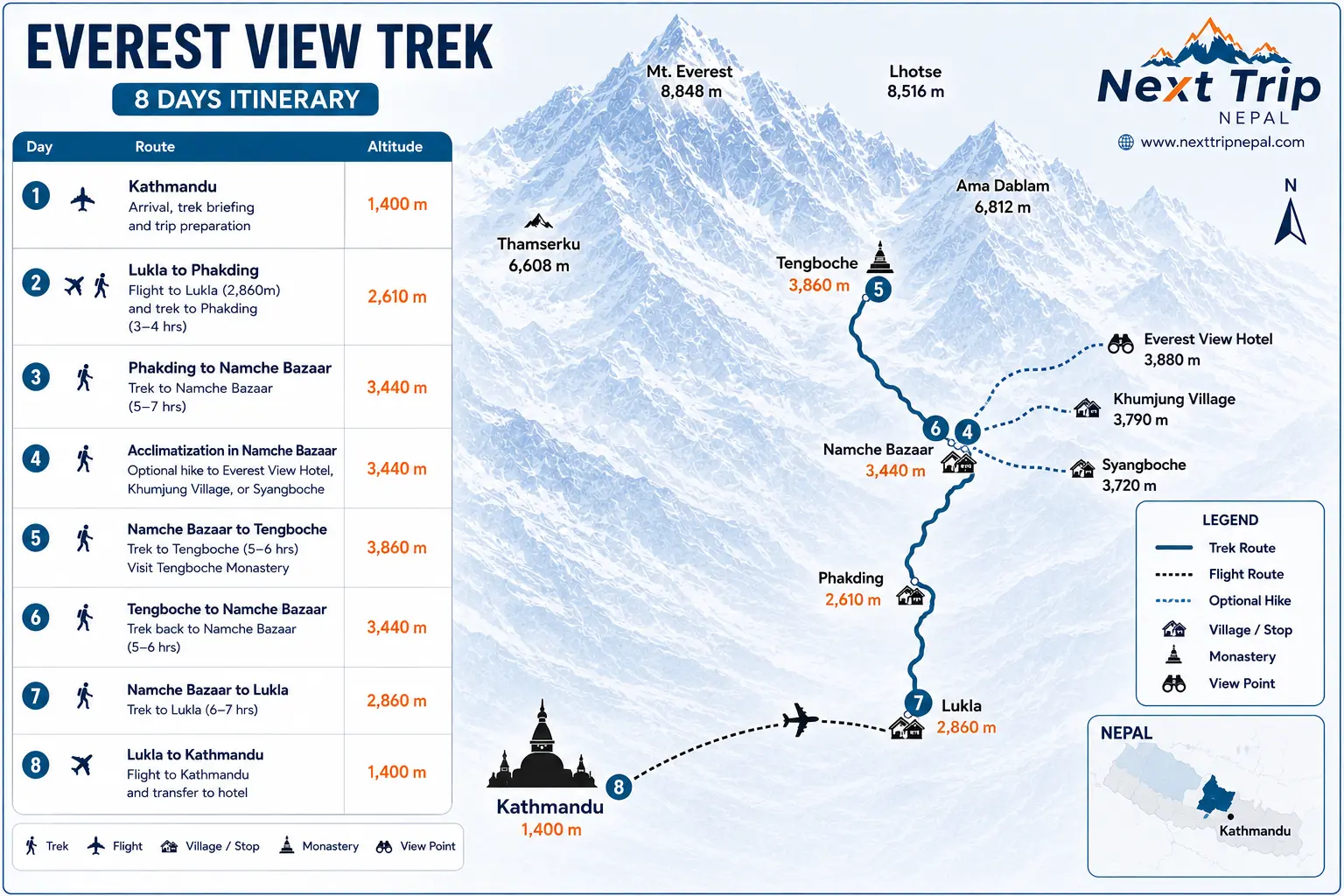
- Day 1: Arrival in Kathmandu (1,320 m) and transfer to hotel
- Day 2: Flight from Kathmandu to Lukla (2,860 m) and trek to Phakding (2,610 m) | 8 km | approx. 3 hrs
- Day 3: Trek from Phakding to Namche Bazaar (3,440 m) | 10–11 km | approx. 6 hrs
- Day 4: Acclimatization day in Namche Bazaar with hike to Everest View Hotel (3,880 m) | 4–6 km
- Day 5: Trek from Namche Bazaar to Tengboche (3,860 m) | 10 km | approx. 5 hrs
- Day 6: Trek from Tengboche to Dingboche (4,410 m) | 11 km | approx. 5 hrs
- Day 7: Acclimatization day in Dingboche with hike to Nagarjun Hill (5,100 m) | 5–7 km
- Day 8: Trek from Dingboche to Lobuche (4,910 m) | 8 km | approx. 5 hrs
- Day 9: Trek from Lobuche to Gorakshep (5,140 m) and visit Everest Base Camp (5,364 m) | 12 km | approx. 7 hrs
- Day 10: Hike from Gorakshep to Kala Patthar (5,545 m) then trek to Pheriche (4,240 m) | 10–12 km | approx. 7 hrs
- Day 11: Trek from Pheriche to Namche Bazaar (3,440 m) | 14 km | approx. 6 hrs
- Day 12: Trek from Namche Bazaar to Lukla (2,860 m) | 18–19 km | approx. 7 hrs
- Day 13: Flight from Lukla to Kathmandu (1,320 m)
- Day 14: Final departure
Everest Base Camp Photography Trek Price 2026 and 2027
The Everest Base Camp Photography Trek price starts from USD 1,400 per person, depending on the group size. Larger groups receive a lower cost per person.
| Number Of Travellers | Price / Person | Inquiry |
|---|---|---|
| 1 – 1 | $1,700 | |
| 2 – 2 | $1,600 | |
| 3 – 5 | $1,500 | |
| 6 – 10 | $1,400 |
Why Book Everest Base Camp Photography Trek with Next Trip Nepal
- Experienced local team with strong knowledge of Everest trekking routes and conditions
- Photography focused guides who understand best viewpoints, timing, and lighting conditions
- Flexible itinerary designed around weather, visibility, and real trekking pace
- Hassle free organization with permits, flights, accommodation, and logistics fully managed
- Carefully selected tea houses and hotels for comfort and better location
- Proper acclimatization planning to reduce altitude risk and improve overall experience
- Guides who support both trekking safety and photography opportunities throughout the journey
- Local expertise to position you at the right place at the right time for the best views
- Clear communication before and during the trek with full support from our team
- Trusted local company focused on real experience, not just selling packages
Best Time for Everest Base Camp Photography Trek
The best time for the Everest Base Camp photography trek depends on visibility, light conditions, and weather stability. Choosing the right season makes a big difference in the quality of mountain views and photography opportunities.
Spring Season (March to May)
- Stable weather with clear mornings and moderate temperatures
- Good balance of light and clouds for dynamic landscape photography
- Rhododendron forests in bloom at lower elevations
- Some haze can appear in late afternoons at lower altitudes
Autumn Season (September to November)
- Best overall visibility with very clear mountain views
- Dry air and sharp conditions ideal for long distance photography
- Consistent weather patterns with low chance of rain
- Peak trekking season so trails and lodges are busier
Winter Season (December to February)
- Very clear skies and excellent mountain visibility
- Cold temperatures especially above Dingboche and Lobuche
- Less crowded trails for uninterrupted photography
- Battery drain and gear handling can be challenging due to cold
Monsoon Season (June to August)
- Cloud cover and rain reduce mountain visibility
- Not ideal for Everest views and high altitude photography
- Lush green landscapes at lower elevations
- Flight delays to Lukla are more common
For the best photography results, spring and autumn are the most reliable seasons. These months offer the right combination of clear views, stable weather, and good lighting conditions across the Everest region.
Best Photography Viewpoints on the Everest Base Camp Trek
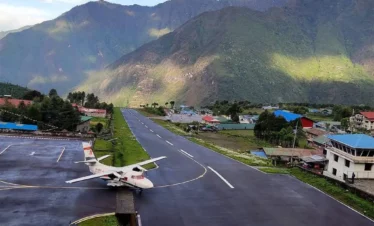
1. Lukla Airport (Arrival & Departure)

Best for: Aerial shots, dramatic entry
Time: Morning flights
What to capture:
- Aircraft landing with mountains
- First Himalayan ridges from the air
- Village life around Lukla
Tip: Window seat on the left side (Kathmandu–Lukla) for better views.
2. Phakding & Dudh Koshi Valley

Best for: River compositions, long exposure
Highlights:
- Suspension bridges
- Milky river flow (great for slow shutter)
- Pine forest depth shots
3. Namche Bazaar Viewpoint (First Everest View)

Best for: First Everest shot + village composition
Time: Early morning
Highlights:
- Everest + Lhotse + Ama Dablam together
- Namche amphitheater shape
- Cloud layers below peaks
This is where clients get their first emotional shot.
4. Everest View Hotel (Luxury Panorama Spot)

Best for: Clean, unobstructed mountain shots
Time: Sunrise
Highlights:
- Everest clearly visible
- Ama Dablam foreground (very photogenic peak)
- Wide angle + telephoto both work well
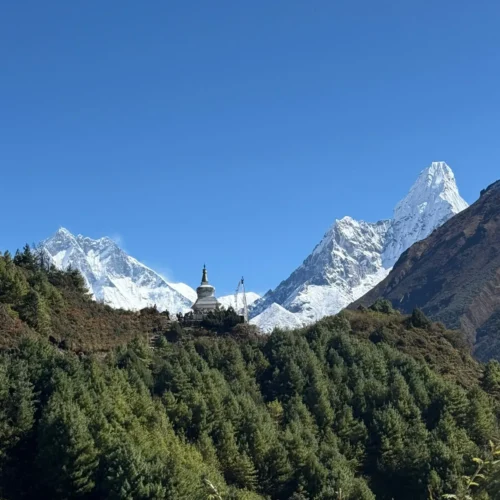
5. Tengboche Monastery (Culture + Mountains)

7
Best for: Cultural storytelling
Highlights:
- Monastery with Ama Dablam behind
- Prayer flags + monks
- Spiritual atmosphere shots
6. Pangboche & Upper Valley (Less Crowded Frames)

Best for: Mountian village + close mountain shots
7. Dingboche Ridge (Acclimatization Hike)


Best for: Wide landscapes
Highlights:
- Imja Valley + Island Peak
- Stone-walled fields
- Big sky compositions
8. Nangkartshang Peak (Underrated Photography Spot)

Best for: High-altitude panorama
Time: Morning
Highlights:
- Makalu (rare to capture on EBC route)
- Full Himalayan range
- Strong depth layers
This is one of the best hidden photography spots.
9. Thukla Pass Memorial Area


Best for: Emotional storytelling
Highlights:
- Memorials of climbers
- Stark, raw landscape
- Black rocks + snow contrast
10. Lobuche & Glacier Edge

Best for: Texture & abstract shots
Time: Daytime
Highlights:
- Glacier patterns
- Rocky moraine textures
- Harsh alpine environment
11. Gorakshep

Best for: Unique high-altitude landscape
Time: Daytime
12. Kala Patthar (THE Best Everest Viewpoint)


7
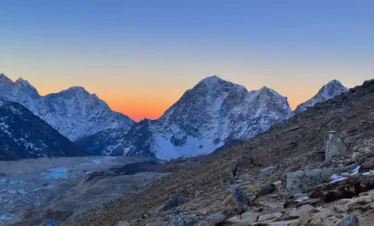
Best for: Iconic Everest shots
Time: Sunrise (or sunset for softer light)
Highlights:
- Closest clear view of Everest
- Pumori foreground framing
- Golden light on Everest summit
Kalapathar is the main photography goal of the trek

Everest Base Camp Photography Trek Overview
The Everest Base Camp photography trek is organized as a private Everest Base Camp trek to provide a smooth and well-managed experience in the Everest region, with all essential logistics handled in advance. As an Everest Base Camp trek with proper support, the package includes permits, accommodation, meals, an experienced guide, and porter service, allowing you to focus on both trekking and capturing the journey.
The Everest Base Camp trek route follows the standard trail through Namche Bazaar, Tengboche, Dingboche, and Gorakshep, with each stop planned for proper acclimatization and better overall conditions. A steady walking pace and structured itinerary help maintain safety and comfort at higher altitude while giving enough time to observe and shoot.
The Everest Base Camp photography trek is suitable for trekkers who want a reliable and organized experience without unnecessary complications. Whether traveling solo or in a group, the setup ensures consistent support, clear planning, and a straightforward trekking journey in the Everest region.
Everest Base Camp Photography Trek Highlights
- Sunrise view from Kala Patthar with clear visibility of Everest and surrounding peaks
- Well paced itinerary with proper acclimatization at Namche Bazaar and Dingboche
- Extended time at key photography locations instead of rushing the trail
- Tengboche Monastery with direct views of Ama Dablam
- Walk through Sagarmatha National Park with forests, rivers, and suspension bridges
- Close up views of Khumbu Glacier and Everest Base Camp
- Flexible daily schedule based on weather and mountain visibility
- Comfortable accommodation arranged throughout the trek
- Gradual ascent through Sherpa villages like Namche Bazaar and Dingboche
- Visit to Tengboche Monastery, the spiritual center of the Khumbu region
- Walk inside Sagarmatha National Park with diverse landscapes
Write a Review
You must be logged in to post a comment.